Industry and Business: Trendy Terms That Explain How the Market Works
One of my clients once brought a printout from the Elie Saab shows to a regular local tailor and confidently declared to the tailor, "Make me exactly the same couture dress, but let's keep it under 500 euros." This situation, which I've personally observed, always brings a slight professional smile to my face. It's not about budget, but a colossal confusion of concepts. Understanding how the industry works begins not with recognizing microtrends, but with the fundamentals. And here fashionable terms This isn't just the snobbish jargon of glossy magazine editors, but the rigid financial architecture of the market. It's precisely this that explains why one basic white T-shirt loses its shape after the first wash and costs 15 euros, while another lasts for years, holds its collar perfectly, and is valued at 800.
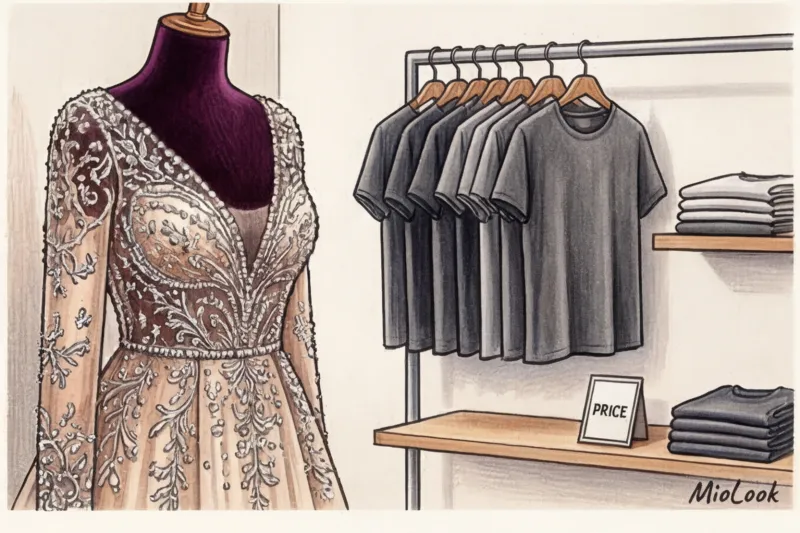
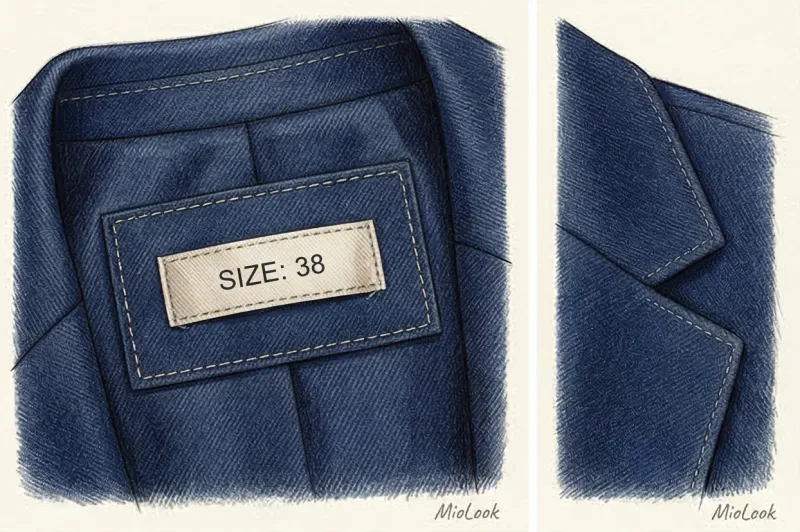
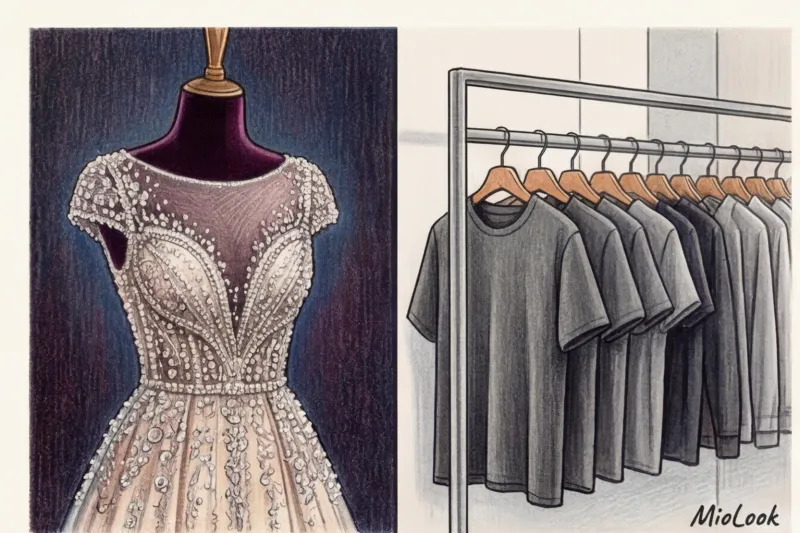
Let's debunk the main myth that even fashion bloggers often commit: any insanely expensive dress from a Chanel, Dior, or Valentino boutique is almost always not couture. Prêt-à-porter (from the French "ready to wear"). These are premium-quality items created using standard patterns for a mass, albeit affluent, audience. You can walk into a boutique on Avenue Montaigne, choose your size 38, pay at the checkout, and leave. With true couture, you can't do that, no matter how hard you try.
Historically and legally Haute Couture (Haute Couture) is a strictly protected status in France. For a brand to have the right to call its collections couture, it must receive official approval. Fédération de la Haute Couture et de la Mode (Syndicate of Haute Couture). The rules are draconian: a Parisian atelier must be permanently staffed by at least 15 highly skilled artisans, and a collection of at least 50 unique designs must be presented twice a year. Each dress is custom-made for the client, requires 100 to 1,000 hours of handwork, and costs anywhere from €50,000 to infinity. Therefore, when someone asks for a "couture" dress at a local atelier, it's important for a professional to understand the difference: the client simply wants a bespoke piece, not a garment that aspires to national status.
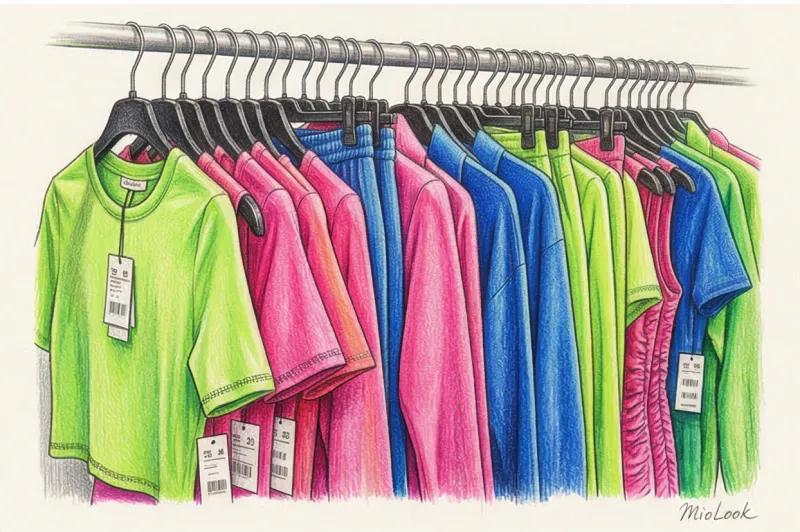
If at the top of the pyramid there are individual handmade masterpieces, then at its base there is a raging Fast Fashion (fast fashion). Until the early 2000s, the industry operated within a measured rhythm of two seasons: spring-summer and fall-winter. But giants like Zara and H&M disrupted this system by introducing the concept of 52 micro-seasons per year. The speed of consumption changed dramatically: the journey from an idea on the catwalk to a hanger in a shopping mall was reduced to a record-breaking three weeks. Clothing became perceived as a perishable product.
In opposition to this race, a movement arose Slow Fashion (slow fashion). It's not just a refusal to buy frequently, but an entire philosophy of mindfulness. Slow fashion brands focus on ethical production, transparent supply chains, and creating timeless pieces. According to the Business of Fashion (2024) analytical report, although fast fashion still dominates sales, it is the slow fashion segment that demonstrates the most stable growth in customer loyalty. Shoppers are simply tired of clothes that last only until the first wash.
While mass market success is driven by speed, luxury has traditionally attracted customers through exclusivity. However, to reach a wider audience and maintain the DNA of their core brand, fashion houses have built a complex system. Why would a luxury brand create cheaper clothing? The answer lies in the strategy of "cultivating" the customer. This is what diffusion lines — the second, more democratic lines of famous houses.
A classic example from fashion marketing textbooks: Miu Miu was originally created by Miuccia Prada as a younger, more accessible version of Prada (although today the brand has grown into a trend-setting giant in its own right). Another clear example is Armani Exchange and Emporio Armani. They offer a taste of Giorgio Armani's aesthetic to those who aren't yet ready to fork out €2,000 for a classic suit from the main Giorgio Armani line.
A similar principle is served by collaborations When H&M releases a collaborative collection with Mugler or Balmain, or Uniqlo collaborates with Jil Sander, everyone wins. The mass market gets colossal PR and mile-long queues outside its flagship stores, the luxury brand gets an injection of cash and the attention of a younger audience, and the customer gets designer cuts at a tenth the price of the original.
Mass-market, middle-up, and premium: the brand hierarchy
If we step down from the catwalks into actual shopping centers, we'll see a clear classification of price segments. At the very bottom is mass market—clothing for mass demand, where the main focus is on volume production and low prices (from 10 to 50 euros per item). Just above that is middle-up — these are brands like COS or Massimo Dutti. They offer higher-quality fabrics (wool, silk, heavy cotton) and precise cuts, with prices ranging from 80 to 200 euros.
But the most interesting phenomenon of modern industry has become the so-called Bridge brand These are brands that literally bridge the gap between high-quality mass-market and high-end luxury. Maje, Sandro, Ganni, Staud, and Cult Gaia belong to this promising segment. The average order value here ranges from 200 to 600 euros.
Why do I consider the bridge segment the most promising for wardrobe investment? Over 10 years of working as a fashion journalist and stylist, I've discovered a simple principle: when you buy a piece from a bridge brand, you're paying for excellent cuts, natural materials, and a contemporary but understated design, rather than paying a 300% premium for a historic fashion house logo. The quality of such pieces is often comparable to entry-level luxury, but they integrate much better into everyday life.
When I help build a long-term style strategy, we focus on precisely these types of investments. To clearly see how investing in high-quality premium products pays off over time, I always recommend digitizing your purchases through MioLook This smart wardrobe manager helps you track your cost per wear (CPOW), mathematically proving that one impeccable bridge jacket for €350 ends up costing you less than five compromised mass-market jackets that will look ugly within a month.
Behind the Scenes: Fashion Week Terminology
Behind the scenes of Paris Fashion Week, where I've spent every season for the past twelve years, there's a completely hermetic language. To the uninitiated, the show is simply a beautiful 12-minute show. But in reality, these fashionable terms The notes we throw out as we rush between showrooms describe the rigorous, multi-million dollar process of creating and selling collections. A piece doesn't magically land on a boutique shelf. It passes through a rigorous industrial conveyor belt: from the first samples to the final commercial batch, and each stage of this journey is documented in a specific vocabulary.
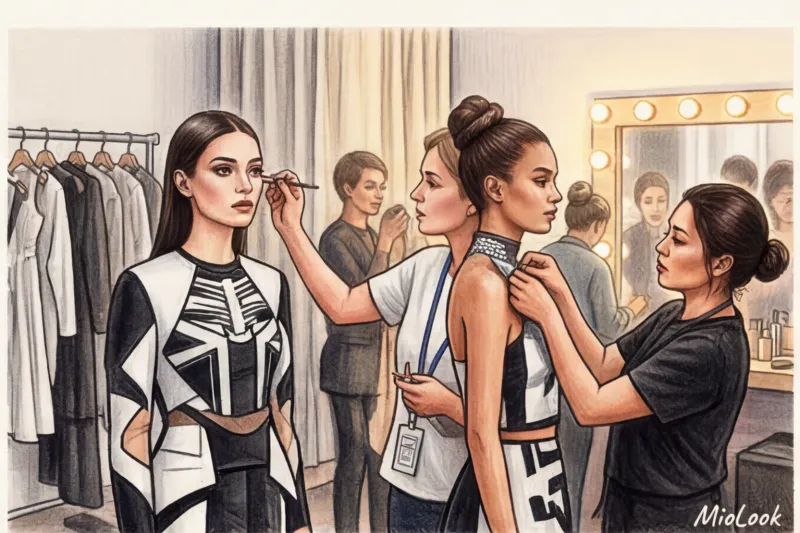
Fashion enthusiasts often confuse photoshoot formats, calling any photo with a model a "photo shoot." In business, we divide them into three completely different tools, each with its own financial purpose:
- Lookbook — is a dry, commercial catalog for sales. The shoot takes place against a neutral background, with even lighting. The main goal is to show buyers the fit, length, and texture of the fabric. No complex, creative poses: the item must be 100% visible. Buyers use lookbooks to determine store assortments.
- Campaign (campaign, advertising campaign) — it's selling the brand's dream and DNA. Huge budgets are allocated for campaigns, top models and photographers of the caliber of Steven Meisel are hired. You see these shots on billboards and glossy spreads. If a lookbook sells cuts, then a campaign sells status and emotion.
- Editorial — a creative shoot for a magazine. Here, it's not the designer who rules the roost, but the publication's independent stylist (for example, Vogue or Harper's Bazaar). They might pair a Dior jacket with €20 vintage jeans to tell a unique story. The brand doesn't control the final image, but it craves inclusion for the prestige and confirmation of its relevance.
But how are decisions made about what exactly goes into mass production? This is where Trunk show Historically, these were intimate shows, where the designer would bring trunks of samples to wealthy clients. Today, they're a crucial pre-order tool. At closed presentations in Milan, I've often witnessed the fate of collections being decided. Even before the pieces arrive in boutiques, buyers from major platforms like Moda Operandi or loyal VIP clients place orders.
Industry insider tip: if buyers at a trunk show ignore a certain coat or dress, the brand may cancel production altogether. This way, the fashion industry tests demand on a narrow audience, minimizing the financial risk of creating an unpopular product.
The traditional fashion calendar has always dictated a six-month wait: the fall/winter collection is shown in February, and it's only available for purchase at the end of August. However, the speed of content consumption on social media has given rise to the format See-now-buy-now This was a true revolution in retail, breaking with centuries-old traditions. Burberry and Tom Ford pioneered this, offering customers something incredible: viewers could watch a live stream of a fashion show and instantly order a runway look online.
As an analyst, I must admit: this format has proven to be a double-edged sword. On the one hand, it instantly converts emotions into sales. On the other, it's a logistical nightmare for brands, as the collection must be produced in advance in the strictest confidence. Many brands, having tried this model, returned to the classic calendar, realizing that the anticipation and anticipation of a luxury item are often valued more by customers than immediate availability.
Access to MioLook for €0.99 — one-time payment
A smart AI stylist will select the perfect look.
Get access — €0.99 onceWardrobe Architecture: Trendy Terms for Conscious Consumption
Do you know what problem 90% of new clients come to me with? They open their closet, literally spilling out sequined tops, asymmetrical skirts, and leopard-print blouses, but they have absolutely nothing to wear to their important meeting that morning. This paradoxical situation is a direct consequence of the fact that we buy things emotionally. A bright detail on display triggers a dopamine rush, and we take it to the checkout, completely unaware of how it will interact with the rest of the closet.
To stop shopping from being an expensive lottery, we need to master fashionable terms that work like blueprints for an architect. This is the professional vocabulary necessary for consciously creating a functional wardrobe, where every item earns its value.
In professional circles, we strictly distinguish between two concepts that glossy magazines often use as synonyms: basic wardrobe And capsule wardrobe Remember: these are not the same thing. The basics are your stylistic foundation. Perfectly fitting straight-leg jeans with no fraying, a white shirt made of thick cotton, a classic beige trench coat, a smooth cashmere sweater. These pieces are utilitarian, they act as a neutral backdrop and tie together complex elements.
A capsule is a closed ecosystem, a mini-wardrobe assembled for a specific purpose. For example, a "capsule for business trips to hot climates" or a "capsule for an office with a strict corporate dress code." A good base might have 30-40 items for all seasons, while a capsule has only 10-12 items, which can create up to 20 different combinations. When I ask clients to digitize their items through the virtual wardrobe feature in the MioLook app , the algorithm instantly highlights this difference: you clearly see that you have an overabundance of "lonely" things and an acute shortage of a connecting base for working capsules.
Now let's talk about why we are creating this neutral background in the first place. Statement-thing (an accent piece) is the star of your look. A bag with a complex, architectural shape, fuchsia shoes, a statement brooch, or a jacket with exaggerated shoulders in the spirit of archival Mugler. As a stylist, I constantly see the biggest mistake newbies make: they buy only statement pieces. But the golden rule of styling is: one accent piece requires a completely neutral backdrop. Wearing all your accent pieces at once will make you look theatrical rather than stylish.
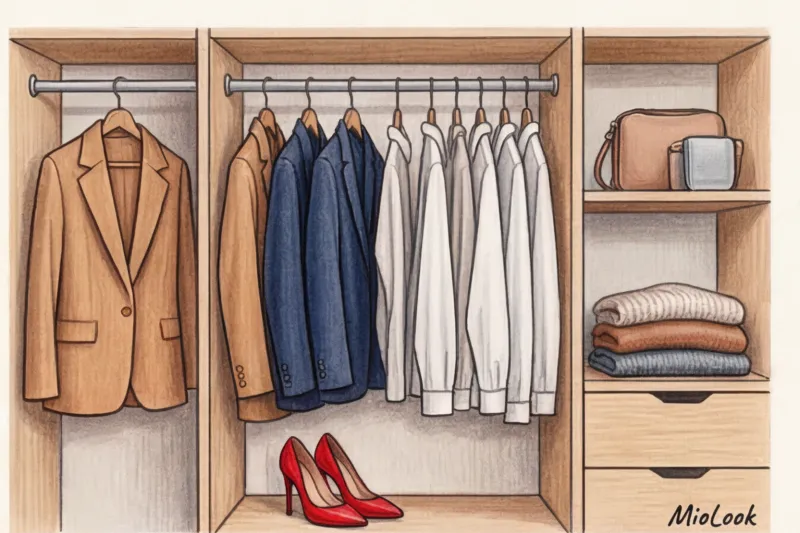
Color is another powerful tool where terminology helps create clear shopping specifications. In the industry, we use three main concepts for color management:
- Color blocking — a technique in which large blocks of open, often contrasting colors collide in a single look. Think of Yves Saint Laurent's famous "Mondrian" dress or the current Bottega Veneta shows, where grassy green is mixed with deep purple. No small floral prints, only pure geometric color. This requires a keen eye and knowledge of Itten's color wheel.
- Monochrome In everyday life, people often mistakenly reduce things to black and white. In stylist parlance, a monochrome look is built on varying shades, textures, and saturations of a single color. For example, a mix of soft blue silk, blue denim, and navy blue suede. The difference in texture is crucial here, otherwise the look will appear flat. This technique visually elongates the silhouette and always looks classy.
- Total look — an image maintained not just in one color (total black), but often in one material (total leather, total denim), or entirely assembled from items from one brand, exactly as it was presented on the catwalk.
Must-have and Investment Item
When you open any fashion website, you're guaranteed to stumble upon a selection of "the season's must-haves." Let me put it bluntly: Must-have — is a brilliant marketing construct. It's an item that the industry artificially promotes as a must-buy right now to stimulate rapid sales. Its lifespan rarely exceeds one or two seasons. Think of the micro-bags that only fit a bank card, or neon bike shorts—blatant examples of must-haves that instantly became obsolete.
In contrast to this, there is the concept investment item It's a purchase that won't lose its relevance or physical quality for years. A Max Mara cashmere coat, a classic structured bag, or a perfectly tailored wool blazer. Moreover, a true investment piece is liquid—on resale platforms like Vestiaire Collective, it can be sold for 60-80% of its original price. Yes, the price at the checkout may be daunting, but this is where the main rule of smart shopping comes into play—the formula. Cost per wear (CPW, price per exit).
The formula for CPW is the cost of the item ÷ the number of days you've worn it. This metric is what separates a fashion victim from someone with a disciplined, mathematically precise style.
Let's use a real-life example to calculate this. You buy a pair of ultra-fashionable ankle boots from a mass-market store for €80. They're stiff, only go with one pair of jeans, and you wear them four times a season. The cost per wear is €20. Now let's take a pair of classic premium leather loafers for €450. You wear them 120 days a year for three years. The cost per wear is only €1.25! An investment piece always pays for itself, while mindlessly chasing must-haves slowly but surely eats away at your budget.
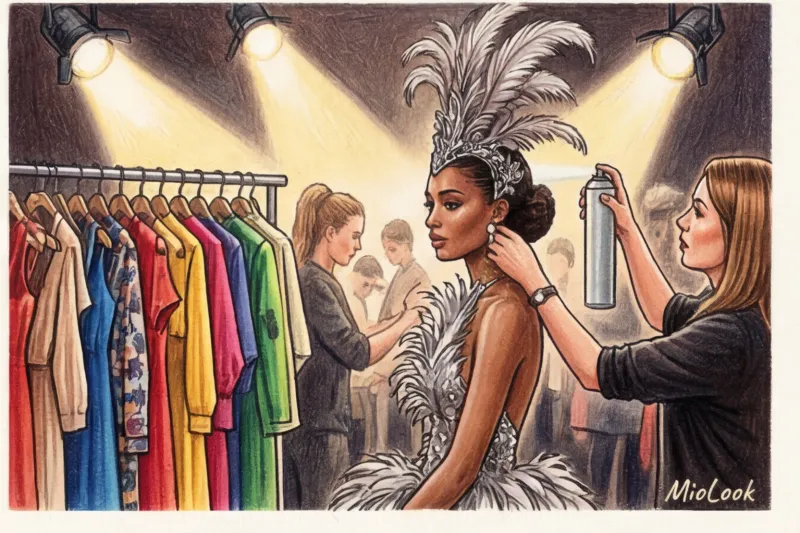
My personal guide for your next shopping trip: before you hit the mall or open a browser tab, create a strict brief. Write: "I need one basic item (a plain-knit sweater), one investment piece (a leather belt with a classic buckle), and a maximum of one statement accessory." Only this kind of architectural approach will transform a disparate collection of clothes into a functional, workable wardrobe.
Trends and Aesthetics: How Stylists Read Fashion
Have you noticed that the word "trend" itself has almost lost its original meaning these days? Every week, social media generates new aesthetics, making us feel like our wardrobes are hopelessly outdated. According to the 2024 analytical reports of the global trend agency WGSN, the influence of algorithms has shortened the life cycle of some trends from several years to three to five months. But to avoid falling victim to this consumerist chaos, industry professionals are reading fashion completely differently.
The fundamental rule I teach in my styling lectures is to keep a clear distinction macrotrends And microtrends Macrotrends are global tectonic shifts in society that last for 5-10 years. For example, the focus on comfort, oversized silhouettes, gender neutrality, or eco-friendliness. They reflect how our overall lifestyle is changing. Microtrends are quick visual flashes: leopard print tights, a certain shade of butter yellow, or Peter Pan collars. Their shelf life is one to three seasons.
For experts building a strong personal brand, it's crucial to rely on macrotrends. Constantly chasing microtrends makes your visual message appear fussy and inconsistent, which subconsciously undermines your audience's trust in you as a professional.
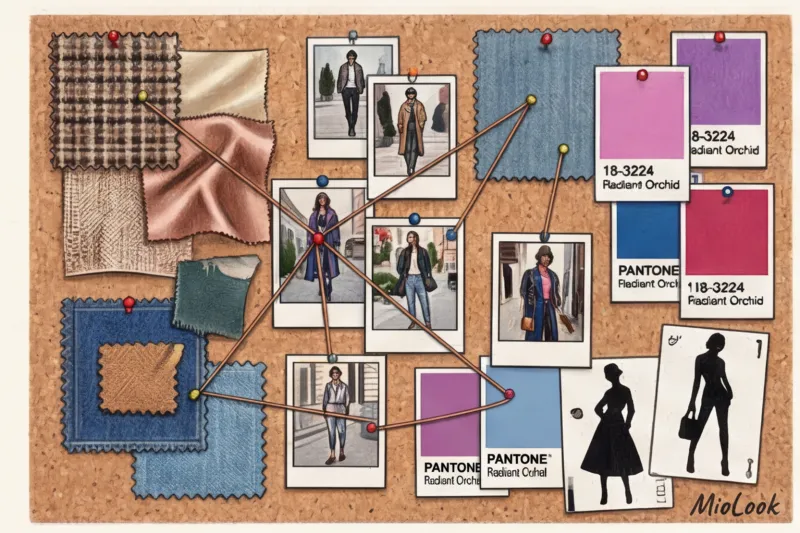
But in fashionable terminology there is an even more fleeting phenomenon - fad (fashion fad). These are items that become outdated faster than the courier can deliver your package. Think of the microscopic sunglasses from 2018 or the giant red cartoon MSCHF boots that flooded feeds a year ago. A fad is always based on shock value, not design. Buying such a fad is literally burning €100–200 for a single striking photo. Such items never integrate into a functional wardrobe.
The Internet has also completely changed the naming of styles, giving us the so-called core aesthetics Why do we constantly hear about Normcore, Gorpcore, Office-core, or Mermaidcore? The suffix "-core" (from the English word "hardcore") has become a convenient tool for algorithmic categorization. Social networks need meaningful tags to group content. So, wearing tech-savvy outdoor clothing in the city suddenly became known as Gorpcore, and the image of a tired clerk from the 1990s became Office-core. These aren't new design discoveries; they're a modern way of packaging old meanings for easy online searching.
And here we come to the most common mistake I hear even from my colleagues in the industry. Let's once and for all separate the concepts. vintage , retro And archival collections This is important to know, as substituting these trendy terms is a favorite trick of resale platforms trying to sell old items at a higher price.
- Vintage: has strict time limits. Items must be at least 20 years old. A dress from the 2015 collection isn't vintage; it's simply a past-season item. But a bag from 2003 is fully legitimate vintage.
- Retro: It's a modern piece, stylized to resemble a bygone era. If a brand makes a skirt with the New Look silhouette from the 1950s, it's retro, not vintage.
- Archive: These aren't just old clothes; they're culturally significant, iconic pieces from past collections of great designers. For example, Vivienne Westwood corsets from the 1990s or velvet suits from Tom Ford's Gucci era. These are serious investment lots, fetching thousands of euros at auction.
Access to MioLook for €0.99 — one-time payment
Start creating perfect looks with AI and see how macro trends seamlessly integrate into your style.
Get access — €0.99 onceUnderstanding these definitions gives you the perspective of a professional stylist. You stop seeing clothes as simply "beautiful" or "strange"—you begin to see a logical system in which each item has its own shelf life, function, and investment value.
Fashion Professions: Who Creates Fashion?
Forget the beautiful myth that trends are dictated solely by a brilliant creative director, sketching in a Parisian atelier in a fit of inspiration. Business of Fashion reports confirm the brutal truth year after year: 70% of a brand's commercial success depends on people whose names never appear on the cover of Vogue. Let's explore the invisible hierarchy of professions that literally decide what you buy next season.
Clients often confuse the terms used to describe wardrobe specialists. In the professional world, we clearly distinguish between their functions:
- Stylist works with the visual environment of the here and now. Its goal is to assemble trendy outfits from affordable clothing, tailoring them to your body type and lifestyle. If you need to put together a capsule wardrobe for vacation or create 15 everyday looks, consult a stylist. Incidentally, we've digitized this very selection mechanic and incorporated it into MioLook AI stylist algorithms to automate your daily routine.
- Image maker delves much deeper. He works with the psychology of perception, kinetics (body language), and long-term personal branding. An image consultant might reject a perfectly tailored jacket simply because its peak lapels make you look too aggressive for negotiations with investors.
- Fashion Consultant — is a macro-level strategist. Most often, he consults with brands themselves, helping to build a commercially successful brand DNA, or works with A-list public figures before major world tours.
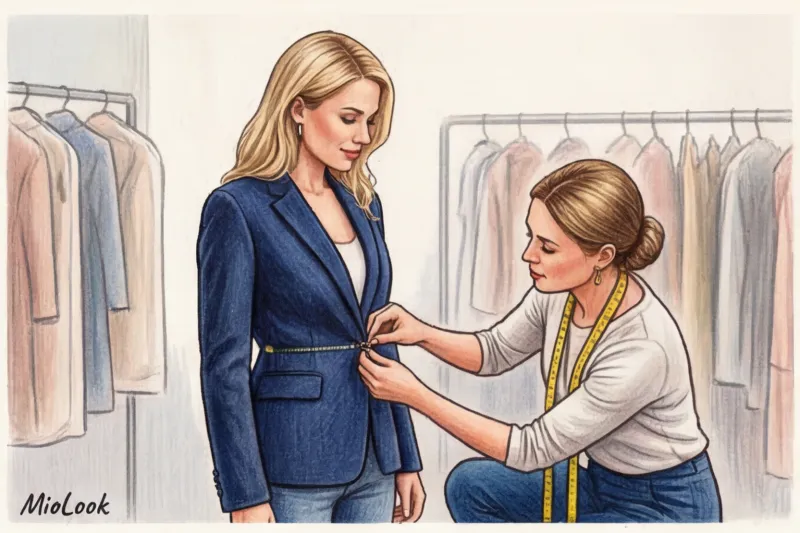
Who decides which items from a huge runway collection from, say, Valentino, make it to your city's shopping center? That's their responsibility. Buyers.
Buyers have a strict purchasing budget (known in the industry as OTB—Open-To-Buy), and their mistakes cost companies millions of euros. At closed presentations in European showrooms, I constantly observe how the geographic purchasing matrix works. Take, for example, Saint Laurent boutiques. If you walk into their flagship in Paris on Avenue Montaigne, you'll be greeted by strict tailoring, an abundance of black, and heavy wool coats. But step into the same brand's boutique in the Dubai Mall, and the selection will be completely different: flowing silk dresses, bright fuchsia, and closed yet luxurious eveningwear. The buyer mathematically calculates the climate, local cultural codes, and average purchase price of a given region.
Works in tandem with the buyer visual merchandiser His task is to hang the purchased items in the room in such a way that your hand automatically reaches for a cashmere sweater costing 450 euros. He uses the rules of color pops, focal points, and cross-pollination (when the perfect pair of trousers hangs exactly underneath that sweater).
But how will brands know that in two years we'll all want to wear fuchsia or, conversely, grey melange? This is where trend forecasters.
Trend forecasters don't analyze skirt lengths on TikTok, but rather macroeconomics, political crises, and technological shifts. Fashion is merely a reflection of social sentiment.
These are serious analysts from specialized agencies like WGSN or Peclers Paris. The renowned Lidewej Edelkoort predicts trends 5-10 years in advance. If a global economic downturn is looming, forecasters confidently predict a rise in demand for minimalism, high-quality fabrics, and a muted palette—the very same "quiet luxury" that has dominated retail in recent years. They sell their multi-page reports (trend books) to brands for tens of thousands of euros, and only after studying them do designers take up pencil. Of course, this system isn't flawless: a sudden global lockdown can disrupt any analysis, forcing the entire world to urgently change into joggers, but in 90% of cases, the industry operates according to these strict blueprints.
Sustainable Fashion Dictionary: Greenwashing or Reality?
Walk into any major mass-market store, and you're guaranteed to be overwhelmed by a sea of green labels labeled "Conscious," "Eco-Friendly," or "Sustainable." But let's face it: the fashion industry remains one of the planet's leading industrial polluters. An analytical report from a respected publication The Business of Fashion (BoF) For 2023, he cited alarming statistics: about 60% of eco-friendly claims from major retailers are not backed by real actions. This phenomenon is called greenwashing.
Greenwashing is a cynical marketing ploy. A brand spends colossal budgets advertising its "green" initiative, while the production itself remains toxic. As a fashion journalist who regularly studies corporate sustainability reports, I've developed a strict filter for such collections.
The main rule for protecting yourself from greenwashing: ignore cardboard tags with drawn leaves and loud slogans. Read only the sewn-in inner label with the ingredients.
If a display says "Made with recycled materials" but the label says "90% virgin polyester, 10% recycled," you're being deceived. Look for references to independent standards like GOTS (Global Organic Textile Standard) or GRS (Global Recycled Standard)—these are real eco-friendly indicators that can't be bought for the sake of sound bites.
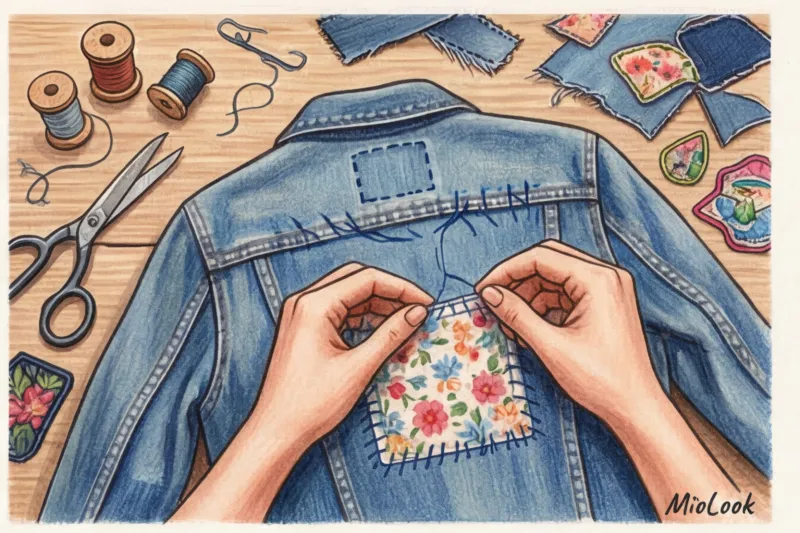
To navigate the eco-agenda, which has now become a mandatory industry standard, it is necessary to distinguish between technological processes. The most common mistake is to confuse recycling And upcycling These are fundamentally different fashionable terms.
Recycling is the process of breaking down an item into its base raw material. For example, when plastic bottles are melted down and spun into fleece jackets. The problem with recycling is that the quality of the fiber inevitably declines with each cycle. Upcycling works in exactly the opposite way—it creates added value When French designer Marine Serre buys vintage silk scarves at flea markets and fashions them into luxurious dresses priced from €1,500, it's pure upcycling. The original material isn't destroyed, but rather aesthetically enhanced.
Two other key terms that dictate the future of the industry are Deadstock And Circular fashion Deadstock refers to "dead stock"—kilometers of uncommon, high-quality fabrics sitting in factory warehouses. For decades, luxury houses simply burned these rolls to protect their patterns from being copied. Today, creating limited collections from deadstock is a sign of excellence and brand awareness.
Circular fashion, in turn, is a global design architecture. Every item is designed from the start to never end up in a landfill. In the context of personal style, your closet is also part of the circular economy. To stop funding overproduction, I strongly recommend digitizing your clothes. By uploading your wardrobe to MioLook , you get crystal-clear statistics: which items you wear for years, reducing their cost per wear, and which ones are just sitting there as dead weight. This simple visualization is far more sobering than any manifesto on conscious consumption.
Your ideal image begins Here
Join thousands of users who look flawless every day with MioLook. Digitize your wardrobe, discover new combinations with the help of an AI stylist, and take a step toward mindful consumption.
Get access — €0.99 onceChecklist: 10 fashion terms an expert should know to create a prestigious image
In sociology, there's a concept called "shibboleth"—a kind of speech password by which professionals instantly recognize "their own." In the premium segment and fashion business, fashionable terms serve as such a marker. Over the years of working on both sides of the industry—as a journalist and a consultant—I've learned one ironclad rule: the way you talk about things directly determines the level of service and respect you receive.
When you walk into a concept store and ask a buyer or consultant to show you a "statement jacket from deadstock" rather than just "some interesting jacket," their attitude changes instantly. Proper fashion terminology conveys your keen eye. This is a clear signal to tailors, image consultants, and retailers: they're dealing with an insider who understands the market and won't fall for superficial marketing ploys.

To help you confidently manage your visual image and budget, I've prepared a practical summary of our guide. This checklist is your vocabulary for effective communication in the industry:
- Prêt-à-porter (Pret-a-porter): Use this term in boutiques to show that you're interested in the brand's core runway collection, not the cut-price commercial line.
- Bridge segment (“Bridge”): Your main guide for smart shopping: Asking your stylist for "bridge brands" means you're looking for luxury quality but within a reasonable price range (average €300-€800).
- Statement-thing (Accent detail): A term for working with a tailor or AI algorithms. It denotes a complex, eye-catching piece around which the rest of the (neutral) look will be built.
- Cost per wear (CPW / Price per outlet): The wardrobe investor's ultimate metric. A formula that helps justify buying the perfect cashmere coat for €1,200 and ditching that ephemeral polyester dress for €50.
- Capsule: A term for structuring a closet. You're asking a stylist to assemble not a "basic wardrobe," but a closed ecosystem of 10-12 items that addresses a specific need (for example, a capsule wardrobe for business trips).
- Lookbook: When ordering online, always request a lookbook of the collection. This will allow you to see the actual commercial styling of the items, not the distorted proportions seen in magazine shoots.
- Deadstock: A code word for creating something exclusive. Ask premium ateliers for deadstock fabrics—that way, you'll get a suit made from stock materials from last season's great fashion houses.
- Color blocking: A direct technical assignment for an image maker if you want to create a dynamic image based on the clash of large, contrasting color blocks.
- Macrotrend: An indicator of your strategic thinking. You demonstrate that you invest only in silhouettes and aesthetics that will remain relevant in society for at least 5-7 years.
- Slow fashion: Your personal consumption philosophy that cuts out impulse purchases of low quality.
Knowledge integration: from theory to digital wardrobe
Knowing these terms is only half the battle. The real magic happens when you put this framework into practice to save time in the morning. This is where modern technology comes in. When you start working with a personal AI stylist and digitize your clothes through smart wardrobe feature in the MioLook app , this dictionary will become your main interface.
Instead of a chaotic mess of clothes on your phone, you'll start thinking in professional terms. The app will help you identify the perfect outfit. capsule for vacation, assign a complex skirt status statement-things (so that the MioLook algorithm understands: only a calm background needs to be selected for it) and automatically track the indicator Cost per wear for every investment purchase. Artificial intelligence speaks the same professional language as you, helping you build a system where every euro is wasted.
My final piece of advice to you as a fashion journalist: the language of fashion is a powerful tool for influence and impression management. Knowing how to use it is just as important as knowing how to dress well.
Develop your visual and verbal image consciously. When you clearly understand the industry and its processes, you cease to be just a consumer. You become an expert, to whom the market is forced to adapt.
Guide Chapters
Capsule Collection: What is it in Fashion | Glossary
What is a lookbook: the meaning of the fashion term and its types
Haute Couture: What is it in fashion? | Fashion Glossary
What Is Mass Market in Fashion: Definition and Characteristics
Mass market fashion democratizes style by offering trend-driven and basic apparel in large volumes at accessible price points.
What Is an Outlet in Fashion: Meaning, Types, and Business Model
A complete guide to understanding fashion discount stores, their business models, and how to distinguish mainline collections from specially manufactured lines.
Ready-to-wear: what it is in fashion, its features and differences
What is a Brand Collaboration: A Fashion Glossary
What Is a Showroom in Fashion: Types and Features
A comprehensive guide to fashion showrooms, explaining their purpose, main types, and how they operate in the modern apparel industry.
Street style: what it is and its characteristics
What is a drop in clothing: the meaning of this fashionable term
Fast fashion: what it is, its features, and combination rules
Bayer: Who is he in the fashion industry and what does he do?
What is clothing upcycling: the meaning of the term in fashion
Resale: What it is, the main types, and purchasing rules
Sustainable fashion: what it is, principles and rules
Slow Fashion: What is it in Fashion? | Fashion Glossary
Trendsetter: who is it in the fashion industry, the meaning of the term
What Is a Concept Store: Clothing, Brands, and Retail Experience
A complete guide to concept stores, exploring how curated retail spaces blend fashion, art, and lifestyle into a single immersive shopping experience.