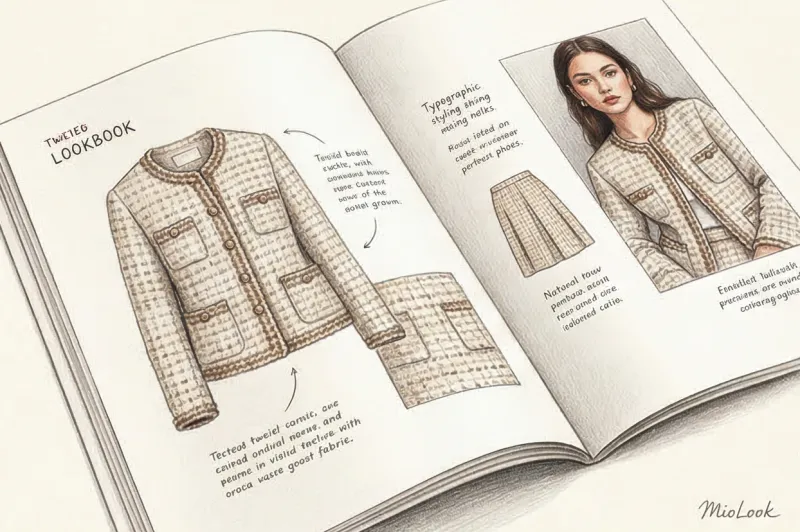
What is a lookbook?
Lookbook — is a series of photographs presenting a collection of clothes, shoes or accessories in the form of ready-made stylistic images (looks).
The main difference between a lookbook and a standard catalog is the presentation of the material. A catalog displays an item in isolation, usually against a white background, to highlight the cut and texture for sale. A lookbook presents the item within the context of a complete look, conveying the brand's mood, concept, and aesthetic.
Historically, lookbooks were created by designers exclusively as a B2B tool. They were intended for buyers and fashion editors before the start of the buying season, helping them assess the potential of a collection. In the modern industry, this format has become a universal visual tool, used both by global brands to present seasonal lines and by personal stylists to work with clients.
Main types of lookbooks
Depending on the objectives and target audience, there are several formats for visual presentation of images.
- Designer (commercial) lookbook. Presentation of the brand's new collection. The shoot follows a consistent style, with carefully considered location and lighting. The goal is to demonstrate how pieces from the new line fit together.
- Personal lookbook (style card). A personalized guide that a stylist creates for a client after a wardrobe review or shopping trip. It includes photos of completed outfits from the client's items (for example, basic straight-leg jeans paired with a silk blouse and an oversized jacket).
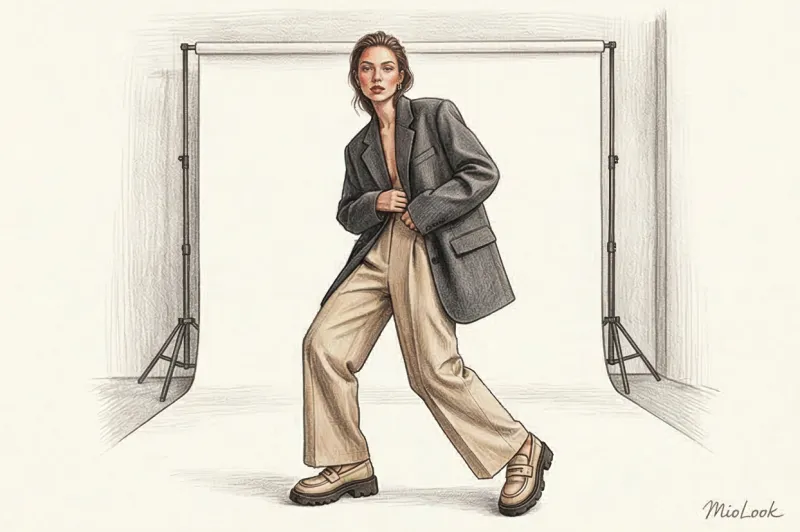
- Shoppable lookbook (interactive). A digital format used in online stores. Customers can click on any item from the image shown on the model and immediately add it to their cart.
- Editorial lookbook. An image shoot with a strong emphasis on art and atmosphere. In this format, clothing often takes a back seat, giving way to visual storytelling and complex compositional solutions.
How to use a lookbook
For brands, a lookbook serves as a visual guide for customers. It offers ready-made formulas for styling complex or trendy items. For example, the photographs demonstrate how to incorporate a statement leopard print coat into an everyday wardrobe, pairing it with neutral knitwear and denim.
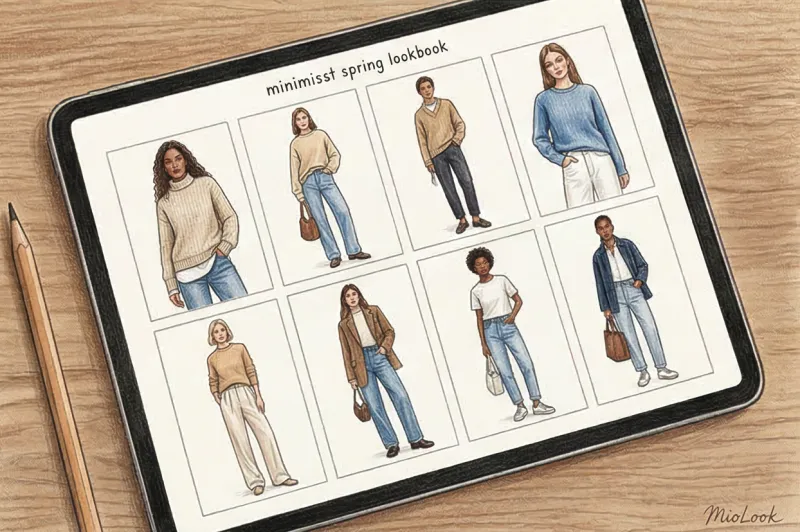
For your personal wardrobe, a personal lookbook acts as a daily cheat sheet, solving the "nothing to wear" problem. It allows you to quickly select a ready-made look for a specific occasion—whether it's a formal office dress code, a stroll around town, or an evening event. This eliminates the need to waste time on lengthy fittings and selecting accessories.
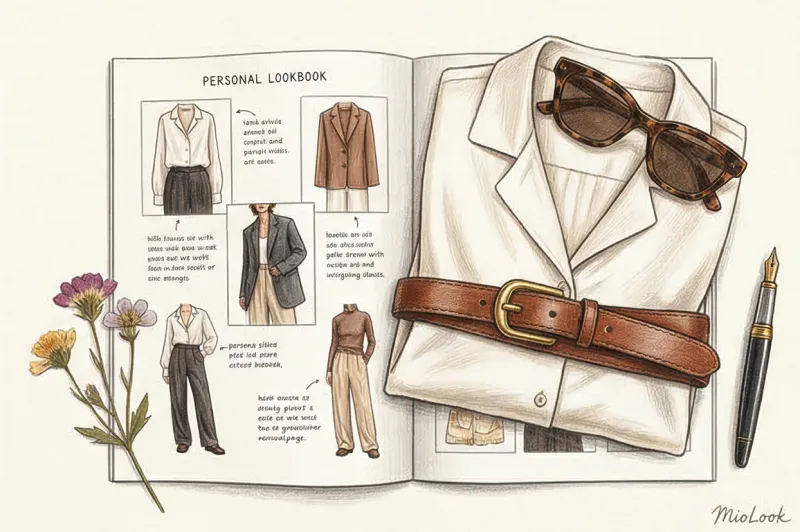
Studying commercial and editorial lookbooks from leading fashion houses is helpful for developing a keen eye. Analyzing professional shoots helps you spot trending styling techniques: innovative layering techniques, fresh color combinations, and ways to integrate seasonal accessories into basic outfits.