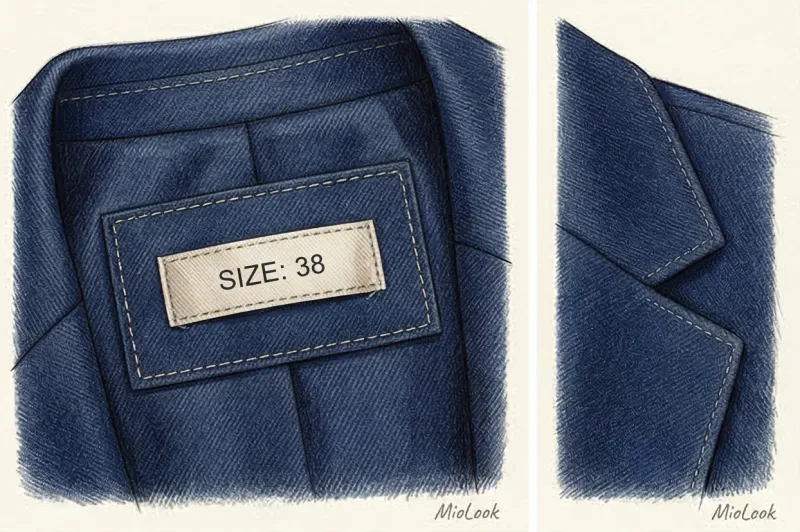
What is prêt-à-porter?
Ready-to-wear — is a tracing of the French prêt-à-porter (“ready to wear”), denoting designer mass-produced clothing that is created according to standard patterns and sold ready-to-wear.
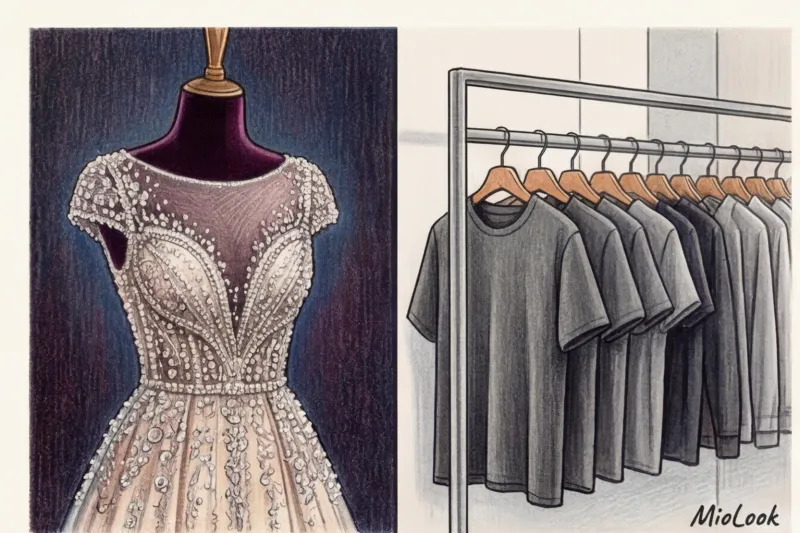
The term emerged in the mid-20th century as an alternative to haute couture (bespoke tailoring). During this period, leading European fashion designers began creating ready-to-wear lines for a wider audience, making fashion more accessible.
Ready-to-wear serves as a bridge between high fashion and the mass market. These designer pieces are completely adapted for everyday wear and don't require lengthy fittings in a studio.
Distinctive features
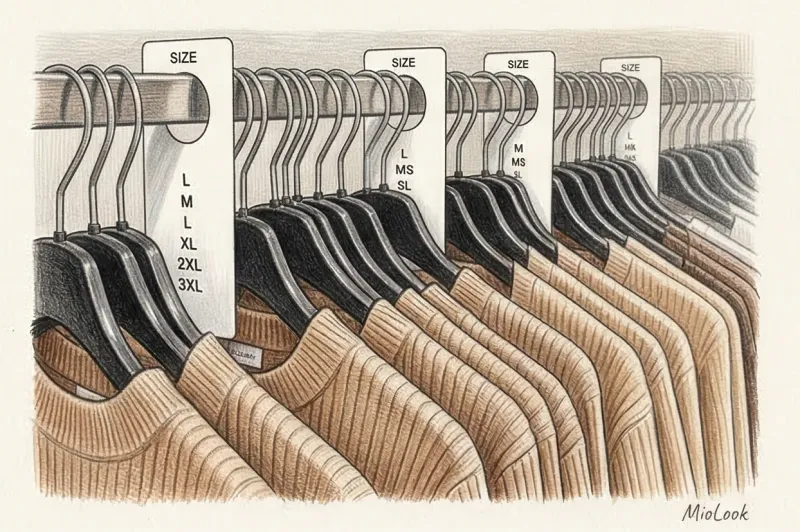
The main feature of ready-to-wear is its standardized sizing. Items are made in batches in standard sizes (S, M, L, or numerical values), rather than custom-made to individual customer measurements.
Production is industrial in nature. Clothing is made in factories using professional sewing equipment, with minimal manual labor compared to couture collections.

Ready-to-wear collections are traditionally released twice a year, divided into spring/summer and fall/winter seasons. These lines are showcased at the major fashion weeks in Paris, Milan, New York, and London.
The clothing is made from high-quality yet practical fabrics: dense wool, cotton, natural silk, and high-tech blends. They are suitable for regular wear and standard care (machine or dry cleaning).
How to use
Ready-to-wear clothing is the perfect foundation for creating a classy wardrobe. Designer, tailored jackets, classic wool trousers, or high-quality cashmere knitwear form the solid foundation of a look.
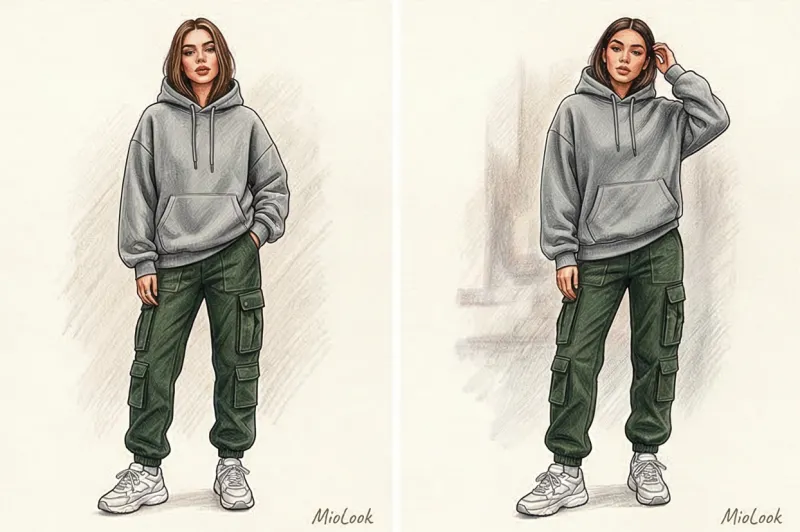
Items from this segment are easily combined with basic mass-market items. A popular styling technique is pairing a statement designer jacket with simple straight-leg jeans and a basic white T-shirt.
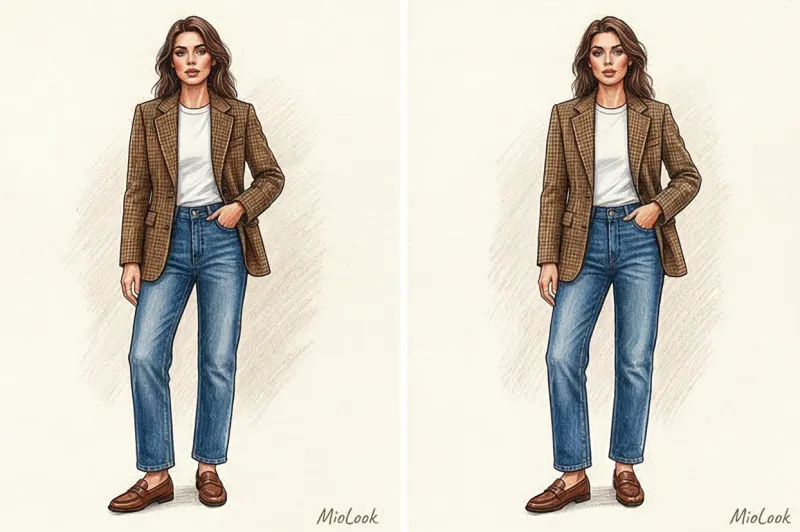
Since clothing is created using standardized patterns, minimal adjustments are often required to achieve a perfect fit. Tailoring a finished garment—shortening the length of trousers, moving buttons, or adjusting darts—is standard practice when purchasing ready-to-wear clothing.