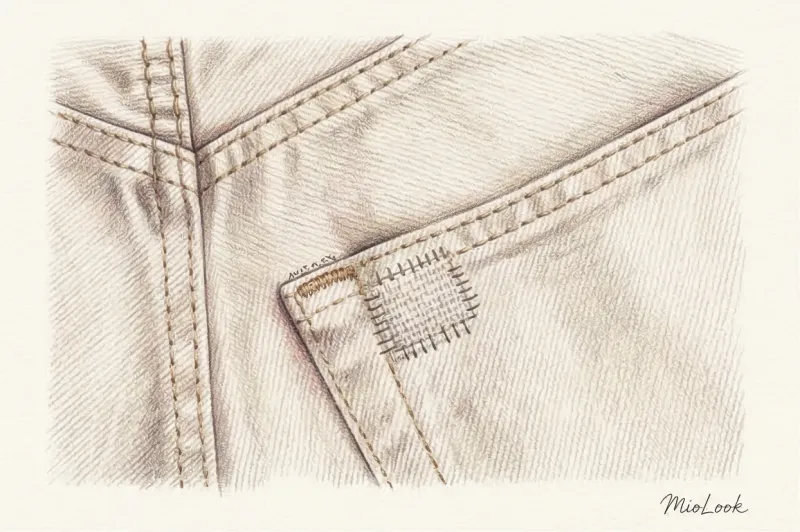
What is slow fashion?
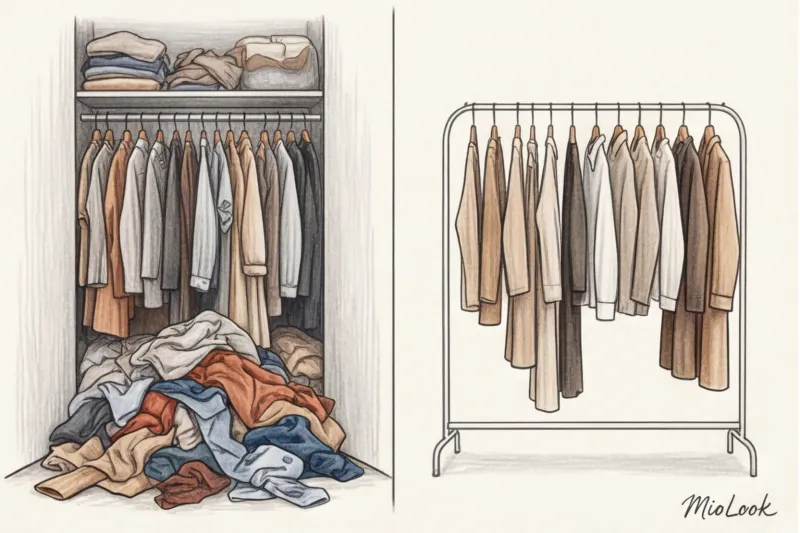
Slow fashion Slow fashion is an approach to clothing production and consumption that prioritizes high quality, durability, and ethical practices over the speed of changing trends. To understand what slow fashion is, it's enough to compare it to fast fashion: slow fashion completely rejects overproduction and the creation of disposable, one-season items.
The term was first coined in 2007 by eco-activist Kate Fletcher, drawing on the slow food movement. The concept is based on conscious wardrobe selection, buying fewer items, supporting local brands, and choosing eco-friendly materials.
Distinctive features
The main characteristic of this style is timeless design. The pieces are cut according to classic patterns, remain relevant for years, and easily integrate into a basic capsule wardrobe.
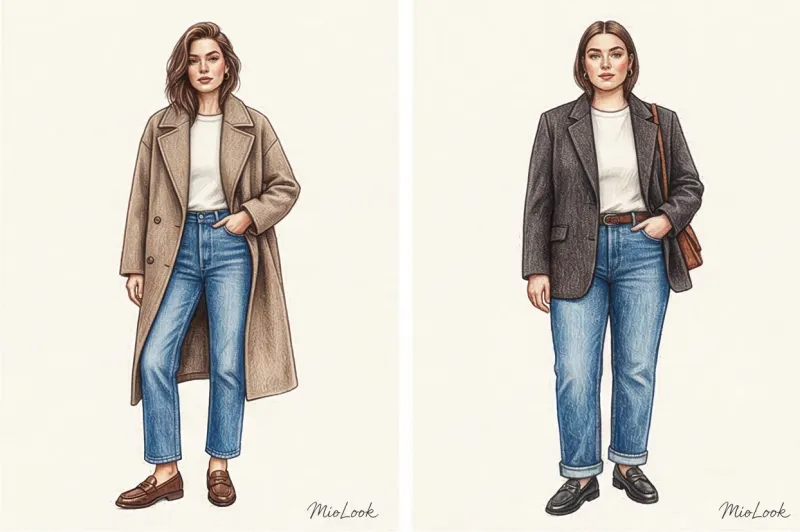
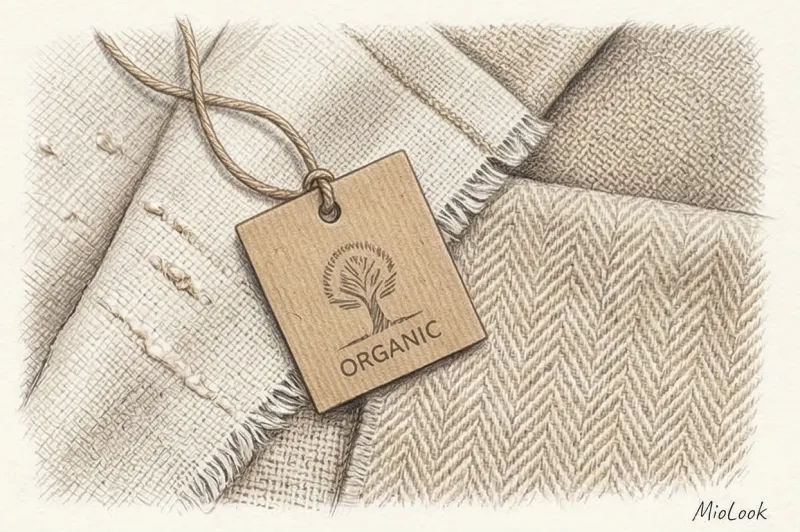
Durable, natural, or recycled fabrics are used in production: dense cotton, linen, wool, and silk. Brands pay attention to sturdy hardware and reliable seams, and also ensure a transparent supply chain and fair wages for factory workers.
Clothing is designed to be repaired, altered, or customized. This directly impacts the carbon footprint and extends the lifespan of each item.
How to use
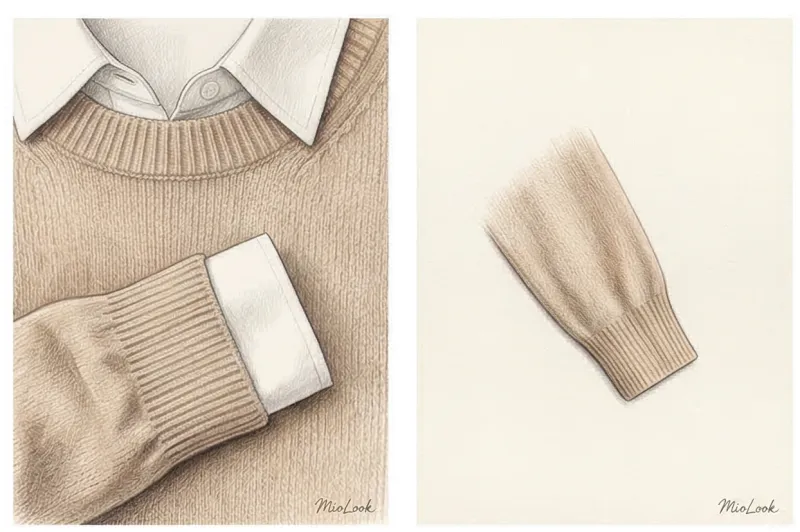
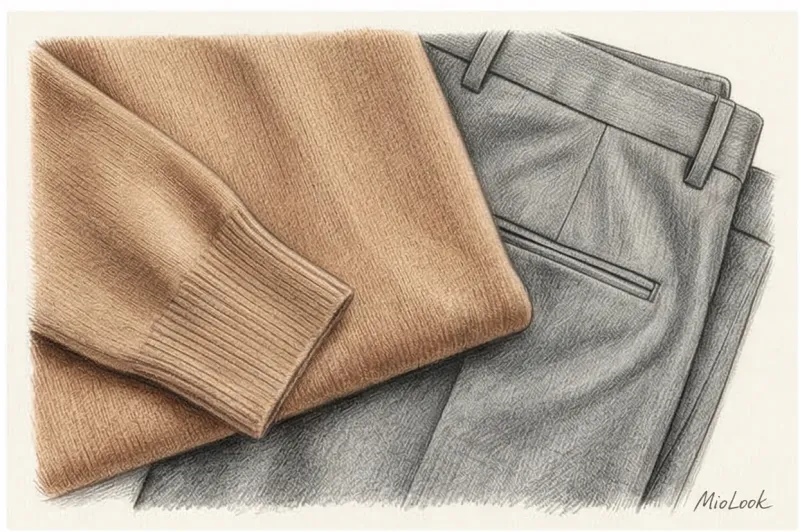
The transition to slow fashion begins with investing in versatile, high-quality pieces. A classic double-breasted trench coat, straight-leg jeans in heavy denim, or a cashmere sweater could form a wardrobe staple.
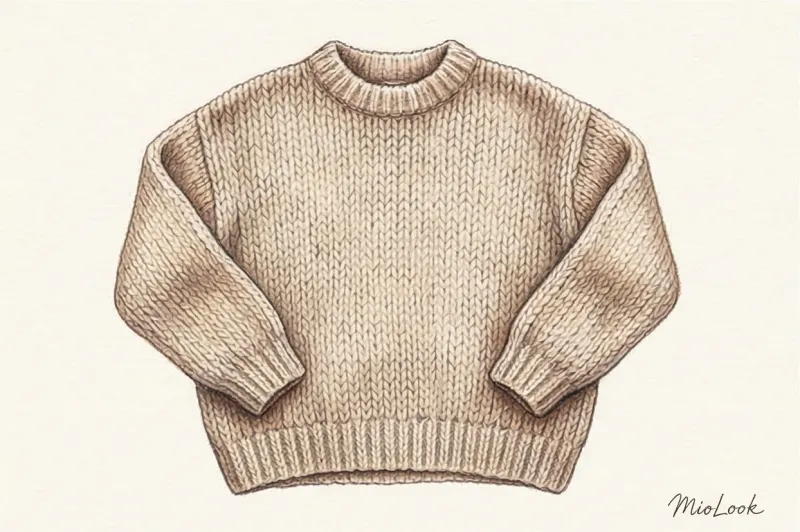
An important practice is the "cost per wear" principle, where the cost of an item is divided by the expected number of wears. This justifies purchasing more expensive but more durable clothing. An alternative to mass-market clothing is purchasing items from vintage stores, secondhand shops, or resale platforms.
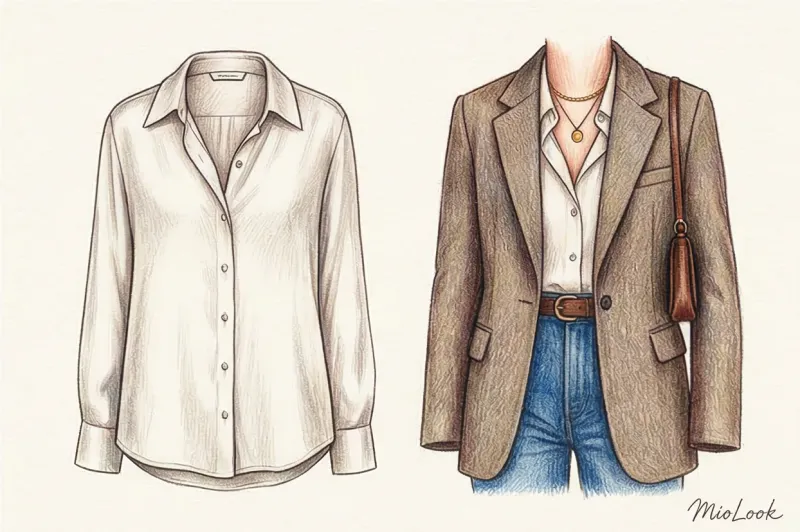
Particular attention is paid to garment care. Delicate washing at low temperatures, avoiding frequent tumble drying, and timely repairs (darning, button replacement, shoe sole restoration) preserve the original appearance of garments for many years.