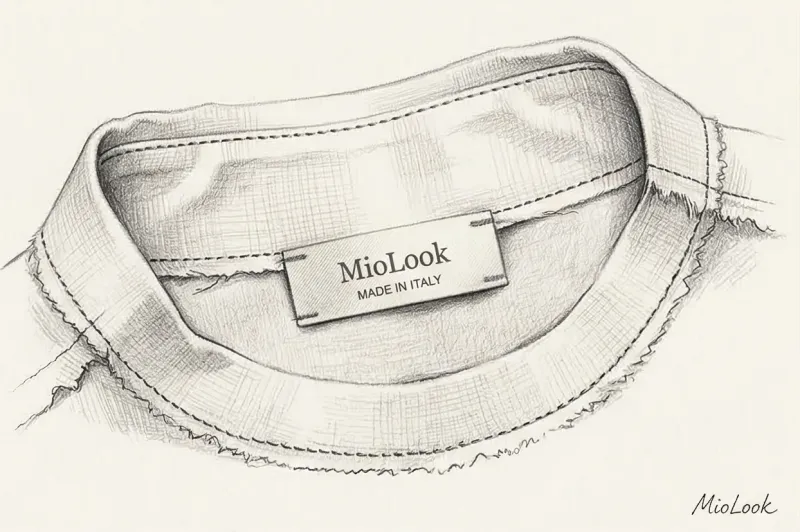
What is a diffusion line?
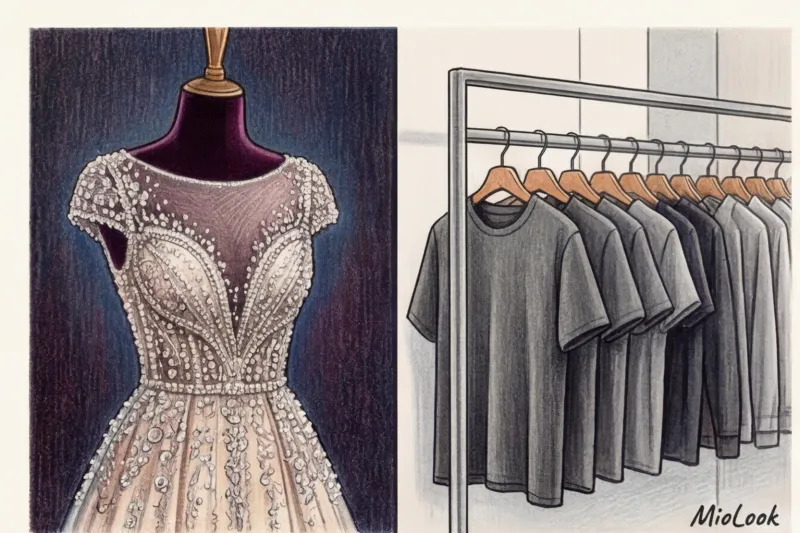
Diffusion brand line — is a second, more affordable line of clothing, footwear, and accessories produced by a premium or luxury fashion house. The main goal of this format is to create a bridge between high fashion (haute couture and ready-to-wear) and the mass market. This makes the brand's recognizable aesthetic accessible to a wider audience, allowing consumers to experience luxury without having to buy runway-quality pieces.
Historically, the concept of second lines emerged in the 1970s and 1980s. Designers sought a way to monetize their name and expand their business without losing the exclusivity of their main collection. Classic examples of this approach include MM6 (Maison Margiela's second line), Emporio Armani by Giorgio Armani, See by Chloé, Red Valentino, and DKNY, created by Donna Karan.
Distinctive features
A key characteristic of diffusion lines is reduced cost. Prices for second-line items are typically 30–50% lower than those from the fashion house's main collection. This affordability is achieved through streamlined production processes. Brands use more practical and durable materials: for example, premium cashmere may be replaced with high-quality cotton blends or high-tech synthetics. Relocating factories from Europe to other regions is also common.
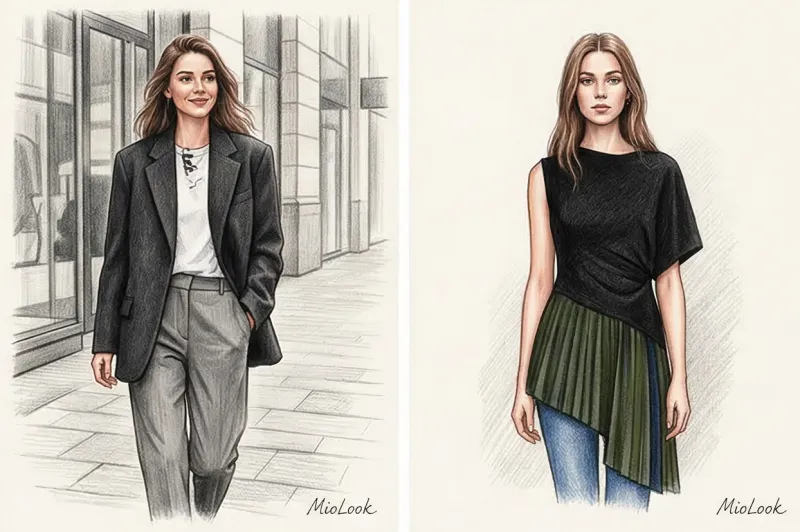
Secondary line designs are aimed at a younger audience. Silhouettes become less formal and avant-garde, with an emphasis on casual style, streetwear, and utility. Specific naming makes the diffusion line easily distinguishable: names are often formed by adding the words "Jeans," "Sport," or "See by" to the designer's name, or by using initials and numbers.
How to use in wardrobe
Diffusion lines allow you to invest in pieces with complex, recognizable designer cuts at a premium price. Deconstructed shirts, asymmetrical jackets, and unconventional skirts from the second lines maintain the brand's DNA, allowing you to create architectural looks without overpaying for runway status.
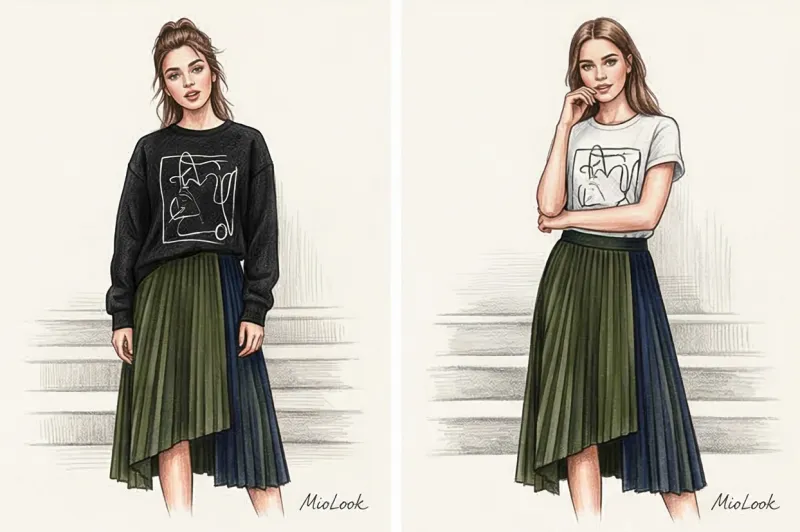
Thanks to their distinctly casual nature, these pieces are easy to integrate into everyday life. They become a reliable foundation for a basic wardrobe, ideal for work or casual wear, even without a strict dress code.
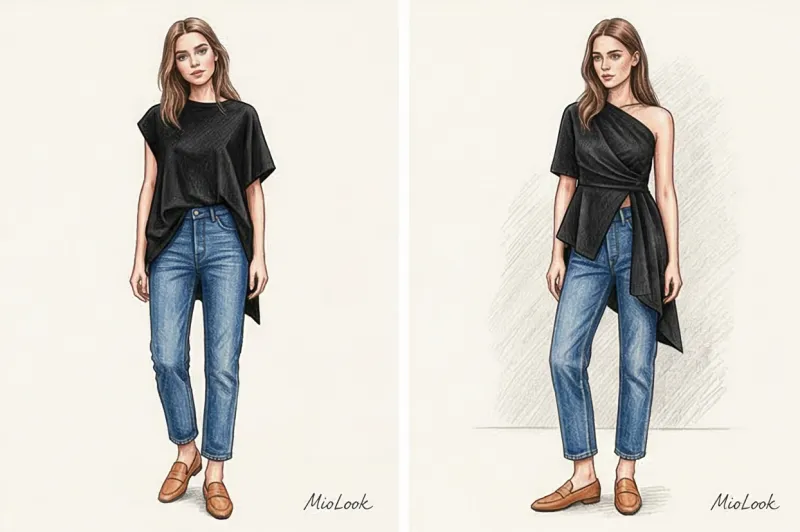
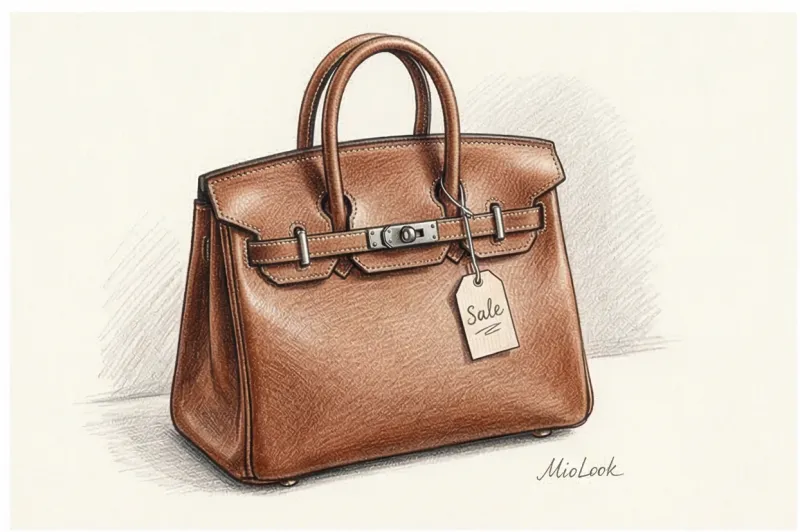
Second-line pieces fit perfectly into the high-low stylistic principle. In mixed-style ensembles, they serve as a harmonious link between simple mass-market essentials, such as classic straight-leg jeans, and the fashion house's signature accessories.