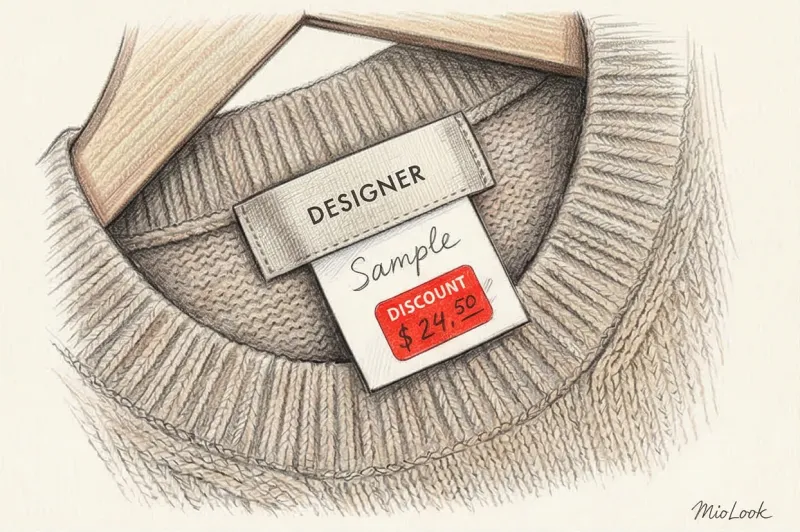
What is a sample sale?
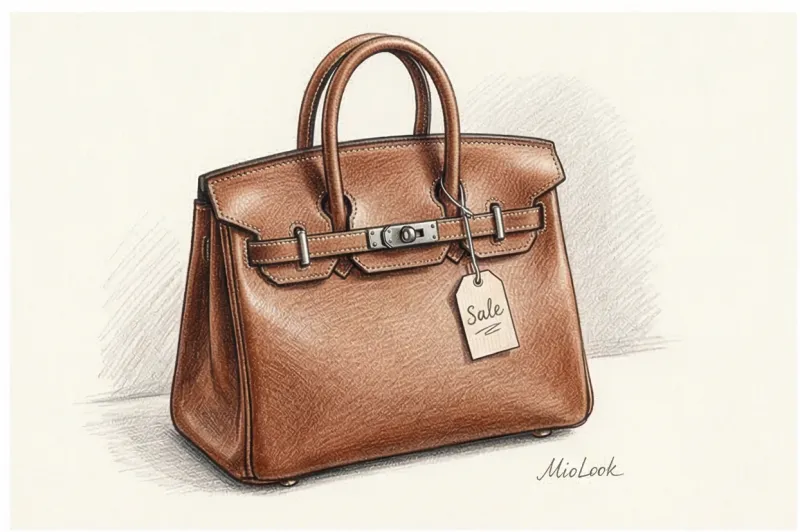
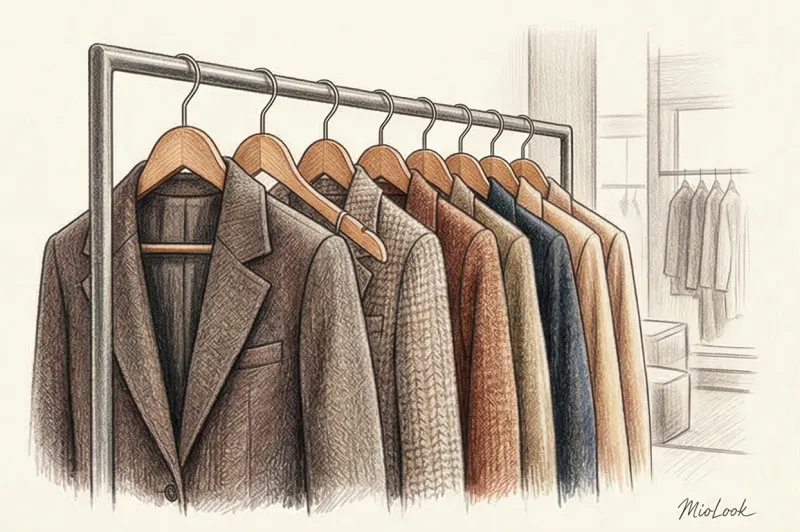
Sample sale (from the English sample sale) is a format of closed or open sales at which fashion brands sell prototypes of collections, items from showrooms, and clothing that participated in photo shoots or catwalk shows.
The brand's main goal is to free up warehouse space before the new season. It also helps offset the costs of producing samples that cannot be sold in official boutiques due to a lack of size range or failure to meet mass production standards. When trying to figure out what a sample sale is, it's important to understand the key advantage of the format: the opportunity to purchase designer items at a discount of 50% to 90% off their original retail price.
Distinctive features
The size range at such sales is strictly limited by runway or showroom standards. Women's clothing is typically available in sizes XS-S (European 34-36), and shoes in sizes 37-38. Men's collections are most often available in sizes M (48-50) and shoes in sizes 42-43.

Rails often feature unique, one-of-a-kind pieces. These can include experimental colorways, styles with unusual hardware, or cuts that never made it into mass production. Such pieces are especially valuable to collectors and stylists.
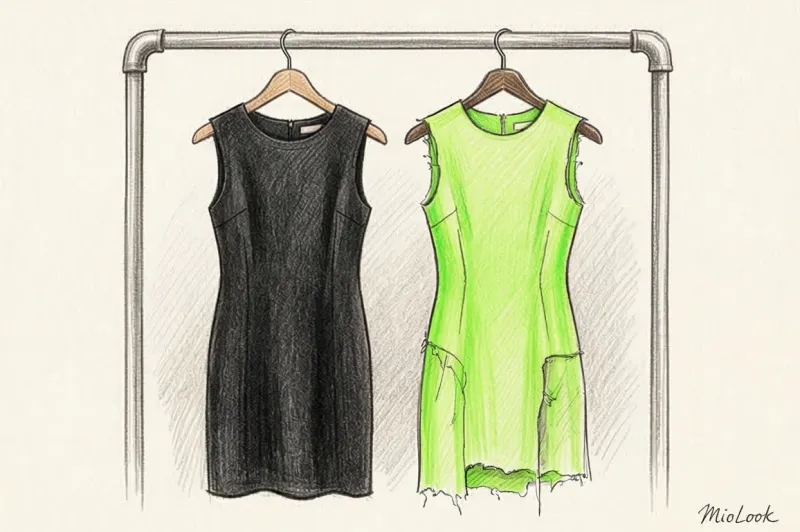
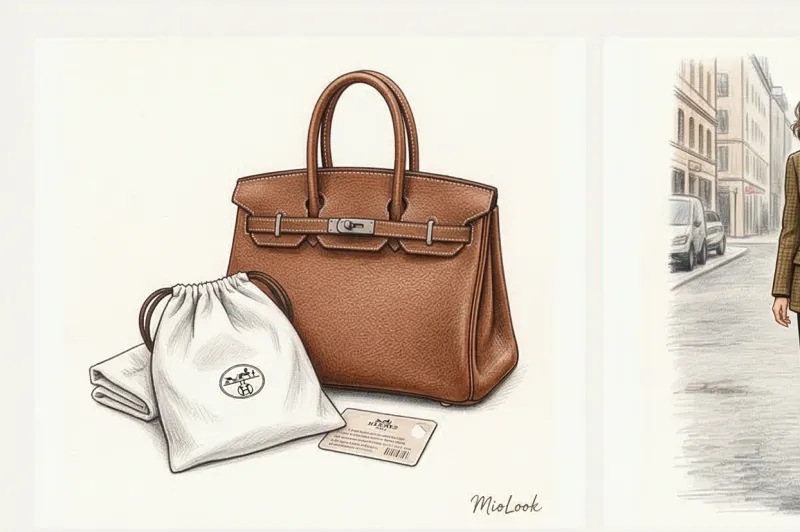
Items may not be in perfect condition. This includes missing internal tags indicating ingredients, traces of foundation after being tried on by models, snags in the fabric, or missing buttons. Sample sales have a strict return policy: all purchases are final, and returns or exchanges are not permitted.
How to use
For a comfortable shopping experience, it's recommended to wear form-fitting basics, such as leggings, cycling shorts, or a top with thin straps. Fitting rooms at these events are often shared, and sometimes nonexistent, so you have to try on items right there on the show floor.
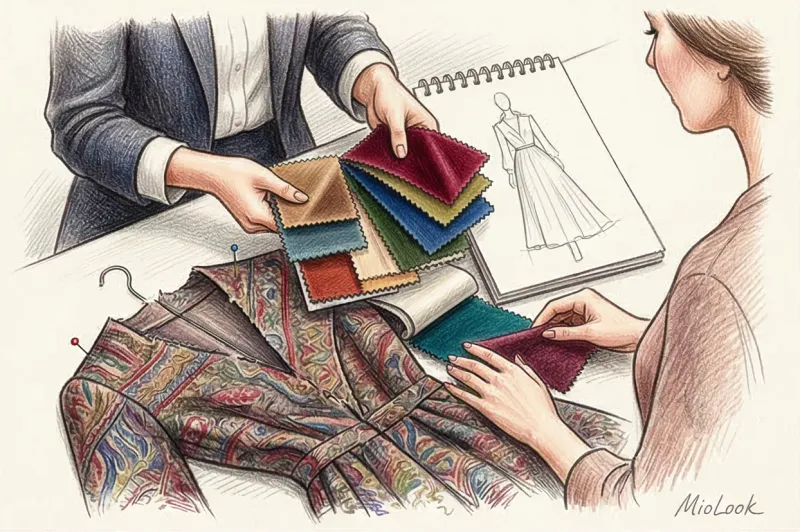
Before paying, carefully inspect the seams, zippers, and fabric. This helps you estimate the cost of possible repairs at a tailor or dry cleaner to understand the final cost of the purchase.

The shopping strategy depends on the buyer's purpose. On the first day of the sale, the maximum selection of unique runway pieces and prototypes is available, attracting queues. On the last day, the organizers offer maximum discounts on the remaining inventory, but the selection of sizes and styles is significantly reduced by this time.