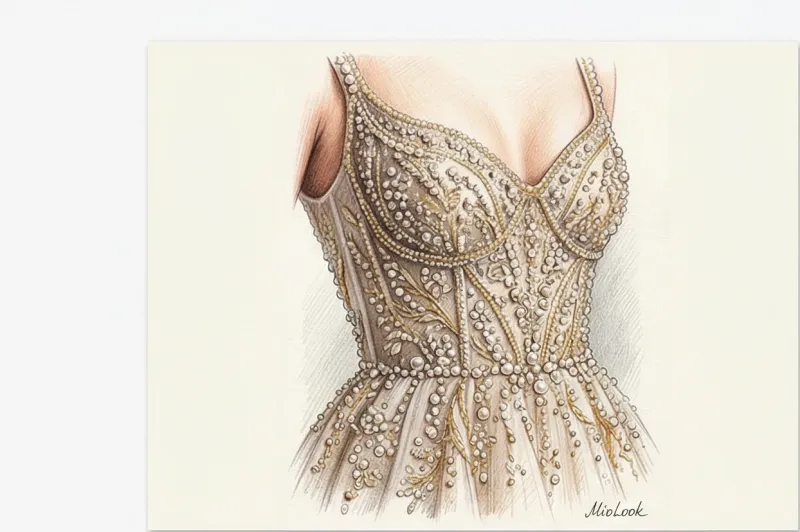
What is haute couture?
Haute couture (from French haute couture — "high tailoring") is the creation of exclusive clothing of the highest class according to the individual measurements of the client.
In France, the term "haute couture" is a legally protected designation. Only fashion houses included in the official list of the Fédération de la Haute Couture et de la Mode (FHA) are authorized to use the term.
The movement originated in Paris in the mid-19th century. Its founder is considered to be the fashion designer Charles Frederick Worth, who was the first to create unique outfits for wealthy clients, rejecting mass-produced, standardized tailoring.
Distinctive features
Couture production involves a high degree of manual labor—at least 70% of the entire process. Creating a single garment requires hundreds or thousands of hours of work by specialized specialists, such as embroiderers or feather workers.
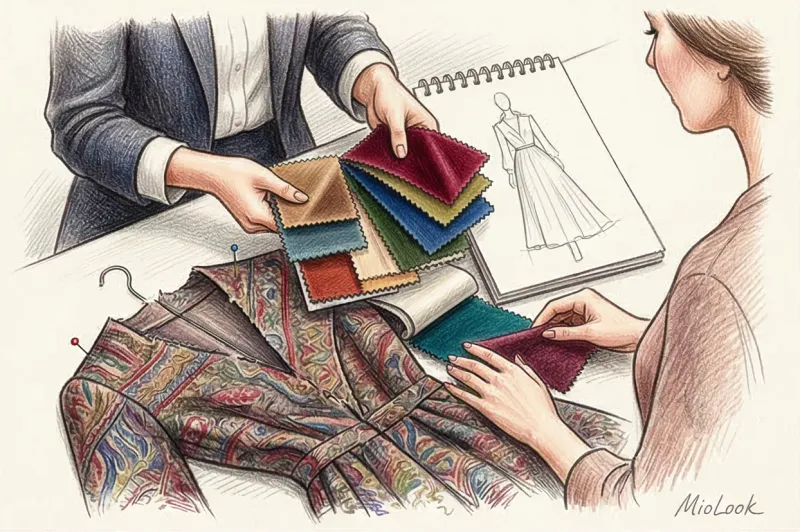
Haute couture garments are not produced for mass sale. Each piece is created for a specific client and requires several fittings to achieve the perfect fit.
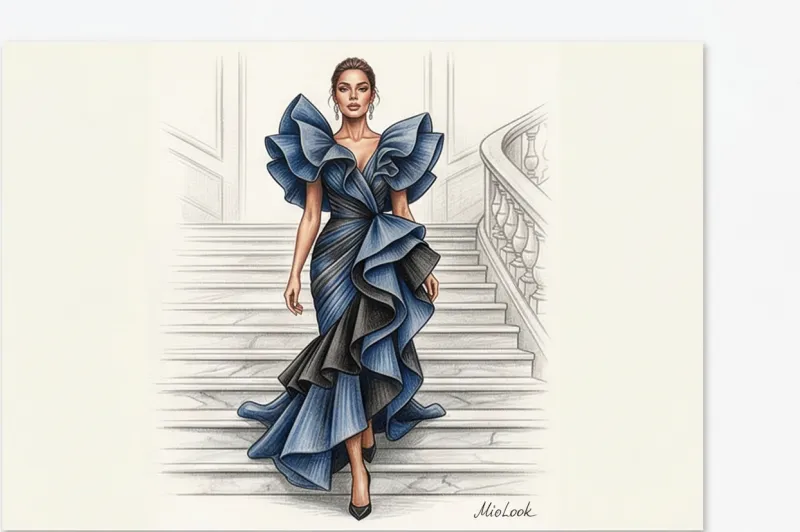
To achieve couture status, a fashion house must have its own workshop in Paris with a permanent staff of at least 15 employees and present collections twice a year. Rare, innovative, or vintage fabrics, intricate hardware, and precious decorative elements are used in production.
How to use
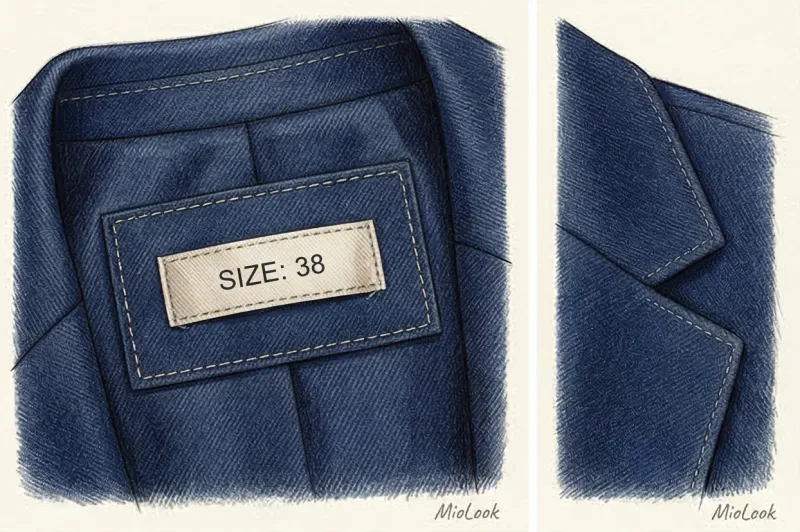
The main principle of haute couture, applicable to everyday wardrobe, is a perfect fit (bespoke). Even a basic single-breasted jacket looks classy if it's tailored to precise measurements.
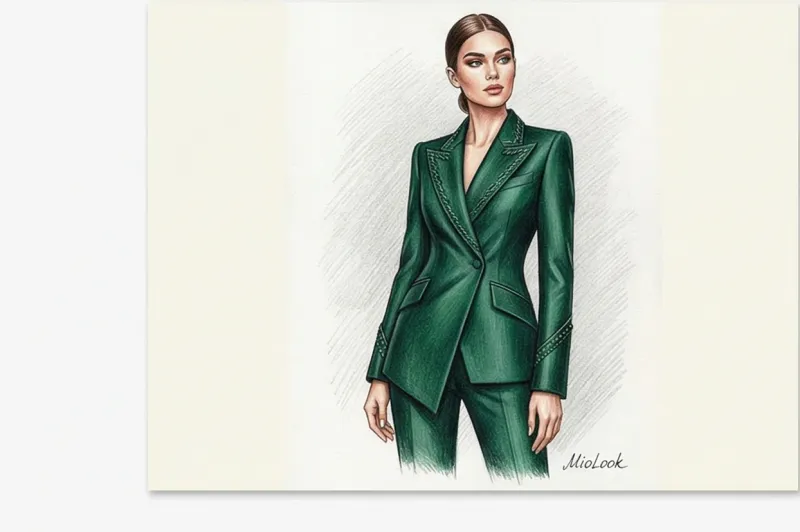
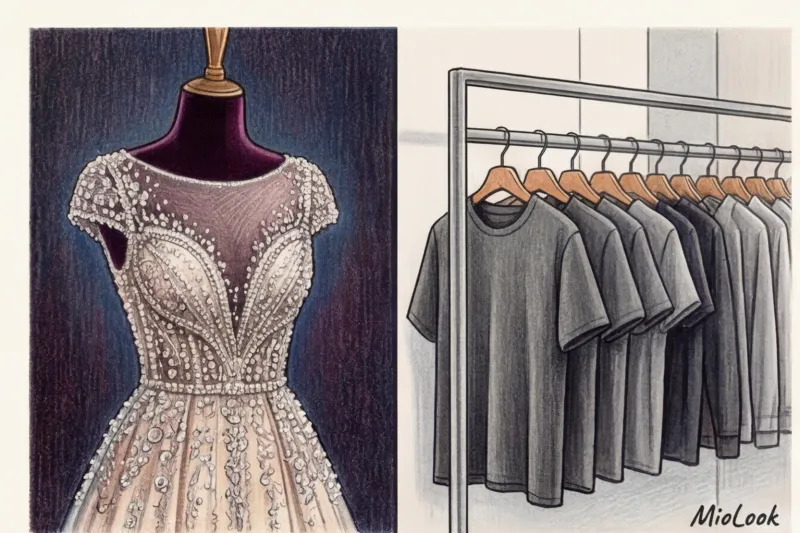
The look utilizes a single, complex, ornate, or architectural piece as the focal point. This could be a hand-embroidered corset or an asymmetrically draped skirt.
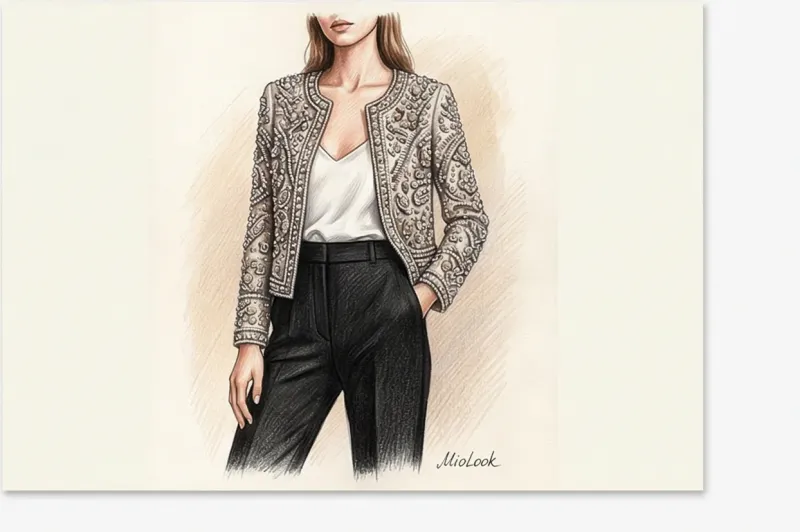
Couture or haute couture-inspired pieces require a minimalist backdrop. A sophisticated silk blouse with voluminous ruffles is paired with tailored, straight-leg wool trousers. This allows for a less cluttered silhouette and emphasizes the texture of the main piece.