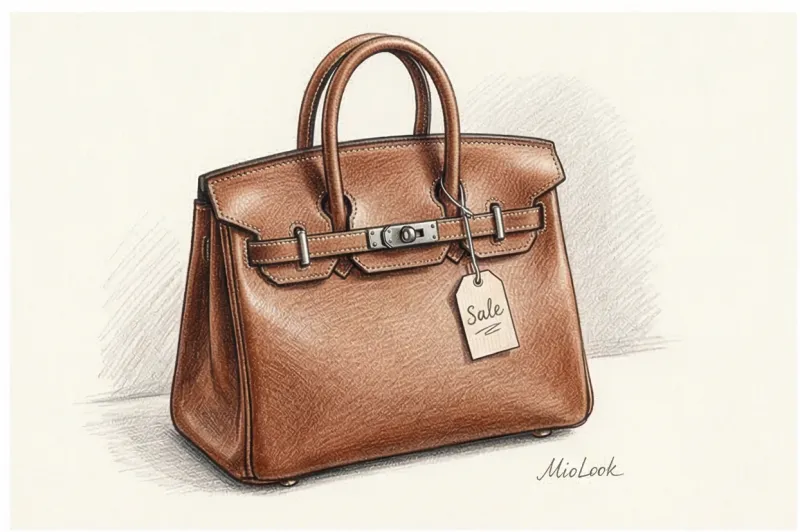
An outlet is a retail store selling branded clothing and accessories at heavily discounted prices. The inventory includes unsold stock from previous seasons, factory surplus, or specially manufactured lines. Consumers visit these locations to purchase premium wardrobe essentials.
What Does Outlet Mean in Clothes?
When shopping for apparel, encountering this term indicates a specific retail strategy designed to offer premium goods at reduced prices. Unlike traditional seasonal sales at regular boutiques, which happen twice a year to clear current inventory, these specialized stores provide discounts ranging from 30% to 70% year-round. The selection primarily consists of unsold remnants from previous collections, allowing shoppers to acquire high-quality garments without paying the initial retail markup.
The format originated in the United States during the 1930s. Initially, manufacturers opened small shops directly attached to their production facilities. These early factory stores served a practical purpose: selling surplus, canceled orders, or slightly defective products directly to employees and local customers. By eliminating distributor markups and retail overhead, brands could recoup manufacturing costs while offering substantial savings. Today, the concept has evolved into a massive global retail sector, shifting from utilitarian factory shops to luxury shopping destinations.
What Is a Brand Outlet?
A brand outlet, often referred to as a single-brand discount store, is a retail location dedicated entirely to one specific label. Instead of mixing various designers under one roof, these stores receive leftover stock directly from the brand's main boutiques and department store concessions. You will often find them situated near manufacturing hubs or clustered within larger dedicated shopping centers.
A crucial aspect of these single-brand stores is the presence of specialty lines. Due to high consumer demand, many premium and luxury brands do not generate enough unsold mainline stock to fill their discount stores. To bridge this gap, they create collections exclusively for these locations. While these garments retain the brand's signature cut and aesthetic appeal, they are often manufactured using more cost-effective materials. A jacket might feature standard hardware instead of custom-engraved zippers, or a bag might be crafted from coated canvas rather than full-grain leather. Recognizing this distinction helps manage expectations regarding fabric longevity and construction details.
The Meaning of an Outlet in Business
From a corporate perspective, this retail format serves as a vital inventory management tool. The apparel industry operates on strict seasonal cycles, and unsold inventory rapidly depreciates in value while occupying expensive warehouse space. Discount centers provide a controlled environment to liquidate dead stock efficiently. This secondary channel allows companies to recover their initial production investments without resorting to aggressive markdowns in their flagship stores, which could alienate full-price customers.
Furthermore, these stores function as powerful customer acquisition channels. They lower the barrier to entry for aspirational shoppers who admire a luxury label but cannot currently afford mainline prices. By introducing these consumers to the brand ecosystem through discounted accessories or basic apparel, companies build brand loyalty. As these customers increase their purchasing power over time, they often transition to shopping at full-price boutiques.
Main Types of Discount Retail Formats
Modern discount centers are categorized based on their scale, location, and the specific nature of their product range. Understanding these distinctions helps shoppers target the right locations for their specific needs.
- Outlet villages: Large, open-air shopping complexes architecturally styled to resemble small, picturesque towns. They house dozens of premium and luxury boutiques side-by-side, offering a full-day shopping experience complete with dining and entertainment.
- Factory stores: Standalone shops usually operated by a single manufacturer. They are historically located closer to industrial areas or production facilities, focusing heavily on surplus and made-for-discount lines.
- Online platforms: Digital aggregators that consolidate past-season offers from multiple brands and global multi-brand retailers. They provide the convenience of home shopping with advanced filtering options for sizes and specific designers.
| Format Type | Typical Location | Primary Inventory Source | Average Discount |
|---|---|---|---|
| Outlet Village | Suburbs of major cities | Multi-brand past collections | 30% – 70% |
| Factory Store | Near manufacturing sites | Single-brand surplus | 20% – 50% |
| Online Platform | Digital websites | Aggregated global stock | 40% – 80% |
| Made-for-Discount | Brand-specific shops | Specially produced lines | 20% – 40% |
How to Shop Smart at Discount Centers
Navigating these stores requires a strategic approach to maximize value. They are the ideal destination for purchasing timeless wardrobe essentials rather than highly recognizable, trend-driven pieces from a specific runway show. Classic trench coats, cashmere sweaters, tailored suits, and high-quality leather loafers remain relevant regardless of shifting microtrends. A casual look built around a classic double-breasted camel coat and a silk scarf will always look sophisticated.
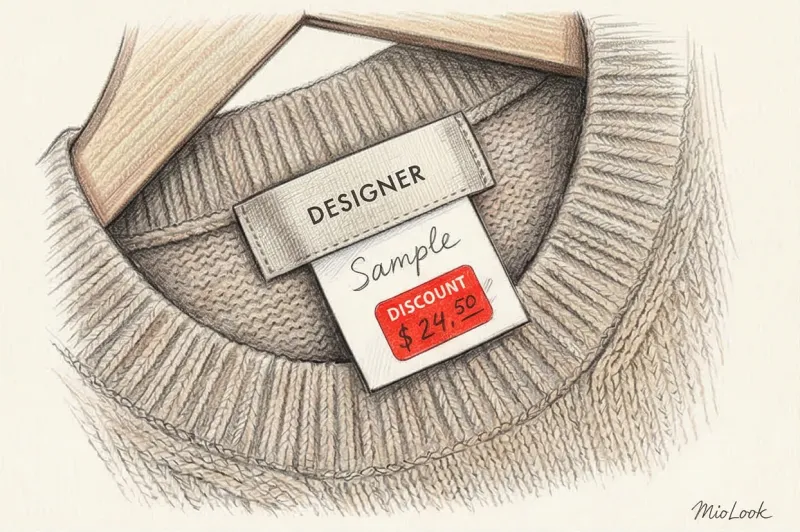
When evaluating luxury items, pay close attention to article numbers, internal tags, and care labels. Many brands use specific markers—such as a diamond symbol on the tag, a different colored label, or a specific letter prefix in the serial number—to distinguish genuine runway items from lines created specifically for the discount market. Knowing these codes ensures you understand exactly what tier of product you are purchasing.
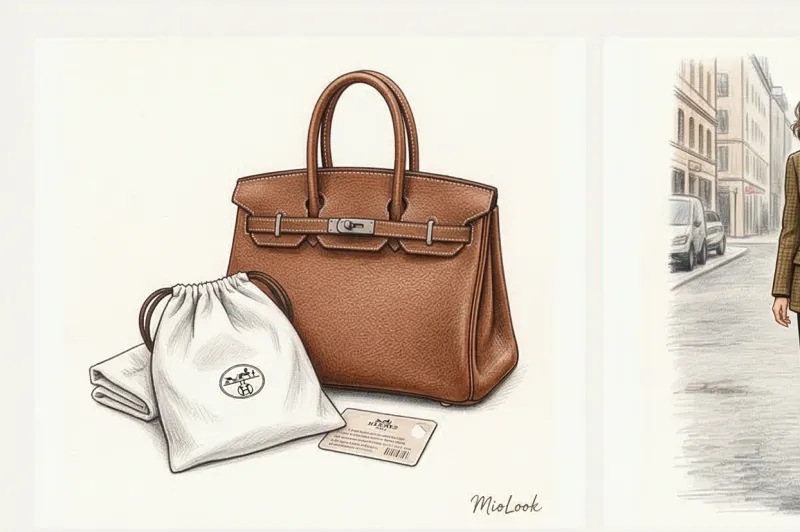
Finally, investing in high-end accessories is one of the most effective ways to utilize these stores. Rigid structured bags, silk scarves, and classic leather belts rarely undergo drastic design changes from season to season. Purchasing these items at a reduced price allows you to integrate premium finishing touches into your everyday wardrobe without overpaying for the current season's marketing campaign. Pair a structured tweed jacket with basic straight-leg jeans and a discounted designer belt for an effortlessly elevated aesthetic.