What is a visual merchandiser?
Visual merchandiser A store manager is a specialist responsible for the aesthetic and commercially effective presentation of products in a brand's retail space. Their primary goal is to stimulate sales and increase customer loyalty through the effective presentation of collections, window dressing, and store design.
Unlike a personal stylist, a visual merchandiser works not with an individual client, but with the store space. They rely on the brand's DNA, marketing strategies, and sales analytics. The profession originated at the intersection of the fashion industry, architecture, and commerce, when brands began using window dressing as a key tool for attracting foot traffic.
Distinctive features of the profession
A visual merchandiser's work is built on a balance of creativity and analytics. This specialist not only beautifully displays clothing but also regularly analyzes sales performance. The movement of merchandise within the sales floor directly impacts turnover.

The profession requires a deep understanding of consumer psychology. A visual merchandiser directs customer attention through the creation of focal points, effective lighting, and the distribution of retail equipment. Commercial zoning plays a key role: dividing the store into "hot" (most visible) and "cold" zones. New arrivals, basic items, and sale items are strategically placed within these spaces.
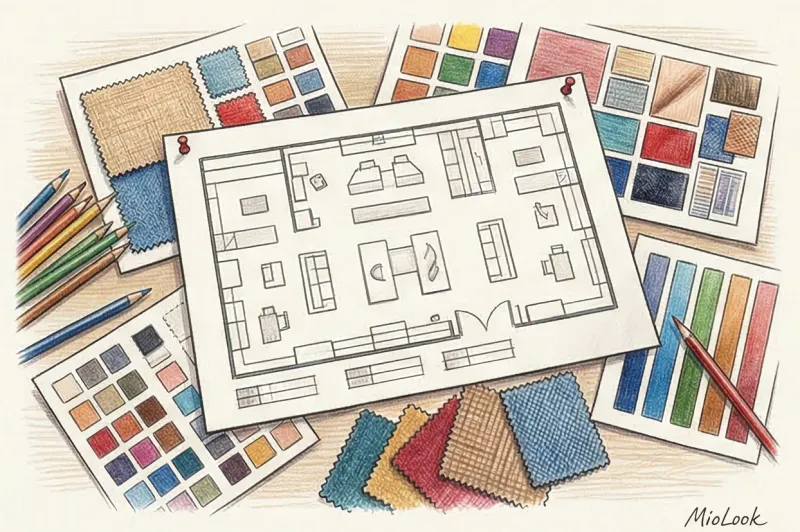
All work is strictly regulated by corporate guidelines. Specialists follow planograms—display diagrams and visual standards developed at the fashion house or retail chain's headquarters.
Basic tools in work
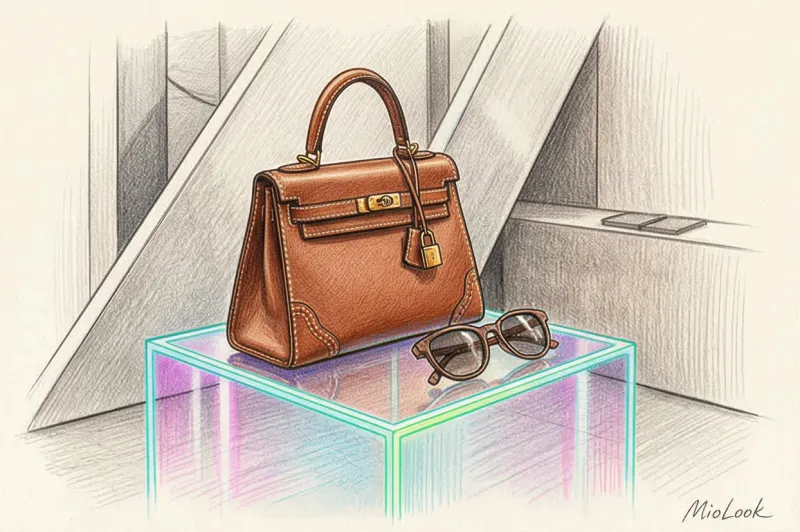
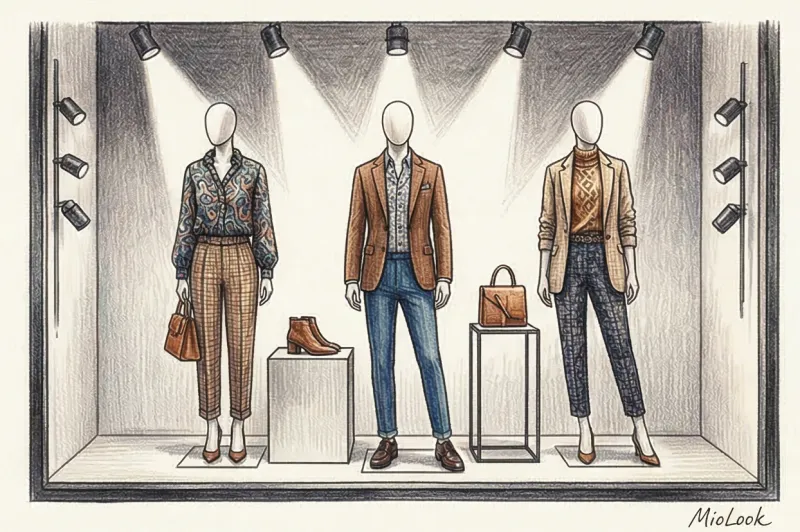
One of the most important tools of a visual merchandiser is window dressing. This involves creating themed installations in a store's exterior windows to attract the attention of passersby.
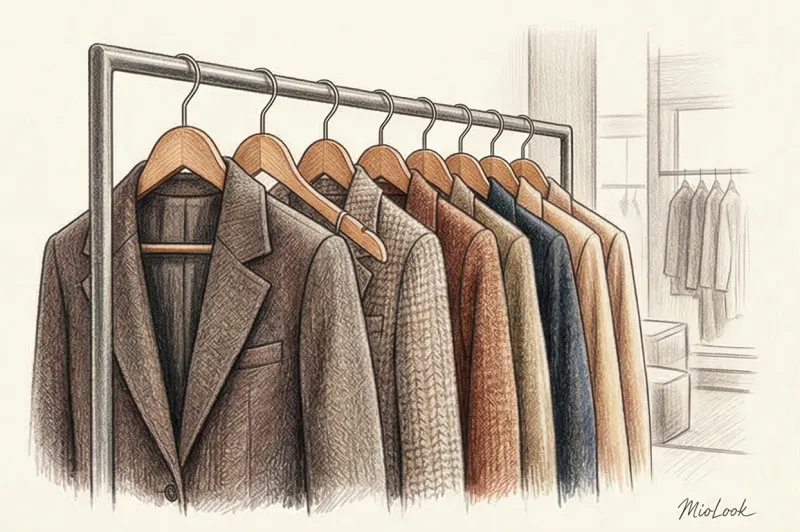
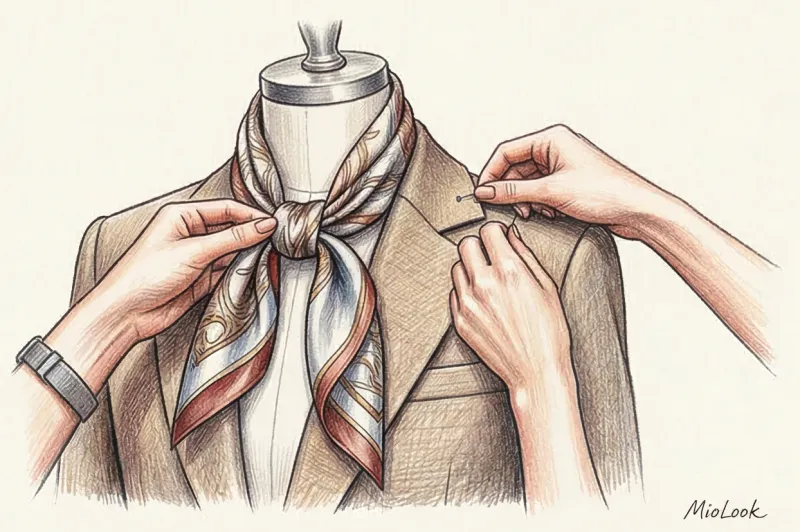
Inside the showroom, mannequin styling is actively used. The creation of complete, layered looks (total looks) demonstrates the compatibility of items from the new collection and encourages cross-selling—the purchase of additional items. Color blocking and capsule hanging are used to decorate the rails. Clothes are grouped by color palette, print, or style capsule, making it easier for customers to find the right item.
The final element of the visual concept is the management of POS materials and navigation. Proper placement of price tags, promotional information signs, and signage helps customers navigate the space and supports the overall aesthetic of the retail space.