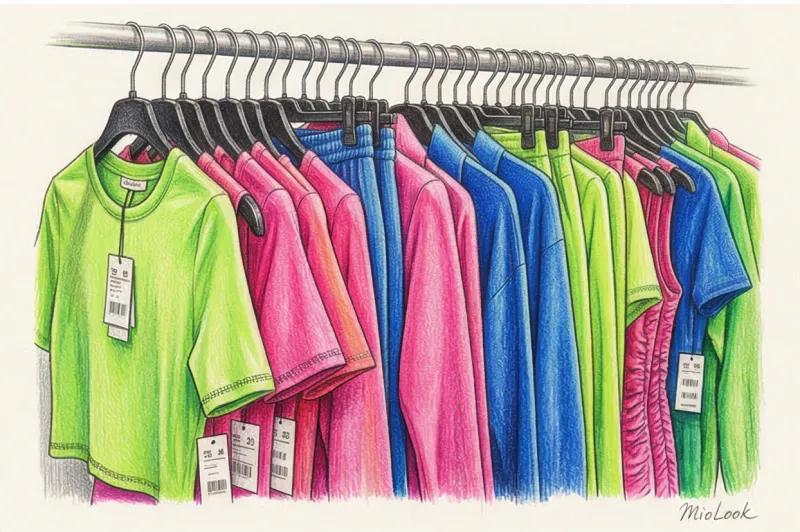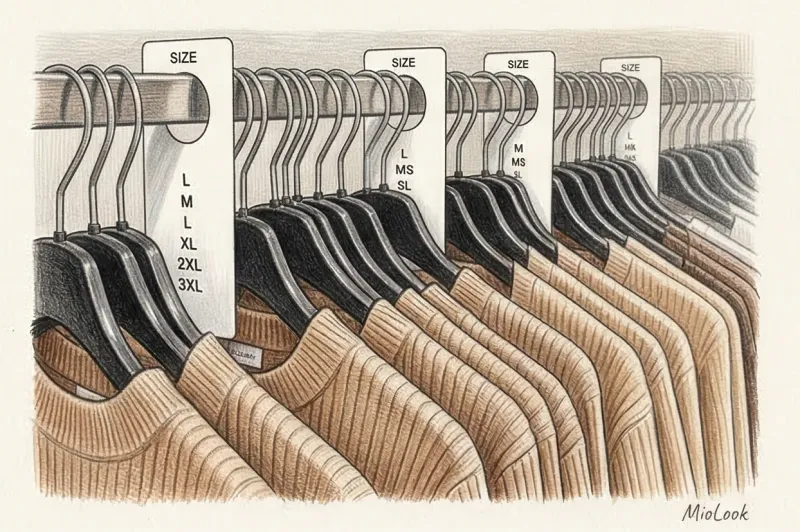
Mass market is a fashion sector producing clothing in large volumes for a broad consumer base at affordable prices. Production relies on standardized sizing, blended fabrics, and optimized supply chains to keep costs low. These garments are sold globally through large chain stores.
What Is Mass Market in Fashion
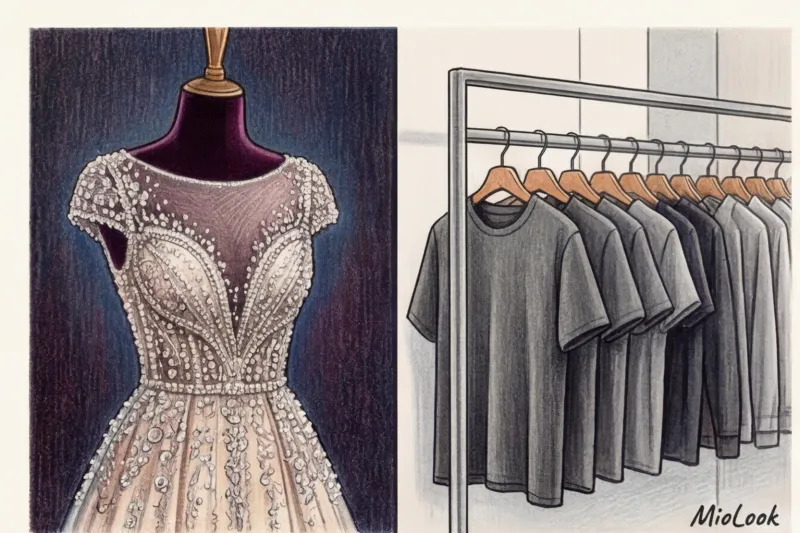
The primary function of this retail segment is the democratization of style. Before the rise of large-scale apparel manufacturing, fashionable clothing was largely a luxury reserved for those who could afford custom tailoring or designer pieces. Today, mass market brands adapt haute couture and prêt-à-porter runway trends for everyday use, making them accessible to the general public.
This democratization is closely linked to the concept of fast fashion. While traditional fashion houses operate on a strict seasonal calendar—typically releasing spring/summer and autumn/winter collections—budget-friendly retailers constantly update their store inventory. New items arrive on clothing racks several times a season, or even weekly, encouraging consumers to refresh their wardrobes frequently.
Mass Market Definition and Key Characteristics
To maintain low retail prices while producing millions of garments, companies must heavily optimize their production costs. This optimization affects every stage of the supply chain, from initial design to the final retail display.
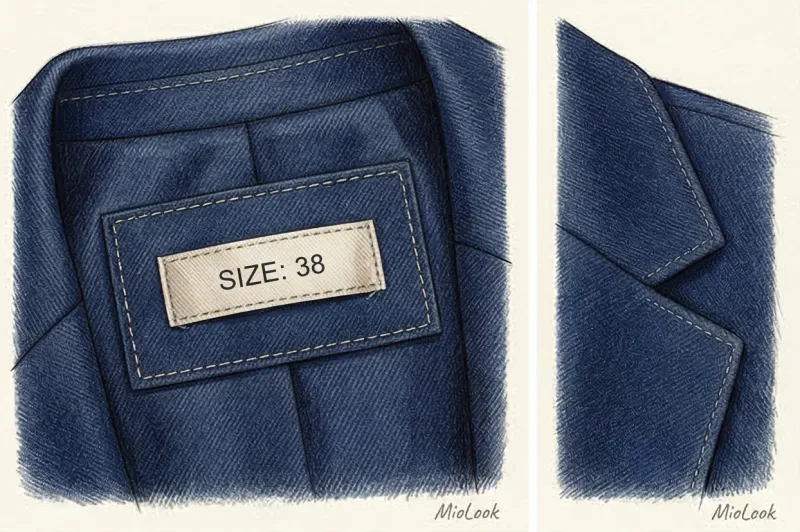
Clothing in this segment is manufactured using standardized patterns. Sizing is based on average body measurements, meaning individual body features and unique proportions are not taken into account. This standardization allows factories to cut and sew thousands of identical pieces rapidly.
Material selection is another crucial characteristic. Brands frequently utilize synthetic and blended fabrics, such as polyester, acrylic, and viscose, which are significantly cheaper to produce than pure silk, cashmere, or high-grade wool. Hardware, including zippers, buttons, and buckles, is typically made from inexpensive plastic or lightweight metal alloys.
A defining trait of this sector is its high production speed. The cycle from sketching a design—or adapting a runway idea—to delivering the finished product to retail locations can take as little as two to four weeks. Once the garments arrive, stores utilize unified visual merchandising strategies, ensuring that a brand's location in London looks and feels identical to its location in Tokyo.
Characteristics of Mass Market Fashion
| Feature | Mass Market Specification |
|---|---|
| Target Audience | General public, broad demographic |
| Production Volume | Millions of units globally |
| Sizing | Standardized (typically XS to XL) |
| Typical Materials | Cotton, polyester, viscose, acrylic, blends |
| Design-to-Store Cycle | 2 to 4 weeks |
| Price Segment | Budget-friendly to mid-range |
Popular Mass Market Brands
The global retail landscape is dominated by several key players that define this segment. Zara is renowned for its lightning-fast supply chain and ability to translate runway trends into affordable pieces almost instantly. H&M offers a mix of trend-driven items, everyday basics, and highly publicized designer collaborations.
Uniqlo takes a slightly different approach within the same price bracket, focusing less on fleeting trends and more on fabric technology, such as heat-retaining or cooling materials, applied to timeless basics. Mango and Gap also represent this tier, providing slightly elevated high-street style and casual wear for a global audience. These brands anchor major shopping centers worldwide, driving immense foot traffic through consistent branding and accessible pricing.
How to Style Mass Fashion Items
Building a stylish wardrobe does not require an exclusive closet of designer labels. The most effective way to wear affordable pieces is by utilizing the high-low styling principle. This technique involves mixing budget-friendly garments with premium, investment-worthy accessories. A typical mass-market look—such as a basic knitted top, wide-leg jeans, and an oversized blazer—can be instantly elevated when paired with premium leather loafers, a prestigious structured bag, or designer jewelry.
When shopping in this segment, basic items with a naturally short lifespan are the optimal choice. White cotton T-shirts, plain turtlenecks, and classic straight-leg jeans without heavy distressing or embellishments offer the best value. These foundational pieces wear out over time regardless of their price tag, making affordable replacements a practical choice.
Furthermore, this price tier allows you to test out the latest trends without a significant financial investment. Purchasing a statement piece for a single season, such as a sophisticated asymmetrical top or a bold metallic skirt, pays off when the item costs a fraction of a designer equivalent. If the trend fades, you have not wasted a large sum of money.
Finally, always pay attention to fabric composition. To ensure your budget-friendly clothes look refined and last longer, avoid garments made of 100% cheap polyester. Instead, opt for natural fibers like cotton and linen, heavy viscose that drapes elegantly, or blended fabrics containing natural wool.