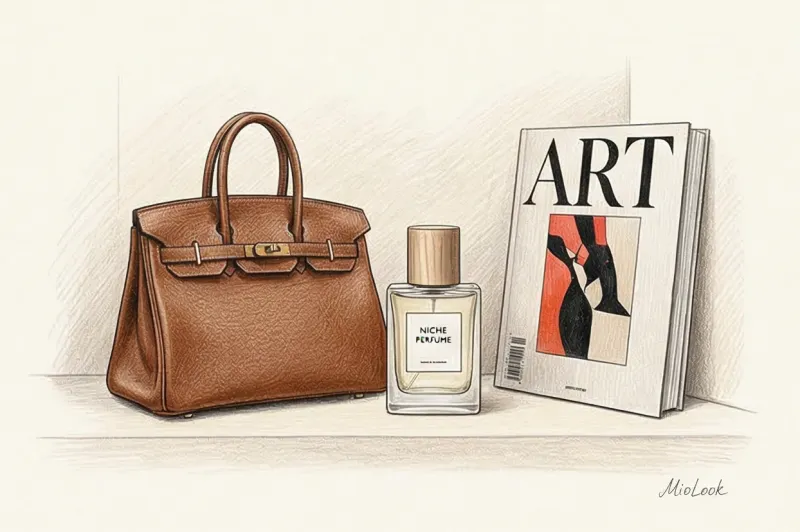
Concept store is a retail space where diverse products are united by a specific lifestyle or central theme. This format mixes clothing, perfumes, and art to convey a holistic worldview rather than just selling goods. Buyers use these shops to offer exclusive items and rare collaborations.
What Is a Concept Store and How Did It Emerge?
The term originated in the late 1990s to describe a completely new approach to retail. Before this shift, consumers shopped at department stores or single-brand boutiques. Milan's 10 Corso Como, founded by Carla Sozzani in 1990, and Paris's Colette, opened in 1997, are widely recognized as the pioneers of this format. They transformed shopping from a simple transaction into a cultural experience.
A concept store acts as a magazine you can walk through. Every item on the shelf, from a designer jacket to a niche fragrance, tells a part of a larger story. The founders of these spaces realized that modern consumers wanted more than just high-quality goods; they craved inspiration, community, and a distinct aesthetic vision. Later, spaces like Dover Street Market, created by Rei Kawakubo, pushed the boundaries even further by blending high fashion with raw, industrial interior design.
Key Differences Between a Concept Shop and a Traditional Boutique
When you walk into a standard retail environment, the layout is highly predictable. Shoes are in one section, outerwear in another, and homeware is usually on a completely different floor. A concept shop disrupts this traditional organization to create a journey of discovery.
The Curated Approach
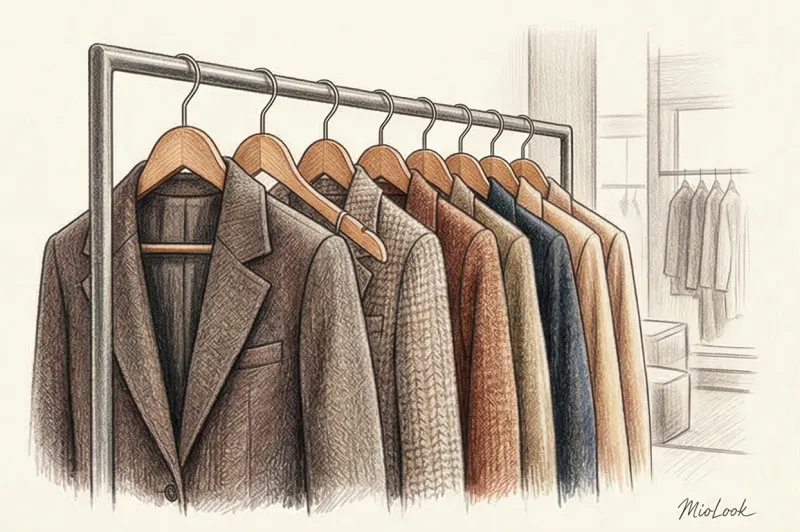
The defining characteristic of these spaces is strict curation. Buyers do not simply order a brand's entire seasonal collection. Instead, they handpick specific items from various designers that fit the store's overarching theme. This means you might find a luxury silk dress hanging next to a rugged canvas tote bag, provided both items align with the store's specific mood or target lifestyle. The selection process is rigorous, ensuring that every piece harmoniously complements the others.
Cross-Merchandising and Lifestyle Focus
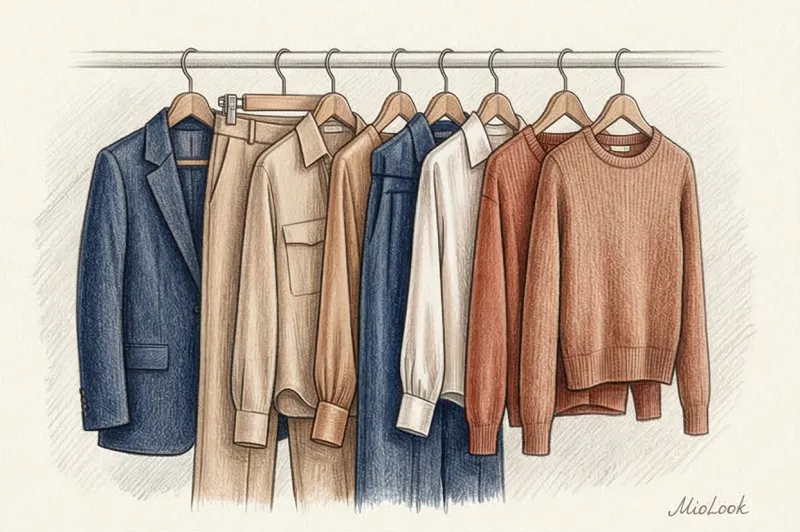
Cross-merchandising is the backbone of conceptual retail. Clothing, footwear, and accessories share shelf space with interior design objects, art books, vinyl records, and niche cosmetics. The goal is to sell an entire lifestyle. If you appreciate the aesthetic of the garments on display, you will likely appreciate the carefully selected coffee table book or the avant-garde ceramic vase placed right next to them. This approach encourages customers to explore categories they might not have initially intended to buy.
What to Expect from Concept Store Clothing Selection
The approach to concept store clothing differs drastically from mass-market or even traditional luxury retail. These spaces do not aim to provide basic wardrobe staples for the average consumer. Instead, they focus on exclusivity, innovation, and self-expression.
Exclusive Drops and Collaborations
Conceptual spaces are the primary destinations for limited-edition collections and rare collaborations. Brands often partner with these specific retailers to release exclusive colorways or capsule collections that cannot be found anywhere else. This strategy creates a sense of urgency and exclusivity, attracting collectors and dedicated fashion enthusiasts who are looking for unique additions to their wardrobes.
Avant-Garde and Emerging Designers
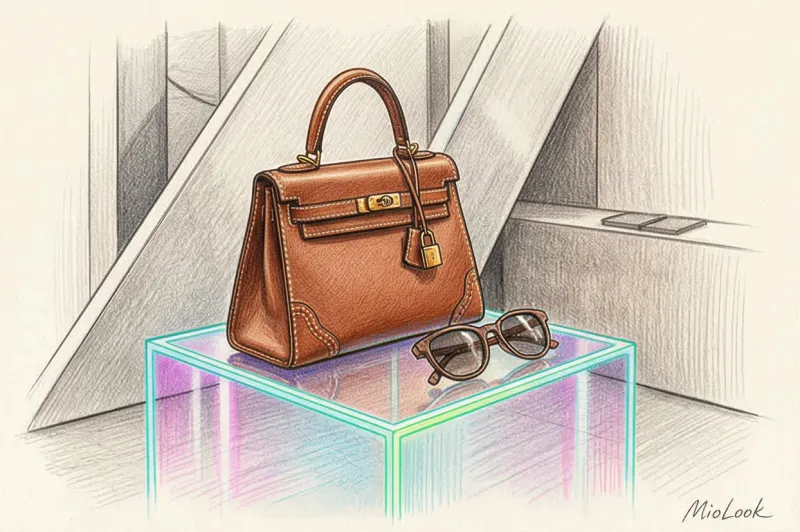
These boutiques serve as launchpads for new talent. Buyers constantly scout fashion weeks and graduate shows to discover niche and avant-garde designers before they reach mainstream popularity. Shopping for clothing in these spaces allows you to find statement pieces. Whether it is an architectural bag, a sophisticated deconstructed trench coat, or shoes with unconventional silhouettes, these items help add a distinct edge to a standard outfit.
The Anatomy of a Modern Concept Space
To understand exactly how these spaces function, it helps to compare their core elements with standard retail models.
| Feature | Traditional Retail | Concept Store |
|---|---|---|
| Assortment | Broad, organized by category or brand | Highly curated, organized by theme or lifestyle |
| Merchandising | Standard racks and shelves by department | Cross-merchandising, mixing clothes with art and books |
| Atmosphere | Transactional and standardized | Immersive, featuring unique interior design and music |
| Brand Mix | Established, mainstream labels | Mix of luxury houses, emerging designers, and streetwear |
| Customer Goal | Purchasing specific needed items | Discovering new ideas, inspiration, and exclusive pieces |
Why You Should Shop at Conceptual Boutiques
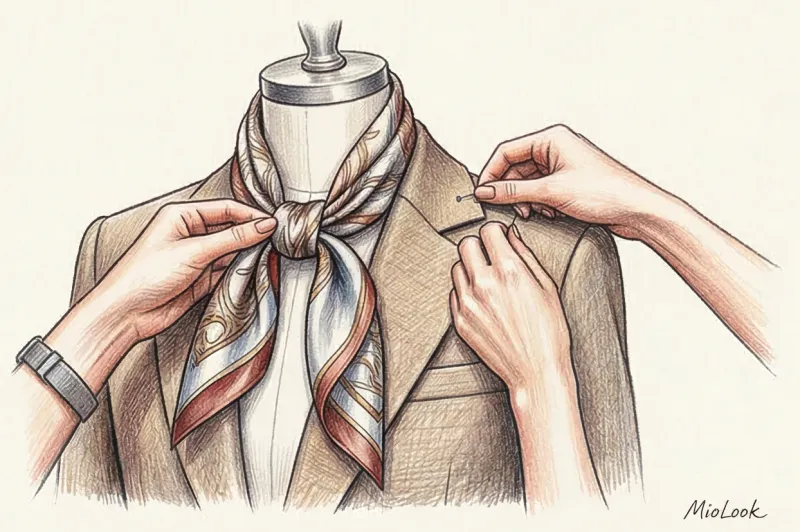
Visiting a concept store is an exercise in developing your personal style. The visual merchandising in these spaces functions like a real-life lookbook, fostering a keen eye for detail. Mannequins are rarely dressed in a single brand from head to toe. Instead, stylists mix textures, layer unconventional pieces, and combine high fashion with underground streetwear. Observing a mannequin demonstrating complex layering—such as a heavy wool coat over a delicate silk slip dress—can inspire you to experiment with unexpected combinations in your own wardrobe.
Furthermore, the physical space itself is designed to engage all your senses. Thoughtful lighting, a signature playlist, and custom interior architecture create a specific mood. Many modern spaces incorporate coffee shops, contemporary art galleries, or even small lecture halls. This turns a simple shopping trip into a social and cultural activity. Purchasing a rare printed publication, designer ceramics, or a niche perfume from such a store helps you build a holistic personal image that extends far beyond the clothes you wear.