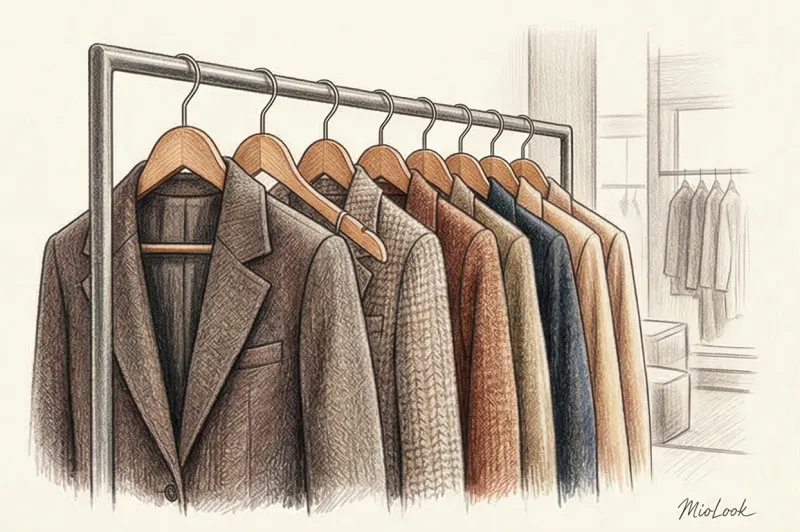
A showroom is a dedicated demonstration space used for displaying samples of clothing, footwear, or accessories. It features curated collections presented in limited quantities rather than full retail inventory. This format serves wholesale buyers, stylists, and private clients.
What Is A Showroom In Fashion?
Historically, the demonstration space format emerged strictly within the business-to-business segment of the apparel industry. These were exclusive, closed venues where designers and garment factories showcased their newest collections to buyers. The primary goal was to secure wholesale orders for the following season before the garments even went into mass production.
In the modern apparel industry, the concept has significantly expanded its meaning. While traditional wholesale spaces still dictate global buying trends, the term now also refers to small boutiques run by local brands, custom-made tailoring studios, and conceptual retail spaces. Instead of racks packed with identical items in every possible size, these environments focus on presenting one-of-a-kind pieces, prototypes, and curated selections that highlight the brand's aesthetic.
Main Types Of Showrooms
Depending on the target audience, business objectives, and operational models, fashion spaces are divided into three main categories. Each serves a distinct purpose within the product lifecycle.
Wholesale B2B Spaces
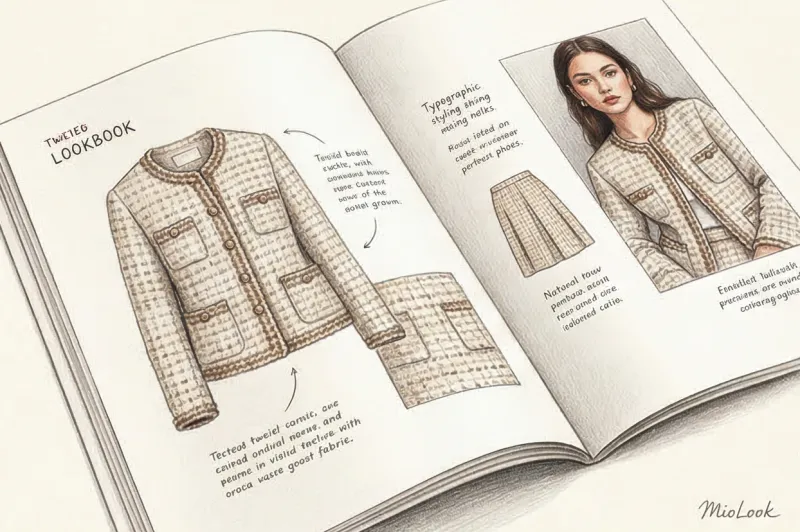
These are professional sites entirely closed to regular shoppers. They operate during market weeks and feature prototypes of future collections. Representatives from department stores, multi-brand boutiques, and online retailers visit these spaces to review the garments, assess fabric quality, and place bulk purchases. The orders placed here determine what consumers will see in stores six months later.
PR And Editorial Agencies
Public relations showrooms act as specialized hubs that store a brand's archive pieces and current collections. The garments kept here are typically produced in standard runway sizes. These items are not for sale; instead, they are loaned to fashion editors, celebrity stylists, and influencers. The primary objective is to secure editorial placements in magazines, appearances on red carpets, and visibility at high-profile social events, thereby generating media coverage and brand awareness.
Retail B2C Studios
Retail demonstration spaces cater directly to private clients. They are often run by independent local brands or multi-brand curators. These studios differ drastically from traditional fast-fashion stores through their intimate atmosphere, highly limited selection, and strong emphasis on personalized service. Customers visit to experience the brand universe, receive styling advice, and purchase or order specific pieces.
How Does A Fashion Showroom Work?
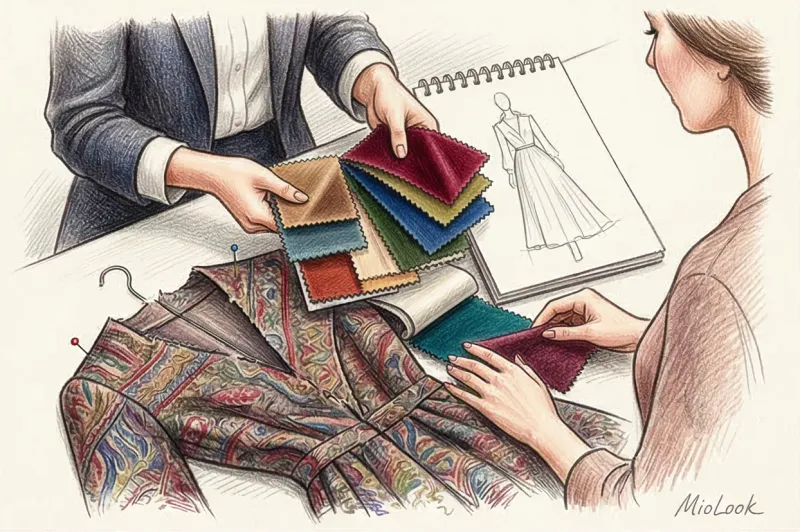
The operational mechanics of a demonstration space prioritize individual attention and inventory efficiency over sheer foot traffic. A visit to a retail or custom-made studio often requires a prior appointment. This scheduling model guarantees clients uninterrupted one-on-one time with a dedicated stylist or the designer themselves, completely free from the crowds and rush typical of standard shopping malls.
During the appointment, the space serves as an ideal environment for creating ready-made capsule wardrobes. Consultants assist clients in selecting a complete look, ensuring that clothing, shoes, and accessories complement each other perfectly while fitting seamlessly into the client's existing wardrobe.
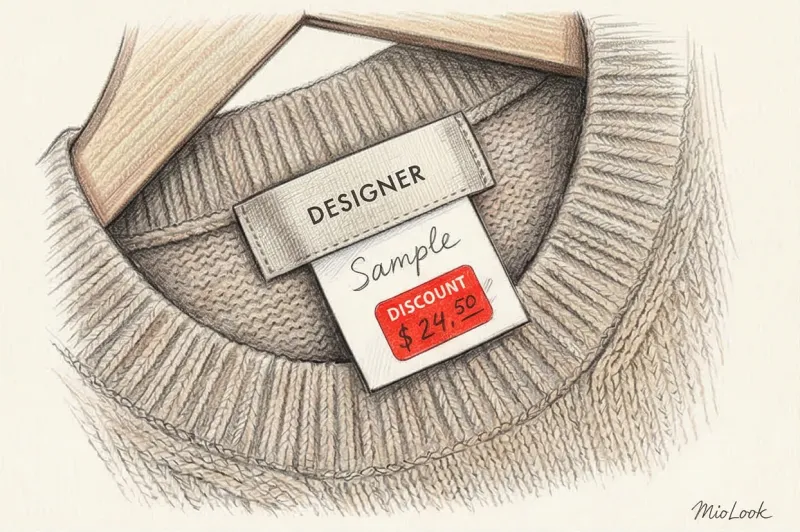
Because these spaces do not hold deep stock, clients usually try on a sample size. If the studio offers a desired item but not in the exact measurements required, the client can place a pre-order. The garment is then custom-made or ordered directly from the brand's factory, ensuring a perfect fit and reducing the environmental impact associated with overproduction.
Showroom Vs Retail Store: Key Differences
To better understand the unique position of these spaces in the market, it helps to compare their operational characteristics across different formats.
| Feature | Wholesale (B2B) | PR Agency | Retail (B2C) |
|---|---|---|---|
| Target Audience | Retail buyers, distributors | Stylists, editors, celebrities | Private clients, brand loyalists |
| Primary Purpose | Securing bulk seasonal orders | Generating media coverage | Personalized sales and styling |
| Access | Strictly by invitation | Industry professionals only | By appointment or walk-in |
| Inventory Type | Prototypes for next season | Runway samples (usually XS-S) | Limited stock and made-to-order |
Why Do Brands Choose The Showroom Model?
For many emerging and niche brands, operating a massive flagship store is financially unviable and strategically unnecessary. The demonstration space model offers a highly cost-effective alternative with significantly lower overhead costs. By operating on an appointment-only or made-to-order basis, brands eliminate the need to produce massive quantities of stock upfront, which drastically reduces deadstock and textile waste.
Furthermore, this format fosters stronger, more authentic relationships with clients. The relaxed, private environment allows designers to gather direct feedback, understand their customers' lifestyle needs, and build a loyal community. In an era where consumers increasingly value sustainability, exclusivity, and personalized experiences, the showroom model perfectly aligns with the future of mindful fashion consumption.