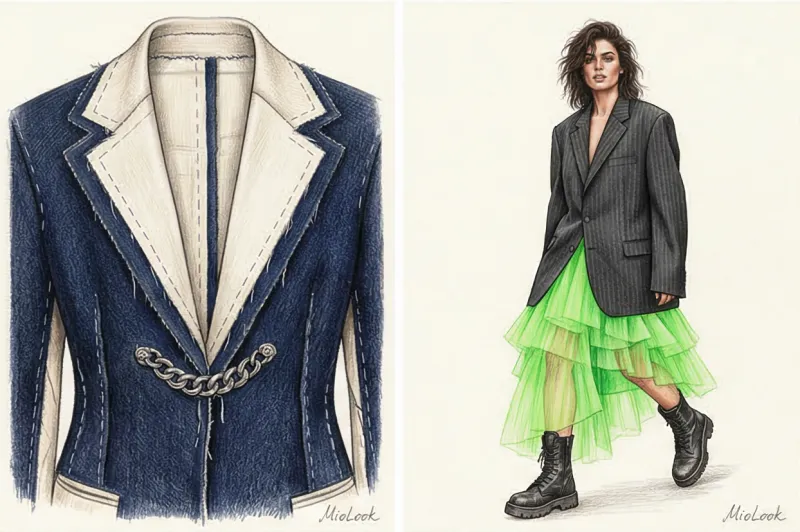
What is a trendsetter?
Trendsetter — is a person, designer, or brand innovator who is the first to introduce a new visual idea, silhouette, or way of wearing an item before it becomes widely available.
The term is derived from English words trend (trend) and set (to establish). To accurately understand who a trendsetter is, it's necessary to turn to the theory of innovation diffusion, where such innovators are found at the very top of the consumption pyramid.
They borrow aesthetics from niche subcultures, historical costume, or avant-garde art, adapting them to everyday life. Only then do fashion houses and mass-market manufacturers embrace the idea.
Distinctive features
The main characteristic of a trendsetter is anticipation rather than copying. They don't follow current trends from glossy magazines, but instead shape them through unconventional stylistic solutions. For example, the incorporation of sporty cycling shorts into everyday urban wardrobes began with a few innovators long before this style appeared on the runway.
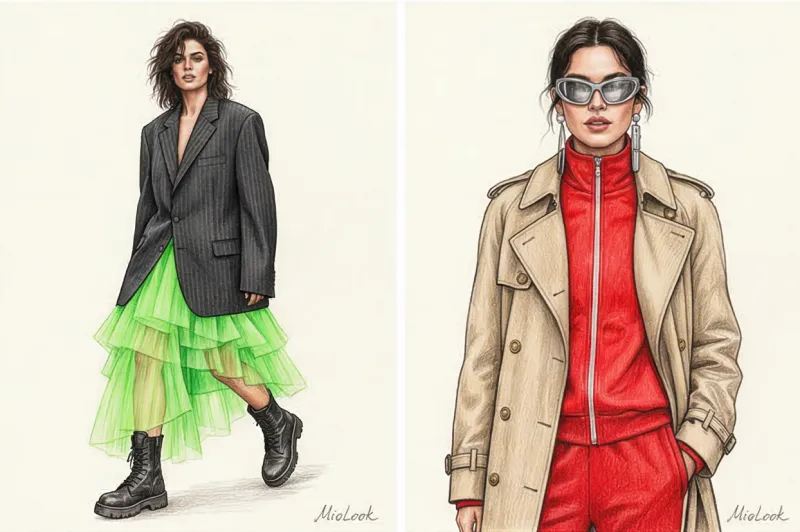
There's a fundamental difference between a trendsetter and an influencer. Opinion leaders popularize and sell an established, well-understood trend to a wider audience, while a trendsetter is the original source of the idea itself.
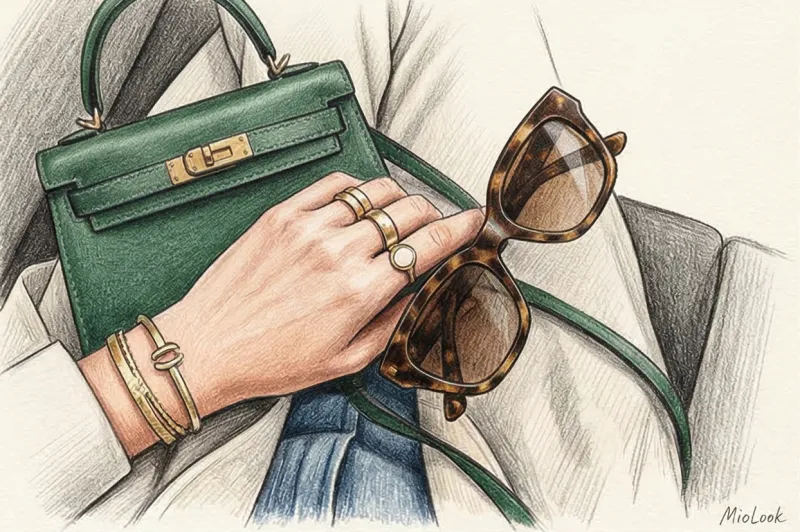
These innovators have a high tolerance for fashion risk. They are willing to wear items that are initially perceived by society as strange, disproportionate, or ugly. Examples include micro-bags, hyper-oversized clothing, or chunky shoes with deliberately chunky soles.
How to use
Innovative ideas are often introduced through micro-styling—unconventional ways to wear familiar staples. This could be an asymmetrically buttoned shirt, a sweater worn as a scarf over a structured jacket, or thick socks paired with open sandals.
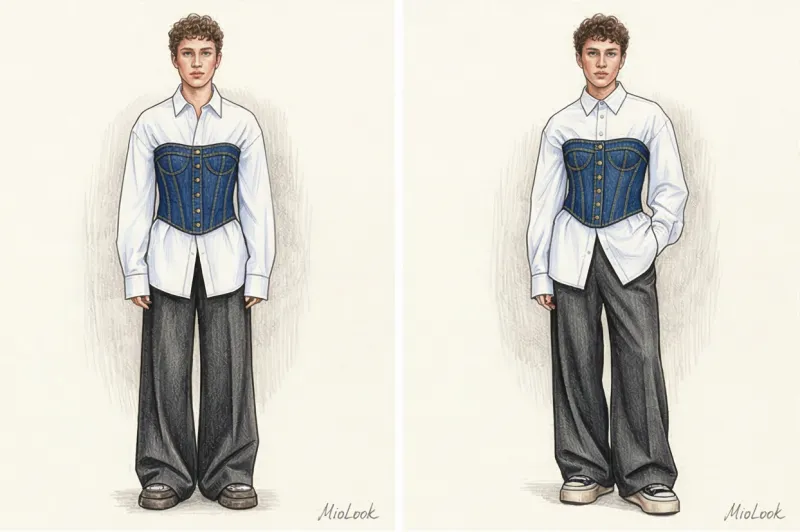
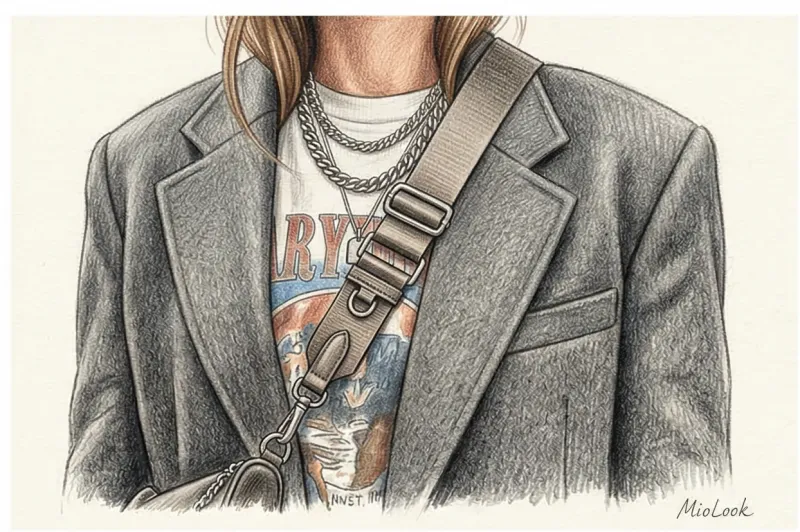
The second popular technique is mixing contrasting contexts. Trendsetters combine elements from polar opposite dress codes in a single look. A typical example: pairing a vintage tracksuit top with tailored, pleated trousers.
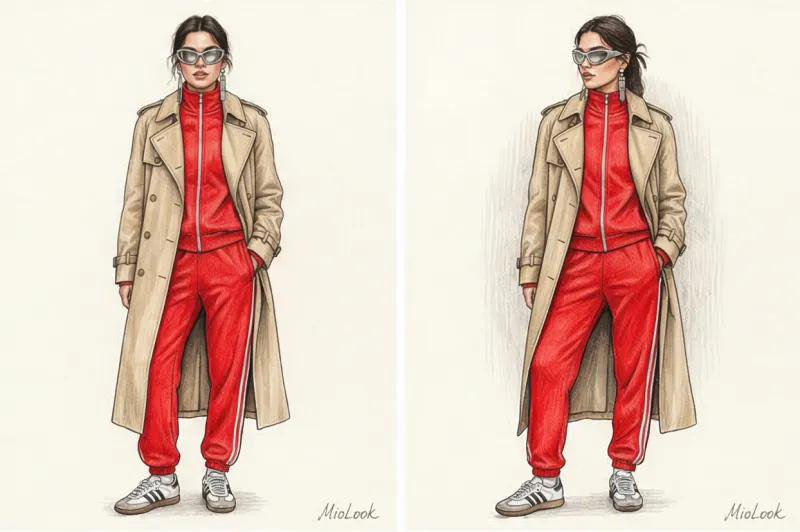
The third tool is customization. This is the intentional alteration of ready-to-wear clothing to create a unique, unproduced wardrobe item. Innovators use raw edges, add unusual hardware, or employ deconstruction, transforming a basic garment into a unique object.