Why a Wardrobe Review is a Must Before Creating a Shopping List
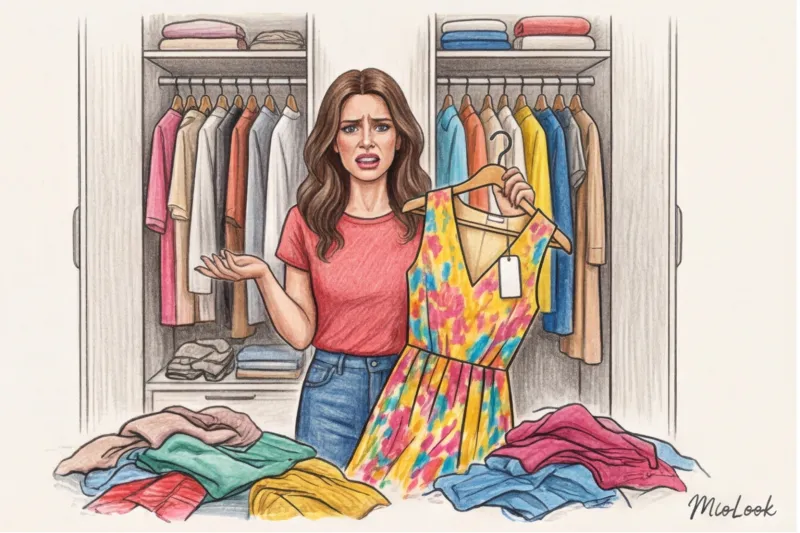
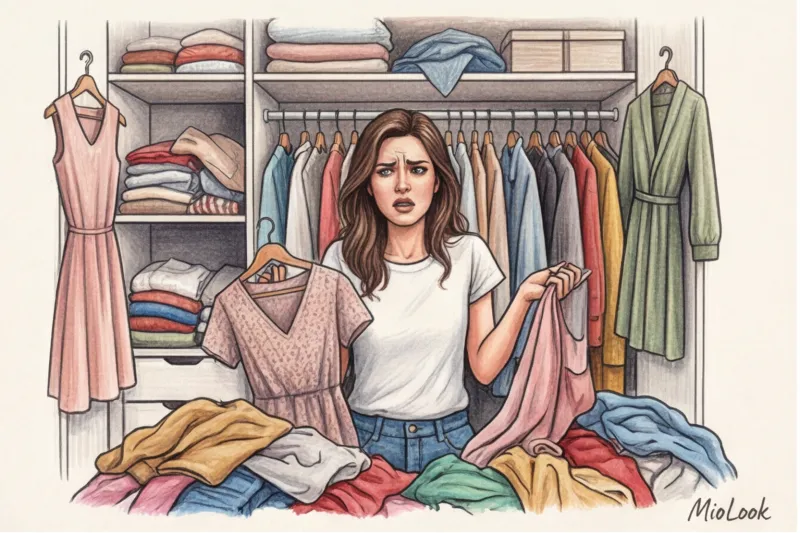
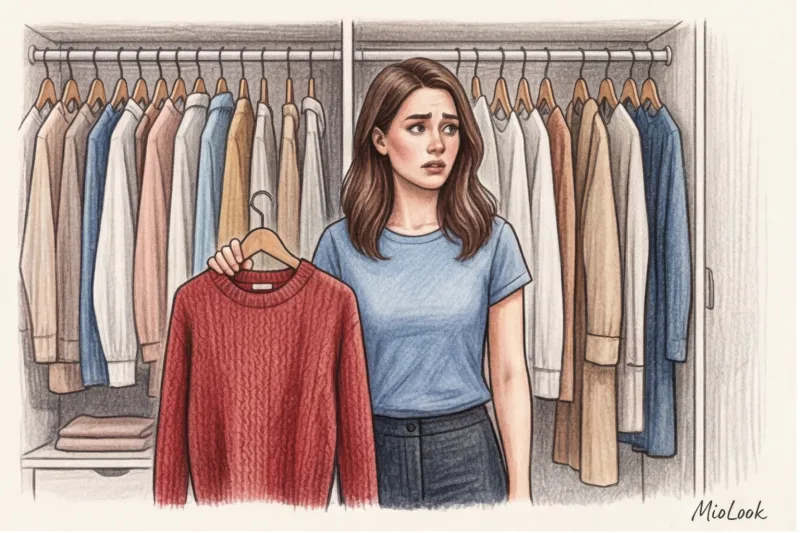
Have you ever noticed a paradox: the tighter the hangers are on the clothes rail, the longer you stand in the morning in your underwear, your eyes wandering over the fabric in confusion? The closet doors literally won't close, but you have absolutely nothing to wear. This is the most common complaint women come to me with. And it's at this point that many have a strong urge to go to the mall and buy "something new" to save the situation. But before you explore, How to make a shopping list , we need to take one painful but vital step back. Without a preliminary closet audit, your shopping list will only become a recipe for more disappointments.
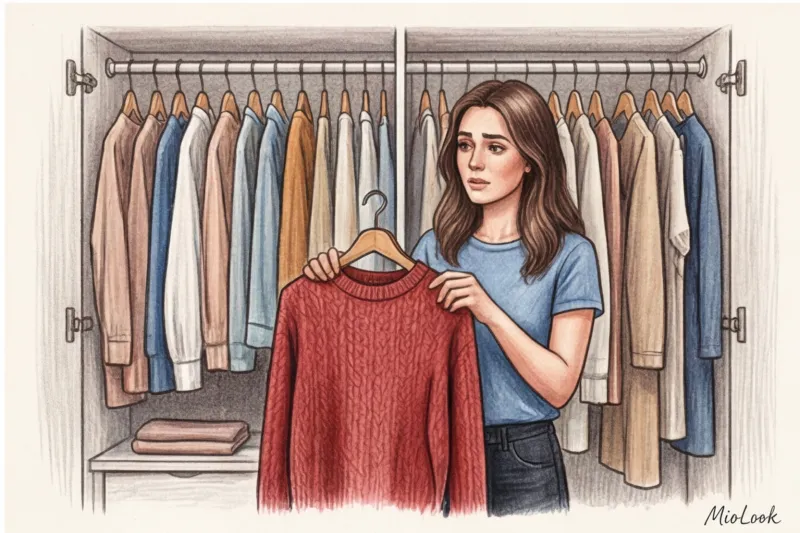
The connection between a stuffy closet and the phrase "I have nothing to wear" stems from sensory overload and a lack of visual clarity. When you can't see your clothes because they're so cluttered, your brain simply refuses to combine them. You're choosing from a tiny "working capsule" every day, wading through a jungle of clothes that don't fit, are out of style, or simply don't suit you.
According to a large-scale study by the British organization WRAP, we regularly wear only 20% of our clothes, while the remaining 80% hangs as dead weight on hangers.
Such piles often hide hopelessly outdated styles, and I strongly recommend finding out, How to get rid of things that cheapen your look , before letting any new things into the house.
Compiling a shopping list without an honest wardrobe audit inevitably leads to blind duplication. You think, "I need blue jeans," go and buy them. And then, while browsing the back shelf, you find almost identical ones. In my 14 years of working as a stylist, I see this constantly. My personal observation: nine out of ten of my new clients have at least three pairs of identical, but completely ill-fitting jeans in their closets. They repeatedly tried to fill the need for the "perfect basics," but without analyzing previous mistakes (why previous pairs failed: too low a rise, thin denim, wrong length), they simply multiplied the number of clones in their closets.
This is where the psychology of impulse shopping comes into play. Retail is designed to evoke instant emotions. Bright, warm lighting, pleasant music, enticing red price tags with discounts—all of this triggers a sharp surge of dopamine. In such moments, you're not buying the item itself; you're buying momentary joy or the illusion of a "perfect self." Ultimately, you easily spend €150-200 on a striking, but completely out-of-place sequin jacket.
A well-thought-out shopping list, based on your actual wardrobe needs, is your personal financial shield. It protects your budget from emotional drains. When you have a clear plan, you stop aimlessly wandering around stores looking for "something nice" and instead go for something specific, like black leather loafers with chunky soles.
The 80/20 Rule in Your Closet and the Emotional Shopping Trap
We've already touched on the dismal WRAP statistics, but let's look at them through the lens of the famous Pareto principle. The 80/20 rule, in the context of your wardrobe, means that 80% of the time you wear only 20% of your clothes. This 20% is your stylistic core. These are the comfortable, easy-to-understand, well-fitting pieces that make you feel confident. The remaining 80% are usually casualties of your spontaneous impulses or "one-time-only" items.
How can you recognize your own emotional shopping patterns? Take a close look at that "dead zone" in your closet. Most often, items end up there for three main reasons:
- Shopping as an anti-stress: The purchase was made after a hard day at work or an argument. These are usually small, inexpensive items (T-shirts or scarves for €15–20) bought for a quick, but extremely short-lived, dose of joy.
- The Magic of Sales: We bought the item solely because it was 70% off. We think we saved a lot, but in reality, we wasted money on a cut or color we would never have considered at full price.
- Fantasy wardrobe: Shopping for a version of yourself that you're not. A classic example from my experience is buying her tenth slip dress and stilettos for a woman who works freelance from home 90% of the time.
To break this vicious cycle and stop feeding marketers, I recommend using modern technology. An app will be a great help during the audit stage. MioLook - it's convenient virtual wardrobe On your smartphone. By digitizing your actual, "working" 20% of items, you'll be able to clearly see your patterns. When you can clearly see in the app that you already own three oversized gray sweaters, you'll simply be hesitant to buy a fourth one in the store, even if it's on a phenomenal discount.
Step-by-step wardrobe review: preparing the basis for a shopping list
Let's be honest: a full-blown closet cleanout is physically demanding work. When my new clients complain that they tried to organize their closet on their own but gave up after forty minutes in tears amid a mountain of clothes, I always ask one question: "And how exactly did you do it?" The most common answer is: I opened the closet doors, started rummaging through the hangers, tried on a couple of dresses, got tired, and closed the closet.
The secret to successful decluttering lies in neuroscience. There's a concept called "decision fatigue." When you stare into a crowded, dark closet, your brain becomes overloaded with visual noise. That's why a professional stylist's algorithm always begins with preparing the space.
My golden rules of preparation:
- Light and air: Open the windows, turn on the lights, and put on an energetic playlist. You'll need oxygen and a lively rhythm.
- Clean polygon: Free up the bed completely or buy/borrow a floor-standing mobile rail.
- Total reset: pull it out absolutely All The closet should remain ringing empty. Wipe down the shelves to remove dust. Psychologically, this step works like a reset button—you're destroying your old worldview to build a new one.
While things sit on shelves, your brain ignores them in the background. You must confront the physical volume of your purchases face-to-face.
The next step is strict categorization to The beginning of fittings. Stack jeans with jeans, knits with knits, skirts with skirts. This is where the biggest insights happen. One time, a client and I laid out fourteen (!) gray and black turtlenecks from the mass market on the bed. None of them fit perfectly, but she kept buying them, trying to fill an unconscious need for a quality base layer. Categorization instantly highlights such blind spots.
Now we move on to checking for relevance, wear, and fit. This is a ruthless filter. Take an item and examine it in daylight: are there yellow stains under the arms on white T-shirts? Is the collar of your favorite sweater rolled up? Are the elbows stretched out?
"Fit isn't judged by standing statically in front of a mirror. Put on your pants and sit on a chair. Raise your arms while wearing a jacket. If a garment restricts your movement, cuts into your body, or requires you to constantly suck in your stomach, it's stealing your confidence. Throw it away!"
Sorting: Hard Three-Pile Method
When trying on each item, don't leave yourself room for long deliberation. Your goal is to divide your entire wardrobe into three categories.

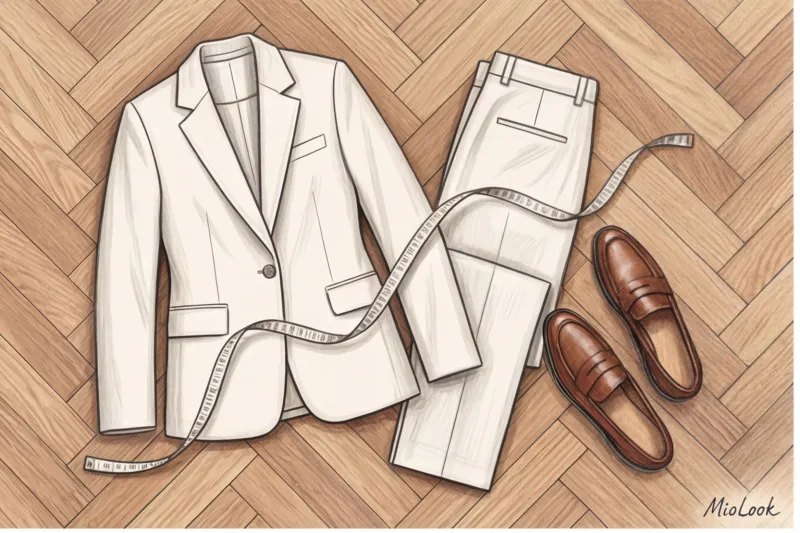
Stack 1: “I’m keeping 100%” (Golden fund). These are the items that fit you perfectly right now (not when you lose 3 kg). These are your reliable bases and favorite statement pieces. For example, a well-tailored wool blazer, high-quality straight-leg jeans, or a cashmere sweater. You put these on and feel like a million bucks.
Pile 2: “Giving away / Selling / Throwing away.” This is where we send everything that hasn't passed the wear and fit test. A dress that's been too small for two years. A cheap polyester blouse that makes you sweat after ten minutes. Outdated skinny jeans with an abundance of rhinestones. If an item is in good condition but doesn't fit, sell it on resale platforms. A dress from Maje or Ganni for €150-200 will easily find a new owner, and the proceeds will go toward future smart purchases.
Pile 3: "In Question" (Quarantine Zone). This is the most difficult pile. It contains items that need repairs (taking them to a tailor to have the hem shortened, or replacing buttons) or dry cleaning. It also contains those high-quality items you don't wear because you simply don't know what to wear them with.
Access to MioLook for €0.99 — one-time payment
A smart AI stylist will digitize your "things in question" and select the perfect combinations for them, turning the chaos in your closet into a working capsule.
Get access — €0.99 onceThe Harmful Myth of "Clothes You Haven't Worn in a Year"
In the age of minimalism, the adage "If you haven't worn something in a year, throw it out" is ubiquitous. As a practicing stylist, I'm categorically against this simplification.
Our lifestyle isn't linear. Over the course of a year, you might have gone on maternity leave, switched to remote work, or, conversely, returned to an office with a strict dress code. You might have temporarily changed sizes due to stress or hormonal fluctuations. Getting rid of that chic, classic sand-colored Max Mara coat just because you spent all of last winter sitting at home in sweatpants at your computer is a fashion crime.
More often than not, a thing hangs around unused for years not because it is bad, but because it is single thing There's simply no matching pair in your current wardrobe.
Imagine a gorgeous emerald blouse made of thick silk. It suits you perfectly, brightens your complexion, but you never wear it. Why? Because every time you try to wear it, you pair it with a boring black pencil skirt, and the look falls apart, looking outdated. The blouse needs, for example, a pair of wide, flowing gray palazzo pants. And herein lies the answer to the main question: how to create a shopping list that truly works?
You don't throw out the emerald blouse. You analyze your "quarantine zone" and add those perfect gray trousers to your future shopping list. They'll not only save the silk blouse but also pair perfectly with your basic T-shirts and white shirts from the first pile.
Lifestyle Audit: What Do You Really Need to Wear?
Did you know that most women dress not their true selves, but an idealized version of themselves? We buy clothes for the life we'd like to live, not the one we're currently living. As a practicing stylist, I constantly see how buying clothes for an imagined reality becomes a way to compensate for stress or the daily grind.
A classic example: a freelancer working from home methodically adds her tenth silk slip dress to her shopping cart. Her fantasy wardrobe depicts her drinking cocktails on the veranda of a trendy restaurant every evening or rushing to a theater premiere. In reality, she spends 80% of her time on the couch at her laptop and drinking raf at the nearest coffee shop. A stark psychological conflict arises between the emotional "want" (the embodiment of a bohemian dream) and the practical "need" (comfortable yet stylish clothes for everyday life).
Several years ago, a client—a young mother on maternity leave—came to see me, unable to shake off the frustration of staring at her closet in the morning. We pulled out all her clothes and found the picture-perfect corporate executive: 70% of the space was taken up by formal wool two-piece suits, tight pencil skirts, and silk blouses. Meanwhile, 80% of her actual time was spent on walks with her child, sandboxes, trips to the clinic, and occasional get-togethers with friends. It's no wonder that every morning she despairingly uttered the very same phrase—her wardrobe simply didn't have the clothes for her. current life.
Before even considering how to create a shopping list, we had to honestly acknowledge this imbalance and completely rethink our shopping strategy. Analyzing "wants" versus "needs" is the most sobering part of developing personal style. I'm not suggesting you give up on dressy pieces or stunning stilettos forever. But if your season budget is limited, say, €300, you should invest it in the categories where you spend the most time. First, cover your basic needs, and only then treat yourself to statement pieces.
Occupancy Chart: Visualizing Your Week
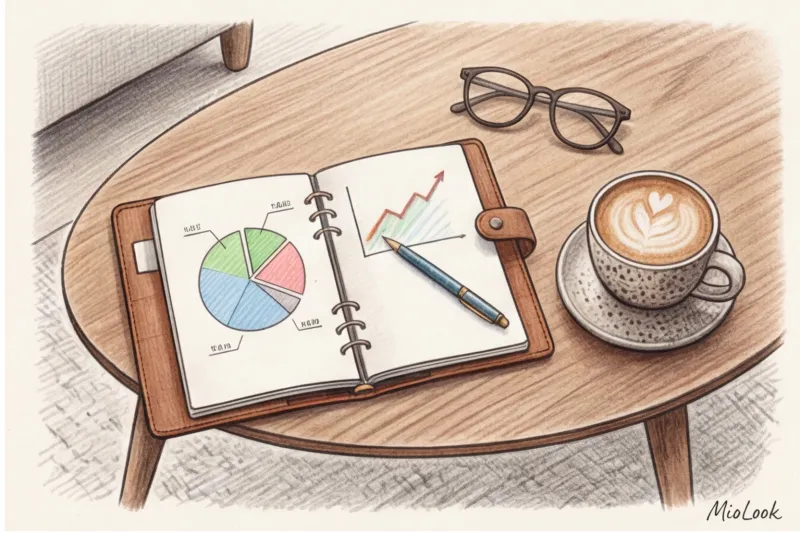
To transform this process from intuitive guesswork into precise math, I always ask my clients to create a pie chart of their workload. Take a piece of paper and draw a circle—that's your 168 hours per week. Now, honestly divide it into sections based on what you actually do each day. Don't embellish. Most modern women get a breakdown that looks something like this:
- Work or study: An office with a strict dress code, a hybrid format, remote work, or freelancing in a coworking space.
- Home and everyday life: The clothes you wear for relaxing on weekends, cooking, and playing with the kids. Believe me, this is a full-fledged capsule collection, not just wearing old faded T-shirts.
- Activities and sports: gym, morning jogs, long walks with the dog.
- Social life: theaters, restaurants, dates, parties - that very aesthetic sector "for the soul."
The secret to a functional and effective wardrobe lies in one immutable truth: The proportions of your occupancy chart should be a perfect mirror image of the proportions of your closet..
If working in the office takes up 50% of your time, then exactly half of your clothes, including basic tops, shoes, and bags, should be used for business looks. If going out only takes up 5-10% of your time (literally a couple of dinners a month), then your evening capsule wardrobe shouldn't occupy the three central shelves.
To make this process much easier and avoid having to keep all the metrics in your head, I recommend digitizing your things in MioLook This styling app will help you visually assess which areas of your wardrobe are sorely lacking in balance, and which categories are clearly out of balance. Once you visualize your actual diagram, the impulsive urge to buy another pair of rhinestone-studded shoes for €150 will disappear, giving way to a pair of classy leather loafers that you'll comfortably wear for hundreds of hours.
Wardrobe Gap Analysis: How to Understand What's Missing
Have you ever put on the perfect pair of wide-leg pants, pulled out your favorite jacket, but at the last second, you take it all off and slip into your usual jeans? And all because you simply couldn't find the right, sleek, and uncluttered top to go with it. This is a classic example of... What is a "wardrobe hole"? It's the missing link that's causing dozens of potentially successful kits to fall apart.
Most often, a wardrobe gap is a lack of a basic base layer (well-cut cotton t-shirts, thin turtlenecks, seamless underwear) or the right shoes to complement a complex bottom. For example, when wide culottes require tall, tube-style boots that extend below the hem of the pant leg, but all you have are ankle boots, which visually cut off the widest part of your leg. Or, as happened during my recent consultation: a client has a magnificent collection of midi dresses, but for outerwear, she only has a short biker jacket and a knee-length parka. The hem of the dress peeked out unflatteringly from under the parka, ruining the silhouette. The lack of a long, classic coat (say, a thick wool blend, budgeted at around €250) is a gaping hole that devalues five perfectly good dresses at once.
To systematically identify such gaps, we'll turn to wardrobe mathematics. Among professional stylists, there's an unwavering rule of tops and bottoms: Why should there be 3-4 times more tops? The answer lies in the psychology of perception: in a social setting, people primarily look at your profile. If you wear the same perfectly fitting COS trousers (let's say, bought for €115) to the office three days in a row, but then swap the cotton shirt for a cashmere sweater, and then for a thick T-shirt, no one will notice the repetition. But if you wear the same statement red jumper twice in a week with different skirts, others will subconsciously assume you're wearing the same outfit.
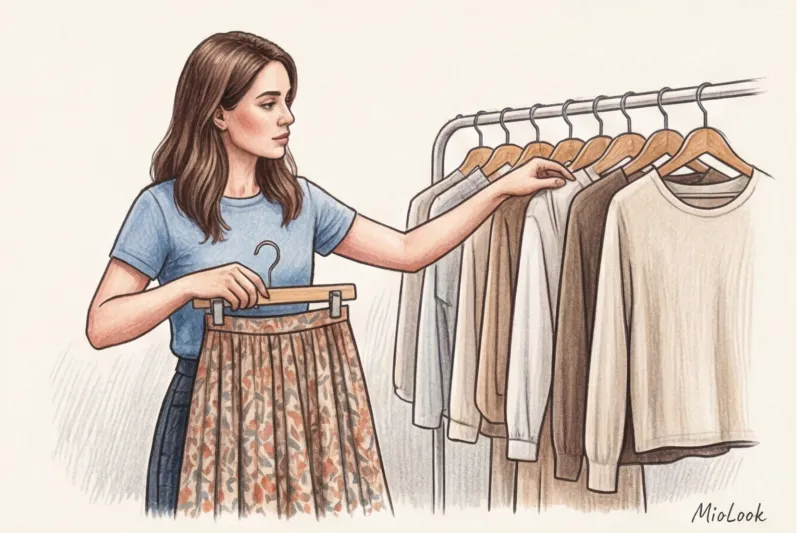
By analyzing your shelves using this principle, you'll inevitably stumble upon isolated items that stand out from the overall style. It's important to understand how to identify items that will tie disparate elements together into a cohesive capsule, rather than simply filling your closet with more spontaneous purchases.
Professional life hack: If one complex skirt can only be worn with one specific blouse, it's a very poor investment. A piece only works for your style and budget when it can be worn in at least three different ways.
I'll show you how to practically add a purchase to your shopping list that will make a complex item work. Instead of getting rid of a beautiful printed skirt that needs a pair, we formulate a precise request: "Structured single-breasted jacket in dark chocolate, €150-€200" This single item will fill three holes at once: it will create an evening look with that very sophisticated skirt and top, will put together a casual outfit with your straight jeans, and will be a stylish addition over a simple slip dress.
To avoid guessing in the fitting room whether a new item will truly be that saving grace, I recommend visualizing your future outfits in advance. You can digitize your individual pieces through the "smart wardrobe" feature in MioLook and try on virtual equivalents of your planned purchases. Artificial intelligence will help you see if the puzzle fits together even before you pull out your credit card.
Access to MioLook for €0.99 — one-time payment
Start creating perfect looks with the help of artificial intelligence and get rid of the problem of “nothing to wear”
Get access — €0.99 onceMake it a rule: every time you catch yourself thinking, "A sleek turtleneck would look great here" or "I have nothing to wear with these pants," immediately jot it down in your phone. It's from these daily micro-notes that the most accurate, informed, and cost-effective shopping list emerges.
How to create a shopping list that will save you money
You know the main problem with most shopping lists? They create a dangerous illusion of control. Behavioral economists have long proven that abstract lists are even worse than no list at all. When you jot down a terse "buy pants" and head to the mall, your brain treats it as carte blanche. This vague request includes everything from classic palazzos at Massimo Dutti to sequined flares at Zara. The end result is a budget spent on emotion, and wearing the new item to the morning meeting remains impossible.
The secret to creating a truly effective shopping list lies in obsessive specificity. We must eliminate any loose interpretations in the fitting room. Your transition from the vague "need pants" to the precise "high-waisted graphite wool straight-leg pants" is the most powerful filter against spontaneous spending. When your visual focus is so sharp, you'll simply pass by the racks of rust-colored corduroy or low-waisted pants, wasting neither time nor money.
The next critical step is ranking. Don't try to buy the entire list in one weekend; that's a surefire way to stylistic burnout and financial ruin. Divide it into two categories based on priority. The first group is immediate purchases (In professional slang, I call them "burning holes"). These are those basic items without which your daily routine falls apart: for example, a torn pair of those perfect jeans, a basic white T-shirt under a jacket, or thick tights come fall. These are the first things to be addressed.
The second category is - deferred investments This includes wardrobe essentials: a structured leather bag, a quality double-breasted coat, and classic loafers. These items can wait for their right moment, a seasonal sale, or a targeted savings plan. The key is to secure them so you don't accidentally spend your savings on a fifth white blouse.
Many people confuse saving with buying cheap things. Real savings begin when you stop paying for things that hang in your closet with tags still attached.
When it comes to investing, we must instill in your mindset the most important financial metric of wardrobe: Cost Per Wear (price per outing). This formula explains why a high-quality basic cashmere sweater for €200 is a better value on your shopping list than a trendy feather top for €30. The math is ruthless: you'll wear a sweater at least 100 times over three cold seasons, and its price per outing will be a modest €2. You'll wear a trendy top maybe twice—to a New Year's office party and a friend's birthday party, paying €15 for each outing. From a common sense standpoint, expensive basics made from high-quality fabrics save you much more money than cheap micro-trends for one season.
To completely protect my wallet from mistakes, I make all my clients use strict rule of 3 images for each new item on the list. Before adding an item to the final draft, ask yourself honestly: "What three 'bottoms' or 'tops' that are ALREADY hanging in my closet can I wear this with?" If a new blouse requires a special skirt, different tights, and new shoes, feel free to cross it off. To make things easier and avoid having to keep your entire wardrobe in your head, upload your database to MioLook The app lets you instantly estimate whether your planned purchase will create three complete looks with your actual clothes.
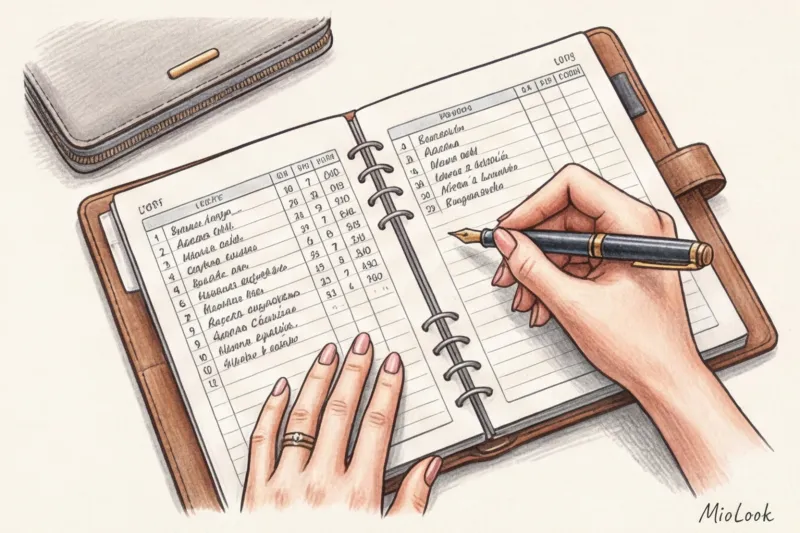
The Perfect Shopping List Formula
To systematize all the steps, I developed a clear formula for my clients. Your final checklist shouldn't look like a note on the refrigerator, but rather like a strict technical specification. The structure of each line should include five elements:
- Name: What exactly are we looking for?
- Color and texture: shade and type of fabric (this will save you from buying shiny synthetics instead of matte cotton).
- Style: cut, fit, length.
- What I'll wear it with: list 3 specific items from your closet.
- Budget limit: the maximum amount you are willing to part with.
In reality, this formula looks something like this: Jacket ➔ dark chocolate, wool blend ➔ single-breasted, oversized, mid-thigh length ➔ with light blue jeans, milky silk dress, beige palazzo pants ➔ up to €150 Having a pre-defined financial limit will prevent you from giving in to the consultant's pressure to try a "slightly more expensive" option.
And the final touch: evaluate the resulting list as a whole for style balance. The gold standard for a smart wardrobe suggests the following breakdown of upcoming purchases: about 70% the budget should go towards a good, timeless base. 20% — on your stylistic core (things that reflect your personality, such as statement prints, asymmetry, or complex cuts). And only 10% You can safely single out these as fleeting trends. If, upon reviewing your list, you realize that half of it consists of leopard-print skirts and 2000s-style corsets, that's a sure sign that it needs to be ruthlessly edited.
Stylist Checklist: Checking Your Shopping List Before You Go Shopping
You've compiled a shopping list, you're looking forward to trying things on, and you're ready to head to your favorite mall. Stop. Put your wallet away. The secret to creating a flawless shopping list lies in the final, ruthless review. What I'll share below is my personal checklist, which I always give to clients before they go shopping independently to prevent disappointments and wasted budgets.
Point one: hunting for “clones”. Our brains are lazy and, when faced with the stress of choosing, always gravitate toward the familiar. Be sure your list doesn't duplicate existing items. We often instinctively plan to buy "another oversized black jacket" simply because it feels safe. Each new item should bring a new function, texture, or silhouette to your closet. To avoid the trap of duplication, I recommend taking a photo of your clothes rail before you leave. Looking at a photo on your phone screen is much more sobering than simply recalling the contents of your closet.
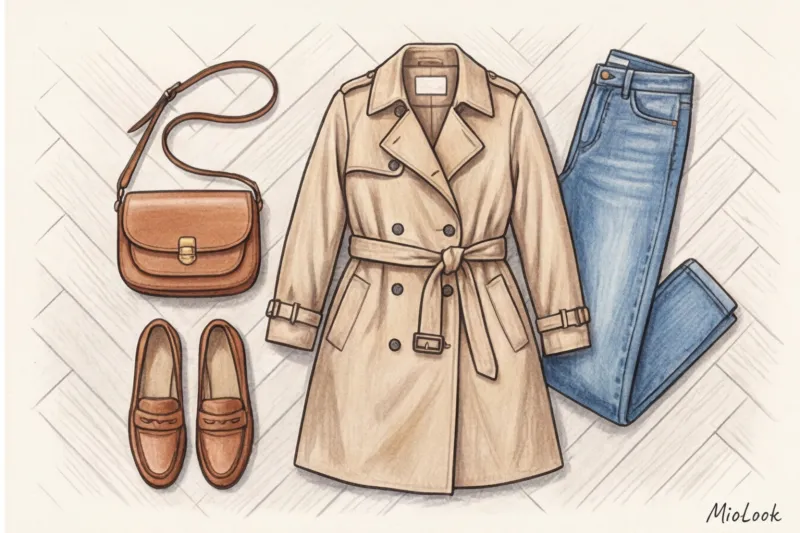
Point two: reality test. A rigorous check for color type and climate compliance is crucial. The PANTONE Institute experts may declare delicate Peach Fuzz the main shade of the year (2024), but if you have a cool, contrasting complexion, this trendy color will simply erase your face, making it look tired. The same goes for weather: buying a luxurious aviator coat for €600 is a completely disastrous investment if 90% of the winter in your region is rainy and temperatures are +5°C. Analyze each line on the list through the prism of your natural features and your actual environment.
Point three: protection from dopamine shopping. I insist that my clients adhere to the ironclad rule of "one sleepless night" before purchasing expensive items from the list. If an item exceeds your established psychological limit (for example, costs more than €150-200), never take it to the checkout on the day of trying it on. The dopamine rush from beautiful lighting and a good angle in the fitting room distorts critical thinking. Ask the salesperson to put the item aside until the morning. If you wake up the next day with a clear idea of how you'll wear it, go ahead. But experience shows that in 70% of cases, the magic wears off by the morning, and you're saving your money for something truly worthwhile.
Your ideal image begins Here
Join thousands of users who look flawless every day with MioLook. Digitize your wardrobe and plan your purchases wisely, avoiding duplication and impulsive spending.
Get access — €0.99 onceThe Role of Smart Apps and AI in Shopping List Management
According to a 2024 report by McKinsey, the use of artificial intelligence in personalized shopping reduces clothing returns by 40%. Despite the availability of smart tools, many women still head to the mall relying solely on their visual memory, trying to recall the exact shade of the beige sweater hanging at home. The digitalization of the wardrobe is radically changing this outdated approach, transforming intuitive shopping into precise calculations.
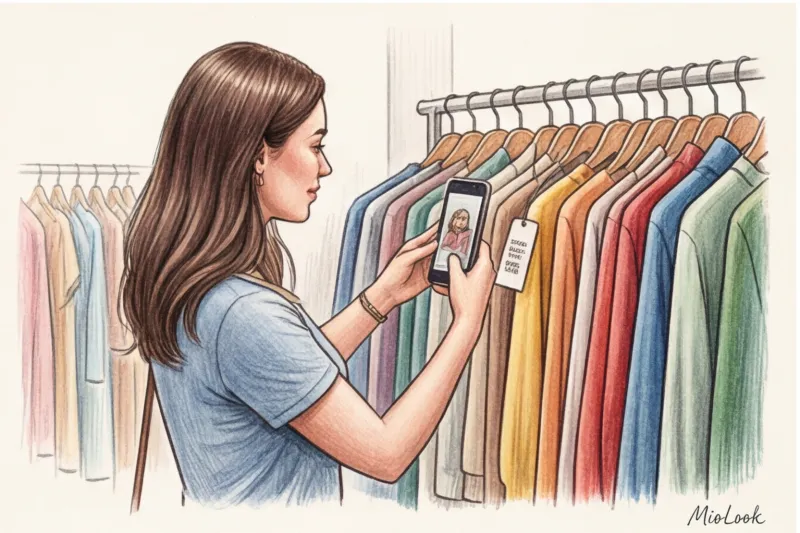
Transitioning from paper lists to a digital database is the only way to completely eliminate the "blind spot" factor. When your things are digitized, an abstract idea is transformed into a clear visual matrix. It is for this purpose that I transition my clients to MioLook app Its key value when planning a wardrobe is its ability to virtually try on planned purchases against items you already own.
Imagine a real-life scenario: you're browsing new arrivals online or standing in the fitting room with a gorgeous structured wool-blend jacket for €160. Instead of agonizing over whether its cut will pair with your favorite palazzo pants, you simply snap a photo of the item and upload it to the app. You start creating real-life collages right on your smartphone screen.
The integration of such technologies is the most modern answer to the question of how to create a shopping list that truly works. It allows you to test dozens of silhouettes and create endless combinations without physically bringing the rest of your closet to the store. You can clearly assess the look's geometry and color match even before you pull out your credit card.
Expert opinion: The future of styling is already here. Artificial intelligence is no longer just a fun toy—it's now your personal, strict financial controller. By analyzing a digital database, AI algorithms help you avoid unsuccessful purchases, impartially pointing out when a new item doesn't fit your color palette or is a duplicate of an existing item. This protects your budget from impulsive losses far more effectively than any persuasion.
If the virtual fitting room shows a perfect fit, the item is approved. If the algorithm and your eyes see that the item looks out of place, it's ruthlessly eliminated from your plans, saving your money for truly wise investments.
Conclusion: From a conscious shopping list to the perfect capsule
The most rewarding feeling after a proper inventory audit is leaving the mall empty-handed, yet feeling completely victorious. Why? Because you didn't give in to impulse and buy yet another random item. The pinnacle of mindfulness is being able to calmly walk past a shiny, trendy €150 top, knowing full well that your base absolutely needs a pair of €80 thick, straight-leg jeans. And you'll definitely find them, just a little later.
Many clients initially perceive a shopping list as a strict fashion diet. But I always emphasize: a shopping list isn't a restriction, but your financial and style navigator. Think of how a car GPS works: it doesn't prevent you from going where you want, it simply shows the shortest route to your destination. It tells you, "Turn toward the cashmere sweaters, skip the section with neon dresses." When you have this navigator, it becomes incredibly difficult for marketers to confuse you with "Sale" signs.

While studying the psychology of style (and here I draw on the work of Donn Karen, a pioneer of fashion psychology), I've noticed an important pattern: women often feel anxious trying to update their entire wardrobe in a single weekend. As a stylist with many years of experience, I want to offer you some warm but realistic advice. A perfect wardrobe doesn't just happen in a snap of the fingers. In my experience, building a strong, functional capsule wardrobe from scratch takes two to three full seasons. Allow yourself this pace. It's much wiser to budget and introduce two or three quality pieces per month, gradually testing them out in real life.
Now you understand the whole mechanics of the process and know exactly How to make a shopping list , which will work for you. But theory without practice is quickly forgotten, and the scale of the task ("going through the entire closet") is often paralyzing. Therefore, I urge you not to schedule a spring cleaning for a mythical "free Sunday."
Start by cleaning out one area of your closet today. Set a timer for exactly 15 minutes this evening. Choose one very small category: for example, just a drawer of basic t-shirts or a section of belts. Take these items out. Assess which t-shirts have lost their shape, where the neckline is stretched, and which fit perfectly. Get rid of the obvious wear and tear and write down in your phone's notes one single necessary replacement: "white cotton straight-cut t-shirt."
This fifteen-minute micro-step will set off the right chain reaction. Tomorrow you'll clear out your jeans shelf, the day after that, your shoes. Step by step, you'll clear your space of visual clutter. Your clothes should serve you, highlight your individuality, and preserve your morning time. And every verified, completed item on your new list is another step toward the version of yourself that always says with a smile, "I have something to wear."
Guide Chapters
How to Calculate a Wardrobe Budget: Stylist Tips
Forget the "10% of income" rule. We'll show you how to plan your wardrobe update budget wisely, based on your actual lifestyle.
The formula for the perfect wardrobe: a balance of essentials and trends
Forget about generic must-have lists. Learn how to build a wardrobe that perfectly suits your lifestyle.
How to Keep a Clothing Wishlist: Conscious Shopping
Stop buying things that gather dust in your closet. Learn a professional approach to creating a wishlist that will save you money and time in the morning.
Wardrobe Management App: A Smart Shopping List
Why traditional shopping lists no longer work? Learn how digital technology and AI will eliminate the "nothing to wear" problem and unnecessary spending forever.
How to Stop Buying Unnecessary Clothes: Tips from a Stylist
Is your closet overflowing with clothes, but you still have nothing to wear? Learn how to break the cycle of impulse shopping and start shopping smarter.
How to create a capsule wardrobe shopping list
An abstract wishlist leads to impulsive spending and duplicate items in your closet. Learn how to transform chaotic desires into a precise, smart shopping plan.
Seasonal Wardrobe Review: Getting Ready for Spring
Spending too much time in the morning choosing clothes? Learn how proper organization can help you easily prepare your closet for the new season.
How to Clean Out Your Closet Before Shopping: Stylist Tips
The problem of "nothing to wear" can be solved with a proper wardrobe audit. Learn how to transform closet chaos into a clear strategy for smart shopping.
Basic Wardrobe: A Stylist's Shopping List
Tired of unworkable fashion rules and impulsive spending? Learn how to build a wardrobe that suits your lifestyle, not glossy fashion dogmas.
What's missing in your wardrobe: looking for style gaps
Is your closet overflowing with clothes, but you still have nothing to wear? We'll tell you how to stop buying trends and find those missing elements of your personal style.