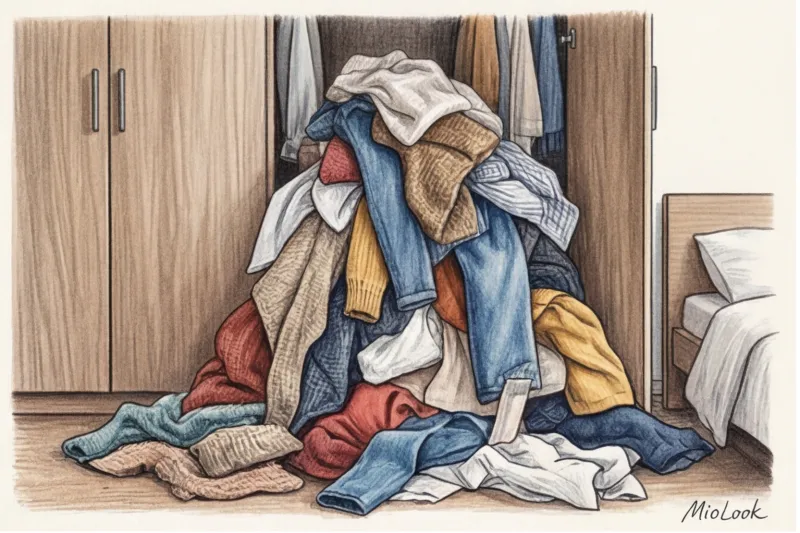
One of my clients once confessed, "I've been saving these jeans for the dacha since 2015, even though I don't even have a dacha." Sound familiar? According to my personal statistics, most women wear only 20% of their wardrobe 80% of the time. The other 80% is visual noise, money locked away in the closet, and the daily guilt of opening the doors.
We talked about this philosophy and how to stop the endless cycle of consumption in more detail in our the complete guide to a rational wardrobe But when you finally decide to do a major cleaning, a major logistical question arises: Where to donate unwanted clothes so that it brings real benefit, and you make room for life?
In this article, I won't just give you a list of containers. As a practicing stylist, I offer a rigorous sorting system. We'll explore the economics of recycling, debunk the myth that foundations welcome absolutely any item, and learn how to turn decluttering into an investment.
Eco-Friendly Decluttering: Why Throwing in the Trash Is the Worst Option
What's so bad about just throwing an old acrylic sweater in the trash? After all, no one wants it anyway.
The problem lies in scale. Textile waste takes decades to decompose in landfills. Synthetic fabrics (polyester, nylon, acrylic) release methane, a greenhouse gas 28 times more toxic than carbon dioxide, as they decompose. Furthermore, producing one standard cotton T-shirt requires approximately 2,700 liters of water. By throwing it away, we're wasting a colossal amount of resources.
According to a 2020 report by the Ellen MacArthur Foundation, less than 1% of all clothing produced globally is recycled into new clothing. Most is sent to landfills or incinerated.
That's why "eco-friendly" isn't just about saving the environment. It's about being eco-friendly with your finances and personal space. By wisely getting rid of clutter, we see the true picture of our needs and stop buying duplicates.
The Stylist's System: How to Properly Sort Your Clothes Before You Look for Where to Donate Your Unwanted Clothes
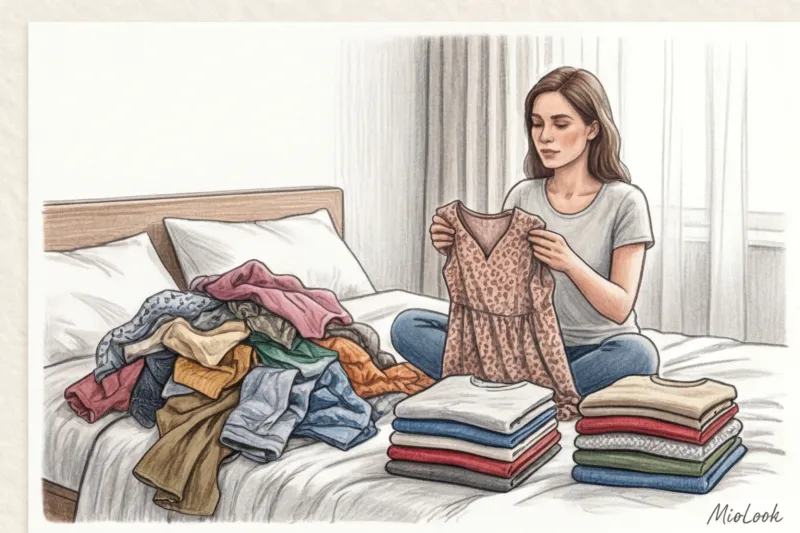
When I'm sorting through my clients' wardrobes, I forbid them from throwing all their unwanted items into one giant black bag. That's a surefire way to end up with that bag sitting in the hallway for six months. I use the "four boxes" method (sell, donate, recycle, and hold).
The main rule here is - ruthlessness If you haven't worn an item for exactly a year (including all seasons), it should go. The exception is black tie evening dresses or specialized equipment.
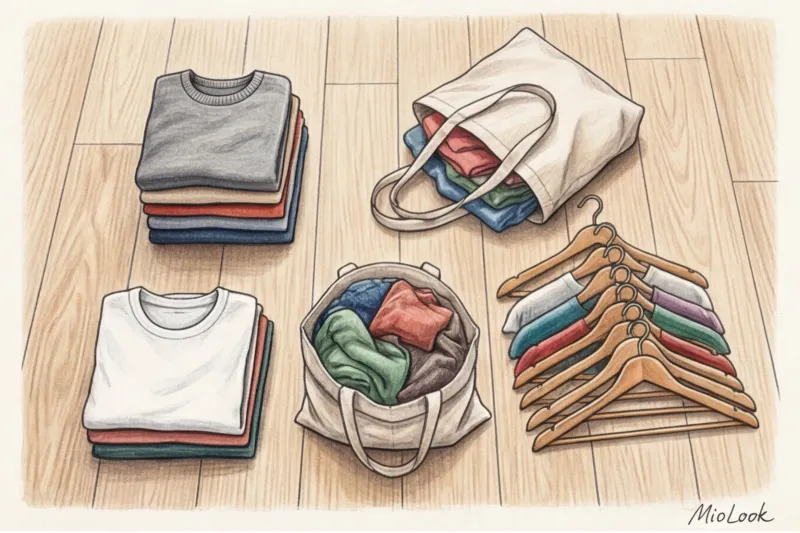
Category 1: Resell or Swap
Items that can return some of your investment are sent here. What's suitable? Designer items, current high-end mass-market fashion (COS, & Other Stories, Massimo Dutti, Arket) in perfect condition, as well as shoes without the slightest signs of wear or creases.
Limitation of the method: This doesn't work with basic H&M t-shirts or Shein items. The time you spend taking photos, corresponding with buyers, and going to the post office is worth more than the 3-5 euros you'll get for them.
Category 2: Charity (Donate)
What's suitable: outdated but completely intact clothing, clean basics, items that are the wrong size and have no defects (not a single stain!).
My golden rule for this category: Give away only what you wouldn't be ashamed to offer to a close friend who finds himself in a difficult situation.
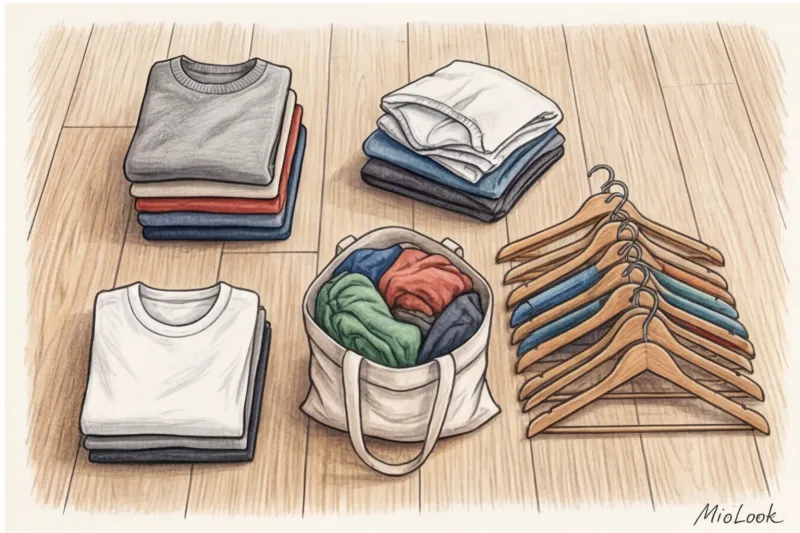
Category 3: Recycle
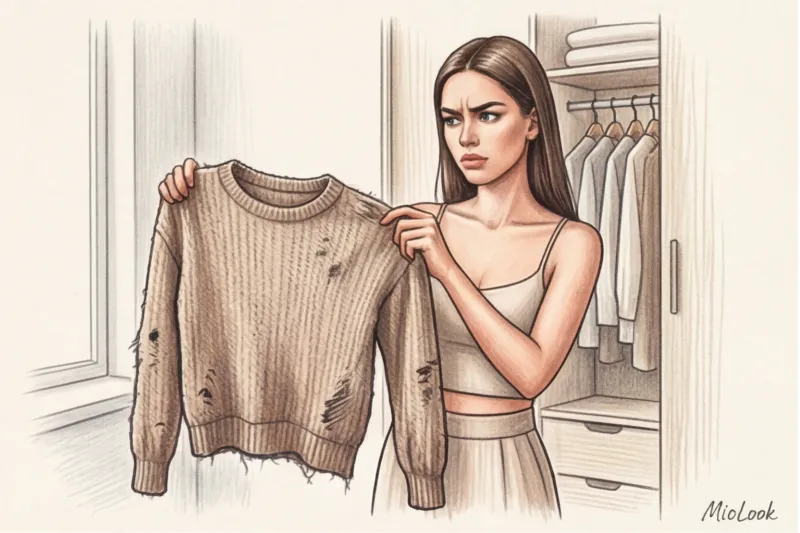
This is the place for things that have outlived their usefulness. Stubborn wine or deodorant stains, deep pilling on a sweater, torn clothes, washed-out underwear. Important: items to be recycled must also be washed. No one will work with dirty materials.
Organize your wardrobe in one click
Forgot you already own five white t-shirts? Digitize your closet and stop buying duplicates.
Get access — €0.99 onceWhere to donate unwanted clothes in good condition: foundations and social projects
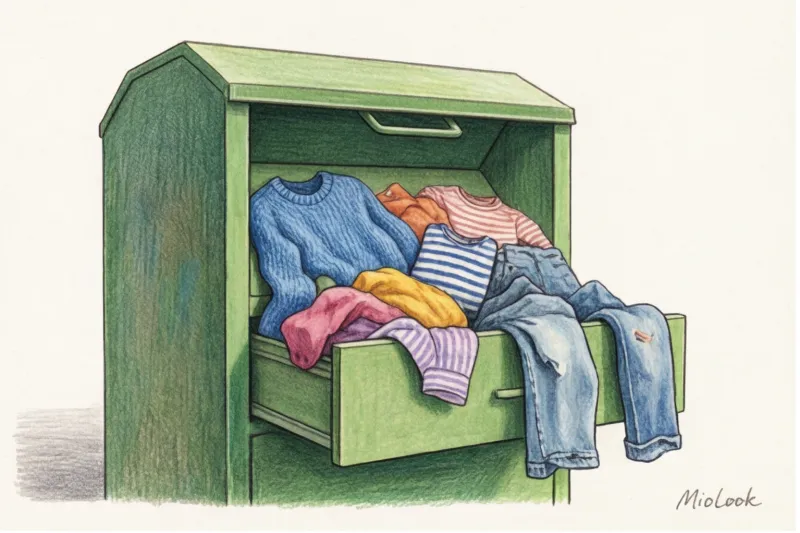
Several types of organizations accept clothing in good condition: charities through street boxes (for example, "Second Wind" or similar in your country), social second-hand stores, and crisis centers directly.
How do large thrift stores work economically? Many people think that items from their warehouses are distributed exclusively directly to those in need. This isn't true. Approximately 20-30% of the most marketable and fashionable items from your donations are sold in their thrift stores. And that's wonderful! The proceeds go toward logistics, sorting salaries, and targeted aid programs.
Specifics of real demand:
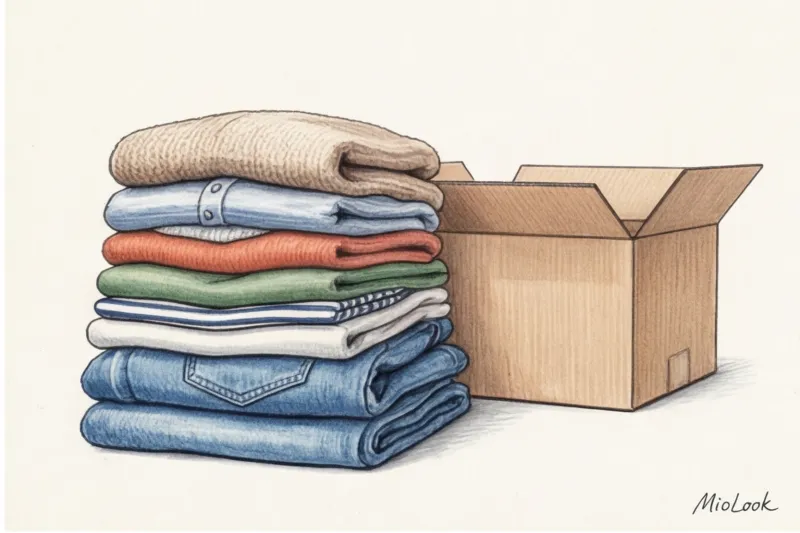
According to statistics from international organizations like Oxfam, charities are always in dire need of men's clothing, no matter the season (especially basics like jeans, sweatshirts, and jackets). Men update their wardrobes less often and wear their clothes until they're worn out. Comfortable women's flat shoes (sneakers and boots) are also always needed. Unfortunately, your sparkly evening dresses from your 2018 corporate party will, unfortunately, sit in storage for years.
How to Make Money Decluttering: Preparing Items for Resale
If you decide to return some of your money to invest in quality essentials, you'll have to become the merchandiser of your own closet.
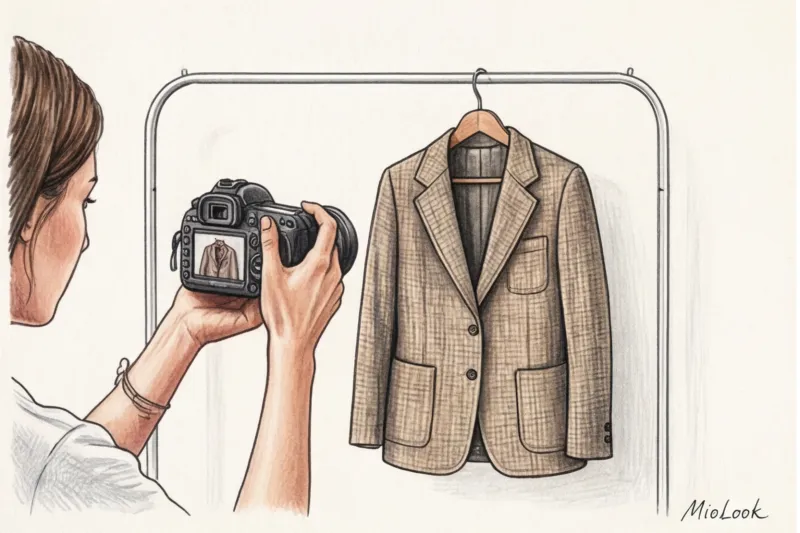
Why do some items sell out in a day, while others hang around for months? It's all about pricing and presentation. An item from Zara or H&M loses up to 70% of its original price the moment you cut off the tag. Meanwhile, brands with a strong minimalist DNA and high-quality fabrics (wool, cashmere, heavy cotton) like COS or 12 STOREEZ hold a remarkable 40-50% of their value on the secondary market.
- Light and background: Take photos only in daylight. Place the item on a clean, light background (wooden floor, white sheet) or hang it on a minimalist hanger. Avoid photos on a bed with unmade sheets.
- Details: Be sure to take a photo of the fabric tag (the tag on the inside seam) and the brand. This will answer 90% of buyers' questions.
- Measurements: Please include the back length, shoulder width, and chest measurement. This will reduce the number of empty dialogues.
An alternative to selling is swap parties. This format allows participants to bring in great but tired items and exchange them for free. It's a great, eco-friendly way to update your wardrobe if you don't want to deal with the hassle of mail and back-and-forth.
Textile recycling: where to donate old clothes with stains and holes
Let's debunk the main myth of essentialism: an old, worn-out T-shirt doesn't magically transform into a new one. Fiber regeneration technologies are still too expensive and complex.
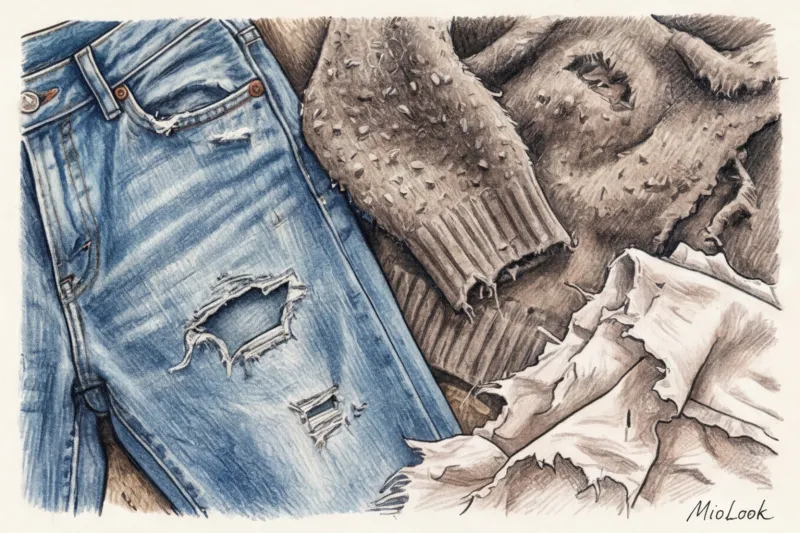
In fact, what you recycle will go one of three ways:
- Rags: Cotton items are cut into squares and sold to factories and auto repair shops for wiping machines.
- Regenerated fiber: Wool and acrylic sweaters are shredded (de-fibered) and made into building insulation, soundproofing, or mattress filling.
- Polygon (unfortunately): Blended fabrics are the most difficult to recycle. If the tag says "80% cotton, 20% polyester," the machine can't separate the fibers. Often, such items can't be recycled at all and are sent to the oven.
Where should you take these items? Look for specialized collection containers marked "We accept items in any condition for recycling." These boxes used to be available at H&M and Monki stores, but now this initiative is supported by local brands and eco-centers.
Collect images from what remains
Feel like you have nothing to wear after decluttering? Upload your remaining items to MioLook, and our AI stylist will create dozens of new combinations for you.
Get access — €0.99 onceThe Biggest Mistake (And Why Funds Throw Your Packages in the Trash)
Now I'm going to say something unpopular, but this is something that many eco-bloggers keep quiet about. Donating dirty or hopelessly damaged clothes to charity "just in case" is not a good deed. It shifts the problem onto underfunded organizations.
I once spoke with the coordinator of a large foundation. She told me they were forced to pay for the removal of tens of tons of trash every month. People brought in underwear with signs of wear, single socks with holes, jackets with zippers ripped out, and downright dirty, musty-smelling items. Up to 25% of the contents of the bins ended up in the trash during the initial sorting process.
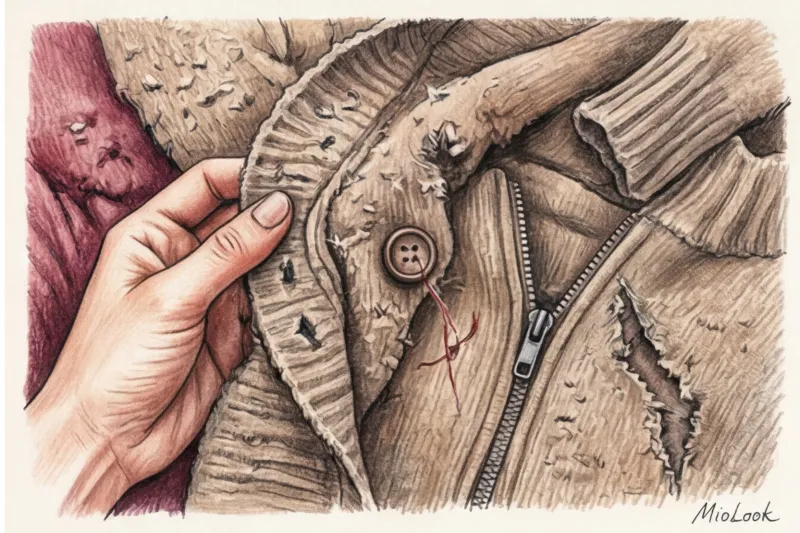
It's a matter of basic respect. Broken buttons (that you were too lazy to sew back on), broken zippers, and unwashed collars devalue all your "sustainability." Charity shops don't have the resources to wash and mend every shirt you bring.
Checklist: 5 Steps to a Conscious Wardrobe After Decluttering
Decluttering is pointless if, six months from now, your closet is once again filled with random purchases from seasonal sales. To ensure this process is the final touch to your old life, follow these 5 steps:
- Analyze the "graveyard" of things. Which items and brands ended up in the trash or recycling the fastest? For example, if you threw out five acrylic sweaters with pilling, draw a conclusion.
- Create a personal stop list. Write down in your phone the styles, prints, and materials that don't suit you. For me, these are 100% viscose items (they wrinkle too much) and low-rise jeans.
- Invest the proceeds. Don't spend the money you earn from reselling on coffee. Put it aside and buy one truly high-quality basic item (like a structured wool jacket or the perfect pair of leather loafers).
- Switch to the capsule method. Buy items in sets, not individually. Each new skirt should complement at least three tops already in your closet.
- Change your mindset at the checkout. Treat every new item as a future disposal problem. Ask yourself, "What will I do with this neon top in a year? Will I be able to sell it? Will the fund take it?" This is incredibly sobering before an impulsive purchase.
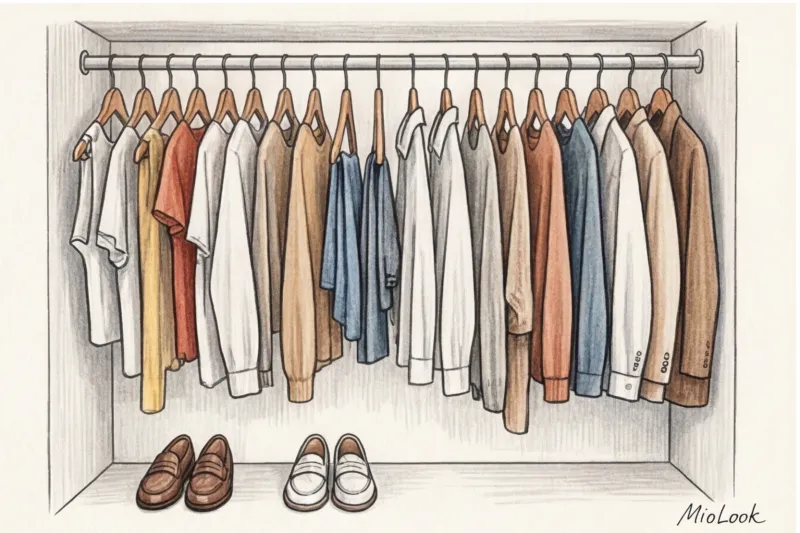
A clean, airy closet with plenty of space between hangers isn't just aesthetics. It's a mental boost every morning. By organizing your clothes properly, you not only help the planet and others, but also take the first step toward a truly personal, curated style.