In my 14 years as a stylist and colorist, I've seen hundreds of closets literally bursting with clothes, but their owners uttered the same phrase: "I have nothing to wear." Recently, while sorting through an illustrator client's wardrobe, I discovered twelve classic white shirts. Twelve! She bought them again and again because glossy magazines insisted they were an absolute must-have. But for a creative woman working from home or in trendy coffee shops, this strict corporate staple felt like a straitjacket. It made her feel invisible.
The truth is, there is no universal list of "10 must-haves." Your personal formula for the ideal wardrobe has nothing to do with what your friend or favorite fashion blogger wears. We've covered more about where to start with a closet inventory in our a complete guide to wardrobe analysis and shopping list creation Today I want to bust a few long-standing myths and show you how to build a system that works exclusively for you.
What is the formula for the perfect wardrobe (and why the 70/20/10 rule is outdated)
For a long time, style courses taught us a strict rule: 70% of items should be basic, 20% trendy, and 10% should be accents. It sounds logical until you try to apply it to real life.
Imagine a young mother on maternity leave whose wardrobe consists 70% of tailored jackets and pleated trousers (a classic staple!), but for the playground, she needs joggers, hoodies, and technical parkas. Or an interior designer whose "essentials" are architectural cuts and complex geometry, not a beige trench coat.
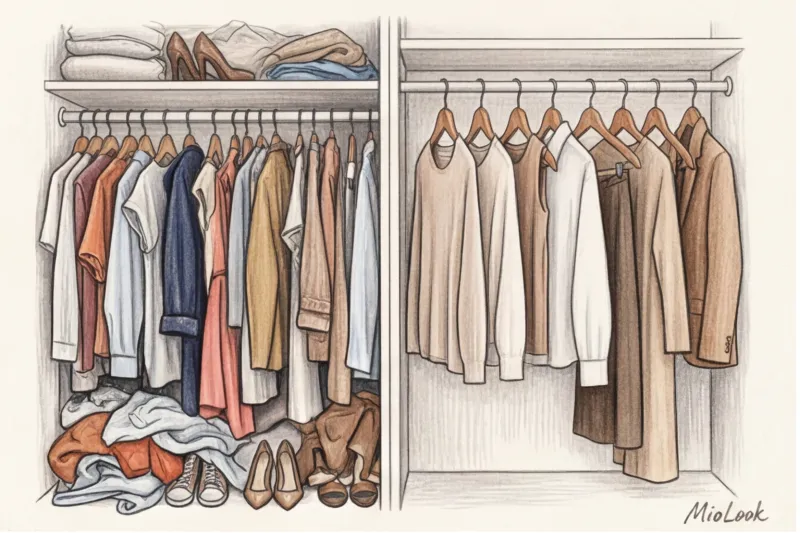
According to a large-scale study by the British environmental organization WRAP (2022), the average woman regularly wears only 20% of the contents of her closet. The remaining 80% of the time, clothes simply hang on hangers, creating visual noise and sensory overload in the mornings.
The true formula for the perfect wardrobe is an adaptive, living system. It reflects your current life situation, your body type, and, crucially, your natural personality. Nine out of 10 women make duplicate purchases simply because they don't have this system.
Foundation: How to Build a Base That Doesn't Look Boring
Basics aren't synonymous with boredom. They're simply cut pieces that serve as a canvas for your look and perfect flatter your figure. How do you choose them to make your look look expensive?
The secret is in the texture. A simple T-shirt made of loose, thin knit looks sloppy after just one wash. Replace it with heavy cotton (at least 180 g/m²), silk, or a viscose blend. A pair of jeans without fraying, made of heavy denim with elastane (no more than 2%), looks much more classy than thin jeggings.
This is where the main financial rule of stylists comes into play: the index Cost Per Wear (CPW) or the price per appearance. Basic items are the ones you wear most often, so they're the ones you should invest in.
- Example 1: A luxurious cashmere sweater for €250. You wear it 80 times over two seasons. Cost per wear = €3.12.
- Example 2: A trendy sequin top from a mass-market retailer for €50. You wore it once to a corporate event and then hung it in your closet. Cost per outing = €50.
The ideal CPW for basic items is less than €1–2. Therefore, a basic coat or quality leather shoes are always worth the price.
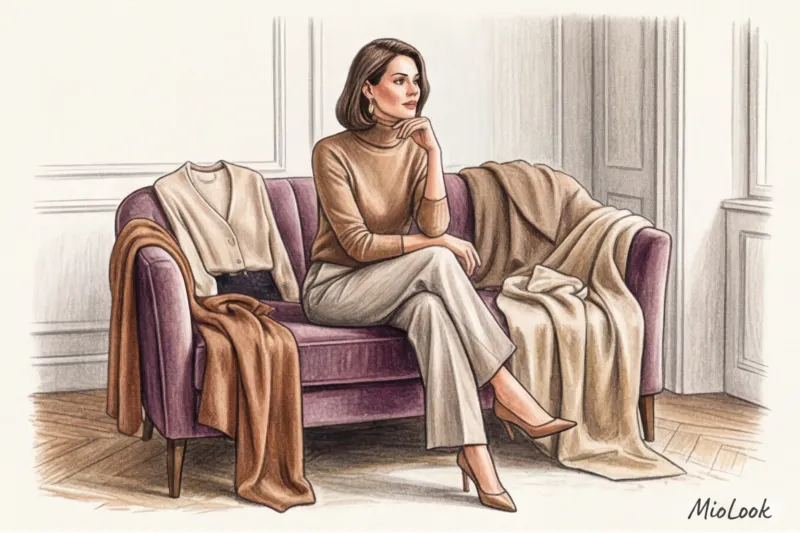
The Perfect Wardrobe Color Formula: Why Black Doesn't Suit Everyone
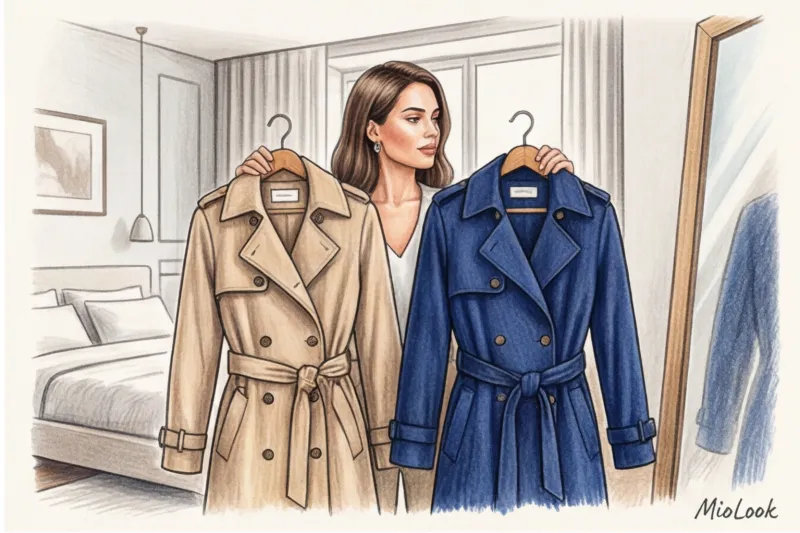
And now for my favorite mythbuster. Forget the phrase "black is slimming and flattering." As a certified colorist, I officially declare: it's not true.
Based on Johannes Itten's (the founder of the Bauhaus color school) theory of contrast, we know that clothing color should resonate with the natural contrasts of one's appearance. Approximately 70% of Slavic women have soft or light complexions (light brown hair, low-contrast eyes, fair skin). For them, total black near the face works like a bad camera filter.
What happens physically? Black absorbs light. It casts micro-shadows on the face, highlighting the slightest wrinkles, nasolabial folds, signs of fatigue, and uneven skin tone. Paradoxically, the image becomes cheaper.
What can I replace black with to create my own personal base?
- Deep navy (sea blue) looks aristocratic and refreshes the whites of the eyes.
- Dark chocolate is an ideal substitute for dark chocolate for warm color types.
- Graphite and wet asphalt contrast softer with the skin of cool color types.
- Taupe (gray-brown) is a noble light neutral shade.
Access to MioLook for €0.99 — one-time payment
A smart AI stylist will select the perfect look based on your natural features and your existing wardrobe.
Get access — €0.99 onceTrends: How to Incorporate Fashion Innovations Without Looking Like a Fashion Victim
Have you ever noticed how things bought in a fit of rage after scrolling through social media feeds end up sitting on the shelf with their tags still attached? This happens when we confuse macrotrends with microtrends.
Macrotrends Last 5-10 years. For example, high-waisted, oversized silhouettes, or sneakers with dresses. These are worth investing in. Microtrends (poisonous green Bottega, micro-bags from Jacquemus or jeans with slits on the hips) burn out in 1-2 seasons.
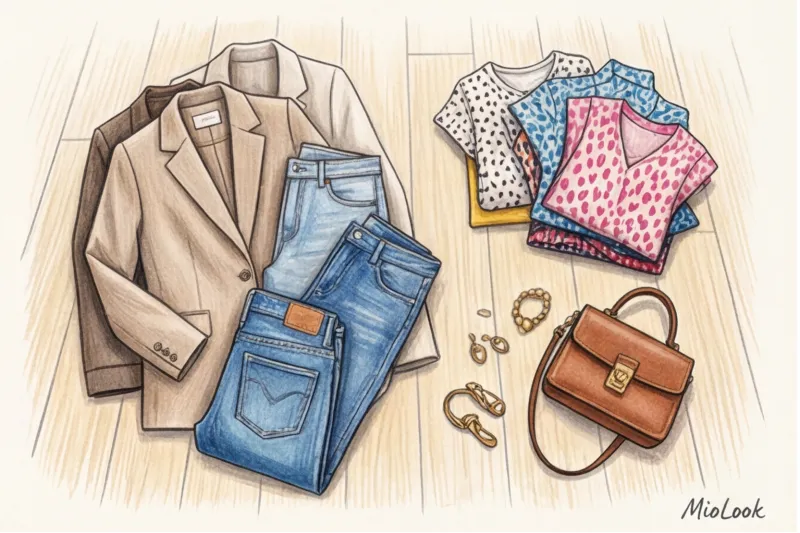
The formula for the perfect wardrobe includes trends in very measured doses. I teach my clients the rule of proportion. "one fashionable detail for three basic ones" If you're wearing an ultra-trendy sheer long-sleeve top, tone it down with classic straight-leg jeans, a tailored menswear jacket, and simple loafers.
Advice from practice: Test microtrends in the budget segment. Like the trendy leopard print? Buy a scarf or skirt at Zara for €30–€40 instead of a silk dress at a luxury boutique. If you get tired of the print after a season, you won't regret spending hundreds of euros.
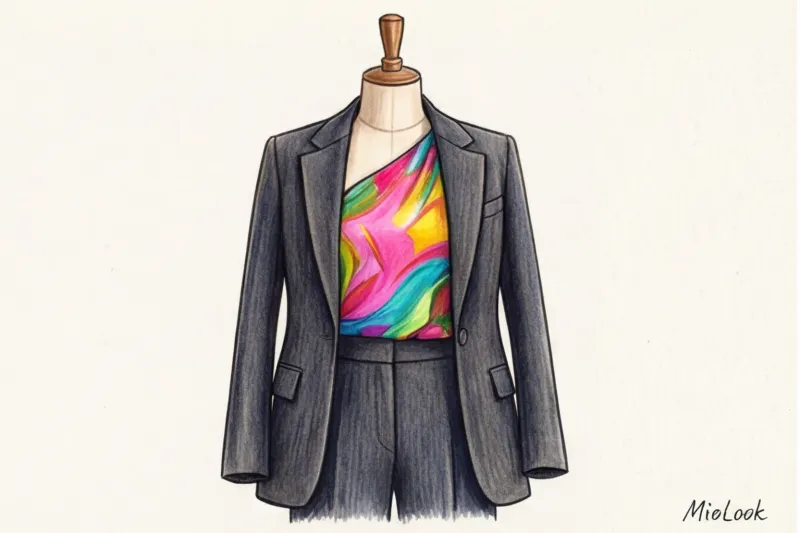
Accents and Style DNA: What Makes Your Look Unique
The basics make a look clear, trends make it modern, but accents are what make it YOURS. Accents are the carriers of your personal "style DNA." They convey your status, profession, and mood to others.
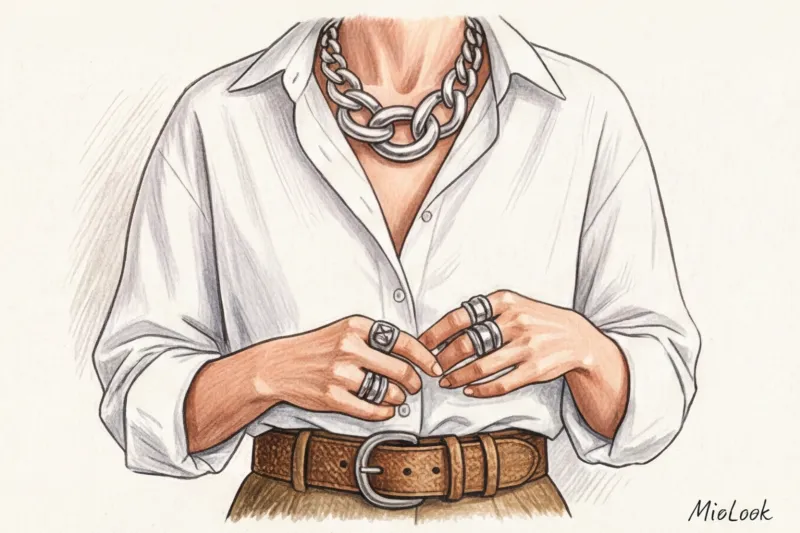
Every style icon has their own visual signature. Anna Wintour has chunky sunglasses and large necklaces. Karl Lagerfeld has gloves and a high collar. What's your signature look? It could be a certain frame shape, a love of silk bobs, chunky geometric designs in silver, or red lipstick.
Works great here "rule of thirds" When you throw on trousers and a T-shirt, you're left with just a basic outfit. The look feels unfinished. But add a third piece—a structured belt with a unique buckle, throw a contrasting sweater over your shoulders, or wear a layered sautoir (long necklace)—and you look like you've been stylist-crafted.
A limitation worth remembering: accents don't tolerate fuss. If you have a complex textured bag, statement earrings, and bright shoes all at once, the look will fall apart. Choose one or two focal points.
Workshop: How to Calculate Your Personal Formula for the Perfect Wardrobe
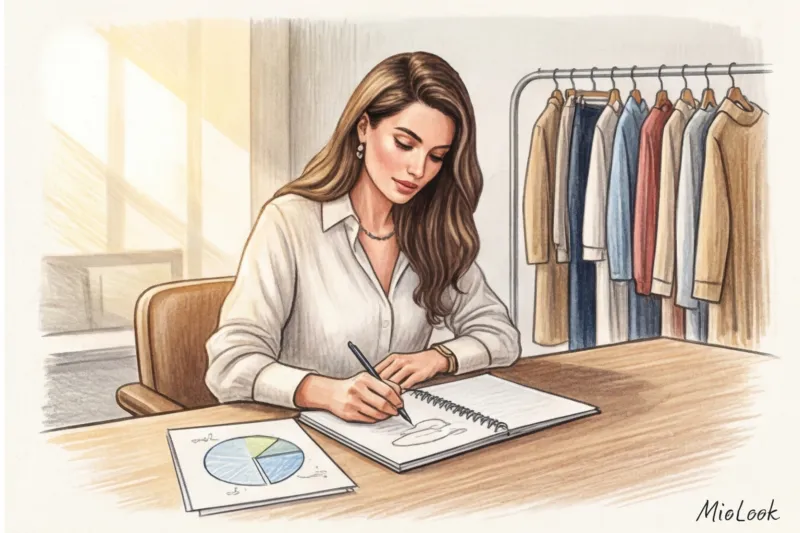
Enough theory. Let's calculate your personal formula right now using the "Life Diagram" technique. Take a piece of paper and draw a circle.
- List all areas of your life for the last month: office work, remote work, walks with children, sports, theater/exhibitions, dates.
- Assign each area a percentage of your time. For example: office with a relaxed dress code (50%), walks and weekends with family (30%), gym (10%), occasional evening outings (10%).
- Now open the closet and look at it through the prism of these numbers.
The key insight my clients gain at this stage is: "I spend 50% of my time in the office, but only 15% of my wardrobe is corporate attire. Meanwhile, evening dresses, which I wear once a year, make up 30% of my closet!"
We continue to buy elegant dresses because we are not buying a thing, but emotion and the anticipation of the holiday. But we have to live in the everyday. Your formula for the perfect wardrobe should mathematically coincide with your life diagram. This is where MioLook — You can digitize your things and clearly see which categories you desperately lack and which ones you have in abundance.
Your perfect look starts here
Join thousands of users who look flawless every day with MioLook. Manage your wardrobe with one click.
Get access — €0.99 onceInstructions: How to start creating a wardrobe using the formula
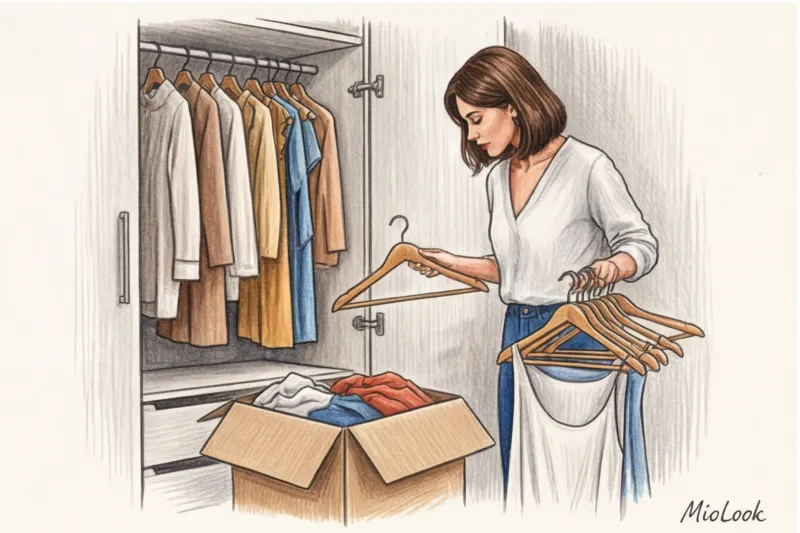
The first and most painful step: don't go to the store Any purchases made before a thorough audit are a waste of money. You're guaranteed to buy another white shirt or pair of jeans that don't match.
Take out all your things. Divide them into three categories:
- I wear it all the time: This is your core. Analyze why you love these things. Is the cut comfortable? The right color?
- Needs repair/dry cleaning: Place them in a bag and give yourself a week to take them to a service center. If the bag is still at home after a week, recycle the items.
- Hanging with tag or not worn for a year: Honestly answer why. Nothing to combine it with? Not enough? Not your color?
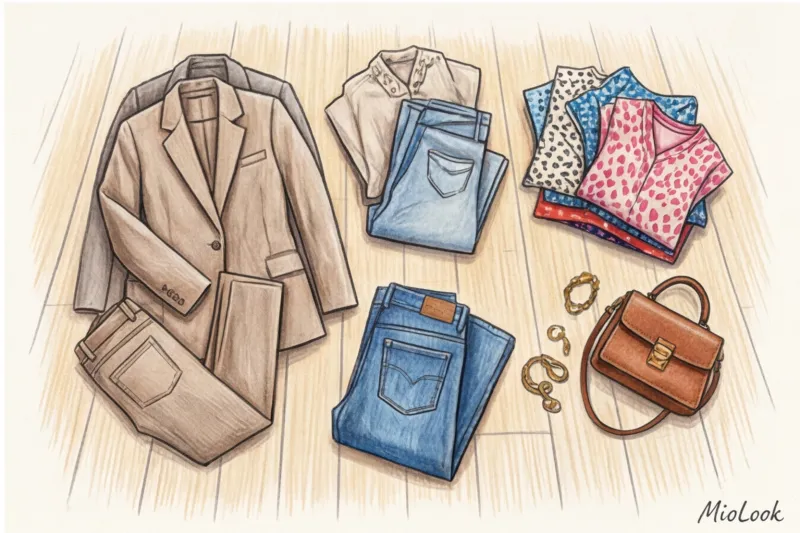
Only after such a rigorous selection will you truly see your gaps. It turns out that all you needed to complete your favorite basic jeans and trendy jacket was the right pair of basic shoes—for example, beige loafers—to create a dozen new outfits. Experience shows that this thoughtful approach can save you up to 50% of your seasonal shopping budget.
Conclusion: A Wardrobe That Works for You
The formula for the perfect wardrobe isn't a granite slab with rules etched into it. It's a flexible tool. Have you changed jobs, gone on maternity leave, or moved to a different climate zone? Your life diagram changes, and the formula is recalculated accordingly.
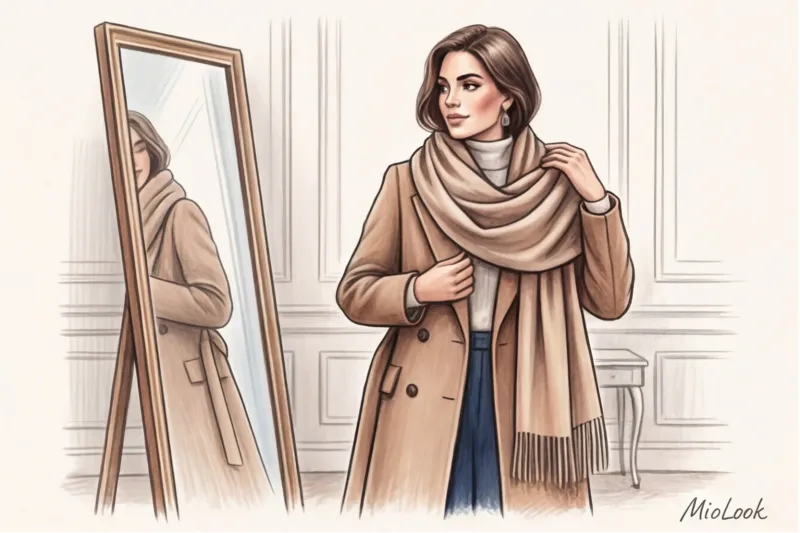
Before leaving the house, do a quick checkup in front of the mirror. Your look should meet three criteria:
- Relevance: does it correspond to the plans for the day?
- Color and proportions: Do the shades match your skin tone and do the clothes cut off your silhouette?
- Character: Is there at least one detail (that accent) in this outfit that speaks specifically about you?
Style doesn't start with endless shopping, but with visual clarity in your closet and being honest with yourself.