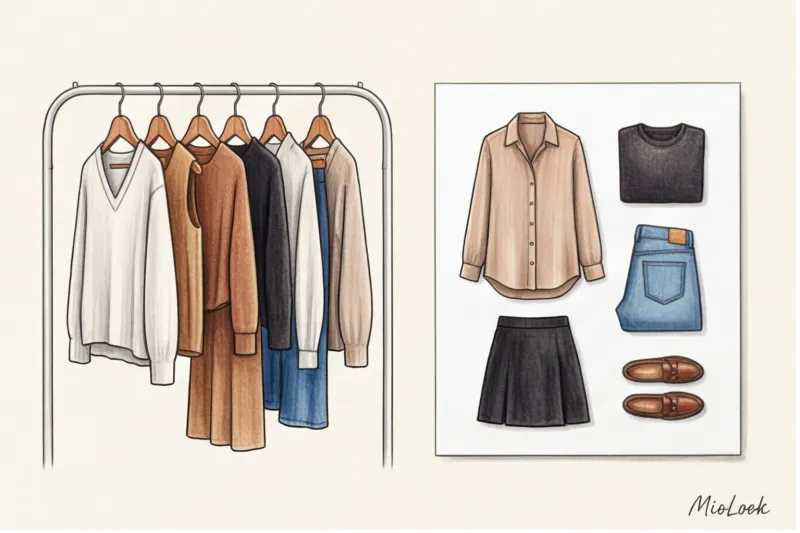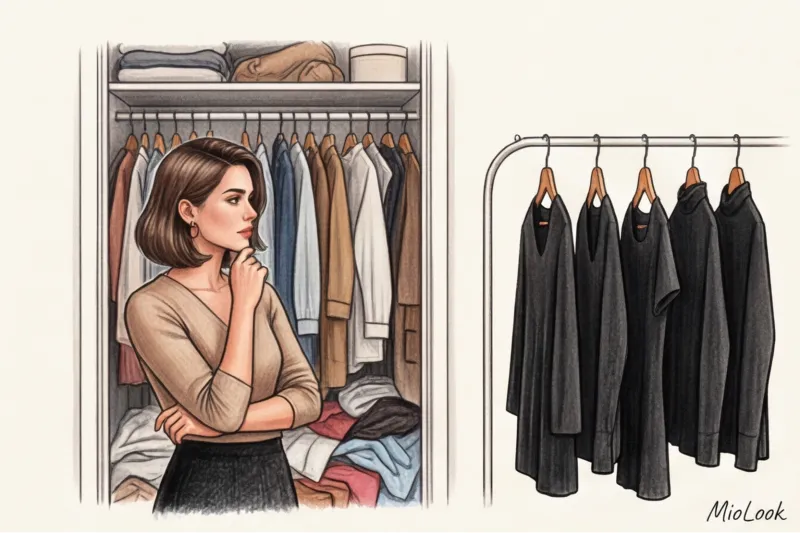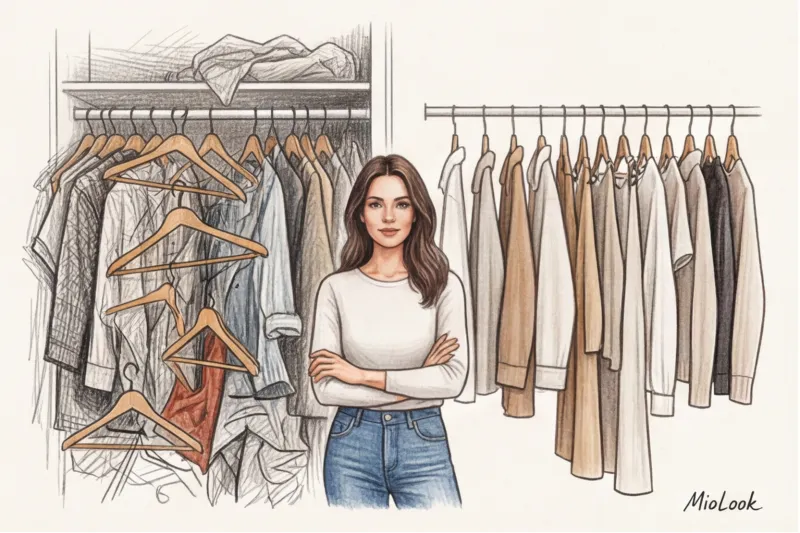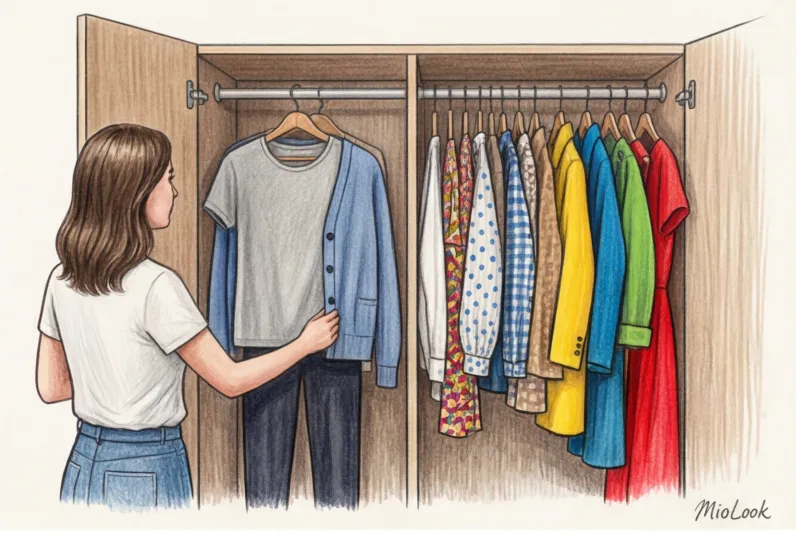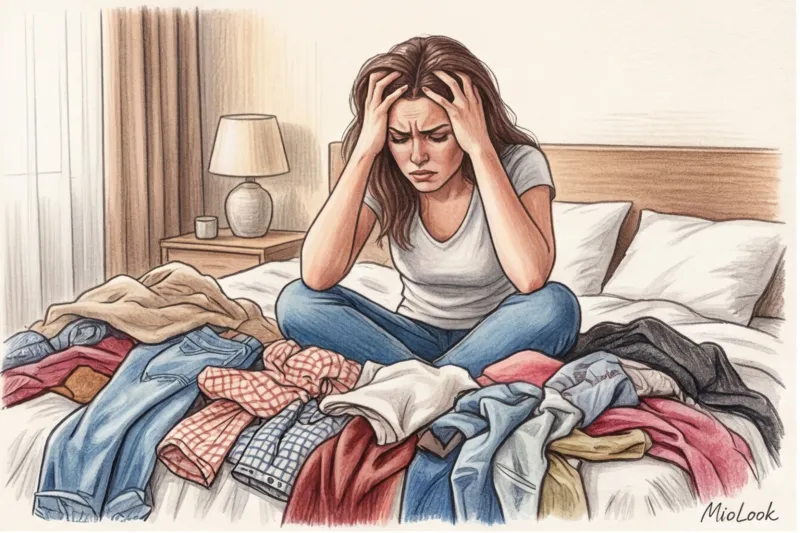
Last Saturday, my client Anna angrily deleted her outfit-creating app from her smartphone. The reason? The app persistently suggested she wear a silk blouse that had been at the dry cleaners for a week with trousers she'd given to her sister a month ago. Her virtual closet had become a graveyard of outdated clothes, and getting ready in the morning had once again become a torment.
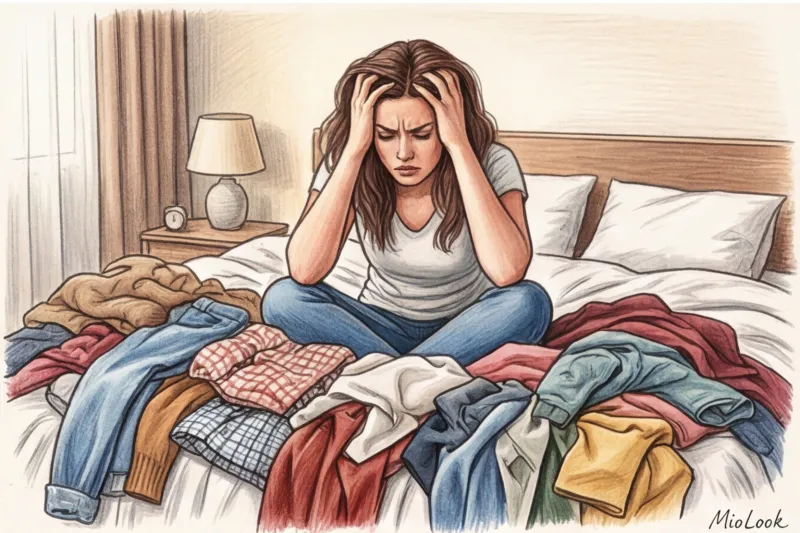
As a stylist, I see this scene all the time. You spend your entire weekend photographing clothes, organizing them into categories, feeling an incredible surge of control over your life... and then three months later, everything returns to normal. Regular virtual wardrobe management — this isn't a one-time spring cleaning. It's a system of micro-habits. We discussed the basic principles of digitalization in more detail in our a complete guide to the items database in the app , but today we'll talk about how to keep this base alive.
I've tried dozens of methods on myself and my clients. Below is a step-by-step guide that will help you forget about the "desync" between your physical closet and your smartphone screen forever.
Why 80% of Women Abandon Managing Their Virtual Wardrobe
According to WGSN (2023), an analytical agency that studies the fashion-tech sector, approximately 80% of users stop actively using their digital wardrobes after three months. The problem lies in psychology. We perceive digitizing our wardrobes as a difficult project that must be "heroically completed." But fashion and our closets are living organisms. The average city dweller buys one to three new items per month; some wear out, some get thrown in the wash.
When an app stops reflecting reality, your brain loses trust in it. You open the app, see an outdated sweater, and think, "Oh, everything here is outdated; it's easier to rummage through my closet myself." That's how a great idea dies.
To prevent this from happening, we need to transition database maintenance from a "weekend feat" to a "daily hygiene" routine—like brushing your teeth.
Zero Error Rule: Digitization at the Purchase Stage
Over 12 years of working with wardrobes, I have developed an ironclad rule for myself: The item doesn't end up on a hanger in the real closet until it's on my smartphone. This is the foundation of the entire system.
But herein lies the main pain: creating beautiful floor layouts in poor evening light is time-consuming and tedious. My professional life hack? Don't do it.
- Use catalog photos. Ordering a jumper from COS, Zara, or Massimo Dutti? Take a screenshot of the item on a white background directly on the brand's website.
- Take pictures in the fitting room. Premium stores and high-quality mass-market stores have excellent lighting. Take a photo of the item right on the hanger in the fitting room—it takes exactly 5 seconds.
The ritual of "cutting tags" and habit stacking
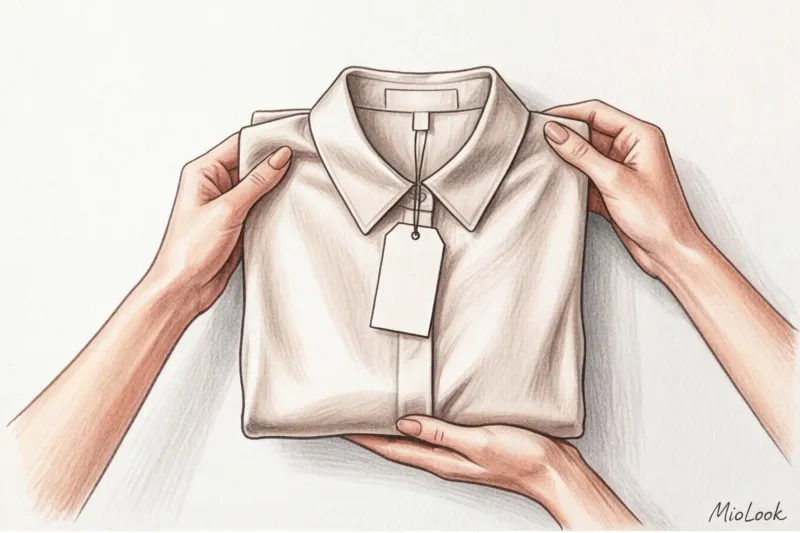
In behavioral psychology, James Clear (2018) developed a concept called Habit Stacking. You link a new, unincorporated action to an old, automatic one.
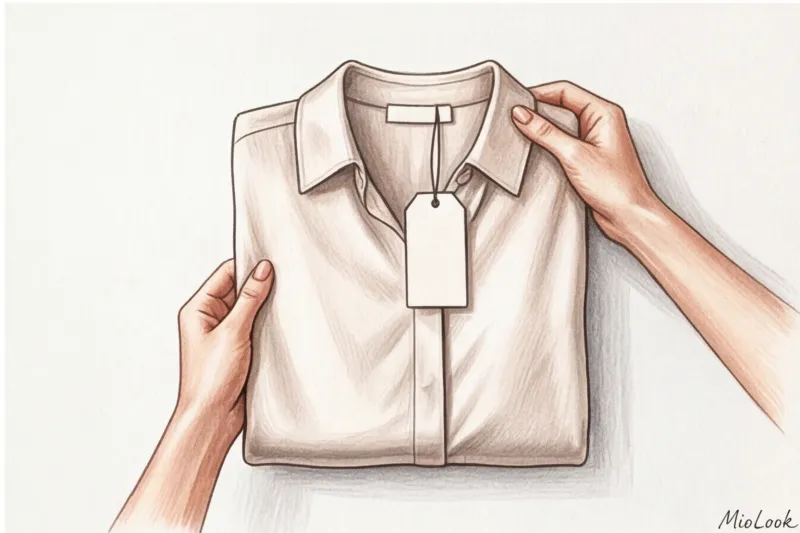
In our digital closet, it works like this: you pick up a pair of scissors to cut the paper tag off a pair of new jeans. Stop. This is your trigger. First, add the item to MioLook (The app will automatically crop the background and determine the color), select the season, and only then cut off the tag. No digitization means no right to wear the item. This micro-habit guarantees a 100% up-to-date database.
Access to MioLook for €0.99 — one-time payment
A smart AI stylist will select the perfect look based on your items.
Get access — €0.99 onceThe biggest mistake newbies make: don't try to digitize everything in a day
A paradoxical insight I repeat at every consultation: the worst thing you can do after installing an app is dump all 200 things from your closet onto your bed and start photographing them. This is a surefire way to burnout.
"Visual information overload leads to decision paralysis. The more things we see at once, the harder it is to make a choice." This principle from Barry Schwartz's paradox of choice theory (2004) perfectly describes the fallacy of total digitalization.
Use the method instead Active Capsule:
- Add only 15-20 items you wear to the app right now , this week.
- Add the rest of the items passively—take a photo of the blouse only the morning you decide to wear it.
- Anything you don't wear even once this season won't make it into the app. And that's great! It means you simply don't need it.
Micro-habits: How to update your database without stress
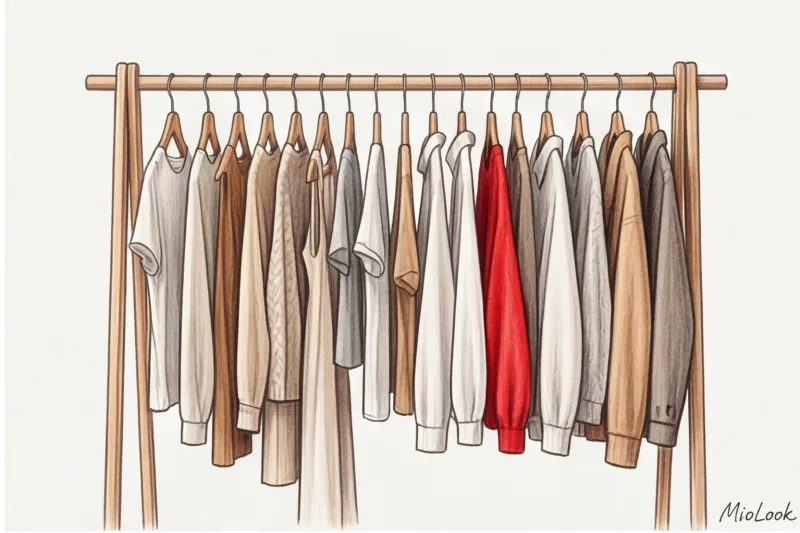
A perfect digital wardrobe requires no more than two minutes of your time per week. The key is to accurately track changes in the status of your items. You should have an honest picture of what's currently ready to wear.
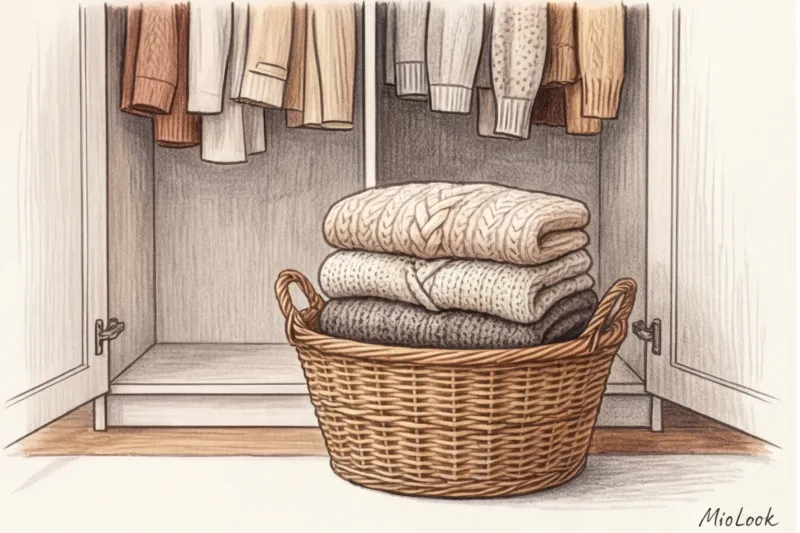
Things to be washed and repaired. If you notice pilling on your sweater or have to dry clean your silk dress, immediately report it in the app. Algorithms shouldn't suggest an outfit featuring an item that's in your laundry basket.
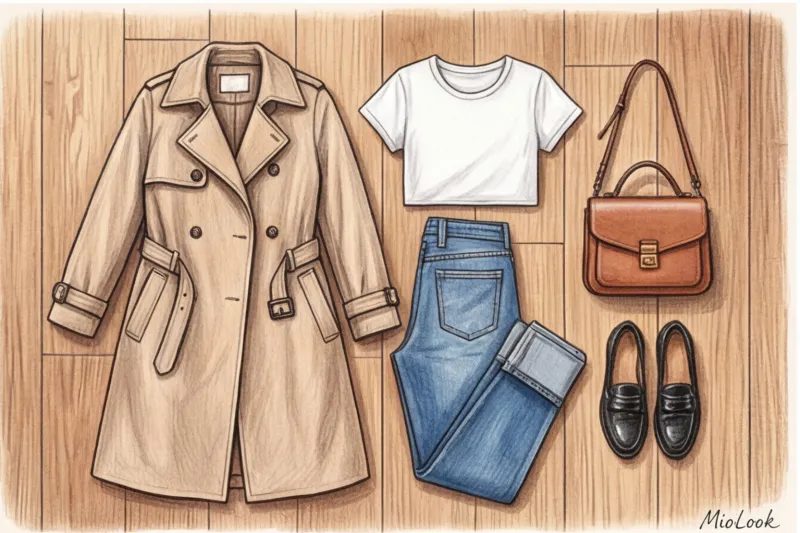
The "One In, One Out" rule. This classic minimalist rule works brilliantly digitally. Bought a new beige trench coat? Go to the app and delete the old one you're about to give away. Synchronizing your actions prevents clutter.
Fair Limit: This meticulous laundry tracking approach doesn't work for everyone. If your wardrobe consists of 10 identical black turtlenecks in the style of Steve Jobs, you don't need such analytics. But for women who love a variety of textures, prints, and layering, it's the only way to avoid chaos.
Seasonal Sync: A Stylist's Checklist
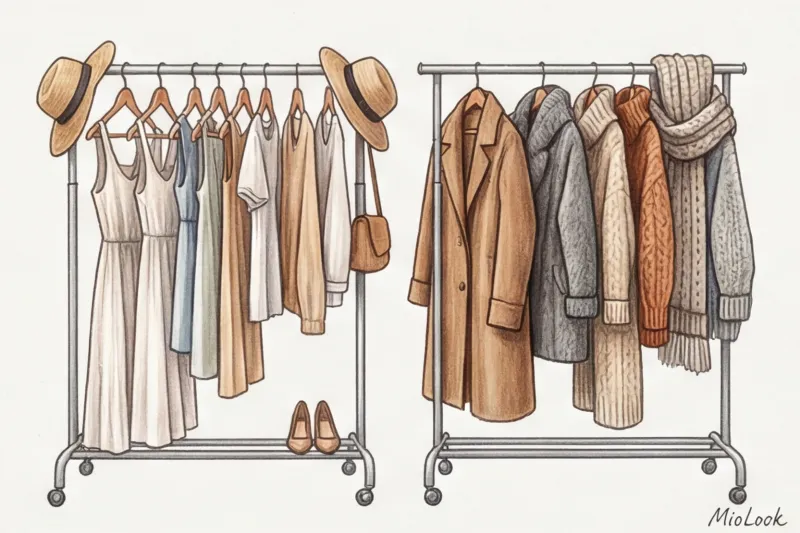
Every six months, our physical closet undergoes a transformation. We put away heavy coats and bring out linen dresses (or vice versa). Our digital closet should do the same.
I recommend doing this two weeks before the actual weather change. Move your winter items to the virtual "Archive" or simply uncheck the "Current Season" box. Why is this important to do in advance?
Because that's when the app creates the perfect shopping list for you. You open your summer list and see: you have three great tops and shorts, but absolutely no sandals. You go to the store with a clear plan, not just buying up more T-shirts on sale.
Ready to get started?
Try the free plan with no commitments and full access to basic features.
Get access — €0.99 onceDeclutter 2.0: Data is king
A McKinsey study (2024) on the circular economy in fashion confirmed the old stylist rule: we wear only 20% of our wardrobe 80% of the time. The rest is our self-image, emotional attachments, and the mistakes of impulse shopping.
This is where managing a virtual wardrobe reveals its greatest superpower: ruthless statistics. I adore the CPW (Cost Per Wear) metric.
Imagine you bought a luxurious jacket for 25,000 €. It seems expensive. But the app shows you've worn it 50 times in a year. The cost per outfit is 500 €. But you've worn a sequin top for 3,000 €, bought on sale, exactly once. Its actual cost to your budget is six times higher than the jacket!
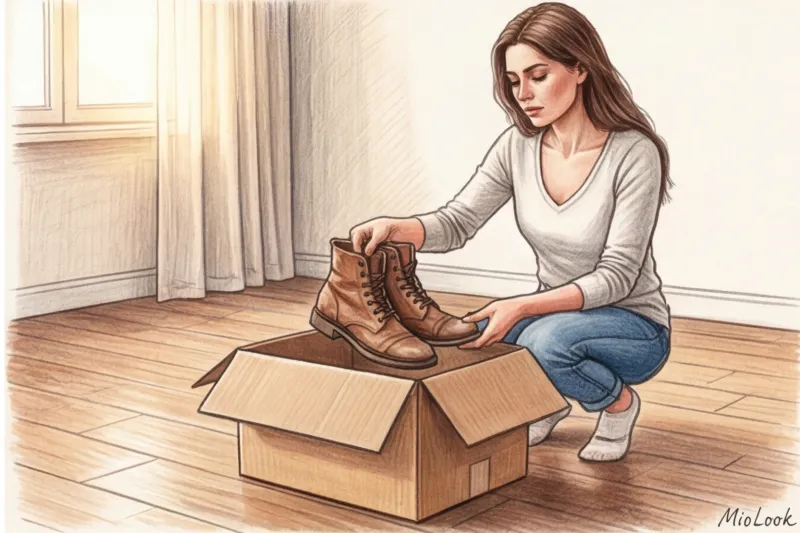
When a client is unsure whether to donate an item to charity, I ask for statistics. MioLook If the numbers show the dress hasn't been worn for 14 months, the emotions subside. Sold it at a resale store? Gave it to a friend? Immediately hit the "Delete" button on your phone. The numbers don't lie.
Action Plan: Your Ideal Routine
To make your digital closet work for you, rather than you working for it, implement this simple routine. It will take you less time than scrolling through your social media feed.
- Daily step (15 seconds): In the morning or evening, mark the outfit you're wearing. This feeds the app's algorithms with data about your preferences.
- Step when purchasing (1 minute): Take a screenshot from the brand's website or take a photo of the item in the fitting room. Add it to the database BEFORE removing the tag.
- Seasonal step (15 minutes once per season): Archive items that are no longer relevant due to the weather and delete items that have physically left your home.
Maintaining a virtual wardrobe isn't about creating a museum of your past purchases. It's a control panel for your current style. Start today with just 15 favorite items, tie digitization to tag-cutting, and you'll never say "I have nothing to wear" again.