What are next-generation cellulose fibers and why are they taking over brands from Zara to COS?
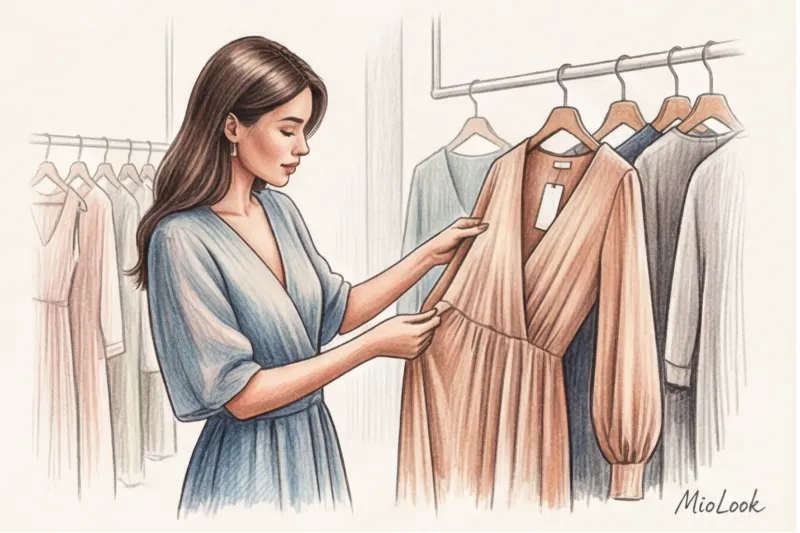
Have you noticed what's been happening in the fitting rooms for the last couple of years? You pick up a perfectly flowing €130 dress from the rack at COS, expecting to see silk or at least premium cotton on the tag. You peek at the inseam, and it's 100% lyocell. Or you buy a basic Massimo Dutti T-shirt that feels as soft as a cloud, and you read the word "modal."
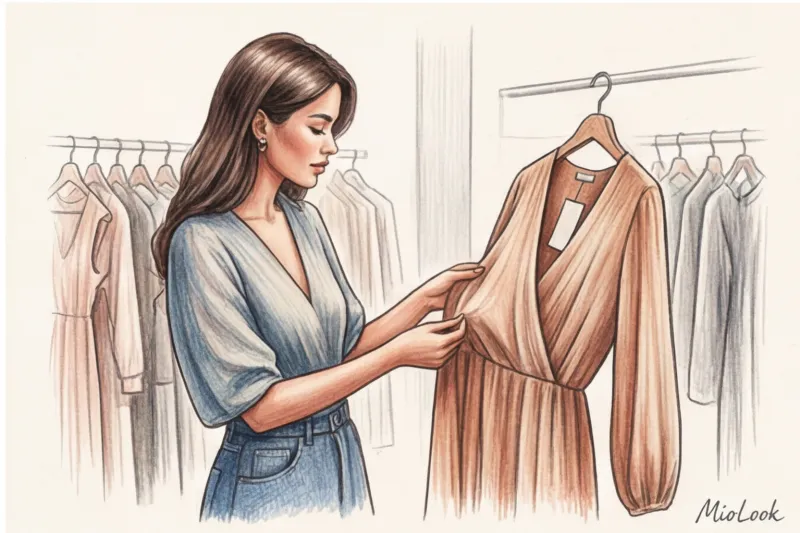
Over the 12 years I've been working as a personal stylist, I've seen this transformation clearly. While just five years ago, premium lines in European mass-market fashion were built exclusively on natural fabrics, today the composition of basic collections has changed beyond recognition. Cotton and silk are rapidly disappearing from labels, giving way to enigmatic names. And this isn't an attempt by brands to cut costs (these materials are often more expensive for factories to produce). It's simply that modern eco-friendly clothing fabrics offer a whole new level of tactile comfort and technological sophistication.
To invest wisely in your wardrobe and understand exactly what you're paying for, let's take a look at what your clothes are actually made of.
Nature in a laboratory flask
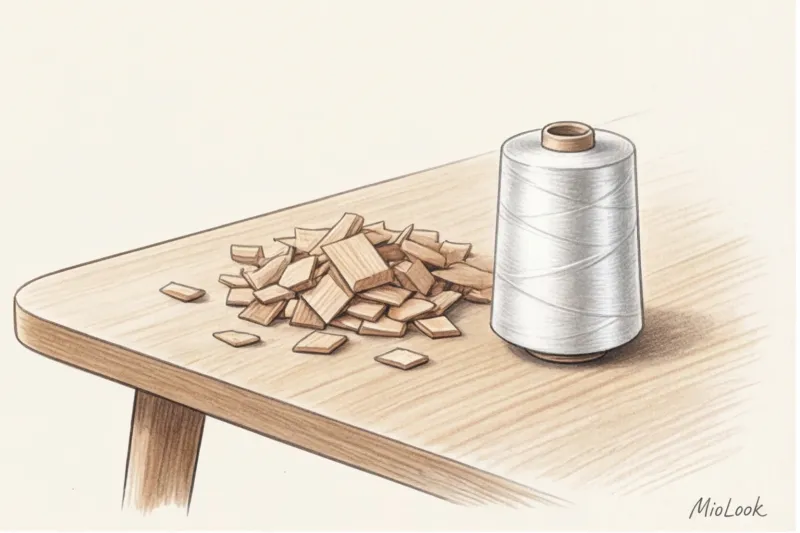
All these fabrics have one thing in common: they belong to the class of artificial cellulose fibers. It is important not to confuse the concepts. This not synthetic Like polyester, which is melted down from petroleum products. But these aren't 100% natural fabrics, either, like flax, which is simply grown in a field and spun into threads. Tencel, modal, and cupra are made from natural raw materials—eucalyptus wood, beech wood, or cotton linters (lint, which was once simply thrown away). However, the actual transformation of hard wood into silky, flowing thread is artificially produced in high-tech factories.
Why is this the main eco-trend of the decade?
According to the annual report of the authoritative organization Textile Exchange The market for synthetic cellulose fibers is growing rapidly and has already exceeded 7 million tons. The industry is placing significant emphasis on them thanks to the closed-loop concept.
In modern factories, the organic solvents that liquefy wood pulp are not discharged into rivers. 99.5% of them are captured, purified, and reused throughout the cycle. Add to this the fact that eucalyptus cultivation requires no pesticides and ten times less water than delicate cotton. This is genuine concern for the planet, not just green marketing.
Debunking the Confusion: From Viscose to Lyocell
One of my clients once protested: “Katarzyna, why should I buy these lyocell trousers for €90 if they’re essentially just viscose?”
Herein lies the main misconception. Viscose is the "grandmother" of all cellulose fabrics. It was invented over a century ago, its production process is far from environmentally friendly, and when wet, it critically loses strength and tears easily. Lyocell and modal are its improved "grandchildren."
New generations of cellulose fibers are significantly stronger, retain color well, are less prone to pilling, and, most importantly, are produced without toxic residue.
When you start to clear out your closet and add things to it MioLook app To easily digitize your wardrobe, be sure to check the composition of your favorite blouses and trousers. You'll be surprised how many "viscose grandchildren" you already wear and love. Of course, technical fabrics require proper care—they're not like heavy denim, which forgives almost any mistakes (by the way, if you're concerned about washing basic items, I recommend our guide). How to properly wash jeans in a washing machine ). But their noble appearance and incredible comfort are definitely worth learning how to use.
Lyocell and Tencel: the ideal base for a capsule
Let's clear up the main terminological confusion that can cause you to overpay in stores. Lyocell and Tencel are the exact same fiber. The only difference is that Tencel™ is a patented trade name for lyocell, owned by the Austrian innovative company Lenzing. It's a classic story, like with a photocopier and a copy machine.
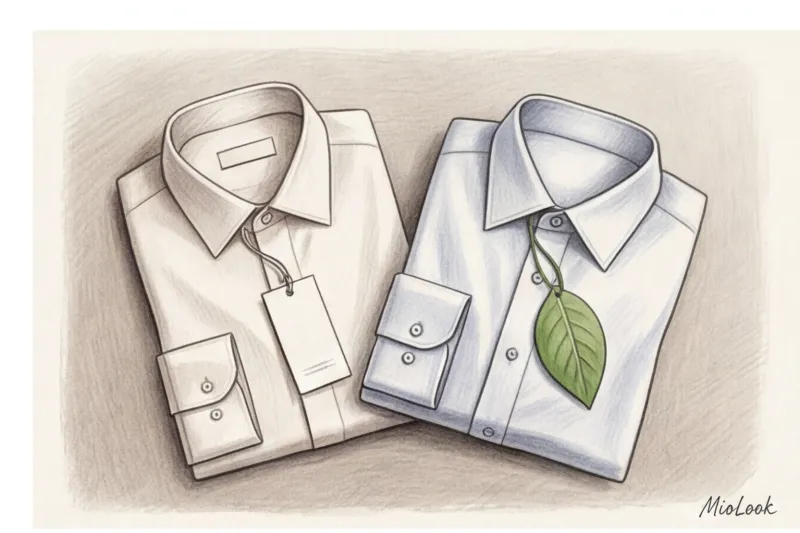
If the sewn-in tag simply says lyocell , the fabric could have been produced in any factory in the world, and its quality remains the brand's responsibility. But if you see the brand's markings Tencel™ , which means the brand has purchased certified fiber from Lenzing. In this case, you're paying extra for strict environmental control and guaranteed quality, ensuring your item won't warp after just one wash.
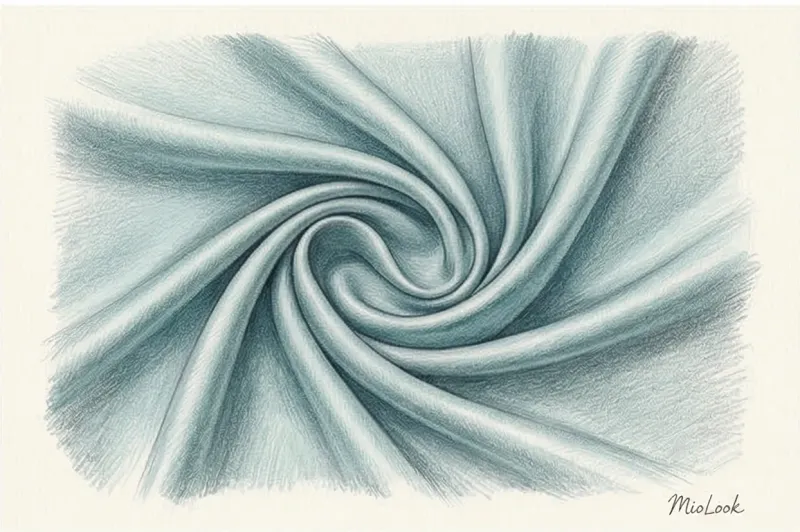
Why do I love this material so much when putting together a functional wardrobe? First and foremost, for its incredible tactile properties. High-quality lyocell has what's known as a "peach skin" effect—a subtle velvety feel on the surface. The fabric itself is quite heavy, yet flexible. It doesn't stiffen like starched cotton, but creates a beautiful, fluid, flowing texture that visually elongates the silhouette and looks very expensive.
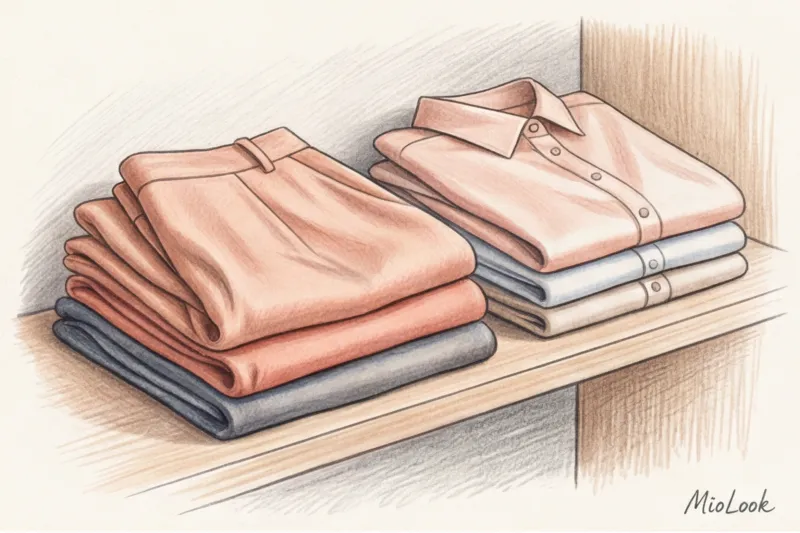
Moreover, thanks to the smooth structure of the fiber, lyocell retains dyes deep within. This is why Tencel garments are often produced in complex, rich shades (deep emerald, terracotta, sapphire) that are virtually impervious to fading over time.
In terms of practicality, lyocell is the absolute champion for everyday office wear and hot summers. According to textile laboratories, it absorbs moisture 50% better than cotton, leaving the skin dry and having a natural cooling effect. However, there's a catch: the fabric does wrinkle. But it does so in a completely different way than linen. Instead of sharp, untidy, and pointed creases, lyocell produces soft, smooth folds.
My personal life hack: If you've been sitting at your desk for a long time and your trousers have creases, simply smooth them out lightly with damp hands. The fabric will dry in a couple of minutes, and the creases will practically disappear. This won't work with stiff linen.
From a stylist's diary: A couple of years ago, a client and I decided to conduct a demonstration experiment. We bought two similar-looking 100% lyocell shirts: one from Massimo Dutti for €70, the other a basic model from H&M for €25. After 10 delicate washes, the difference was dramatic. The expensive shirt, made of certified Tencel, retained its peach finish, collar shape, and color depth. The budget-friendly version lost its shape, the seams visibly warped, and whitish micro-frays appeared on the fabric. The conclusion is clear: with lyocell, the quality of the raw material and the density of the weave are critical. It's better to buy one good item than three mediocre ones.
That's why I always recommend considering high-quality lyocell clothing as a long-term investment. Here's a list of items for which this fabric works best:
- Loose trench coats and summer duster coats: The heavy fabric creates a stunning dynamic drape as you walk without weighing down the look.
- Oversized shirts: A lifesaver for the office with a relaxed dress code. Unlike stiff poplin, lyocell drapes softly across the shoulders, without creating a "boxy" effect.
- Wide-leg palazzo pants: Due to the weight of the fabric, they fall perfectly in even folds, hiding the nuances of the figure and visually lengthening the legs.
- Shirt dresses: An essential base for the warm season, it breathes better than thick linen, but looks more elegant and put-together.
Of course, for such an investment to really work, the item needs to fit seamlessly into your current looks. Before buying a pair of luxurious Tencel palazzo sandals for €120, I strongly advise my clients to add a photo of them to MioLook and check whether they'll create at least five cool outfits with the tops and shoes you already have in your closet. A smart approach to shopping saves you from impulse spending and ensures that your items will be worn, not left hanging with the tag.
Access to MioLook for €0.99 — one-time payment
A smart AI stylist will select the perfect look.
Get access — €0.99 onceModal: Why Your Perfect Basic T-Shirt Should Be Made of It
While we value lyocell for its noble heaviness, modal is a tale of absolute weightlessness. This material is made from beechwood cellulose, and its main feature is its incredible, almost plump softness. According to textile research, modal absorbs 50% more moisture than cotton, while remaining dry to the touch. When my clients first try on high-quality basics made from this eco-friendly fabric, the most common reaction is: "I don't feel it at all."
Why am I increasingly making people rethink their classic cotton t-shirts? Think back to your perfect 100% cotton black base.
As a stylist, I see this all the time: after the fifth or sixth wash, black cotton inevitably loses its depth of color, acquiring a dusty undertone, and the fabric itself becomes slightly "stiff" from hard tap water. This doesn't happen with modal at all.
The smooth surface of beech fiber prevents pigment leaching. High-quality modal (in the €30 to €60 price range) fades less, doesn't pill as quickly as viscose, and remains smooth and flowing even after dozens of machine washings. For a basic wardrobe that we wear and wash weekly, this is a critical indicator of a garment's return on investment.
A separate category worth specifically hunting for in stores is micromodal. The fiber is spun so finely that it's finer than natural silk. It's an impeccable choice for underwear, long-sleeved tops, and turtlenecks as a second layer. Over 12 years of working with business capsule collections, I've developed a strict layering rule: never wear a heavy cotton long-sleeved top under a structured jacket. Cotton has a high coefficient of friction—it catches on the lining, slows down your arm movement, and creates untidy, "chewed" volume on the sleeves. A micromodal turtleneck elegantly solves this problem: it glides under a blazer like a second skin.
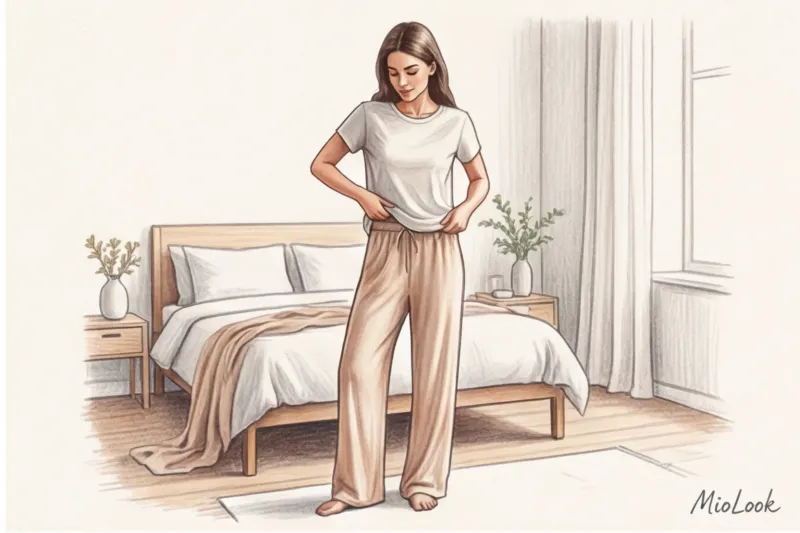
However, there's a downside to this. As an expert, I must warn you: 100% modal is incredibly form-fitting. Its softness and high drape prevent it from creating a rigid frame. Such a T-shirt will outline the contours of your bra, highlight the slightest folds at the waist, and reveal even those nuances you'd prefer to hide under clothing.
What's the solution? If you need a T-shirt that will flatter your midsection and not be see-through, look for the right blends. The ideal formula, used by brands like Massimo Dutti or COS, is a blend of modal and heavy cotton (usually 50/50). You get the tactile softness of beech wood, but with the density of a classic base. To properly fit such purchases into your closet, I recommend taking photos of your jackets and cardigans and uploading them to MioLook The smart wardrobe feature will help you visualize your outfits and calculate exactly how many fitted long-sleeved tops or thick T-shirts you need to complete your outfits.
Cupro: Vegan silk with a complex character
Turn a well-made jacket from Massimo Dutti's premium line inside out or take a closer look at a slip dress at &Other Stories, starting at €120. If the fabric feels cool to the touch, flows like water, and doesn't static, it's likely cupra. In industry jargon, we call it "vegan silk."
Surprisingly, this noble material is made from the literal waste of cotton production—lint. This is the short fluff that envelops the cotton seeds, which for decades was simply discarded. The production process for cupra (the most well-known certified version on the market is Bemberg) is closed-loop, making it a fully recognized category of "eco-friendly clothing fabrics." While natural silk will cost you an average of €250 for a basic shirt, a luxurious cupra equivalent from a quality mid-market retailer will cost between €80 and €130.
The main hallmark of high-quality cupra is its delicate, diffused glow. It's not the flat, garish sheen often associated with cheap polyester. Thanks to its natural flexibility, cupra lends itself beautifully to bias-cut fabrics.
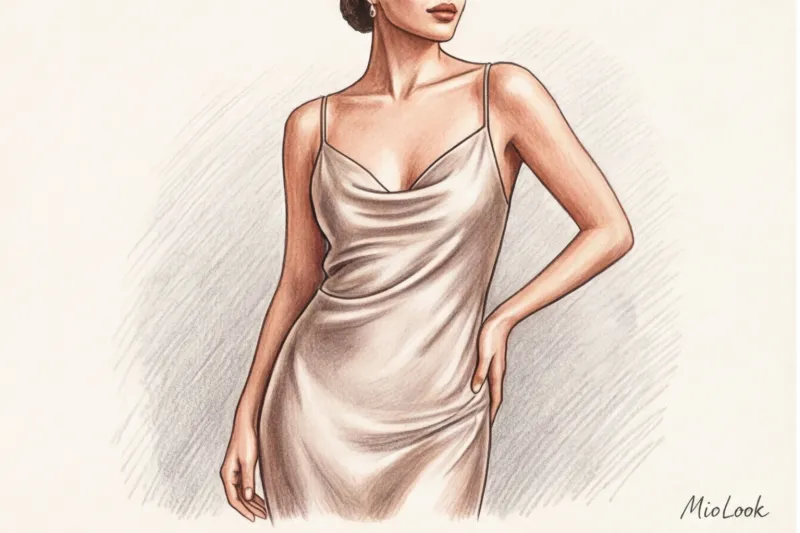
That's why I always advise my clients to consider slip dresses and statement blouses with soft drapes made of this material. In styling, cupra works brilliantly in contrast: try pairing a smooth, shiny blouse with thick, structured denim or a chunky knit sweater—the look instantly becomes more complex and textured. A cupra lining is also a sure sign of class in a coat or jacket. It breathes, doesn't create a greenhouse effect, and glides over layers of clothing without bunching.
But this luxury has a dark side, which boutique consultants usually tactfully keep quiet about. Cupra has a very complex character when in contact with water.
I had a case in my practice that cost a client quite a bit of nerves. An hour before an important charity dinner, she accidentally dripped pure mineral water onto the hem of her olive-colored copper dress. Her instinctive response—quickly dabbing it away with a damp cloth—proved disastrous. The water dried, but a distinct, darker "ring" remained on the fabric, looking like a stubborn grease stain. We had to quickly salvage the situation: we completely covered the area with a long, structured blazer, fortunately it fit the evening dress code.
Why does this happen? Cupra fibers are highly hygroscopic. When localized and subject to even the slightest friction, they swell unevenly, permanently altering the angle of light refraction. Even after complete drying, the boundary between the dry and wet areas remains visible.
My main rule: never try to spot-wash a stain on cupra before going out! If water gets on an item, gently blot it with a paper towel (without rubbing!) and let it dry naturally. Such items should only be washed whole, in a special mesh bag, at the lowest setting, and ironed only from the inside out at a low temperature. A hot iron on the right side will immediately leave shiny marks (marks) on "vegan silk" that will be impossible to remove.
Access to MioLook for €0.99 — one-time payment
Start creating perfect images with the help of artificial intelligence
Get access — €0.99 onceMyths about eco-friendly fabrics: what mass-market marketers aren't telling you
Marketers at major brands have done a truly brilliant job. Walk into any mid-market flagship store today, and you'll see entire racks of green cardboard tags labeled "Sustainable," "Conscious," or "Eco-Friendly." They've successfully sold us the idea that buying pants or dresses made from wood fiber is an absolute indulgence for our fashion conscience and a guarantee of quality. But as a practical stylist who pores over real wardrobes, not catalog wardrobes, every day, I'm forced to remove the rose-colored marketing glasses from these materials.
Myth 1: “100% eco-friendly material is always a sign of premium quality.”
It sounds impressive, but in practice, the 100% natural composition often works against you. Imagine: you buy skinny trousers or an elegant pencil skirt made of 100% lyocell for €90. You wear them to the office, sit down at your desk, and exactly an hour later, you have unsightly stretched "bubbles" on your knees and buttocks. The problem is that pure cellulose fibers have extremely low elasticity and do not return to their original shape after being stretched.
Here lies an important counterintuitive fact that often angers clean label proponents: Synthetics in the right proportions make eco-friendly clothing fabrics truly durable The right blends are your main defense against silhouette distortion. Adding just 2-5% elastane or 20% heavy cotton to lyocell helps a garment maintain its original shape for years. And the paradox is that it's precisely this blended garment that ultimately proves more "eco-friendly." You wear it for several seasons instead of throwing it away after just one wear. I always recommend recording such successful blends in the app. MioLook to clearly track which formulations perform best in terms of cost per wear.
Myth 2: "Tencel doesn't wrinkle at all."
This myth is actively and confidently propagated by sales assistants in the showrooms. Let's be honest: Tencel wrinkles, and how. Absolutely any fabric, whether made from natural or synthetic cellulose, will inevitably react to mechanical stress, friction, and your body heat.
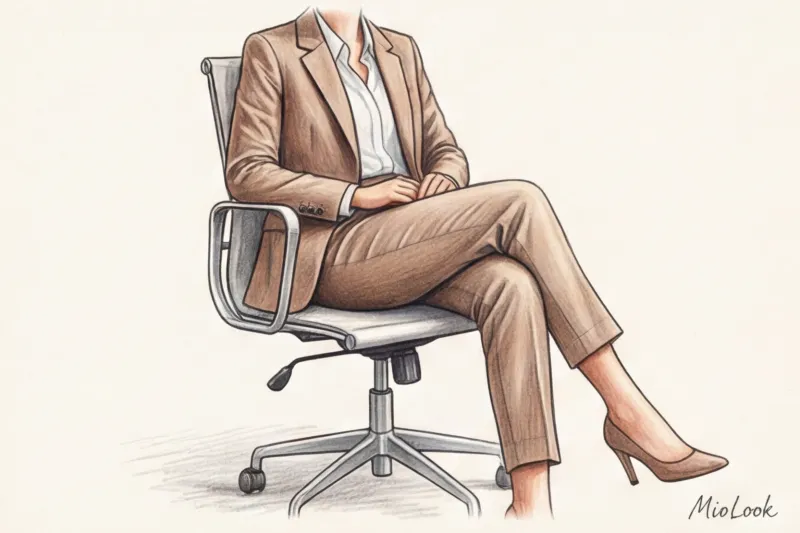
The difference lies solely in the aesthetics of these creases. While 100% classic linen creates stiff, sharp folds that make trousers look untidy even on the way to a morning meeting, lyocell and Tencel behave completely differently. They form soft, fluid, and quite elegant waves. The creases look natural, don't detract from the polish of the look, and, best of all, they gently unravel under the weight of the heavy fabric as you simply walk down the street.
Myth 3: “New eco-materials are practically indestructible.”
I often hear from clients: "I bought an expensive basic lyocell shirt, and it lost all its shape within a month." When we investigate, it turns out the item was regularly washed with a pair of stiff jeans and tumble-dried at 1200 rpm. According to textile research institutes (specifically, according to a 2023 study by Textile Exchange), man-made cellulose fibers have one critical vulnerability: when wet, they lose up to 30% of their original strength.
When such fabric gets wet in the drum, it becomes completely vulnerable to harsh mechanical abrasion. Harsh machine spinning literally tears and micro-damages the fibers. As a result, the garment quickly becomes covered in a whitish fuzz (in professional terms, this is called fibrillation) or even develops micro-tears along the seams. Eco-friendly materials don't last forever on their own—they require equally careful care: only a delicate wash cycle, minimal abrasion against rough items, and a spin cycle strictly no higher than 600 rpm.
A stylist's workshop: how to read labels and choose quality items in the store
According to internal analytics from major European retailers for 2023, approximately 40% of women's clothing returns are due to one unfortunate reason: fabric behaves unpredictably within the first few hours of wear. Shoppers are seduced by the silky texture under the warm light of the store, but ignore the product's design features. To ensure your investment in sustainable clothing fabrics doesn't turn into disappointment, I've developed a rigorous testing protocol. We'll test every item right in the fitting room, long before you spend €80 or €150 on it.
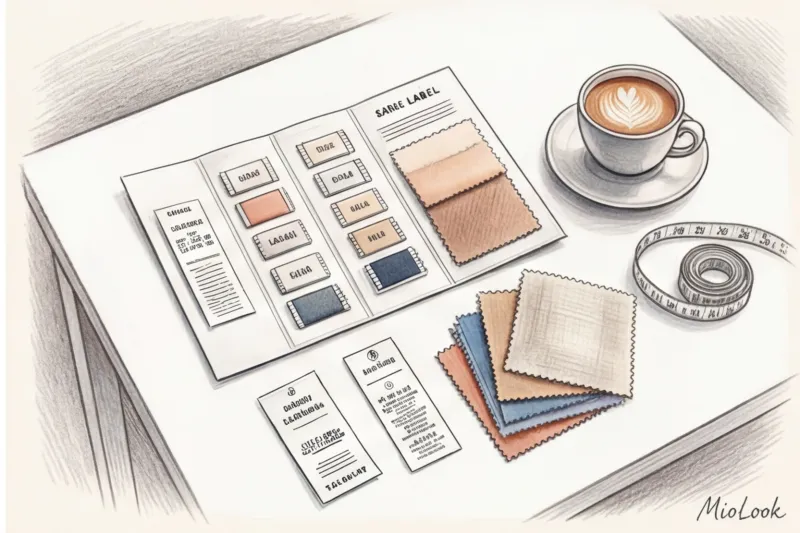
Crease test (ten second rule). Never trust how perfectly an item irons on a store hanger. Manufacturers often use temporary silicone sealants to enhance its appearance. Grasp the hem of a shirt or pant leg in your fist, hold it as tightly as possible for 10-15 seconds, and then release quickly. Now carefully examine the creases. If the fabric has smoothed out, leaving only soft, gentle creases, then take it to the checkout; after a long day of sitting in the office, the item will look casual yet elegant. However, if sharp, papery creases have formed that don't disappear when you smooth it with a warm hand, leave the item for the sales associates. This rule is especially critical for thin summer Tencel.
Analysis of seams and thread density. Lyocell and cupra are materials with an extremely high weave density and a considerable weight. The main problem with budget lines (especially in the fast-fashion segment under €50) is the use of standard thin threads and incorrect tension on a factory sewing machine. Carefully inspect long side seams and armholes. Because lyocell is heavy, the seams on cheap items may sag, wrinkle, or pucker during fitting. Reputable brands use at least 3-4 stitches per centimeter for these flowing fabrics. If the stitching tightens the fabric now, the garment will become irreversibly warped after the first wash.
Finding the perfect blends. I categorically insist: don't blindly pursue "100% lyocell" or "100% modal" compositions. Textile engineers have long proven that superior performance comes from carefully crafted blends. Here are three gold standards you should look for on sew-in labels:
- Lyocell + Flax (in a 70/30 or 50/50 ratio): The absolute ideal for the summer heat. Lyocell takes away linen's dry, prickly nature and tendency to wrinkle, while linen, in turn, provides a durable frame. Wide-leg trousers made from this blend are guaranteed to wrinkle less and stay in place at the knees.
- Modal + Cotton (optimally 40/60): The formula for a flawless basic T-shirt that holds its shape. Cotton provides the density, while modal prevents the garment from pilling, stiffening, and fading after the tenth machine wash.
- Cupra + Viscose: The best choice for heavier bias-cut dresses and suiting. Regular viscose makes the capricious cupra more stable, reduces its shine to an elegant matte sheen, and makes it less susceptible to treacherous stains from accidental drops of water.
Before cutting off the tags from new purchases, I always recommend taking a photo of the ingredients and adding it to the item card in the app. MioLook After a couple of seasons, you'll be able to analyze your digital capsule and understand exactly which fiber combinations work best for your personal lifestyle.
Your ideal image
it begins Here: Join thousands of users who look flawless every day with MioLook.
Get access — €0.99 onceCare Guide: How to Prevent Expensive Eco-Fabrics from Ruining After the First Wash
According to tests conducted by the Hohenstein Textile Institute, viscose and its modern derivatives lose up to 30% of their strength when wet. Water instantly penetrates the structure of the cellulose fiber, causing it to swell. At this point, the fabric becomes critically vulnerable to any mechanical abrasion. This is why innovative eco-friendly clothing fabrics require a fundamentally different, much more delicate approach to care than traditional heavy denim or cotton.
The main and most subtle enemy of Tencel, Modal, and Cupra is your regular laundry detergent. Most dry detergents (especially those labeled "for stain removal") contain active enzymes, specifically cellulase. This enzyme is added to break down the microfibers on the surface of cotton items and prevent pilling. The problem lies in the chemistry of the process: this same enzyme literally "eats" the cellulose base of eco-friendly materials. In practice, this results in the appearance of unsightly whitish streaks on the smooth, silky texture of the fabric after the first wash. My strict stylistic ultimatum: use only specialized liquid gels without harsh enzymes for such items.
Temperature control is another area of strict discipline. Set the temperature to exactly 30 degrees Celsius and spin no more than 600 rpm. As soon as the water temperature exceeds this threshold, the swollen lyocell fibers begin to deform under the heat. If you accidentally throw your luxurious palazzo pants into a machine at 40 degrees Celsius, be prepared for them to shrink irreversibly by exactly one size in length. You won't be able to stretch them out again.
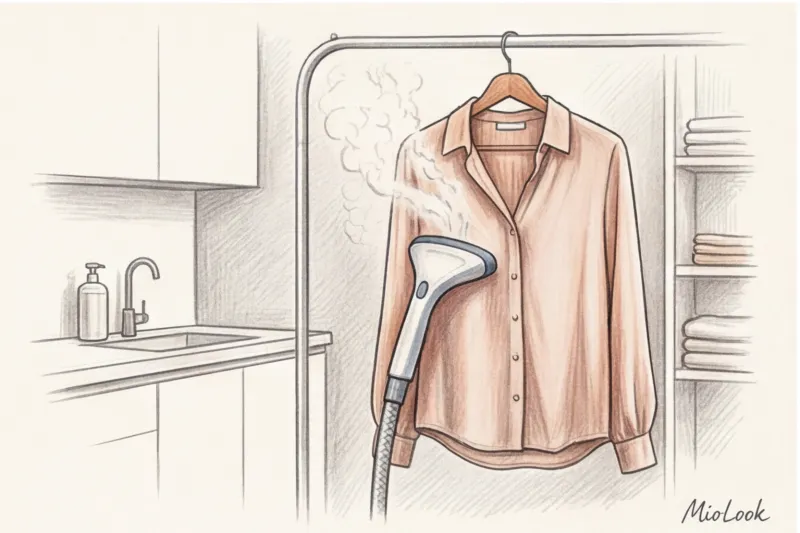
Machine drying cellulose fibers is strictly prohibited. The hot air in the tumble dryer will completely destroy the structure of the fragile, damp fabric. Never wring such items out—it's better to gently pat them dry with a terry towel and lay them out to dry in the shade.
When it comes to ironing, I recommend keeping the iron away from silky fabrics forever. Its hot soleplate, even at the lowest temperature, will inevitably leave "glazes" on the fabric—specific shiny marks from flattened fibers. It will be impossible to save an item damaged this way. Always use a handheld or stationary steamer: the steam penetrates the fibers, gently smoothing out soft creases without applying direct pressure.
Professional secret: If your Tencel shirt feels stiff and has lost its signature "peach" effect after washing, don't despair. Thoroughly steam it from the inside out, then gently knead the fabric with your hands. The steam will restore the fibers to their original volume and softness.
Maintaining a complex wardrobe is much easier if you digitize this routine. I always recommend that clients add premium basics (especially in the €100 to €300 price range) to the app. MioLook By adding tags like "gel only" or "no spin" to your item's card, you create a smart database that's guaranteed to protect your investment from accidental washing errors.
Summary: A Mindful Shopping Checklist
The British research center WRAP (The Waste and Resources Action Programme) published a sobering statistic in its 2023 report: the average lifespan of an item in a woman's wardrobe today is just 2.2 years. And you know what's most paradoxical? A huge portion of this dismal figure is accounted for by items with attractive green "eco-friendly" labels, which are bought on a spur-of-the-moment impulse.
This brings us to the main rule of a smart wardrobe, which I emphasize during every personal consultation. A garment's true eco-friendliness is determined not only by how and from what it was made, but also by How long can you wear it? If you impulsively bought a trendy 100% organic Tencel blouse for €80, but only wore it three times because it wrinkled mercilessly under your bag strap, that's not being environmentally friendly. It's just a waste of money.
In the professional environment of stylists, we always rely on metrics Cost Per Wear (cost per wear). The formula is simple: divide the cost of the item by the number of days you wear it. A basic turtleneck made from the right modal and cotton blend for €45, which you wear every week for two years, will cost you next to nothing per outing. It'll do far less harm to the planet and your budget than a disposable eco-exclusive.
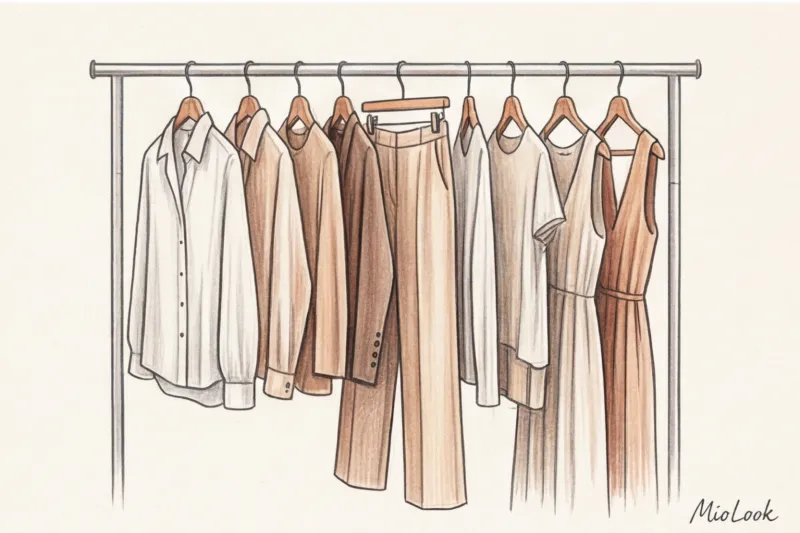
To make your investments work and keep your Cost Per Wear ratio as low as possible, I've put together a final cheat sheet for you. Save this checklist—what to buy and for what purposes:
- Tencel (Lyocell): Your best investment is in flowing, relaxed silhouettes. Invest in wide-leg palazzo pants, loose summer trench coats, and voluminous shirtdresses. This material will provide that heavy, "expensive" drape that we love in premium pieces. Look for blends with 20-30% linen for the summer heat—they'll wrinkle less.
- Modal: The perfect, tactile base for the body. We specifically look for basic T-shirts, long sleeves, bodysuits, and high-quality underwear. The main rule: pay attention to the fabric density. Thin modal will highlight the slightest nuances of the figure, so for form-fitting items, always choose blends with thick cotton.
- Cupra: A magnificent alternative to natural silk for evening wear and sophisticated looks. Slip dresses, statement blouses with a delicate, matte sheen, and the lining of expensive jackets—cupra is at its best.
But theory is meaningless without practice, so your homework for the coming weekend is to conduct a thorough inventory. I urge you to go through your current wardrobe and carefully examine the labels of your favorite pieces that have served you faithfully for years. You'll be surprised, but the secret to their durability likely lies in the right fabric composition. Write down these successful formulas for yourself, and only then begin compiling a shopping list of high-quality materials for the new season.
To automate this process, digitize your finds. I recommend adding photos of your best items and tags with their ingredients to MioLook This will allow you to open the app right in the fitting room, compare the contents of a potential new item with your tried-and-true favorites, and realistically assess whether it will fit into your long-term wardrobe. When choosing modern, eco-friendly fabrics for clothing, focus on cold-blooded calculation and quality, not marketing gimmicks.
Guide Chapters
Eco-Friendly Fabrics: How Tencel and Cupra Save the Planet
Is polyester evil, and cotton a blessing? We debunk the main myths of the textile industry and explain why the future belongs to Tencel and Cupra.
Modal Pajamas Reviews: Is It Worth the Extra Pay?
We spend a third of our lives sleeping, yet we continue to wear old T-shirts at home. We discuss with a stylist whether investing in next-generation fabrics is worth it.
Modal or Viscose: Which is Better? A Material Comparison
We explore the paradox of fabric durability using real-life examples from our wardrobes. Learn how viscose and modal perform after multiple washes.
Does Tencel Wrinkle? The Truth About Eco-Fabrics
Find out how Tencel, Cupra, and Modal garments wear. We'll explore the differences between a refined rumpled look and a cheap, sloppy finish.
Hypoallergenic Clothing Fabrics: Dermatologists' Choice
Why 100% cotton isn't always the best choice for dermatitis. We explore modern materials that truly save sensitive skin.
The Best Fabrics for Hot Weather: Lyocell and Cupra for Summer
Forget wrinkle-prone linen in the fast-paced city. A personal stylist explains which breathable materials to choose for a flawless look in the heat.
Care instructions: how to wash tencel, modal, and cupra
Caring for new-generation fabrics is fundamentally different from washing cotton or synthetics. We'll break down the care instructions to maintain the premium look of your items.
Tencel or cotton: which is better for a summer wardrobe?
Tired of wrinkled T-shirts and hot cotton in the summer? A stylist explains why fashionistas choose Tencel for the perfect look in the heat.
Lyocell and Tencel: The Difference You Need to Know
Do you often see Lyocell or Tencel on labels and think they're cheap synthetics? Let's explore the differences between these fabrics and why they cost as much as premium silk.
What kind of fabric is Cupra? Is it worth buying?
Many people confuse cupra with cheap synthetics, but it's actually premium vegan silk. We'll explain all about the fabric's properties and why it's worth the money.
What is Tencel fabric? Pros, cons, and features
We explore all the features of the innovative Tencel material. Find out why stylists choose this eco-friendly fabric for creating premium wardrobes.
Modal Fabric: Properties, Benefits, and Choosing Basic Items
Why does 100% cotton quickly lose its appearance, while high-tech blends are taking over the fashion industry? We explore the properties of modal through the eyes of a stylist.