One day, a client came to me in tears. She'd washed her brand-new Moncler Grenoble ski jacket, worth around €2,000, with regular 3-in-1 capsules and fabric softener. The result? The garment, designed to protect against alpine snowstorms, was starting to soak through in a light city rain, creating a suffocating greenhouse effect inside. It's a classic story about how a lack of basic care knowledge kills high technology. I've written more about the basics of creating and maintaining a high-status wardrobe in our a complete guide to proper clothing care , but today we will talk about tissue microphysics.
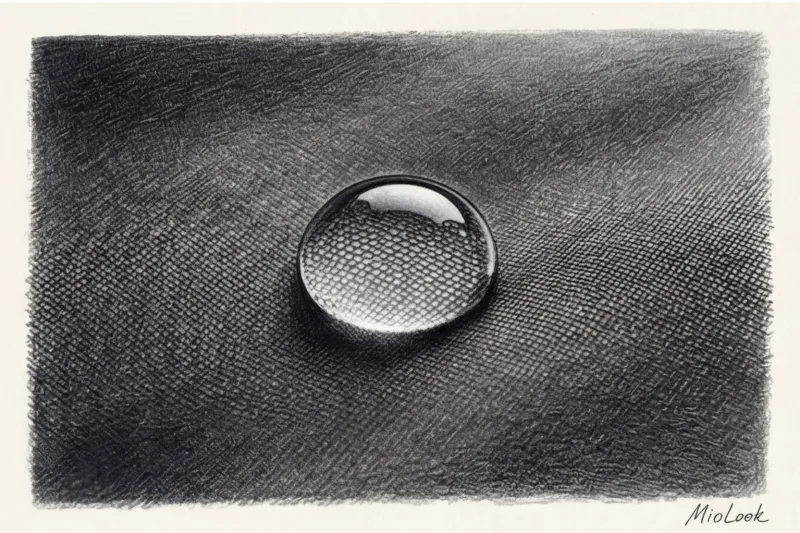
The question is, How to wash membrane clothing The concept of high-end sportswear and premium sportswear is surrounded by so many myths that many people prefer not to touch their items at all. Spoiler alert: this is the biggest mistake you can make. As a stylist who specializes in investment wardrobes, I'll teach you how to care for technical fabrics so they last for years.
Anatomy of technology: why membranes are expensive and how they work
To understand how to care for a garment, you need to understand its nature. A membrane is more than just a "rubber raincoat." Today, high-tech fabrics have become a staple of the premium urban wardrobe. Brands like Prada with its Linea Rossa line or Loro Piana with its Storm System technology have long since brought membranes beyond mountaineering camps and onto the streets of fashion capitals.
The secret of a membrane (like classic Gore-Tex) lies in its precise numbers. The size of a single micropore in polytetrafluoroethylene (Teflon) is approximately 20,000 times smaller than a drop of water, but 700 times larger than a molecule of water vapor. This is why rain can't penetrate, while body vapor easily escapes. You stay dry on both sides.
"Buying a jacket made of technical fabric is an investment in personal comfort. But this investment is wasted if the micropores become clogged with dirt. Without proper care, a breathable jacket turns into an ordinary plastic bag."
The Biggest Myth: Why You Need to Wash Membrane Clothing More Often Than You Think
The most harmful myth I hear from clients: "Washing kills the membrane; it's best to wash it once every couple of years." This is absolutely untrue. In fact, irregular washing will ruin an item much faster and, worst of all, irreversibly.
The main enemy of high technology isn't the water in your washing machine, but your own sebum, sweat, and urban dust. According to Gore-Tex laboratories, just one season of active wear without proper cleaning reduces the breathability of a material by 60%. Micropores simply become cemented by dirt.

But the most dangerous consequence is delamination. The membrane is often a sandwich of layers of fabric glued together. Accumulated fats and acids from sweat corrode this adhesive layer. I've seen dozens of expensive parkas whose inner lining has begun to bubble and peel at the collar. There's no way to fix this—the only option is to throw the item away.
How to Machine Wash Membrane Clothing: A Step-by-Step Guide for Premium Items
Many manufacturers play it safe by putting a "hand wash only" symbol on the tags. In practice, hand washing a membrane jacket is more dangerous. Why? Because a wet jacket is difficult to rinse, and most importantly, hand spinning will inevitably cause it to wring. Wringing immediately tears the sealed seams and damages the membrane's structure. A good washing machine on the right cycle will do the job more gently than your hands.
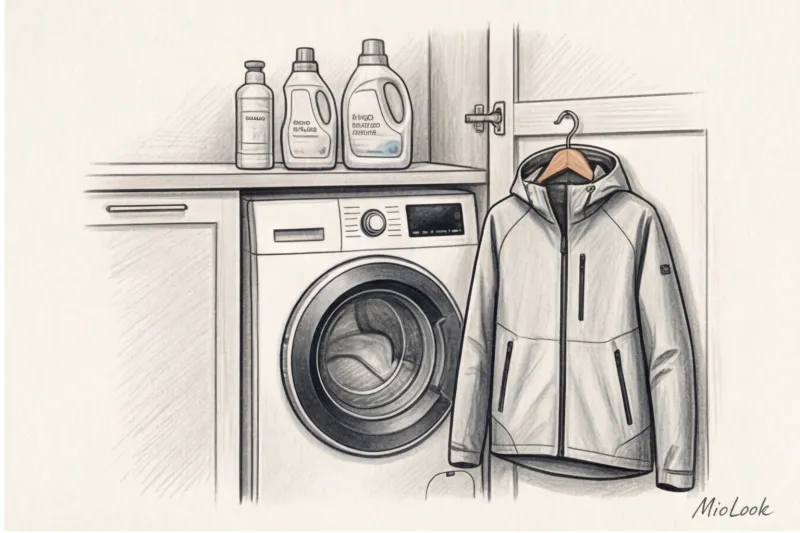
Preparation: Fasteners, pockets and seam protection
Before placing an item in the drum, carry out thorough preparation:
- Zip it all up: The main zipper, buttons, and most importantly, the Velcro. Open Velcro in the drum will act like sandpaper and leave snags in the lining.
- Loosen the tension: Loosen all elastic drawstrings and hood and waist drawstrings to prevent the fabric from becoming deformed.
- Turn inside out: It's not a hard and fast rule, but I always recommend washing jackets inside out to prevent the outer water-repellent coating from rubbing against the drum.
Access to MioLook for €0.99 — one-time payment
A smart AI stylist will choose the perfect look for you and help you organize your wardrobe.
Get access — €0.99 onceChoosing a Product: Why Regular Powder and Conditioner Are Technology Killers
Remember the golden rule: never use dry laundry detergent. Its granules don't dissolve completely and clog those micropores, blocking the fabric's ability to "breathe." The jacket turns into a greenhouse.
The second strict no-no is fabric softener. Fabric softeners work by creating a hydrophilic (water-attracting) film on the fibers, making clothes soft. This is fatal to the membrane—it permanently destroys the fabric's water-repellent properties.
Use only specialized liquid shampoos (so-called tech wash shampoos). They gently dissolve sebum, rinse completely with water, and leave no residue. A bottle typically costs between €10 and €20, and this will last for two seasons.

Temperature mode and spin
The ideal washing temperature is 30–40°C (always check the care label, but don't exceed 40°C, otherwise the seam seal will peel). Choose a delicate or sportswear cycle.
Mandatory step - double rinse We need to ensure that all detergent residue is removed from the fabric layers. Set the spin cycle to the lowest speed (400) or select the "no spin" setting. Let the water drain naturally.
Restoring DWR: Bringing Back the Lotus Effect to Your Jacket
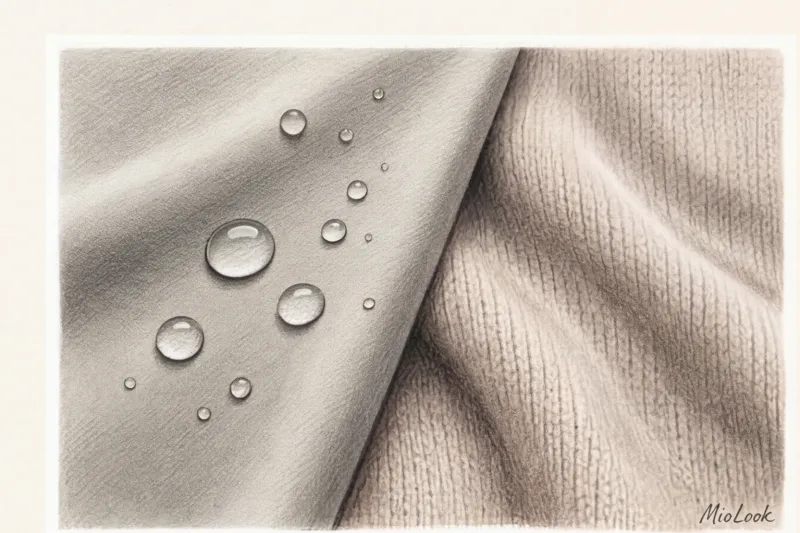
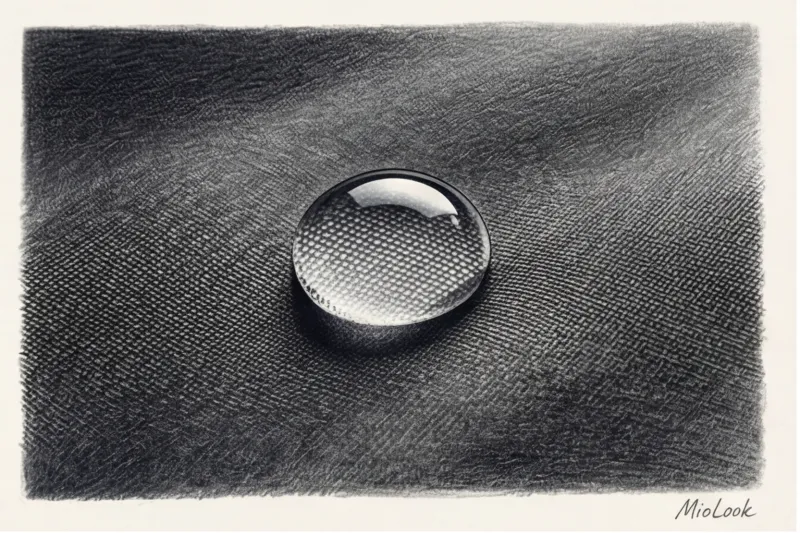
Have you ever noticed how water forms perfectly round beads on a new jacket and rolls off? That's the DWR (Durable Water Repellent) coating at work. Over time, it wears away from friction against backpack straps and washing. If water begins to soak into the outer layer of the fabric, leaving dark, wet spots, the membrane stops breathing.
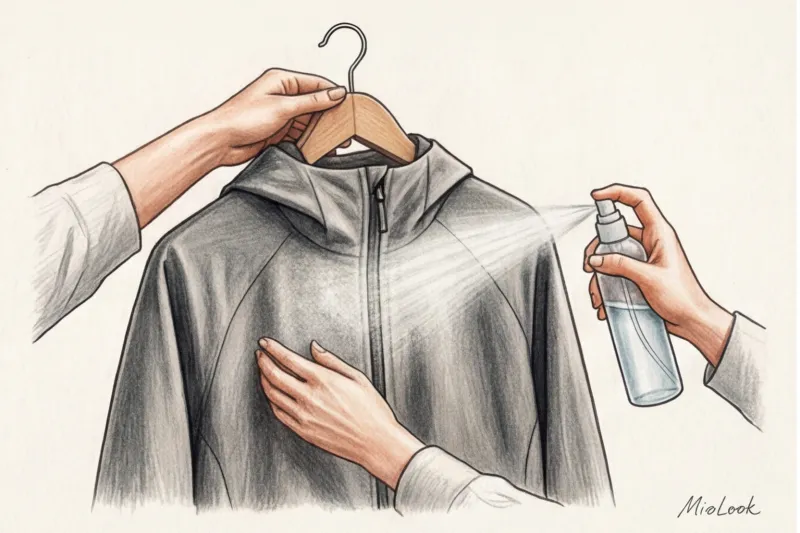
Herein lies my favorite counterintuitive insight that few people know. Everyone is used to the idea that high-tech fabrics are afraid of heat. However, fluoropolymer-based DWR coatings heat activated Gore-Tex laboratory instructions clearly recommend: after washing and drying the jacket, place it in the dryer for 20 minutes on a low heat setting. If you don't have a dryer, iron the jacket with a warm iron (no steam!) through a terry towel. The heat will cause the polymers to "fluff up," and the lotus effect will return.
Fair Limit: This trick will only work if the finish is still in the fabric. If the jacket is three years old and hasn't been touched up, heat won't help. You'll need to use special DWR sprays: spray the product onto a clean, slightly damp jacket, let it soak in, and then activate it with heat.
Care of sportswear (elastane, polyester, nylon)
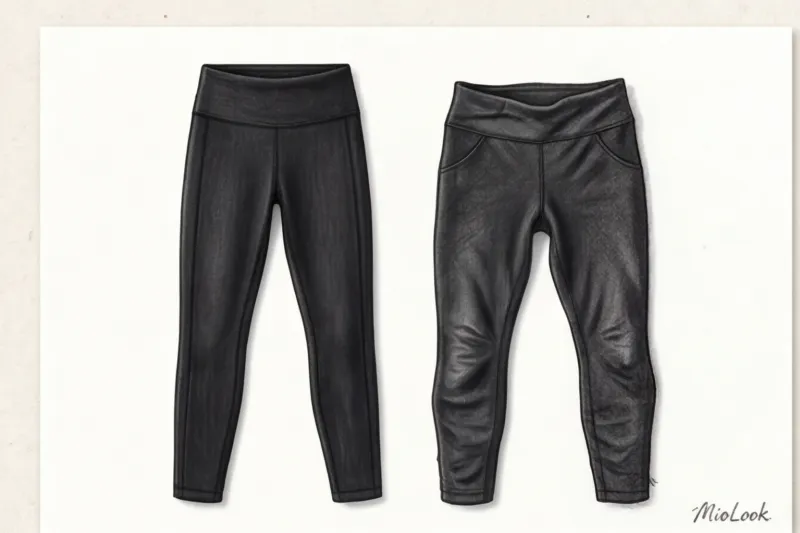
With premium sports equipment for yoga or fitness (leggings, bras, rashguards), the same physics apply as with outerwear.
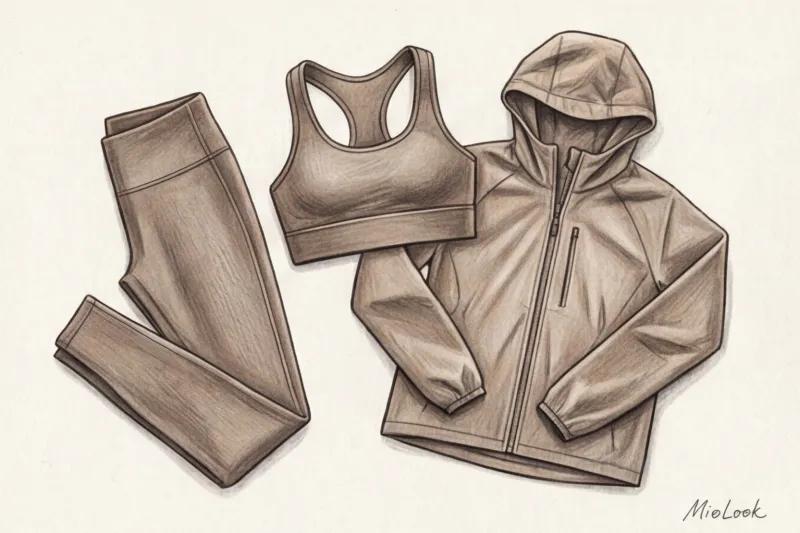
My clients' main complaint: after a few workouts, expensive leggings start to smell bad after just 10 minutes on the treadmill, even though they've just been washed. This is called the "locked-in odor" phenomenon. It occurs because women wash their leggings with regular washing gel and fabric softener. The fabric softener coats the elastane fibers with a thin film, which creates a perfect breeding ground for sweat-fed bacteria. You can't wash them because they're "locked-in."
A life hack from my practice: If the uniform is already damaged by fabric softener, soak it in a basin of cold water with a glass of regular white vinegar for 30 minutes. The vinegar will dissolve the fabric softener film and kill bacteria. Then wash the items with sports shampoo at 30°C.
Your perfect look starts here
Join thousands of users who look flawless every day with MioLook.
Get access — €0.99 onceChecklist: 5 Fatal Mistakes When Washing Your High-Tech Wardrobe
Let's recap. Here are 5 steps guaranteed to ruin your tech wear:
- Drying on a hot battery. The polyurethane membrane will simply melt. Dry items at room temperature, away from direct sunlight.
- Handing over to a classic dry cleaner. Aggressive solvents (perchloroethylene) used in dry cleaning dissolve the adhesive that holds fabric layers together. Always check if your dry cleaner specializes in wet cleaning membranes.
- Use of bleaches. Chlorine instantly burns micropores.
- Manual twisting during spinning. Want to dry it faster? Place your jacket between two terry towels and press gently with your hands to absorb excess moisture.
- Wash with jeans. Rough fabrics, metal zippers and rivets will scratch the delicate inner layer of sportswear.

Investing in Longevity: Smart Care as Part of Conscious Consumption
Building a wardrobe is always a calculation cost-per-wear (prices per outing). Let's say you bought a great technical parka for €800. If you ruin it with improper washing in one season, the cost per wear will be enormous. However, if you spend €15 on a special liquid detergent and impregnation, the parka will last you five years, reducing cost-per-wear to a minimum.

A wardrobe's status is determined not only by the logo on the tag, but also by the impeccable condition of the item after years of wear. Don't be afraid to wash your best technical pieces. A clean membrane is a living membrane. Take the time to clean it properly, use heat to restore protection, and your gear will never let you down.