Як правильний догляд за волоссям формує базу для ідеального укладання
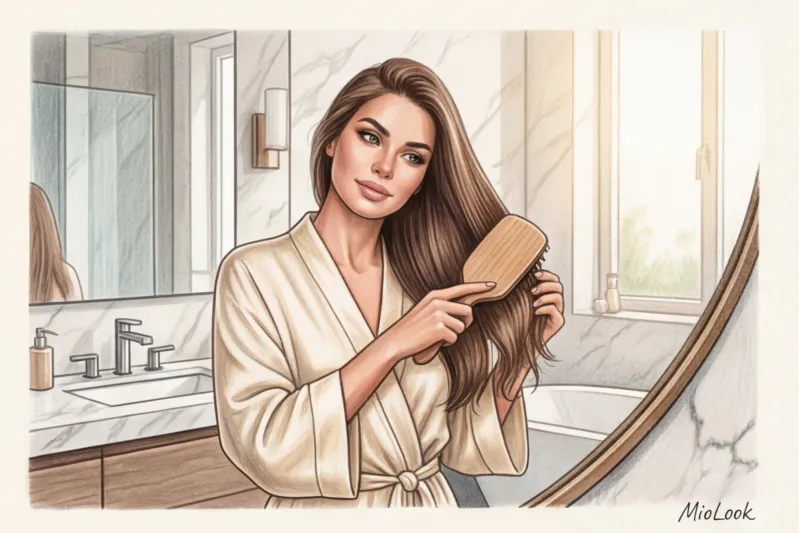
«Дарина, порадьте якийсь залізобетонний лак. Моє укладання взагалі не тримається, опадає за годину!» — це, мабуть, найчастіша скарга, яку я чую від клієнток на першій консультації. І щоразу мені доводиться відкривати їм неприємну правду: проблема криється зовсім не в слабкому стайлінгу. Секрет криється на самому початку процесу. Саме правильний догляд за волоссям виступає тим міцним фундаментом, на якому тримається будь-який об'єм, завиток та текстура.
Давайте дивитись на речі очима художника. Волосся - це ваше полотно. Адже ви не станете писати картину маслом на вологій, м'ятій або брудній тканині, чекаючи на шедевр виставкового рівня? Так само працюють і стайлінгові засоби. Вони не здатні створити диво на пересушеної або, навпаки, перевантаженої себумом основі. Намагаючись «приклеїти» обсяг лаком на непідготовлені пасма, ви отримуєте лише жорсткий, склеєний шолом, який неминуче звалиться під власною вагою.
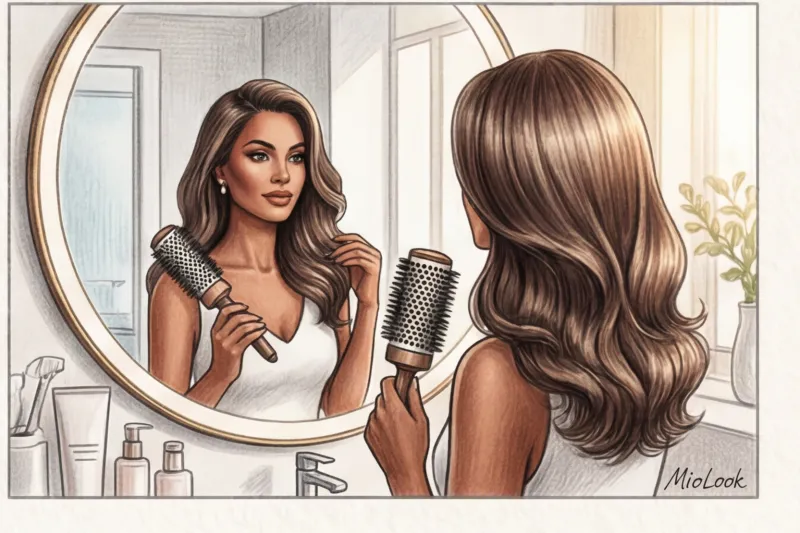
Ще одна неочевидна проблема – вага доглядових продуктів. Помічали, як після деяких бальзамів волосся здається неймовірно м'яким у душі, але після сушіння висять неживими бурульками? Часто це результат використання незбалансованих засобів (особливо в мас-маркет сегменті до 5-10 €), які буквально забивають волосся важкими плівкоутворювачами. Ці склади створюють ілюзію зволоження, але насправді фізично тягнуть пасма донизу. У результаті навіть найвіртуозніша робота брашингом розпадеться через 60 хвилин просто за законами гравітації.
Другий критичний момент підготовки – це блиск. Здорове світловідбиття неможливо підробити фінішними спреями чи оліями, якщо порушена структура кутикули. Уявіть собі стовбур пальми: якщо лусочки кутикули стовбурчаться на всі боки через агресивне миття, світло розсіюється, і волосся виглядає тьмяним. Грамотна рутина згладжує ці лусочки, перетворюючи поверхню волосся на гладке дзеркало. Саме так створюється розкішний ефект глянцю, про який ми докладно говорили в нашому гіді про укладання в стилі «олд мані».
Головне правило моєї стилістичної практики: стійке і дороге укладання народжується не перед дзеркалом з плойкою в руках, а у ванній кімнаті - на етапі очищення та кондиціювання.
Мета цієї статті – не змусити вас скуповувати десятки нових баночок. Моє завдання — допомогти вам побудувати таку науково обґрунтовану рутину миття, при якій волосся буквально «укладає саме себе». Ідеально підготовлена база потребує абсолютного мінімуму стайлінгу. І якщо ви носите розумні стрижки, що не вимагають укладання правильне очищення - це 90% вашого щоденного успіху.
Порада з практики: щоб не заплутатися у своїх засобах і відстежити, які комбінації шампунів та термозахисту дають найкращий результат саме на вашій текстурі, спробуйте додати свій догляд у програму MioLook. Це чудовий спосіб аналізувати, які продукти дійсно працюють на ваш стиль, а від яких баночок настав час відмовитися.
Трихологія для стилю: визначаємо тип свого «полотна»
Зайдіть в будь-який косметичний магазин, і ви побачите рівні ряди флаконів з маркуванням: «для сухого», «для жирного» та «для нормального» волосся. Я пропоную вам забути цю класифікацію прямо зараз. З погляду сучасної трихології, це не просто застарілий маркетинговий підхід із дев'яностих, а головна причина, чому ваші старанні ранкові брашинги опадають вже до обіду.
Щоб збудувати правильний догляд за волоссям , який стане надійним фундаментом для укладання, потрібно розділити два абсолютно різні поняття: шкіру голови і саме полотно волосся. Волосся за своєю природою - це мертва структура з кератину, він фізіологічно не вміє виділяти себум (шкірне сало). Жирність – це характеристика виключно шкіри голови. А ось сухість, ламкість та втрата вологи – це проблема довжини.
Навіть якщо ваш шампунь із преміального сегменту і коштує 60–80 €, але ви купили його за принципом «у мене сухі кінчики», ви припустилися стратегічної помилки. Поживні компоненти такого шампуню осядуть на шкірі голови, обважнять коріння, і жоден спрей, що текстурує, не зможе підняти цей «прилизаний» обсяг.
Пористість волосся: головний секрет стійкості об'єму та локонів
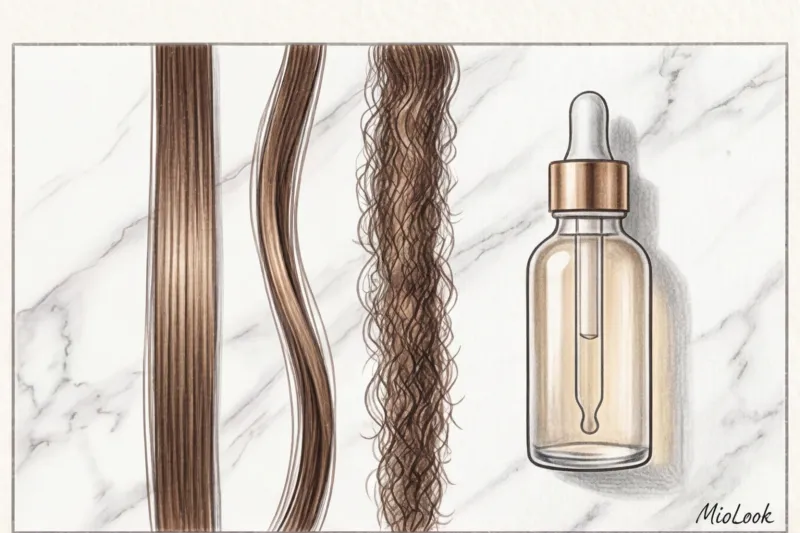
Замість абстрактної "сухості" професійні стилісти оцінюють пористість - тобто стан кутикулярного шару (зовнішніх лусочок волосся). Уявіть собі соснову шишку: вона може бути щільно закритою або розкритою. Так само поводиться і наша кутикула.
- Низькопористе (склоподібне) волосся: Лусочки щільно прилягають одна до одної. Таке волосся часто від природи пряме, блискуче, вода з них буквально скочується. Чому вони не тримають завиток? Через щільну структуру їм складно змінити форму водневих зв'язків при нагріванні. Головна помилка у догляді за ними - використання важких олій (ши, кокос) та щільних кремів. Засіб просто не може проникнути всередину, залишається на поверхні та безжально тягне укладання вниз. Їм потрібні максимально легкі текстури: спреї на водній основі, легкі сироватки з гіалуроновою кислотою.
- Високопористе волосся: Кутикула розкрита (через освітлення, гарячі укладки або від природи, як у кучерявих). Вони вбирають вологу як губка, але так само швидко її віддають. Їхня головна проблема — фризз (розпушування). При найменшій вологості на вулиці лусочки чіпляють молекули води з повітря, і ваше гладке укладання перетворюється на «кульбабу». Цьому типу життєво необхідні ліпіди (кераміди, жирні спирти) у складі масок, щоб «зацементувати» дірки в кутикулі та замкнути вологу всередині.
- Середня пористість: Золота середина. Лусочки відкриті рівно настільки, щоб приймати догляд, але не втрачати вологу безконтрольно. Укладання на такому волоссі тримається найкраще.
Пористість - це не діагноз, а технічна характеристика вашого "полотна". Як тільки ви перестанете заливати низькопористе волосся важкими маслами, намагаючись його «насичити», ваші локони перестануть розпрямлятися через дві години після плойки.
Доступ до MioLook за €0,99 — разовий платіж
Розумний AI-стиліст підбере ідеальний образ
Відкрити доступ — €0,99 разовоШкіра голови vs Довжина: як не переплутати потреби
У моїй практиці кожна друга клієнтка, яка скаржиться на відсутність прикореневого обсягу, робить одну й ту саму помилку. У неї освітлені кінці та схильна до жирності шкіра голови. Що вона робить? Купує шампунь, що відновлює, для пошкодженого волосся. В результаті в зоні коренів утворюється надлишок добавок кондиціонування (часто силіконів або полімерних смол), які фізично не дають волосі піднятися.
Запам'ятайте золоте правило стиліста, що ґрунтується на принципах трихології: шампунь ми завжди підбираємо виключно за типом та потребами шкіри голови, а кондиціонер та маску – за станом довжини (пористості).
Шампунь – це насамперед продукт для демакіяжу вашої шкіри. Якщо шкіра голови схильна до жирності (ви миєте голову щодня), вам потрібен базовий себорегулюючий або шампунь, що добре очищає — наприклад, з саліциловою кислотою (BHA) або цинком у складі. Він створить ідеальну чистоту та легкість біля коріння. А ось нестачу ліпідів на пошкоджених кінчиках ми компенсуватимемо вже на етапі нанесення щільної живильної маски, суворо відступаючи 10-15 сантиметрів від коріння.
Такий гібридний підхід дозволяє отримати краще від двох світів: об'ємний корінь, що летить, який легко піддається брашингу, і щільні, важкі кінці, які виглядають дорого і доглянуто.
Покроковий правильний догляд за волоссям: архітектура миття
Дослідження, опубліковане в Journal of Cosmetic Science в 2022 році, наочно довело цікавий факт: стійкість вашого ранкового укладання на 80% залежить від гідрофобності поверхні волосся, яка формується саме в душовій кабіні. Як людина з художньою освітою, я завжди порівнюю цей процес із підготовкою полотна. Ви можете купити найдорожчі масляні фарби (у нашому випадку – преміальний стайлінг та інструменти), але якщо полотно не загрунтоване, фарба провалиться, потьмяніє або піде тріщинами. Правильний догляд за волоссям починається з усвідомлення того, що миття - це не просто гігієнічна рутина, а процес архітектурного будівництва фундаменту майбутньої зачіски.
За роки роботи з різними типами зовнішності я вивела жорсткий протокол. Якщо мені потрібно підготувати клієнта до складної зйомки, де зачіска має пережити софіти, вітер і перевдягання, я ніколи не покладаюсь тільки на лак сильної фіксації.
Мій особистий чек-лист підготовки волосся до важливих заходів:
1. Експозиція водою: рясне змочування полотна не менше 2 хвилин під теплою водою, щоб кутикула рівномірно набрякла.
2. Буферизація кінців: нанесення ліпідного шару до шампуню (пре-вошинг).
3. Таргетоване очищення: строго подвійне миття шкіри голови без агресивного тертя довжини.
4. Глибока реконструкція: емульгація маски в кортексі на віджатий рушником волосся.
5. Фіналізація: закриття лусочок кислим бальзамом для ефекту салонного скла.
Давайте розберемо кожен етап цієї архітектури докладно, щоб ви могли повторити цей салонний результат у себе вдома.
Пре-вошинг (Pre-poo): кому він потрібний для збереження щільності
Термін пре-вошинг (від англ. pre-shampoo ) часто викликає здивування. Навіщо наносити догляд до того, як ми змили бруд? Цей метод — справжній порятунок для власниць тонкого, пористого волосся, яке хоче отримати прикореневе об'єм, але при цьому страждає від сухих кінчиків, що січуться.
Механіка процесу проста, але геніальна. Коли ви наносите базовий кондиціонер або проникне масло (наприклад, кокосове або арганова фракціонована) на нижню третину довжини до того, як стати під душ, ви створюєте захисний буфер. Поверхнево-активні речовини (ПАВи) у шампуні неминуче стікають по довжині при змиванні. Якщо кінчики нічим не захищені, ПАВи вимивають із них залишки цінних ліпідів. Волосся стоншується, починає пушитися, і контур вашої стрижки втрачає щільність.
Коли я працювала стилістом на зйомках лукбука для бренду мінімалістичного одягу, нам потрібне було струменеве, але щільне волосся моделей без грама видимого стайлінгу. Використання важких поживних масок вбило б об'єм біля коріння. Рішенням став саме пре-вошинг: ми густо наносили базовий бальзам на кінці перед миттям легким шампунем для об'єму. В результаті ПАР м'яко очищали шкіру, а кінці залишалися зволоженими, пружними і не вимагали обтяжуючих кремів, що не змиваються. Якщо ваше укладання часто виглядає «рідким» на кінцях, спробуйте впровадити цей крок за 15 хвилин до миття.
Техніка подвійного очищення: чому шампунь наносимо двічі
Якщо ви миєте голову один раз, ви її не миєте - ви просто розмазує себум по довжині. Подвійне очищення - це не маркетинговий прийом брендів, щоб змусити вас купувати шампунь частіше, а фізіологічна необхідність.
Перша порція шампуню працює як демакіяж. Її завдання — зруйнувати полімерні плівки від термозахисту, розчинити залишки сухого шампуню, міський пил і шкірний жир, що окислився. На цьому етапі шампунь практично не дає піни, тому що всі молекули ПАР зайняті зв'язуванням бруду. Друга порція - це вже терапевтичне очищення епідермісу і усть фолікулів.
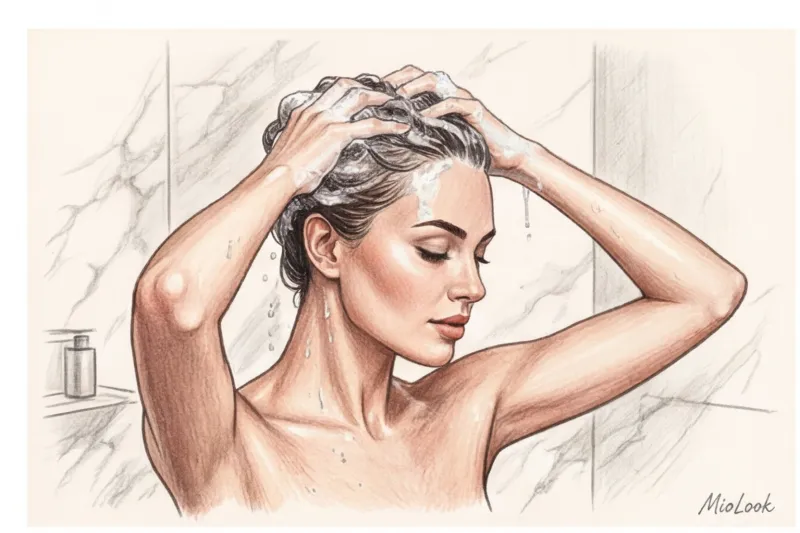
Тут критично важливо дотримуватися дозування. Забудьте про заливання верхівки засобом прямо з флакона. Працює правило «монетки»: видавіть краплю розміром з монету в 1 або 2 € (залежно від густоти волосся) на вологу долоню. Додайте трохи води і ретельно спініть засіб у руках до утворення емульсії. Тільки після цього переносіть піну на потилицю, віскі та крайову лінію росту волосся.
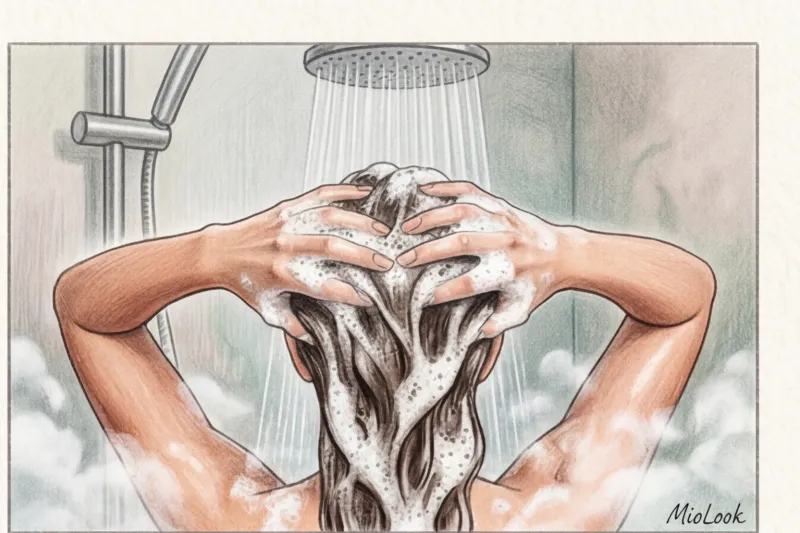
Особливу увагу приділіть механіці рухів. Очищає не піна, очищає механічне тертя подушечками пальців. Ви повинні зрушувати саму шкіру, стимулюючи капілярний кровообіг, а не терти волосся одне про одного. Саме цей глибокий масаж змушує м'яз, що піднімає волосся. musculus arrector pili ), приходити в тонус, забезпечуючи той самий природний повітряний прикореневий об'єм, який тримається цілодобово без начісу.
Бальзам та маска: запечатуємо кутикулу для дзеркального блиску.
У моїй практиці кожна третя дівчина використовує маску та бальзам неправильно, вважаючи їх за взаємозамінні продукти. Це є фундаментальна помилка. Маска та бальзам працюють на різних рівнях архітектури волосся.
Маска працює в кортексі (Внутрішньому шарі волосся). У її складі містяться дрібні молекули амінокислот, протеїнів і ліпідів, які здатні проникнути під відкриті теплою водою лусочки кутикули і заповнити порожнечі. Щоб маска спрацювала, їй потрібен час (від 5 до 15 хвилин) і відсутність водного бар'єру – тому наносити її слід тільки на дбайливо віджате рушником волосся.
Бальзам (або кондиціонер) працює виключно на кутикулі (Зовнішньому шарі). Його головне завдання – вирівняти pH-баланс. Водопровідна вода і шампунь мають лужне або нейтральне середовище, яке змушує лусочки волосся стовбурчитися. У якісного бальзаму pH кислий (зазвичай у діапазоні 3.5-4.5). Потрапляючи на волосся, це кисле середовище змушує лусочки щільно захлопнутися, як жалюзі. Саме гладка, закрита кутикула ідеально відбиває світло, створюючи ефект дзеркального блиску. Використовувати маску, не закривши її потім бальзамом – це як зробити дорогий ремонт у будинку та залишити вхідні двері навстіж: всі корисні компоненти просто вимиються при першому ж розчісуванні.
Щоб кошти розподілилися бездоганно, стилісти використовують техніку "squish to condish" (жамкання). Нанісши бальзам на довжину, додайте в долоні трохи води і починайте інтенсивно, пульсуючими рухами стискати пасма знизу вгору. Ви повинні почути характерний хлюпаючий звук. Це означає, що ви буквально пресуєте воду та зволожуючі компоненти під кутикулу, одночасно розплутуючи вузли.
Щоб не заплутатися в комбінаціях засобів і відстежити, який саме дует шампуню та маски дає вам найслухнянішу базу для брашингу, я рекомендую оцифрувати свою ванну полицю. Додавши свої доглядові продукти в MioLook Ви зможете аналізувати, як конкретні склади впливають на якість ваших щоденних образів.
Міфи про звільнення, які руйнують ваші офісні укладання
А ви помічали цікавий феномен? За даними звіту аналітичного агентства Mintel за 2023 рік, більше 60% жінок, які повністю перейшли на так званий «чистий» і безсиліконовий догляд, зіткнулися з пухнастістю та повною відсутністю стійкості укладання. Як колорист і стиліст, я щодня бачу наслідки сліпого прямування інтернет-трендам. Ми витрачаємо годинник на ранкові збори, а на обід в офісі отримуємо неохайний вигляд просто тому, що базові етапи підготовки побудовані на застарілих помилках. Давайте розберемо головні помилки, через які ваша зачіска опадає ще дорогою на роботу.
Міф 1: Миття волосся до скрипу – це ознака чистоти
Відчуття «скрипу» під пальцями – це не показник якісно вимитої голови, а крик допомоги від вашої кутикули. Здорове волосся покрите найтоншим шаром натуральних ліпідів (в трихології це називається шаром 18-MEA), який працює як природний водовідштовхувальний бар'єр. Коли ви використовуєте занадто агресивні засоби для чищення по всій довжині, цей ліпідний бар'єр руйнується.
Що відбувається далі? Оголене, пористе волосся починає жадібно вбирати вологу з повітря. Саме тому правильний догляд за волоссям категорично виключає миття довжини до скрипу. Ваша мета - м'яко очистити шкіру голови, зберігши слизьку, зволожену текстуру волосяного полотна.
Міф 2: Силікони – це абсолютне зло
Демонізація силіконів - мабуть, найбільша рекламна несправедливість в бьюті-індустрії. Якщо ви хочете отримати ідеальний, глянсовий брашинг, який протримається весь день і не пушитиметься від вологості, без сучасних силіконів не обійтися. Секрет у хімії інгредієнтів.
Багато хто боїться ефекту «накопичення» та обтяження, але професійні засоби (особливо в сегменті від 30 до 70 €) давно використовують леткі силікони , такі як циклопентасилоксан ( Cyclopentasiloxane ). Їхня механіка геніальна: ви наносите засіб, воно створює найтоншу термозахисну плівку, забезпечуючи ідеальне ковзання щітки. А потім під впливом тепла фена цей силікон просто випаровується! В результаті ви отримуєте дзеркальний блиск, захист від перегріву і абсолютно легке, розсипчасте волосся. Відмова від таких високотехнологічних помічників заради "натуральності" - прямий шлях до механічного пошкодження кутикули при розчісуванні.
Доступ до MioLook за €0,99 — разовий платіж
Почніть створювати ідеальні образи за допомогою штучного інтелекту
Відкрити доступ — €0,99 разовоМіф 3: Сушіння в тюрбані з махрового рушника
Зізнайтеся, як часто ви виходите з душу і закручуєте на голові важку конструкцію з пухнастого махрового рушника на 15-20 хвилин? Це подвійний удар по вашому майбутньому укладання.
По-перше, мокре волосся здатне розтягуватися до 30% від своєї довжини. Тяжкий рушник тягне коріння вниз, намертво вбиваючи будь-який потенційний прикореневий об'єм. По-друге, жорсткі махрові петлі чіпляються за прочинені лусочки кутикули, провокуючи ламкість. По-третє, створюється парниковий ефект: шкіра голови пріє, що може спровокувати надмірне виділення себуму.
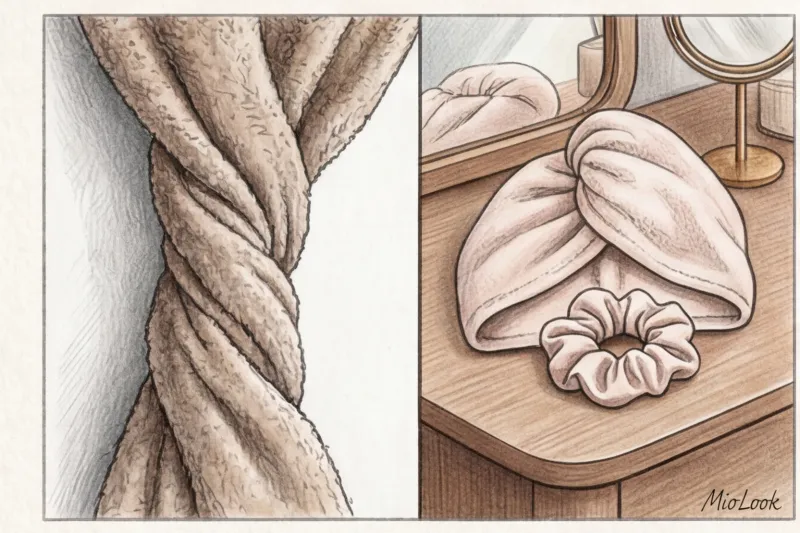
Практична порада: Замініть важку махру на легкий тюрбан із мікрофібри або гладкого шовку. Акуратно промокніть довжину (не тріть!) і зніміть рушник максимум через 3-5 хвилин. Це збереже вологу всередині волосся і не дасть коріння «впасти».
Міф 4: Щоденне миття шкідливо і «привчає» волосся швидше бруднитися
Ідея про те, що волосся можна «перевчити» або «натренувати» рідше бруднитися, якщо мити його раз на тиждень — антинаукова. Активність сальних залоз регулюється вашим гормональним тлом, генетикою та температурою навколишнього середовища, а не розкладом водних процедур.
Провідні трихологи світу (включаючи фахівців авторитетної клініки Philip Kingsley) наполягають: чиста шкіра голови – запорука здоров'я цибулин та свіжості образу. Якщо ви не змиєте щодня себум, залишки стайлінгу та міський пил, цей коктейль починає окислюватися. Фолікули закупорюються, порушується мікробіом, волосся біля коріння злипається і виглядає плоско. Якщо ваша шкіра голови вимагає очищення щодня - мийте її щодня, просто використовуйте для цього м'які базові шампуні, які підходять для частого застосування.
Термозахист та незмивний догляд: невидимий корсет для волосся
Я часто проводжу один наочний експеримент на майстер-класах: капаю звичайну воду на розпечені до 200 ° C щипці, і вона миттєво випаровується з агресивним шипінням. А тепер уявіть, що цей процес відбувається глибоко в структурі вашого волосся, коли ви проходите по вологому пасму праскою або потужним феном. Волога всередині кортексу буквально закипає, утворюючи мікропухирці (у трихології це називається синдромом «bubble hair»), які назавжди розривають волосся зсередини. Саме тому сушіння та гаряче укладання без бар'єрних засобів – це справжній злочин проти стилю.
Повноцінний правильний догляд за волоссям не закінчується в той момент, коли ви вимикаєте воду в душі. На етапі сушіння ми повинні створити "невидимий корсет" - найтоншу полімерну плівку, яка візьме термічний удар на себе. Звернемося до фізики: денатурація (необоротна руйнація) білка кератину починається за температури вище 180°C. Без захисного шару альфа-кератин, з якого на 80% складається наше волосся, плавиться. Волосся втрачає еластичність, стає жорстким, і ніяка, навіть віртуозна стрижка, більше не триматиме задуману форму.
Механізм роботи якісного термозахисту базується на двох принципах: грамотному розподілі тепла (полімери змушують інструмент ковзати, розсіюючи жар по всій поверхні плівки, уникаючи точкового перегріву) та жорсткого блокування вологи всередині кутикули.
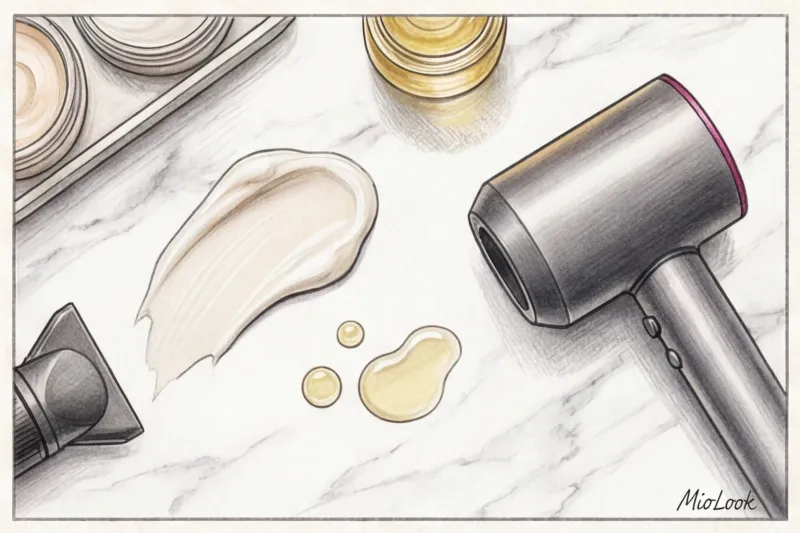
Щоб цей термокорсет спрацював, текстуру засобу потрібно підбирати строго під густину вашого «полотна». Сучасні виробники пропонують три основні формати (і зауважу, що навіть базові аптечні або професійні варіанти в діапазоні 15–30 € чудово справляються зі своїм завданням):
- Спреї (на водній базі): Ідеальний і безальтернативний вибір для тонкого, позбавленого об'єму волосся. Вони розплутують, злегка зволожують та захищають, абсолютно не обтяжуючи пасма.
- Креми та лосьйони: Тяжка артилерія для щільного, жорсткого, пористого або знебарвленого волосся. Крем заповнює порожнечі у пошкодженій кутикулі, створюючи щільність та ідеальну базу для гладкого брашингу.
- Олії та сироватки: Працюють виключно на візуальний ефект - дають дзеркальний блиск кінчикам і запечатують ділянки, що січуться. Важливо: чиста натуральна олія без силіконів не є термозахистом! Наносити його перед гарячим укладанням - все одно що лити масло на розпечену сковороду: ви просто «підсмажите» своє волосся.
Як нашаровувати засоби (Леєринг) без ефекту брудного волосся
Термін "леєринг" (пошарове нанесення) прийшов до нас з азіатського догляду за обличчям, але в стайлінгу він працює не менш ефективно. Головний страх жінок, з яким я регулярно стикаюся, — перевантажити волосся так, щоб надвечір воно повисло неохайними «бурульками». Щоб уникнути цього ефекту, ми завжди дотримуємося залізобетонного правила фізики та косметичної хімії: рухаємося від найлегших, водянистих текстур до щільних та ліпідних.
Схема нанесення для створення ідеального салонного брашингу будинку виглядає так:
- Крок перший (Спрей-праймер): На вологе, акуратно віджате рушником волосся рясно наносимо зволожуючий спрей для легкого розчісування. Прочісуємо пасма спеціальною щіткою, рівномірно розподіляючи вологу.
- Крок другий (Крем-термозахист): Беремо горошину крему (обсяг залежить від густини, але зазвичай вистачає порції з рублеву монету). Ретельно розтираємо засіб у долонях до стану прозорої плівки і переносимо на довжину рухами, що прогладжують.
- Крок третій (Олія-фініш): Після того як волосся повністю висушене і укладене, розігріваємо в руках буквально одну краплю легкої олії і наносимо виключно на кінчики (нижні 3-5 см) для запечатування і фінального глянцю.
Критично важливий нюанс криється в зонах нанесення. Жоден незмивний продукт (крім спеціалізованих тоніків) не повинен торкатися коріння. Наша шкіра голови сама виробляє достатньо себуму для природного захисту цієї зони. Якщо ви додасте туди крем або масло, прикореневий об'єм зникне миттєво, обтяживши всю конструкцію зачіски. Щоб не заплутатися у своїх баночках, я рекомендую використати сучасні інструменти. Наприклад, у додатку MioLook зручно фіксувати свої вдалі комбінації леєрінгу в розділі нотаток до образів — так ви точно знатимете, яка схема нашарування дала те саме бездоганне укладання, яке протрималося з ранку до пізнього вечора.
SOS-протокол: правильний догляд за волоссям перед важливим виступом
За лаштунками Тиждень моди або на бекстейджі великих комерційних зйомок панує одне контрінтуїтивне правило: надто здорове та насичене волосся — ворог будь-якої складної зачіски. Якщо вам належить виступ на сцені, де працюють потужні софіти, або багатогодинна профільна конференція, волосся доведеться витримати не тільки ваш стрес, але й перепади температур.
Коли до мене звертаються клієнтки з проханням зібрати їх на знаковий захід, їхній перший порив — записатися напередодні на «ботокс», «щастя для волосся» чи хоча б нанести найдорожчу маску, що відновлює. І це велика помилка. Чому не можна робити нові глибокі салонні догляди напередодні важливого дня? Процедури інтенсивного відновлення максимально заповнюють порожнечі в кортексі ліпідами і запечатують кутикулу так щільно, що пасма стає важким і гладким, як полірований шовк. У такому стані вони мають нульову здатність утримувати задану форму. Ризик переобтяження гарантує: навіть майстерно накручені локони обвиснуть під власною вагою рівно через 40 хвилин, незалежно від кількості та ступеня фіксації використаного лаку.
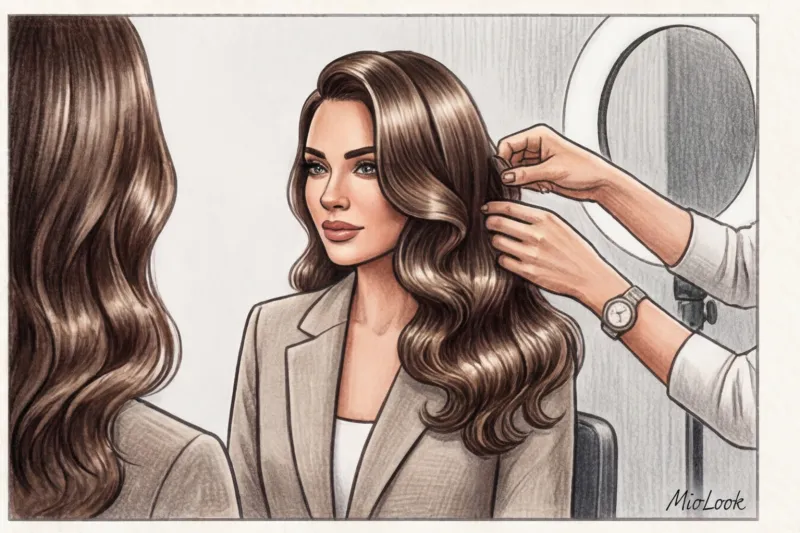
Як інсайдерська порада з мого багаторічного досвіду підготовки до фотосесій скажу головне: для створення залізобетонно стійких локонів волосся має бути ідеально чистим, але в жодному разі не «занадто слизьким». Саме тому всі поживні маски, ампульні філери і масляні засоби, що не змиваються, напередодні суворо скасовуються. У цей день правильний догляд за волоссям має нагадувати підготовку знежиреного полотна.
Як підготувати волосся для стійкого укладання перед фотосесією чи конференцією? Використовуйте прозорий базовий шампунь (в ідеалі - без силіконів) і найлегший зволожуючий кондиціонер, нанесений буквально на одну хвилину виключно на нижню третину довжини. Ваша мета – легка, повітряна і навіть трохи порожня структура волосся, яка слухняно прийме стайлінг та зафіксує вигин гарячого інструменту.
Секрет стійкості на червоних доріжках полягає у створенні штучного тертя - професіонали називають це словом "грип" (від англ. grip - Захоплення, зчіпка). Щоб шпильки намертво фіксувалися всередині пучка, а прикореневий об'єм не опадав від вологості, ми практикуємо використання текстуруючих спреїв та сухих шампунів на абсолютно чисте волосся.
Так, це не друкарська помилка: сухий шампунь наноситься не на третій день для маскування себуму, а в перші ж години після миття прямо на чисту, висушену прикореневу зону. Мікрочастинки рисового крохмалю або мінеральної пудри абсорбують найменшу вологу від софітів і створюють невидимий каркас, роблячи волосся більш щільним і шорстким на мікрорівні. Для таких цілей рекомендую мати в арсеналі хороший сухий текстуризатор. Якісні робочі варіанти в сегменті аптечних та професійних брендів коштуватимуть вам приблизно 15–20 €, тоді як преміальні аналоги, що часто миготять у руках топ-стилістів, коштуватимуть близько 45–60 €. Інвестиція в такий продукт врятує будь-яке укладання, перетворивши м'які, неслухняні пасма в ідеальний матеріал для скульптурування.
Ваш ідеальний образ починається тут
Приєднуйтесь до тисяч користувачів, які щодня виглядають бездоганно з MioLook. Розумний алгоритм допоможе підібрати ідеальне вбрання під ваше нове укладання.
Відкрити доступ — €0,99 разовоЧек-лист: Інвентаризація вашої полиці у ванній
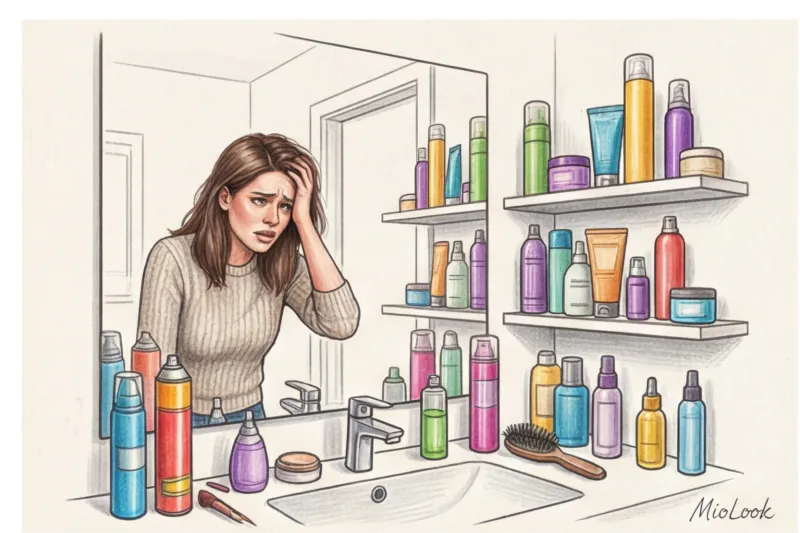
Зараз я попрошу вас провести жорсткий аудит вашої ванної кімнати. За статистикою Британського консорціуму роздрібної торгівлі за 2023 рік, жінки використовують лише 20% купленої косметики, а решта мертвим вантажем стоїть на борту ванни, створюючи візуальний шум та ілюзію повноцінної рутини. Правильний догляд за волоссям не вимагає п'ятнадцяти баночок — вам потрібна чітка науково обґрунтована система.
Давайте зберемо ваш робочий мінімум, який забезпечить ту саму щільну базу для стійкого укладання. Базовий набір - це ваш непорушний фундамент:
- Шампунь строго за типом шкіри голови: Жодних компромісів. Якщо коріння жирне до вечора, у вас повинен стояти себорегулюючий або якісний сульфатний шампунь (на основі SLES). Якщо шкіра суха та чутлива – вибирайте безсульфатний на м'яких коко-глюкозидах.
- Кондиціонер за типом довжини: Його головне технічне завдання - знизити pH після миття і закрити кутикулу. Для тонкого волосся шукайте легкі формули з амінокислотами, для знебарвлених - щільні текстури з керамідами.
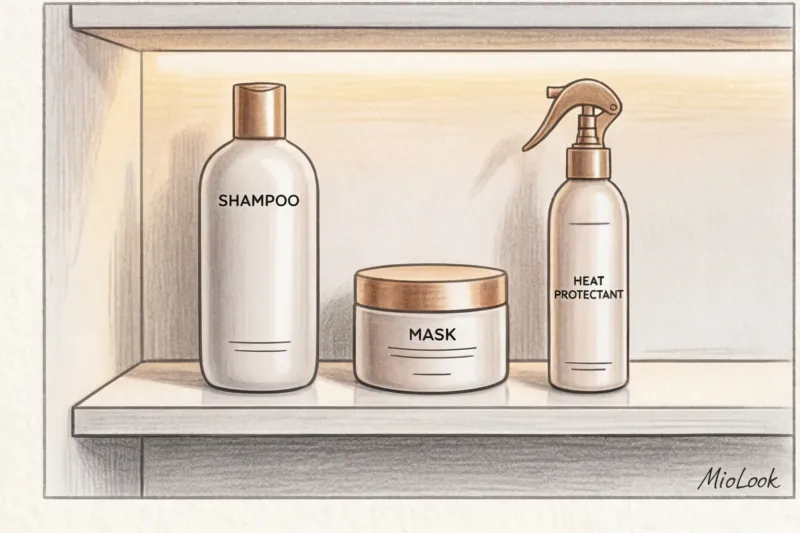
Далі перевіряємо категорію глибокого очищення та відновлення. Саме тут криється 80% проблем із обпадаючим обсягом:
- Маска для волосся (1 раз на тиждень): Якщо ви регулярно робите укладання на гарячий інструмент, маска має бути ліпідною або протеїновою. Але використовуйте її не частіше одного разу на 3-4 миття. Перенасичений, надто важкий кортекс просто фізично не зможе утримати завиток.
- Пілінг для шкіри голови: Незамінний етап. Використовуйте кислотні пілінги (з AHA/BHA кислотами) раз на 1-2 тижні, щоб розчинити залишки стайлінгу та себуму. Чисті фолікули - це ваш природний прикореневий об'єм без необхідності робити начіс, що травмує.
Третій блок - це незмивний догляд. У вашому арсеналі обов'язково має бути термозахист. Це не прийом маркетологів, а фізична перешкода між волокном волосся і пластинами стайлера, нагрітими до 200°C. Вибирайте кремові текстури для пористих пасм та легкі спреї для тонких. Робочий капсульний набір (шампунь, кондиціонер, термозахист) можна зібрати в діапазоні від 40 до 120 € - тут вирішує не вартість флакона, а грамотно підібрана формула.
Як зрозуміти, що ваші поточні кошти саботують укладання? Проведіть тест на сумісність ваших цілей та складів.
Головний закон сумісності в стайлінгу: догляд повинен давати гладкість, але залишати волоссю здатність до зчіпки (грифу). Якщо після миття волосся надмірно слизьке, важке і «розсипається» в руках — ви переборщили з важкими маслами та силіконами, і жоден лак не втримає на них локони.
Якщо ваша мета - об'ємний bouncy blowout (пишне укладання на брашинг), перевірте склад своїх коштів. Наявність важких компонентів (Shea Butter, Coconut Oil) на перших позиціях у складі кондиціонера миттєво вб'є об'єм тонкого волосся. Для таких цілей потрібні формули з гідролізованим кератином (Hydrolyzed Keratin) - вони дають волоссю ту саму структурну щільність.
Щоб не заплутатися у власній косметиці та відстежити, після якої комбінації засобів ваша зачіска трималася найдовше, я раджу оцифрувати свою полицю. Додайте фотографії своїх коштів у MioLook і створіть нотатки: "ця маска + цей спрей = ідеальний об'єм на два дні". Такий аналітичний підхід назавжди позбавить вас від ефекту брудного волосся після миття та заощадить бюджет на спонтанних покупках.
Висновок: Графік догляду для стабільного статусного результату
Дослідження в галузі когнітивної психології, зокрема відома робота Прінстонського університету про візуальне сприйняття (2021), підтверджують суворий факт: люди оцінюють статус та компетентність співрозмовника за перші 100 мілісекунд контакту. І в цьому миттєвому скануванні стан зачіски відіграє колосальну роль (так званий ефект ореолу). Коли я формую візуальну стратегію для керівників вищої ланки, я завжди наголошую: правильний догляд за волоссям — це не просто домашня бьюті-рутіна, це стратегічна інвестиція у ваш власний бренд.
Багато жінок роблять фатальну помилку: вони шукають «чарівну» салонну процедуру або купують преміальну маску за 150 €, очікуючи, що вона за одне застосування перетворить пересушені пасма в шовк, що струмує. Але правда трихології та косметичної хімії непохитна – догляд за волоссям – це марафон, а не спринт. Як і в роботі над якістю тіла, тут панує принцип накопичувального ефекту. Стабільний, передбачуваний результат дає лише щоденна дисципліна, а не хаотичні заходи SOS перед важливою нарадою.
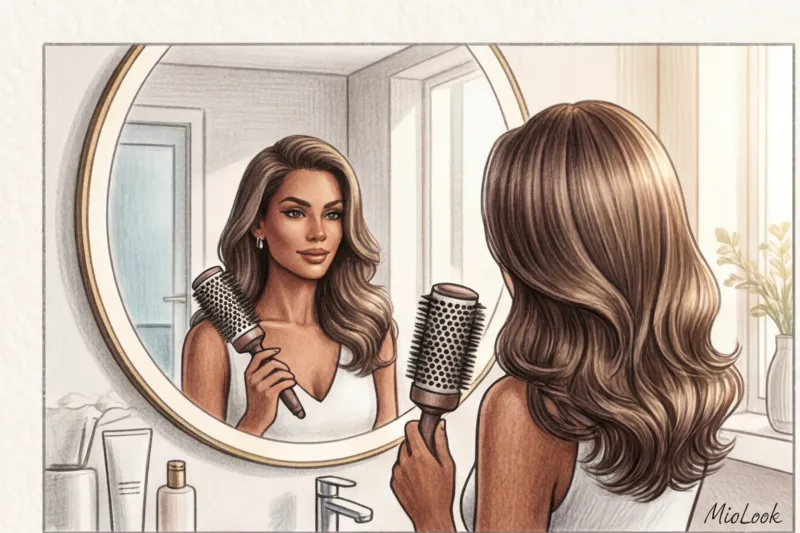
Погляньмо на це з погляду тайм-менеджменту. Як регулярність процедур впливає на швидкість щоденного ранкового укладання? Прямим чином. Якщо кутикула здорова, її лусочки щільно прилягають до стрижня. Таке волосся фізично не здатне вбирати надмірну вологу з повітря (прощавай, неконтрольований фриз у вологу погоду) і набагато швидше віддає воду при сушінні феном. Мої клієнтки, що вибудували грамотну схему миття і леєрингу, в один голос стверджують: час на ранкові збори скорочується з болісних 40 хвилин до комфортних 15. Здорове волосся буквально «укладає саме себе» - воно тримає форму брашингу просто за рахунок правильного балансу зволоження і протеїнів.
Щоб не пам'ятати всі етапи, я рекомендую вибудувати чіткий циклічний графік:
- База (кожне миття): подвійне очищення шампунем на кшталт шкіри голови + кондиціонер строго на довжину + термозахист.
- Скидання (1 раз на 7–10 днів): пілінг для шкіри голови або шампунь глибокого очищення (ШГО) + щільна маска ліпідна для компенсації.
- Аудит (1 раз на сезон): зміна щільності текстур догляду, що не змивається (наприклад, перехід від легких спреїв влітку до кремів взимку).
Для того, щоб інтегрувати цю систему в життя і не заплутатися, коли була остання маска, а коли пілінг, я раджу оцифрувати процес. Ви можете додати свій б'юті-розклад у MioLook , синхронізувавши графік догляду з плануванням гардеробу на тиждень.
Коротке резюме нашої архітектури стилю: здорова база (грамотне очищення) + надійний захист (термо- та незмивні засоби) = укладання, яке виглядає дорого.
Розкішний вигляд ніколи не створюється тоннами лаку сильної фіксації чи складними начісами. Справжній «тихий люкс» у тому, як світло відбивається від ідеально гладкої поверхні кутикули. Ваше практичне завдання на сьогоднішній день: не купуйте черговий стайлер або десяту банку текстуризатора. Зайдіть у ванну, проведіть жорсткий аудит базового очищення та зволоження за нашою схемою. Почніть з фундаменту, і ви побачите, як ваше волосся дасть відповідь вам взаємністю.
Глави гайда
Як вибрати гребінець для волосся: поради стиліста
Дешева пластикова гребінець травмує волосся сильніше, ніж гарячий стайлінг. Розбираємо фізику розчісування та вчимося підбирати ідеальний інструмент.
Догляд за волоссям взимку: рятуємо від сухості та статики
Волосся електризується після шапки і сохне через опалення? Розбираємо головні помилки зимового догляду та вчимося правильно зволожувати пасма у холоди.
Жирне волосся біля коріння: що робити? Поради стиліста
Втомилися від того, що волосся швидко брудниться, а укладання моментально втрачає об'єм? Розбираємо головні міфи про догляд за жирним корінням.
Догляд за фарбованим волоссям: секрети стиліста
Стійке укладання та «дорогий» колір неможливі без здорової структури волосся. Розповідаємо, як правильно відновити пошкоджені пасма та зберегти блонд.
Правильний догляд за тонким волоссям: секрети об'єму
Чому живильні маски перетворюють тонке волосся на «бурульки»? Розповідаємо, як правильно підібрати кошти, щоб досягти стійкого обсягу.
Догляд за пористим волоссям: як досягти гладкості
Пористе волосся - це не зіпсовані пасма, а текстура, що вимагає особливого підходу. Дізнайтеся, як перестати спалювати волосся праскою і досягти здорової гладкості.
Кучерявий метод миття волосся: перетворюємо пух на локони
Ваше волосся пушиться і не піддається укладання? Дізнайтеся, як правильна техніка миття допоможе перетворити безформний «пух» на гарні кучері.
Пілінг для шкіри голови: навіщо потрібний і як застосовувати
Секрет бездоганного укладання та стійкого прикореневого об'єму починається з глибокого очищення. Дізнайтеся, як домашній пілінг назавжди перетворить ваше волосся.
Як правильно наносити маску для волосся: гід стиліста
Укладання розпадається через півгодини, незважаючи на дорогий стайлінг? Дізнайтеся, як вибір і спосіб нанесення маски впливають на стійкість зачіски.
Незмивний догляд для волосся: секрет ідеального укладання
Шампунь та кондиціонер – це лише половина успіху. Дізнайтеся, як правильно підібраний незмивний догляд перетворить ваше волосся на ідеальне полотно для стійкого укладання.
Як правильно сушити волосся феном: поради стиліста
Природне сушіння волосся часто призводить до ламкості та втрати об'єму. Дізнайтеся, чому правильне укладання феном - запорука здорової та красивої шевелюри.
Термозахист для волосся: як користуватися правильно
Дорогий одяг не врятує образ, якщо ваше волосся пересушене. Дізнайтеся, як правильно використовувати термозахист, щоб зберегти здоров'я та блиск локонів.
Як вибрати шампунь за типом шкіри: поради стиліста
Фундамент розкішної зачіски закладається у душі. Розбираємо систему подвійного догляду: чому шампунь потрібно підбирати для голови, а бальзам — для довжини.
Як правильно мити голову: поради топ-стиліста
Відсутність об'єму і коріння, що швидко забруднюється, часто пов'язані з помилками в душі. Дізнайтеся про секрети правильного миття волосся від професійного стиліста.