I vividly remember the backstage of the Schiaparelli show in Paris a couple of seasons ago. Under the harsh spotlights, one of the models, her perfectly bleached ash-blond hair, looked deeply tired. Next to her, a girl with a warm, honey-toned complexion was practically glowing, even though both had slept no more than three hours. That moment convinced me once again: the beauty industry is selling us a dangerous myth. We're obsessed with fighting "yellowness," buying up gallons of purple shampoos and voluntarily adding five to seven years to our appearance.
We have already discussed the basic principles of working with pigment in more detail in our The complete guide to choosing your hair color: hair coloring secrets Today we'll look at the most complex and expensive category.
Every day thousands of women are looking for an answer to the question, How to choose a shade of blonde , expecting a universal recipe. But it doesn't exist. The perfect blonde color isn't a TikTok trend, but a strict math calculation that takes into account light reflection, the contrast of your appearance, and your wardrobe. Let's figure out why the old rules no longer work and how to find your signature color.
Anatomy of a Misconception: Why Old Tests Won't Help You Choose the Right Shade of Blonde
"Look at your wrist veins: blue ones indicate a cool skin tone, green ones a warm skin tone." I honestly don't understand why this unscientific advice still permeates glossy magazines. The color of your veins depends solely on the thickness of your skin and the subcutaneous fat layer, not the amount of melanin. By relying on this test, you risk choosing a hair temperature that will make your complexion look sallow.
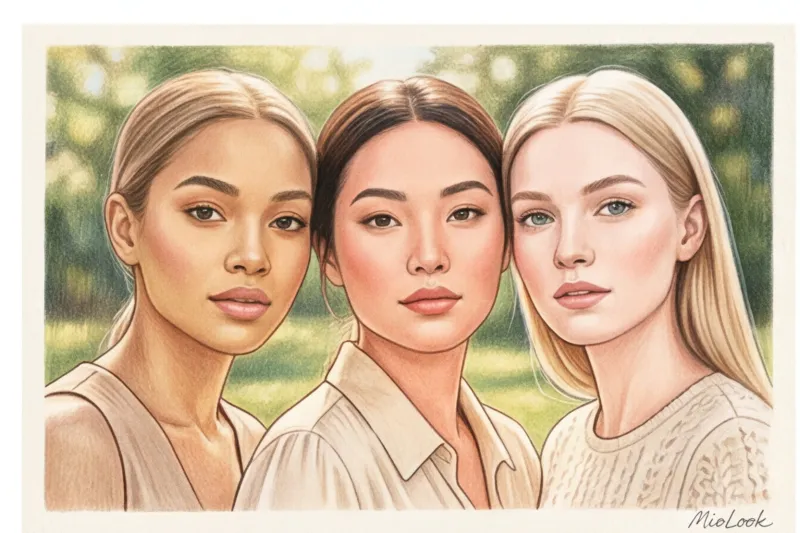
The second problem is the "four seasons" theory. This concept, dating back to the '80s, confines women to rigid boundaries. If you're a "Winter," you're supposedly not allowed to wear gold in your hair. In my experience as a stylist, this theory crumbles the moment it encounters reality. Most Slavic women have neutral or slightly warm skin tones. By forcing themselves to wear faux ash, they're at odds with their own physiology.
"Blonde isn't just the color of the dye in the stylist's bowl. It's the geometry of light around your face. The wrong undertone can sharpen your features and highlight what you've been trying to hide with concealer."
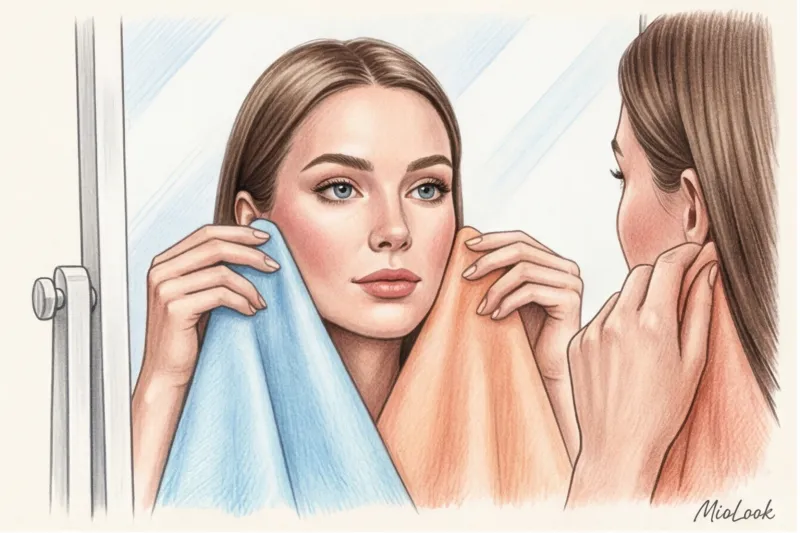
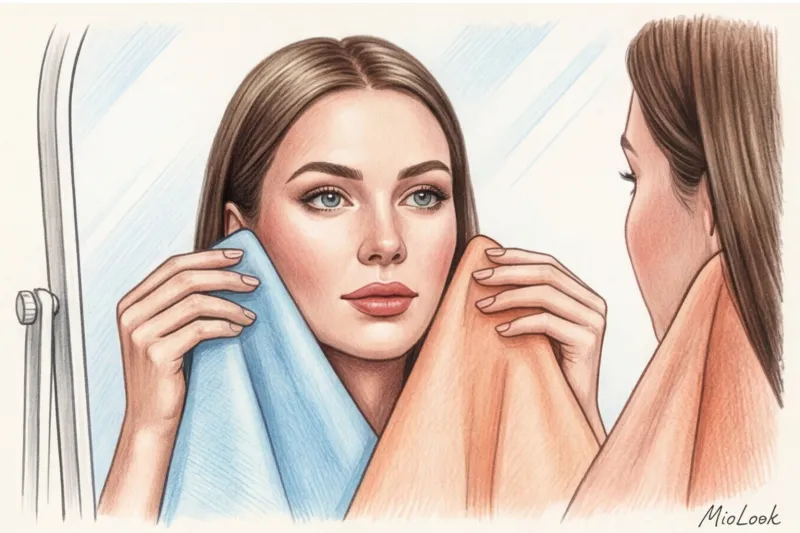
To understand your true skin temperature, try a simple test: place a crisp white cloth on your bare face, then place a creamy white cloth (ecru). Do this in natural daylight, not under office lamps. You'll immediately see which shade makes your eyes appear brighter and your nasolabial folds less noticeable.
The "Gray Mouse" Effect: How Cold Platinum Kills Brightness
Why are we so afraid of warm shades? It's a psychological trauma from the 2000s, when "yellow" was associated with cheap, hydrogen peroxide-burned hair. But there's a vast gulf between dirty yellow and noble gold.
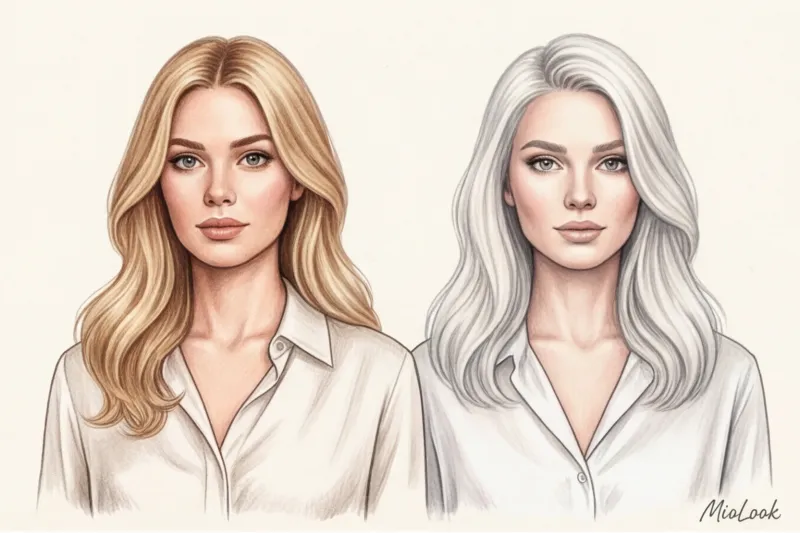
Let's look at the physics of color. Warm pigments (gold, copper, beige) are highly reflective. They act like a ring light, illuminating the face and creating a "glow" effect—radiant, healthy skin. Cool pigments (ash, matte), on the other hand, absorb light.
Here lies the main limitation: Cool platinum blonde doesn't work for 95% of women. It requires flawless, porcelain skin without a single blemish, rosacea, or dark circles under the eyes. If you have even the slightest trace of fatigue, the ash color will act as a magnifying glass.
The Mathematics of Color: 3 Real Criteria for Choosing the Right Shade of Blonde
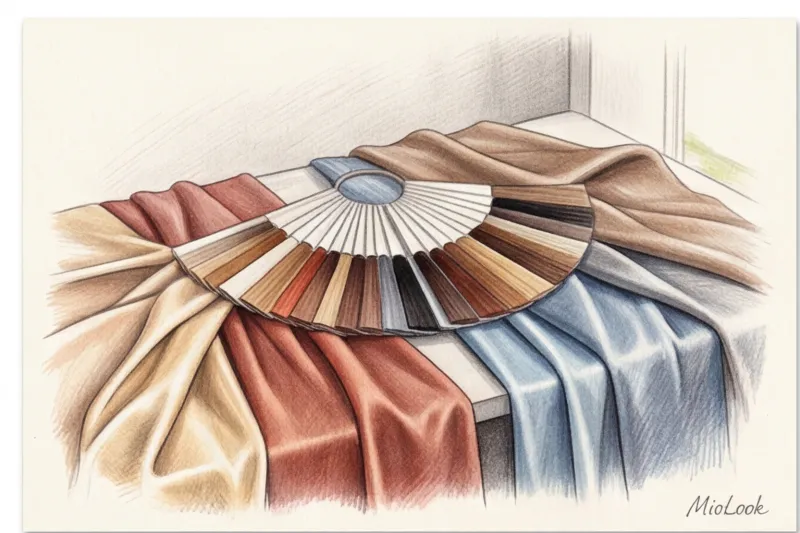
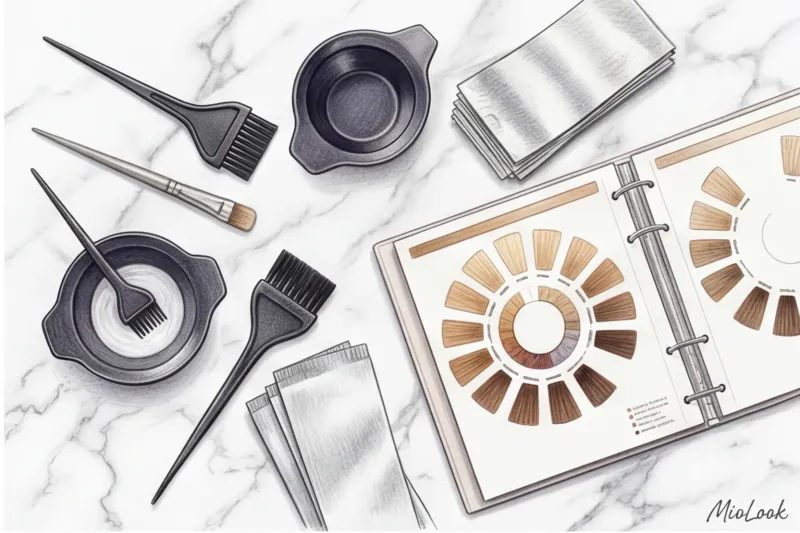
A professional colorist never chooses a color by eye. There are three basic parameters that determine the limits of your lightening capabilities.
- Tone depth level (TDL). The scale ranges from 1 (black) to 10 (lightest). Most people make the mistake of demanding a level 10 from their stylist. In reality, levels 8 or 9 (light brown and natural blonde) look significantly more expensive and maintain hair density.
- Natural contrast. Your face shouldn't be lost in the background of your hair. The degree of lightening is dictated by the color of your eyebrows and eyes. The golden rule: your roots or overall hair color shouldn't be more than 2-3 shades lighter than your eyebrows. Otherwise, your face will look "flat."
- Texture and porosity. Naturally curly or porous hair is physically unable to hold a clear, cool blonde color for more than two weeks. The pigment simply falls into the voids of the hair. For this type of hair structure, warm, dense shades are not just an aesthetic choice, but a technical necessity.
Your perfect look starts here
Not sure if a new hair color will suit you? Upload your photos to MioLook and try out new looks with the help of artificial intelligence.
Get access — €0.99 onceTop 5 Status Blonde Shades: A Guide to Current Trends
Forget simple terms like "white" or "yellow." According to the Pantone Color Institute (2024), the focus has finally shifted toward complex, multifaceted tones. Here are 5 options preferred by clients of premium salons:
- Old Money Blonde (beige/neutral). An absolute favorite. It mimics the sun-bleached tones of the Côte d'Azur. It doesn't veer into either overt warmth or grayness.
- Buttercream (creamy). A soft, enveloping color with a delicate golden glow. It perfectly illuminates aging skin, erasing the look of fatigue.
- Mushroom Blonde. A choice for those who want to remain on the "dark side of light." This is a deep ash-blond color, but it must have a warm base to avoid a sallow look.
- Honey & Amber (honey). Maximum light reflection. This shade works amazingly with brown and green eyes, deepening their color.
- Linen Blonde (flaxen). A soft, elegant alternative to aggressive platinum. Perfect for those with translucent, fair skin with a subtle pink tint.
If you're unsure which of these options will suit your skin, I recommend checking out our material. 12 Color Types of Appearance: A Guide to Choosing a Palette.
The Synergy Rule: How a New Hair Color Will Make You Rethink Your Wardrobe
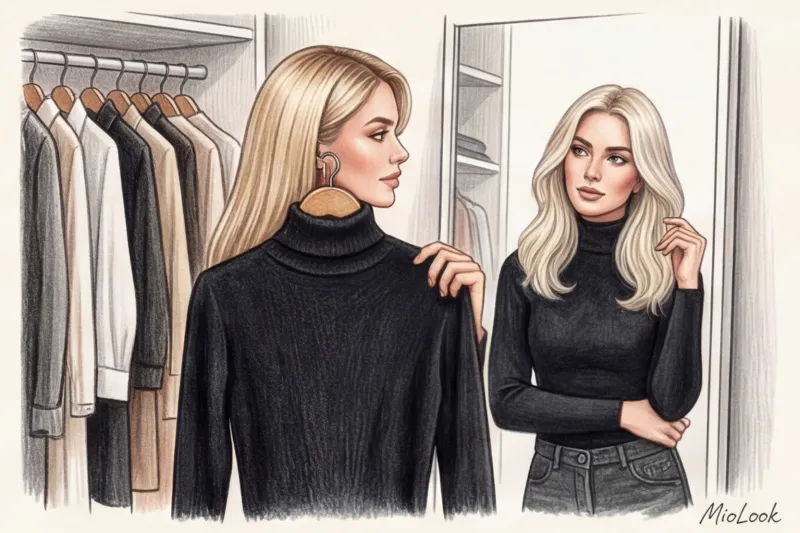
One of my clients, a top manager at an IT company, had long sported dark chestnut hair, and her business wardrobe consisted mainly of black turtlenecks and formal gray suits. After switching to a beige blonde, she suddenly noticed that her favorite black turtleneck was starting to make her look older. Why was this?
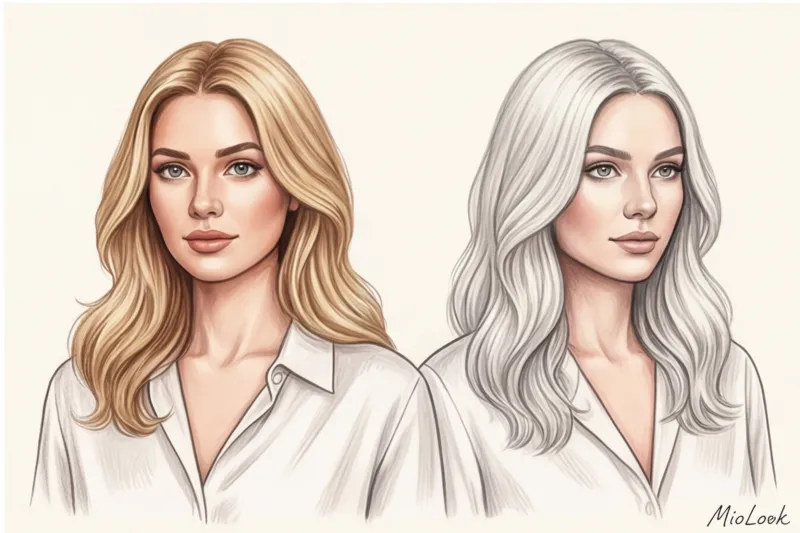
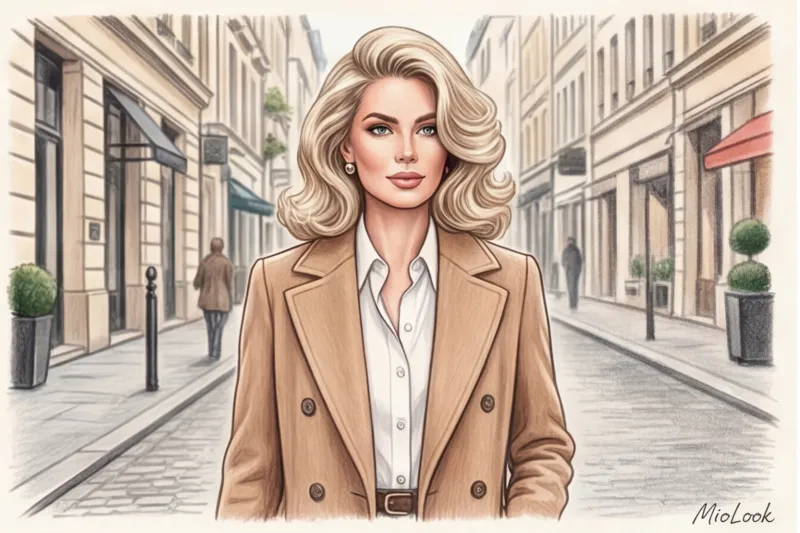
Changing your hair color alters the architecture of your portrait area. Black next to blonde creates extreme, sometimes harsh, contrast (the "hanging head" effect). To look expensive, it's best to replace black near the face with deep graphite, navy, or dark chocolate. This is a basic principle we discussed in detail in the article. How to Look Expensive: Secrets of a Status Wardrobe.
A particular danger is pairing blonde with pastel shades. Wearing a soft pink blazer with light hair risks looking childish and Barbie-like. If you have light hair, ground it with sophisticated colors: emerald, terracotta, wine, or rich olive.
By the way, this is where it comes to the rescue Smart wardrobe in the MioLook app After dyeing, you can recombine your existing pieces and figure out which colors should be kept out of the portrait area, and which, on the contrary, have become your new trump cards.
The Economics of Blonde: What Colorists Are Hiding About Coloring Techniques
A 2024 study of the beauty services market by consulting firm McKinsey revealed a curious statistic: women with blonde hair spend 140% more on personal care than brunettes. Let's face it: blonde hair is a monthly subscription.
When choosing a technique, it's important to consider your annual budget rather than the cost of a single visit. Total blonde (complete bleaching from the roots down) is cheaper initially, but requires touch-ups every 3-4 weeks. Miss the deadline, and you'll end up with a yellow streak and broken hairs at the junction. Complex techniques (AirTouch, shatush, balayage) cost two to three times more per visit, but last for 6 to 10 months with light toning in between.
Another important consideration is the chemistry of the process. If a stylist promises you'll go from dark chestnut to pearly blonde in one day, run. The laws of chemistry can't be fooled. Aggressive bleaching with high oxides critically increases the hair's pH (to 10-11, compared to the norm of 4.5-5.5), breaking down disulfide bonds. The hair becomes hollow and begins to break off.
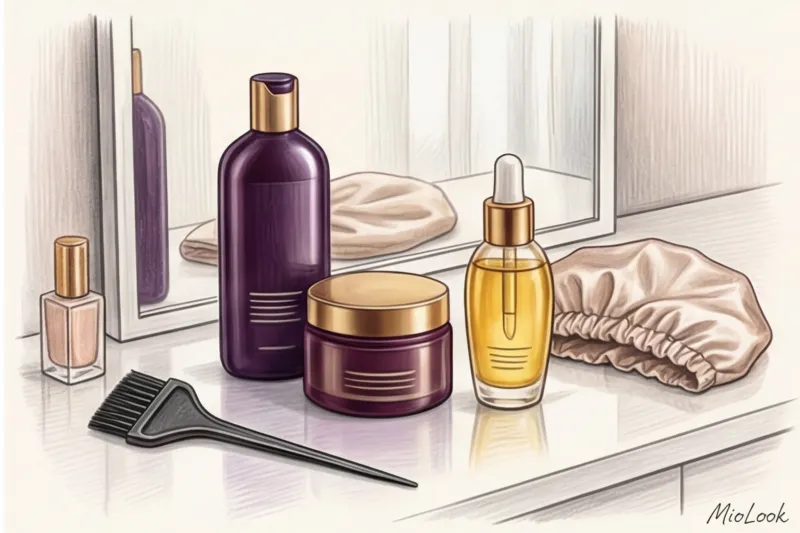
Don't forget to factor in hidden costs. From now on, your mass-market shampoo is going in the trash. You'll need shampoos with an acidic pH, lipid masks with ceramides to replenish color, and high-quality heat protection. Without them, even the most expensive color will wash out in just two washes.
Ready to rethink your style?
Changing your hair color is the perfect time to update your wardrobe. Organize your belongings with the help of an AI stylist.
Get access — €0.99 onceStylist Checklist: 5 Essential Steps Before Visiting the Salon
Before you sit down with your stylist and start discussing how to choose the right shade of blonde, go through this checklist. It will save you time and money.
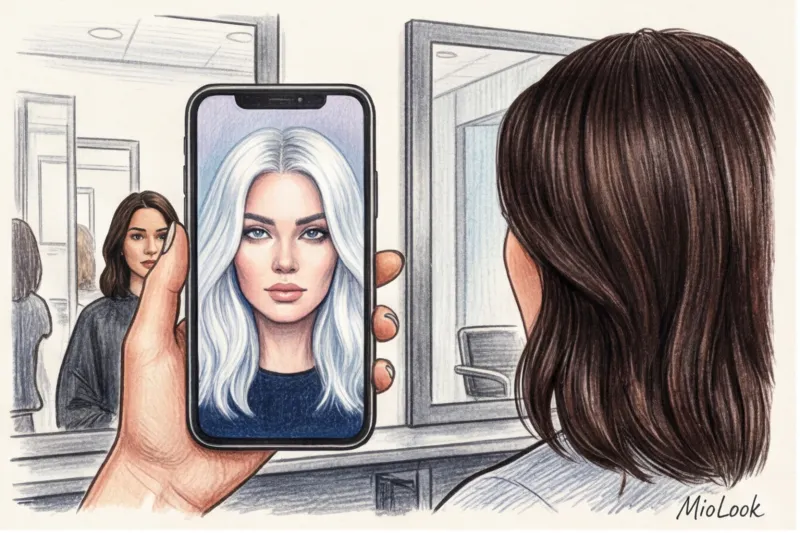
- Collect the right references. Don't bring photos of Kim Kardashian with studio lighting if you have fine, straight hair. Look for reference photos of women with your hair texture and natural lighting.
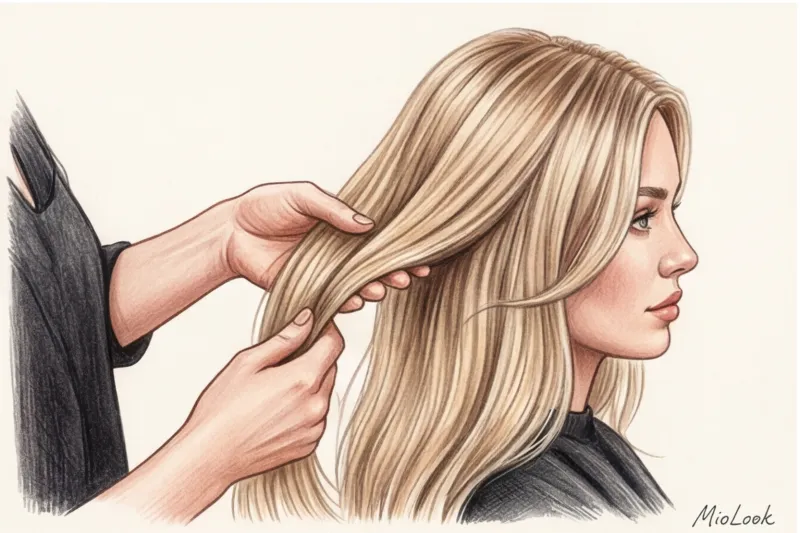
- Insist on a test strand. A self-respecting professional will never refuse this procedure. A strand test shows how your hair reacts to the powder and at what point it will begin to break.
- Review your home care routine BEFORE coloring. On day X, you should already have a restorative mask and leave-in treatment on your shelf.
- Prepare for a makeup change. Bleached hair reduces the contrast on your face. During the first few weeks, you'll need slightly more dramatic brow makeup and fresh blush. Read our instructions for how to achieve new proportions. Business Makeup: Rules, Instructions, and Common Mistakes.
Summary: Your Conscious Transition to the Light Side
Blonde hair isn't just a color on a palette. It's a powerful tool for enhancing your appearance, capable of both highlighting your natural beauty and mercilessly revealing even the slightest imperfections. The perfect blonde always requires a customized temperature, the right depth of tone, and meticulous attention to hair quality.
Don't be afraid of warm trends: beige, honey, and cream shades are now considered status symbols and a polished appearance. Trust a professional to talk you out of "cheap platinum" if it doesn't suit you, and be prepared for a new color to transform not only your reflection but also your closet.