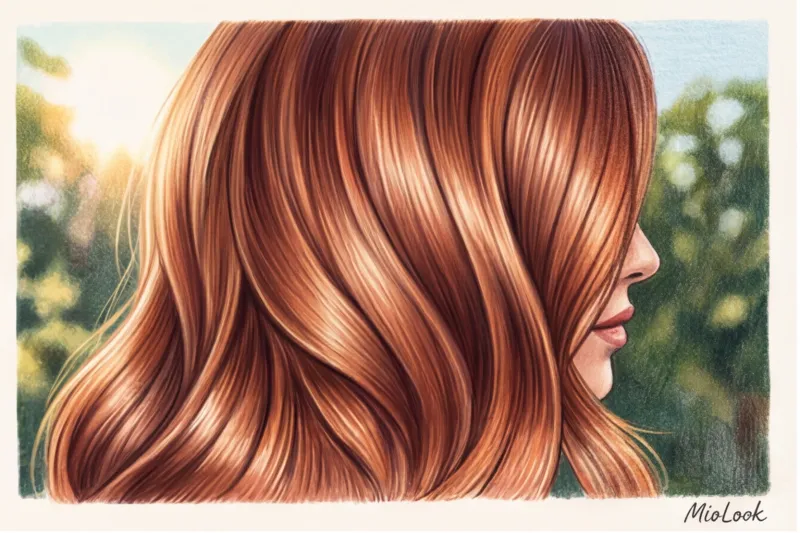
Panic in the dressing room is always bad, but panic two hours before an important ceremony is a real disaster. One of my high-profile clients, a successful top manager, sat in front of the mirror almost in tears. Her luxurious, expensive blonde refused to hold her voluminous Hollywood wave. Her style simply fell off and hung in lifeless strands forty minutes after removing the hot clips. The extra-strong hold hairspray only made matters worse: her hair looked like glass wool, completely immobilized.
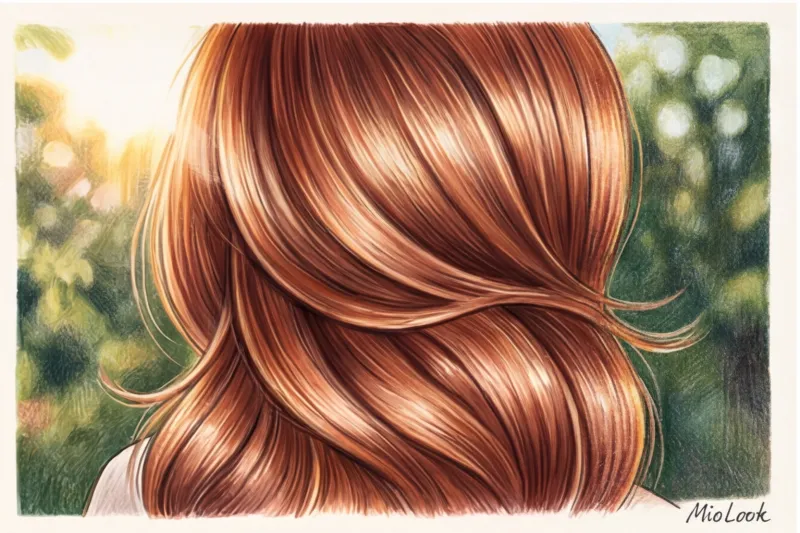
That day, we were saved by an emergency pre-wash in the hotel sink and a completely rebuilt styling system. But this situation perfectly illustrates the main rule that hairdressers often overlook: long-lasting shape and "expensive" color are impossible without a deeply restored structure. care for colored hair It's not just a collection of aesthetically pleasing jars on a bathroom shelf; it's the physical foundation of your hairstyle. We've covered the interrelationships of these processes in more detail in our a complete guide to proper hair care for perfect styling Today, I'd like to explore a specific and most complex category: dyed and bleached textures.
The Anatomy of Color: Why Caring for Colored Hair is the Foundation of Your Styling
Let's imagine your hair is a silken fabric. If the fabric is frayed, covered in micro-snags, and thinned, no amount of draping, even the most skillful, will make it look like haute couture. Bleached, porous hair is physically unable to hold a curl or root volume. It simply lacks an internal "skeleton."
Did you know that luxurious hair shine is a result of pure physics? It's how tightly adhered cuticle scales reflect light. Chemical exposure to ammonia or hair powder can raise the cuticle. According to trichological studies, if these scales aren't smoothed with the right polymers and lipids, light will be absorbed into the voids of the hair shaft. Your hair will appear dull and flat, even if you just spent a fortune at the salon yesterday. And no finishing spray will save the day; it will only create the unkempt, unwashed effect.
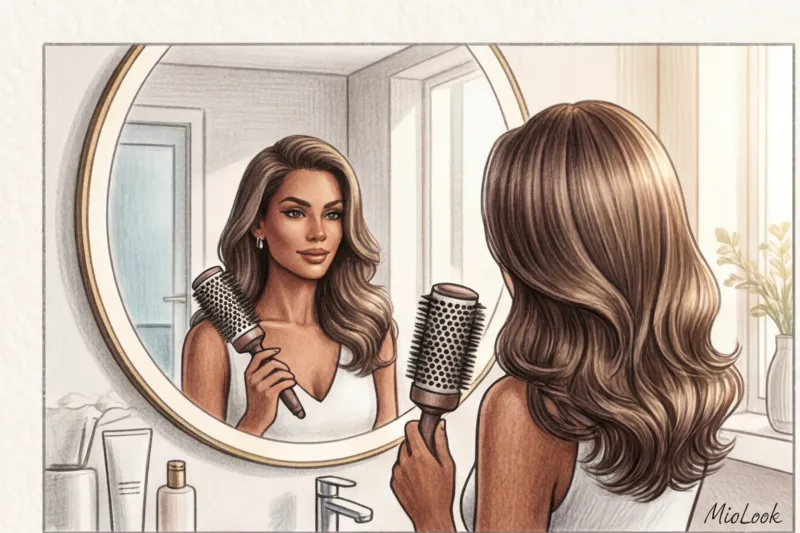
If you choose strict styling for the office for every day (for example, a sleek low ponytail or a bun), a mirror-like shine becomes the main accent of the look. Achieving this on a damaged base without proper care is simply impossible.
Coloring vs. Bleaching: What's the Difference for Styling?
The difference between these processes is colossal, and it directly dictates how the hair will behave during styling.
- Tone-on-tone or darker coloring: During this process, we add artificial pigment. The hair becomes even denser than before, filled with color molecules. The key to hair care is to tightly close the cuticle to retain this pigment, and to use smoothing creams before blow-drying.
- Bleaching (total blonde, balayage, airtouch): Powder destroys your natural melanin, leaving a literal void inside the cortex. This is why bleached hair loses volume so quickly under the weight of air humidity or its own sebum. It has nothing to rely on from within.
The biggest myth in the beauty industry: "Sulfate-free shampoos will save your color."
If I had one euro for every time I heard the phrase "I dyed my hair, so I switched to sulfate-free shampoo," I could buy myself a villa on the Amalfi Coast.
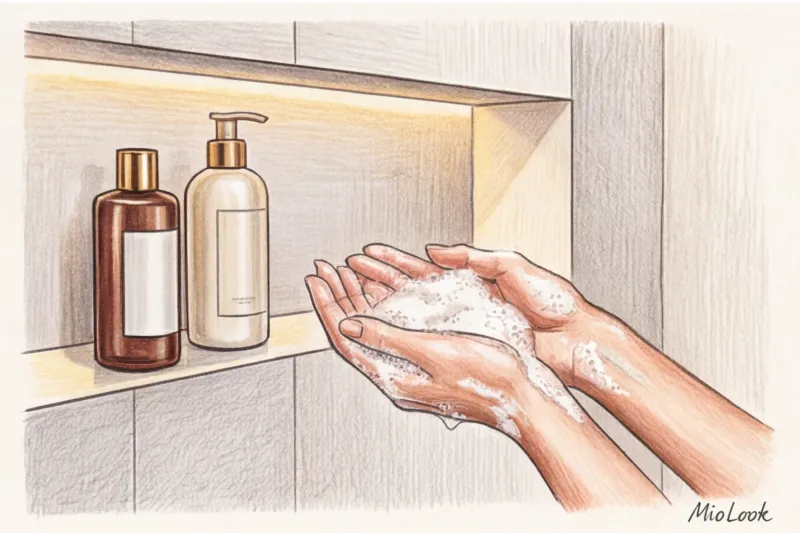
A 2023 study in the Journal of Cosmetic Science demonstrated a paradoxical fact: up to 80% of artificial pigment is washed out due to the swelling of the hair by plain tap water (the pH of which is often close to 7.0–8.0), not due to the harsh surfactants in your shampoo. Water lifts the cuticle, and the pigment is washed out on its own.
Gentle sulfate-free formulas are great for sensitive scalps, but they're often a death sentence for styling. They have one fatal flaw: they can't completely remove heavy styling polymers, heat-protective silicones, and thick sebum. This leads to a buildup effect. Hair becomes overloaded, dull, and any complex hairstyle falls apart within a couple of hours under the weight of this microscopic "dirt."
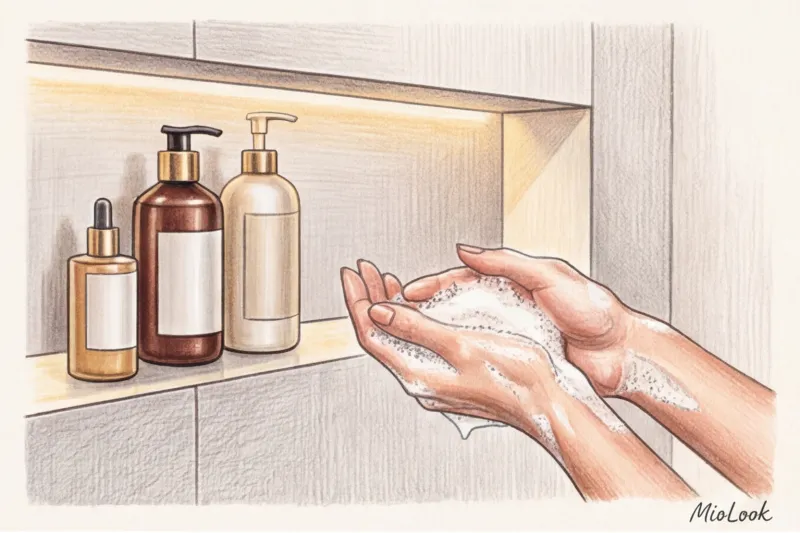
"A counter-tip that changes everything: use a chelating or mild sulfate shampoo every two weeks. Yes, even on dyed blonde hair. It will remove hard water deposits and styling product residue, restoring that incredible lightness and flow to your hair."
Access to MioLook for €0.99 — one-time payment
A smart AI stylist will select the perfect look for your luxurious hairstyle.
Get access — €0.99 onceIsabella's Restoration Formula: Lipids + Proteins = Expensive Texture
Over 12 years of working with various hair textures, I've developed an unwavering rule of balance. Intense moisturizing alone won't work on bleached blonde hair—it will become too soft, like baby fluff, and won't hold any clip or pin.
My formula for ideal architecture looks like this: Lipids + Proteins = Expensive Texture.
Let's break down the mechanics:
- Lipids (fatty alcohols, ceramides, squalane): They are responsible for flexibility and elasticity. Thanks to lipids, curls are springy and don't snap with a loud crunch under the blows of a hard brush. In the professional segment (where masks typically cost between €30 and €60), look for the word "Ceramides" on the packaging.
- Proteins (hydrolyzed keratin, wheat or silk amino acids): This is your building block. Proteins create a rigid framework, a kind of reinforcement within the empty hair shaft. It's protein-rich leave-in treatments that allow blonde hair to hold its shape for 24 hours.
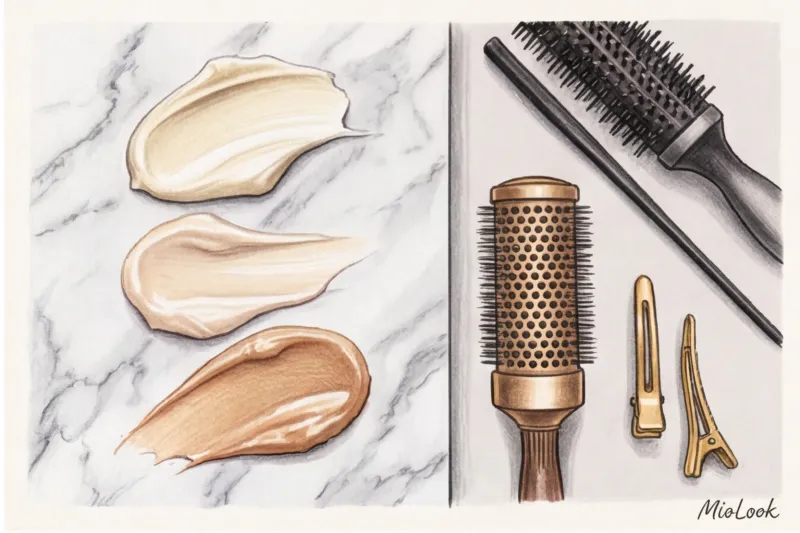
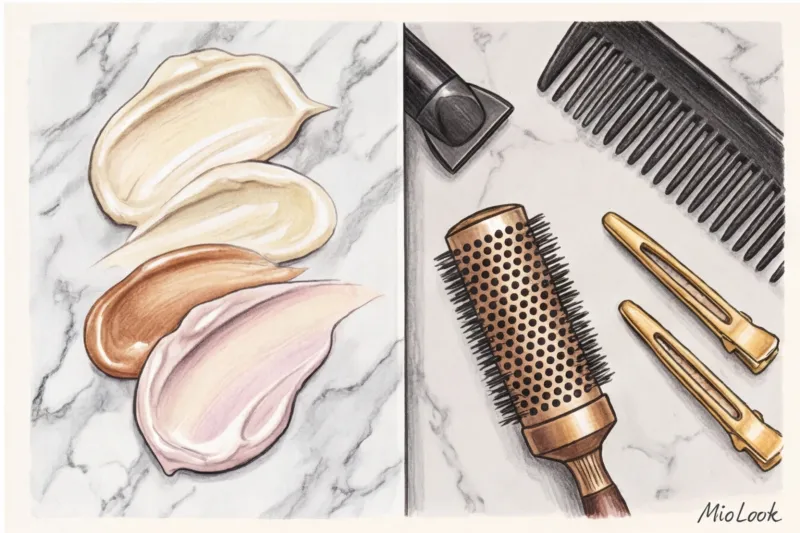
In my experience, this combination works flawlessly. A lipid mask in the shower to soften the cuticle plus a protein leave-in cream before drying transforms the quality of your hair in just one application. You're building a house: proteins are the bricks, and lipids are the elastic cement.
The Hot Iron Mistake: Heat Protection as a Pigment Shield
Imagine this: you booked an appointment with a top colorist, picked the perfect shade, paid €250 for a complex salon coloring, and then burned off all that beautiful pigment in one morning. How? Simply by setting your hair straightener to 210°C.
According to trichologists, a curling iron temperature above 180°C can destroy artificial color molecules in just 3-5 seconds. This process is especially merciless with cool ash toners and rich red shades. One of my clients literally "evaporated" her expensive icy blonde in one curling iron session, complaining that the color was inferior. The problem wasn't the color, but the lack of high-quality heat protection.
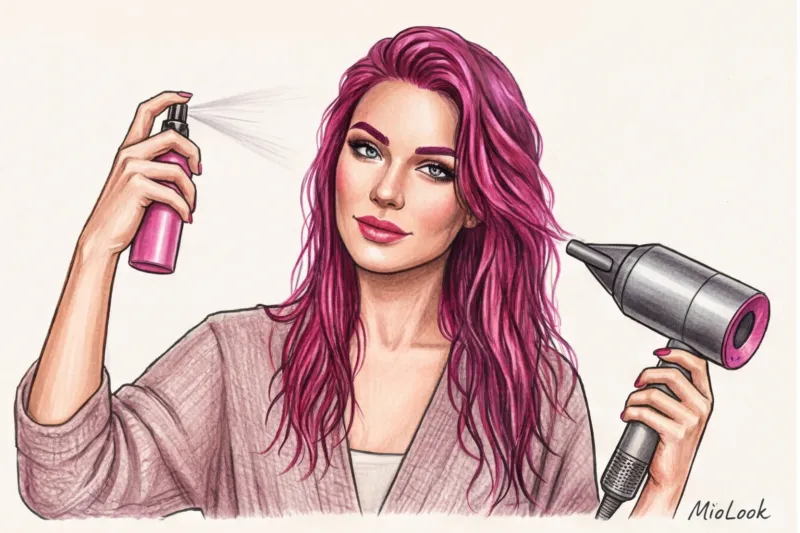
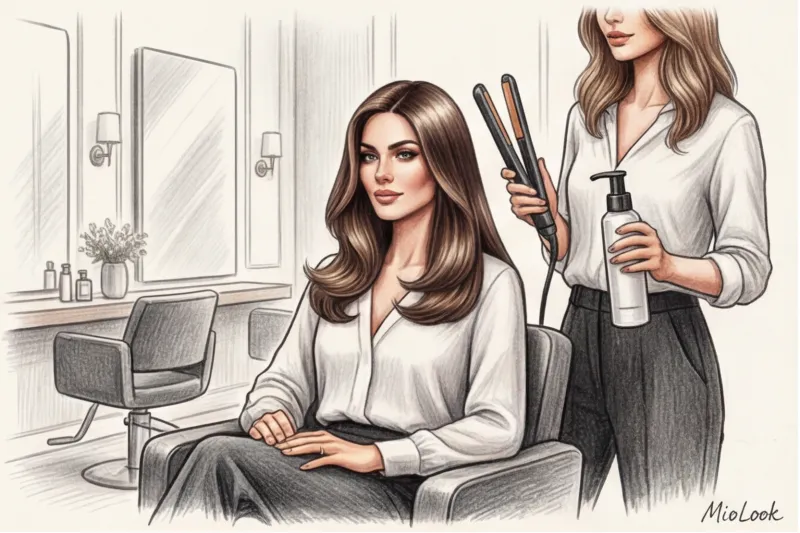
How to apply heat protection correctly? Don't spray it around yourself in a cloud, hoping for a few drops to land on your strands. Apply the product strand by strand to damp or dry hair (depending on the instructions). The spray should evenly cover each section to ensure easy tool glide and prevent sticking. Remember the golden rule: for bleached hair, the maximum safe heating temperature is 160–180°C.
Your perfect look starts here
Join thousands of users who look flawless every day with MioLook.
Get access — €0.99 onceThe specifics of blonde: how to neutralize yellowness and avoid the "dirty hair" effect
Purple shampoos are another classic trap for blondes. Yes, they're great at neutralizing the warm yellow tones of lightened hair. But due to their specific chemical formula, they're very drying. For the large pigment molecules to penetrate, the cuticle needs to be slightly opened. Regular use of these shampoos leaves hair stiff, unmanageable, and dull.
Moreover, if you overdo it with purple or blue pigment, the blonde will look gray, dusty, and dirty. A matte finish always cheapens the look. Remember: expensive hair is hair that shines.
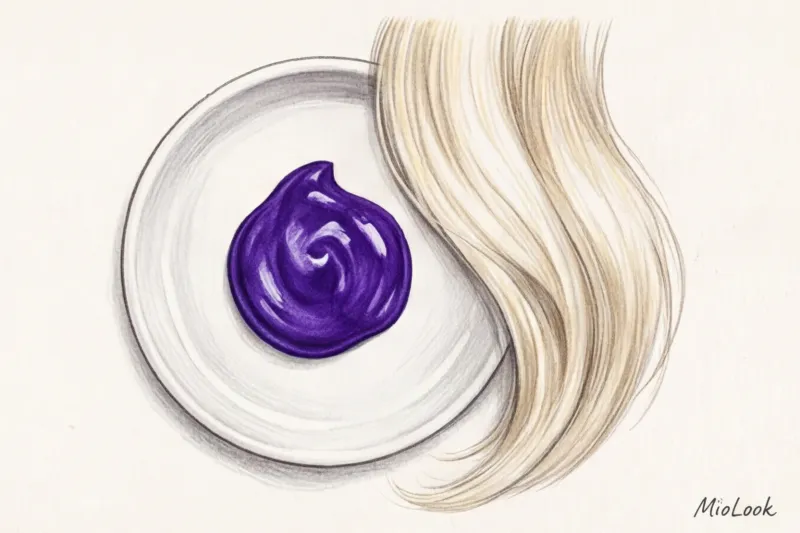
A practical tip: if you need to tone down yellow tones at home, never apply an anti-yellow shampoo or mask directly to dry ends. The pigment will instantly "get stuck" in the porous areas, leaving you with lilac streaks near your face. I always recommend mixing the toner with your favorite basic moisturizing mask in a 1:1 ratio and applying to damp hair. This will distribute the pigment evenly and smooth the cuticle.
Checklist: Preparing Colored Hair for an Important Styling Routine
If you have an important event, photo shoot, or social event planned for Friday for which you've already created a capsule in the app MioLook , you need to start preparing your hair on Tuesday.
Here's my tried and tested action plan that you can save and use before any important event:
- Step 1: Wash your scalp properly. Apply shampoo only to the roots! Don't rub the lengths of your hair like dirty laundry. The lather that runs down the strands as you rinse will gently cleanse them without damaging the cuticle.
- Step 2: Deep care for 3-4 days. Apply an intensive lipid mask beforehand. Applying a heavy nourishing mask the night before styling will over-nourish your hair, making it feel heavy and causing volume to fade within an hour.
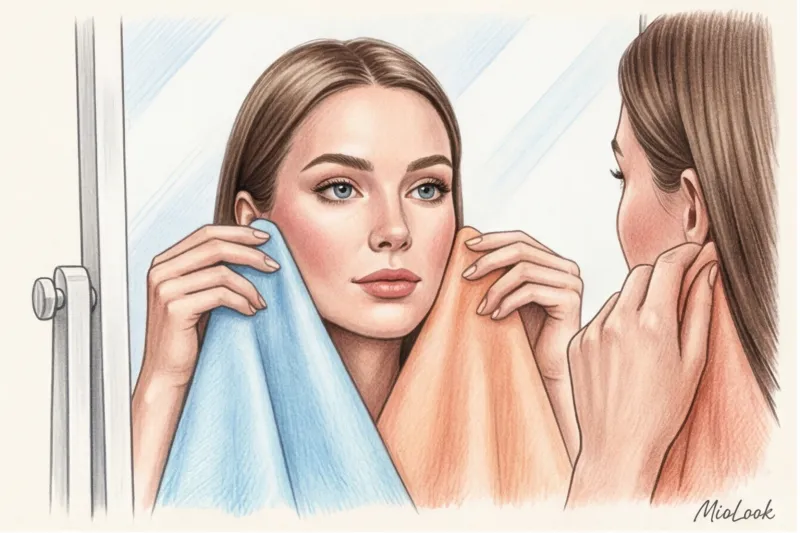
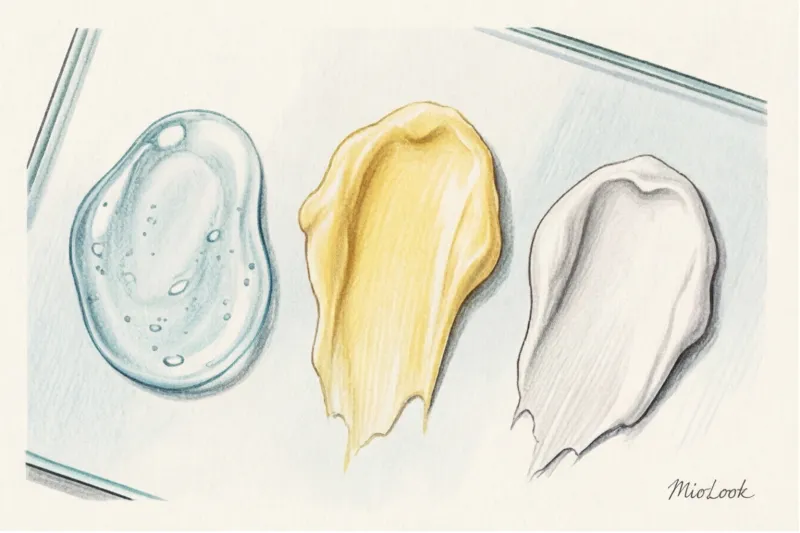
- Step 3: Multi-layer leave-in treatment. Apply products in layers to damp, towel-dried hair. First, a light hydrating spray (to detangle), then a hazelnut-sized amount of protein cream (to create a firm hold), and a drop of silicone oil to the very ends (to seal them before drying). This combination will ensure perfect glide of the brush.
It's important to make a disclaimer here: this algorithm won't work if your hair has suffered a third-degree chemical burn (when it stretches like chewing gum when wet and breaks). In such extreme cases, no styling product will work miracles—you'll need to consult a professional and have your haircut adjusted.
A luxurious, high-status hairstyle that garners compliments and lasts well into the night is always 80% a well-prepared base and only 20% technical styling. Invest time in restoring the structure, and your hair will reward you with perfect manageability and mirror-like shine.