Что такое нишевая парфюмерия и чем она отличается от люкса?
«Изабелла, я купила самый популярный аромат сезона за 150 евро, но вчера на деловом ужине две женщины пахли точно так же. Я хочу пахнуть собой, а не глянцевым журналом». С этой эмоциональной фразы одной из моих клиенток обычно начинается увлекательное путешествие в совершенно новый ольфакторный мир. Если вы тоже устали от узнаваемых, растиражированных шлейфов, которые звучат из каждого офисного лифта, ваш следующий логичный шаг в формировании личного стиля — это нишевая парфюмерия.
Чтобы понять, что такое ниша (или селектив), нам нужно сделать шаг назад, в 1970-е годы. Считается, что отправной точкой стал 1976 год, когда французский химик и парфюмер Жан Лапорт основал дом L'Artisan Parfumeur. Его аромат Mûre et Musc (Ежевика и Мускус) стал дерзким вызовом классическим альдегидным композициям того времени. Ниша изначально зародилась как протест против коммерциализации искусства ароматов. Это концептуальность, абсолютная свобода создателя, малые тиражи и принципиальное отсутствие массированной телевизионной рекламы.
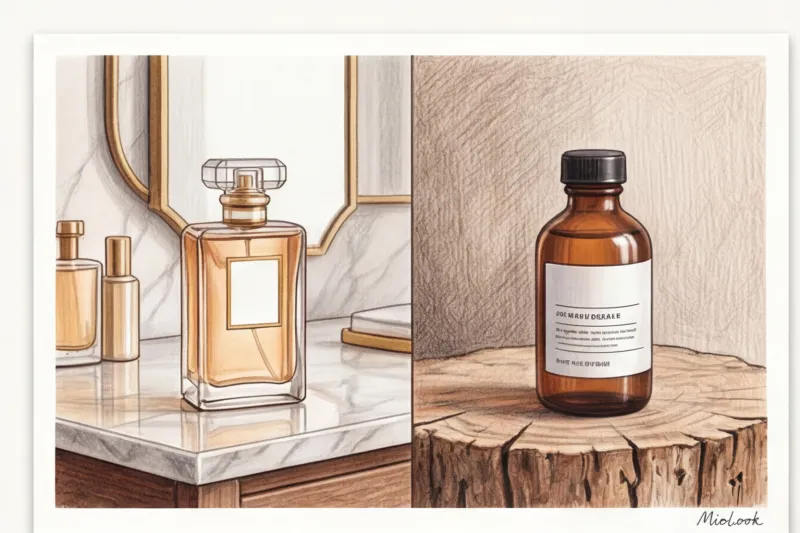
Главное отличие селектива от привычного люкса кроется в самой цели создания. Люксовый аромат разрабатывается с оглядкой на фокус-группы: он обязан понравиться миллионам людей по всему миру, чтобы окупить глобальную рекламную кампанию. Ниша же вообще не пытается «понравиться всем». Она может пахнуть влажным асфальтом после дождя, раскаленным утюгом, старыми книгами или подвальными пачулями. Ниша ищет своего конкретного носителя — того самого человека, на чьей коже этот странный аккорд раскроется абсолютной магией.
Если вы готовитесь к важному событию, где важна каждая деталь — от того, как выглядит ваш деловой макияж, до безупречной посадки жакета, — именно правильно подобранный селективный парфюм станет невидимым интеллектуальным стержнем, который соберет образ воедино.
За годы работы персональным стилистом я часто слышу вопрос: «За что я плачу такие деньги, покупая нишу?». В люксовом сегменте львиная доля стоимости флакона — это гонорар голливудской звезды на билборде и агрессивный маркетинг. В нишевой парфюмерии бюджет уходит непосредственно внутрь флакона: на уникальные, часто редкие ингредиенты абсолютного качества и месяцы кропотливой работы парфюмера, который не ограничен рамками брифа от маркетологов.
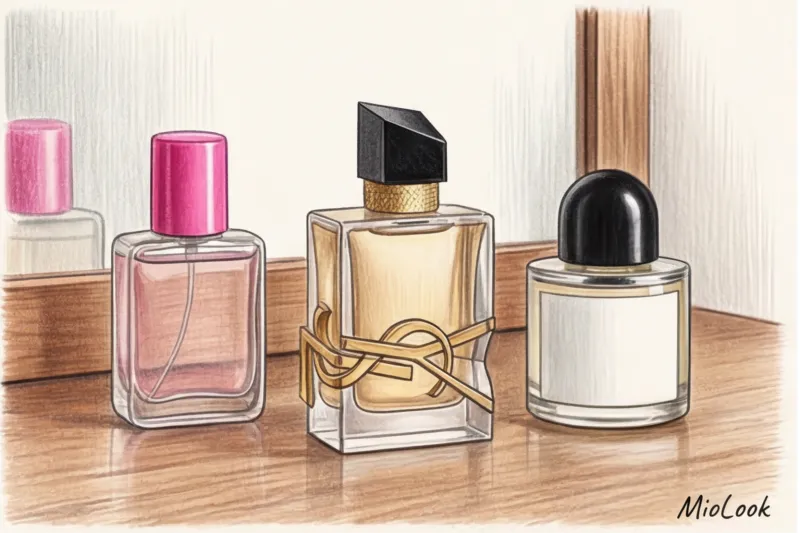
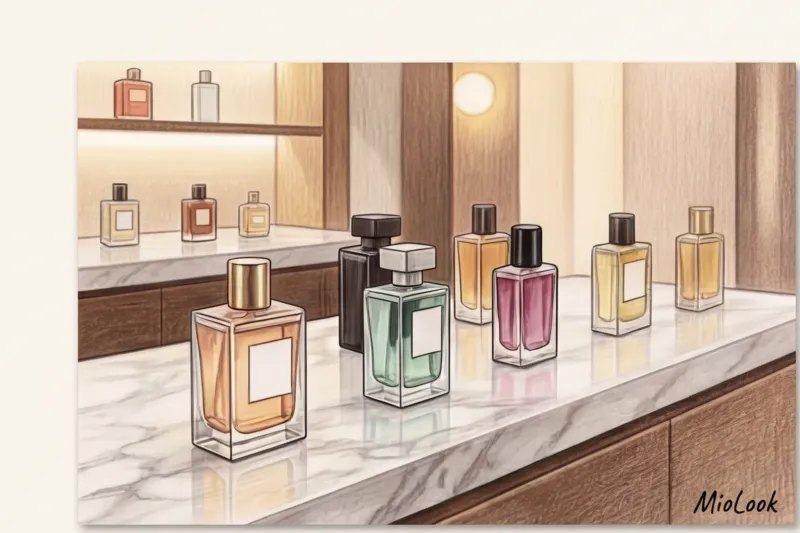
Обратите внимание на полки в бутиках селективной парфюмерии. Вы наверняка заметите, что многие бренды (будь то Byredo, Le Labo или Frederic Malle) используют одинаковые, подчеркнуто минималистичные флаконы для всех своих композиций. Почему? Это осознанный манифест: бренд говорит вам: «Не смотри на упаковку, слушай содержимое». Вся ценность спрятана внутри стекла.
Главные мифы о селективах: разрушаем стереотипы
Вокруг селективных ароматов витает огромное количество домыслов. Когда мы с клиентками начинаем собирать их парфюмерный гардероб в приложении MioLook (кстати, я всегда рекомендую добавлять туда заметки о том, какой аромат вы носите с конкретным образом — это невероятно дисциплинирует стиль), мне постоянно приходится развеивать одни и те же стереотипы.
Миф 1: «Ниша — это только натуральные компоненты».
Это, пожалуй, самое большое заблуждение. Современная парфюмерия, в том числе самая дорогая нишевая, физически невозможна без синтетики. Именно молекулы, созданные в лабораториях, дают ароматам тот самый невероятный шлейф, стабильность и диффузность. Знаменитые синтетические компоненты вроде Iso E Super (основа легендарных Escentric Molecules) или Ambroxan делают композицию объемной, заставляя ее пульсировать на коже и создавать эффект притягательной «ауры», а не просто плоского запаха.
Миф 2: «Ниша всегда стоит астрономических денег».
Да, существуют бренды Haute Parfumerie, где флакон может стоить 500 или 800 евро из-за использования редчайшего абсолюта грасской розы или натурального уда. Но сегодня на рынке представлено множество независимых инди-брендов. Вы вполне можете найти потрясающий, концептуальный и ни на что не похожий аромат в ценовом сегменте 70–100 евро. В нише вы платите за оригинальную идею, а не за статус логотипа.
«Стойкость аромата — это вопрос физики, а не ценообразования. Не судите о качестве парфюма по тому, как быстро он исчезает с кожи».
Миф 3: «Ниша всегда невероятно стойкая».
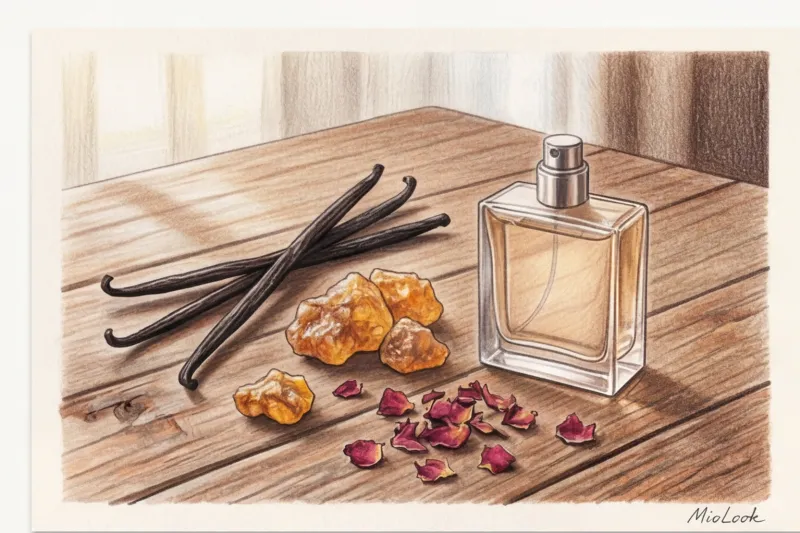
Моя любимая тема. Стойкость аромата зависит исключительно от летучести конкретных нот в формуле. Цитрусовые ноты (бергамот, лимон, горький апельсин) имеют самую легкую молекулярную массу. Они испаряются с кожи за 2–3 часа, даже если это духи в максимальной концентрации Extrait de Parfum. А вот тяжелые смолы, древесина, ваниль и мускусы будут держаться сутками. Поэтому легкий нишевый колонь на лето априори не может звучать на вас 24 часа, и это абсолютно нормально.
Ольфакторный гардероб: как аромат дополняет ваш личный бренд
Задумывались ли вы, почему идеально скроенный жакет иногда «не работает», а простая белая рубашка вдруг собирает десятки комплиментов? Исследование Института обоняния (2022) в области нейробиологии подтвердило: наше восприятие запахов напрямую связано с лимбической системой мозга, отвечающей за эмоции, инстинкты и память. Окружающие считывают ваш статус, уровень уверенности и даже профессиональную экспертизу за доли секунды — еще до того, как вы произнесете первое слово. И именно здесь вступает в игру психология обоняния.
Эпоха одного «аромата на всю жизнь» безвозвратно ушла. Идея носить один и тот же парфюм и в спортзал, и на свидание, и на совет директоров сегодня звучит так же абсурдно, как предложение надеть вечернее платье-комбинацию на утреннюю пробежку. Концепция парфюмерного гардероба подразумевает, что для каждой социальной роли у вас есть свой ольфакторный код. Одного аромата «на все случаи жизни» больше недостаточно, потому что ваша жизнь слишком многогранна, чтобы пахнуть одинаково в понедельник утром и в пятницу вечером.
«Ваш визуальный образ говорит о том, кто вы есть. Ваш парфюмерный шлейф рассказывает о том, что вы чувствуете и как хотите, чтобы чувствовали себя другие рядом с вами», — это правило я всегда повторяю своим клиенткам на первой консультации.
В моей практике стилиста подбор парфюма — это всегда финальный, но абсолютно обязательный штрих к капсульному гардеробу. Когда мы планируем образы на неделю через функцию «умный гардероб» в MioLook, мы всегда привязываем конкретный флакон к конкретному сету одежды. Ваш аромат — это невидимая подпись эксперта, которая завершает и цементирует образ.
Моя любимая рабочая формула стиля для создания нужного впечатления: строгий брючный костюм мужского кроя + аромат чистоты (альдегиды или белый мускус) = интеллектуальная дистанция. Почему это работает именно так? Строгий крой задает рамки. Мы видим четкую линию плеч, плотную ткань, графичность силуэта. Если добавить сюда сладкий ягодный парфюм, возникнет когнитивный диссонанс — мозг собеседника получит противоречивые сигналы. А вот альдегиды, которые пахнут морозным воздухом и накрахмаленным бельем, многократно усиливают эффект собранности. Визуально вы транслируете силу, а на уровне обоняния — свежесть, отстраненность и безупречный порядок в делах. Это комбо работает безотказно, когда нужно установить границы без единого слова.
Ароматы для деловых переговоров и офиса
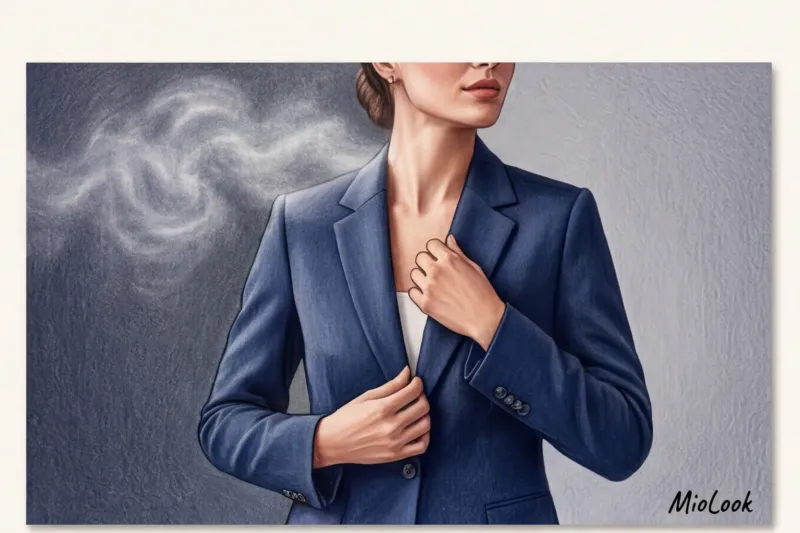
Главное правило офисного парфюма — абсолютная политкорректность и отсутствие длинного шлейфа (так называемого sillage). В деловой среде аромат должен ощущаться исключительно в вашей интимной зоне, на расстоянии вытянутой руки, ни в коем случае не заполняя собой всю переговорную. Это вопрос базового уважения к личным границам коллег.
Идеальные ноты для бизнеса звучат сухо, чисто и сдержанно. Ветивер транслирует заземленность и надежность, ирис добавляет пудровую строгость (вспомните знаменитую «рубашечную» чистоту Prada Infusion d'Iris), а белый чай, кедр и мускусы чистоты создают ауру человека, у которого всё под контролем. Эти компоненты не кричат о себе, они лишь ненавязчиво подчеркивают вашу компетентность.
Чего категорически стоит избегать в рабочие часы? В первую очередь — тяжелая гурманика. Ноты карамели, ванили и пралине подсознательно расслабляют собеседника и снижают градус вашей авторитетности, делая образ слишком «домашним». Также под строгим запретом индольный жасмин и густые восточные смолы. Однажды ко мне обратилась топ-менеджер, которая не могла понять, почему на важных встречах инвесторы физически закрываются от нее. Причина крылась не в ее навыках презентации, а в трех распылениях плотного амброво-удового экстракта за 350 евро. В тесном помещении этот роскошный парфюм сработал как газовая атака. Запомните: даже бюджетный минималистичный колонь за 40 евро сработает на ваш деловой имидж лучше, чем самая дорогая, но неуместная ниша.
Доступ к MioLook за €0,99 — разовый платёж
Умный AI-стилист подберёт идеальный образ и поможет собрать функциональный гардероб для любых задач, включая подбор аксессуаров.
Открыть доступ — €0,99 разовоПарфюм для публичных выступлений и сцены
Выход к аудитории — это всегда выброс адреналина, даже если вы блестящий спикер с многолетним стажем. В такие моменты парфюм выступает в роли мощного психологического «якоря» уверенности. В нейролингвистическом программировании есть доказанная техника: если вы наносите определенный аромат только в моменты триумфа или максимальной концентрации, мозг прочно связывает этот запах с состоянием успеха.
Как создать такой парфюмерный якорь? Для публичных выступлений я рекомендую выбирать ноты, которые тонизируют, собирают мысли в фокус и буквально заставляют держать спину прямо. Черный перец дает необходимую остроту и динамику, искристый бергамот проясняет сознание, а сухой сандал и дорогая кожа звучат как непробиваемая броня. Такие композиции не пытаются понравиться всем в зале — они работают лично на вас, защищая от синдрома самозванца.
Однако здесь кроется важнейший нюанс — правило нанесения перед выходом к аудитории. Сцена часто подразумевает яркие софиты и стресс, от которых повышается температура тела. В тепле любой парфюм начинает испаряться в разы интенсивнее и может исказиться. Поэтому ваш метод — строгий микродозинг. Одно легкое распыление на заднюю часть шеи под волосы. От тепла тела композиция будет мягко подниматься вверх, давая вам нужный заряд энергии, но не отвлекая слушателей первых рядов от смысла вашей блестящей презентации.
С чего начать знакомство: 5 шагов для новичков
Самая дорогая и обидная ошибка, которую можно совершить в мире селективов, — это покупка полноразмерного флакона вслепую, поддавшись магии красивого описания или восторженному отзыву модного инфлюенсера. По данным аналитических отчетов парфюмерного рынка за 2023 год, более 45% таких спонтанных онлайн-покупок в нишевом сегменте заканчиваются полным разочарованием. Почему так происходит? Потому что ниша, в отличие от коммерческого люкса, не имеет задачи «красиво и безопасно сидеть на всех». Она капризна, эгоистична и вступает в сложную химическую реакцию с вашим уникальным pH кожи, гормональным фоном и даже температурой тела.
То, что на вашей коллеге раскрывается сливочным сандалом и благородной замшей, на вас может выдать резкую медицинскую ноту или запах влажной земли. К выбору своего первого сложного аромата нужно подходить так же вдумчиво, как к инвестиции в идеально скроенный тренч — с чувством, с толком и обязательной примеркой. Вот 5 золотых правил, которые я выработала для своих клиенток:
- Соблюдайте лимит: не более 3-4 ароматов. Огромная ошибка новичков — прийти в корнер и устроить марафонский «затест» десяти-пятнадцати флаконов за один раз. На моих шопинг-сопровождениях первое, что я делаю в парфюмерном бутике — физически останавливаю руку клиентки, тянущуюся к пятому флакону. Наш нос не натренирован на такие экстремальные нагрузки. После четвертого сложного запаха наступает ольфакторная усталость: мозг блокирует сигналы, и все композиции сливаются в единый невнятный шум. Четкая инструкция: тестируйте максимум 3-4 аромата за один визит.
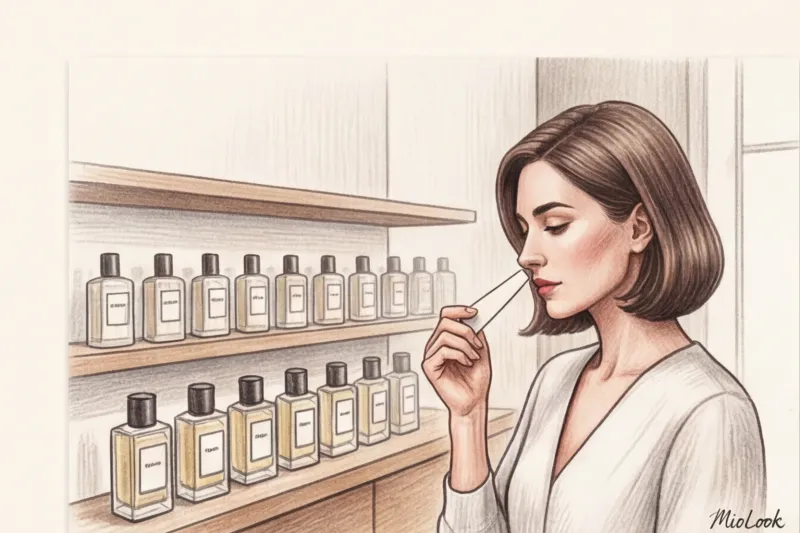
- Соблюдайте правильный маршрут: блоттер -> кожа -> выход на улицу. Сначала нанесите композицию на бумажный тестер (блоттер). Подождите пару минут. Если старт вам приятен, смело наносите аромат на запястье. И главное — уходите из магазина! В воздухе парфюмерного бутика висит плотное облако из сотен других запахов, которое фатально искажает восприятие. Выйдите на свежий воздух, позвольте аромату подышать и соединиться с вашей кожей.
- Никогда не растирайте парфюм на запястьях. Замечали этот рефлекторный жест — щедро пшикнуть на одно запястье и тут же с силой потереть его о другое? Забудьте об этом навсегда. Трение создает микро-нагрев поверхности кожи, который моментально испаряет легкие верхние ноты (цитрусы, зелень, ягоды) и буквально «ломает» сердце композиции. Вы разрушаете тщательно выстроенную парфюмером архитектуру, получая на выходе плоскую и искаженную базу. Просто нанесите каплю и дайте ей высохнуть естественным путем.
- Оценивайте шлейф, а не старт. Верхние ноты живут от 10 до 30 минут — это лишь «приветствие» аромата, маркетинговый крючок, созданный для привлечения внимания. Настоящий характер парфюма (его сердце и база) проявится только через пару часов.
- Дайте себе время на сомнения. Если аромат вызывает смешанные чувства — от «какой ужас» до «в этом определенно что-то есть», не спешите бежать к раковине с мылом. Часто именно такие парадоксальные композиции со временем становятся самыми любимыми, потому что они расширяют наши ольфакторные горизонты.
Как правильно тестировать ароматы (забудьте про кофе)
Если вы зайдете в любой крупный косметический магазин, то наверняка увидите на полках баночки с кофейными зернами. Консультанты заботливо предлагают вдохнуть их аромат, чтобы «очистить рецепторы». Как стилист, глубоко погруженный в парфюмерную тематику, я должна сказать прямо: это один из самых живучих и вредных мифов в индустрии.
Кофе — это не нейтрализатор. Это мощнейший ольфакторный раздражитель, который содержит более 800 летучих соединений. Представьте, что вы слушаете громкую симфоническую музыку, у вас устал слух, и чтобы «отдохнуть», вы включаете на полную громкость тяжелый рок. Именно это происходит с вашим обонянием, когда вы вдыхаете кофе между затестами сложного парфюма. Вы не очищаете рецепторы, вы добиваете их окончательно.
«Кофейные зерна создают эффект ольфакторного шока. Они перегружают обонятельную луковицу, после чего тонкие молекулярные нюансы нишевой парфюмерии становятся для вас физически недоступными», — отмечают специалисты в области нейробиологии обоняния.
Какая есть альтернатива? Все гениальное просто. Чтобы перезагрузить восприятие, сделайте пару глотков чистой негазированной воды — она увлажнит слизистую носа и поможет рецепторам восстановиться. Если воды под рукой нет, просто выйдите на свежий воздух или уткнитесь носом в воротник своей хлопковой рубашки или в сгиб собственного локтя (если там нет парфюма). Запах собственного чистого тела — это идеальный «белый шум» для нашего мозга, который работает как кнопка сброса.
Что такое «разносить аромат» и зачем нужны дискавери-сеты
В профессиональном сленге парфюмерных экспертов есть термин «разносить аромат». Это означает протестировать его в разных температурных условиях, при разной влажности и даже в разном эмоциональном состоянии. Нишевые ароматы феноменально зависимы от окружающей среды. Густой специевый восток, который казался тяжелым и душным в натопленном офисе зимой, может невероятно красиво, тонко и манко раскрыться сухим теплым летним вечером. А звонкие, колкие цитрусы, идеальные для июльской жары, в декабре часто звучат плоско и синтетически.
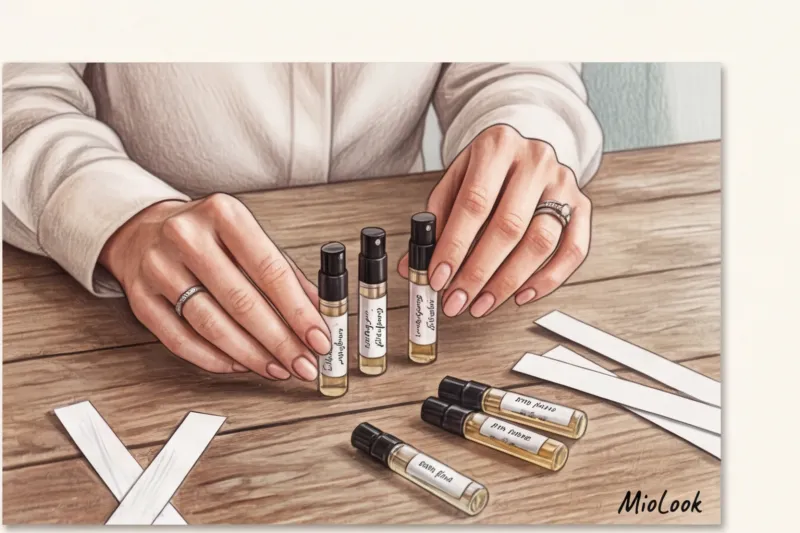
Именно поэтому лучший способ собрать свой ольфакторный гардероб без огромных финансовых потерь — это дискавери-сеты (discovery sets), семплы и фирменные миниатюры. За вполне разумные 30-50 евро вы получаете набор из 4-6 знаковых ароматов бренда, каждый из которых можно носить несколько дней. Этого времени достаточно, чтобы понять, комфортно ли вам в этом шлейфе, не вызывает ли он головную боль к концу рабочего дня и как на него реагируют окружающие.
Когда вы подбираете парфюм под конкретные жизненные задачи, я всегда рекомендую фиксировать свои ощущения. В приложении MioLook, составляя визуальные капсулы на сезон, вы можете планировать не только одежду, но и отмечать, какой парфюмерный семпл идеально завершает конкретный образ. Согласитесь, строгий архитектурный жакет в паре с глубоким древесно-кожаным ароматом транслирует совершенно иной уровень экспертности, чем тот же жакет с легкомысленным фруктовым спреем. Дискавери-сеты дают вам роскошь экспериментировать с этими сочетаниями каждый день, пока вы не найдете свой безупречный парфюмерный почерк.
Гид по семействам ароматов в нише
В 1983 году независимый исследователь Майкл Эдвардс совершил тихую революцию в индустрии, создав легендарное «Колесо ароматов» (Fragrance Wheel). До этого момента классификация парфюмерии напоминала хаотичную библиотеку без каталога. Эдвардс предложил элегантную систему, разделив все композиции на четыре глобальные группы: свежие, цветочные, восточные (ориентальные) и древесные. Внутри этих групп скрываются подкатегории, которые плавно перетекают друг в друга.
Как персональный стилист, я всегда говорю: нишевая парфюмерия — это не просто запах, это невидимая текстура вашего образа. Выбирать свое семейство ароматов нужно точно так же, как вы выбираете ткань для костюма — отталкиваясь от темперамента, контекста и стиля одежды. Вы ведь не наденете тяжелый твидовый пиджак на пляжную вечеринку? Точно так же густой восточный уд будет звучать дисгармонично с легким льняным сарафаном.
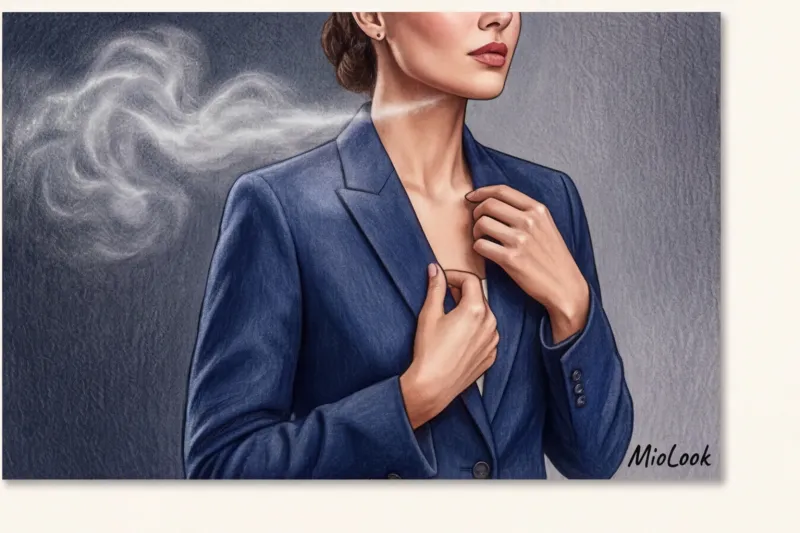
Давайте разберем, как именно ольфакторные семейства синхронизируются с вашим гардеробом и какое впечатление они транслируют окружающим.
Древесные, кожаные и фужерные: статус и дистанция
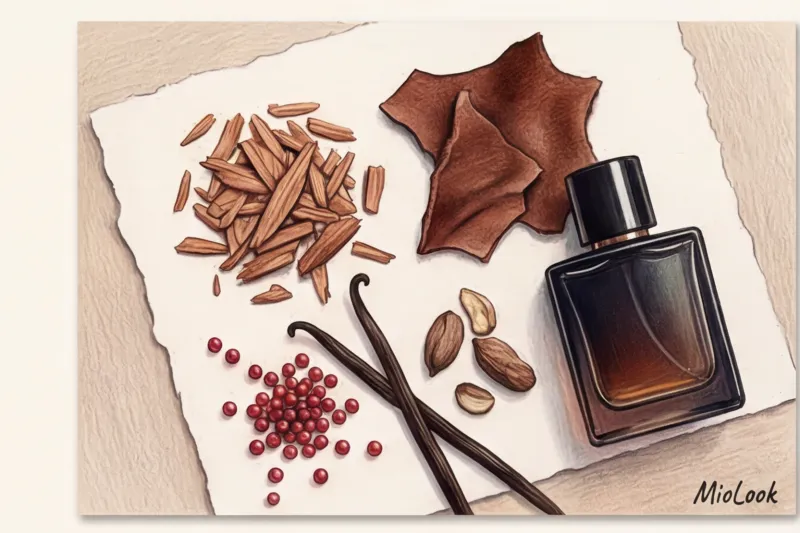
Эта группа ароматов — эквивалент безупречно скроенного жакета с жесткой линией плеч. Древесные ноты (сухой кедр, дымный ветивер, сандал), а также терпкая кожа и классические фужеры с их травянистой строгостью создают вокруг носителя невидимый, но очень четкий барьер. Они не заигрывают и не пытаются понравиться.
Идеально для: дресс-кода Business Formal, строгих брючных костюмов, пальто прямого кроя из плотной шерсти и структурированных сумок с жестким каркасом. Если в вашем образе преобладают графичные линии и монохром, сухая древесина станет идеальным завершением.
Впечатление: экспертность, абсолютная надежность и авторитет. Когда моя клиентка, финансовый директор крупной европейской корпорации, готовилась к сложным переговорам о слиянии, мы намеренно отказались от ее любимых цветочных духов. Мы выбрали сухой кожаный шипр с нотами изобутилхинолина (синтетического компонента, дающего резкий, дорогой запах выделанной кожи). Результат? Аромат работал как ментальная броня, подчеркивая интеллектуальную дистанцию и не допуская фамильярности.
Гурманские, белоцветочные и пряные: магнетизм и эмоции
Если древесные ароматы — это каркас и структура, то гурманика, специи и белые цветы — это струящийся шелк и мягкий бархат. В нишевой парфюмерии гурманика редко бывает приторной; это не запах кондитерской, а скорее сложная игра горькой ванили, бобов тонка, жженого сахара и кардамона. Белые цветы (тубероза, гардения, жасмин) в селективах часто звучат хищно, телесно и невероятно притягательно.
Идеально для: стиля Smart Casual, вечерних выходов, шелковых блуз, платьев-комбинаций и объемных кашемировых свитеров стоимостью в пару сотен евро, в которые хочется укутаться. Эти ароматы требуют мягких фактур, которые струятся по телу.
Впечатление: располагающая теплота, креативность и подчеркнутая женственность. Пряные и белоцветочные композиции стирают дистанцию. Они приглашают собеседника подойти ближе, создают атмосферу доверия и чувственности. Это идеальный выбор для творческих профессий, свиданий или неформальных встреч, где вам нужно включить эмпатию и обаяние на максимум.
Доступ к MioLook за €0,99 — разовый платёж
Начните создавать идеальные образы и подбирать к ним парфюмерный гардероб с помощью искусственного интеллекта.
Открыть доступ — €0,99 разовоМолекулярная парфюмерия: аромат без аромата
Мы подошли к самому интригующему направлению современности. Молекулярная парфюмерия — это ольфакторное воплощение эстетики «тихая роскошь» (quiet luxury). Никаких кричащих логотипов, только безупречный крой, нейтральная палитра, натуральный лен и тончайшая шерсть Loro Piana. В парфюмерии этот тренд выражается в феномене «второй кожи».
Бренды вроде Escentric Molecules и Juliette Has A Gun (с их знаменитым Not A Perfume) построили свои империи на монокомпозициях. В их основе лежат синтетические молекулы: Iso E Super, Ambroxan или Cetalox. Они не пахнут цветами или деревом в привычном понимании. Они пахнут чистым телом после душа, свежевыглаженной хлопковой рубашкой, легким озоном и едва уловимой древесной пудрой.
Научный факт, о котором редко рассказывают консультанты в бутиках: почему одни люди слышат эти молекулы ярко и шлейфово, а другие жалуются, что во флаконе «просто вода»? Дело в таком явлении, как частичная аносмия к макроциклическим мускусам. По данным Международной ассоциации парфюмерии (IFRA), значительный процент людей имеет физиологическую слепоту к определенным крупным молекулам. Макроциклические мускусы имеют настолько большую молекулярную массу, что рецепторы некоторых людей физически не способны их «считать».
Если ваш стиль — это минимализм, белые футболки идеального кроя, джинсы без потертостей и отсутствие лишних деталей, молекулярные ароматы станут вашим лучшим вложением. Они создают ауру ухоженности, не перегружая образ и не вторгаясь в личное пространство окружающих.
Как правильно наносить нишевую парфюмерию
Покупка флакона за 250 евро — это только половина дела. Вторая половина — умение его носить. Многие думают, что достаточно сделать пару привычных распылений перед выходом из дома, и магия случится сама собой. Но нишевая парфюмерия — это сложная, живая химическая формула, которая требует правильного температурного режима. Если вы нанесете многокомпонентный шипр на холодную кожу или на синтетическую ткань, вы рискуете получить плоский, искаженный запах вместо задуманной парфюмером многогранной симфонии.
Секрет правильного раскрытия селективов кроется в тепле нашего тела. Именно поэтому ароматы традиционно наносят на точки пульсации — зоны, где кровеносные сосуды проходят максимально близко к поверхности кожи. Запястья, яремная впадина (та самая деликатная ямочка у основания шеи) и задняя часть шеи под линией роста волос работают как естественные микро-радиаторы. Они постоянно и равномерно подогревают парфюм, заставляя ноты испаряться постепенно, слой за слоем.
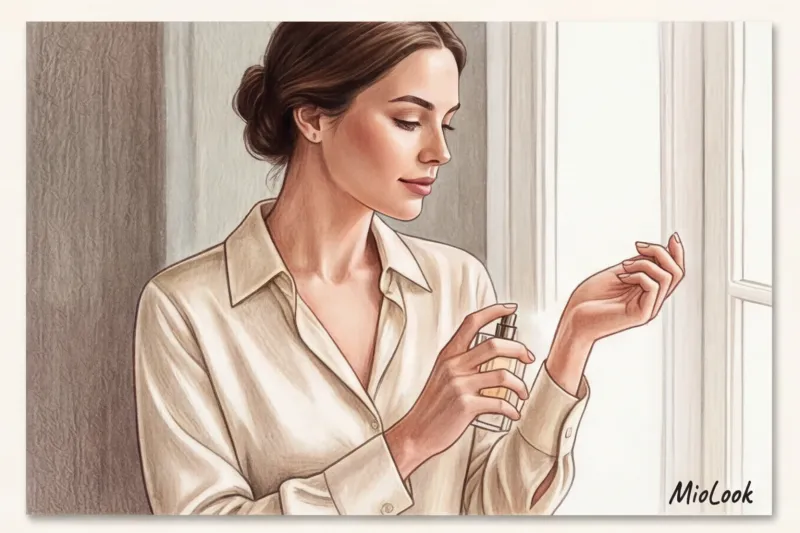
Важный нюанс из физиологии: никогда не трите запястья друг о друга после нанесения. По данным Международной ассоциации парфюмерии (IFRA), агрессивное трение повышает температуру кожи слишком резко. Из-за этого хрупкие верхние ноты (особенно цитрусовые, акватические и тонкие цветочные) буквально «сгорают» за секунды, безвозвратно ломая архитектуру аромата.
Как стилист, я постоянно работаю с фактурами и вижу, как ткани взаимодействуют с запахами. Нанесение парфюма на одежду имеет свои очевидные плюсы — прежде всего, это феноменальная стойкость. Ткань способна удерживать тяжелые молекулы гораздо дольше, чем человеческая кожа. Но здесь кроется главная ловушка для вашего стиля.
Натуральные волокна, такие как плотная овечья шерсть, твид или монгольский кашемир, великолепно впитывают и отдают аромат, сохраняя его в первозданном, благородном виде неделями. А вот синтетика (полиэстер, акрил, эластан) не дышит. Она безжалостно искажает нишевую парфюмерию, выдавая неожиданные, часто неприятные металлические, мыльные или кислые нюансы.
Отдельное предупреждение для любительниц струящегося светлого шелка. Спиртовая база и высокая концентрация натуральных абсолютов оставляют на деликатных тканях маслянистые желтоватые пятна, которые не возьмется вывести ни одна премиальная химчистка. Если вы планируете надеть шелковую блузу, наносите аромат исключительно на кожу за 10–15 минут до того, как начнете одеваться. Что касается волос — они прекрасно держат шлейф, но спирт в составе классического парфюма их сушит. Распыляйте аромат на деревянную расческу перед укладкой, чтобы получить легкую дымку без вреда для кутикулы волоса.
Если же в вашей коллекции появились густые восточные экстракты (extrait de parfum), плотные смолистые или удовые композиции, забудьте о прямом точечном распылении. Для таких шедевров идеально подходит метод «парфюмерного облака». Распылите аромат в воздухе перед собой на уровне груди и просто шагните в оседающую взвесь. Микрокапли равномерно и невесомо распределятся по волосам и плечам, создавая тончайшую, манкую ауру вместо удушливого плотного кокона.
Парфюмерный этикет: правило вытянутой руки
В мире высокого стиля существует негласное понятие «зоны комфорта». Ваш аромат, каким бы дорогим и изысканным он ни был, не должен вторгаться в личное пространство других людей без их согласия. Золотой стандарт парфюмерного этикета — это правило вытянутой руки. Ваш шлейф должен ощущаться только теми, кто подошел к вам на расстояние объятия или делового рукопожатия (около 50–70 сантиметров). Если ваш парфюм заходит в переговорную комнату раньше вас и остается там после вашего ухода, вы переборщили с дозировкой.
Особенно критично соблюдать это правило в замкнутых пространствах. В офисе с открытой планировкой, в тесном салоне самолета или в ресторане высокой кухни (где запах еды и вина ни в коем случае не должен перебиваться посторонними нотами) слишком громкий шлейф превращает вас в «парфюмерного террориста». Для таких ситуаций выбирайте интимные молекулярные ароматы, легкие чаи или деликатные фужеры, сидящие близко к коже.
Составляя капсулы для своих клиенток и планируя их образы на неделю через умный гардероб в приложении MioLook, я всегда настаиваю на том, чтобы прописывать не только одежду, но и уместность парфюма. Безупречный вкус проявляется не только в идеальной посадке брюк, но и в тихой, деликатной ольфакторной подписи, которая уважает чужие границы и подчеркивает ваш интеллект.
Чек-лист: как выбрать свой первый нишевый аромат и не пожалеть
По данным аналитического агентства NPD Group (2023), около 60% селективных флаконов, купленных под влиянием импульса, навсегда оседают в дальнем углу туалетного столика. Чтобы ваши инвестиции — а хороший нишевый парфюм обойдется в среднем от 150 до 300 евро — работали на ваш имидж на все сто процентов, нужен прагматичный подход. Сохраните этот пошаговый action plan в телефон перед следующим визитом в парфюмерный бутик.
- Шаг 1: Определите четкую задачу аромата. Ниша не терпит размытых формулировок вроде «хочу что-нибудь вкусненькое». Задайте себе вопрос: куда я буду его носить? Если это парфюм для офиса — ищем сдержанные древесно-минеральные композиции. Для свиданий присматриваемся к мягкой гурманике или телесным мускусам. А может, это аромат исключительно «для себя», чтобы уютно пить кофе воскресным утром?
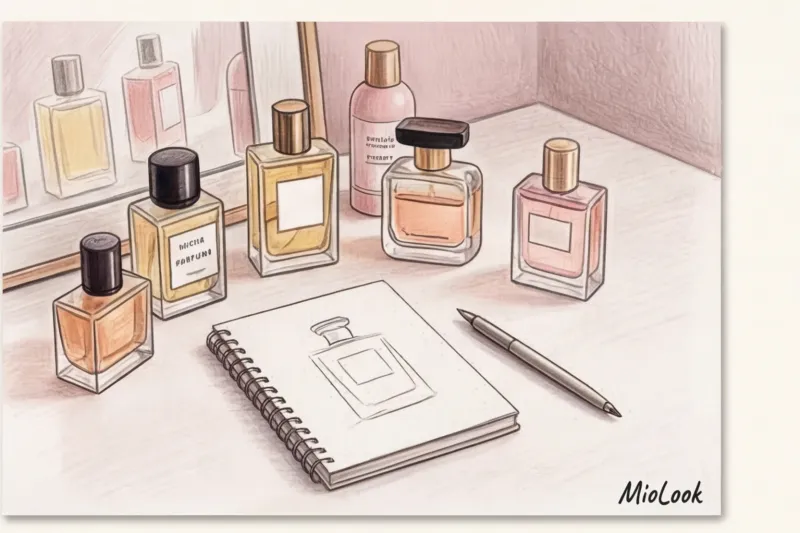
- Шаг 2: Купите набор пробников (discovery set). Забудьте о слепых покупках полноразмерных версий. Уважающие себя дома, такие как Maison Francis Kurkdjian или Etat Libre d'Orange, выпускают официальные сеты из 5–8 миниатюр стоимостью 35–50 евро. Это самая грамотная инвестиция в ваш ольфакторный опыт.
- Шаг 3: Нанесите на кожу и поживите с ним 8–10 часов. Блоттер (бумажная полоска) лишь показывает первоначальную задумку создателя. Настоящая магия происходит только при контакте с вашей кожей. Температура тела, личный уровень pH и даже ваш рацион кардинально меняют итоговое звучание композиции.
- Шаг 4: Оценивайте шлейф и базу, а не старт. Никогда не принимайте решение по верхним нотам. Искристые цитрусы или звонкий розовый перец, которые так очаровывают в первые секунды, бесследно испарятся через 15 минут. То, с чем вам предстоит провести весь день — это тяжелые базовые ноты (смолы, дерево, мускусы). Дождитесь их полного раскрытия.
- Шаг 5: Пройдите тест на уверенность. Финальный и самый важный критерий. Взгляните на себя в зеркало и честно спросите: «Чувствую ли я себя увереннее, роскошнее и сильнее в этом аромате?» Если возникает хотя бы малейшее сомнение или парфюм вас «подавляет» — смело идите дальше.
Ваш идеальный образ начинается здесь
Присоединяйтесь к тысячам пользователей, которые каждый день выглядят безупречно с MioLook.
Открыть доступ — €0,99 разовоКогда вы найдете «свои» ароматы, не забудьте оцифровать их вместе с одеждой. В приложении MioLook можно привязывать конкретный парфюм к определенным капсулам. Так вы создадите безупречную систему, где шелковая блуза всегда встречается с правильным белоцветочным шлейфом, а строгий костюм — с прохладным ветивером.
Заключение: ваш аромат — ваша невидимая подпись
Знаменитый кутюрье Кристиан Диор однажды сказал, что парфюм говорит о женщине больше, чем ее почерк. За 12 лет работы с персональным стилем я убедилась в этом на тысячу процентов. Вы можете надеть безупречно скроенный классический тренч, собрать идеальную капсулу из премиальных тканей, но визуальная память собеседника сотрет детали уже через пару недель. А вот ваш ольфакторный якорь останется с ним навсегда. Нейробиология подтверждает: запах напрямую связан с гиппокампом — зоной мозга, формирующей долгосрочные эмоции и воспоминания. Именно поэтому мода проходит, тренды на силуэты меняются каждый сезон, а ваш личный аромат становится той самой невидимой подписью, которая открывает двери еще до того, как вы произнесете первое слово.
Главный инсайт, который я хочу донести до вас в финале нашего погружения в мир селективов: нишевая парфюмерия — это абсолютно точно не про статус ради статуса. Это не соревнование, чей флакон выглядит роскошнее или стоит дороже (поверьте, ценник в 300 евро за экстракт не гарантирует вам ни безупречного вкуса, ни комплиментов). Ниша — это глубокий, интимный процесс самопознания и смелого самовыражения. Выбирая сложный землистый ветивер или колкую синтетическую молекулу, вы не пытаетесь угодить окружающим. Вы используете инструмент, который позволяет сказать миру: «Сегодня я чувствую себя именно так». Вы создаете свою собственную атмосферу, отсекая лишнее.
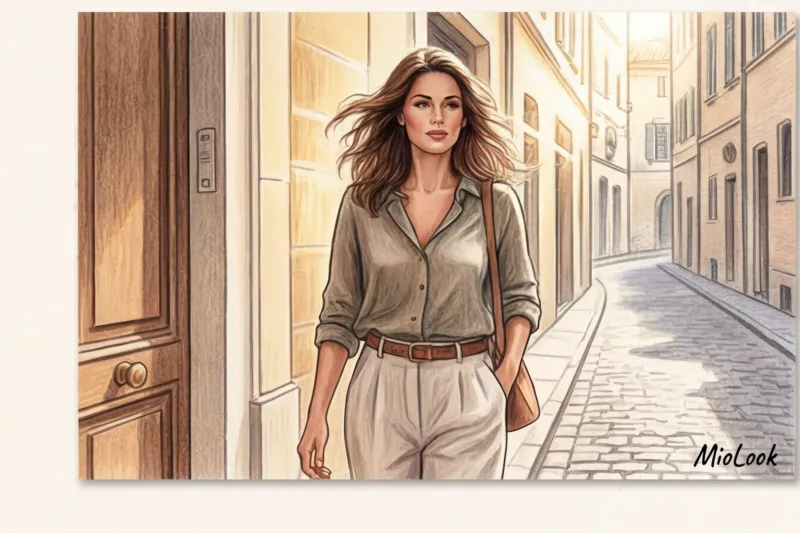
Чтобы аромат действительно работал на вас, он должен стать органичным продолжением вашего гардероба. Когда мои клиентки начинают собирать свои капсулы в MioLook, мы всегда прописываем парфюмерное сопровождение к каждому образу. Это потрясающее упражнение на развитие стиля! Попробуйте сами: к формуле «шелковая миди-юбка + объемный кашемировый свитер + замшевые казаки» добавьте теплую гурманику с нотами вишневой косточки и бобов тонка. А к строгому графичному костюму-тройке подберите холодный, отстраненный ирис. Относитесь к селективу как к финальному, самому важному аксессуару, который связывает все фактуры воедино и делает образ завершенным.
Мой главный призыв к вам сегодня — начните с малого. Не пытайтесь сразу скупить полноразмерные флаконы-бестселлеры, поддавшись импульсу в бутике. Сделайте этот процесс осознанным:
- Исследуйте ноты вдумчиво: заказывайте фирменные дискавери-сеты по 2-3 миллилитра. Это обойдется вам в 20-30 евро, но спасет от разочарований на сотни.
- Тестируйте в разных условиях: один и тот же шипр звучит совершенно иначе во влажную осеннюю погоду и в сухом кондиционированном офисе.
- Не бойтесь экспериментировать: дайте шанс тем семействам ароматов, которые раньше казались вам «слишком мужскими» или «слишком тяжелыми». Часто именно там скрывается ваше истинное парфюмерное «я».
Многие женщины признаются, что переход от понятного коммерческого люкса к нише поначалу вызывает легкую растерянность. Это абсолютно нормально. Ваш нос, привыкший к простым фруктово-цветочным композициям, должен адаптироваться к более сложным, многогранным структурам. Дайте своим рецепторам время на эту перекалибровку. Сначала нишевые формулы могут показаться резкими или непривычными, но поверьте моему опыту: стоит вам однажды по-настоящему понять и прочувствовать качественный селектив, и возвращаться к массовому маркету вы уже не захотите.
Поиск своего селективного аромата — это не спринт, а красивое, неспешное путешествие длиною в жизнь. И когда вы, перебрав десятки пробников, наконец найдете ту самую композицию, от которой у вас перехватит дыхание, вы сразу это поймете. Это будет уже не просто парфюм. Это будет ваша невидимая броня, ваша самая соблазнительная тайна и идеальное завершение вашего стиля. Дерзайте, выходите за рамки привычного и позвольте вашему шлейфу говорить за вас!
Главы гайда
Отличие нишевой парфюмерии от люксовой и масс-маркета
Аромат — это невидимая архитектура вашего стиля, способная подчеркнуть статус или разрушить его. Разбираемся в главных отличиях ниши, люкса и масс-маркета.
Нишевая парфюмерия для начинающих: 10 лучших ароматов
Нишевая парфюмерия не обязательно должна пахнуть бинтами или асфальтом. Практикующий стилист делится подборкой из 10 понятных ароматов для идеальной базы.
Что такое распив парфюмерии: как пробовать нишу
Покупка дорогого аромата вслепую — огромный риск. Рассказываем, как использовать отливанты для осознанного знакомства с нишевой парфюмерией без лишних трат.
Лучшие шлейфовые нишевые ароматы для женщин
Ваш парфюм — это невидимая визитная карточка, способная как спасти, так и провалить важную встречу. Разбираем самые стойкие и статусные ароматы, которые подчеркнут ваш вкус.
Парфюмерный гардероб: как составить базовый набор
Эпоха одного аромата на всю жизнь прошла. Узнайте, как собрать базовый парфюмерный гардероб из нишевых духов для любой жизненной ситуации.
Бренды нишевой парфюмерии: список лучших для женщин
Забудьте о правиле «одного аромата на всю жизнь». Узнайте, какие нишевые парфюмерные бренды помогут создать ваш уникальный ольфакторный гардероб.
Самые необычные нишевые ароматы: от асфальта до чернил
Забудьте о привычных цветочных шлейфах. Рассказываем, почему запах раскаленной лампочки, мокрого бетона и типографских чернил стал главным трендом.
Как выбрать духи без затеста: гид по покупке онлайн
Покупка аромата онлайн — это не лотерея, если уметь правильно читать ольфакторную пирамиду. Рассказываем, как заказывать парфюм вслепую и всегда попадать в точку.
Лэеринг парфюма: как смешивать духи на себе
Лэеринг — это не парфюмерный вандализм, а способ создать свой неповторимый шлейф. Узнайте базовые правила смешивания нишевых ароматов.
Минеральные ароматы духи: запах моря и чистоты
Минеральная парфюмерия — это запах абсолютной чистоты, свежего воздуха и выглаженной ткани. Узнайте, как ароматы с нотами соли и бетона дополнят ваш гардероб.
Гурманские нишевые ароматы: лучшие статусные парфюмы
Забудьте о дешевых кондитерских отдушках. Узнайте, как дорогие гурманские парфюмы с нотами шоколада и ванили могут подчеркнуть ваш статус.
Древесные нишевые ароматы для женщин: от уда до сандала
Древесные ароматы — это невидимая броня и интеллектуальное заявление. Узнайте, как сандал и уд меняют представление о современной женской парфюмерии.
Почему унисекс ароматы ниша не делит на мужские и женские
В нишевой парфюмерии нет разделения на мужские и женские флаконы. Рассказываем, как маркетинг навязал нам стереотипы и почему наш нос выбирает совсем другое.
Лучшие нишевые духи на зиму женские: топ ароматов
Зимний парфюмерный гардероб требует особого подхода и культуры ношения. Узнайте, как выбрать согревающий аромат, который станет вашим невидимым кашемиром.
Почему нишевая парфюмерия дорого стоит: разбор цены
Маркетинг или реальная стоимость? Разбираем по полочкам, из чего на самом деле складывается цена эксклюзивного аромата.