I remember a cold September morning in Grasse. It was five o'clock in the morning, the thick fog hadn't yet lifted from the fields, and the pickers were already carefully, literally one flower at a time, plucking the white jasmine buds. They couldn't be crushed, and they couldn't be picked after sunrise—otherwise, the essential oils would change their profile. Watching this meditative, labor-intensive manual labor, I truly appreciated for the first time the value of what lay in the bottles on my vanity.
Often during style consultations and wardrobe analysis, clients ask me the same question: Why is niche perfumery expensive?? Is this really just a marketing ploy for a "beautiful legend"? Spoiler: marketing has nothing to do with it. We've already discussed the basics of this art in more detail in our The Complete Guide to Niche Perfumery: Where to Start , and today I propose to dissect the price tag itself.
Let's forget the platitudes about the "soul of the creator" and look at the dry numbers, chemistry, and micro-logistics that make a selective fragrance an exclusive status marker.
The Anatomy of a Price Tag: Why Niche Perfumes Are Really Expensive
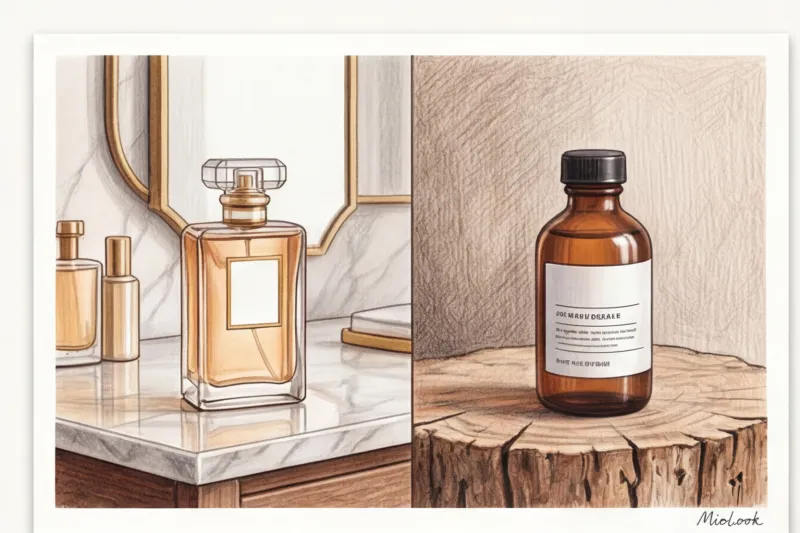
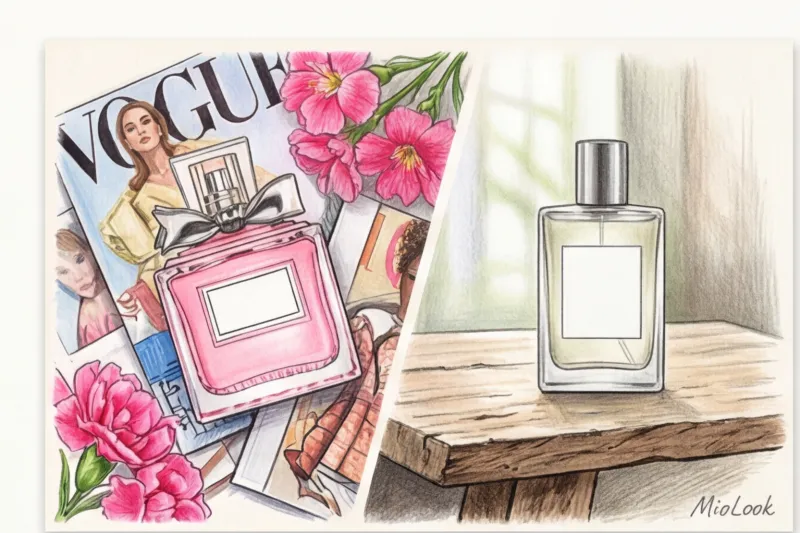
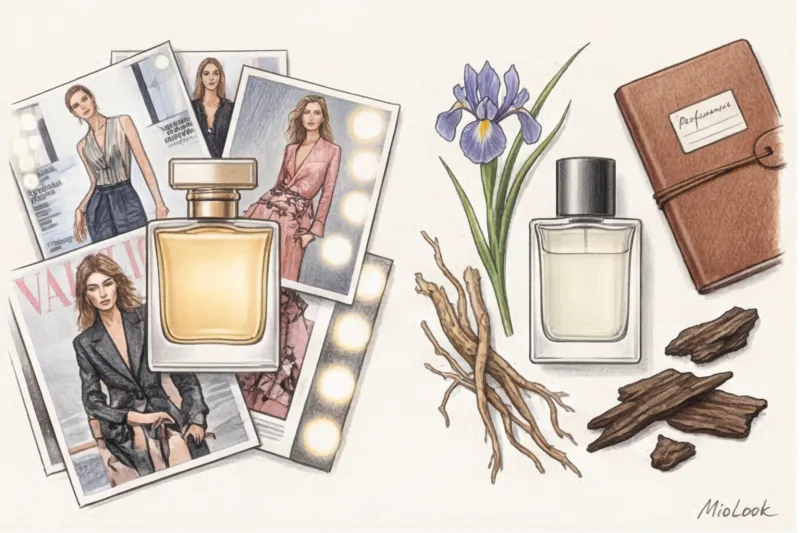
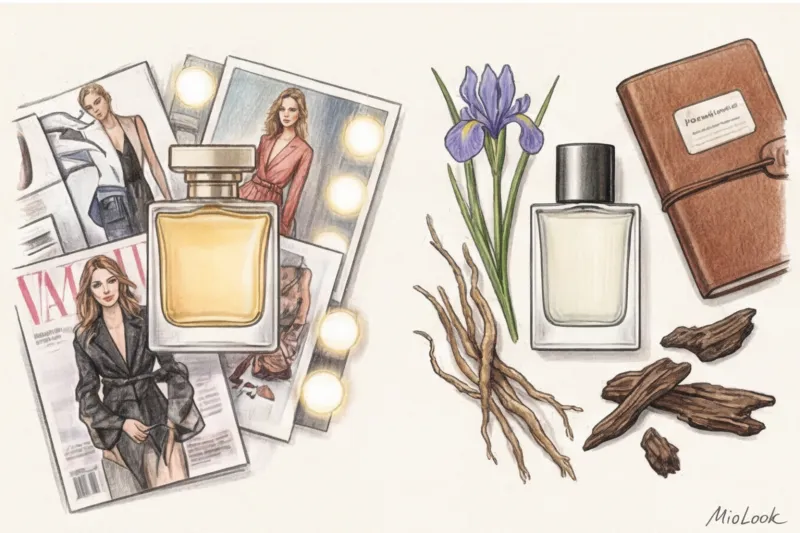
To understand niche pricing, you first need to look at the mass market and commercial luxury. Over 12 years of working in the fashion industry, I've spoken with many insiders. And here's the harsh truth: when you buy a bottle of a popular luxury perfume for 150 euros, you're spending about 80% of that amount on a Hollywood actress's fee in a commercial, TV airtime, focus groups, and the glass bottle itself.
In the commercial segment, the budget for the "liquid" itself (or "juice," as perfumers call it) is paltry—sometimes 2-5 euros per bottle. In niche perfumery, the pyramid is inverted. Brands spend virtually nothing on traditional advertising. They don't hire Zendaya or Johnny Depp. The entire budget goes inside the bottle.
"In a niche, we pay for the 'cost of risk.' An independent perfumer can spend two years developing a fragrance, knowing that only one in a thousand people will understand and buy it. In a luxury brand, a fragrance must appeal to nine out of ten people at the first sniff in duty-free."
According to a 2024 report by consulting firm McKinsey, luxury consumers are now shifting their focus from flashy logos to unique, personalized olfactory experiences. The niche has become the new "quiet luxury"—you're paying for invisible exclusivity.
Highest-quality raw materials: debunking the myth of “only natural” ingredients
The biggest misconception I hear is, "Selective fragrances are expensive because they contain 100% natural ingredients." This is a myth. Furthermore, all-natural fragrances often smell flat, lack sillage, and can cause severe allergies (which is why the International Fragrance Association (IFRA) strictly regulates the use of natural extracts).
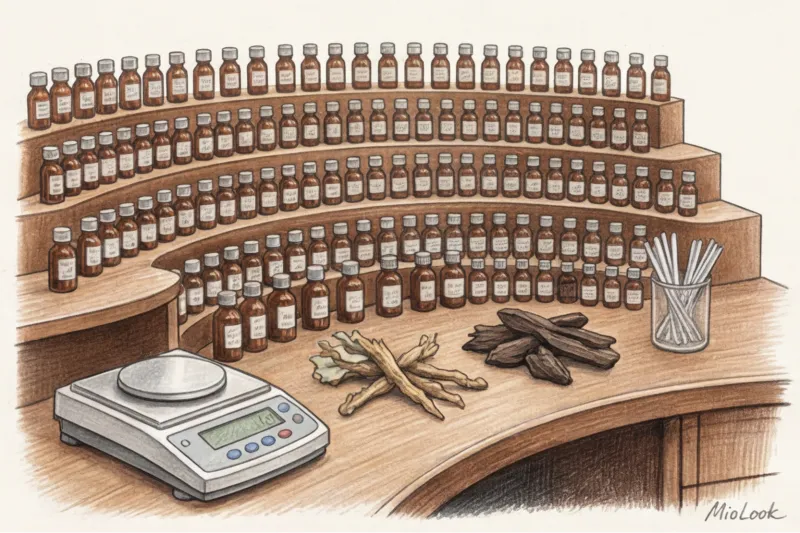
But those natural ingredients that are still used in the niche cost an exorbitant amount of money.
Precious absolutes and vintage harvests
In perfumery, as in winemaking, there is a concept terroir Jasmine grown in Grasse is tens of times more expensive than Indian or Egyptian jasmine due to the unique microclimate and the cost of European labor.
Let's move on to specific numbers:
- Pale Iris (Iris Pallida): The absolute from this plant's roots can cost up to 100,000 euros per kilogram. The roots are dried for three to five years before they release their powdery, elegant aroma.
- Rose Centifolia: To obtain just 1 kilogram of rose oil, it is necessary to collect about 3-4 tons of petals.
- Vintage oud and sandalwood: Niche houses often buy aged oils, whose value only increases over the years, turning perfume into an investment asset.
Captive Molecules: When Synthetics Are More Expensive Than Gold
And now here's a counterintuitive fact: it's often synthetics that make a niche so expensive and avant-garde. We're talking about captive molecules.
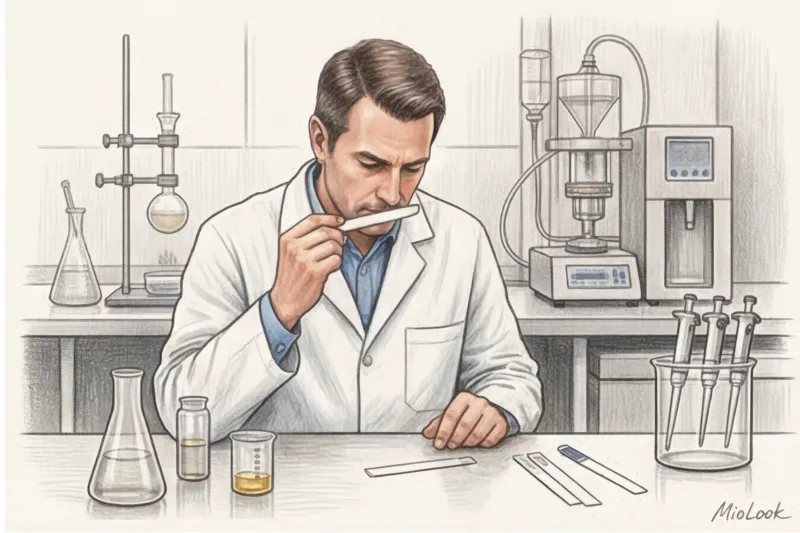
These are unique chemical compounds developed and patented in cutting-edge laboratories (such as Firmenich or Givaudan). The formula is kept secret, and the molecule is not sold on the open market. Only select perfumers are granted the right to use it.
Mass-market synthetics are like cheap vanillin. Niche synthetics are the result of decades of scientific research. Captive molecules are what create the scent of hot asphalt after rain, fresh ozone, cold steel, or clean skin. Without them, modern niche perfumery simply wouldn't exist.
Your perfect look starts here
Join thousands of users who look flawless every day with MioLook. This smart AI stylist will not only help you choose the perfect outfit but also suggest the perfect fragrance for your wardrobe.
Get access — €0.99 onceThe price of absolute creative freedom for a perfumer
In the commercial segment, the perfumer receives a strict brief from marketers: "We need a fresh floral-fruity fragrance for women aged 25-35. The cost of the liquid should be no more than 3 euros. The delivery period is 3 months.".
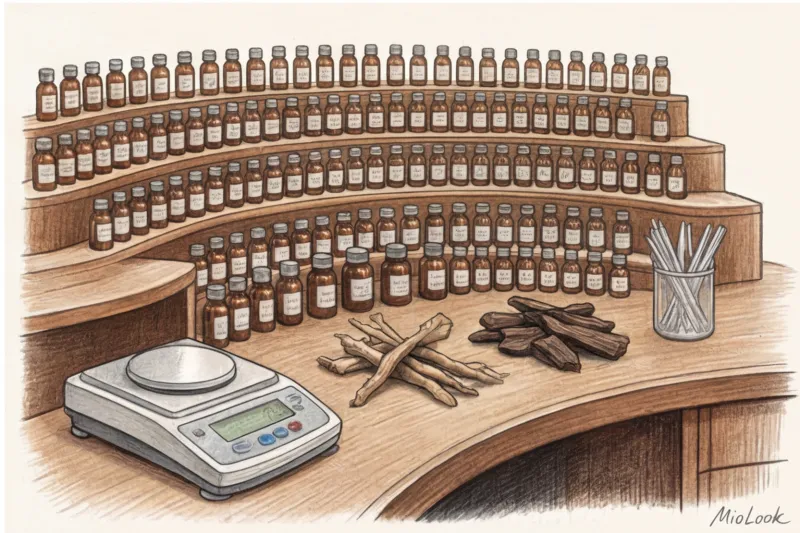
In a niche setting, the process is different. Great noses like Jean-Claude Ellena or Dominique Ropion, when creating masterpieces for independent houses, are given carte blanche. They have no deadlines. There are no focus groups to smooth out the finer points of a fragrance, making it universally accessible (and ultimately boring).
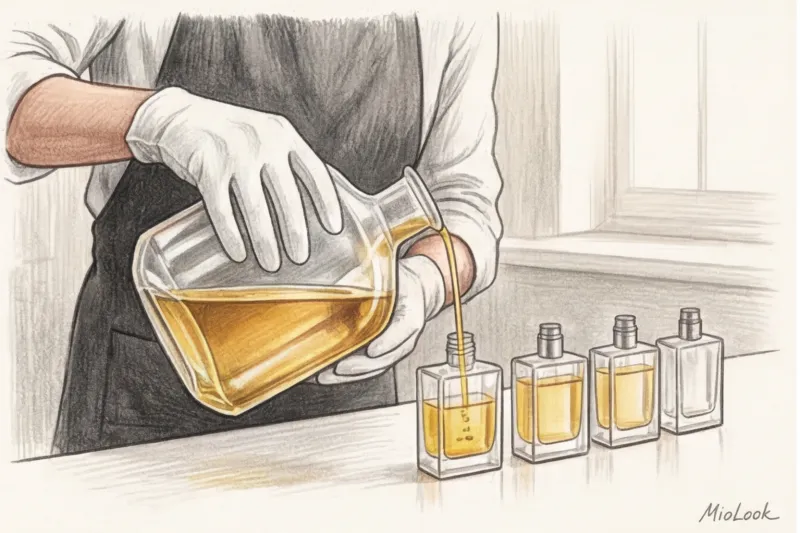
A perfumer can make 300, 400, or 500 formula iterations (mods), achieving the perfect balance between the fig note and the bitterness of vetiver. This process can take from one to three years. Training at the renowned ISIPCA Perfumery Institute in Versailles is expensive, and there are fewer true masters in the world than astronauts. Their time and creative uncompromisingness are generously factored into the price of the bottle.
Micro-runs and micro-logistics: the mathematics of exclusivity
The ruthless law of economies of scale is at work. If L'Oréal orders a million bottles from a factory, the price per unit approaches pennies. If an independent niche brand wants to release a limited run of 1,000 bottles, factories impose prohibitive minimum order quantity (MOQ) prices.
Brands have to pay tens of times more just for the right to produce a small batch. Add to this the manual labor: at many boutique brands, filtration, bottling, labeling, and boxing are all done by hand in small workshops.
The bottle as an artifact: heavy glass, zamak and hand polishing
Pick up a bottle of a typical luxury brand from a chain store, and then a bottle of a good selective brand. Can you feel the difference in weight?
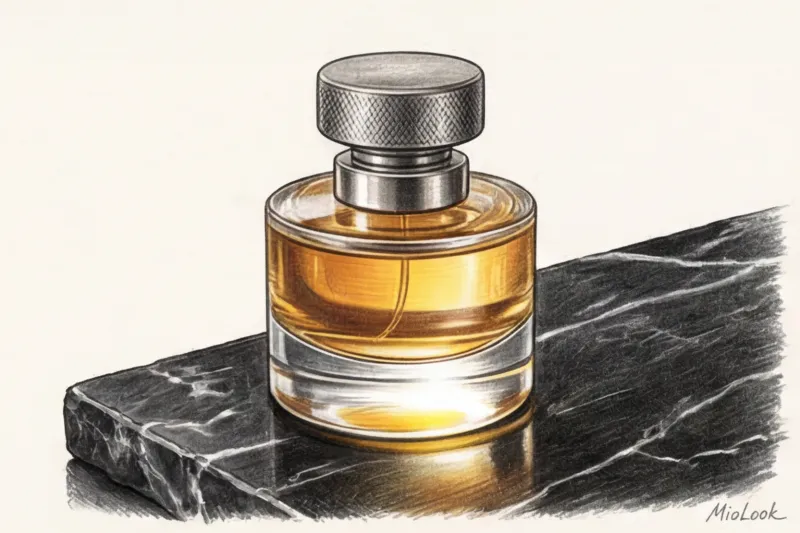
The bottle itself can account for up to 30% of the total price in a niche market. Brands use heavy crystal glass, which is hand-polished to eliminate even the slightest casting seams. The caps are often made of Zamak alloy—a heavy, cold metal. They close with a distinctive, precise magnetic click. This tactile experience is priceless: the bottle feels like a heavy, prestigious object in your hand, an artifact that will enhance your interior.
Invisible Status: Why Niche Perfumes Are Expensive, But Pay Off in Your Image
As a stylist, I constantly tell my clients: your look doesn't end with your clothes. Fragrance is an invisible element of your wardrobe that enters the room a second before you and lingers long after you leave.
One of my clients, a top manager at an IT company, complained that she was being treated too "softly" at boardrooms (which were dominated by men). We completely overhauled her wardrobe—I wrote about this in detail in the article How to Look Expensive: Secrets of a Status Wardrobe But the final touch was the replacement of her recognizable, overtly sweet luxury perfume with a strict, dry, woody-incense selective.
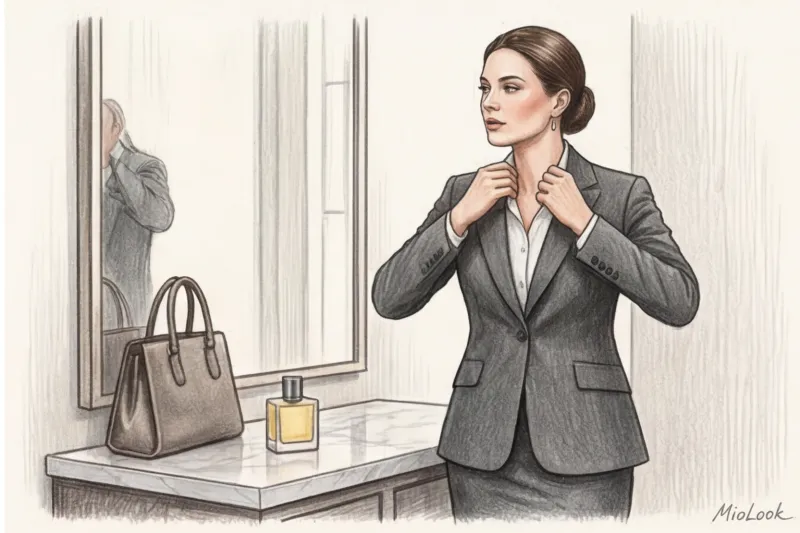
The result? Her posture changed. Her colleagues' perceptions shifted. A niche perfume often functions as a marker of belonging to a certain circle—a kind of "intellectual snobbery," a signal to those who understand.
Access to MioLook for €0.99 — one-time payment
A smart AI stylist will find the perfect look to suit your status, goals, and even your favorite perfume. Organize your wardrobe in one click.
Get access — €0.99 onceChecklist: How to understand that the price for a bottle of Selective is justified
Unfortunately, the niche's popularity has given rise to many "pseudo-niche" brands. They buy ready-made, inexpensive formulas, bottle them in pretty bottles, and price them at €300, hiding behind a fictitious legend about an "18th-century count."
How to avoid being deceived and understand what you are paying for?
- Rate the disclosure over time: A truly complex fragrance plays. It changes after 15 minutes, after an hour, after three hours. The pseudo-niche is monotonous and flat from beginning to end.
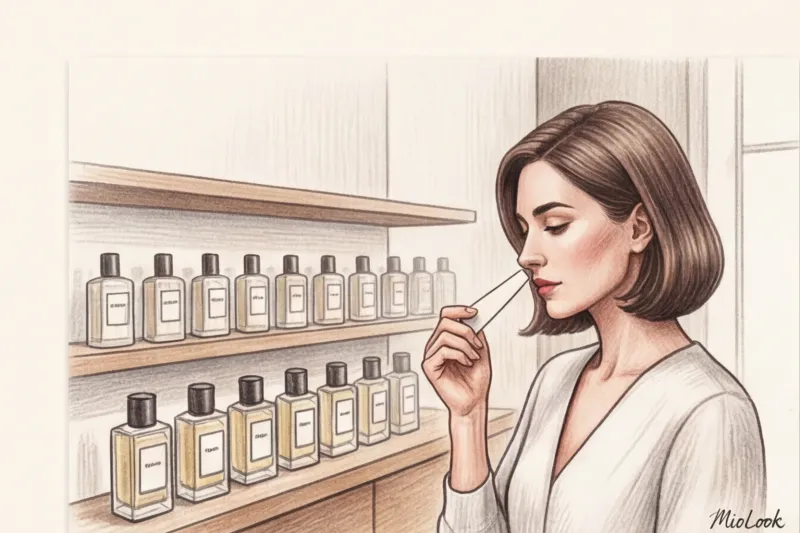
- Never buy blindly: Test on your skin only. Expensive natural oils and complex molecules react chemically with your pH. A blotter and your wrist will smell different.
- Explore history: Who is the perfumer? Does the brand have a real concept, or is it just a collection of buzzwords ("oud," "amber," "exclusive")?
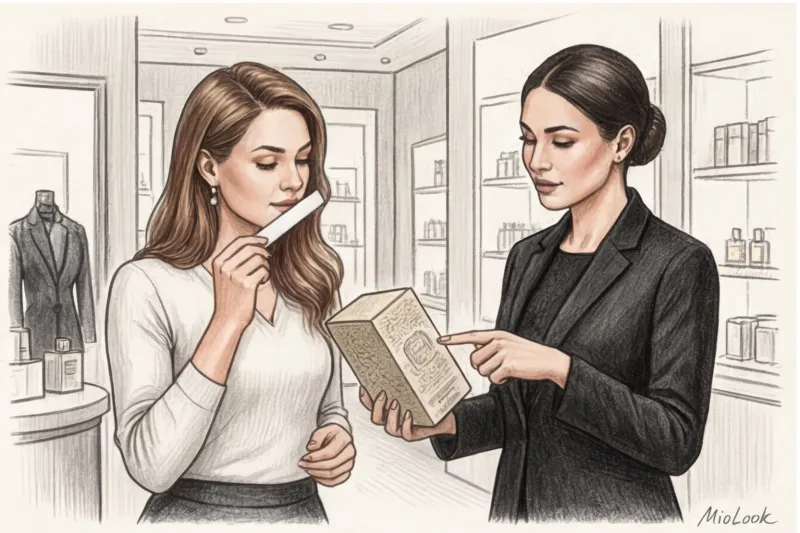
And here I have to do important, honest clarification This rule doesn't always work: a high price does NOT guarantee 24-hour longevity. If you've chosen a niche fragrance based entirely on natural citrus (bergamot, neroli, mandarin), it will physically evaporate from your skin within 3-4 hours. This is due to the volatility of these molecules; it's a matter of physics, not the manufacturer's greed. If you're promised "long-lasting natural lemon scent for 48 hours," you're being lied to; it's 100% fixatives and synthetic musk.
In the end, Why is niche perfumery expensive?? Because it gives us back what the mass market has long lost: the right to individuality, the right to smell strange, complex, and unforgettable. You're not just paying for scented water; you're investing in your olfactory signature. And uniqueness in our uniform world is the most valuable currency.