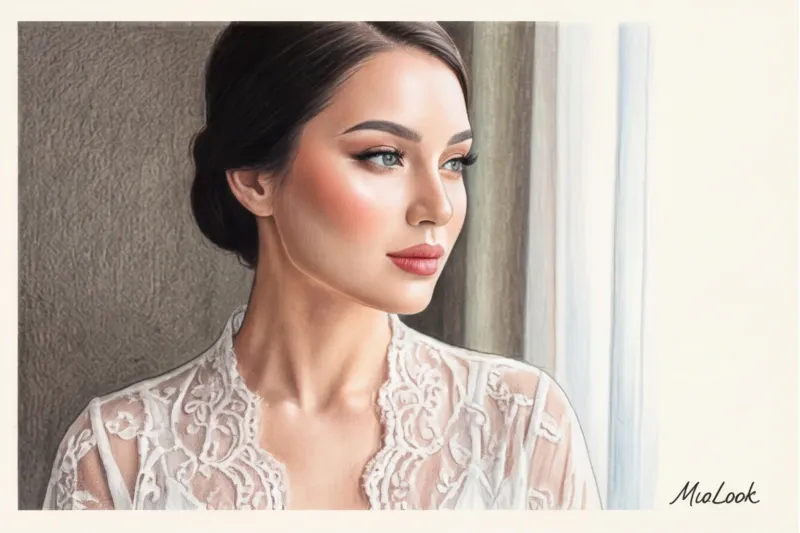
Nine out of ten of my clients bring the same Pinterest photo to their wedding look rehearsal: glowing skin, a subtle blush, and dewy eyelids. They ask me to replicate this runway masterpiece, unaware that two hours later, in 90-degree heat, this beauty will turn into a disaster. One time, a bride came to me in tears after a makeup trial with a different artist—her trendy "wet eyelids" had turned into dirty streaks of eyeshadow on the way home.
Unlike glossy magazines that simply list wedding makeup trends, I suggest looking at them from a different perspective. We'll examine current trends through the lens of color, the laws of optics (how a face looks in person and through the lens), and the basic chemical compatibility of textures. After all, your goal isn't just to take a beautiful selfie; your goal is to make your makeup last for 16 hours. I've already covered the basic architecture of a long-lasting look in our guide. Wedding Makeup: Rules for a Long-Lasting Festive Look Today we'll talk about what fashion dictates and how to adapt it to real life.
Top Wedding Makeup Trends 2024-2025: From the Runway to the Altar
According to the Pinterest Global Wedding Report for this year, 85% of brides have shifted their focus from heavy Instagram contouring to skincare. The era of the Kim Kardashian-style baked matte complexion of 2016 is finally over. The main focus of the season is total personalization and the ditching of masks.
But a runway trend always needs adaptation. What looks great for 15 minutes under the spotlight at an Elie Saab show won't survive tears at the registry office, kisses from relatives, and dancing until you drop. So, we'll be bringing every trend down to earth.
Trend 1: Glass Skin and Soft Matte: A Battle of Finishes
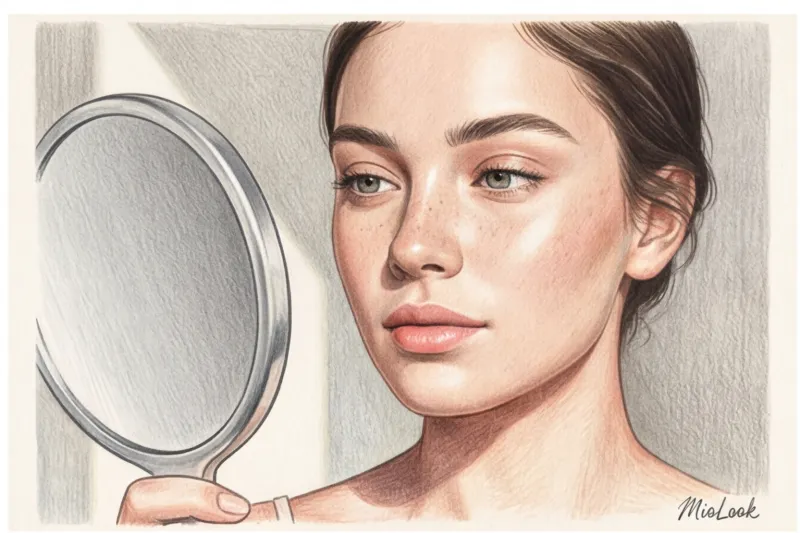
The effect of dewy, radiant skin is beautiful. But the line between "expensive highlighting" and a banal oily shine in the T-zone is critically thin. If you have combination or oily skin, classic Glass Skin will play a nasty trick on you in photos.
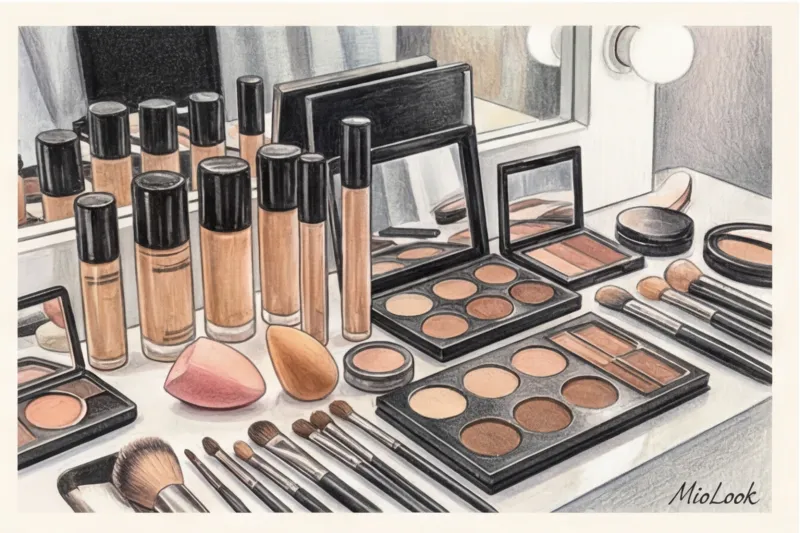
My favorite solution for such cases is the Soft Matte technique. We leave the center of the face matte (forehead, nose, chin, and undereye area), and relegate the highlights strictly to the periphery—cheekbones, temples, and the lip line. This creates a compromise: the face looks fresh and full, yet neat. A fair caveat: if you have active breakouts or pronounced post-acne marks on your cheekbones, it's best to avoid liquid highlighters—the pearlescent finish will mercilessly accentuate every imperfection.
Trend 2: Monochrome in Peach Fuzz and Dusty Rose Shades
The Pantone Color Institute has declared Peach Fuzz the color of the year 2024, and it's a real lifesaver for the wedding industry. Monochromatic makeup, where the same peach or soft pink product is used on the eyelids, cheeks, and lips, creates incredible harmony.
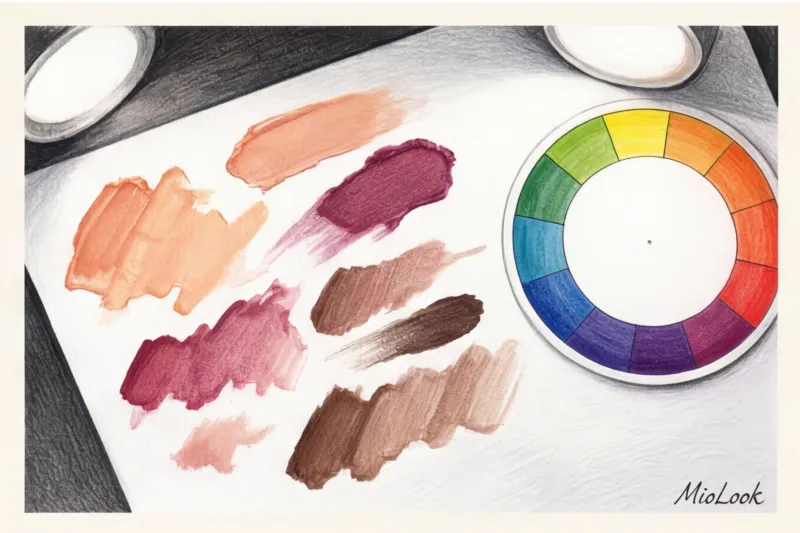
Peach shades are phenomenally refreshing, neutralizing dark circles under the eyes. Muted berry tones (dusty rose) add cinematic drama to your look if you're planning an evening ceremony. The key to monochrome is to carefully blend the edges, creating a watercolor effect.
Trend 3. Expressive lips: the return of the comfortable 90s
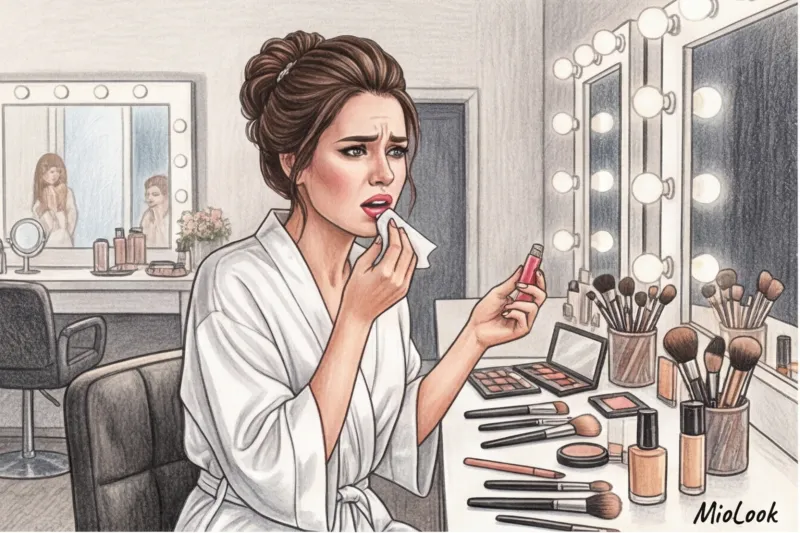
We're finally saying goodbye to completely matte lipsticks that dry out lips and turn them into raisins by the end of the party. The '90s are back in fashion: a clear, yet softly shaded, pencil outline (half a shade darker than your natural lip color) and a satin center. This visually adds volume without injections.
A great and much more comfortable alternative are long-lasting Korean tints coated with a clear glossy topper. The gloss will wear off during the first toast, but the pigment itself will stay with you until you cut the cake.
Your perfect look starts here
Join thousands of users who look flawless every day with MioLook. Try on the latest trends virtually!
Get access — €0.99 onceThe "No-Makeup Makeup" Myth: Why the Hottest Trend Is Dangerous
Perhaps the biggest paradox of the modern beauty industry is Clean Girl Aesthetic. Girls come in and say, "I want minimal makeup, just perfect, bare skin." And then I have to reveal a professional secret: "no-makeup" makeup is the most complex, expensive, and multi-layered type of wedding makeup.
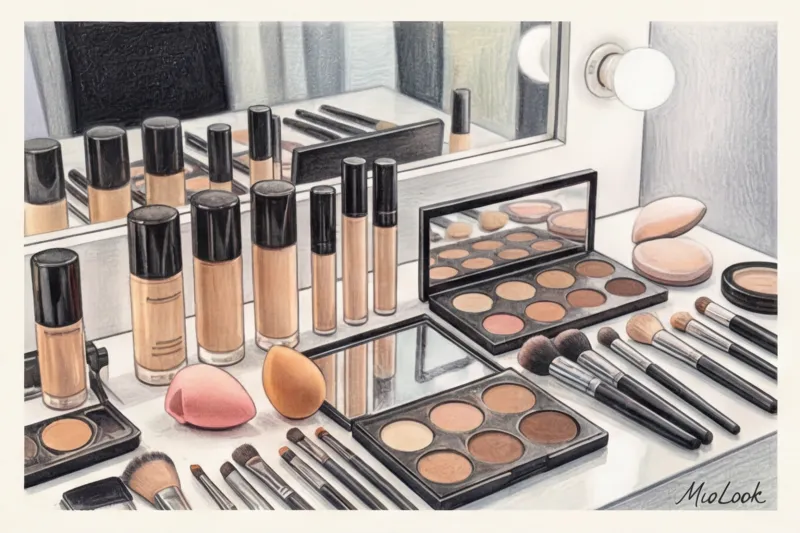
In reality, it requires more products than the classic Hollywood look with red lips and winged eyeliner. To achieve a bare yet flawless look, we need to apply a hydrating base, a luminous primer, a lightweight face tint, two types of concealer, a creamy contouring foundation, a creamy blush, a setting powder, and a setting spray. Eight invisible layers!
Remember the law of studio optics: professional flash and reportage lighting in a restaurant can reduce the saturation of your makeup by up to 30%.
While your nude may look perfect in the mirror in daylight, in photos next to a crisp white dress your face will look flat, sallow, and tired. What works great for strict business makeup At a wedding, a brighter complexion requires optical correction. Cameras need contrast. Therefore, even with the most "natural" makeup, the blush and lash line should be brighter than you're used to in everyday life.
Color in wedding makeup: how to adapt trends to your color type
I recently gave the viral Latte Makeup trend (coffee makeup in warm bronze tones) a personal test drive by applying it to a woman with a contrasting cool "Winter" skin tone. The result? In the daylight at the registry office, she looked tired, and her skin took on a sallow tone. The bronzer simply clashed with her natural olive undertone.
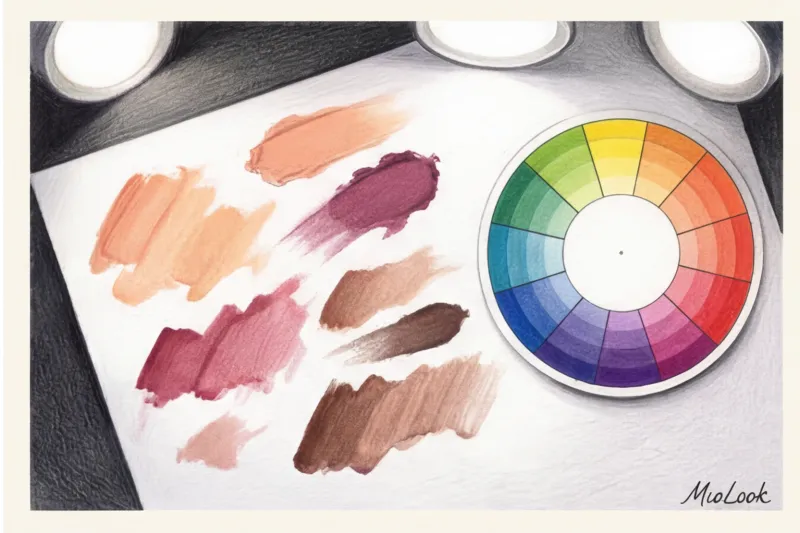
Trends are trends, but the laws of coloristics remain the same. Read more about how to determine your natural features in this article. 12 Color Types of Appearance: A Guide to Choosing a Palette Here are three ironclad rules for adapting your wedding color scheme:
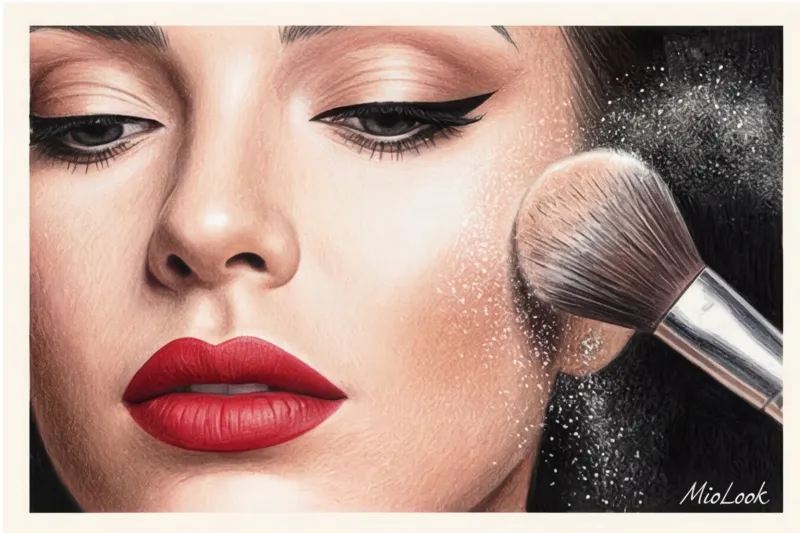
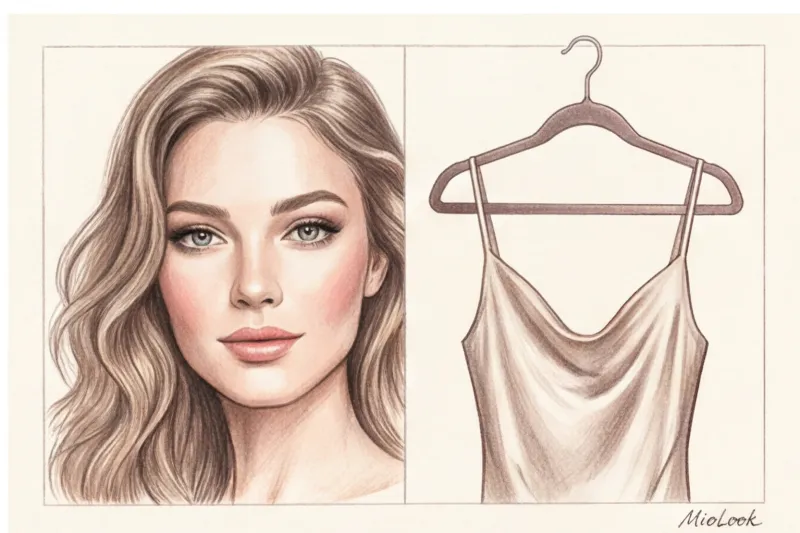
- The temperature of the dress dictates the temperature of the makeup. A crisp white dress calls for cool or neutral tones (pink, taupe, silver). A champagne or ivory dress will sparkle when paired with a warm palette (peach, bronze, gold).
- Selecting a blush. Olive skin needs a peachy-coral blush for a fresh look. Porcelain skin needs a cool pink. Neutral skin needs a dusty rose shade.
- Contrast intensity. If you're a delicate "Spring" type, a jet-black smoky eye will make your eyes look heavy and make your face look five years older. Opt for chocolate or deep graphite shades.
Don't want to take any risks the day before your wedding? I highly recommend using the virtual makeup try-on feature in MioLook app You upload your photo and can try on any temperature and density of makeup before buying expensive cosmetics or visiting a makeup artist.
Access to MioLook for €0.99 — one-time payment
A smart AI stylist will choose the perfect look for you.
Get access — €0.99 onceTrends vs. Longevity: Cosmetic Chemistry for a 16-Hour Marathon
The average wear time of trendy "glossy" textures on the face without fixation is 40 minutes. A wedding day, on average, lasts 12-16 hours. This is a true test of durability, where the harsh chemical properties of polymers come into play.
The biggest mistake women make when doing their own makeup is mixing clashing bases. The principles of cosmetic chemistry dictate that you shouldn't apply water-based foundation over a silicone mattifying primer. Water and silicone repel each other. Your foundation will simply peel off in chunks within a couple of hours. Look for overlaps: water-based with water-based, silicone-based with silicone-based.
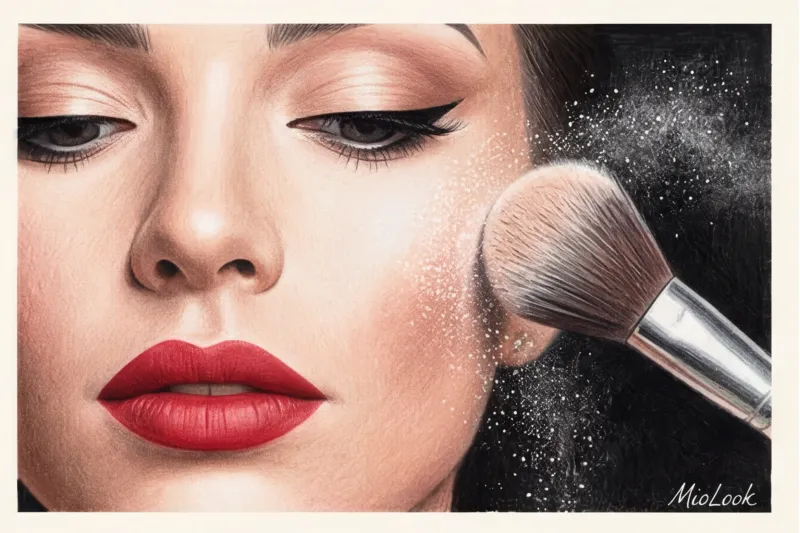
How to maintain a trendy dewy look without sacrificing longevity? The secret is in the "baking" technique—not over the entire face, but only in strategic areas. We apply a finely milled loose translucent powder with a sponge to the T-zone, under-eye area, and nasolabial folds, leaving it on for a couple of minutes, and then brushing off any excess with a brush. The glow stays where it belongs (the cheekbones), while the center of the face is securely set with the powder's polymers.
Checklist: How to Test Your Wedding Makeup Before the Big Day
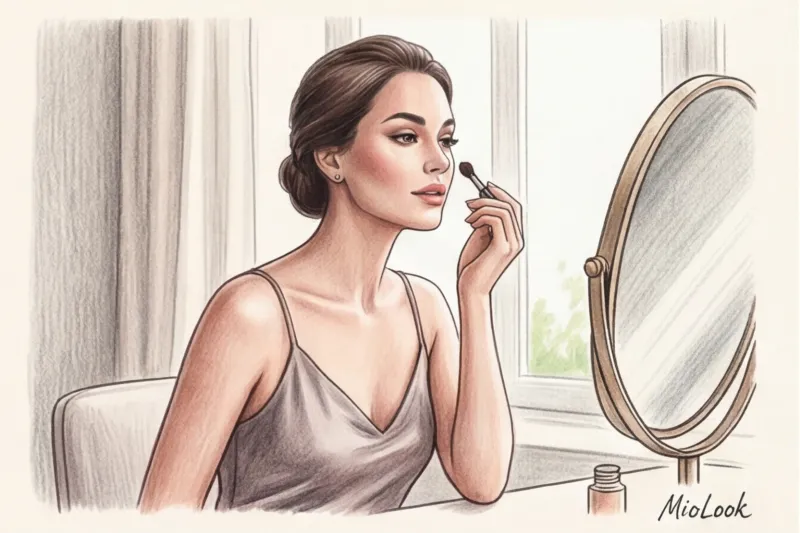
A makeup trial isn't just a chance to look beautiful in the mirror. It's a stress test for your makeup. Over 12 years of working as a makeup artist and stylist, I've developed a rigorous testing protocol that will save your wedding photos.
- White T-shirt test. Come to your makeup rehearsal wearing a white or light-colored T-shirt (ideally, the same color as your future dress). A black sweater distorts the perception of contrast on your face. What appears bright against a black background will fade against white silk.
- Change of locations. Don't accept your stylist's work while sitting in front of a ring light. This light flatters everyone. Go outside in daylight, go into a bathroom with artificial yellow lighting, and check your face in the dim light.
- Flashback test. Ask a friend to take a photo of you in a dark room with a smartphone flash. If your powder or foundation contains titanium dioxide or zinc oxide (physical SPF filters), your face will appear as a deathly white spot against your body. For a wedding, choose a foundation without SPF.
- Tear test. Yes, apply a drop of water to the outer corner of your eye. Wedding eyeliner and mascara should be strictly waterproof, not just water-resistant.
Wedding fashion is fickle. Today, everyone's crazy about "glass skin," and in five years, dense matte textures will be back in fashion. But your wedding photos will stay with you forever. Choose not the makeup that gets the most likes on social media, but one that takes into account your anatomy, skin chemistry, and makes you feel like the most beautiful version of yourself.