Почему цифровой гардероб — это больше, чем просто каталог фотографий
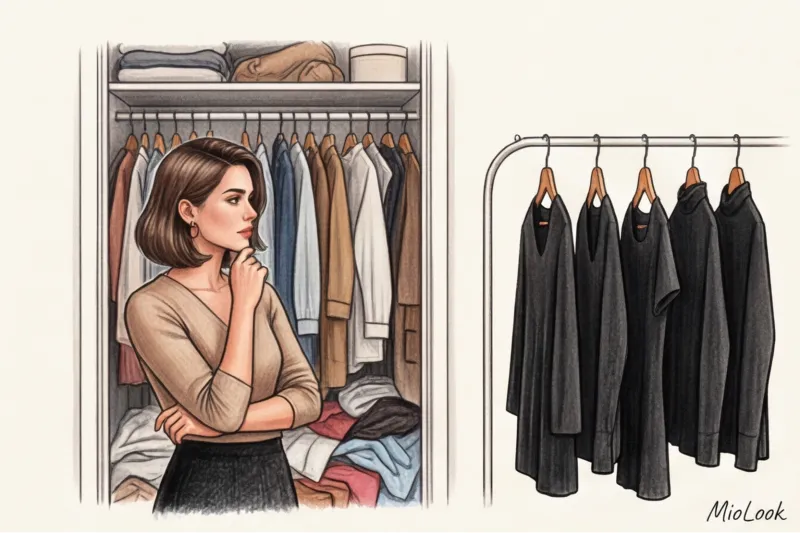
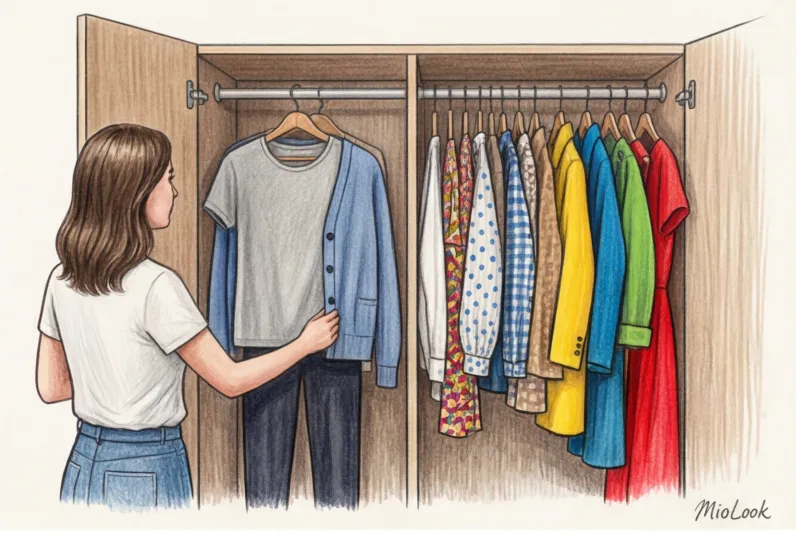
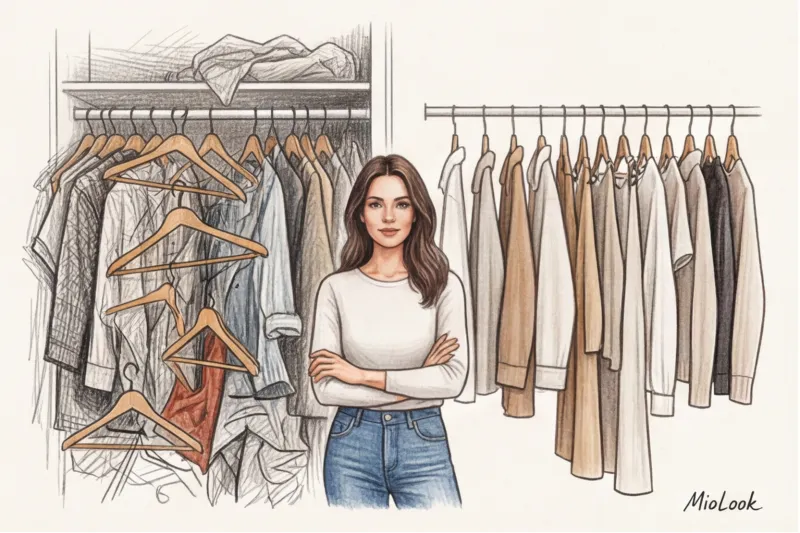
Представьте типичное утро: на часах 7:30, вы стоите перед распахнутым шкафом. На вешалках плотными рядами теснятся десятки блузок, джинсов и платьев, но рука по привычке тянется к одним и тем же черным брюкам и проверенному серому свитеру. Знакомая ситуация? Парадокс «полный шкаф, а надеть нечего» — это не ваша личная вина и не признак отсутствия вкуса. Это закономерный результат того, как работает наше восприятие: мы просто не носим то, чего не видим в моменте.
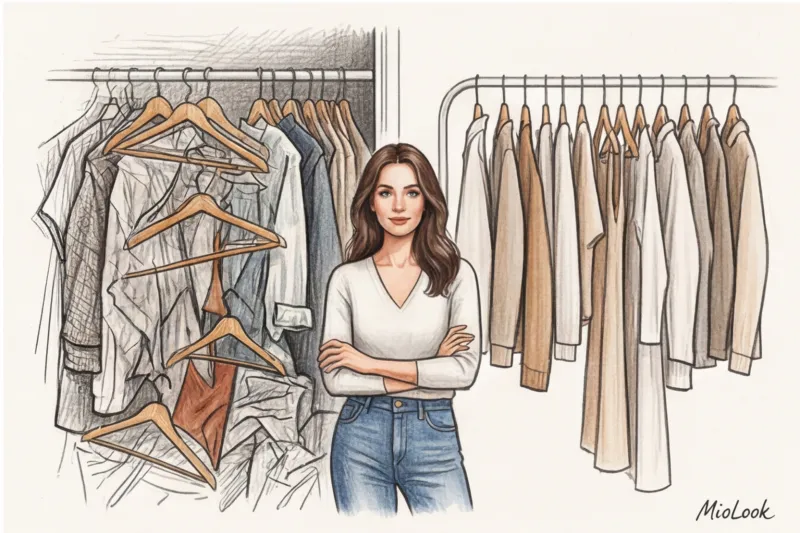
Именно здесь на помощь приходит цифровой гардероб — инструмент, который переводит работу с вашим стилем из интуитивной плоскости в системную.
Давайте обратимся к цифрам. По данным исследований международной организации WRAP (Worldwide Responsible Accredited Production), среднестатистическая женщина не надевает около 70% содержимого своего шкафа в течение года. Классическое правило Парето работает в моде безупречно: 80% времени мы занашиваем до дыр лишь 20% наших вещей. Например, великолепная шелковая блузка за 150 €, купленная для особых случаев, может годами висеть в плотном чехле просто потому, что в утренней спешке она выпадает из поля вашего зрения. Оцифровка гардероба безжалостно, но честно визуализирует этот дисбаланс. Вы вдруг ясно видите, что у вас есть пять одинаковых белых футболок, но ни одного подходящего низа к акцентному жакету.
За 14 лет работы персональным стилистом я разобрала сотни шкафов. И должна признаться: последние 10 лет я наблюдаю абсолютно идентичные проблемы у клиенток с совершенно разным уровнем дохода. Вещи с неоторванными бирками зажаты между устаревшими свитерами, а отличные базовые элементы теряются в дальних углах полок. Когда я стала внедрять оцифровку в работу с клиентами, результаты оказались поразительными — выяснилось, что правильная визуализация заменяет 50% работы персонального шоппера! Вместо того чтобы бежать в магазин за новой юбкой, клиентка открывает приложение и собирает три свежих образа из того, что у нее уже есть. Разумеется, чтобы этот инструмент работал на все сто, перед съемкой я настоятельно рекомендую провести ревизию шкафа и избавиться от устаревших вещей.
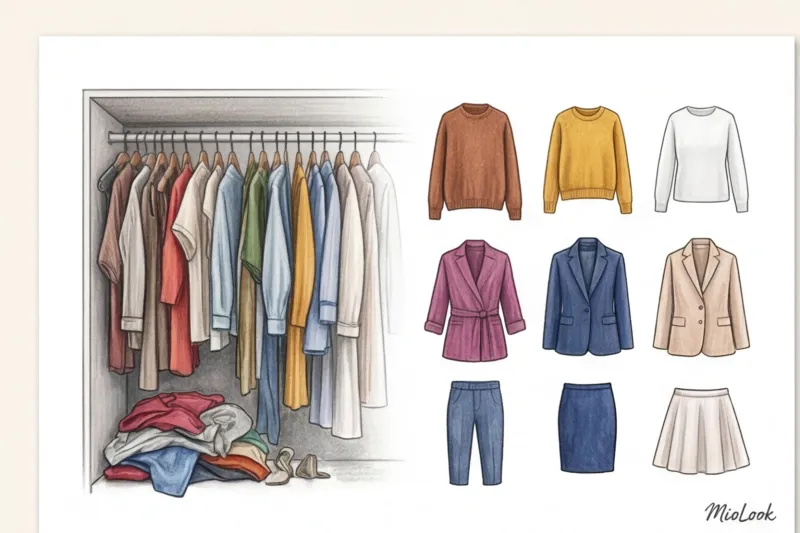
Важно понимать главное: современный цифровой гардероб — это давно уже не просто хаотичная папка с селфи из зеркала в вашем телефоне. Сегодня это полноценная умная экосистема для управления стилем. Интеллектуальные платформы, такие как MioLook, превращают ваш смартфон в карманного стилиста. Алгоритмы автоматически удаляют фон с фотографий, тегируют вещи по сезонам и цветам, а главное — позволяют легко создавать капсульный гардероб, собирая образы прямо лежа в кровати за утренним кофе. Это уже не складирование фотографий, а осознанный контроль над своим имиджем, который экономит ваши деньги, нервы и драгоценное время каждое утро.
С чего начать создание цифрового гардероба: пошаговая система стилиста
Самая частая причина, по которой девушки забрасывают идею цифрового гардероба в первый же вечер — это хаотичный подход. Мы достаем телефон, открываем шкаф и начинаем лихорадочно фотографировать вещи прямо на вешалках, в полумраке, даже не доставая их с полок. В итоге на экране появляются десятки темных, бесформенных пятен. Составлять стильные образы из такого исходника — мучение, а не удовольствие.
Давайте договоримся: ваш виртуальный шкаф должен выглядеть как витрина премиального бутика. И чтобы добиться этого эффекта с минимальными усилиями, нужна строгая последовательность действий.
Этап первый: Сезонная сортировка
Перед тем как сделать первый кадр, физически разделите вещи на сезонные и несезонные. Если на дворе май, плотные шерстяные брюки и объемные пуховики отправляются в чехлы — им пока не место в вашей активной базе. Фокусируемся исключительно на том, что вы можете надеть прямо завтра. Это колоссально снижает психологическую нагрузку: качественно оцифровать 30 весенне-летних вещей гораздо проще, чем пытаться за один вечер отснять весь годовой арсенал из 150 позиций.
Этап второй: Безжалостная отбраковка
Цифровизация — это лучший момент для модного детокса. В вашей умной капсуле не должно быть визуального «мусора». Я всегда строго говорю своим клиенткам: не нужно оцифровывать вещи с катышками, растянутыми локтями, выцветшими воротниками или невыводимыми пятнами. Также смело пропускайте джинсы, в которые вы планируете влезть, когда похудеете на два размера.
Если любимый домашний свитер выглядит так, будто его максимальная стоимость сейчас не превышает 2€, он испортит вам всю эстетику виртуальной капсулы в приложении. Оставляем для съемки только те вещи, которые сидят по размеру и дарят уверенность.
Этап третий: Свет решает всё
В прошлом году одна моя клиентка из Берлина прислала мне свой свежесозданный каталог одежды для разбора. Я смотрела на экран и не могла понять, зачем ей шесть абсолютно одинаковых черных водолазок. Оказалось, это были темно-синяя (navy blue), изумрудная, графитовая и глубокая бордовая модели! Просто она фотографировала их вечером после работы.
Никогда не фотографируйте вещи при желтом свете комнатной лампы накаливания. Искусственное освещение катастрофически сдвигает баланс белого. Камера смартфона пытается компенсировать желтизну, и в результате роскошный бежевый тренч становится грязно-серым, а сложные глубокие оттенки превращаются в плоский черный цвет.
Мой профессиональный лайфхак для домашней съемки: устройте фотосессию в выходной день с 10:00 до 14:00. Положите вещь на пол недалеко от окна, чтобы на нее падал мягкий, рассеянный дневной свет. А с теневой стороны (напротив окна) поставьте обычный белый лист ватмана или кусок белого пенокартона. Он сработает как студийный рефлектор — подсветит тени и выровняет освещение. Только так ИИ-алгоритмы смогут точно считать исходный оттенок ткани без искажений.
Правила идеальной фотографии одежды (Flat Lay)
Чтобы алгоритмы умного гардероба работали безупречно (особенно это касается функции автоматического удаления фона), одежду нужно снимать в технике Flat Lay — то есть в плоской раскладке на поверхности. Забудьте про селфи в зеркале — они непоправимо искажают и пропорции тела, и крой самой вещи.
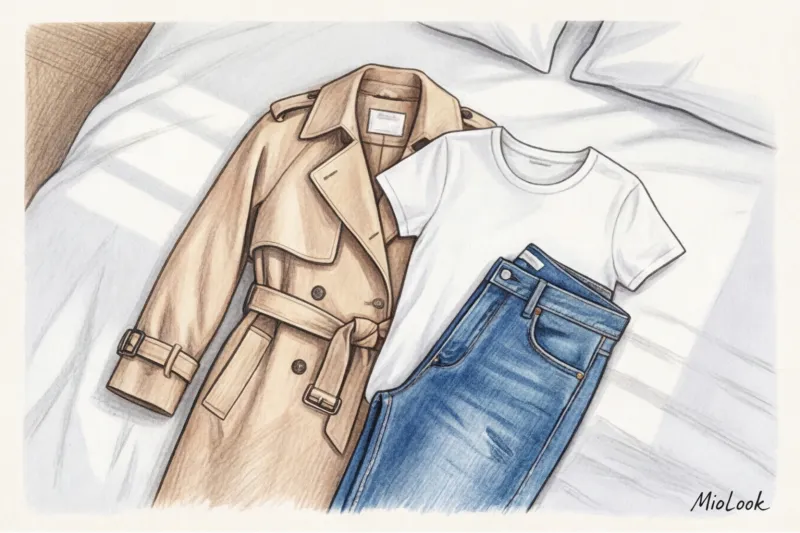
Для идеального кадра, который потом легко будет комбинировать в образы, следуйте трем базовым принципам:
- Фон: ищите контраст. Используйте однотонную матовую ткань (отлично подойдет свежевыглаженная белая или светло-серая простыня) или гладкий пол. Важное правило: фон должен контрастировать с вещью. Если вы фотографируете белый льняной топ на белой простыне, нейросети будет сложно отделить края рубашки от фона. В таком случае перенесите белый топ на темный деревянный пол или серый плед.
- Ракурс: строго сверху. Держите телефон параллельно полу. Не снимайте под углом! Если вы сфотографируете широкие брюки-палаццо сбоку или снизу, перспектива исказится: штанины превратятся в зауженные, а длина визуально укоротится. Если вещь объемная (например, пальто макси), не стесняйтесь встать на табуретку, чтобы объектив захватил ее целиком без оптических деформаций.
- Детали: создайте силуэт. Самая досадная ошибка — бросить вещь на фон бесформенной кучей. Перед тем как нажать кнопку спуска, обязательно застегните пуговицы (хотя бы через одну), заправьте шнурки капюшона, расправьте воротники и аккуратно подверните длинные рукава. Одежда на фото должна иметь четкий, читаемый силуэт — именно так она будет выглядеть в ваших готовых луках.
Поверьте моему опыту: потратив лишние 30 секунд на правильную раскладку одной вещи, вы сэкономите десятки часов на утренних сборах в будущем.
Доступ к MioLook за €0,99 — разовый платёж
Умный AI-стилист подберёт идеальный образ из ваших качественно оцифрованных вещей, учитывая погоду за окном и ваши планы на день.
Открыть доступ — €0,99 разовоГлавная ошибка новичков: пытаться оцифровать всё и сразу
Если вы читали популярные книги по организации пространства от японских или американских авторов, то наверняка помните главный завет большинства гуру: достаньте абсолютно все вещи из шкафа и сложите их огромной горой на кровать. Для физического расхламления этот драматичный жест, возможно, и работает. Но если вы попытаетесь применить этот же подход к созданию цифрового гардероба — вы обречены на провал.
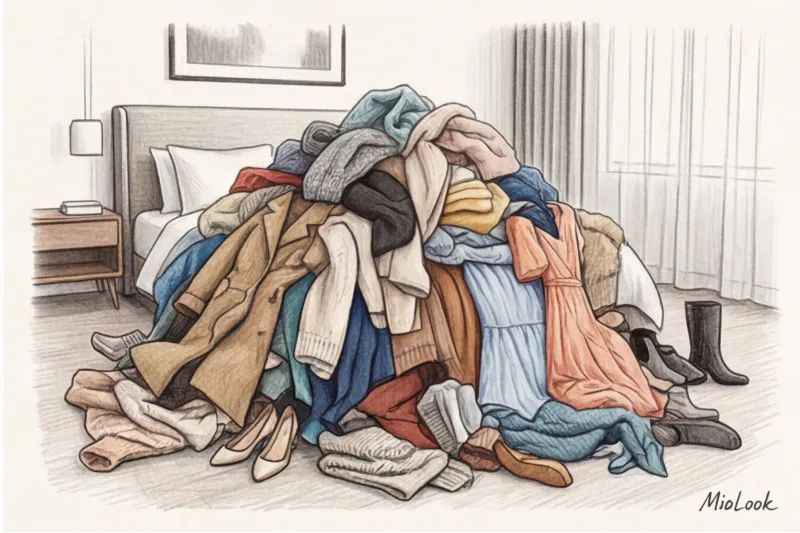
Давайте считать. На то, чтобы просто переложить футболку с полки в коробку для пожертвований, уходит пара секунд. Но чтобы качественно отснять вещь для приложения — разложить ее без складок, поймать фокус, скадрировать и проставить теги сезона и цвета — требуется минимум полторы-две минуты. Умножьте это на 150-200 предметов (по статистике маркетинговых агентств, именно столько базовых и акцентных вещей хранится в шкафу жительницы мегаполиса). Получается около пяти-семи часов изматывающей монотонной работы.
В 2022 году ко мне обратилась Анна, директор по маркетингу. Она решила подойти к своему стилю с привычной корпоративной эффективностью. В воскресенье она вывалила на пол около 200 единиц одежды. Спустя шесть часов непрерывных съемок на корточках, попыток разгладить заломы на шелковых блузках и борьбы с тенями, у нее просто сдали нервы. От невероятной усталости и раздражения она удалила приложение, а вещи сгребла обратно на полки, так и не разобрав.
Именно поэтому я категорически против тотальной инвентаризации за один подход. Это контринтуитивно, но чтобы быстрее получить работающий виртуальный шкаф, нужно двигаться медленно. Для своих клиенток я разработала авторский подход «Активная двадцатка». Его суть предельно прагматична: мы начинаем с оцифровки только тех вещей, которые вы носите прямо сейчас, в эту самую неделю.
Вам не нужно доставать с антресолей объемные зимние пуховики, если на дворе май. Не нужно фотографировать коллекцию нарядных платьев, если вы работаете из дома и носите кэжуал. Метод «Активной двадцатки» снимает психологический барьер — вы тратите на старт всего 15–20 минут, но уже на следующий день получаете рабочий инструмент, который облегчает утренние сборы.
Правило «Капсула первого месяца»
Чтобы метод сработал безупречно и стал вашей полезной привычкой, я рекомендую внедрить правило «Капсулы первого месяца». Это пошаговый алгоритм, который позволяет собрать рабочую сезонную базу абсолютно без стресса и выгорания.
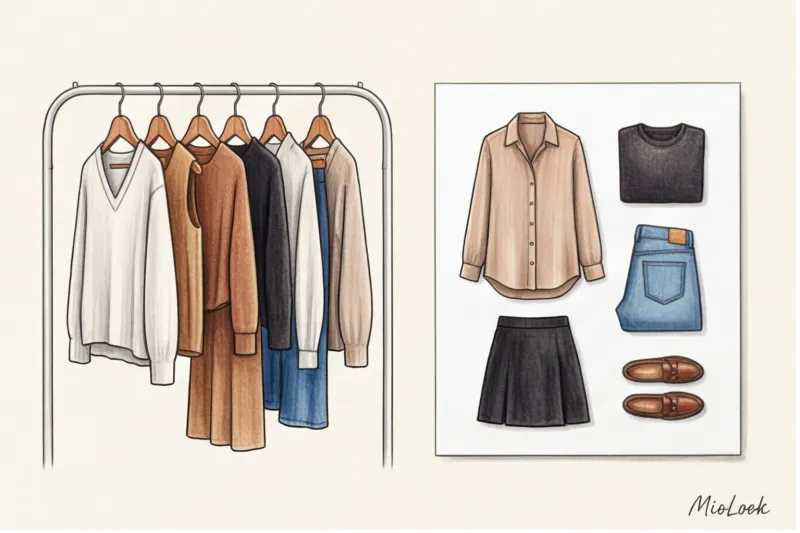
- Выбор 15 базовых вещей текущего сезона. Откройте шкаф и выберите строгий минимум, из которого будет состоять ваш костяк на ближайшие недели. Рецепт идеального старта: 3 низа (например, классические синие джинсы Levi's, костюмные брюки из смесовой шерсти и юбка миди), 5 топов (от базовой белой футболки до рубашки), 2 вторых слоя (ваш любимый блейзер, купленный за $150, и объемный кардиган), 3 пары актуальной обуви и 2 сумки. Всё. Остальное пока игнорируем.
- Оцифровка вещей «в процессе носки». Забудьте о масштабных фотосессиях по выходным. Главный секрет — фотографировать то, что вы надели сегодня утром. Выбрали комплект в офис? Положите эти 3-4 предмета на ровную поверхность при утреннем дневном свете, сделайте быстрые кадры и только потом надевайте. На следующий день повторите с новым комплектом. Используя умные приложения вроде MioLook, вам даже не придется вручную вырезать фон — искусственный интеллект сделает это за доли секунды, пока вы пьете утренний кофе. За неделю-две ваша активная база будет полностью загружена в смартфон без малейшего напряжения.
- Создание первых 10-15 луков из мини-капсулы. Как только в вашем профиле окажутся эти базовые 15 позиций, начинается самое интересное. Сидя вечером в кафе или в такси, вы открываете конструктор образов и начинаете комбинировать. Вы удивитесь, но даже из такого крошечного набора можно собрать от 10 до 15 стильных комплектов. Вы вдруг визуально заметите, что базовый структурный жакет шикарно работает не только с привычными брюками Massimo Dutti, но и поверх простого хлопкового платья, с которым вы его почему-то ни разу не надевали.
Этот подход обеспечивает быстрый дофаминовый всплеск: вы видите реальный результат, ваш гардероб начинает работать на вас, и у вас появляется естественная, а не принудительная мотивация постепенно добавлять в систему новые вещи.
Аналитика в смартфоне: какие метрики гардероба реально работают?
Покупка одежды — это на 80% эмоциональный процесс. В психологии моды есть специальный термин «wishful wardrobing» (гардероб для воображаемой жизни). Мы покупаем эффектное платье для идеальной версии себя, которая ходит на театральные премьеры каждую пятницу. Однако сухие данные показывают: 300 дней в году наше расписание состоит из офисной рутины, походов за продуктами и прогулок с собакой. Переход от эмоций к цифрам — это тот переломный момент, когда оцифровка помогает понять ваш реальный стиль, а не фантазийный.
Когда ваши вещи собраны в единую базу данных, иллюзии рассеиваются. Вы больше не думаете «мне совершенно нечего надеть», вы видите четкую статистику: в шкафу 15 нарядных блуз, но всего одни хорошо сидящие базовые джинсы. Чтобы управлять этим дисбалансом, стилисты используют конкретные метрики, которые теперь доступны каждому в смартфоне.
Первый и самый важный KPI при аудите — Индекс сочетаемости. В моей практике работает жесткое правило: если к новой вещи нельзя подобрать минимум 3 полноценных образа из того, что уже висит в вашем шкафу, мы ее не покупаем. Точка. Никаких обещаний «потом докупить подходящую юбку». В цифровом гардеробе этот тест занимает пару минут: стоя в примерочной, вы добавляете фото потенциальной обновки и визуально проверяете, монтируется ли она с вашими любимыми брюками, жакетом или тренчем. Если пазл не складывается, вещь остается в магазине.
Вторая отрезвляющая метрика — анализ цветовой палитры. Умные приложения умеют генерировать наглядную круговую диаграмму всех оттенков вашего шкафа. Это дает мгновенное визуальное подтверждение ваших реальных предпочтений и безошибочно подсвечивает «белые пятна». Часто девушки жалуются на скучный гардероб, будучи уверенными, что покупают «разную» базу. Диаграмма же безжалостно показывает 75% черного и темно-синего цветов, и полное отсутствие светлых портретных зон. Опираясь на эти точные данные, на следующем шопинге вы уже целенаправленно ищете молочную, карамельную или фисташковую вещь, которая освежит лицо.
Формула Cost Per Wear (Цена за выход)
Если бы меня попросили оставить только один инструмент для оценки гардероба, это безусловно была бы формула Cost Per Wear (сокращенно CPW). В профессиональной среде именно этот показатель определяет истинную ценность любой вещи, отделяя грамотные инвестиции от импульсивных трат.
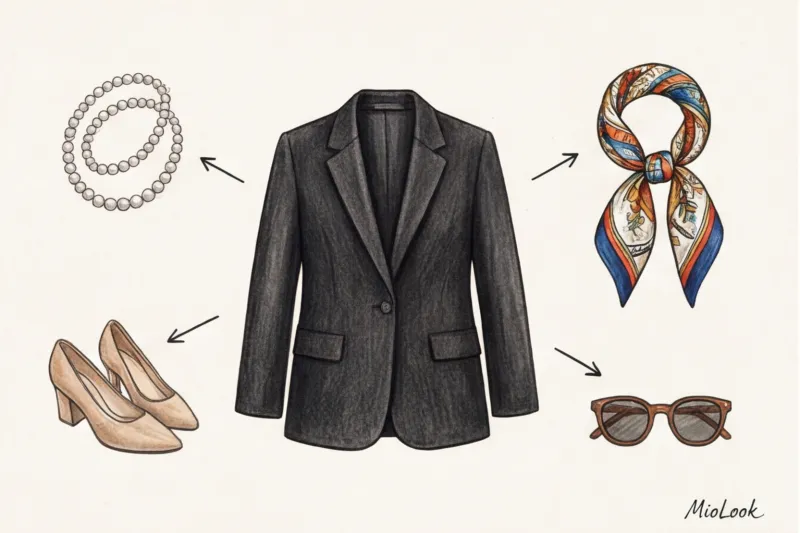
Как считать CPW? Формула предельно проста: (начальная стоимость вещи + расходы на уход) / количество надеваний. Давайте посчитаем на конкретном примере. Допустим, вы купили плотный базовый кашемировый свитер премиального бренда за $250. Вы носите его дважды в неделю на протяжении двух холодных сезонов (в сумме около 80 выходов). За это время вы трижды отдали его в химчистку, потратив еще $30. Считаем: ($250 + $30) / 80 = $3.50 за один выход.
А теперь возьмем ультратрендовую футболку со сложным принтом из масс-маркета за $25. Она пережила ровно две вечеринки и одну стирку, после чего принт потрескался, а швы перекосило. Ее CPW равен $12.50. Контринтуитивный парадокс осознанного потребления заключается в том, что дорогой кашемировый свитер часто имеет в четыре раза меньший CPW, чем дешевая футболка-однодневка.
Вести такие расчеты в уме или блокноте — абсолютная утопия, на которую ни у кого нет времени. И именно здесь современные приложения для цифрового гардероба автоматизируют рутину. Вы просто фиксируете собранный образ на день, а алгоритм сам пересчитывает стоимость каждого элемента с учетом нового надевания. Вы в реальном времени наблюдаете, как цена за выход ваших любимых ботинок стремится к нулю, а спонтанно купленное платье с пайетками так и «висит» мертвым капиталом по $150 за единственный выход.
Попробуйте MioLook бесплатно
Начните создавать идеальные образы с помощью искусственного интеллекта и считайте метрики гардероба автоматически.
Открыть доступ — €0,99 разовоИИ и умный цифровой гардероб: как MioLook меняет правила игры
До 2023 года концепция электронного шкафа вызывала у многих справедливое отторжение. Почему? Потому что приложения старого поколения представляли собой обычные, статичные фото-коллажи. Вспомните эту боль: вы сами вырезали фон на экране телефона (часто криво, случайно удаляя половину рукава), вручную вбивали бренд, выбирали цвет, сезон и категорию из бесконечных выпадающих списков. На добавление одной вещи уходило непозволительно много времени. Это была изнуряющая инвентаризация ради самой инвентаризации, которая не давала главного — ответа на извечный вопрос «а как это стилизовать?». В итоге вы просто получали папку с фотографиями одежды, которая никак не помогала по утрам.
Сегодня алгоритмы компьютерного зрения полностью перевернули этот процесс. Современный цифровой гардероб базируется на нейросетях, которые берут всю черновую работу на себя. Когда вы загружаете фотографию, искусственный интеллект за миллисекунды распознает объект. Он не просто идеально удаляет фон (распознавая даже сложные края кружева или ворс пальто), но и проводит автоматическое тегирование. Система сама понимает, что перед ней: не просто базовая «кофта», а кардиган крупной вязки с V-образным вырезом. ИИ точно определяет оттенок и присваивает нужную сезонность. С точки зрения реальной пользы для пользователя это колоссальная экономия времени — рутина по оцифровке сокращается на 90%.
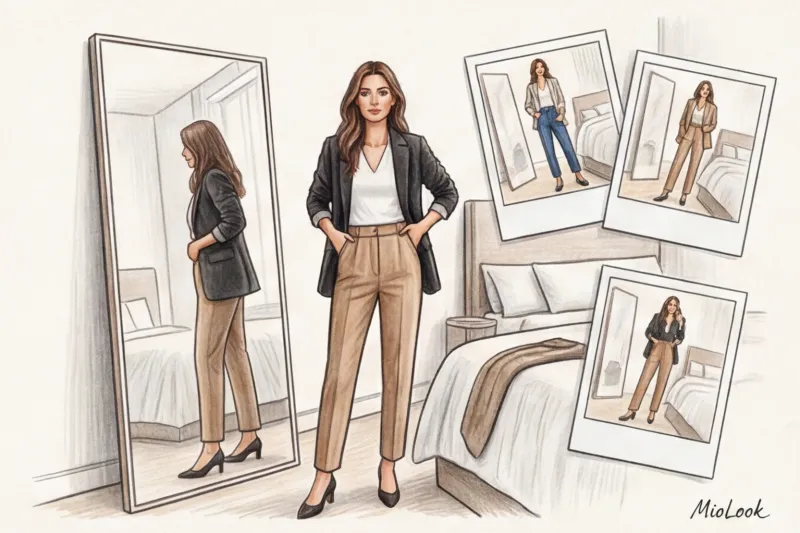
Но настоящая магия начинается на этапе сборки образов. Именно здесь функция умного стилиста в MioLook меняет правила игры. Вместо того чтобы бездумно листать ленту своих брюк и топов, вы получаете проактивного персонального ассистента. Алгоритм генерирует новые, неочевидные образы из ваших старых вещей с учетом жесткого контекста: текущей погоды за окном и вашего расписания.
По данным отчета исследовательской группы Retail TouchPoints (2023), использование умных алгоритмов для стайлинга увеличивает активную ротацию текущего гардероба на 40%. ИИ предлагает комбинации, о которых наш мозг просто забывает из-за привычки мыслить безопасными шаблонами.
Например, система видит, что завтра +12°C, вероятность дождя 70%, а в календаре отмечен деловой ужин. Умный стилист не предложит вам любимые замшевые лоферы, даже если вы носили их всю прошлую неделю. Он выберет кожаные ботильоны, скомбинирует их с вашим плотным шерстяным блейзером и подберет правильный нижний слой под дресс-код.
Еще одна прорывная технология, кардинально расширяющая вариативность стиля — это виртуальная примерочная. Задумывались ли вы, почему мы годами носим одни и те же проверенные сочетания? Нам элементарно лень физически примерять новые миксы. Чтобы проверить, работает ли правило многослойности с новой оверсайз-рубашкой, костюмным жилетом и широкими палаццо, нужно раздеться, надеть три слоя, оценить пропорции в зеркале, разочароваться и снять всё обратно. Виртуальная примерочная позволяет накладывать вещи друг на друга на экране смартфона и визуально проверять, как они смотрятся вместе, без необходимости их надевать.
В моей ежедневной практике эта функция экономит часы. Буквально на прошлой неделе мы за 15 минут в приложении собрали 42 уникальных комплекта из стандартной базы — вживую на такую примерку ушел бы весь день, а клиентка выбилась бы из сил уже на пятом образе. Конечно, здесь важно быть до конца честной: алгоритмы пока не умеют тактильно чувствовать фактуру ткани. Иногда машина может предложить соединить тонкий летний шелк и плотный зимний твид исключительно на основе удачного цветового контраста по кругу Иттена. Поэтому финальное решение и эстетическое чутье всегда остаются за вами, но как генератор свежих идей и избавитель от рутины эти технологии работают безупречно.
Разбор жизненных сценариев: когда цифровой гардероб незаменим
Согласно исследованиям Корнеллского университета (2021), взрослый человек ежедневно принимает около 35 000 решений. Из них минимум сотня касается исключительно нашего внешнего вида. К середине дня неизбежно наступает то, что когнитивно-поведенческие психологи называют «усталостью от принятия решений» (decision fatigue). Ваш цифровой гардероб — это не просто дань технологичной моде, это прагматичный инструмент, который забирает весомую часть этой когнитивной нагрузки на себя.
Зачастую мы откладываем оцифровку вещей, потому что видим в этом лишь скучную рутину. Я часто говорю на консультациях: шкаф — это ваш ежедневный инструмент, такой же, как ноутбук или рабочий календарь. Давайте посмотрим на реальный возврат инвестиций (ROI) от потраченного времени через призму трех самых стрессовых жизненных ситуаций.
Сценарий 1: Утро перед работой и ценность лишнего сна
Знакомая картина: вы просыпаетесь под шум неожиданного ливня, и все заготовленные с вечера стилистические планы рушатся. Приходится в спешке перебирать вешалки в поисках подходящего плотного трикотажа и непромокаемой обуви. С оцифрованной базой этот процесс кардинально меняется. Вы открываете приложение, еще лежа в теплой постели. Умные алгоритмы MioLook уже синхронизировались с прогнозом погоды и отфильтровали неактуальные вещи, предложив несколько готовых образов под текущую температуру.
Моя клиентка-юрист из Вены после первого месяца использования приложения поделилась сухой статистикой: технологии экономят ей ровно 20 минут каждое утро. За рабочую неделю набегает почти два часа времени. Теперь она тратит их на неспешный завтрак, а не на примерку пяти вариантов рубашек, оседающих горой на стуле. Вы уходите из дома в состоянии спокойной уверенности, а не легкой паники.
Сценарий 2: Тест-драйв в примерочной (защита от спонтанных трат)
В ритейле существует понятие «эффект изоляции». Магазины намеренно выставляют комплементарный свет и создают атмосферу, в которой вещь кажется идеальной сама по себе, в отрыве от вашей реальной жизни. Именно так совершаются самые провальные покупки.
Теперь представьте осознанный подход: вы стоите в примерочной торгового центра, на вас безупречно сидит трендовый жакет за €150. Рука тянется к терминалу оплаты. Стоп. Вы делаете быстрое фото вещи прямо на вешалке, загружаете в свой телефон и проверяете: с чем конкретно она будет работать? Недавно этот элементарный трюк спас бюджет другой моей подопечной. Визуализация четко показала: чтобы вписать новую акцентную юбку в ее строгую капсулу, придется докупить топ и обувь еще минимум на €300. Сделка с эмоциями была расторгнута на месте, а деньги сохранены для более универсальных позиций.
Сценарий 3: Сборы в командировку без штрафов за перевес
Сбор чемодана для многих превращается в тревожное соревнование «а вдруг пригодится», где призом становится надорванная спина, доплата за перевес в аэропорту и помятые вещи, которые так ни разу и не покинут отель.
Визуальный сбор багажа решает эту проблему на корню. Вы создаете отдельную мини-капсулу для поездки: перетаскиваете нужные позиции в виртуальный чемодан и сразу видите сетку готовых луков.
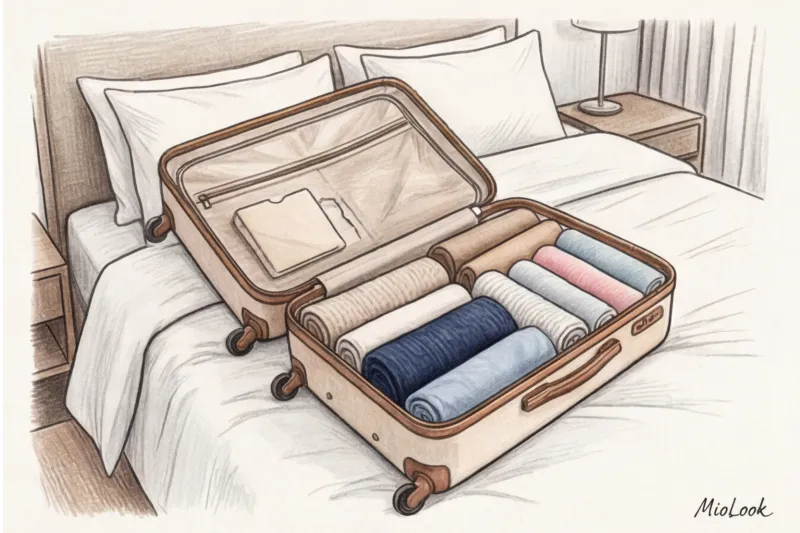
Приложение наглядно демонстрирует, как одна качественная шелковая юбка-миди работает днем с объемным кардиганом и кедами для прогулок по городу, а вечером — с элегантным топом для ужина с партнерами. Вы физически достаете с полок только те предметы, которые уже утвердили на экране смартфона. Это стопроцентная гарантия того, что в стандартную ручную кладь поместится функциональный гардероб на целую неделю, а молния на чемодане застегнется без малейших усилий.
Ваш идеальный образ начинается здесь
Присоединяйтесь к тысячам пользователей, которые каждый день выглядят безупречно с MioLook.
Открыть доступ — €0,99 разовоЧек-лист: 5 шагов к созданию цифрового гардероба за эти выходные
Многие откладывают оцифровку вещей просто из страха перед масштабом задачи. Кажется, что придется потратить все выходные, перерыть шкаф сверху донизу и закончить день в полном изнеможении посреди горы одежды. Поведенческие психологи называют это параличом принятия решений перед объемной задачей. На своих офлайн-разборах я всегда использую технику «микро-побед»: мы ставим таймер ровно на 30 минут и делаем только первый, самый простой срез.
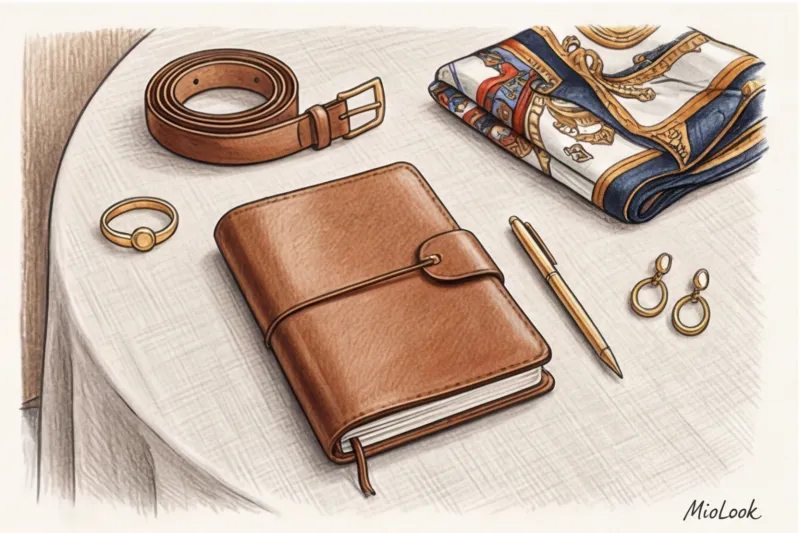
Чтобы вы могли начать уже в эту субботу, я составила элементарный чек-лист. Выполните эти пять шагов, и к вечеру воскресенья ваша утренняя рутина изменится навсегда.
- Шаг 1: Скачать приложение. Не пытайтесь создавать папки в галерее смартфона — они быстро превратятся в хаос. Установите профильный инструмент, например, MioLook. Оно создано специально для управления стилем и не будет смешивать ваши кашемировые свитера с фотографиями закатов и скриншотами рецептов.
- Шаг 2: Выбрать 5 любимых низов и 10 верхов текущего сезона. Почему именно такая пропорция? В стайлинге есть золотое правило: верхов (топов, блуз, футболок) всегда должно быть в два раза больше, чем низов. Именно портретная зона — то, что ближе к лицу — запоминается окружающим и создает иллюзию нового наряда. Возьмите только те 15 вещей, которые вы реально надевали за последние пару недель.
- Шаг 3: Сделать качественные фото при дневном свете. Идеальное время — субботнее утро с 10 до 12 часов. Положите вещи на ровную поверхность недалеко от окна. Избегайте вечернего искусственного освещения, чтобы не столкнуться с эффектом метамерии (когда темно-синие брюки на фото кажутся черными, а бежевый тренч уходит в нездоровую желтизну).
- Шаг 4: Позволить ИИ обработать фон и расставить теги. Забудьте о ручном вырезании силуэтов в фоторедакторах — оставьте это алгоритмам. Загрузите сделанные кадры в приложение, и встроенная нейросеть сама аккуратно уберет простыню с фона, определит категорию вещи и даже распознает сезонность. Ваша задача на этом этапе — просто выпить кофе.
- Шаг 5: Составить первые 5 образов на предстоящую рабочую неделю. Это момент, когда магия технологий начинает работать на вас. В воскресенье вечером откройте приложение и скомбинируйте из загруженных 15 позиций пять готовых комплектов: с понедельника по пятницу.
Стилистический совет: не пытайтесь на этом этапе изобретать сложные многослойные луки. Ваша цель — получить 5 надежных, комфортных формул, которые вы сможете выбрать в понедельник утром с закрытыми глазами. Ощущение того, что гардероб на неделю распланирован, мгновенно снизит уровень утреннего стресса.
Заключение: ваш стиль под контролем технологий
Часто на этапе знакомства с новой клиенткой я слышу одно и то же опасение: «Олена, мне просто некогда заниматься каталогизацией, это звучит как изнурительная работа на складе». За этим страхом скрывается главный миф о современных fashion-технологиях. Важно понять фундаментальную вещь: цифровой гардероб — это не скучная инвентаризация, а самая прямая инвестиция в ваше время, нервы и уверенность в себе.
По статистике британского ритейлера Marks & Spencer, опубликованной в 2023 году, среднестатистическая женщина тратит около 17 минут каждое утро на выбор одежды. В масштабах жизни это выливается почти в шесть месяцев, проведенных перед распахнутыми дверцами шкафа в состоянии перманентного стресса. Представьте, что вы возвращаете себе эти полгода. Вы больше не пытаетесь вспомнить, где висит та самая шелковая блузка за €120, и не гадаете, подойдет ли она к новым брюкам. Все стилистические решения уже приняты, проверены на совместимость и аккуратно разложены по виртуальным полочкам в вашем смартфоне.
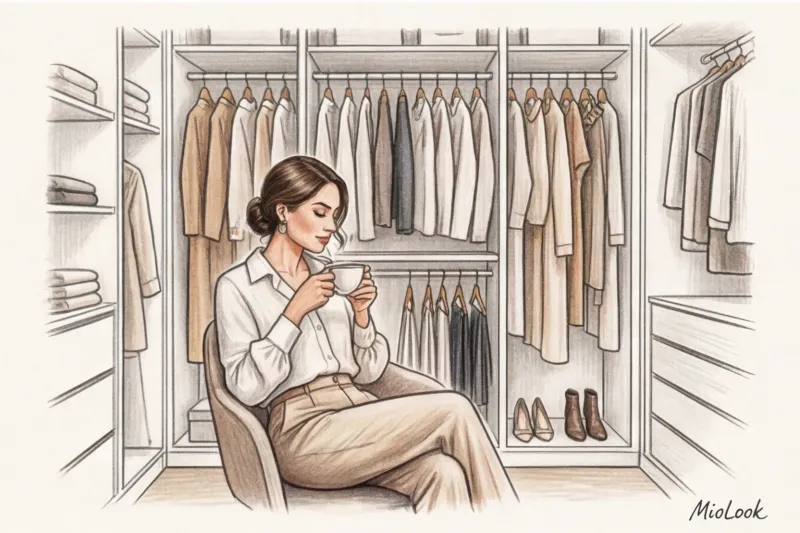
Вспоминая собственный путь к осознанному потреблению, я точно могу назвать момент, когда цифровой подход доказал свою абсолютную эффективность лично для меня. Это было несколько лет назад перед насыщенной рабочей поездкой на Миланскую неделю моды. Вместо того чтобы поддаться панике и импульсивно скупать новые трендовые вещи на пару тысяч евро (как я делала в начале карьеры), я просто открыла приложение в такси по дороге в аэропорт. За пятнадцать минут я собрала шесть безупречных образов из того, что уже лежало в моем чемодане, сделав лишь мысленную пометку купить один акцентный ремень за €40. Это потрясающее чувство контроля над ситуацией, которое полностью исключает тревогу.
Давайте подведем краткое резюме нашей системы. Чтобы методика прижилась и стала вашей любимой привычкой, соблюдайте три правила. Первое — начните с малого. Не вываливайте всю одежду на кровать, сфокусируйтесь только на базовой капсуле текущего сезона. Второе — используйте ИИ для рутины. Не тратьте часы на обрезку фотографий, делегируйте эту задачу умным алгоритмам в MioLook, которые сами удалят фон и распознают цвета. И третье — наслаждайтесь процессом одевания каждое утро, выбирая готовые комплекты одним касанием экрана за чашкой кофе.
Как стилист, я точно знаю: самые большие и качественные трансформации гардероба всегда начинаются с микро-шагов. Не откладывайте организацию шкафа до мифической «генеральной уборки в следующие выходные», которая, будем честны, может никогда не наступить.
Мой финальный призыв: просто попробуйте оцифровать хотя бы один любимый образ уже завтра. Сфотографируйте те самые джинсы, в которых пойдете в офис, и ваш комфортный кашемировый свитер. Загрузите их в умный гардероб и посмотрите, как алгоритм предложит вам три совершенно новые комбинации с этими базовыми вещами. Как только вы увидите магию превращения привычной одежды в фундамент для десятка свежих луков, вы уже никогда не захотите возвращаться к старому хаотичному подходу.
Главы гайда
Виртуальный шкаф: как правильно систематизировать вещи
Почему избыток тегов превращает цифровой гардероб в складскую базу? Узнайте, как настроить приложение, чтобы оно действительно экономило время по утрам.
Стоимость выхода вещи: как считать индекс CPW
Путаете цену на ценнике с реальной стоимостью владения? Рассказываем, как индекс Cost Per Wear помогает перестать сливать бюджет на «одноразовые» тренды.
Цифровой гардероб: шопинг без импульсивных покупок
Шопоголизм не лечится силой воли. Узнайте, как визуальные инструменты и каталог вещей спасают от необдуманных трат.
Гардероб в отпуск: приложение для сбора чемодана
Как собрать чемодан без лишних нервов и избежать перевеса? Рассказываем, как использовать виртуальный шкаф, чтобы брать в поездки только самое необходимое.
Расхламление гардероба: приложение на базе ИИ
Нейросети меняют подход к разбору шкафа. Узнайте, как искусственный интеллект превращает мучительную сортировку вещей в точную математику стиля.
Полный шкаф, а надеть нечего: как приложение решит проблему
Каждое утро начинается с горы отвергнутых вещей? Узнайте мнение стилиста о том, почему возникает этот парадокс и как умное приложение избавит от мук выбора.
Как собрать капсульный гардероб: лучшее приложение
Как правильно оцифровать свои вещи и собрать идеальную капсулу в телефоне. Избегаем главной ошибки — создания цифровой свалки вместо умного гардероба.
Как оцифровать гардероб: гид по съемке одежды для смартфона
Полный шкаф, но нечего надеть? Узнайте, как перенести свои вещи в смартфон и создать идеальный цифровой гардероб с помощью качественных фото.
Нейросеть стилист: подобрать одежду за пару секунд
Проблема «нечего надеть» возникает не от нехватки вещей, а из-за когнитивной перегрузки по утрам. Узнайте, как искусственный интеллект автоматически собирает стильные луки из вашего гардероба.
Выбираем лучшее приложение для гардероба (2024)
Мы носим лишь 30% своих вещей, а остальные просто пылятся на полках. Разбираем лучшие инструменты для оцифровки гардероба с позиции практикующего стилиста.