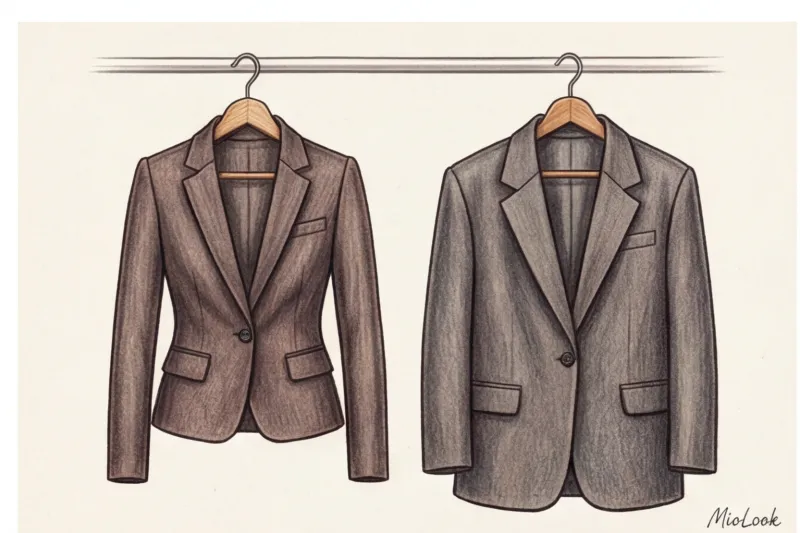
Я часто чую від нових клієнток одну й ту саму мантру: «Джулія, я не купую тренди, я інвестую у позачасову базу». І щоразу, коли ми відкриваємо їхню шафу, я бачу цілий цвинтар білих сорочок та бежевих тренчів, куплених у 2015 році. Власниці бережуть їх як зіницю ока, щиро не розуміючи, чому в цих речах вони виглядають стомленими, а їхні образи віддають нафталіном.
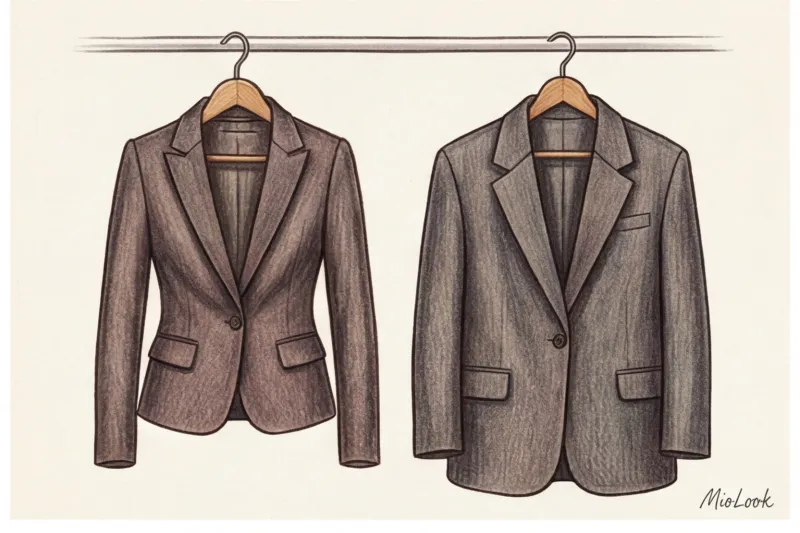
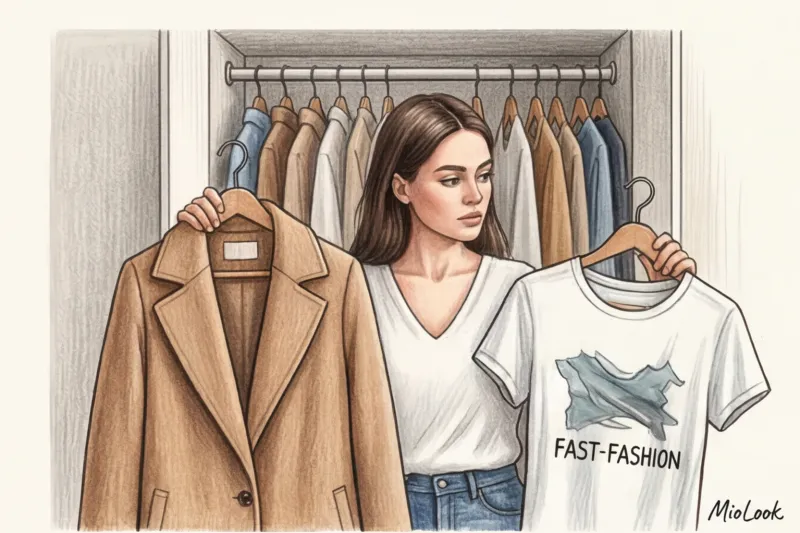
Щоправда, яку в індустрії часто замовчують заради продажу, звучить так: міф про «вічну класику» вигадали маркетологи. Як експерт із преміального гардеробу, я можу сказати прямо — крій застаріває швидше, ніж зношується якісна тканина. І якщо ви не знаєте, як позбутися застарілих речей вчасно, ви ризикуєте щодня транслювати оточуючим неактуальну версію себе.
Давайте замінимо емоційний підхід до ревізії шафи на інженерну. Жодних абстрактних порад. Тільки аналіз архітектури силуету, розрахунок репутаційних витрат та холодна оцінка рентабельності.
Ілюзія «базового гардеробу»: чому позачасова класика теж старіє
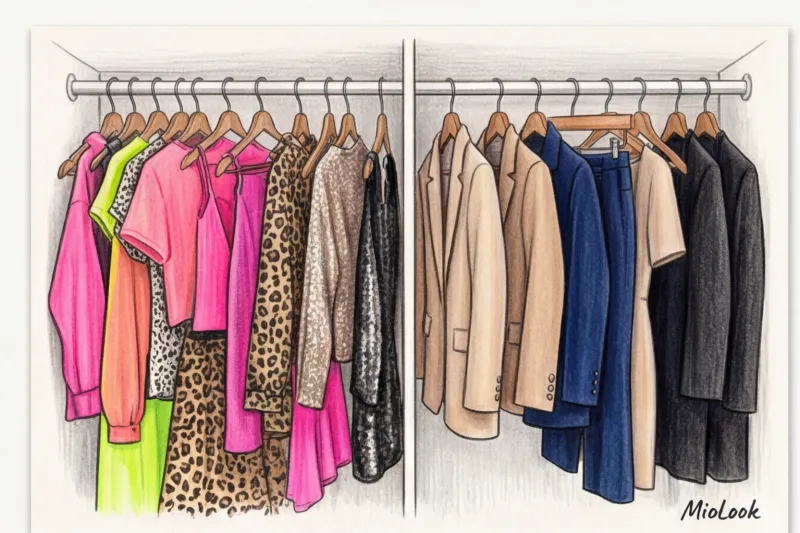
Найнебезпечніша річ у вашій шафі – не неоновий топ зі стразами (ви й так знаєте, що його час минув), а базовий приталений жакет чорного кольору. Ви надягаєте його на важливу зустріч, будучи впевненою, що класика доречна завжди, і не помічаєте, як він видає вашу відірваність від сучасних реалій.
Згідно з масштабним звітом аналітичного агентства WGSN (2023), життєвий цикл моди остаточно поляризувався. Мікротренди (на зразок барбікору або естетики mob wife) згоряють за 3-6 місяців. А ось макротренди, які формують базу, живуть рівно 5–7 років. Після закінчення цього терміну змінюються мікропропорції класики.
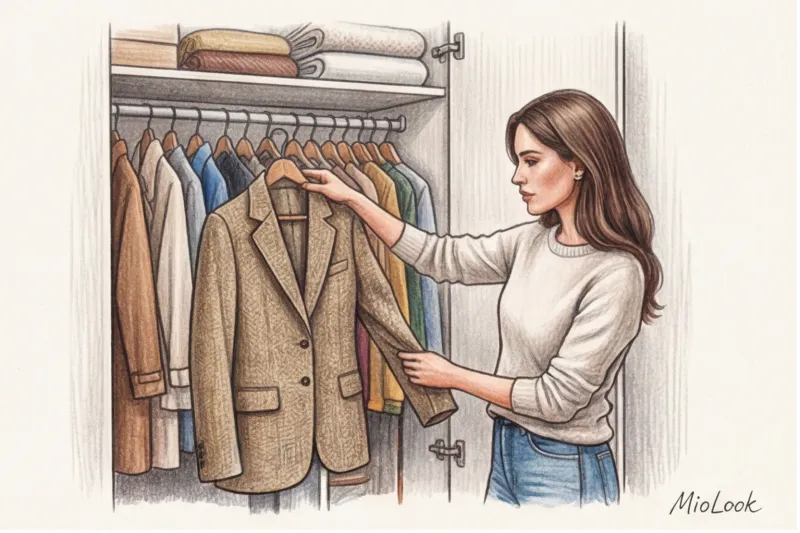
Візьмемо, наприклад, мій гардероб. У 2016 році я купила ідеальний двобортний блейзер. У нього були вузькі лацкани (близько 5 см) і посадка точно по фігурі. Сьогодні ширина актуального лацкана починається від 8-9 см, а між тканиною та тілом має бути повітря. Носити базову річ застарілого крою – це стратегічна помилка. Яскравий мікротренд просто каже: "Я ризикнула і помилилася". Застаріла база каже: «Я зупинилася у розвитку 8 років тому». Докладніше про архітектуру силуетів ми розповідали у нашому повному гіді з антитрендів в одязі.
Головний критерій антитренду – зламана архітектура силуету
В італійській портнівській школі є поняття sartorial architecture (Архітектура крою). Антитренд це ніколи не колір і майже ніколи не принт. Це порушення сучасних пропорцій у ключових вузлах збирання виробу.
Одна з моїх клієнток Анна, фінансовий директор великого холдингу, звернулася до мене після невдалих переговорів. Вона була одягнена в бездоганно пошитий костюм за $2500. Проблема полягала в тому, що костюм мав куций, укорочений жакет із завищеною на два гудзики застібкою та штани із заниженою талією. Така архітектура візуально вкорочувала ноги, розширювала стегна і позбавляла образ влади, необхідної топ-менеджеру. Костюм був дорогим, але його геометрія робила Ганну схожою на молодшого помічника з нульових.
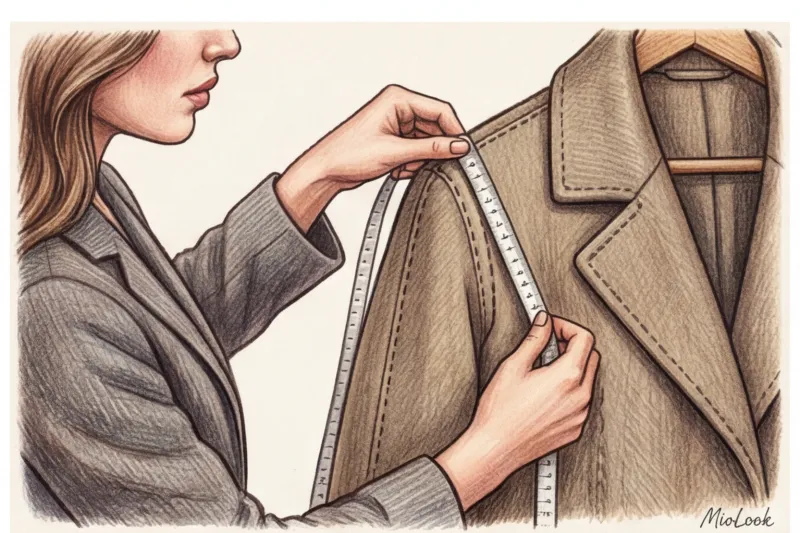
При ревізії звертайте увагу на три вузли:
- Висота пройми (giromanica): у сучасних речей вона досить низька та вільна, щоб під жакет можна було вдягнути щільний джемпер. Жорстко врізається пахва — маркер речі з минулого десятиліття.
- Ширина плечового пояса (spalla): похилі плечі або, навпаки, жорсткі вузькі підплічники, що закінчуються до природного краю вашого плеча, ламають геометрію.
- Позиція талії: все, що не сидить на вашій анатомічній талії (якщо це не усвідомлений стилістичний прийом із сучасними baggy jeans), ламає пропорції тіла.
Оцифруйте свій гардероб
Забудьте про хаос у шафі. Розумний AI-стиліст MioLook допоможе завантажити ваші речі у додаток та зібрати актуальні образи за секунди.
Відкрити доступ — €0,99 разовоЯк позбавитися застарілих речей: покроковий алгоритм стиліста
Ніколи не проводьте ревізію, перебираючи речі на ліжку чи вішалках. Я використовую з VIP-клієнтами метод "Аудит примірювальної". Одяг живе тільки на тілі та в русі. Одягайте кожну річ, у якій сумніваєтеся, і обов'язково комплектуйте її сучасним взуттям. Часто саме взуття показує, наскільки безнадійно застарів низ.
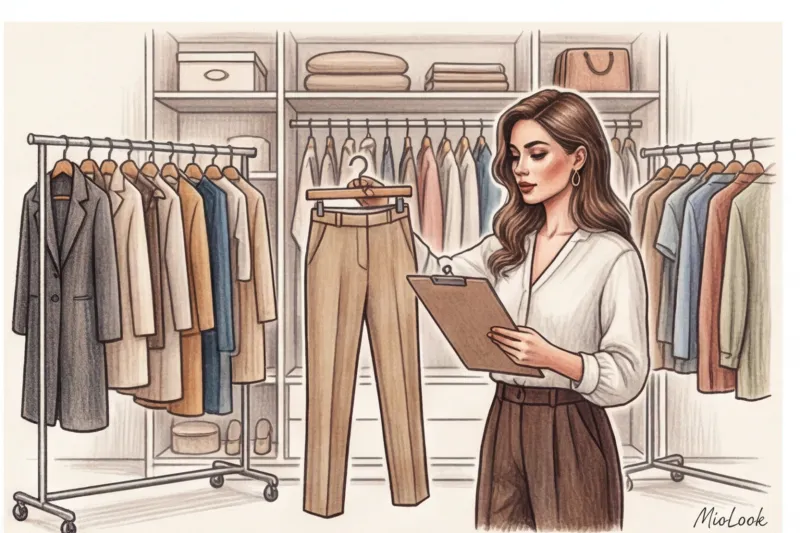
Етап 1: Інвентаризація обсягів та посадки
Проведіть тест на «повітря». У сучасній стилістиці напівприлеглий силует означає, що між вами та тканиною можна просунути долоню, а не те, що тканина натягнута як барабан. Якщо джемпер облягає кожну складку, а рукав щільно охоплює передпліччя – це антитренд, навіть якщо це 100% кашемір.
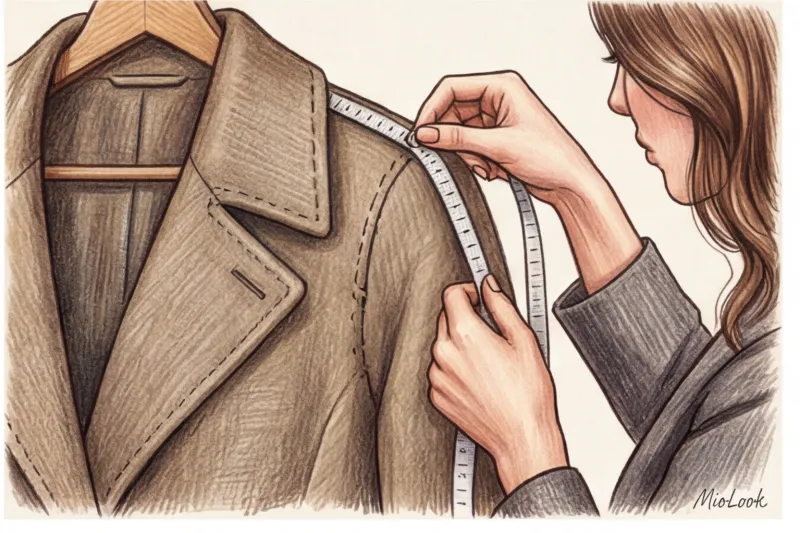
Окрему увагу приділіть довжинам. Спідниця-олівець, що закінчується рівно на середині коліна (розрізаючи найширшу частину суглоба), і вкорочені вузькі штани, що відкривають щиколотку в зимовий сезон - це червоні прапори, що вимагають негайної утилізації або стилістичного переосмислення сучасній капсулі.
Етап 2: Розрахунок вартості репутаційних втрат
Багато хто знає формулу Cost-per-Wear (CPW) — ціна речі, поділена на кількість виходів. Я модифікувала цей підхід. Якщо ви надягаєте морально застарілий піджак 100 разів, його CPW прагне нуля, але індекс репутаційних втрат злітає до небес.
«Щоразу, коли ви одягаєте річ, яка не відповідає вашому поточному професійному рівню, ви не заощаджуєте гроші. Ви оплачуєте зі своєї кишені втрачену вигоду від враження, яке могли б зробити».
Запитайте себе: «Скільки коштує угода чи контракт, який я можу упустити, якщо на зустрічі виглядатиму несучасно?». Зазвичай після цього питання прощання з речами проходить набагато швидше.
Інвестувати, врятувати чи утилізувати? Робота з преміальними тканинами
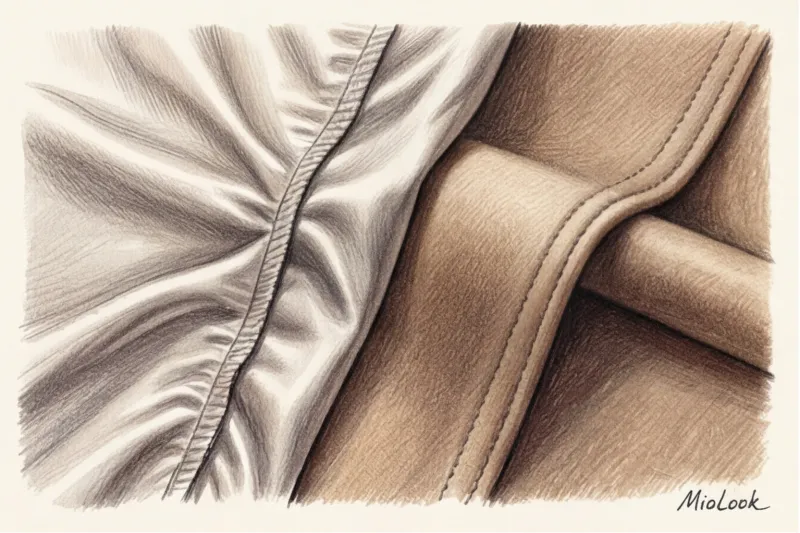
Я категорично проти того, щоб бездумно викидати щільний шовк, італійську вовну чи добротний кашемір. Якщо річ застаріла, але пошита з преміальної тканини, ми оцінюємо рентабельність втручання кравця.
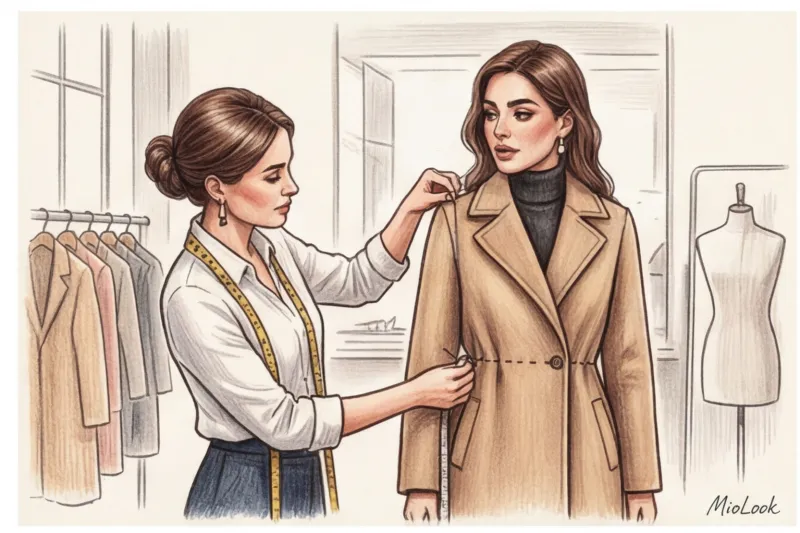
На моїй практиці була нагода: клієнтка хотіла викинути розкішне пальто Loro Piana вартістю близько $4000. Пальто було куплено 10 років тому, мало жорсткі вкорочені рукави та гіпертрофовано приталений крій. Ми віднесли його до гарного конструктора. Прибравши жорсткі підплічники, пом'якшивши лінію плеча, розпустивши жорсткі талієві виточки і зробивши силует прямішим, ми врятували інвестицію. Перешивши коштував $200, а клієнтка отримала актуальне пальто.
Коли це НЕ працює:
Кравець — не чарівник. Ви не можете зробити річ більше. Якщо жакет куций, йому не вистачає довжини та об'єму, а проймання врізається в пахву – ніяке ательє це не виправить. Нестачу тканини не можна компенсувати. Такі речі слід відпускати.
Пастка емоційної прихильності та метод «нульової терпимості»
При всій моїй повазі до Марі Кондо, її метод чи «іскрит радість» абсолютно не працює при побудові ділового та статусного гардеробу. Затишна розтягнута кофта з 2012 може викликати у вас море радості і ностальгії, але їй не місце в шафі керівника.
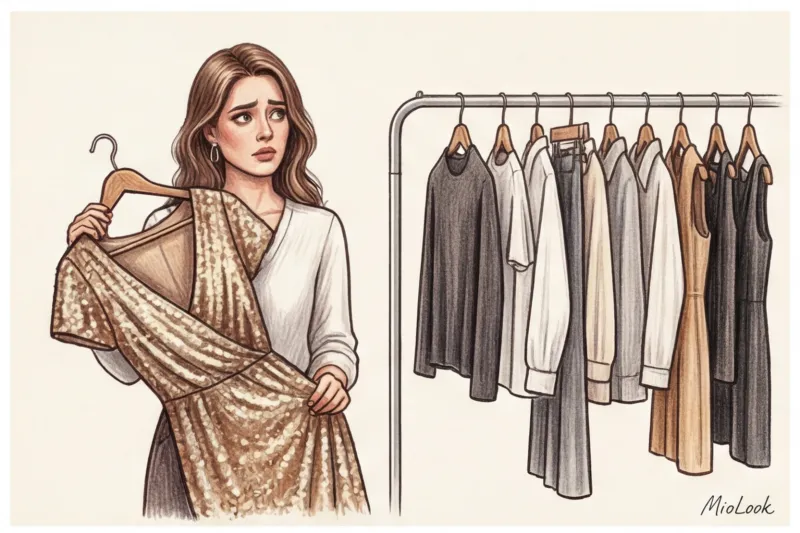
Гардероб – це інструмент досягнення цілей. Я вчу клієнток методом «нульової толерантності». Якщо річ не є вашою поточною соціальною позицією — ми з нею прощаємося. Головний психологічний бар'єр тут у концепції поведінкової економіки — sunk costs (незворотні витрати). «Я віддала за ці туфлі півзарплати п'ять років тому». Ваш мозок відмовляється визнати втрату. Але правда в тому, що гроші вже витрачені. Зберігання цих туфель на полиці не поверне кошти на ваш рахунок, а лише займе місце, призначене для нової реальності.
Ваш ідеальний образ починається тут
Використовуйте програму MioLook, щоб проаналізувати свій гардероб, виявити антитренди та скласти список необхідних покупок за допомогою AI.
Спробувати MioLookЧек-лист: 5 маркерів того, що річ настав час прибрати з шафи
Якщо вам складно ухвалити рішення, використовуйте цей конкретний візуальний чек-лист. Знайшли збіг? Річ відправляється на вихід.
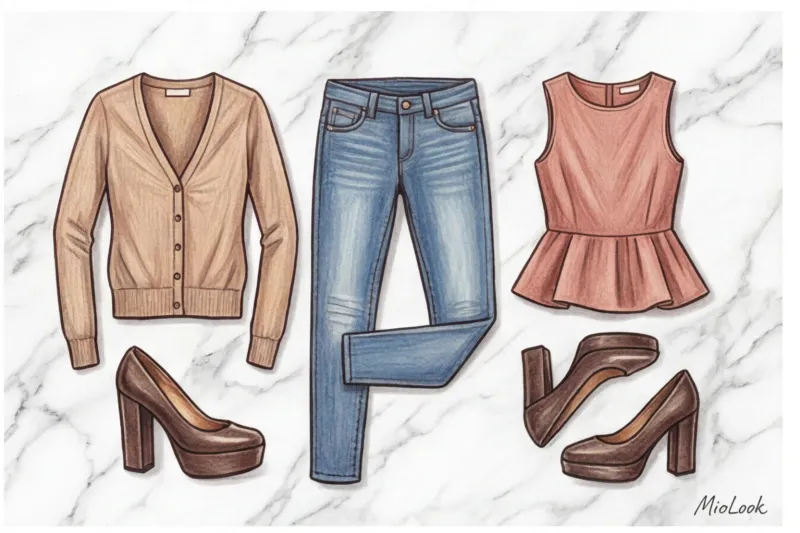
- Жорсткі витачки на повсякденному одязі. Якщо базова сорочка щільно облягає груди та талію за рахунок виточок, сковуючи дихання – це застарілий крій. Сучасна основа передбачає вільне падіння тканини.
- Неактуальна фурнітура та надлишок декору. Стрази на повсякденних джинсах, великі золоті гудзики з дешевого пластику на тонких кардиганах, блискавки, що виконують декоративну роль. Все це миттєво здешевлює образ.
- Тонкий кволий трикотаж. Якщо ваш кардиган або джемпер просвічує, не тримає форму і підкреслює рельєф білизни (зазвичай це віскоза низької якості або акрил щільністю менше 150 г/м²) це неохайно. Вибирайте міцний трикотаж, який тримає свій каркас.
- "Небезпечна" довжина. Сукні та спідниці, що закінчуються трохи вище коліна (на 2-3 см). Ця довжина ріже ногу в невигідному місці. Актуальні довжини сьогодні — це впевнене міні, міді (нижче за коліно, що відкриває щиколотку) або безкомпромісне максі.
- Джинси «скінні» із заниженою талією. Особливо у поєднанні з потертостями чи розрізами на колінах. Якщо ви любите вузький крій, замініть їх на модель straight (прямі) із середньою або високою посадкою.
Куди подіти статусні, але неактуальні речі
Сучасний підхід до розкоші нерозривно пов'язаний із екологічністю. Викидати якісні брендові речі в сміттєвий бак – це моветон.
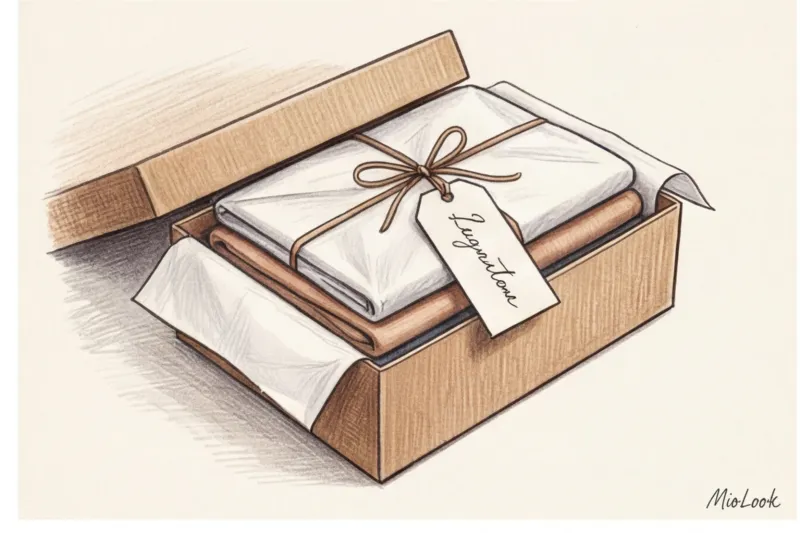
Як я раджу діяти клієнтам:
- Люксовий ресейл: Якщо у вас є неактуальні, але автентичні речі брендів першого та другого ешелону (Prada, Gucci, Max Mara, Acne Studios), відправте їх на платформи на зразок The RealReal або Vestiaire Collective. Вінтаж зараз на піку, і те, що видається вам застарілим фасоном, може стати знахідкою для колекціонера з іншої країни.
- Локальні комісійки: Для речей сегменту middle-up (Massimo Dutti, COS в ідеальному стані) чудово працюють якісні локальні ресейл-проекти.
- Переробка: Те, що втратило товарний вигляд (катишки, плями, деформація тканини), здається до пунктів прийому на переробку (наприклад, бокси у великих ТЦ або спеціалізовані фонди).
Ревізія гардеробу – це не просто прибирання. Це процес сепарації від своїх попередніх версій. Позбавляючись застарілої архітектури крою та неактуальних пропорцій, ви звільняєте фізичний та ментальний простір для тієї жінки, якою є сьогодні. Залишіть у шафі тільки ті речі, які з гордістю представляють вас світу прямо зараз.