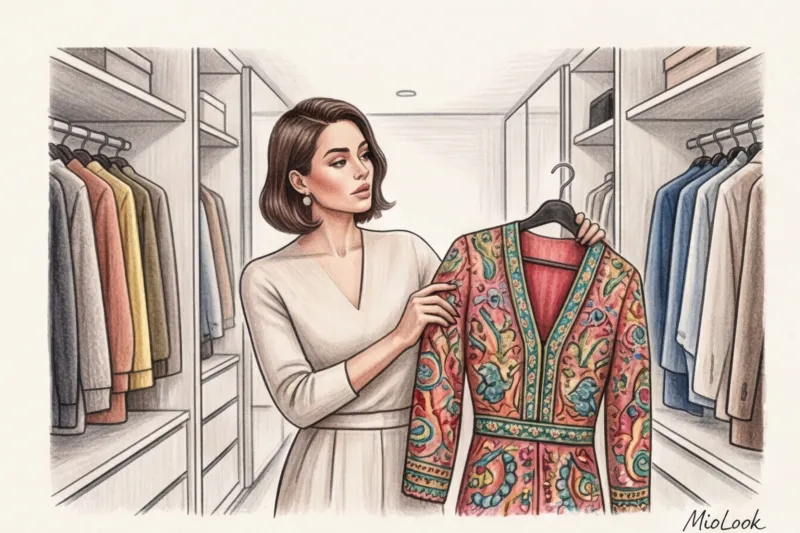
What are anti-trends in clothing and why do they appear?
Over twelve years as a stylist, I've witnessed many impressive career advancements, but one instance stands out in my memory. Anna, the CFO of a large company, approached me. For crucial investor negotiations, she wore an expensive suit made of fine Italian wool, purchased for $2,500 about seven years ago. It seemed timeless and classic. But the cropped, tight-fitting jacket with narrow lapels and low-waisted trousers instantly ruined the image of a successful executive. Her partners subconsciously perceived her as inflexible, out of touch with modern business realities. Why? Because the architecture of her silhouette was hopelessly outdated, negating the premium quality of the fabric.
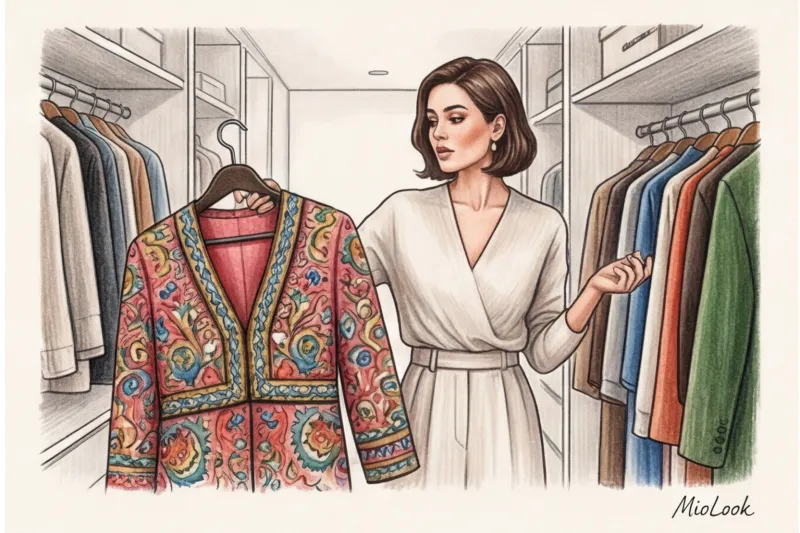
This is where the main stylistic misconception lies. Many people believe that anti-trends in clothing These are simply items that have "gone out of style" due to a particular color or an unfortunate print. In reality, an anti-trend is, first and foremost, a violation of modern proportions and silhouette architecture. You can wear the simplest white shirt and black trousers, but if the shirt is fitted with stiff 2000s-style darts and the trousers are unnaturally tight around the calves, the whole look will inevitably fall apart.
To stop investing in "one-day things," it's essential to understand the anatomy of fashion cycles. According to the authoritative agency WGSN (2023), which forecasts changes in the fashion industry, the fashion life cycle today is strictly polarized. There are macrotrends—global changes in silhouette and volume (for example, an emphasis on broad masculine shoulders or a high waist). These form a long-term basis and last from 5 to 7 years. On the other hand, there are microtrends—aggressive, exaggerated details whose shelf life expires in 3 to 6 months. If you're planning a seasonal update, it's helpful to study these trends in advance. Spring/summer fashion trends: what to invest in? , to unmistakably distinguish the architectural base from the fleeting whim of designers.
The fast-fashion industry's insidious marketing trap is built on microtrends. Mass-market brands deliberately trick us into buying items with exaggerated elements: bold neon hardware, complex lacing, or hyper-ripped denim. Their business model demands that by next season, you'll feel uncomfortable in these items and be back at the checkout. This artificially created rush forces women to spend hefty sums on clothes that are guaranteed to be out of fashion tomorrow.
The psychology of perception works mercilessly. Our brain reads the geometry of an image in a split second. Outdated cuts visually cheapen even the most expensive look. You can accessorize an outfit with a legendary Hermès bag or an investment watch, but if you're wearing a flimsy, clingy knit cardigan, your status quo evaporates instantly. There's no room for compromise on fit in a premium wardrobe. It's much wiser to rely on Quiet luxury accessories for the executive and an impeccable, modern cut, where there is always a “space” between the high-quality fabric and the body, conveying your freedom, competence and self-confidence.
The Main Anti-Trends of 2024-2025: A List and Status Alternatives
Last season, during a shopping tour in Milan, one of my clients, the financial director of a large corporation, asked with genuine bewilderment: "Julia, why does this €800 basic cashmere turtleneck look like I bought it on sale at a high street store?" The answer lay not in the brand or the price, but in the hopelessly outdated, overly tight cut that treacherously accentuated every crease in the underwear.
This is where the main rule of a modern investment wardrobe lies. The philosophy of replacement: we exchange not one thing for another, but one silhouette for another. You can't simply replace an old cropped cardigan with a new cropped cardigan in a different color and expect the look to be relevant. True status today is determined not by a plethora of logos on a bag, but by the architectural design of the cut and the uncompromising quality of the fabric. Thick silk, heavy suiting wool (virgin wool), and well-shaped cotton are the main indicators of status. They will always look more expensive than flimsy blends, because their dense texture allows for the perfect, modern silhouette.
Outerwear: Saying goodbye to skimpy silhouettes
Outerwear is the calling card of your look. It's the first thing people see on the street, and it's how they judge you before you even say a word. Unfortunately, it's here that women spend years storing items that mercilessly cheapen their appearance.
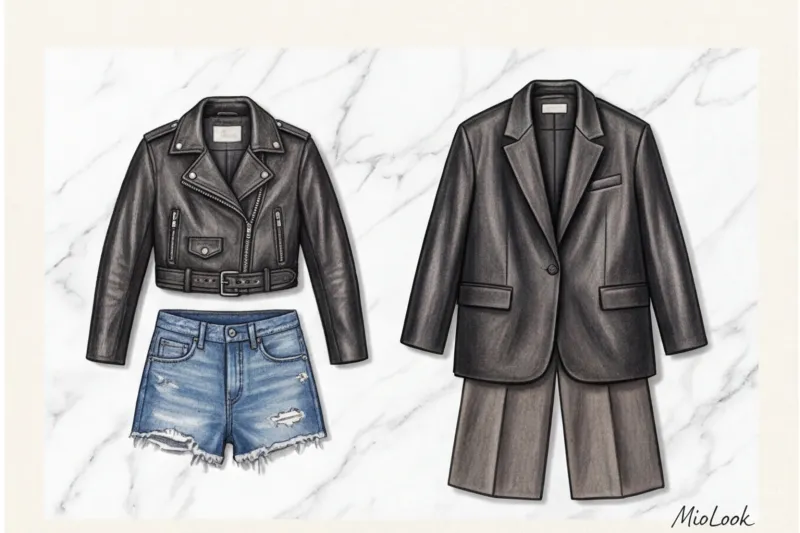
First of all, we're consigning to the past the most obvious anti-trends: thin, skinny leather jackets with lots of zippers, short, quilted puffer jackets (quilted with narrow horizontal stripes), and short trench coats that fall just above the knee. The problem with puffer jackets is that they visually cut the figure into numerous horizontal segments, making you appear wider and shorter. A thin leather jacket, clinging to the body like a second skin, lacks a frame—it wrinkles, rides up when you walk, and looks sloppy.
A classy alternative calls for geometric shapes. Instead of outdated biker jackets, choose structured leather blazers (take inspiration from Saint Laurent or Khaite). Swap short puffer jackets for voluminous bomber jackets in thick fabric, and instead of a soft trench coat, opt for classic long trench coats (midi or maxi) with sharp shoulders and wide lapels.
Why is this shift in proportions so critical? The answer lies in the physics of modern style—it's the importance of air in the silhouette to allow for layering Over 12 years of practice, I've developed a rule of thumb: if there's no "air" (space) between your body and your coat, you're missing out on the opportunity to wear a chunky knit sweater or jacket underneath. Layering not only saves you from changeable weather, but also adds complexity, sophistication, and a visually sophisticated touch.
Business wardrobe: outdated jackets and blouses
In my experience, top managers and experts often make the same mistake: they invest hundreds of thousands in their education and business, but show up to important negotiations wearing clothes that subconsciously convey a lack of confidence. Outdated office attire has a devastating impact on your personal brand and the perception of your expertise.
What are the hallmarks of an outdated business wardrobe? First and foremost, blouses with excessive embellishments—childish bows, out-of-place frills, lace inserts on the shoulders. Next come thin, tight-fitting cardigans with buttoned fastenings that flare out at the chest and gather at the waist. But the worst enemy of a business woman is jackets made of flimsy knits that don't hold their shape, sag at the elbows, and create a sloping appearance to the shoulders.
A renowned 2012 study from Northwestern University in the United States demonstrated the existence of the phenomenon of "enclothed cognition"—clothing directly influences our psychological processes and how others perceive our authority. When you wear a shapeless, soft jacket, your posture becomes more relaxed, and your arguments sound less persuasive.
"A flimsy knit jacket in the boardroom is the visual equivalent of a hesitant voice. To command attention, you need architectural clothing."
A flawless alternative for work: menswear-inspired shirts made of heavy cotton (poplin or oxford) that fit snugly and are opaque. Instead of thin sweaters, opt for chunky knit cardigans or classic Chanel-style tweed jackets that maintain a square silhouette. And, of course, architectural blazers with defined shoulders. The wide lapels of such a blazer visually widen the shoulders, making the waist appear narrower and the silhouette more powerful and composed.
Access to MioLook for €0.99 — one-time payment
A smart AI stylist will select the perfect business look and help you intelligently replace outdated silhouettes in your wardrobe, creating a capsule collection of trendy pieces.
Get access — €0.99 onceBottom: jeans and trousers that ruin your figure
While outerwear is crucial for first impressions, the fit of trousers or jeans determines your overall body proportions. The wrong bottoms can shorten your legs by a few centimeters and add visual weight to even the slimmest figure.
The main anti-trends in this category are jeans with hyper-tears (especially if the skin, tautened by stiff denim, shows through) and overly embellished denim with rhinestones, embroidery, or gradients. According to the WGSN analytical agency for 2024, the aesthetic of "quiet luxury" has finally replaced excessive embellishment in jeans. Another insidious enemy of the feminine silhouette are paperbag pants (styles with a gathered waist and a bow belt). They create massive volume in the abdominal area, visually widening the narrowest part of the body.
What do we trade these questionable items for? Your basics: straight-leg jeans of the right weight (at least 12-14 oz, so the fabric doesn't stretch at the knees), pleated palazzos made of a good, heavy suiting wool that flows when you walk, and classic bootcut jeans, which phenomenally lengthen your legs when worn with low-heeled shoes.
Pay special attention to landing: Why does a mid-rise or high-waisted style always win in a status wardrobe? It's not just a matter of fashion, but also anatomical correctness. A high or confident mid-rise style cinches the stomach, creates a continuous vertical line for the legs, and allows you to tuck in a shirt or top (the aforementioned French tuck) without fear of them coming loose at the first movement. A low rise, while occasionally seen on the runway as a micro-trend of the 2000s, looks sloppy in real life (especially in the premium segment) and distorts the proportions of a mature woman.
Of course, this doesn't mean you should throw out all your favorite pieces right now. But understanding these basic principles of cut will help you avoid costly mistakes the next time you update your wardrobe. Always analyze the fabric density and how well a piece holds its shape—these two factors can differentiate a passing trend from a true investment.
Myths about anti-trends: things that are mistakenly buried
Have you ever noticed how easily fashion magazines label items that have been staples of an elegant wardrobe for decades as "anti-trend"? Blindly following "what to throw out this season" lists is just as detrimental to personal style as mindlessly buying the hottest new items. Often, items are discarded mistakenly, without understanding the difference between an outdated way of wearing them and the item itself.
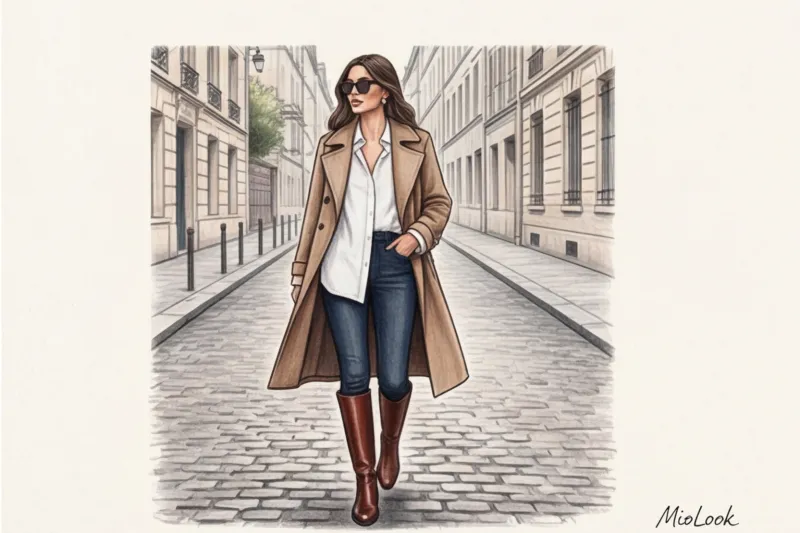
Let's take the most discussed example - skinny jeans Many fashion publications have categorically declared skinny denim dead. However, this is a dangerous misconception. I recently worked with a client who fits the Kibbe "Dramatic" profile—a sharp, geometric face, tall stature, and narrow bones. The trendy, oversized styles that dominated the runways for so long visually distorted her proportions, making her look bulky and shapeless. Baggy clothes were physically unsuitable for her.
Instead of swaddling in oversized tube tops, we opted for crisp graphite skinnies. The secret to their current appeal lies solely in the styling. We paired skinny denim with high jockey boots made of smooth, stiff leather and added a voluminous top—a cashmere sweater and a structured blazer. This isn't a cheap 2012 look with ballet flats and a tight tank top, but rather expensive Parisian chic in the spirit of Hedi Slimane's Saint Laurent shows. The play on contrasting volumes makes the silhouette contemporary.
Another victim of superficial fashion criticism - fitted silhouette We've become so accustomed to hiding behind oversized, man-made pieces that we've begun to ditch femininely tailored jackets. According to the analytical agency WGSN (2024), the macro trend for faceless oversize has finally declined. The triumphant return to the forefront is... tailoring — the art of complex tailoring that celebrates the hourglass figure.
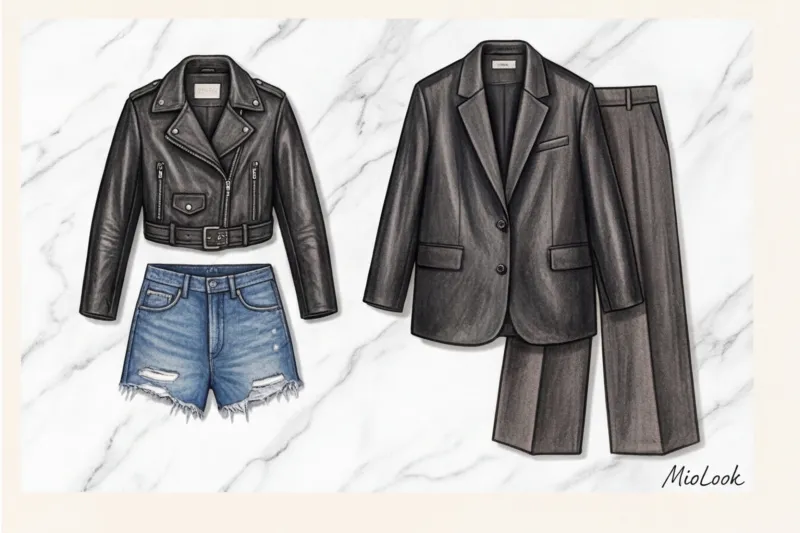
The feminine silhouette is back in fashion, but with a key caveat. This isn't a skimpy knit jacket bursting at the seams across the chest. A modern fit is achieved through a rigid, architectural construction, a pronounced shoulder line, and expertly crafted darts on high-quality suiting wool. You're not buying a tight-fitting garment, but a sculpture that holds its shape.
And finally, the most controversial element - logos How often have you heard the categorical assertion that monograms are kitsch and a sign of bad taste?
"The devil is in the context. A huge, garish slogan emblazoned across the chest of a €20 polyester T-shirt is truly a faux pas. But a signature pattern on textured canvas or embossed leather—that's a whole different story."
When a monogram is a sign of a brand's heritage, it's timeless. A classic Goyardine chevron on a roomy tote or the recognizable diamonds on a vintage trunk are an investment in timeless classics, not a passing fad. The cardinal rule of a prestigious wardrobe is that the logo should be seamlessly woven into the garment's texture, not slapped on top for show.
If you're unsure whether you should get rid of a favorite item or whether it can still be saved with the right styling, don't jump to conclusions. Upload photos of the questionable items to MioLook — a smart algorithm will analyze your capsule wardrobe and suggest elegant, trendy combinations that will breathe new life into items mistakenly considered anti-trends.
Accessories and shoes that give off an outdated look
A 2024 study by the WGSN analytical agency confirms a rule I learned from leather craftsmen in Florence: accessories account for up to 80% of the visual value of an entire outfit. You can be wearing an impeccably tailored cashmere sweater and expensive wool trousers, but a pair of outdated shoes or a bag with cheap, shiny hardware will instantly ruin the entire look. Accessories are the wardrobe category you should invest in first. Compromises on quality are unacceptable: the emphasis should be on the superb craftsmanship of Italian leather and reliable, elegant cast brass hardware, not plastic covered in paint that wears off.
Shoes: From heaviness to elegance
Let's be honest. Era ugly shoes (hyper-massive sneakers reminiscent of futuristic irons) have finally come to an end. Just like wedge sneakers and shoes with hidden platforms in the toe box, they mercilessly weigh down the lower half of the silhouette, disrupt the natural proportions of the foot, and make the gait visually ponderous.
What to replace them with? If your lifestyle demands a relaxed, sporty aesthetic, switch to neat retro sneakers with thin, flat soles. For elegant casual and office looks, classic leather loafers or elegant kitten heel slingbacks are the best investment. The latter not only look elegant and subtly accentuate the ankle, but are also physiologically much more comfortable for the foot during long walks than stilettos.
Bags: a focus on strict architecture
In the world of leather goods, the pendulum has swung from impractical extremes to precise geometry. The absolute anti-trend today is soft, shapeless hobo bags with an abundance of jingling hardware, rivets, and unnecessary zippers. They distort the silhouette and create a sloppy effect. The other extreme, which we're happily bidding farewell to, is micro-bags that physically can't even fit a smartphone. It was a fun runway microtrend, but investing hundreds of euros in a piece that's completely devoid of functionality is impractical.
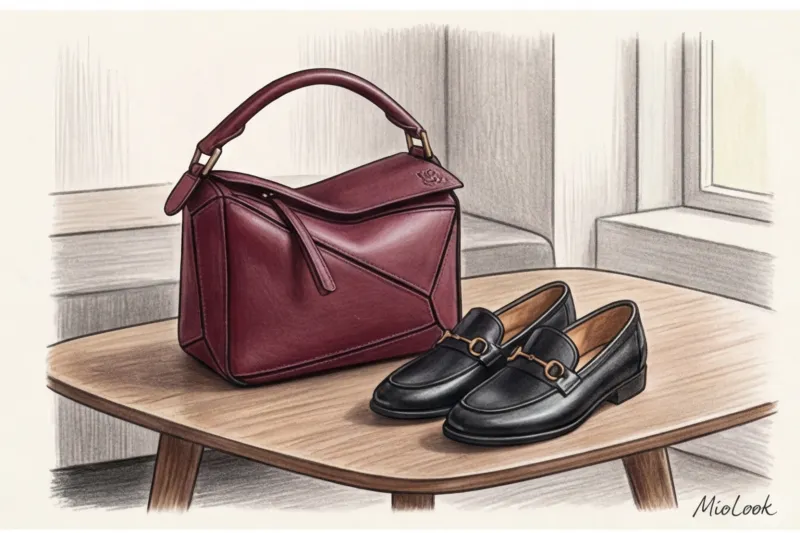
They've been replaced by status bags with rigid, geometric shapes (top-handle) and roomy totes. As a stylist, I always strongly recommend that clients seek out basic pieces made of high-quality grained leather. Unlike delicate, smooth calfskin, which gets covered in micro-scratches after just one taxi ride, grained leather is incredibly durable and holds its shape flawlessly for years.
Decorations: less details, more texture
Your jewelry wardrobe also requires a ruthless overhaul. Chunky plastic necklaces and overtly cheap sets (where a ring, earrings, and necklace are all identical) instantly throw your look back to the early 2000s. Modern high-end styling is built on subtle eclecticism and confident casualness.
Replace outdated costume jewelry with textured vintage gold or high-quality gold-plated jewelry. A must-have for the portrait area are minimalist, large drop earrings (inspired by the iconic Bottega designs). But there is an important nuance here: Pay close attention to the weight of the piece. Heavy, cast earrings can weigh down the earlobe, distorting the piercing. Therefore, for everyday wear, I always look for hollow jewelry—they provide the desired dramatic volume with minimal weight.
Incorporating new, statement accessories into a familiar base can be challenging, even with a keen eye. To avoid mistakes and impulse purchases, I recommend uploading photos of your desired bag or shoes to the "smart wardrobe" feature in MioLook Artificial intelligence will instantly show you how well a new item will complement your current look, saving you from unnecessary spending.
Access to MioLook for €0.99 — one-time payment
Start creating perfect looks with the help of artificial intelligence and forget about the problem of “nothing to wear” forever.
Get access — €0.99 onceHow to save outdated items: secrets from stylists
The biggest mistake you can make after a closet overhaul is mindlessly throwing half your clothes in the trash. At the Istituto Marangoni, fashion design professors drilled into us the golden rule: a bad fit can almost always be rebuilt. I'm deeply convinced that proper styling can revive up to 70% of "hopeless" items. Let's explore three insider tips that will help you salvage your investment and give your clothes a second life.
The Rule of Balance: The Mathematics of Proportions
If a piece has lost its edge, it needs to be "calmed down" with a hyper-modern base. In professional slang, we call this "neutralization." Take, for example, a blouse with overly embellished details or an outdated fitted cut. Leave it alone, but pair it with wide-legged palazzo trousers with pleats made of thick Italian wool. Complete the look with a geometric, rigid bag and chunky-soled loafers.
A modern, architectural hemline and the right accessories steal the show. In this context, the fitted blouse looks like a deliberate stylistic choice, not a 2000s fashion faux pas.
Upcycling: wardrobe surgery
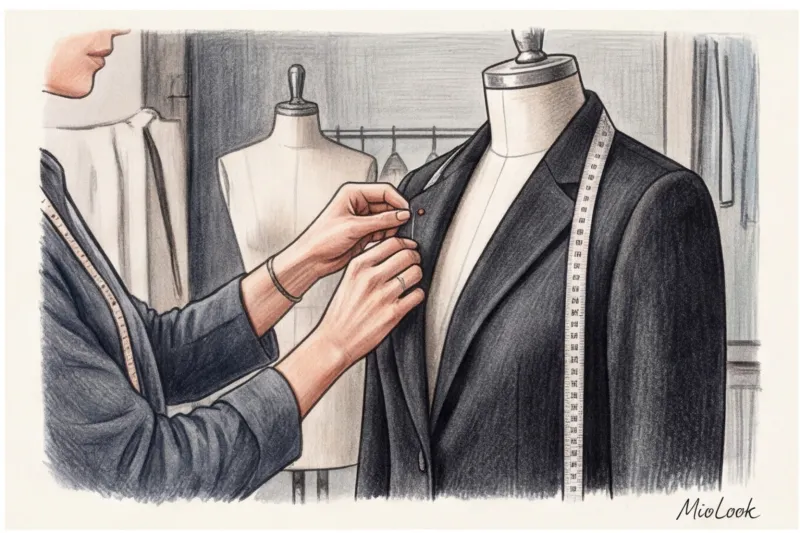
Sometimes fabric just needs a new form. Art retouche (Alteration) is a secret weapon of conscious consumption adored by Parisians. An outdated sheath dress with a poorly designed, chest-hugging top can be transformed into a flawless midi pencil skirt. And that same short jacket, which clings to the hips and looks cheap, can be stripped of its sleeves by a good tailor for €40–€50, deepening the armholes, and transforming it into a luxurious suit vest. You get a brand new, trendy piece with a perfect fit.
Layering and underlayer technique
What to do with those thin, flimsy turtlenecks and tight cardigans that mercilessly highlight every little detail of your figure? Turn them into a functional base layer ( underlayer ). Fine knitwear made of viscose or cashmere blends works perfectly as a color accent.
Wear a slim turtleneck under a voluminous crisp cotton shirt, buttons undone almost to the solar plexus. The play of textures—smooth knit and thick, shapely poplin—creates that perfect, sophisticated casualness. Similarly, a fitted cardigan with small buttons can be worn not as a standalone top, but as a top under a structured double-breasted blazer.
You don't have to sweat in your dressing room for hours to test these formulas. I always recommend uploading photos of the "problem" items to MioLook app The smart wardrobe feature allows you to virtually combine skinny cardigans with oversized shirts from your collection to visually evaluate new proportions and create ready-made capsule wardrobes without making a single new purchase.
Checklist: How to Stop Buying Future Anti-Trends
According to the Business of Fashion 2023 analytical report, the average shopper wears a purchased item only seven times before forgetting about it forever. As a wardrobe investment consultant, I consider this figure catastrophic. Outdated items and outright anti-trends often end up in our closets precisely because of impulse shopping and a lack of understanding of the true value of clothing.
To ensure your wardrobe works to enhance your status, doesn't become cluttered, and doesn't require constant financial investment, run potential purchases through this strict algorithm before you go to the checkout.
- Cost-Per-Wear formula. Have you ever calculated the real cost of your clothes? Forget the price tag—it's deceiving. To find the true price, divide the cost of an item by the number of times you expect to wear it. Here's a basic wardrobe math example: classic palazzo pants made from a good suit fabric for €300, worn at least 60 times per season, will cost you €5 per outfit. A trendy €50 polyester top, bought on a microtrend and worn twice, will cost you €25 per outfit. In the long run, premium essentials are always significantly cheaper than mass-market items.
- Test "Three images". I categorically forbid clients to pay for a purchase if they cannot mentally create at least three complete looks with this item right in front of the mirror in the fitting room. already hanging in their closet. If a new, complexly tailored jacket requires buying different trousers, a special top, and matching shoes, it's not an investment, but a dangerous financial pitfall.
- Avoid impulse purchases during sales season. The magic of the red "70% Off" tag masterfully shuts down critical thinking. The ironclad rule of high-status women: during sales, we only buy what we planned to buy before the sale. If you weren't willing to pay full price for that eccentric sweater a month ago, you don't need it even on sale. Often, it's precisely these "bargain" impulse buys that become obvious anti-trends by the following fall.
- Texture analysis. Often, a garment becomes hopelessly outdated not because of its cut, but because of its cheap fabric, which fails to maintain its silhouette. Items made of high-quality merino wool, dense Egyptian cotton, and natural silk (mulberry) remain fashionable longer than polyester. Synthetics lack an internal frame, quickly become pilled, develop a cheap sheen at the seams, and become staticky. Noble natural materials age gracefully, maintaining their premium luster for decades.
To ensure this checklist works flawlessly and you can clearly see all possible combinations before purchasing, I recommend keeping your wardrobe in digital format. By uploading your database to MioLook , you can check right in the boutique whether the new item passes the three-look test and whether it duplicates something you already own.
Your ideal image begins Here
Join thousands of users who look flawless every day with MioLook. Digitize your wardrobe and forget about the "nothing to wear" problem.
Get access — €0.99 onceSmart Wardrobe: How MioLook Helps Avoid Styling Mistakes
According to recent statistics from McKinsey & Company (from a consumer habits report for early 2024), most women regularly wear only 20-30% of their closet contents. The remaining 70% is "dead weight": impulse purchases, endless duplicates, and items that have long since lost their shape. The paradox of modern times is that shelves are groaning under the weight of hangers, yet there's still nothing to wear. It's in this "blind spot" that major stylistic blunders are born and anti-trends in clothing take root.
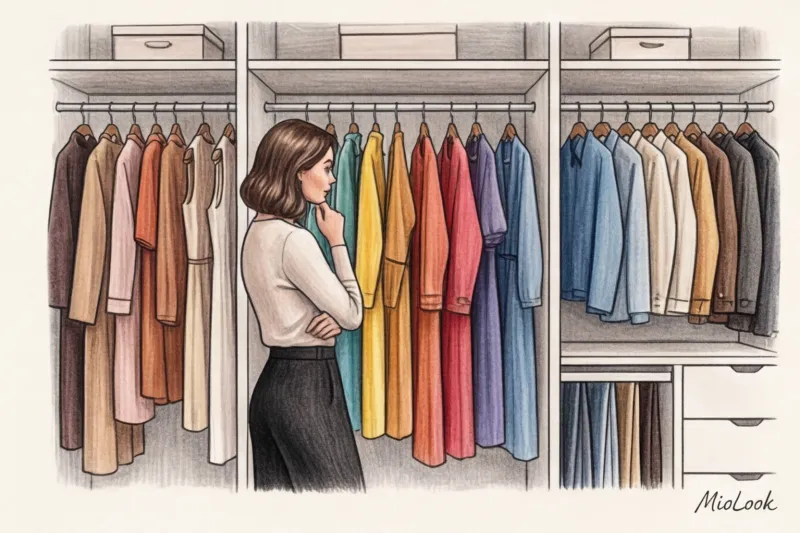
To break this vicious circle, the first thing I require from every new client before starting shopping support is to carry out total digitalization. Wardrobe digitization — this is the only way to see all your belongings at a glance. When you visually monitor your belongings on your smartphone screen, your brain automatically stops demanding a sixth black turtleneck or another skimpy leather jacket. You clearly see your past mistakes, realize the true size of your clothes, and stop storing duplicates.
This is where technology comes into play. I'm absolutely convinced that a personal AI stylist will not only save you the stress of getting ready in the morning, but also significant amounts of money by protecting you from buying duds. By uploading your database to the app MioLook , you get access to a powerful analytical tool. Intelligent AI styling tips solves the biggest pain point: how to wear what you've already bought. The app helps you find trendy combinations for frankly "boring" or questionable items you've been meaning to throw away. For example, the algorithm might suggest layering your old, slightly fitted cardigan as a base layer, pairing it with new, wide palazzo pants in a thick suiting wool and a sturdy bag. You get a fresh silhouette and elevate an outdated piece with a modern twist.
But my favorite feature that I highly recommend all women to use when forming a status capsule is virtual try-on before purchase How many times have you bought a trendy skirt for €300 or €500 that looked gorgeous on the mannequin in a boutique, only to discover your shoes completely clash? Now you can evaluate how a trendy item will fit into your current wardrobe from the comfort of your home or right from the store's fitting room. You simply add a photo of your desired new item from the website (be it a basic brand or a high-end luxury item like Bottega Veneta) to the app and check its compatibility. If the item doesn't create at least three strong looks with your current wardrobe staple, you easily leave it on the shelf, saving yourself from spontaneously buying a future anti-trend.
Elegance is always the result of a thoughtful approach and precise calculation, not chaotic consumption. The fast-fashion industry will continue to impose new microtrends on us every month, but your personal style must remain unwavering. Start managing your closet, rather than letting it manage your finances. Take a couple of hours this weekend to digitize your database, and I guarantee you'll see your looks with completely different eyes and forget about the "closet full, but nothing to wear" problem forever.
Guide Chapters
Anti-trends in business style: how to avoid looking outdated
Clothes are your nonverbal resume. We'll explore the biggest office wardrobe mistakes and outdated silhouettes that subconsciously undermine your credibility.
Winter Anti-Trends: Which Hats Are Out of Style?
Even a luxurious coat won't save your look if you've chosen an outdated headdress. We'll explore the main hat anti-trends and learn how to avoid these style mistakes.
What prints are out of fashion: patterns that cheapen the look
Fabric patterns can either enhance your status or completely ruin your image. We'll explore which patterns should be avoided forever.
Evening Dress Anti-Trends: What Not to Wear
Modern evening fashion encourages freedom of movement instead of stifling corsets. We explore the main mistakes when choosing a formal attire.
Sweater Anti-Trends: How to Spot an Old-Fashioned Jumper
Thin, tight knitwear can ruin even the most expensive look. Learn how to recognize outdated cuts and choose a trendy style.
Summer anti-trends: what not to wear in the heat
We'll break down common summer wardrobe mistakes from a style and fabric perspective. Find out which items are best to avoid in the heat to ensure a flawless look.
Closet Review: How to Get Rid of Outdated Items
The myth of "timeless classics" makes us hang on to outdated clothes for years. Discover an engineered approach to wardrobe revision and learn how to stylishly update your essentials.
Outdated Style Rules: Which Fashion Myths Are Time to Forget?
Perfectly curated looks are no longer in fashion. Find out why a subtle stylistic clash is better than boring rules, and which taboos it's time to abandon.
Clothes that make women look older: anti-trends after 40
Find out why your favorite clothes can make you look older. We'll explore the main anti-trends and silhouette mistakes for women over 40.
Anti-trends in bags: which styles cheapen your look
Even the most flawless look can be ruined by one unfortunate detail. We'll explore which bags are hopelessly out of fashion and make your outfit look cheap.
Anti-trends: Which dresses are out of fashion and which ones to avoid
It's not the color or print that becomes outdated, but the silhouette's architecture. We'll explore the main anti-trends in dresses and skirts that visually cheapen an outfit and add age.
Which jeans are out of fashion: denim anti-trends
Bad denim can cheapen even the most stylish look. We'll explore the main anti-trends and learn how to choose trendy jeans.
Anti-trends in footwear: which pairs ruin your look
Outdated shoe shapes can ruin even the most impeccably tailored suit. Together with a stylist, we explore which pairs throw off proportions and which ones are time to ditch.
Down Jacket Anti-Trends: Why Your Jacket Isn't Warming
An outdated winter jacket not only ruins your figure but also violates the basic laws of warmth. We're breaking down your winter wardrobe with a textile expert.