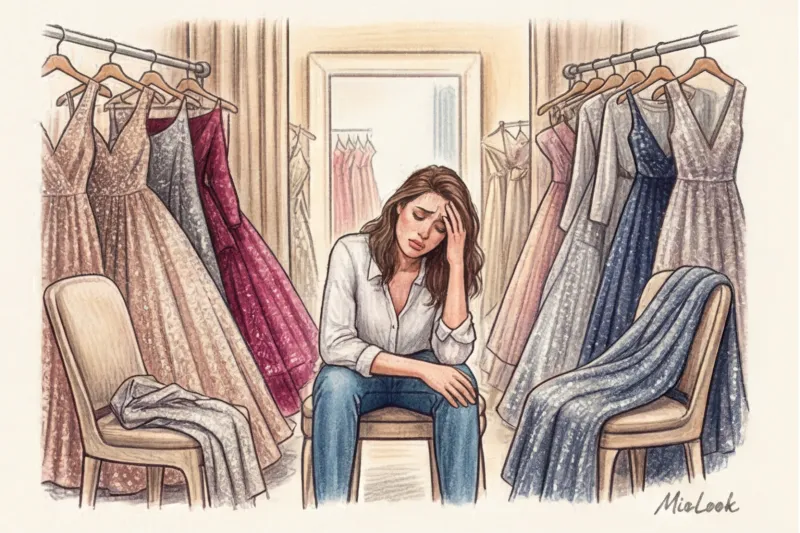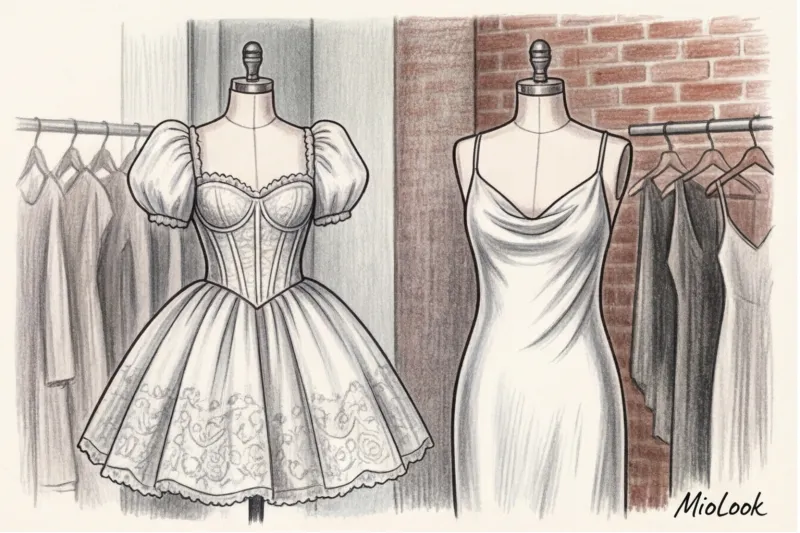
Recently, one of my clients was tearfully recounting her fiasco at a prestigious charity gala. She'd spent nearly $5,000 on a couture gown with a rigid, suffocating corset and an enormous, multi-layered skirt. And the entire evening, she felt completely out of place (and clumsy) alongside women wearing flowing, minimalist silk slips that looked like they'd been thrown on five minutes before going on stage. That's the whole intrigue of modern fashion: the effect. sprezzatura — the Italian concept of thoughtful yet effortless casualness — has finally triumphed over overt "effortless effort." Examining current anti-trends in evening dresses, we shift the focus from simply "ugly things" to the architecture of the silhouette.
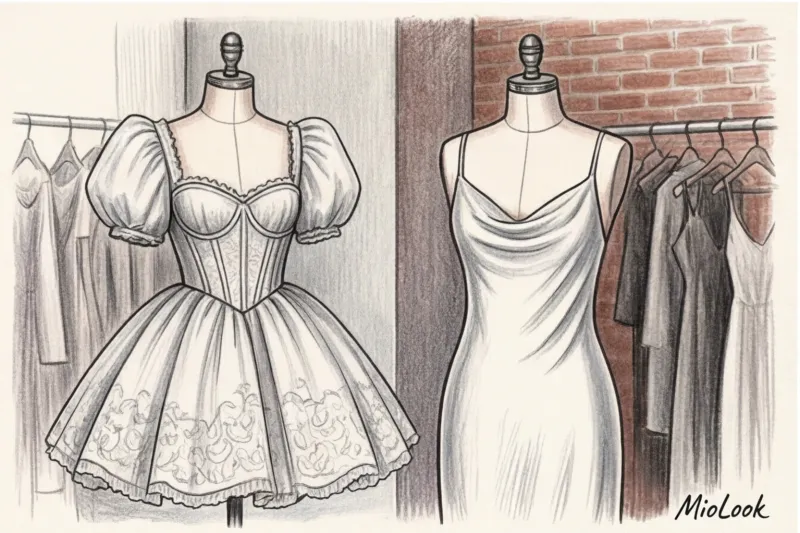
As I have already discussed in detail in our a complete guide to anti-trends in clothing , modern luxury is, above all, freedom of movement and self-confidence, and not voluntary confinement in a rigid framework for the sake of someone else's approval.
Your perfect look starts here
Join thousands of users who look flawless every day with MioLook. Our intelligent AI stylist will create the perfect look for you.
Get access — €0.99 onceThe Architecture of Failure: The Main Anti-Trends in Evening Dresses
Over 12 years of working as a stylist, including styling clients for the Cannes Film Festival red carpet, I've developed an ironclad rule: a bad silhouette can't be saved by color or diamonds. Form always comes first.
Now let's bust one of the most persistent myths. Have you noticed how often we're advised to buy a classic, tight-fitting black sheath dress that hits exactly mid-knee? That same "universal LBD" (Little Black Dress) from the 2000s. Today, it's a definite anti-trend for formal events. In 2024, this silhouette looks like you haven't had time to change since a 2012 office party. A modern evening take on the black dress requires either a dramatic maxi length, complex asymmetrical draping, or unexpected yet elegant cutouts.
"Cake Dress" and Rigid Corsets: The End of the Hypertrophy Era
Skirts with massive hoops, meters of stiff, creaky tulle, and corsets that make it impossible to take a deep breath—all of this today betrays a lack of awareness. The global report by the analytical agency WGSN (2024) clearly identifies a macro trend in Soft Evening (Mild evening). Comfort has become the main marker of status.
Industry statistics confirm this: sales of premium eveningwear made of heavy brocade and stiff taffeta have fallen by 45% over the past two years. They have been replaced by so-called "liquid" silks, bias-cut dresses that fit phenomenally without a single dart, and simple column dresses.
Excessive transparency and "naked" dresses
There's a huge difference between runway extravagance designed to garner social media clicks and the elegance of a real-life event. Vogue Runway's red carpet analysis confirms that the era of bandage silhouettes and completely sheer dresses is a thing of the past.
Time has been particularly cruel to dresses featuring nude mesh with embroidery that mimics tattoos or a scattering of stones "right on the skin." Up close, such mesh is always noticeable and creates the effect of a dirty body. What can you do instead? If you want to add intrigue, choose dresses made of thick fabric but with a deep back or a high, clean, architectural slit up the leg.
Cheap decor: what instantly ruins the status of an outfit
Research in visual perception and consumer behavior confirms the "5-second rule." That's how long it takes the human eye to subconsciously scan an image and recognize cheap hardware, even if you're not a fashion expert.
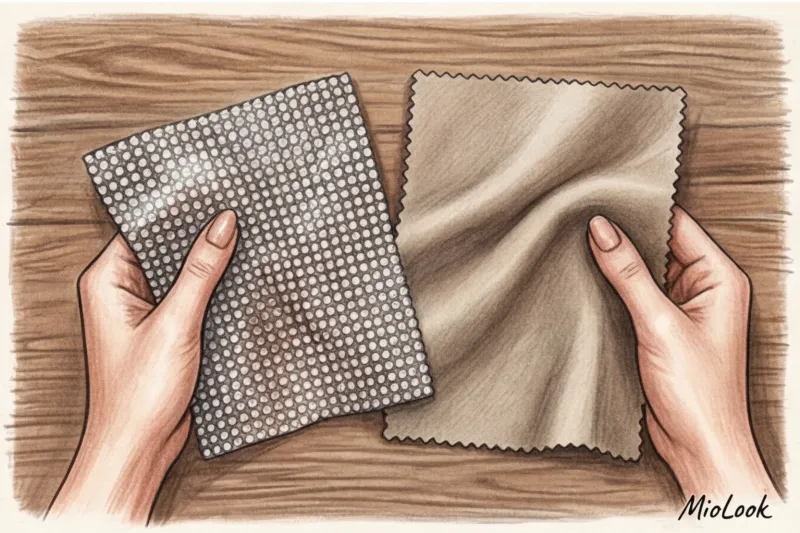
What gets blacklisted immediately?
- Plastic rhinestones and sequins. Especially those that are sewn unevenly or start to crumble on the way to the event.
- Contrasting cheap mesh on the neckline. When the V-neck is held together with a piece of tulle that is three shades lighter or darker than your skin tone.
- Flimsy synthetic guipure lace. It gets staticky, gets caught on jewelry, and looks flat.
"Always choose a perfectly minimalist dress made of expensive fabric over a dress lavishly strewn with cheap embellishments. Smooth silk whispers, while plastic stones scream, but no one wants to hear that scream."
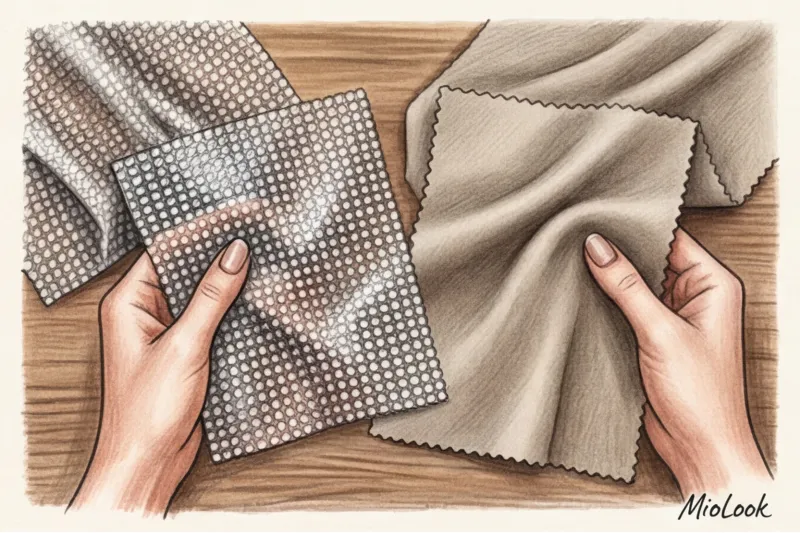
My personal life hack: check the fabric by touch. Squeeze the hem in your fist for 10 seconds. If the fabric remains lifelessly wrinkled (like paper), it's cheap polyester. If the creases are soft and quickly fall apart, the fabric is high-quality. A good alternative to flimsy guipure is dense macramé lace or smooth silk with a density of 22 momme or more.
Are you unsure about choosing a dress?
Upload a photo of your outfit to MioLook. Our AI stylist will analyze the silhouette and advise you on how flattering it is and how well it suits your figure.
Get access — €0.99 onceDangerous Shades and Textures: When Fabric Works Against You
Fabric can be your best ally or your worst enemy. The main antagonist of evening events is shiny, thin satin (especially synthetic ones, with a density of less than 100 g/m²). It has the insidious ability to highlight the slightest nuances of your figure, even those you weren't aware of. Seamless underwear underneath is contoured, and the slightest drop of water leaves a permanent stain.
As a celebrity stylist, I always warn my clients: cameras and flashes at events are merciless. Cheap satin reflects so much light under the flash that it turns into a mass-market nightgown in photos.
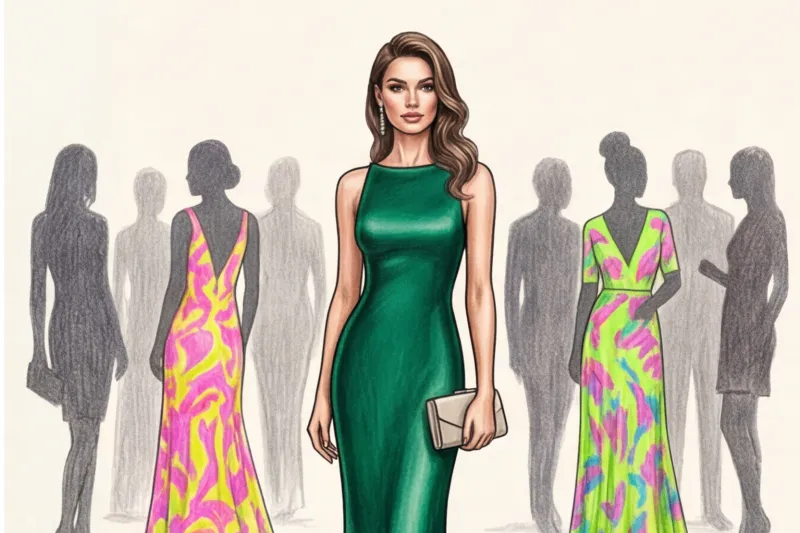
The second danger is neon shades (loud fuchsia, acid yellow) at classic evening receptions. Unless it's a high-concept 80s-themed party, neon in Black Tie or Cocktail looks like a desperate attempt to attract attention.
What to invest in:
- Matte silk and heavy viscose crepe absorb light and create a refined silhouette.
- Thick velvet (ideal for winter celebrations).
- Deep, "precious" shades: emerald, sapphire, dark burgundy, bitter chocolate, or a noble nude that perfectly matches your skin undertone.
Shoes and accessories: how to avoid ruining a modern evening look
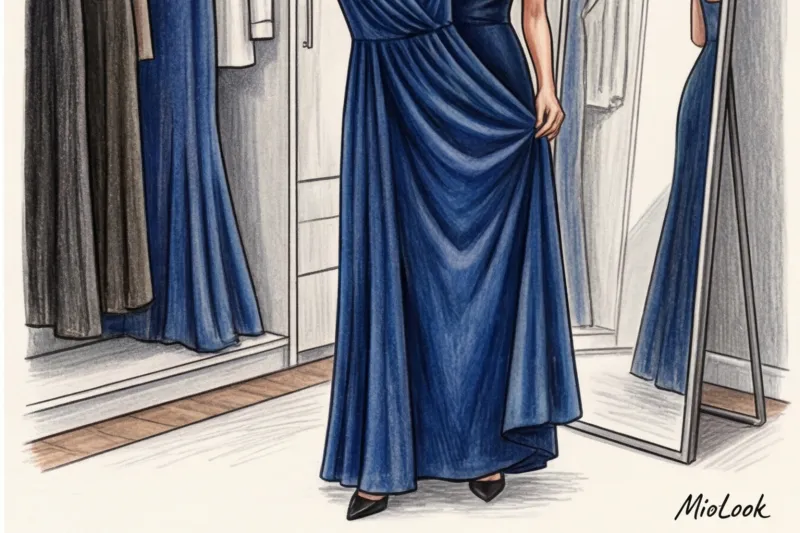
You've chosen the perfect column dress in a deep sapphire shade. And then you make a fatal mistake: you match it with matching shoes and handbag. Rule too matchy-matchy (too samey) is completely outdated. Today, it looks like you spent a week preparing for the release and tried really hard.
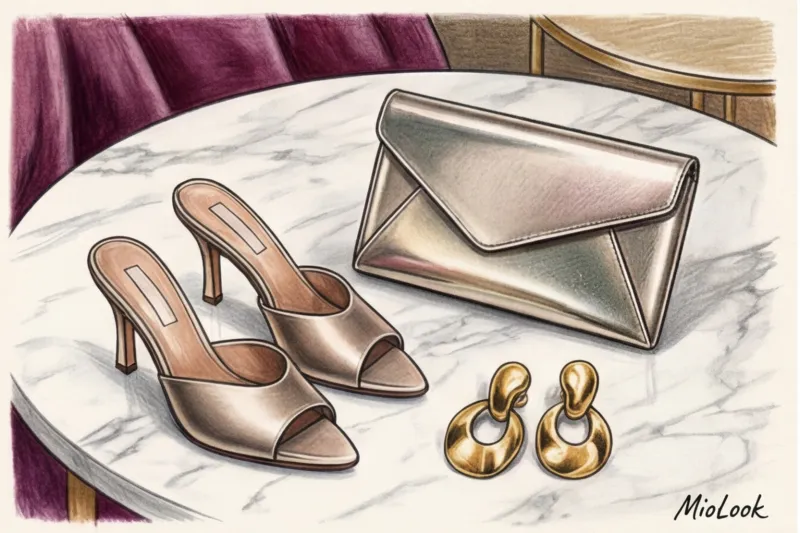
The Mediterranean approach to accessories that I teach my clients is built on a subtle eclecticism. Italian fashionistas masterfully mix textures: they'll pair a silk dress with a velvet clutch and wear metallic leather shoes.
The main anti-trends in footwear: Hidden platform shoes with extreme stiletto heels (popularly known as "hooves"). They weigh down the foot and throw off the proportions. Replace them with architectural pointed-toe mules, '90s-style sandals with thin straps, or classic kitten heels.
When it comes to jewelry, generic jewelry sets (necklaces, earrings, and rings from the same collection with matching stones) add age. Opt for sculptural, statement-making shapes—for example, large, irregularly shaped gold earrings. without necklace. Let there be one accent, but a bold one.
Outdated Evening Hairstyles and Makeup: The "Minus One" Rule
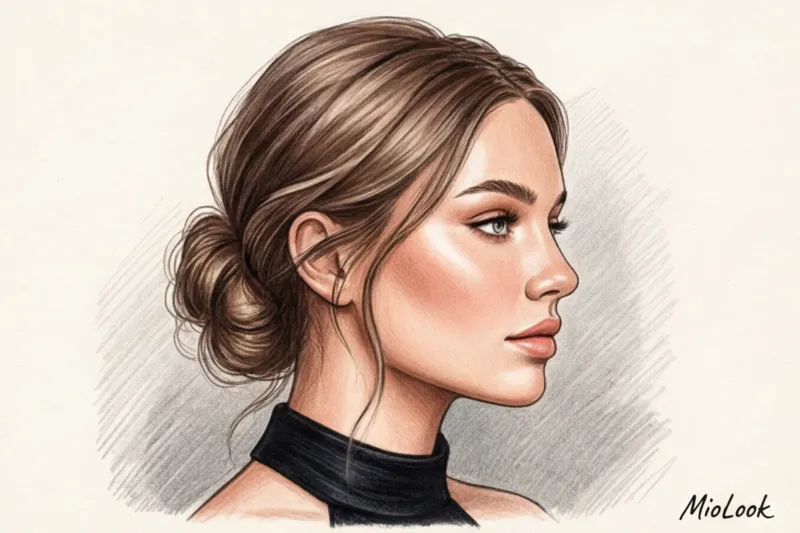
Backstage at fashion shows, my top makeup artists and I often joke: "You can take a girl out of 2005, but taking a tower of curls with a ton of hairspray is much more difficult." Slicked-back, immobile hairstyles, where every hair lies flat, can ruin even the most fashionable designer dress.
The same goes for heavy matte makeup with harsh contouring, a la Kim Kardashian in her early years. Under evening artificial lighting, such makeup sinks into pores and visually adds at least 5-7 years to your age.
The modern approach is based on the "minus one" rule. If you're wearing a luxurious, complex dress with a dramatic cut, take the effort out of your beauty look. Hair should look vibrant: loose, carefree waves (that second-day-after-styling effect) or a sleek yet natural low bun. Makeup should focus on radiant skin (glowing skin) and a single accent—either a dewy sheen on the eyelids or a deep lip color with a slightly blurred outline. No sharp, graphic, stencil-like eyebrows.
Checklist: Creating a Flawless Look for a Special Occasion
Before you cut the tag off your new dress, do a final test. Answer these three questions:
- Is this dress code? The worst thing you can do is go to extremes. Overdressing (when you wear a dress with a train to a cocktail party) looks just as ridiculous as underdressing (Jeans at a Black Tie event). Always confirm the format with the organizers.
- Is there air? Does the dress's silhouette leave a little space between the fabric and your body? It's this "air" that creates a feeling of luxury and freedom.
- Self-sufficiency test. Imagine if all the sequins, lace, and slits were removed from a dress. Would it still be interesting solely because of the cut? If the answer is "no," you're investing in frills, not style.
I'll be honest with you: there are exceptions to this rule. My advice about minimalism and flowing fabrics doesn't apply if you're invited to a conceptual theatrical ball (in the spirit of the Met Gala) or a historical reenactment. The rules of stage costume apply there. In all other life scenarios—from a friend's wedding to a corporate gala dinner—elegance dictates its own rules.
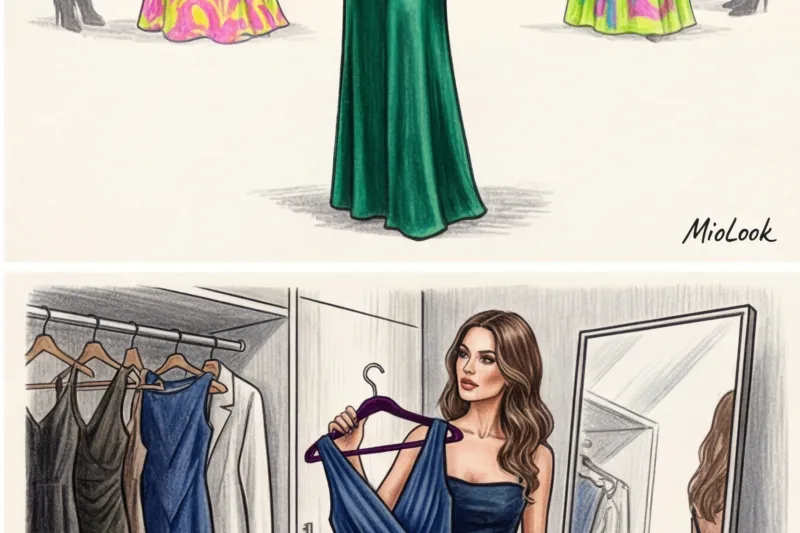
Invest in quality fabric and a carefully crafted silhouette, not in fleeting micro-trends and cheap glitz. True luxury always speaks quietly. When you stop trying to impress others with the complexity of your outfit, you'll gain that magnetic confidence that makes you the star of any evening.
Ready to overhaul your evening wardrobe?
Take photos of your outfits and upload them to MioLook. The app will help you create the perfect combinations with shoes and accessories for any dress code.
Get access — €0.99 once