The Anatomy of Cheapness: Why Do Bag Anti-Trends Emerge?
Picture this: a brilliant top manager walks into a conference room. She's wearing an impeccable fine wool suit, her hair is perfectly coiffed, and she has the posture of a winner. But then she sets down a bag covered in dazzling yellow hardware with cracked rubber grips. The illusion of status shatters in an instant.
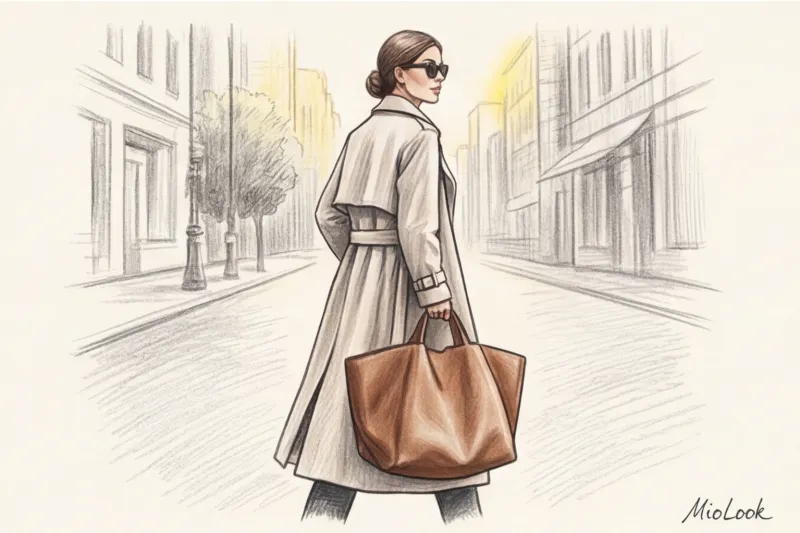
Over 12 years of working as a stylist and regularly attending Fashion Weeks, I've learned one hard and fast rule: bags are forgiven less than clothes. While a basic white T-shirt from a mass-market store can look fantastic when styled correctly, a cheap bag can ruin even a look crafted from premium brands. In our guide Anti-trends in clothing: what's gone out of fashion and what to replace it with We've already discussed how out-of-proportion images can ruin a silhouette. The same logic applies to accessories: anti-trends of bags — these are not just lists of “what to throw out this season,” these are systemic errors in architecture and materials.
We've officially reached the end of the "logomania" era. According to research by The Business of Fashion, sales of handbags with large, garish logos fell by 22% in the premium segment last year alone. The focus has shifted to "quiet luxury."
Fast fashion, paradoxically, is the main catalyst for the most persistent anti-trends. When mass-market brands try to copy complex runway shapes, skimping on patterns and assembly techniques, they produce bags that look outdated even before they leave the store shelves.
Access to MioLook for €0.99 — one-time payment
A smart AI stylist will select the perfect look.
Get access — €0.99 onceAnti-trends in bags in detail: accessories that scream
Hardware is the first thing the human eye notices when assessing an accessory. While touring the showrooms at Milan Fashion Week last season, I noticed a clear trend: designers are literally hiding the metal inside. Magnets are hidden under the leather, zippers are invisible.
Any professional buyer will tell you: the cost of producing a bag is often determined by the quality of the galvanic coating of the metal parts, and not the leather itself.
"Samovar" gold and excessive shine
Overly yellow, glossy gold on clasps and chains is an absolute, uncompromising anti-trend. It betrays a desperate desire to make something appear more expensive than it actually is.
What's the problem with this type of metal? Cheap, glossy finishes quickly become covered in micro-scratches, oxidize, and develop a rusty tint. Matte hardware, aged brass, brushed (scratched) metal, or no metal at all are trendy today.
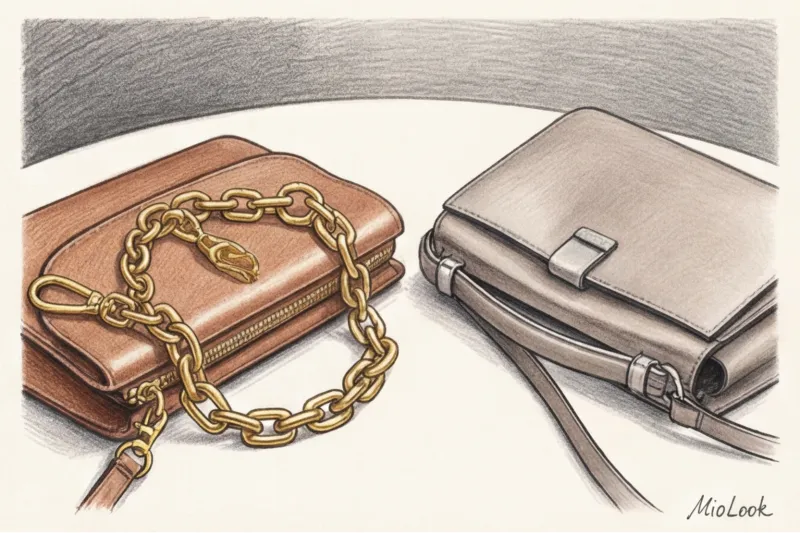
"Chunky chains only work if they're made of heavy alloy with a matte or vintage finish. Lightweight, hollow plastic coated in shiny gold paint instantly makes the look look like a cheap knockoff."
Imitation of status: fake locks and extra zippers
Have you ever noticed bags covered in decorative zippers that don't actually open? Or mass-market models with fake padlocks in the style of the iconic Hermès Birkin? That's designer capitulation.
The cardinal rule of modern industrial design is: form follows function. If a strap doesn't tighten anything and the clasp doesn't lock, it's visual clutter that adds weight to the bag and cheapens its aesthetics.
Try MioLook
for free
Start creating perfect images with the help of artificial intelligence
Get access — €0.99 onceThe Loss of Architecture: When Geometry Destroys Image
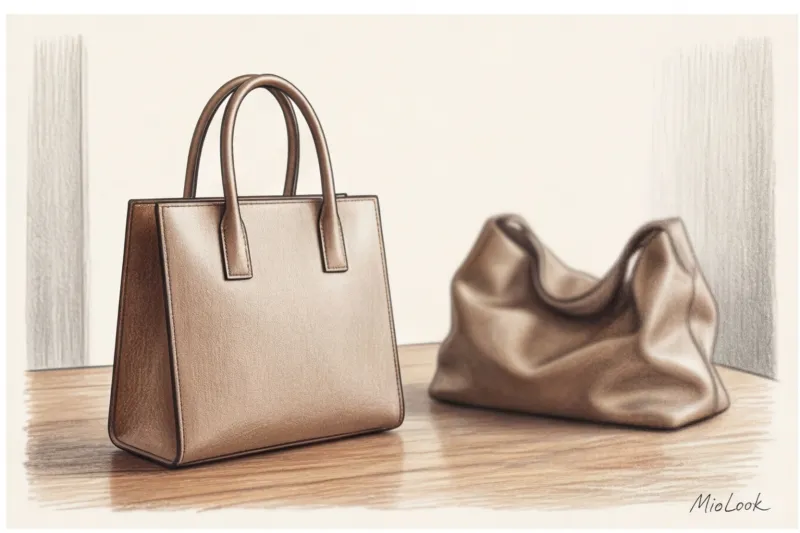
Here I want to dispel a very popular myth. Many glossy magazines write: "Soft tote bags are out of fashion." This is absolutely untrue! Shapeless bags made of thin polyurethane are out of fashion.
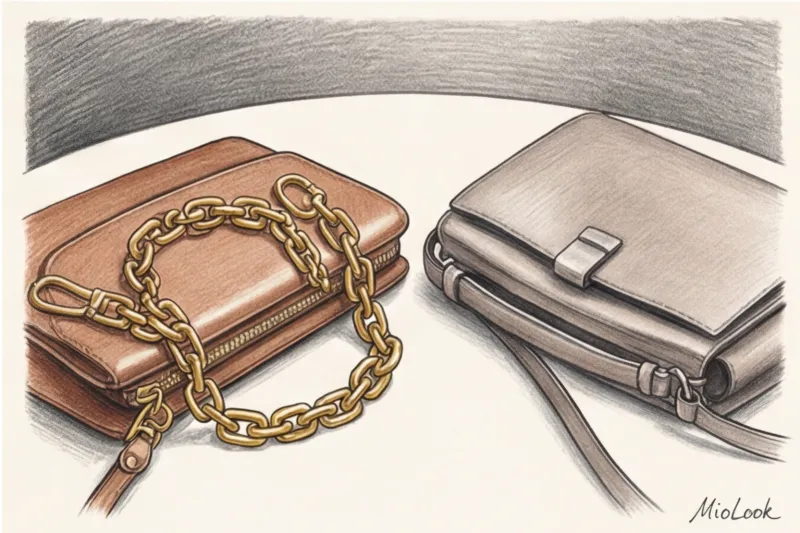
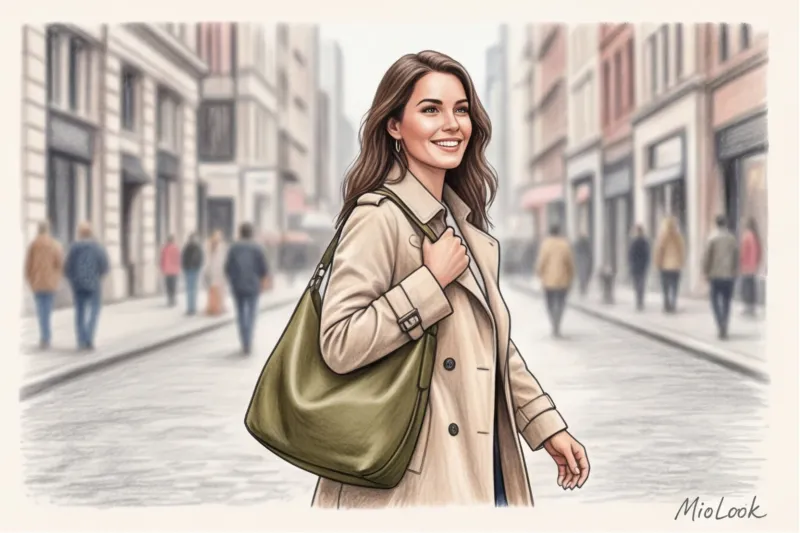
Style slouchy (A soft, relaxed shape) is currently at the peak of popularity. But for a soft bag to look classy, like those from The Row or Bottega Veneta, it requires incredibly thick, heavy, and excellently crafted leather. This type of leather creates beautiful, sculpted folds. Thin faux leather, on the other hand, simply collapses, turning the accessory into a crumpled plastic grocery bag.
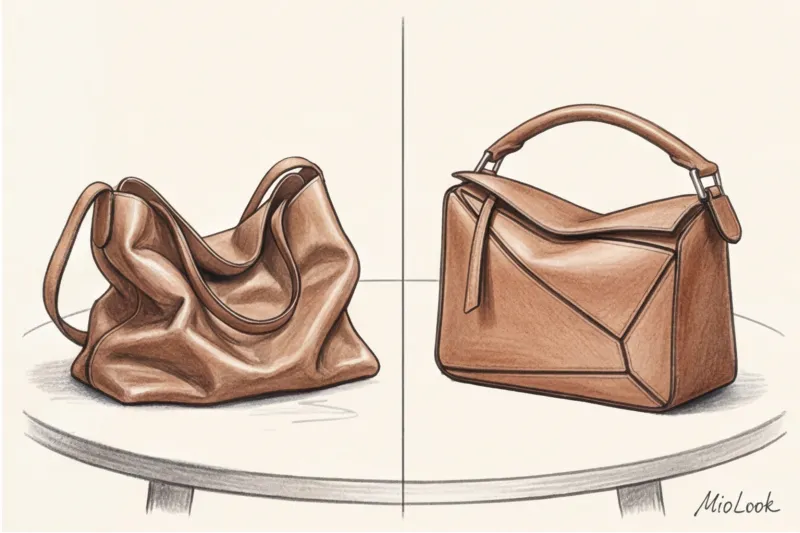
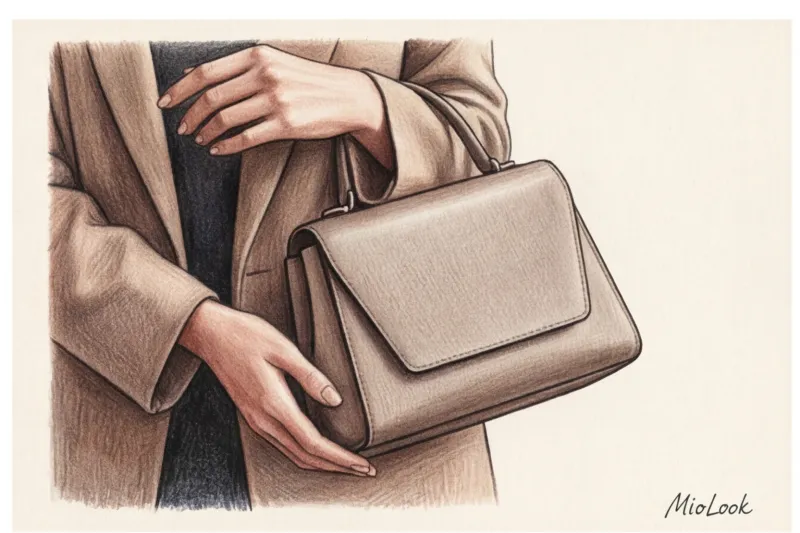
The other extreme is rigid frame bags (domes or trapezoids) that have dented at the sides. If a frame bag has a dent that can't be straightened out, its life is over. This is a violation of the geometry, which immediately makes the look untidy.
Your ideal image
it begins Here
Join thousands of users who look flawless every day with MioLook.
Get access — €0.99 onceMicro-bags and non-functionality: the end of the era of "toy" accessories
Simon Porte Jacquemus is a marketing genius. His Le Chiquito micro bag became a viral sensation. But let's look at the numbers: the ubiquitous trend of micro bags, small enough to hold just an earphone and a mint, lasted only about 3.5 years. By comparison, the classic structured tote bag has been around for decades.
I had a telling case in my practice. A client bought an expensive micro-bag for an important business dinner. She spent the entire evening wondering what to do with her enormous smartphone—it was impolite to put it on the table (it's a violation of business etiquette), it didn't fit in the bag, and her dress had no pockets. Her entire status image of the leader crashed into physical discomfort and fussiness.
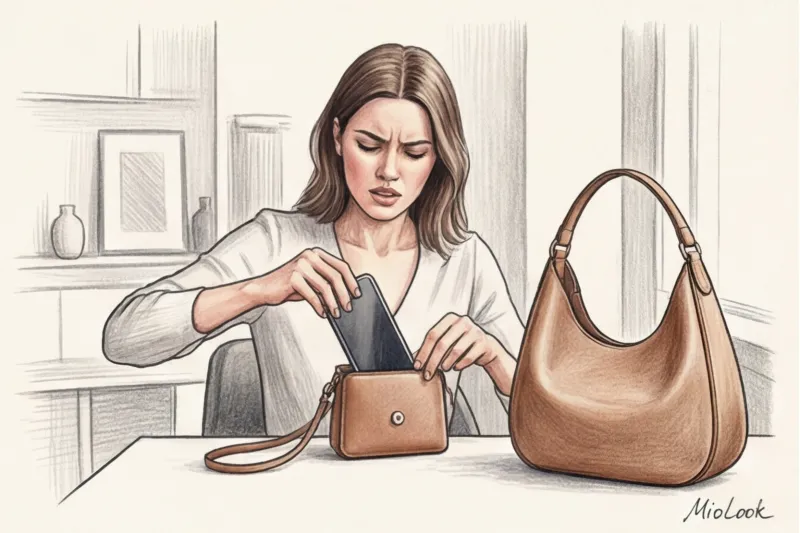
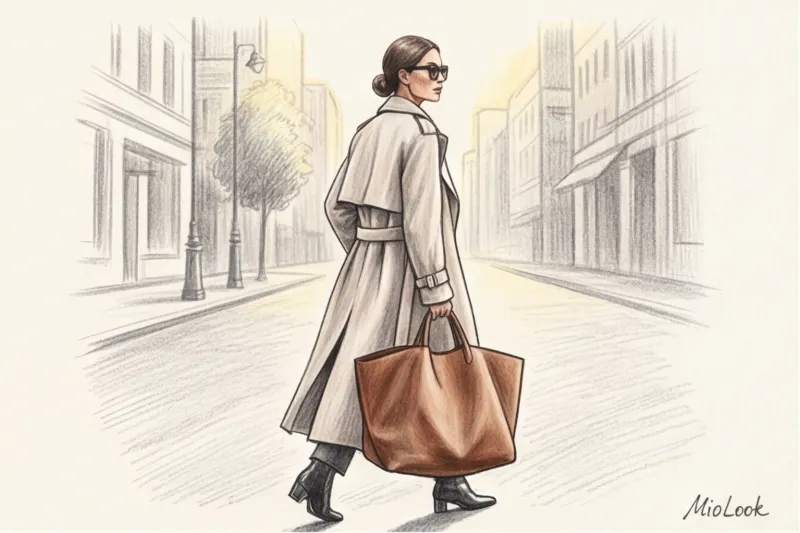
The modern woman needs utility. According to the WGSN global trend report for 2024–2025, the macro trend has shifted towards ludicrously capacious bags (extra-capacious bags). If your bag can't fit your basic daily essentials, it's a no-no.
Textures and color blocking: materials that save money
Not all faux leather is created equal. The main indicator of cheapness is the hard, glossy "crocodile" or "snake" faux leather, which glistens in the sun like a plastic phone case.
How does a professional distinguish expensive embossing from cheap stamping? Premium texture (even high-quality vegan leather) has a deep and uneven pattern—the grains are of varying sizes, just like in nature. Cheap stamping is always flat, with a repeating pattern, and coated with a glossy varnish to hide the material's imperfections.
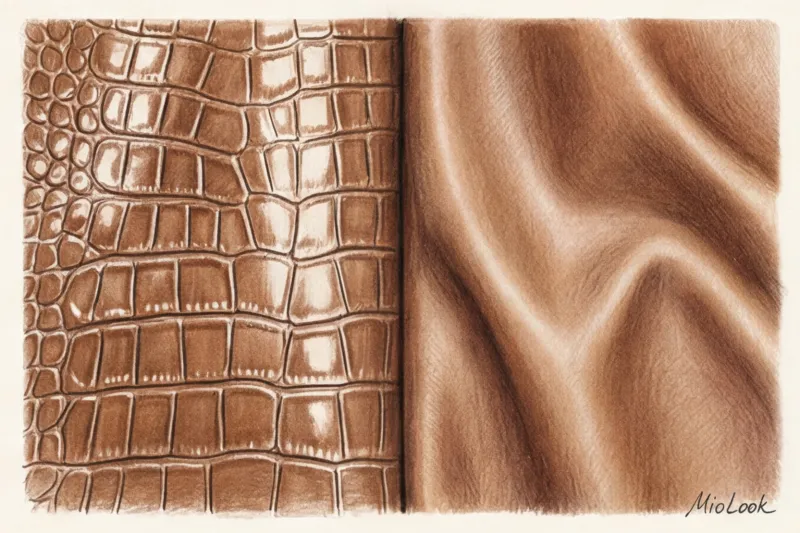
When it comes to color, forget about bags made from three or four contrasting shades of leatherette. Outdated color blocking breaks up the shape. Opt for deep, solid colors like chocolate, burgundy, olive, or graphite. They look more refined than black and easily integrate into a basic wardrobe.
A Stylist's Checklist: How to Choose an Investment Bag (and Avoid Anti-Trends)
If you decide, What to invest in this new season , use this professional checklist when choosing a basic bag. I use these three criteria to filter accessories during my clients' wardrobe reviews:
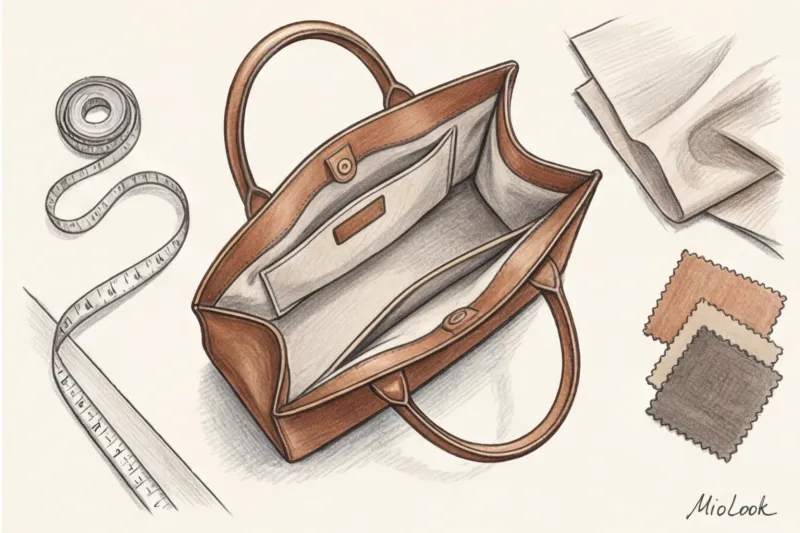
- Checking the seams: Contrasting white stitching on a dark bag is a huge risk. It only works in high-end luxury (like Hermès, where every stitch is hand-stitched using the famous saddle stitch). On budget and mid-range bags (like Zara or Mango), white thread will instantly reveal the unevenness of the stitching and cheapen the look. Look for tone-on-tone stitching.
- Lining Rating: Cheap bags often have a hard, rustling synthetic lining that tears within a month. A high-quality bag will have a lining made of thick cotton, suede-like microfiber, or no lining at all (if it's thick, double-sided leather).
- Edge paint analysis: The edge is the rubberized edging on the handles and leather edges. In unfashionable, cheap bags, this edge is coated with a thick layer of rough rubber that cracks in the cold. In proper investment models, the edge is thinly processed, in several baked layers.
Second Life: What to Do If Your Favorite Bag Has Become an Anti-Trend?
We live in an era of conscious consumption, and I never advocate mindlessly throwing things away. Fashion cycles come back. If you have a quality leather bag that's currently considered anti-trend due to its bold embellishment or shape, give it a rest on the back shelf of your closet.
But what if you want to wear it now? There are styling tricks that can "calm down" a complex piece. Remove the wide, branded belt and replace it with a thin leather one. Conceal the abundance of metal hardware by elegantly tying a neutral silk scarf around the wrist.
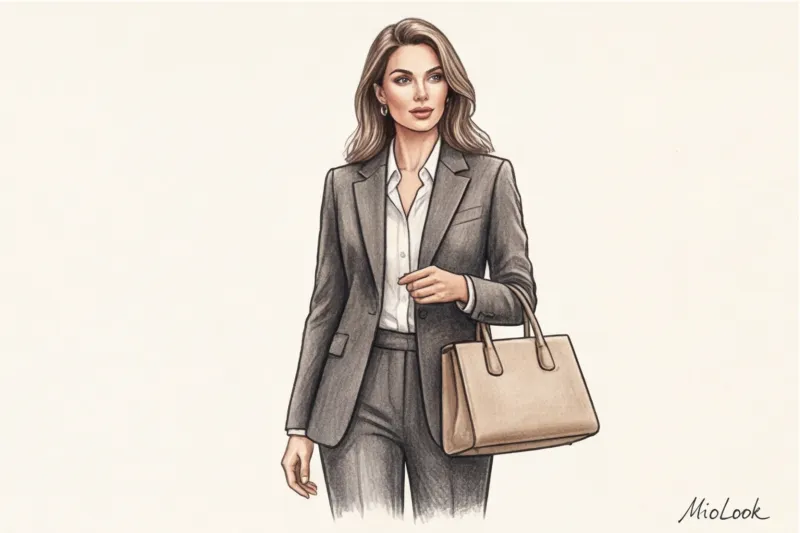
Remember the most important rule: investing in the restoration of a high-quality, even slightly worn, vintage bag is always better than buying a new, flashy mass-market trend. The perfect bag shouldn't overpower you. It's simply a noble frame for your personality.