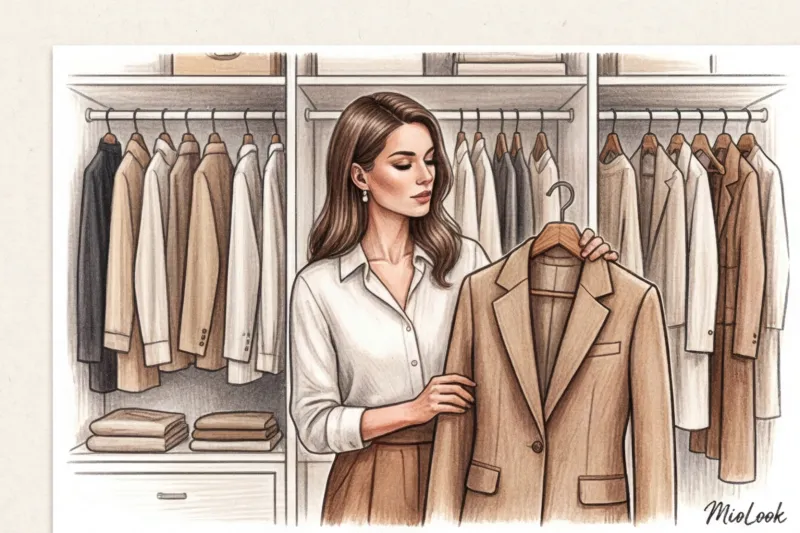
Что такое настоящий стиль вне времени (и почему списки «must-have» лгут)
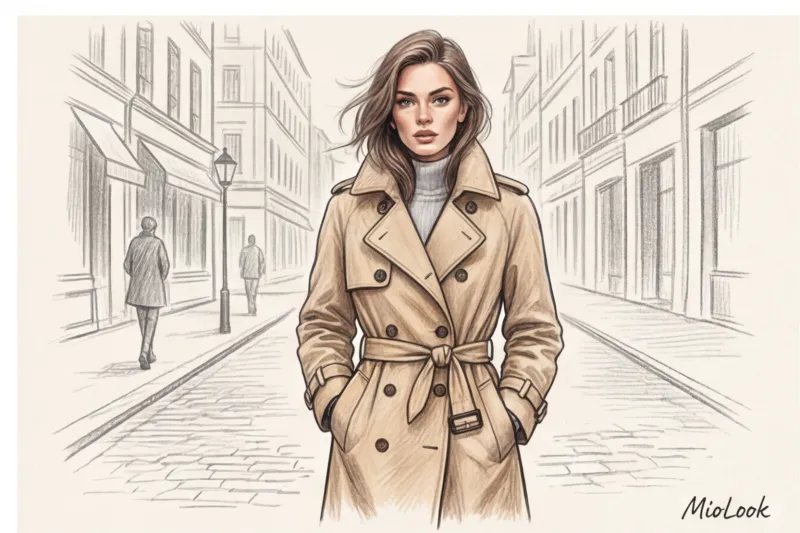
За десять с лишним лет работы фэшн-журналистом и поездок на Недели моды в Париж, Милан и Нью-Йорк я усвоила один парадоксальный урок. Если вы встанете у входа на показ где-нибудь возле Palais de Tokyo, вы легко отличите инфлюенсеров-новичков от главных редакторов и байеров первого эшелона. Первые с ног до головы одеты в самые горячие микротренды, которые выйдут из моды ровно через три месяца. Вторые же выглядят расслабленно, дорого и абсолютно не привязаны к текущей повестке подиума. Они носят свою идеально выверенную личную униформу. Именно так выглядит настоящий стиль вне времени — глубокий, осознанный и не требующий ежесезонной гонки за новинками.
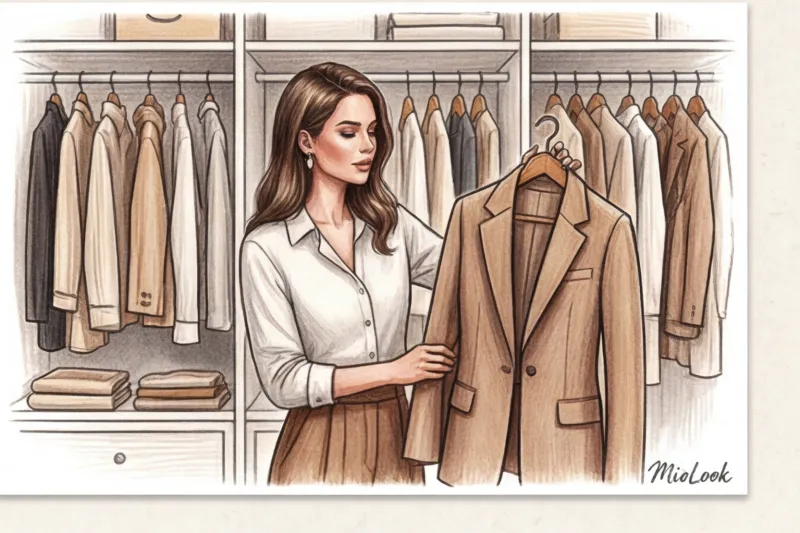
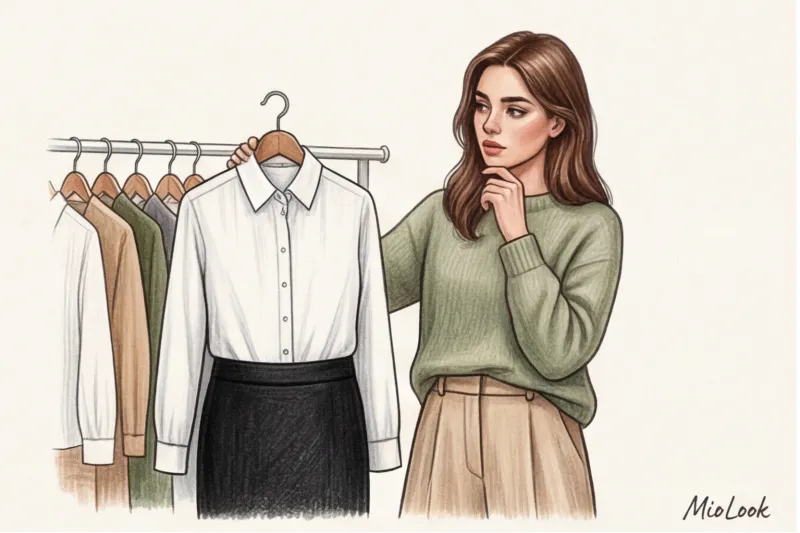
Настоящий стиль вне времени — это полная независимость от модных циклов. Десятилетиями глянцевые журналы продавали нам миф об «идеальном универсальном гардеробе», обещая, что покупка десяти конкретных вещей решит все наши проблемы. Помните эти безапелляционные списки? Белая рубашка на пуговицах, бежевый тренч, строгая юбка-карандаш и лодочки на шпильке. За годы стилистической практики я пришла к выводу: эти списки лгут.
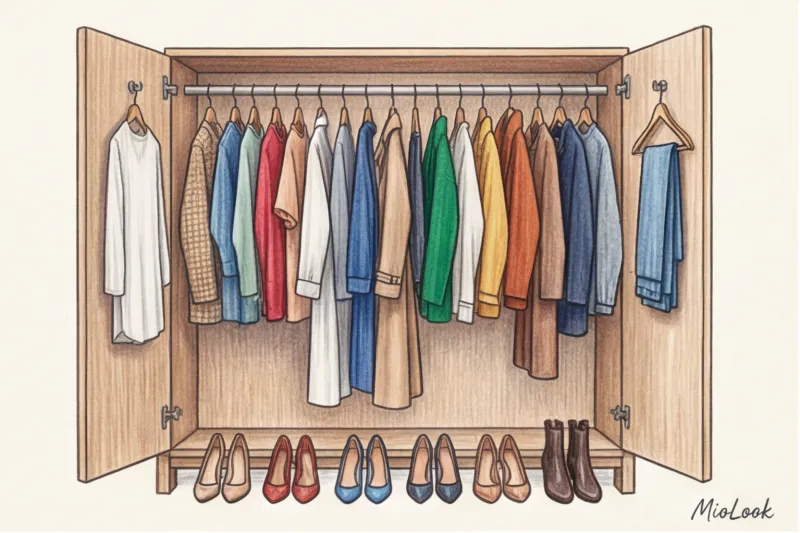
Они не работают по одной простой причине: они игнорируют контекст вашей жизни, вашу фигуру и ваш личный комфорт. Зачем фрилансеру-архитектору или IT-директору с гибридным графиком нужна строгая юбка-карандаш, в которой неудобно сидеть за компьютером? Если эти навязанные «маст-хэвы» годами пылятся на вешалках, возможно, вам пора провести ревизию шкафа и избавиться от неработающих вещей.
Секрет элегантных женщин не в том, что они покупают правильные «базовые» вещи из глянцевых списков. Их секрет в концепции личной униформы — наборе силуэтов и фактур, которые на 100% резонируют с их внешностью и образом жизни.
Посмотрите на икон стиля, чей образ вошел в историю. Платья миди с флористичным принтом, массивные колье-ривьеры и неизменные туфли Manolo Blahnik — это броня Анны Винтур, которая работает на её узнаваемость десятилетиями. А если вспомнить Каролин Бессетт-Кеннеди в 90-х, мы увидим совершенно другую униформу: прямые джинсы Levi's, черные водолазки из кашемира и лаконичные платья-комбинации. Их гардероб не кричал о трендах, он был выстроен вокруг понимания себя.
Чтобы найти свою формулу, я часто рекомендую клиенткам оцифровать свои самые удачные образы. Вы можете использовать умный гардероб MioLook, чтобы собрать воедино те вещи, в которых вы чувствуете себя уверенно, и проанализировать их. Скорее всего, вы заметите четкий паттерн в крое или цветах.
При этом важно раз и навсегда развести понятия, которые часто путают, чтобы не превратить свой капсульный гардероб в нечто скучное:
- Базовый гардероб — это холст. Простая белая футболка за $20 или классические прямые джинсы без декора. Они утилитарны, они служат фоном.
- Классический гардероб — это строгий дресс-код. Костюм-двойка, оксфорды, рубашка с жестким воротником. Классика консервативна и может выглядеть сухо, если не разбавлять её современным стайлингом.
- Вневременной гардероб — это квинтэссенция вашего персонального вкуса. Это вещи безупречного качества, отражающие вашу индивидуальность, которые не теряют актуальности. Вневременная вещь может быть сложного кроя, асимметричной или яркой, если это часть вашего личного ДНК.
Анатомия вечной вещи: крой, посадка и воздух
Как же технически определить, переживет ли вещь один сезон или останется с вами на долгие годы? Ответ кроется в архитектуре изделия. Настоящая элегантность начинается с геометрии, а не с бренда на этикетке.
Правильная линия плеча и пройма. Линия плеча формирует нашу осанку в одежде. В дешевом масс-маркете пройма часто выкраивается универсально-широкой (заниженной), чтобы вещь гарантированно налезла на максимальное количество типов фигур. В качественной вещи, которая претендует на статус вневременной, пройма достаточно высокая, а плечевой шов сидит строго на анатомическом месте (если только это не специально задуманный крой оверсайз). Такая конструкция дает свободу движений: вы можете поднять руки, и при этом за ними не потянется весь жакет.
Воздух между телом и тканью. Ничто так не старит образ, как вещи, натянутые на фигуре словно барабан. Эффект обтяжки из начала нулевых мгновенно выдает старомодность и неуверенность. Элегантность требует полуприлегания: ткань должна мягко очерчивать силуэт, оставляя хотя бы 2-3 сантиметра свободы. Именно это пространство стилисты называют «воздухом». Он создает то самое ощущение расслабленного шика и дороговизны. Женщина, которой комфортно в своей одежде, всегда выглядит статуснее той, которая закована в тесное платье.
Фурнитура и обработка швов. Наконец, дьявол кроется в деталях. Качественная фурнитура — это безошибочный маркер статуса. Пластиковые пуговицы, дешево имитирующие золото, или хлипкие, волнящиеся молнии убьют даже самый идеальный крой. На своей практике я сотни раз спасала бюджетные находки одним простым трюком: если жакет сидит великолепно, но пуговицы его простят, купите его и отнесите в ателье. Замена фурнитуры на роговую кость, матовый металл или перламутр обойдется всего в $15-20, но визуально удорожит вещь в десятки раз.
Исторический фундамент: силуэты, пережившие десятилетия
А вы когда-нибудь задумывались, почему одни вещи отправляются на дальнюю полку спустя полгода, а другие мы готовы носить десятилетиями? Разгадка кроется не в магии громкого логотипа, а в чистой геометрии и инженерии. То, что мы сегодня называем термином стиль вне времени, — это не абстрактная концепция, а вполне конкретный набор гениальных портновских решений из прошлого. Современный базовый гардероб — это, по сути, архивный мудборд, где каждая действительно стоящая вещь является техническим шедевром, который физически невозможно улучшить.
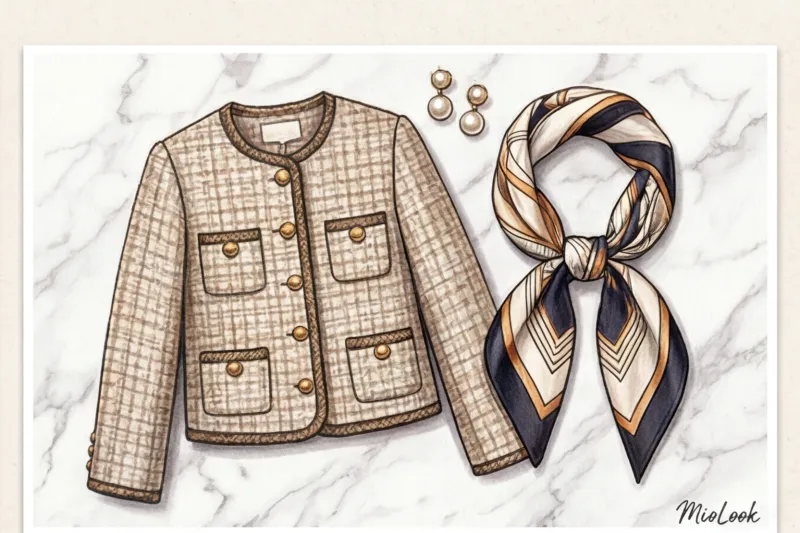
Возьмем, к примеру, легендарный твидовый жакет Chanel. Когда в 1954 году Габриэль Шанель вернулась в моду, она была категорически не согласна с затянутыми талиями и жесткими корсетами диоровского New Look. Ее ответом стала вещь, которая впервые дала женщине абсолютную свободу движений без потери элегантности. Секрет этого жакета кроется в его уникальной анатомической конструкции: дизайнер отказалась от классических вытачек на груди, которые делали крой жестким, заменив их тонкими рельефными швами. Рукав кроился не из двух деталей, как в мужском пиджаке, а из трех — чтобы идеально следовать естественному изгибу руки и не задираться при движении. Но главный технический фокус — это тяжелая латунная цепочка, вручную вшитая в шелковую подкладку по нижнему краю изделия. Она работает как архитектурный отвес, заставляя ткань безупречно ниспадать и держать форму при любой походке.
Перенесемся в 1981 год, когда французский модельер Анна-Мария Беретта создала для Max Mara пальто модели 101801. Наблюдая за стритстайлом на миланских Неделях моды, я каждый сезон вижу этот силуэт на женщинах разных комплекций — и он никогда не выглядит устаревшим. Почему этот оверсайз актуален уже более сорока лет? Ответ кроется в конструкции плечевого пояса. Объемный рукав-кимоно позволяет надеть пальто поверх структурированного жакета (наследие power dressing 80-х) или плотного свитера крупной вязки, не превращая фигуру в неповоротливый прямоугольник. Строго выверенная длина в 120 сантиметров и идеальная плотность ткани — микс бобриковой шерсти и кашемира — создают монументальные, но мягкие складки. Это не просто верхняя одежда, это портативная архитектура, в которой комфортно жить.
Или посмотрим на математику пропорций в платье с запахом (wrap dress), представленном Дианой фон Фюрстенберг в 1974 году. Это далеко не просто кусок принтованного джерси. Диагональная линия запаха визуально «разрезает» торс, создавая мощную иллюзию талии даже там, где ее физически нет (например, у фигур типа «прямоугольник»). Глубокий V-образный вырез вытягивает шею, а пластичная ткань подстраивается под естественные изменения веса, не теряя посадки.
Доступ к MioLook за €0,99 — разовый платёж
Умный AI-стилист подберёт идеальный образ, опираясь на исторические формулы стиля и ваши уникальные пропорции.
Открыть доступ — €0,99 разово«Понимание того, как скроена историческая вещь, дает вам невероятное преимущество на шопинге. Вы перестаете искать просто "бежевое пальто" или "платье в цветочек" — вы начинаете искать правильную геометрию».
Знание этих исторических кодов кардинально меняет подход к выбору одежды. Когда вы понимаете механику того, как вещь работает с телом, вы легко сможете отличить мимолетный тренд от инвестиции, которая прослужит вам долгие годы.
Матрица тканей: во что инвестировать, чтобы стиль был вне времени
Даже гениальный архитектурный крой потеряет свою магию после третьей химчистки, если вещь отшита из низкосортного материала. За кулисами закрытых производств действует негласное правило: именно ткань диктует силуэт и срок жизни изделия. Полиэстер, как бы искусно он ни маскировался под благородные фактуры, никогда не станет основой для стиля вне времени. Причина сугубо физическая: синтетические волокна при трении образуют жесткие катышки, не пропускают воздух (создавая парниковый эффект) и со временем приобретают дешевый, маслянистый блеск. Натуральные же материалы стареют иначе — они разнашиваются по фигуре, приобретая ту самую «патину», которую так ценят знатоки.
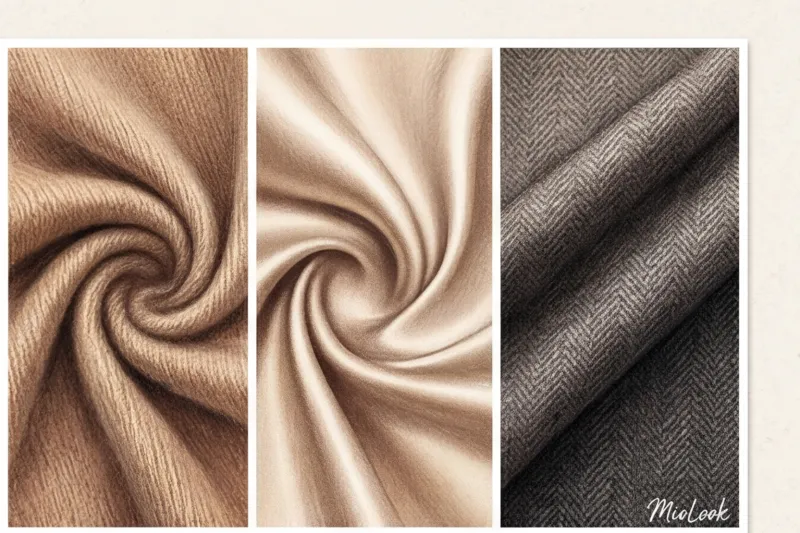
Как правильно читать этикетки, чтобы ваши вложения окупались? Если вы ищете идеальную шелковую блузу, обращайте внимание на тип плетения. Крепдешин (матовый, слегка зернистый шелк) и шармез (с деликатным, струящимся блеском) обладают достаточной плотностью, чтобы швы не расходились от малейшего натяжения. Для трикотажа золотой стандарт — шерсть мериноса класса экстрафайн и кашемир. Однако будьте бдительны: надпись «100% кашемир» на свитере за $50 обычно означает использование короткого вторичного пуха, который покроется пиллингом уже через неделю. Ищите на бирке или в описании указание количества нитей (2-ply, 4-ply) — чем их больше, тем долговечнее трикотаж.
С летними тканями математика еще строже. Плотный хлопок и лен в профессиональной среде оцениваются по весу — граммам на квадратный метр (GSM). Базовая футболка за $15 обычно имеет плотность около 120-140 GSM; она просвечивает и безвозвратно теряет форму ворота после первой стирки. Для элегантного и собранного образа ищите хлопок плотностью 200-250 GSM. То же правило применимо ко льну: тяжелый, плотный лен приминается крупными, «дорогими» складками, тогда как тонкий превращается в неопрятную мятую гармошку ровно в тот момент, когда вы садитесь в такси.
Значит ли это, что нужно панически избегать любых искусственных добавок? Вовсе нет. Грамотно добавленная синтетика работает как арматура в бетоне. Допустимый процент эластана для сохранения формы джинсов или классических брюк — от 2% до 5%. Это спасет вещь от вытянутых коленей. А 10-15% полиамида или нейлона в составе тонкого шерстяного пальто или носочно-чулочных изделий значительно увеличивают их износостойкость, совершенно не лишая ткань дышащих свойств.
«Чтобы не зависеть исключительно от цифр на бирке, используйте профессиональный тест на сминаемость. Сожмите край ткани в кулаке, подержите с усилием ровно 10 секунд и отпустите. Если ткань осталась испещрена мелкими, жесткими заломами — ровно так же вы будете выглядеть к середине рабочего дня. Если складки мягко расправились за пару секунд, вещь прошла проверку».
Этот экспресс-тест спас десятки моих клиенток от покупки невероятно красивых, но абсолютно непрактичных вещей. А чтобы системно отслеживать, какие материалы работают на вас лучше всего, я советую вести цифровой учет. Загружая новую позицию в MioLook, сделайте привычкой фотографировать бирку с составом. Через год-два вы сможете наглядно проанализировать, какие ткани в вашем личном гардеробе действительно отработали свои инвестиции и сохранили вид, а от каких составов в будущем стоит отказаться.
Стиль вне времени и ваши индивидуальные данные: поиск синергии
Одно из самых опасных заблуждений в модной индустрии звучит так: «классика идет всем». Покупка эталонного двубортного тренча за $2,500 или канонической белой рубашки из мужского отдела не гарантирует вам элегантности, если архитектура вещи вступает в конфликт с вашей природной геометрией. Стиль вне времени становится по-настоящему вашим только тогда, когда он перестает быть абстрактным шаблоном и адаптируется под ваши уникальные физические и психологические данные.
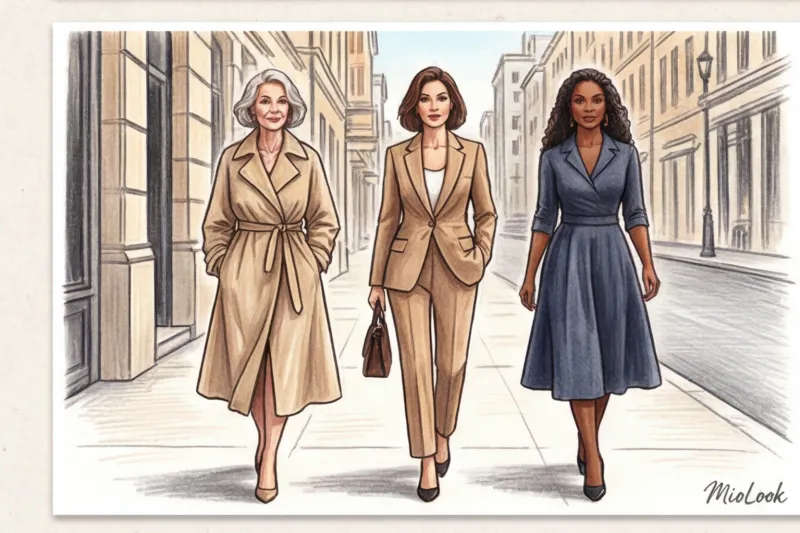
Анатомия силуэта: от строгих линий до текучих форм
Как адаптировать классику под тип фигуры? Ответ кроется в понимании того, как ткань взаимодействует с вашим телом. Если вы обладаете угловатым, андрогинным строением (вспомните эстетику сестер Олсен и их бренда The Row), вам идеально подойдут прямые силуэты. Они подчеркивают хрупкость через контраст.
Однако девушкам с выраженными изгибами такие вещи категорически противопоказаны: прямой пиджак, повиснув на груди, превратит фигуру в массивный квадрат. Здесь на помощь приходят полуприлегающие формы, которые деликатно повторяют контуры тела, оставляя необходимый зазор. А если задача — визуально собрать фигуру и придать ей статности, ищите архитектурные силуэты с жестко выверенной линией плеча, которые буквально «лепят» осанку заново.
Интеграция архетипа: психология базового гардероба
Элегантность — это не только физические пропорции, но и транслируемый характер. Интеграция архетипа в ваш стиль объясняет, почему одна и та же юбка-карандаш делает одну женщину иконой стиля, а другую — униформенным работником. Классика для архетипа Правителя — это строгие линии, плотные костюмные ткани, держащие форму, и бескомпромиссная симметрия. Классика для Эстета требует совершенно иного подхода: струящиеся фактуры, шелк, мягкие драпировки и тактильность.
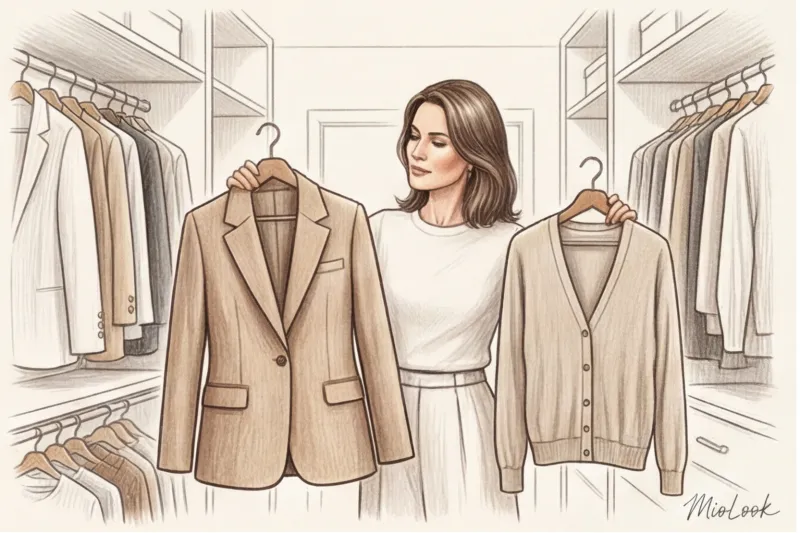
Один из самых показательных кейсов в моей практике персонального стайлинга был связан именно с конфликтом архетипов. Моя клиентка — топ-менеджер корпорации с ярко выраженной эстетикой мягкости — годами заставляла себя носить жесткие офисные пиджаки, считая их единственным вариантом «вечной классики». Она выглядела в них скованно и уставшей. Мы заменили классический пиджак на элегантный шелковый кардиган плотной вязки и добавили блузы из тяжелого матового шелка. Градус статусности не упал ни на процент, но вещи наконец-то вступили в синергию с её природными данными.
Доступ к MioLook за €0,99 — разовый платёж
Начните создавать идеальные образы с помощью искусственного интеллекта
Открыть доступ — €0,99 разовоКонтрастность внешности и ловушка «универсальных» цветов
Наконец, критическую роль играет контрастность внешности при выборе оттенков «базы». Миф об абсолютной универсальности бежевого и черного цветов сгубил тысячи потенциально великолепных образов. Если у вас низкая контрастность (мягкий оттенок кожи, русые волосы, приглушенный цвет глаз), глубокий черный цвет у лица просто перечеркнет ваши черты, выступив на первый план.
Ваша вневременная база — это оттенки графита, серо-коричневый (taupe), пыльный оливковый и приглушенный синий. И наоборот: девушкам с высокой природной контрастностью необходимы чистые, глубокие тона. Стандартный песочный плащ сделает их лицо блеклым, тогда как оттенок горького шоколада (bitter chocolate) или классический navy blue вытянут образ на премиальный уровень. В элегантном гардеробе нет неправильных цветов — есть те, что не синхронизированы с вашим природным колоритом.
Цвет и принт: палитра элегантности без срока годности
Многие ошибочно полагают, что универсальная база обязана состоять исключительно из черных и белых вещей. В действительности тотальный черный часто утяжеляет образ, делает его жестким и может подчеркивать следы усталости на лице. Анализируя феномен «тихой роскоши» (quiet luxury), который давно перерос микротренды и стал синонимом респектабельности, легко заметить одну колористическую закономерность: главную партию в нем играют глубокие нейтральные оттенки.
Настоящей альтернативой черному выступают насыщенный navy (глубокий темно-синий), благородный charcoal (графитовый серый), классический camel (верблюжий) и роскошный bitter chocolate (горький шоколад). Институт цвета Pantone регулярно включает эти тона в свои фундаментальные отчеты, и этому есть экономическое объяснение. Секрет их магии кроется в физике производства тканей. Дешевый полиэстер отлично впитывает плоский черный краситель, но создать вибрирующий, многогранный оттенок горького шоколада (например, эталонный Pantone 19-0812) можно только на высококачественном сырье — кашемире, плотном хлопке или шелке. Именно поэтому такие цвета на подсознательном уровне всегда считываются нами как «дорогие».
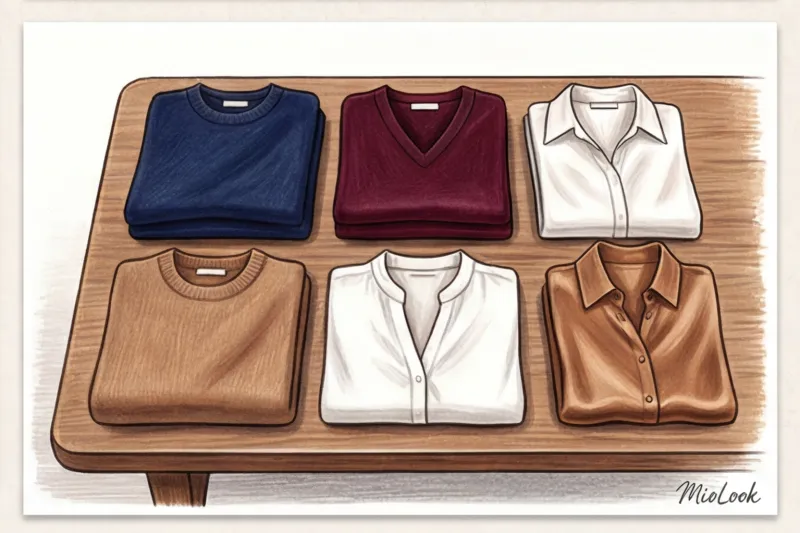
Самый безотказный стилистический прием, способный мгновенно повысить статусность любого наряда — это монохром. Одеваясь в единой цветовой гамме, вы создаете непрерывную вертикальную линию, которая вытягивает силуэт и придает ему статность. Главное правило здесь — строить тональный монохром на контрасте фактур: миксуйте гладкий шелковый топ со вспушенной шерстью кардигана, а плотную кожу юбки — с матовым кашемиром в рамках одного оттенка charcoal. Чтобы облегчить сборку таких архитектурных комплектов, я рекомендую использовать цифровые инструменты. Загрузив свой гардероб в приложение MioLook, вы можете за пару кликов отфильтровать вещи по нужному цвету и составить безупречный монохромный образ, не переворачивая шкаф вверх дном.
Когда с цветовой базой всё решено, возникает вопрос принтов. Истинный стиль вне времени принимает только те паттерны, которые имеют строгую геометрическую ритмику и богатый исторический бэкграунд. Их всего три. Первый — бретонская полоска, которая пришла из флота и подарила нам эталонный французский шик. Второй — гусиная лапка (пье-де-пуль), ставшая символом аристократичности еще во времена ранних коллекций Dior. И третий — тонкая костюмная полоска (pinstripe), позаимствованная из классического мужского тейлоринга Уолл-стрит. Эти узоры работают как нейтральный фон: они не перетягивают внимание на себя и легко комбинируются с любыми базовыми вещами.
А вот чего категорически стоит избегать, так это сложных флористических мотивов и логомании. Крупные цветы, тропические листья или абстрактные бутоны слишком сильно привязаны к настроению конкретного сезона. Платье с активным цветочным принтом, купленное летом 2021 года, сегодня рискует выглядеть безнадежно старомодно. Логомания же — абсолютный антипод вневременной элегантности. Акцентная сумка за $2,500, усыпанная кричащими монограммами бренда, выдает желание продемонстрировать покупательную способность здесь и сейчас, превращая вас в рекламный билборд. В то же время минималистичный структурированный тоут оттенка bitter chocolate без единого логотипа будет свидетельствовать о вашем безупречном вкусе и через десять лет.
Аксессуары как якоря: обувь, сумки и украшения
В кулуарах парижских шоурумов и среди стилистов А-листа существует золотое, хотя и негласное правило. Вы можете надеть самое лаконичное платье из масс-маркета за $40, но если дополнить его статусной обувью и безупречной сумкой — образ будет выглядеть на миллион. Однако обратное уравнение не работает: дешевая, плохо скроенная сумка из кожзама или стоптанные туфли мгновенно уничтожат даже безукоризненный шерстяной костюм от кутюр за $5,000. Аксессуары — это визуальные якоря, которые либо удерживают ваш стиль на высоте, либо беспощадно тянут его на дно.
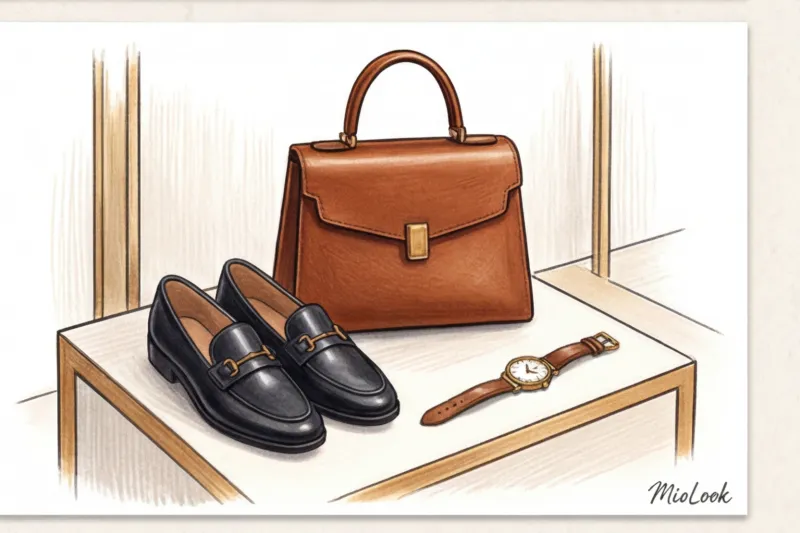
Давайте разберем обувную базу, которая спасает абсолютно любой аутфит. На вершине этой пирамиды — классические кожаные лоферы. Силуэт, вдохновленный культовой моделью Gucci 1953 года с металлической пряжкой, одинаково хорошо работает как с укороченными брюками, так и с шелковыми юбками миди. Следом идут лодочки на разумном каблуке (изящный kitten heel или устойчивый блок в пределах 5-7 сантиметров) — они не деформируют походку и позволяют сохранить грацию до конца дня. Завершают тройку минималистичные кеды из гладкой кожи, лишенные логотипов и цветных вставок. Важный нюанс: кеды в элегантном гардеробе всегда должны быть ослепительно чистыми. Серая шнуровка и потертая подошва — это гранж, который разрушает концепцию вневременного лоска.
Что касается сумок, их выбор сводится к пониманию геометрии. В контексте элегантности жесткая форма всегда выигрывает у мягкой. Структурированный тоут с четкими углами, держащий архитектуру даже в пустом виде, собирает образ воедино, придавая ему визуальную дисциплину. Напротив, мягкие сумки-хобо или бесформенные шопперы транслируют расслабленность, которая часто граничит с неряшливостью. Если вы инвестируете в одну сумку на десятилетие, ищите модели из плотной телячьей кожи с минимумом видимой фурнитуры.
Ювелирный минимум для такого гардероба также не терпит избыточности. Это тонкая игра на контрастах. Классические часы в мужском стиле — например, с прямоугольным циферблатом на кожаном ремешке — на тонком женском запястье создают идеальный баланс хрупкости и силы. Добавьте к этому нить жемчуга (это может быть не классическая ретро-сборка, а современная барочная жемчужина на цепи) и лаконичный гладкий металл в виде массивных колец или браслетов-каффов. Эти элементы не кричат о своей стоимости, но именно они ставят финальную точку.
Наконец, истинный стиль вне времени невозможен без соответствующей философии. Покупка дорогой обуви — это лишь половина дела. Настоящая элегантность кроется в уходе за аксессуарами: использование деревянных формодержателей из нелакированного кедра для лоферов (они впитывают влагу и расправляют заломы), регулярное увлажнение кожи сумок специальными бальзамами и своевременная замена набоек. Когда вы относитесь к вещам с уважением, они отвечают вам взаимностью.
Чтобы системно следить за состоянием своих «якорей» и не забывать о профилактике перед сменой сезонов, я оцифровала свою коллекцию аксессуаров через виртуальный гардероб MioLook. Это позволяет мне видеть всю обувную базу на одном экране и в пару кликов собирать безупречные комбинации с повседневной одеждой.
Инструкция: как собрать свой элегантный гардероб вне времени
Отчет Европейского экологического агентства (EEA) за 2023 год показал пугающую статистику: в среднем современная женщина надевает купленную вещь всего семь раз перед тем, как от нее избавиться. Это абсолютная противоположность тому, что мы называем стиль вне времени. Переход от стихийного консюмеризма к осознанной элегантности требует не вдохновения из Pinterest, а жесткой дисциплины и четкого алгоритма действий.
Шаг первый — радикальный аудит текущего гардероба. Избавление от «одноразовых» трендов — это не просто расхламление, это калибровка вашего визуального шума. Безжалостно уберите из поля зрения вещи, купленные на эмоциях под влиянием сиюминутной эстетики социальных сетей (будь то неоновые кроссовки или микро-сумки, в которые помещается только помада). Оставьте исключительно то, что имеет чистые линии и понятный силуэт. Чтобы этот процесс не превратился в хаос на кровати, я настоятельно рекомендую оцифровать оставшуюся базу, используя функцию инвентаризации в MioLook. Когда вы видите весь свой актив на экране смартфона, пробелы и дубликаты становятся очевидными.
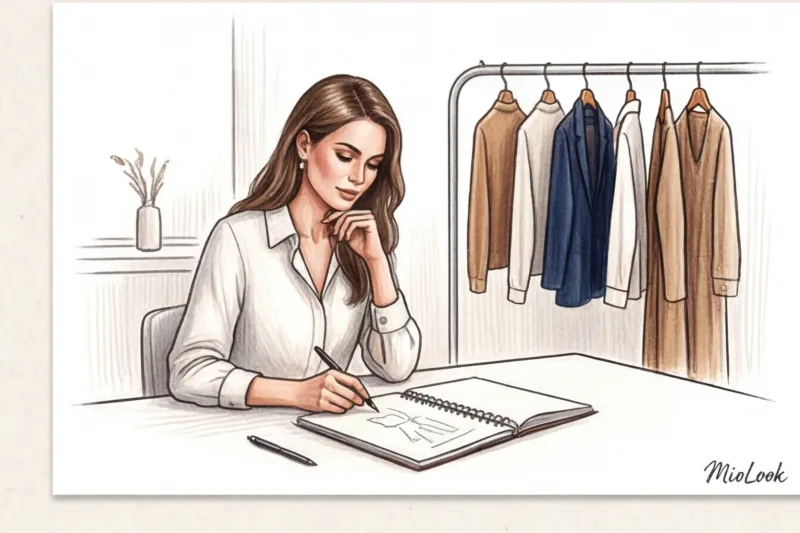
Шаг второй — составление матрицы образов. Забудьте про абстрактные списки «10 вещей, которые должны быть у каждой». Ваша матрица должна отражать ваш реальный, а не фантазийный образ жизни. Выведите 3-4 рабочие формулы луков для вашего образа жизни. Например: «шелковая блуза + шерстяные брюки со стрелками + лоферы» для офиса со смарт-кэжуал дресс-кодом, или «кашемировая водолазка + прямые джинсы без потертостей + структурированный жакет» для деловых перелетов и выходных.
Шаг третий — стратегия медленных покупок. Здесь вступает в силу железное правило: одна дорогая вещь вместо пяти дешевых. Это не снобизм, а сухая прагматика. Пять футболок из рыхлого поликоттона потеряют форму после третьей стирки, в то время как один джемпер плотной вязки из мериносовой шерсти прослужит вам несколько лет при должном уходе.
И, наконец, секретный ингредиент, о котором часто умалчивают фэшн-блогеры, — индивидуальный пошив или подгонка готовой одежды по фигуре у портного. Жакет из масс-маркета, посаженный точно по вашей линии плеча и талии, выглядит в разы дороже, чем люксовый пиджак, висящий мешком. Всегда закладывайте в бюджет покупки дополнительные $30-50 на визит в ателье: укоротить рукава до правильной длины (открывая косточку запястья), перешить дешевые пластиковые пуговицы на роговые или металлические, убрать лишний объем в спинке.
Финансовая математика: формула Cost per Wear
Многие оправдывают покупку дешевых вещей экономией, но это классическая когнитивная ошибка. В индустрии моды есть единственно верный инструмент оценки инвестиций — метрика Cost per Wear (CPW), или стоимость одного выхода.
Формула предельно проста: изначальная стоимость вещи плюс расходы на ее обслуживание (подгонка у портного, химчистка), разделенные на предполагаемое количество надеваний.
Давайте проведем сравнительный анализ. Представьте трендовую футболку с активным логотипом за $20. Вы наденете ее максимум 5 раз за сезон, после чего принт потрескается, а ворот растянется. Итог: ваш CPW равен $4 за один выход.
А теперь возьмем эталонную шелковую блузу глубокого сапфирового оттенка за $300. Классический крой и прочность натурального шелка позволят интегрировать ее в образы круглый год. Если вы надеваете ее хотя бы раз в неделю (52 раза в год) на протяжении трех лет, это 156 выходов. $300 делим на 156 — получаем всего $1.92 за выход. Даже если добавить сюда регулярные визиты в профессиональную химчистку (допустим, еще $100 за три года), итоговый CPW составит около $2.56.
«Мы не настолько богаты, чтобы покупать дешевые вещи» — эта старая английская пословица идеально описывает финансовую модель гардероба вне времени.
Математика доказывает: шелковая блуза за $300 в долгосрочной перспективе обходится вам дешевле футболки за $20. Разумеется, это правило имеет исключения (например, белые хлопковые майки действительно являются расходным материалом), но для структурной базы гардероба — пальто, жакетов, качественной обуви и сумок — закон Cost per Wear работает безотказно.
Ошибки, которые превращают «классику» в «нафталин»
Представьте картину: безупречно сидящий твидовый жакет, аккуратная нитка жемчуга, классические лодочки и идеально гладкий, залакированный пучок. Звучит как эталон утонченности? На практике этот набор гарантированно прибавит вам минимум десять лет возраста. Самая частая проблема, с которой я сталкиваюсь на персональных разборах гардероба, кроется не в самих вещах, а в губительном стремлении носить их слишком «правильно».
В профессиональной среде мы называем спасение от этой ловушки правилом «стилистического сбоя». Если вы надеваете стопроцентную классику с ног до головы, вы неизбежно выглядите так, словно играете роль в исторической драме. Чтобы ваш стиль вне времени оставался живым и пульсирующим, его нужно намеренно «ломать».
Начнем с портретной зоны. Идеальная укладка волосок-к-волоску в сочетании со строгим костюмом создает тяжелый эффект «строгой учительницы» из прошлого века. Как макияж и прическа актуализируют вневременные вещи? Исключительно через контраст и легкую небрежность. Структурированный двубортный блейзер за $800 требует живых волос — подвижной текстуры, слегка выпущенных прядей у лица или современной графичной стрижки с эффектом ветра в волосах.
То же самое касается макияжа. Плотный матовый тон и четко очерченный контур губ утяжеляют образ. Влажный финиш кожи, прозрачный гель для бровей и эффект зацелованных губ — вот что делает консервативный тренч по-настоящему актуальным. Если вы сомневаетесь, как сбалансировать строгий образ бьюти-элементами, я часто советую своим клиенткам использовать MioLook — там можно виртуально примерить разные варианты укладок к вашему текущему луку и найти ту самую нужную степень расслабленности.
Вторая ловушка — это устаревший стайлинг. Почему вещи нужно носить современно? Потому что именно манера ношения показывает, живете ли вы в настоящем времени. Застегнутая на все пуговицы рубашка из плотного хлопка, заправленная по линейке в брюки, выглядит плоско. Добавьте в образ воздух: расстегните две верхние пуговицы, сделайте небрежно закатанные рукава, чтобы обнажить самые тонкие части рук — запястья. Используйте асимметричную заправку (тот самый french tuck), и силуэт моментально оживет. Итальянцы называют эту продуманную, элегантную небрежность словом sprezzatura.
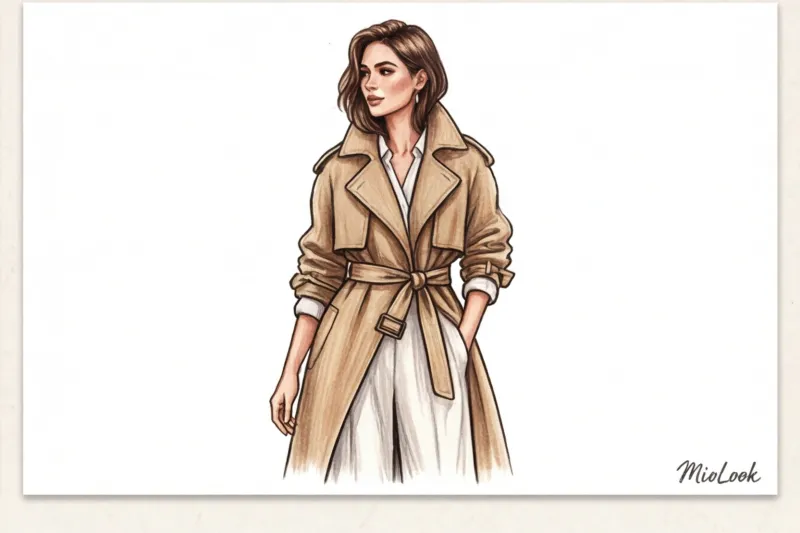
Третий предательский маркер времени — неподходящие ткани и устаревшая конструкция. Вспомните жесткие, стоящие колом приталенные пиджаки из нулевых. Сегодня такая «броня» выглядит безнадежно архаично. Настоящий стиль вне времени сегодня опирается на современную мягкую портновскую работу (soft tailoring). Идеальный пиджак должен держать форму за счет выверенных лекал и плотности самой ткани — например, качественного твила или мериносовой шерсти, — а не из-за дубового клеевого слоя. Вещь должна облегать фигуру, но при этом струиться и оставлять пространство для движения. Посмотрите на коллекции The Row: их классика выглядит роскошно именно благодаря пластичности материалов.
Завершая этот гид, я хочу, чтобы вы запомнили главное: ваш вневременной гардероб — это не униформа для музейного манекена, а холст для вашей личности. Идеальные пропорции, качественные ткани и глубокие оттенки — это лишь фундамент. Жизнь в него вдыхаете вы. Прямо завтра утром проведите эксперимент: возьмите самую строгую вещь в вашем шкафу (например, брюки со стрелками) и наденьте её с чем-то абсолютно неформальным — простой белой футболкой и минималистичными кедами, оставив волосы слегка растрепанными после сна. Вы удивитесь, увидев в зеркале, что настоящая элегантность совершенно не требует идеальности.
Главы гайда
Классические украшения: секреты элегантного образа
Дешевая фурнитура способна разрушить даже самый дорогой образ. Узнайте, как собрать базовый ювелирный гардероб, который подчеркнет вашу элегантность.
Ткани, которые выглядят дорого: секреты стилиста
Натуральный состав — не всегда гарантия качества. Узнайте, как плотность и кручение нити влияют на статусность вещи и как выбирать роскошные ткани.
Как выбрать идеальное маленькое черное платье
Почему классическое платье-футляр подходит далеко не всем? Разбираем инженерный подход к выбору идеального черного платья для вашего реального гардероба.
Идеальная белая рубашка женская: гид от стилиста
Белая рубашка — это не просто база, а инвестиционный актив вашего гардероба. Практикующий стилист рассказывает, как выбрать модель, которая сделает любой образ премиальным.
Благородные цвета в одежде: как создать дорогой образ
Статусный образ зависит не от ценника, а от правильной палитры. Узнайте, как математика цвета и фактуры помогает создать по-настоящему дорогой гардероб.
Базовая обувь женская: гид по элегантному гардеробу
Забудьте о неудобных шпильках и универсальных списках из интернета. Рассказываем, как собрать идеальную обувную капсулу, которая подойдет именно вам.
Как сочетать базовые вещи, чтобы не выглядеть старомодно
Базовые вещи тоже имеют срок годности. Узнайте секреты стилиста, как правильно миксовать проверенную основу с горячими трендами.
Базовые сумки на все времена: модели вне моды
Глянец часто выдает сезонные хиты за базу. Узнайте, какие модели сумок действительно неподвластны времени и станут лучшей инвестицией в ваш гардероб.
Умное приложение для базового гардероба с ИИ
Мы носим лишь 20% своих вещей, а остальное превращается в хаос. Узнайте, как искусственный интеллект помогает создать идеальную систему и стиль вне времени.
Французский стиль в одежде: секреты шика парижанок
Настоящий парижский шик — это не берет и тельняшка, а искусство элегантной небрежности. Узнайте, как создать стильный образ без эффекта «слишком старалась».
Во что инвестировать в гардеробе: вещи, которые окупятся
Настоящая инвестиция в стиль — это не громкий бренд, а математика и качество. Разбираем, какие дорогие вещи действительно окупятся и прослужат годами.
Как выбрать классическое пальто женское: советы стилиста
Бежевый цвет идет далеко не всем. Узнайте, как выбрать идеальное пальто и тренч, которые действительно украсят ваш гардероб и подчеркнут внешность.
Стиль тихая роскошь: как одеваться дорого и элегантно
Как выглядеть статусно без кричащих брендов? Разбираем эстетику Old Money с точки зрения кроя, фактур и идеальной посадки.
Элегантный стиль для женщин 40 лет: как выглядеть статусно
Строгая классика после 40 лет часто старит. Узнайте, как современные правила стиля и расслабленный крой помогут выглядеть молодо, статусно и элегантно.