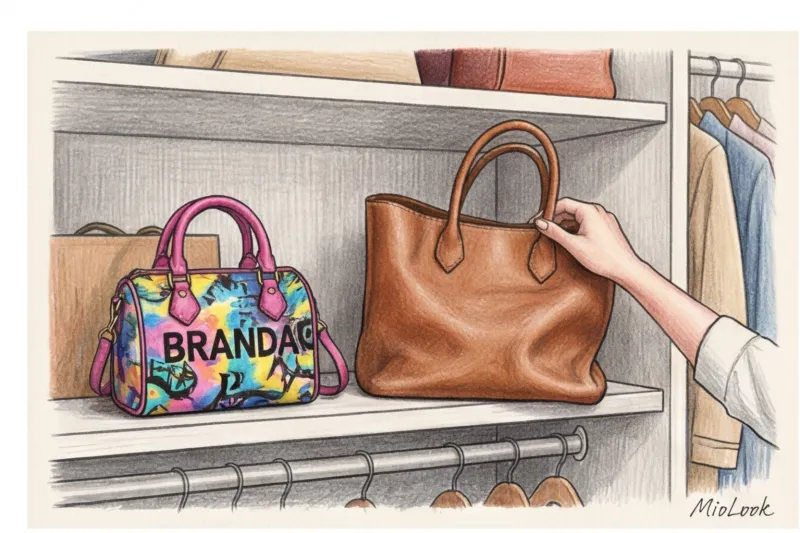
In 2021, one of my clients proudly showed me her new purchase—a best-selling bag from a famous brand for €3,000. Covered in recognizable monograms, it had a massive gold chain, and screamed its price from a hundred meters away. She was convinced she'd made a "profitable investment." Exactly eighteen months later, this model made it onto every anti-trend list, and the massive chain began to wear down the shoulder of her favorite cashmere coat. Meanwhile, my personal, no-name tote bag made of thick Florentine leather, purchased for €250 from a tiny Italian workshop, has been serving me for seven years now, garnering compliments and acquiring a refined patina.
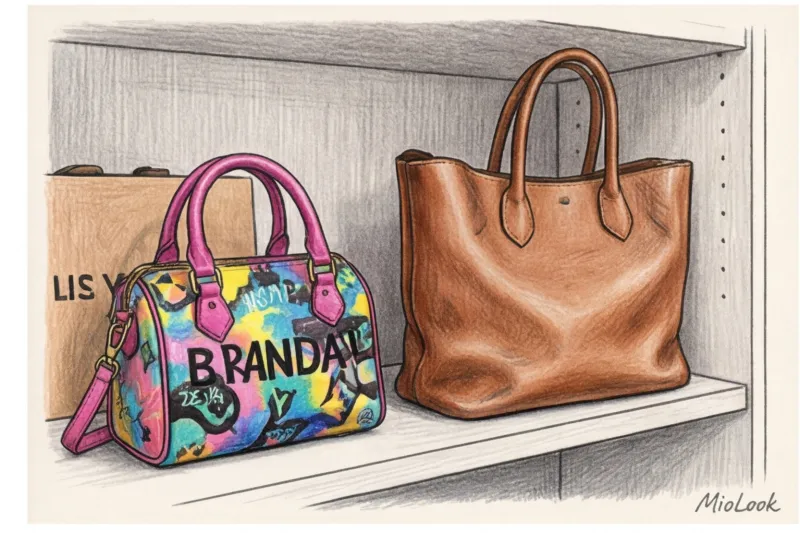
This story perfectly illustrates the main problem of modern fashion: for years, glossy magazines have been convincing us to buy seasonal hits, passing them off as essentials. But the real essential bags for all times They don't depend on the size of the logo or the designer's name. They are determined by the architecture, the quality of the stitching, and how seamlessly it fits into your personal uniform. We've already discussed how to build such a system in more detail in our The complete guide to creating a timeless, elegant wardrobe , but today I want to focus on accessories.
Why "Must-Have" Bag Lists Are Misleading You (And What All-Time Basic Bags Have to Do With It)
Let's be honest: the "bag as an investment" myth is a brilliant marketing ploy. According to a 2023 McKinsey research report, 90% of luxury bags lose 30% to 50% of their value the second you take them out of the boutique. The only exceptions are rare Hermès or Chanel auction models, which require years-long queues to obtain. Buying a bag is a liability. And the investment here should be based not on the mythical resale value, but on the cost per wear (CPR).
Lists like "5 bags every woman should own" don't work for one simple reason: they don't take your lifestyle into account. If you work remotely and commute by bike, you don't need a rigid A4 briefcase. Your database will be completely different from that of a corporate lawyer.
A timeless bag is a quiet assistant. It doesn't steal the show, but rather ties the look together. It's all about pure geometry, a lack of visual noise, and materials that age gracefully.
The Anatomy of a Timeless Basic Bag: What a Stylist Looks for
When I review my clients' wardrobes, I always ask them to show me their bags. And I almost always see the same picture: a closet filled with compromises. To choose a piece that will last for decades, you need to view it as an architectural object.
Geometry and rigidity of form
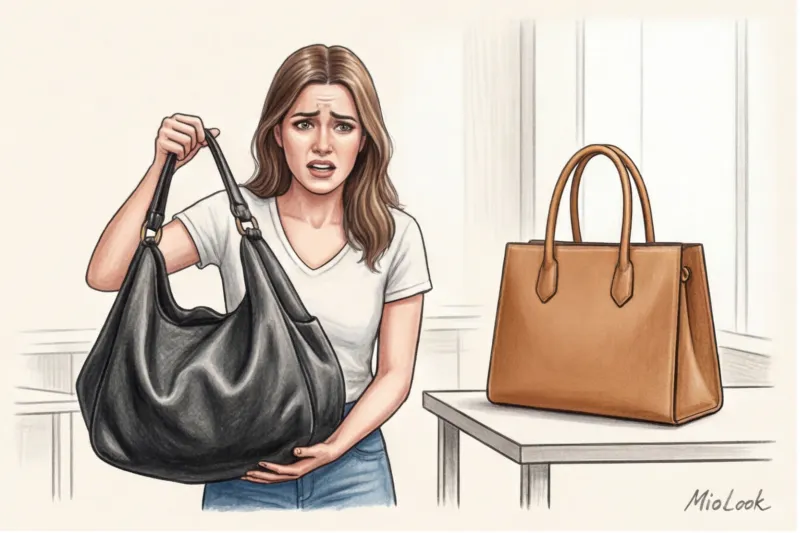
A bag that holds its shape even when completely empty always looks more expensive and prestigious. Clean lines create a visual framework for the look. Shapeless hobo bags made of thin, soft leather quickly lose their presentable appearance: their corners become worn, and the bottom sag under the weight of keys and a phone. Soft shapes are only justified if you consciously cultivate a relaxed, boho style in your wardrobe. For smart-casual and business styles, a rigid frame is essential.
Fittings as the main indicator of time
Over 12 years of working as a stylist, I've collected my own dismal statistics: about 70% of bags end up in landfills not because the leather is worn out, but because of cheap hardware. A peeling gold clasp, a broken silumin snap hook, or a split zipper instantly devalues a bag.
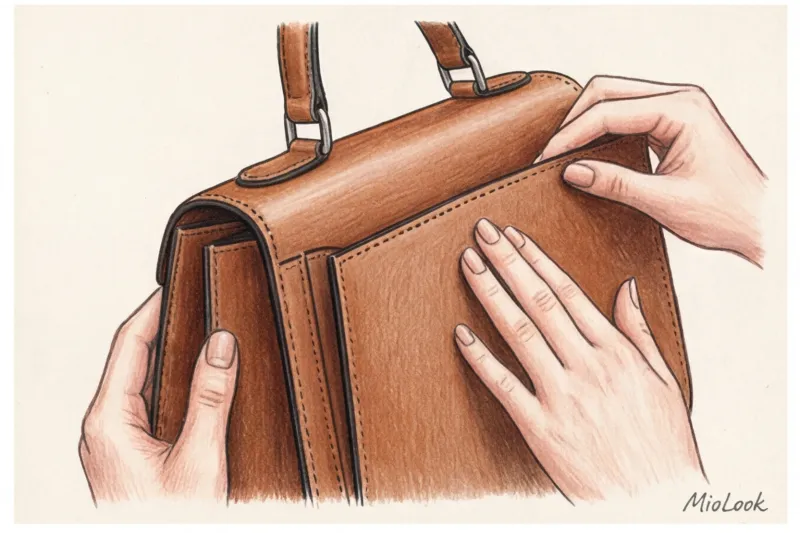
The main rule of a timeless bag: the less visible metal, the better Avoid flashy, shiny gold (it often oxidizes and rusts) and chrome-plated silver. Look for hidden magnetic clasps, matte brass, or leather-covered hardware. This not only looks more refined, but also eliminates the need to match the color of your jewelry to the color of your bag's clasp.
Leather quality and edge processing
While visiting tanneries in the Italian region of Santa Croce sull'Arno, I learned an important trick: look not at the grain of the leather, but at its edges. In cheap bags, the edges of the leather are simply coated with a thick layer of rubber paint (edge paint) to hide the unevenness. In freezing temperatures or where the leather is folded, this polymer cracks and peels off in chunks after just a couple of months.
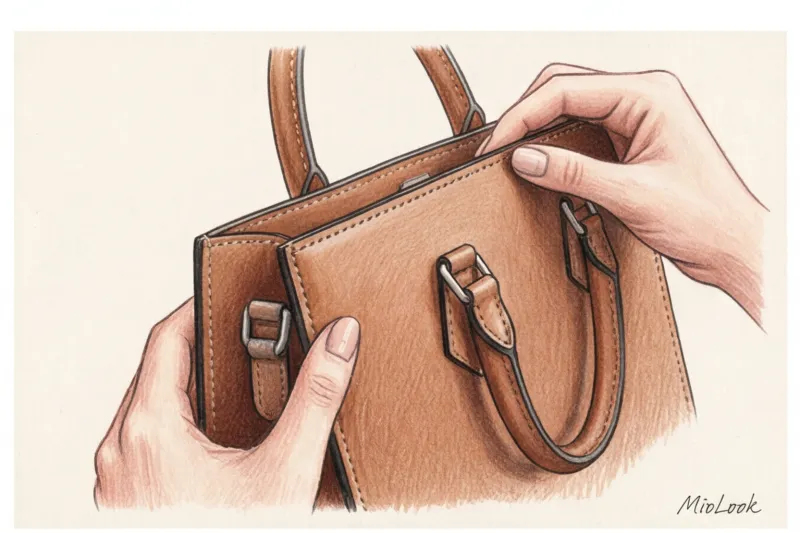
In high-quality products, the edge is carefully sanded, coated with a thin layer of special wax, and polished by hand. As for the leather itself, choose vegetable-tanned leather. Unlike chemical chrome tanning, it is more environmentally friendly and develops a beautiful patina over time, adapting to your needs.
Your perfect look starts here
Join thousands of users who look flawless every day. A smart AI stylist will help you integrate new accessories into your current wardrobe.
Get access — €0.99 once4 architectural forms that will outlive any trend
Bag shapes don't just pop out of nowhere—historically, they've been created for specific utilitarian purposes. That's why some silhouettes stick around forever: their functionality has stood the test of time.
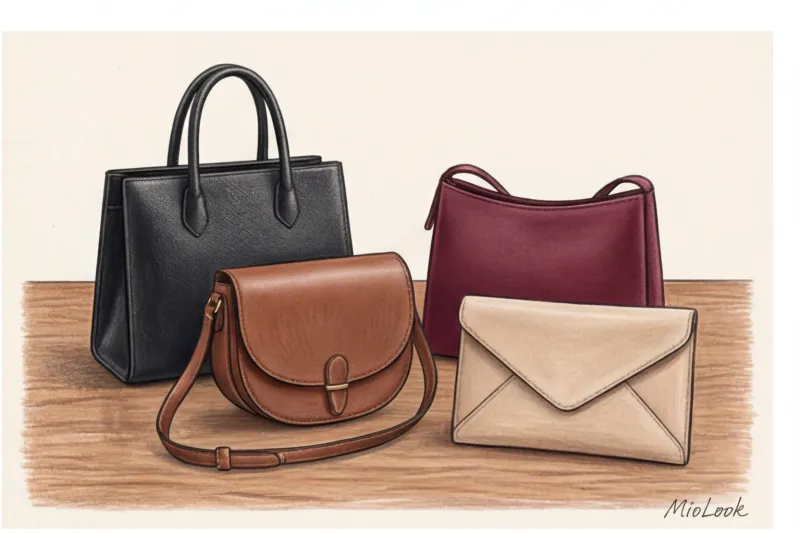
The Structured Tote
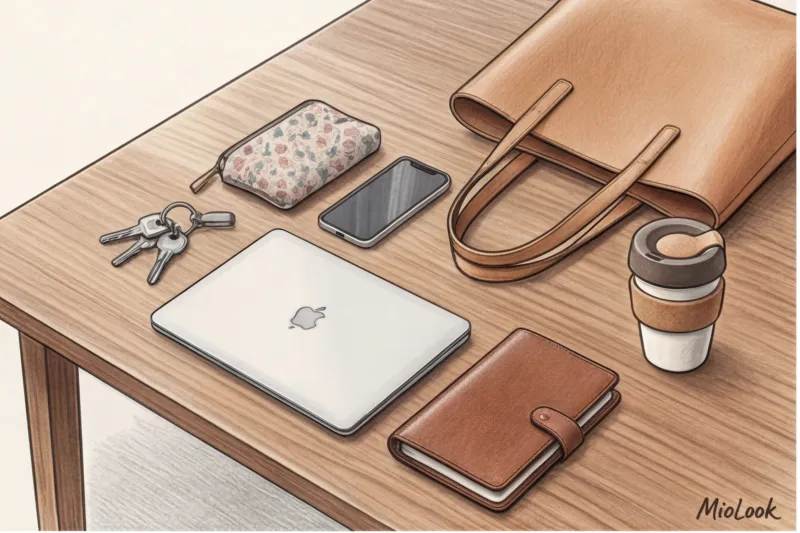
The perfect workhorse. This is a rectangular or trapezoidal bag with two short or medium-sized handles. The main requirements for a tote are a reinforced bottom and metal feet (dugs) so the bag can be safely placed on the floor in a cafe or office. If you often carry technology, I recommend reading our article on how to choose stylish women's laptop bag , where we discuss weight distribution in detail.
Saddle Bag
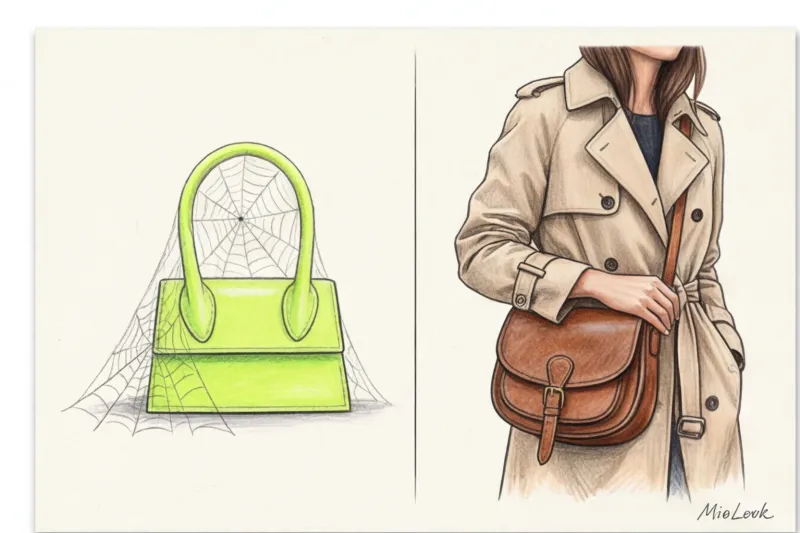
This rounded shape originates from equestrian gear. With its smooth lines, the saddle bag brilliantly balances strict, angular silhouettes. If you love wearing men's jackets with broad shoulders or straight coats, the rounded shape of the bag will add the necessary softness to your look without making it appear too childish.
Baguette with a rigid frame
A compact, elongated bag with a short strap, worn under the arm. It's not just a throwback to the '90s, but the perfect solution for visually shaping your figure. The baguette shape doesn't cut your silhouette in half (like a crossbody bag with a long strap does), leaving your hands free, and looks just as flattering with jeans and a sweater as it does with a silk dress.
Soft envelope clutch
A strapless day clutch (or one with a thin, foldable chain) is the epitome of relaxed elegance, in the spirit of The Row or Bottega Veneta. While it's not the most practical option for grocery shopping, it's the perfect alternative to the outdated, rhinestone-embellished micro-bags for meetings, theater outings, or dinners.
Color and Texture: Going Beyond Black
There's a dangerous misconception: "A bag has to be black to go with everything." As a stylist, I strongly disagree. Black offers maximum contrast. If you wear a beige trench coat, blue jeans, and a black bag, it will look like a dark spot, cutting through the entire look.
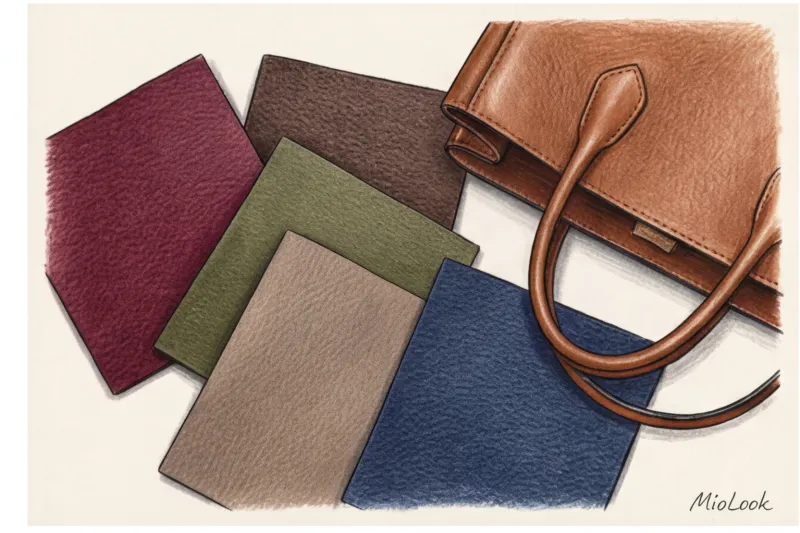
A timeless foundation relies on nuance. Consider complex, deep shades that stylists call "the new black":
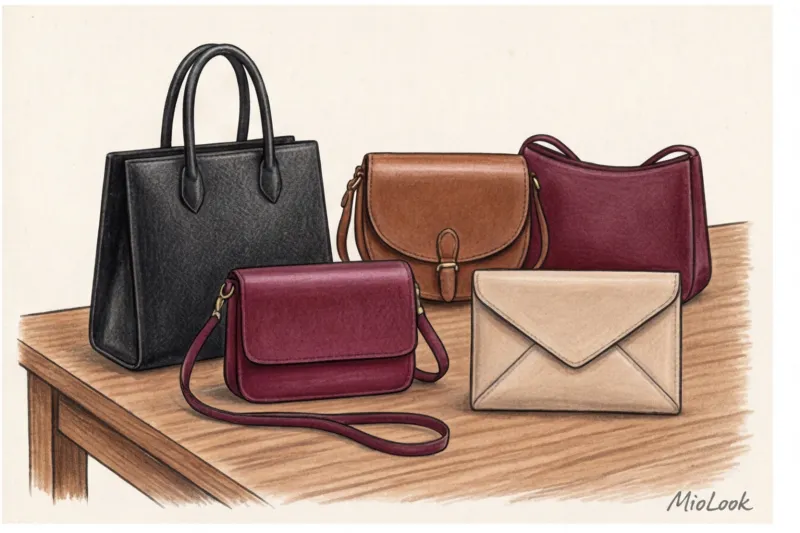
- Burgundy (deep wine): Pairs luxuriously with grey, dark blue, beige and emerald.
- Taupe (grey-beige): An ideal neutralizer that suits girls with a low-contrast appearance.
- Dark chocolate: It looks much more expensive and softer than black, especially when combined with gold or brass fittings.
"The color of your bag shouldn't match the color of your shoes (this rule became obsolete 15 years ago), but rather support the overall warmth and depth of your wardrobe. A warm clothing palette requires warm-toned accessories."
Regarding texture: if you plan to wear your bag every day, avoid completely smooth polished leather (spazzolato). It will show every scratch from nails or keys. Pebbled leather or leather with a saffiano texture is much more forgiving.
Access to MioLook for €0.99 — one-time payment
Not sure if a burgundy bag will go with your coat? Upload your items to the app, and a smart AI stylist will create the perfect combinations in seconds.
Get access — €0.99 onceEco-friendliness and care: how to extend the life of your bag for decades
According to the Ellen MacArthur Foundation (2022), which promotes circular economy principles, extending the lifespan of an item by just nine months reduces its carbon footprint by 20-30%. Sustainable fashion doesn't start with buying a bag made from recycled plastic, but with properly caring for a quality leather item.
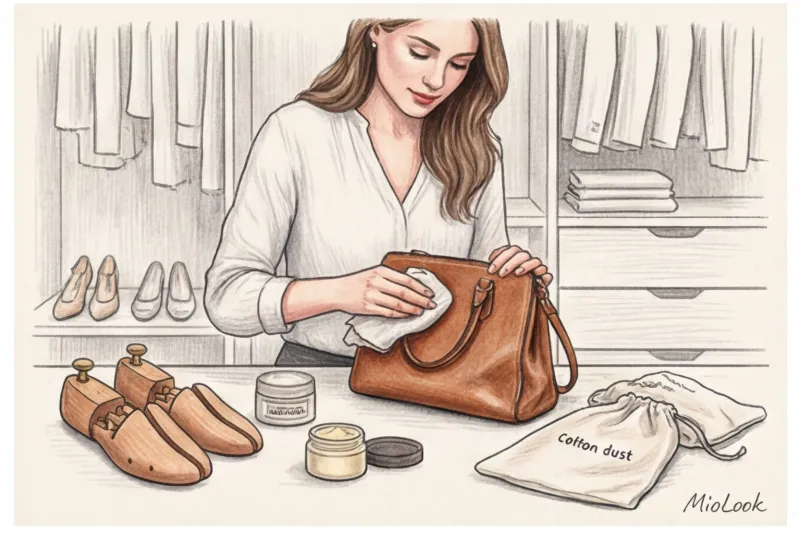
Many people make a fatal mistake: trying to care for their bags with regular shoe polish. Shoe polishes contain harsh waxes and solvents that clog the pores of delicate haberdashery leather, preventing it from "breathing," drying out, and cracking. For bags, use only special, delicate leather conditioners based on natural oils.
Three golden rules of storage:
- Never hang your bag by the handles on a closet hook or doorknob. The weight of the handles will stretch and the attachment points will become deformed. The bag should be placed on a shelf.
- Use dust bags made of breathable cotton. Avoid plastic bags, as they can cause mildew on leather due to changes in humidity.
- Before storing your bag for the season, be sure to stuff it with white acid-free tissue paper or special pads. Avoid using newspapers, as the ink may bleed onto the lining.
Stylist's Checklist: How to Test a Bag Before Buying
I never let my clients buy a bag without first taking it for a test drive in the store. A pretty picture online doesn't convey the ergonomics of a piece. If you want a bag to become your go-to, follow these four steps:
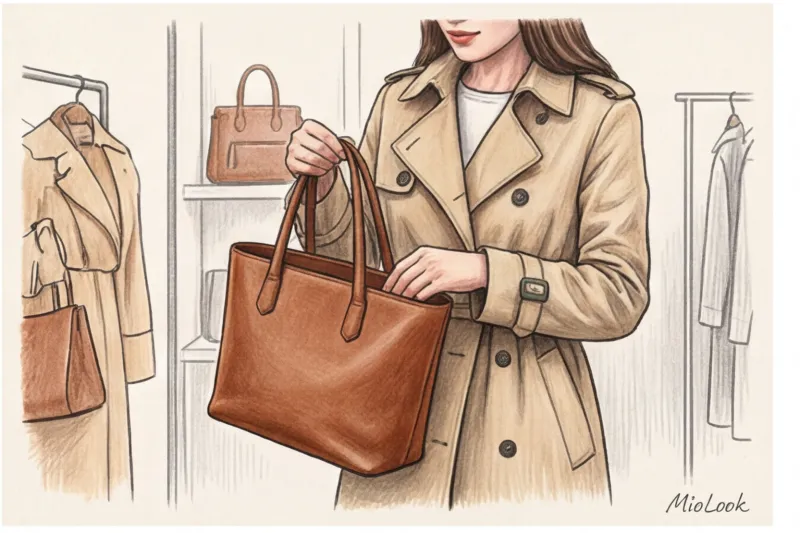
1. Weight test (800 gram rule)
Pick up your empty bag. If it feels heavy even before you've added your wallet, makeup bag, and phone, you won't carry it. Ideally, an empty, basic, medium-sized bag shouldn't weigh more than 600-800 grams.
2. Blind opening test
Place your bag over your shoulder and try to open it, take out your phone and close it back. with one hand , without looking. If you have to use both hands, struggle with a tight zipper or a complicated clasp, this bag will irritate you every day.
3. Checking the lining
Look inside. Cheap, thin, rustling polyester will tear with your keys within a couple of months. Look for thick cotton, linen, microfiber, or suede (in the premium segment). A light-colored lining is preferable to a dark one—it's much harder to find small items in a "black hole."
4. Winter Coat Test
If you're buying a shoulder bag (like a baguette), try it on over a bulky jacket rather than a thin T-shirt, or mentally allow for a winter coat. The strap should be long enough to prevent the bag from digging into your armpit when you're wearing a thick outerwear layer.
Ready to overhaul your wardrobe?
Try the MioLook free plan—no commitments required. Organize your closet and create iconic looks in just a few clicks.
Get access — €0.99 onceChoosing a basic bag isn't about chasing trends or impressing others with a recognizable logo. It's about finding a reliable tool that makes your life more convenient and your look more complete. Ask yourself one question before you check out: "Can I imagine this bag in my hands in five years?" If the answer is yes, and the stitching is impeccable, you've found your timeless essential.