Что такое капсульный гардероб для ребенка и почему он нужен каждой маме
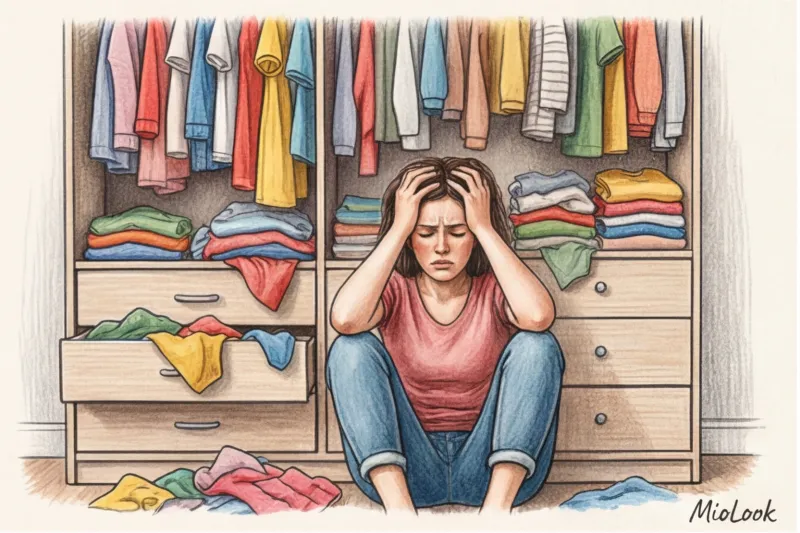
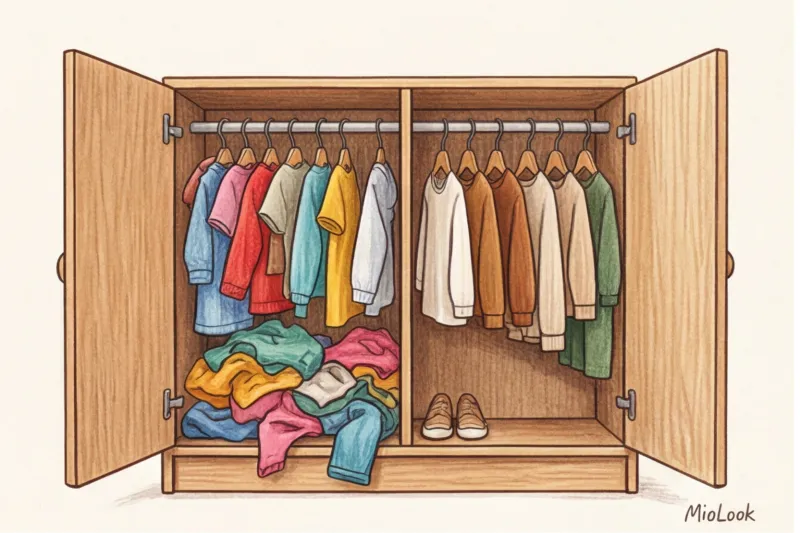
Замечали ли вы, как часто идеальное семейное утро разбивается о банальное: «Мам, я это не надену!»? Шкаф ломится от одежды, из комода выпадают джинсы и яркие футболки с принтами, а собрать ребенка в садик или школу без истерики не получается. Знакомая картина? За 14 лет работы стилистом я видела эту драму в сотнях семей. Именно поэтому правильно собранный капсульный гардероб для ребенка — это не просто дань модной терминологии, а настоящий инструмент выживания для современных родителей.
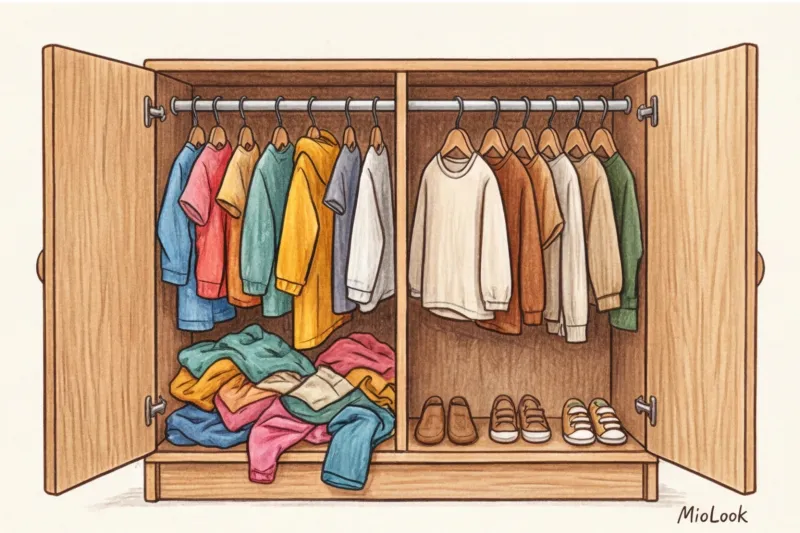
В психологии существует понятие «усталость от принятия решений» (decision fatigue). Ежедневно мозг взрослого человека тратит колоссальный ресурс на сотни мелких выборов. Когда мы с самого утра вынуждены решать головоломку, подходят ли зеленые колготки к красному платью в горошек, у нас остается меньше энергии на действительно важные дела. На моей практике 9 из 10 мам отмечают, что экономят от 15 до 30 минут каждое утро после внедрения принципов капсулы в детскую.
Существует стереотип, что капсула — это унылое ограничение из пяти серых и бежевых вещей. На самом деле, определение детской капсулы звучит иначе: это умный гардеробный конструктор, где все вещи сочетаются между собой на 100%. Вы или ваш ребенок можете достать вещи из шкафа с закрытыми глазами — любые брюки, любую футболку, любой кардиган — и они гарантированно сложатся в стильный и уместный образ.
Такой подход обеспечивает то самое «утро без слез». Ребенок получает иллюзию полного контроля — он сам выбирает, что надеть сегодня, чувствуя независимость. А вы абсолютно спокойны, зная, что он не пойдет в сад в несочетаемых ярких полосках и клетке. Кстати, чтобы визуализировать этот конструктор до похода в магазин, я часто советую клиентам использовать функцию управления гардеробом в MioLook. Там можно собрать цифровой шкаф и наглядно увидеть, как вещи миксуются друг с другом.
Магия такого подхода строится на простой математике. Практичная формула для детского сада или школы выглядит так: 10-15 базовых, но не скучных вещей генерируют более 30 различных образов. Три пары функциональных «низов» (например, джоггеры, мягкие джинсы и карго), пять-семь «верхов» (лонгсливы и футболки), плюс два плотных слоя вроде худи на молнии. Этого более чем достаточно, чтобы ребенок выглядел по-разному каждый день на протяжении месяца.
Математика экономии: сколько мы тратим на «вещи на один раз»
Давайте честно поговорим о деньгах. В детском шкафу всегда есть скрытые «пожиратели бюджета». Как часто мы покупаем потрясающее пышное платье из фатина или сложный костюм-тройку для одного-единственного утренника? Ребенок надевает это один раз, чувствует себя скованно, а через пару месяцев безнадежно вырастает из дорогой покупки.
В профессиональном стайлинге мы опираемся на концепцию Cost Per Wear (CPW) — стоимость одной носки. И в детском гардеробе этот принцип работает еще более жестко, чем во взрослом. Если мы делим цену вещи на количество дней, когда ребенок ее реально надевал, математика становится очевидной.
Проведем расчет. Допустим, вы купили качественный базовый свитшот из плотного футера-трехнитки за 30 €. Ребенок носит его в садик трижды в неделю на протяжении семи месяцев (это около 84 дней). Стоимость одной носки составит всего 0,35 €.
А теперь возьмем яркую футболку с пайетками-перевертышами или жестким принтом за 10 €. На первый взгляд, это выгодно. Но ткань колется, швы жесткие, после второй стирки принт трескается, и ребенок наотрез отказывается это носить. В итоге футболка надета два раза. CPW = 5 €. Парадокс: базовая вещь за 30 € оказалась в 14 раз выгоднее дешевой, но непрактичной кофточки. К слову, чтобы избежать подобных промахов и в своем шкафу, советую заглянуть в статью про ошибки при составлении базового гардероба — принципы шопинга очень схожи.
«Главное правило детского шопинга — инвестируйте в те вещи, которые ребенок будет носить каждый день, а не в те, в которых он будет стоять 10 минут у фотозоны».
Именно поэтому капсульный подход бережет не только нервы, но и кошелек. Вы перестаете скупать случайные вещи на распродажах и начинаете инвестировать в качество, которое действительно окупается.
Главная ошибка родителей: детская капсула — это не мини-копия взрослой
Социальные сети приучили нас к эстетике «mini-me», где дети выглядят как уменьшенные копии взрослых моделей. Мы с упоением скупаем микро-тренчкоты, классические брюки со стрелками и миниатюрные кожаные лоферы, мечтая собрать из этого идеальный гардероб. Но на практике этот подход терпит сокрушительное фиаско при первом же походе на детскую площадку.
Три года назад ко мне обратилась клиентка, уставшая от утренних истерик. Она подготовила для пятилетнего сына роскошную капсулу для садика: плотные джинсы из селвидж-денима (которые обошлись ей почти в 65 €), вельветовые рубашки и стильные мини-пиджаки. Но мальчик, ярко выраженный кинестетик, просто падал на пол в прихожей с криком: «Мне давит!». И он был абсолютно прав.
За годы работы с семейными гардеробами я вывела железное правило: сенсорный комфорт важнее трендов. То, что взрослый может потерпеть ради красоты, для детской нервной системы — невыносимый раздражитель. Жесткие внутренние швы, колючие нейлоновые бирки на воротнике, плотная или скрипящая фактура ткани моментально вызывают отторжение. Если вы хотите, чтобы капсула работала, выбирайте вещи из хлопка качества «пенье» или муслина, отдавайте предпочтение плоским швам (flatlock) и сразу срезайте все внутренние ярлыки. Многие современные бренды уже печатают размер и состав прямо на ткани спинки — это идеальный вариант.
Второй подводный камень — функциональность кроя. Я часто повторяю мамам: если в купленной вещи можно только «красиво стоять» перед камерой — это плохой критерий для детской одежды. В среднем ребенок дошкольного возраста совершает около 15 000 шагов в день, он постоянно приседает, ползает, забирается на турники и сидит на ковре по-турецки.
Согласно стандартам детской эргономики (Исследование Института биомеханики, 2022), повседневная одежда должна обеспечивать свободное сгибание суставов с амплитудой не менее 120 градусов, не создавая компрессии в области таза, живота и коленей.
Именно поэтому строгие пиджаки и жесткие джинсы всегда проигрывают плотному трикотажу в рубчик и джоггерам. Трикотажные волокна эластичны: они тянутся за движениями тела и возвращаются в исходную форму. Джоггеры на мягкой широкой резинке позволяют ребенку не только свободно двигаться, но и самостоятельно, без помощи воспитателя, справляться с туалетом, не путаясь в сложных пуговицах и тугих молниях.
Миф об экономии: почему вещи «на вырост» съедают ваш бюджет
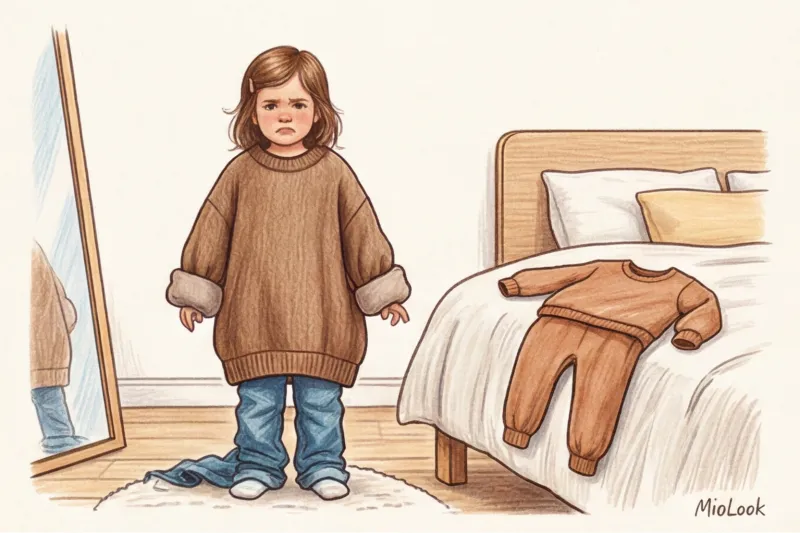
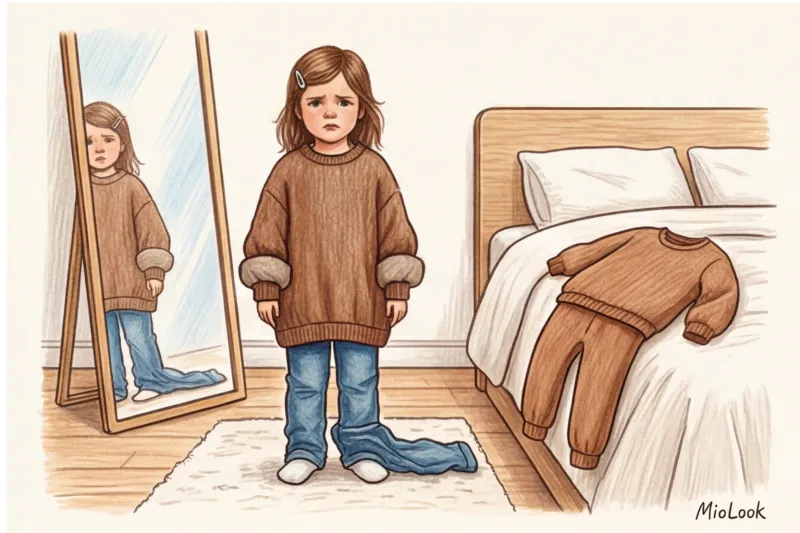
Стремясь оптимизировать расходы, многие родители попадают в ловушку покупок на два-три размера больше. Кажется логичным: купили брюки побольше, подвернули штанины — хватит на два сезона. Но на деле эта математика не работает.
Проблема подвернутых краев кроется в банальной физике. Когда длина брюк превышает норму, ткань собирается гармошкой, смещая центр тяжести и мешая ходьбе. Ребенок постоянно наступает пятками на штанины. В итоге асфальт и трение буквально убивают вещь раньше времени. К моменту, когда джинсы наконец-то становятся ребенку впору, их нижний край уже истерт в бахрому, а на коленях появляются белесые пятна из-за неправильной посадки. Вместо экономии в 30-40 € вы получаете испорченную вещь, в которой нельзя пойти даже в гости.
Умная альтернатива — одежда формата «grow-with-me» (расти-со-мной), которую изначально проектируют с учетом скачков роста. Эта концепция пришла к нам из скандинавских стран и включает несколько гениальных конструктивных решений:
- Регулируемые пояса: скрытая внутри эластичная перфорированная лента на пуговице позволяет утягивать или распускать талию на 4-6 сантиметров.
- Двойные удлиненные манжеты: на рукавах и штанинах делают высокие плотные манжеты. Пока ребенок мал, они аккуратно подвернуты вдвое (и это выглядит как задумка дизайнера, а не как ошибка с размером). По мере роста манжета разворачивается, давая дополнительные 3-5 см длины.
- Спущенная линия плеча и рукав-реглан: такие худи и лонгсливы мягко облегают плечо, не создавая эффекта «квадратных плеч баскетболиста», даже если вещь куплена с небольшим запасом.
Как правильно покупать с запасом, не портя посадку? Секрет прост: всегда фиксируйте края. Если берете брюки большего размера, это должны быть только джоггеры с эластичной резинкой внизу — она удержит штанину на щиколотке и не даст ей сползти под пятку. Таким образом, ребенок получает свободу движений, а вы — долговечную вещь, которая отрабатывает каждый вложенный в нее цент.
Доступ к MioLook за €0,99 — разовый платёж
Умный AI-стилист подберёт идеальный образ и поможет грамотно спланировать капсульный гардероб для вас и вашего ребенка.
Открыть доступ — €0,99 разовоФормула идеальной капсулы по возрастам: от песочницы до школы
Гардероб ребенка — это живой, постоянно меняющийся организм. Если вещи взрослого человека могут служить годами, то детская капсула требует радикального пересмотра каждые несколько сезонов. И дело здесь не только в скачках роста. Глобально меняются потребности: то, что идеально работало для годовалого малыша, станет причиной истерики у пятилетки.
Главная трансформация, к которой я всегда готовлю мам на консультациях — это неизбежная смена приоритетов. В первые годы жизни ребенка мы, как родители, полностью контролируем его внешний вид, реализуя собственные эстетические предпочтения. Но чем старше становится человек, тем стремительнее происходит переход от выбора мамы к личному самовыражению. Если вы попытаетесь навязать семилетнему бунтарю пастельную «тихую роскошь», когда его душа требует неоновых принтов, капсула просто не будет работать. Секрет идеального гардероба — в адаптации под конкретный этап развития.
Малыши (1-3 года): эпоха открытий на четвереньках
В этом возрасте ребенок активно исследует мир: ползает, падает, собирает пыль коленями и пробует все на вкус. Эстетика здесь должна быть полностью подчинена утилитарности.
- Фокус на частую смену: В отличие от взрослых капсул, где мы можем обойтись формулой «один низ на три верха», здесь из-за обильных слюней при прорезывании зубов и первых попыток есть самостоятельно вам понадобится по 5–7 базовых верхов (лонгсливов или боди) на каждые штанишки.
- Абсолютное отсутствие пуговиц: Мелкая фурнитура — это не только дискомфорт во время дневного сна (она впивается в кожу), но и потенциальная угроза безопасности. Выбирайте плоские кнопки, магнитные застежки или горловины-конверты (как у классических боди).
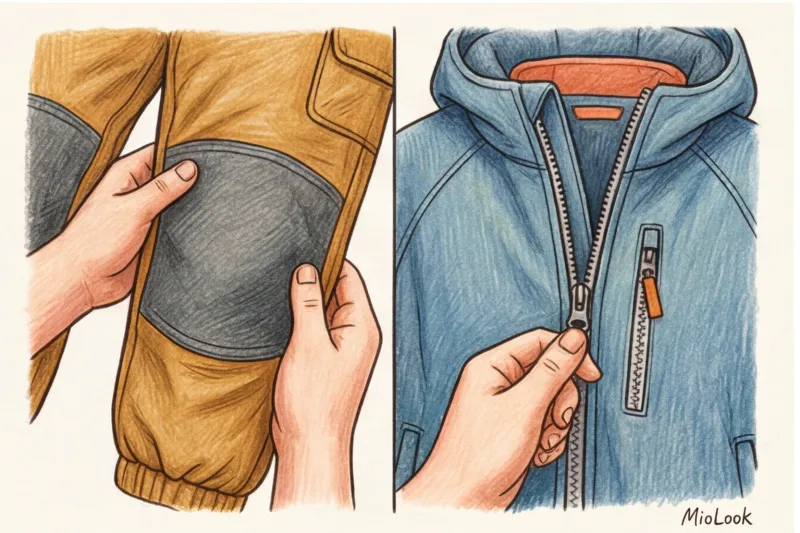
- Бронированная защита коленей: Штаны из обычного тонкого трикотажа протираются до дыр за пару недель активного ползания на детской площадке. Ищите модели с усиленными вставками на коленях (например, из смесовых тканей с добавлением нейлона или двойного слоя футера).
Садик (3-6 лет): фокус на самостоятельность
Детские психологи в один голос утверждают: кризис трех лет и знаменитое «Я сам!» — важнейший этап формирования личности. Специалисты по детскому развитию (в частности, последователи Монтессори-педагогики) настоятельно рекомендуют поощрять автономию ребенка в одежде именно с этого возраста. Это напрямую влияет на его уверенность в себе и когнитивные навыки.
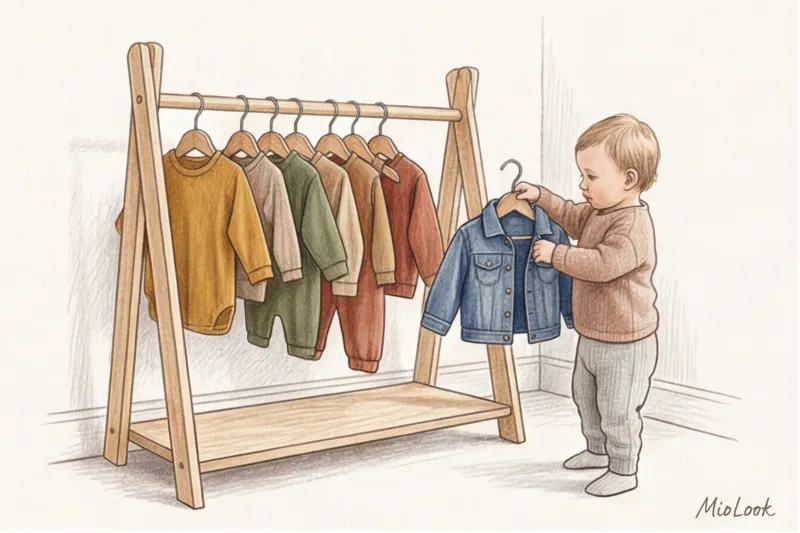
Как стилист я перевожу это психологическое правило на язык гардероба через концепцию «правила нижней полки». Суть предельно проста: вы организуете пространство в детском шкафу так, чтобы вещи на каждый день лежали в нижних ящиках комода или висели на штанге, до которой ребенок может дотянуться сам. И здесь капсульный гардероб раскрывает свою главную суперсилу: поскольку все вещи в капсуле сочетаются между собой, ребенок может достать с нижней полки абсолютно любые брюки и любую футболку — и наряд будет выглядеть стильно и гармонично. Никаких больше споров по утрам из-за несочетающихся принтов.
«Чтобы правило нижней полки сработало безупречно, вы можете заранее оцифровать детские вещи в приложении MioLook. Создайте готовые комплекты вместе с ребенком на экране смартфона — это воспринимается как игра, после которой дети с гордостью надевают выбранный ими самими образ».
В садике ключевым критерием становится отсутствие сложного крепежа. Воспитатели физически не могут зашнуровать ботинки двадцати детям. Ваш выбор — обувь исключительно на липучках или BOA-системе, а штаны и юбки — строго на мягкой широкой резинке. Никаких тугих пуговиц на поясе и сложных молний на спине.
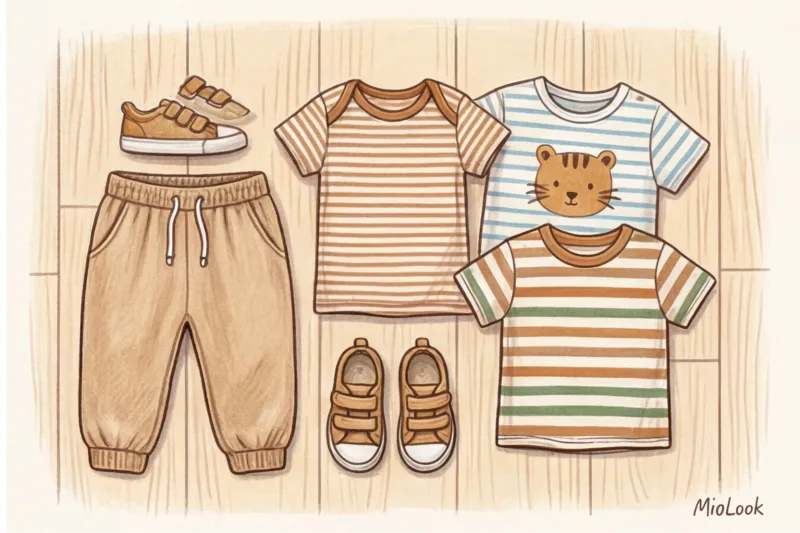
Еще один важный нюанс — принцип многослойности. В группах детского сада часто бывает жарко, а на улице, наоборот, зябко. Капсула должна строиться как капуста: базовая футболка + плотный кардиган или худи на молнии (zip-up) + верхняя одежда. Ребенок должен иметь возможность легко снять средний слой.
Что касается количества вещей, учитывайте пролитый суп и краски на занятиях творчеством. Оптимальный набор для садика на рабочую неделю: 5–6 «низов» (джоггеры, легинсы) и 8–10 «верхов». Бюджет такой базовой капсулы из качественного масс-маркета обычно укладывается в 120–180 €, если покупать вещи комплектами.
Школа (7-12 лет): баланс между формой и трендами
Младший школьный возраст — это поле битвы между строгим регламентом учебных заведений и желанием ребенка быть «в тренде», как его любимые блогеры. Многие родители совершают ошибку, покупая два параллельных гардероба: жесткую школьную форму на будни и стильную одежду на выходные. В итоге вещи простаивают.
Решение кроется в грамотной интеграции формы в повседневную капсулу через стиль смарт-кэжуал. Не покупайте жесткие пиджаки из синтетики, в которых невозможно поднять руки. Инвестируйте в комфортный трикотаж, который проходит по дресс-коду: плотные кардиганы глубокого синего или графитового цвета, качественные поло из хлопка пике, брюки-чинос с эластаном. Если школьное поло обойдется вам примерно в 15–25 €, оно должно отрабатывать свою стоимость, отлично сочетаясь с джинсами в выходной день.
Но как удовлетворить потребность ребенка в самовыражении, не нарушая устав школы? Ответ кроется в аксессуарах и микро-деталях. Именно они берут на себя функцию трансляции индивидуальности:
- Нестандартная обувь: Если школа допускает черные кроссовки или лоферы на массивной подошве вместо классических туфель — используйте это.
- Носки с характером: Даже при строгой форме выглядывающий из-под брюк край носков с забавным принтом или ярким цветом становится своеобразным манифестом.
- Съемные элементы: Значки (пины) на рюкзаке, интересные ремни, заколки или цветные шнурки. Все это стоит копейки (в пределах 5–10 €), но дает ребенку важнейшее чувство контроля над собственным стилем.
К 10-12 годам ваша роль как родителя сводится к модерации бюджета и проверке качества тканей. Совместный шопинг становится партнерским: вы задаете рамки (например, «нам нужна теплая кофта до 40 €»), а ребенок принимает финальное решение по цвету и фасону в рамках этих ограничений.
Секретная палитра: как скрыть пятна и упростить стирку
По статистике Института изучения семьи (2023 год), мамы тратят на сортировку белья, стирку и выведение пятен с детской одежды до четырех часов в неделю. А теперь представьте, что этот процесс можно сократить вдвое еще на этапе похода по магазинам. Секрет кроется не в агрессивных пятновыводителях за 20 €, а в грамотном изначальном планировании цвета.
Основа умного детского гардероба — это стратегия «stain-camouflage» (камуфляж пятен) для активных детей. Запрещать ребенку исследовать лужи и рисовать красками — значит тормозить его развитие. Вместо того чтобы нервничать из-за каждой капли сока, давайте сделаем эти капли невидимыми. Мой профессиональный лайфхак как стилиста: меланжевый серый и ткани в мелкий рубчик скрывают до 80% мелких посаженных пятен до конца дня.
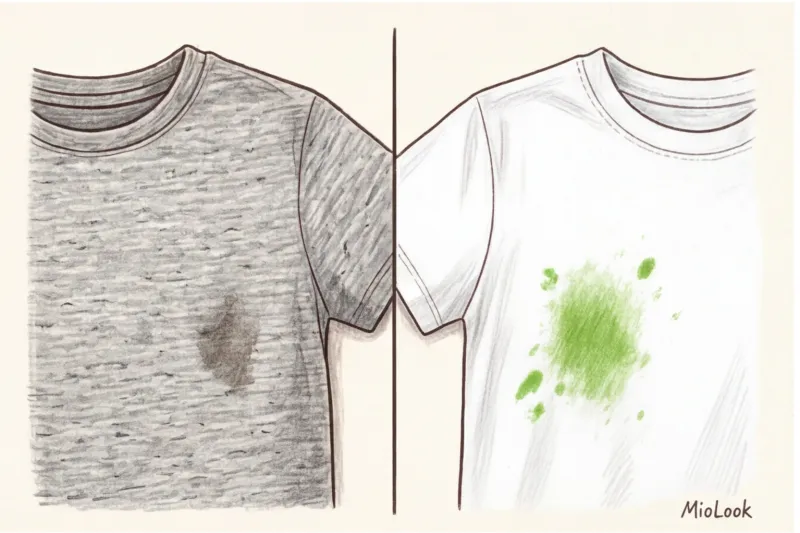
Если на чистом однотонном лонгсливе (особенно пастельного или бежевого оттенка) крошечный след от шоколада выглядит как катастрофа, то ткани-меланж и мелкий, рябый принт вместо чистых однотонных цветов работают как оптическая иллюзия. Грязь просто визуально растворяется в неоднородной текстуре ткани.
Второй критически важный аспект — совместимость в барабане стиральной машины. Знаете, в чем главная беда гардеробов, построенных на контрастах (например, белые футболки и черные джоггеры)? Вы вынуждены неделями копить светлое, чтобы запустить полноценный цикл, либо гонять машинку ради двух кофт. Идеально продуманная детская капсула позволяет собрать палитру так, чтобы все вещи стирались в одной загрузке машинки без риска взаимного окрашивания. Для этого исключите пронзительно чистые цвета и отдайте предпочтение сложным, чуть припыленным оттенкам: хаки, индиго, терракотовый, горчичный. Они прекрасно миксуются и не линяют.
Чтобы гардероб оставался стильным и не выглядел уныло, применяйте правило 3 основных цветов и 2 акцентных для детской капсулы:
- Три базовых оттенка (например, графит, деним и серо-оливковый) составят 70% гардероба. Это брюки, верхняя одежда, теплые худи.
- Два акцентных цвета (например, насыщенный бордовый и охра) займут оставшиеся 30%. В этих оттенках берем шапки, футболки, носки и детали.
Прежде чем отправиться на шопинг, я рекомендую собрать желаемую палитру в MioLook — цифровая визуализация поможет наглядно оценить, не выбивается ли новая вещь из общей цветовой концепции и не придется ли стирать ее отдельно от всего остального.
Доступ к MioLook за €0,99 — разовый платёж
Начните создавать идеальные образы с помощью искусственного интеллекта
Открыть доступ — €0,99 разовоЧек-лист стилиста: базовый капсульный гардероб на сезон
Парадокс детского шкафа заключается в том, что чем больше в нем случайных вещей, тем сложнее собрать ребенка утром. Когда ко мне обращаются для разбора гардероба, первое, что мы делаем — проводим аудит по жесткому чек-листу. В основе моей авторской схемы лежит строгая математика: идеальный капсульный гардероб для ребенка на один сезон состоит всего из 12–15 грамотно подобранных позиций.
Главный секрет этой формулы кроется в правильной пропорции верхов к низам. Если во взрослом гардеробе мы часто используем соотношение 2:1, то для детей это всегда 3:1 или даже 4:1. Дети пачкают футболки, проливают на себя сок и вытирают руки о живот в три раза чаще, чем пачкают штаны. Поэтому на одни базовые джоггеры должно приходиться минимум три-четыре сменных верха.
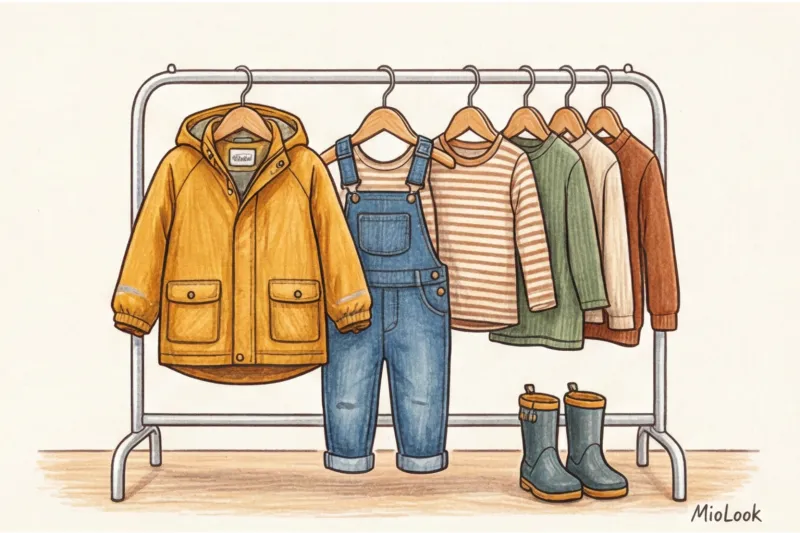
Вот точный список из 12–15 необходимых вещей, который я использую как универсальный каркас:
- 4–5 легких верхов: базовые футболки и лонгсливы без активного декора;
- 2 плотных слоя: объемное худи и кардиган или свитшот на молнии;
- 3–4 функциональных низа: джоггеры, легинсы, правильные джинсы;
- 1 акцентная вещь: сарафан из микровельвета, плотная фланелевая рубашка или платье-свитер;
- 2 единицы верхней одежды: непромокаемая куртка и легкий утепленный жилет;
- 2–3 пары обуви: по правилу, о котором я расскажу чуть ниже.
Эту матрицу легко адаптировать под климат и образ жизни вашей семьи. Если вы живете в регионе с частыми ветрами и затяжными дождями, просто замените один легкий лонгслив на термобелье из шерсти мериноса, а вместо жилета добавьте флисовую поддеву. Если ребенок ходит в спортивную секцию, сместите фокус с джинсов на дополнительные технологичные брюки. Кстати, чтобы не держать всю эту схему в голове, вы можете оцифровать имеющиеся вещи в приложении MioLook. Так вы наглядно увидите свою капсулу на экране телефона и сразу поймете, хватает ли вам верхов к купленным брюкам.
Верх и низ: функциональные слои и неубиваемые колени
Разберем основу нашей капсулы детальнее. Выбирая лонгсливы, худи и футболки, смотрите не на принт, а на плотность трикотажа. Тонкая кулирная гладь (менее 160 г/м²) деформируется и перекашивается по швам уже после пятой стирки при высоких температурах. Ищите вещи с плотностью от 180 до 220 г/м² — они отлично держат форму, меньше мнутся и практически не подвержены появлению катышков.
Одна из моих клиенток постоянно жаловалась, что сын «стирает» колени на любых штанах буквально за неделю. Решение проблемы нашлось в текстильных технологиях. В индустрии существует тест Мартиндейла — физическое испытание ткани на истирание. Для детских брюк карго, джоггеров и легинсов я настоятельно рекомендую искать модели с усиленными вставками на коленях (обычно из кордуры или плотного смесового хлопка), которые выдерживают от 40 000 до 50 000 циклов по этому тесту. Да, такие технологичные брюки могут стоить в диапазоне 40–60 €, но они окупают себя стократно, переживая сезон без единой дырки.
Отдельно стоит сказать про деним. Классические жесткие джинсы из 100% хлопка (selvedge) абсолютно противопоказаны дошкольникам. Они сковывают движения в тазу и нарушают нормальное кровообращение, когда ребенок сидит на корточках в песочнице или играет на ковре. Единственный допустимый вид денима для детской капсулы — это модели с добавлением 2–5% эластана, мягкой фактурой и обязательным регулируемым поясом.
Верхняя одежда и обувь: фундамент капсулы
Если трикотаж в детском гардеробе — это скорее расходный материал, то верхняя одежда и обувь выступают настоящим инвестиционным фундаментом. Именно здесь закладывается львиная доля сезонного бюджета.
В качественной капсуле обязательно должен присутствовать один надежный водонепроницаемый слой. Для межсезонья идеальным выбором станет куртка из материала Softshell (софтшелл) или классическая мембрана с показателями водонепроницаемости от 5000 до 10000 мм. В отличие от душных прорезиненных плащей, мембрана работает как интеллектуальный климат-контроль: она отталкивает капли дождя снаружи, но при этом отводит пар от тела, когда ребенок активно бегает.
Что касается обуви, здесь безотказно работает мое любимое золотое правило: «одна пара на выход, две для жизни». Вам понадобятся универсальные базовые кроссовки (кожаные или из плотной технологичной сетки), непромокаемые ботинки (например, челси на массивной подошве или технологичные хайкеры) и одна пара легкой обуви для закрытых помещений или редких нарядных выходов.
Исследование Американской ассоциации подиатрии (APMA) за 2023 год подчеркивает: до 8 лет у детей активно формируется свод стопы, поэтому обувь должна иметь максимально гибкую подошву в носочной части и формоустойчивый задник. Не пытайтесь экономить, покупая кеды в масс-маркете за 15 € — лучше вложить 60–80 € в правильные кроссовки проверенного спортивного бренда. Именно они станут той самой базой, которая свяжет все 15 вещей вашей капсулы в стильные и, главное, безопасные для здоровья образы.
Пошаговый план: как без стресса внедрить капсулу в детский шкаф
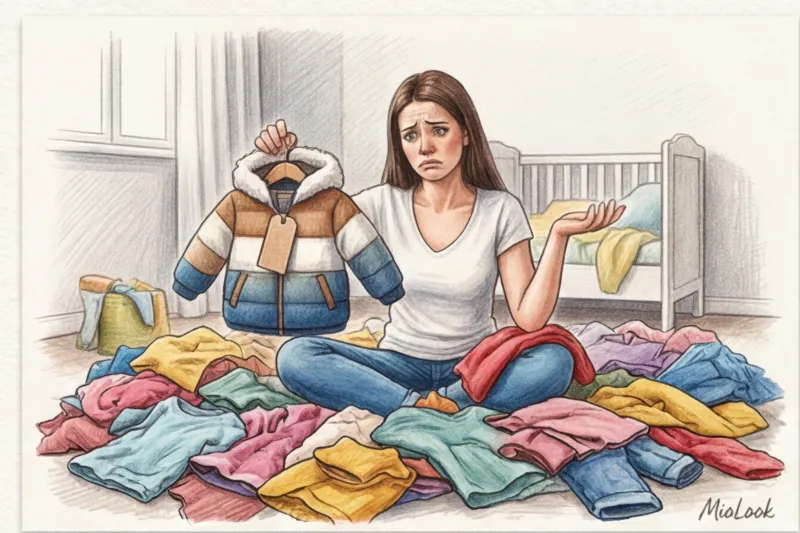
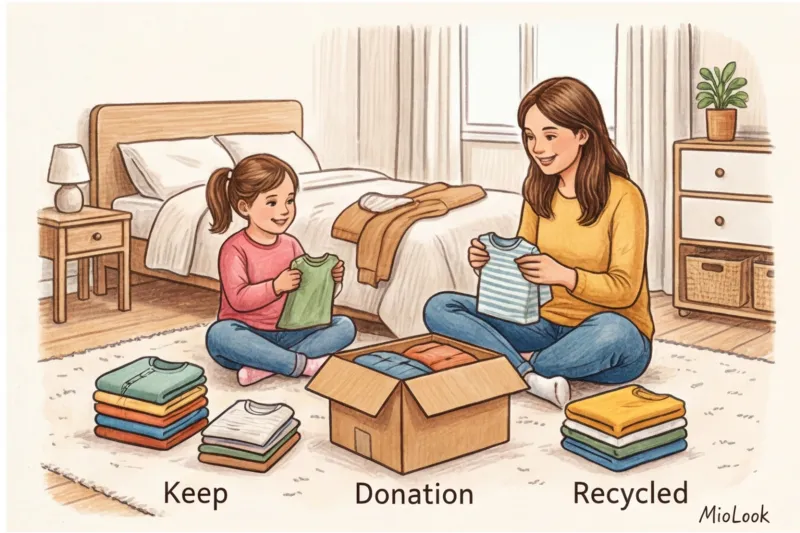
«А как же тот прекрасный шерстяной свитер, который подарила бабушка?» — этот вопрос с ноткой вины я слышу почти на каждой ревизии детского гардероба. Правда в том, что переход к функциональной капсуле начинается не с шопинга, а с безжалостного избавления от балласта. Когда мы однажды разбирали шкаф шестилетнего сына моей клиентки, оказалось, что из 45 вещей он регулярно носит только восемь. Остальное либо кололось, либо было тесным в плечах, либо просто не нравилось. Чтобы избежать утренних драм, предлагаю действовать по проверенному алгоритму.
Шаг 1: Тотальный разбор
Вытащите абсолютно всё из комода, шкафа и корзин для белья на кровать. Наша задача — бескомпромиссно убрать малое, колючее и нелюбимое. Если ребенок хотя бы раз пожаловался, что у лонгслива «противная бирка», а ткань «кусается» — вещь отправляется в пакет на отдачу или переработку. Дети обладают повышенной тактильной чувствительностью, и никакие уговоры потерпеть ради красоты здесь не сработают. Оставляем только те предметы, которые на 100% соответствуют принципу сенсорного комфорта.
Шаг 2: Аудит того, что осталось
Теперь посмотрите на выжившую базу. Часто на этом этапе мы обнаруживаем типичную картину: шесть отличных футболок с принтами и ни одних целых джоггеров. Это и есть поиск «дыр» в гардеробе. Составьте жесткий список покупок. Чтобы не держать его в голове и не купить лишнего на эмоциях, советую оцифровать оставшиеся вещи. Мои клиентки часто заносят базу в MioLook — приложение наглядно показывает, с чем можно будет сочетать новую покупку и закрывает ли она реальную потребность.
Шаг 3: Совместный шопинг без истерик
Брать ребенка в торговый центр без подготовки — значит добровольно подписаться на покупку футболки с кислотным динозавром, которая ни к чему не подходит. Мой любимый стилистический и родительский лайфхак — метод «двух вариантов». Вы сами заранее отбираете вещи, которые устраивают вас по качеству, составу и бюджету (например, не дороже 30–40 € за плотное худи). А затем предлагаете ребенку финальный выбор: «Какую толстовку берем — терракотовую или изумрудную?». Вы сохраняете полный контроль над капсулой, а ребенок получает важнейшее чувство автономии.
Организация по методу КонМари
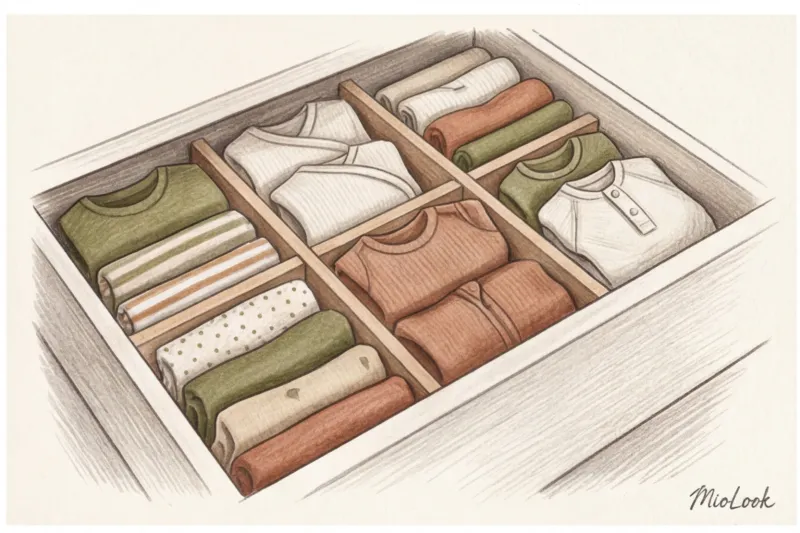
Даже идеальная капсула не будет работать, если вещи лежат привычными стопками: чтобы достать нижнюю футболку, ребенок неизбежно разрушит всю башню. Я настоятельно рекомендую адаптировать метод Мари Кондо для детских комодов. Складывайте трикотаж прямоугольниками и ставьте вертикально (рядами) в выдвижные ящики. По данным Ассоциации профессиональных организаторов (NAPO), такой подход сокращает время на утренние сборы почти на треть. Во-первых, ребенок видит все доступные варианты верха одновременно. Во-вторых, даже трехлетка легко достанет нужную вещь, не устроив хаос. Дополнительно можно использовать тканевые разделители — они стоят копейки, но поддерживают безупречный порядок.
Ваш идеальный образ
начинается здесь
Присоединяйтесь к тысячам пользователей, которые каждый день выглядят безупречно с MioLook.
Открыть доступ — €0,99 разовоУмный шопинг: на чем сэкономить, а куда инвестировать
Финансовая аналитика детского гардероба часто вызывает у родителей легкий шок. По данным европейских консалтинговых агентств за 2024 год, до 40% купленных детских вещей надеваются менее трех раз. Капсульный подход решает эту проблему, но он требует грамотного распределения бюджета. Главный секрет умного шопинга заключается в том, чтобы понимать, какие элементы являются «расходниками», а какие — долгосрочным вложением.
Давайте определим категории, на которых нужно и можно экономить. К ним относятся базовые футболки, носки, колготки и, как ни странно, нарядная одежда. Я всегда советую мамам не тратить больше 10–15 € на вещь, которая неминуемо встретится с вишневым соком, травой или гуашью. Хлопковые футболки — это расходный материал, их задача — просто пережить сезон частых стирок. То же самое касается пышных платьев или сложных костюмов-троек для утренников. Вещь, которая покупается ради пары эффектных фотографий, не должна пробивать дыру в семейном бюджете. Берите такие наряды напрокат или выбирайте бюджетные аналоги из масс-маркета.
Совсем другой подход требуется там, где речь идет о здоровье и ежедневном комфорте. Куда действительно стоит вкладывать деньги?
- Качественная обувь. Формирование стопы не прощает компромиссов. Пара правильных кроссовок или ботинок с анатомической стелькой, гибкой подошвой и надежной фиксацией пятки (в диапазоне 60–120 €) — это прямая инвестиция в здоровую осанку ребенка.
- Технологичная верхняя одежда. Мембранные куртки и комбинезоны стоят недешево, но они заменяют собой ворох толстовок и дождевиков. Хорошая мембрана дышит, не пропускает пронизывающий ветер и отталкивает грязь, которую после прогулки достаточно просто протереть влажной губкой.
- Термобелье. Комплект из натуральной шерсти мериноса с добавлением шелка работает как персональный климат-контроль. Ребенок не потеет, активно бегая на горке, и не мерзнет, спокойно сидя на качелях.
При выборе базовых слоев, которые напрямую контактируют с кожей, я как стилист всегда ищу на бирках один критически важный маркер — сертификат OEKO-TEX® Standard 100. Наличие этого знака означает, что ткань, красители и даже фурнитура прошли строжайшее независимое тестирование на отсутствие вредных химикатов и тяжелых металлов. Если я вижу этот логотип на базовом лонгсливе, я спокойна за отсутствие аллергических реакций.
Отдельно хочу затронуть тему вторичного потребления. Покупать детские вещи на ресейле — это абсолютно нормально, современно и экологично. Премиальная верхняя одежда из плотной мембраны обладает таким огромным запасом прочности, что один ребенок просто не успевает ее сносить до того, как вырастет. На платформах перепродажи можно легко найти высокотехнологичный зимний комбинезон, который в магазине стоит 180 €, всего за 40–50 € в идеальном состоянии. Циркулярная мода позволяет одевать ребенка в бренды превосходного качества, оставаясь в рамках разумного бюджета.
Чтобы держать все эти покупки под контролем и не дублировать вещи на сезонных распродажах, я рекомендую оцифровать вашу готовую базу. Загрузите основные позиции в MioLook. Находясь в торговом центре или просматривая ресейл-платформы со смартфона, вы сможете открыть приложение и четко увидеть: у вас уже есть два отличных флисовых слоя, а вот непромокаемых брюк действительно не хватает.
Подводя итог, хочу сказать главное: грамотно собранный капсульный гардероб для ребенка — это система, которая окупает себя каждый божий день. Он возвращает вам не только сэкономленные евро, но и сохраненные нервные клетки по утрам. Когда все вещи в шкафу идеально сочетаются между собой, когда они удобны, функциональны и легко стираются, сборы в садик или школу перестают быть ежедневным стрессом. И это, пожалуй, самая ценная инвестиция, которую может сделать мама для своего собственного спокойствия.
Главы гайда
Сочетание цветов в детской одежде: советы стилистов
Утренние сборы превращаются в битву за одежду? Узнайте цветовые формулы, которые подружат базовые вещи с любимыми яркими принтами вашего ребенка.
Идеальный список одежды ребенку на море без лишних вещей
Как собрать детскую капсулу в отпуск и не везти половину шкафа? Советы стилиста по выбору практичной и безопасной одежды.
Базовая детская обувь: как собрать гардероб без стресса
Как собрать функциональную обувную капсулу для ребенка и навсегда забыть об утренних слезах перед выходом из дома. Практичные советы профессионального стилиста.
Идеальный зимний гардероб для ребенка: капсула и слои
Толстая куртка — не гарантия тепла. Разбираем, как принцип многослойности поможет создать идеальную зимнюю капсулу для активного и здорового ребенка.
Летний гардероб для ребенка: умная капсула на лето
Устали собирать огромные чемоданы детских вещей, половина из которых не пригодится? Узнайте, как составить универсальную летнюю капсулу.
Базовый гардероб для подростка: капсула без ссор
Узнайте, как создать стильную и удобную капсулу для тинейджера, которая устроит родителей и понравится самому ребенку.
Как сэкономить на детской одежде: советы стилиста
Дети растут так быстро, что покупка новых вещей кажется бесконечной тратой. Узнайте неочевидные секреты стилистов для создания умного детского гардероба.
Сколько вещей нужно ребенку: чек-лист минималиста
Детский шкаф переполнен, а по утрам снова нечего надеть? Рассказываем, как собрать удобный капсульный гардероб без лишней одежды.
Капсульный гардероб для девочки: как собрать базу
Собираем умный гардероб для девочки. Узнайте, как примирить родительскую практичность и детское желание наряжаться каждый день.
Удобный капсульный гардероб для мальчика на каждый день
Мальчику плевать на модные тренды, если одежда колючая или неудобная. Рассказываем, как собрать стильную и практичную капсулу, которую ребенок будет носить с радостью.
Базовый гардероб для новорожденного без лишних трат
Как избежать эмоциональных покупок и собрать идеальную первую капсулу для малыша? Прагматичный подход от стилиста, который спасет ваши нервы и бюджет.
Школьная капсула одежды: как собрать удобную форму
Ребенок проводит в школьной форме около 1200 часов в год. Узнайте, как инженерный подход к гардеробу навсегда решит проблему долгих утренних сборов.
Одежда в садик: список вещей для капсульного гардероба
Узнайте, почему традиционные списки покупок для дошкольников больше не работают. Разбираем формулу 3-4-7 для создания идеального детского гардероба.