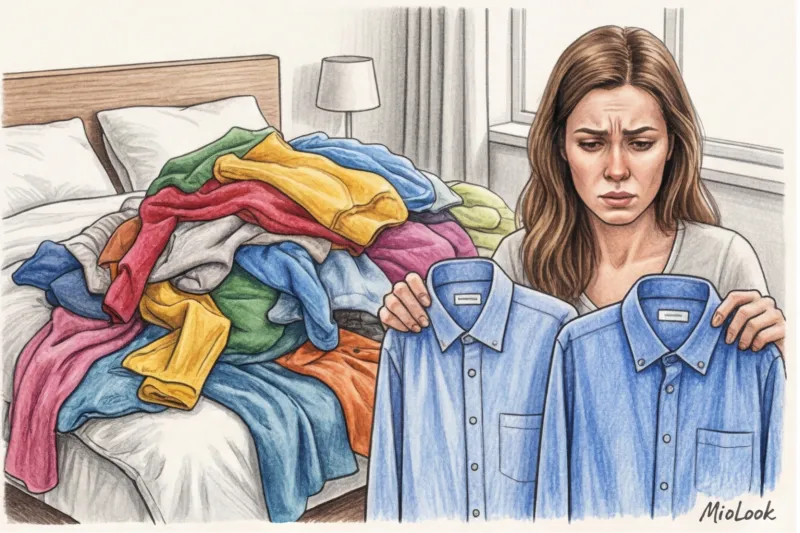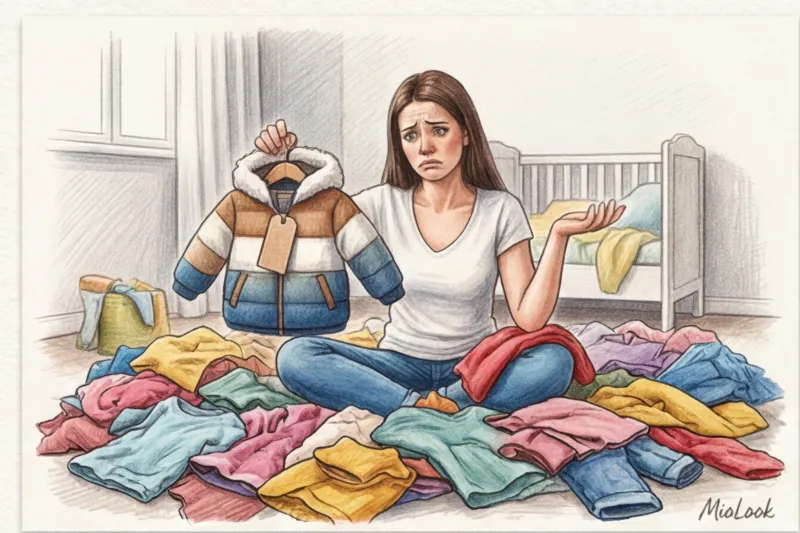
Last Saturday, my client Anna, mother of five-year-old Mark, angrily dumped a mountain of tiny jeans and dinosaur hoodies on her bed. "Camilla, I spent €500 on this at the beginning of September! It's November now, and his sleeves are elbow-length. Why did I even buy this?" she lamented. Sound familiar? It seems children grow up faster than Zara updates their collections.
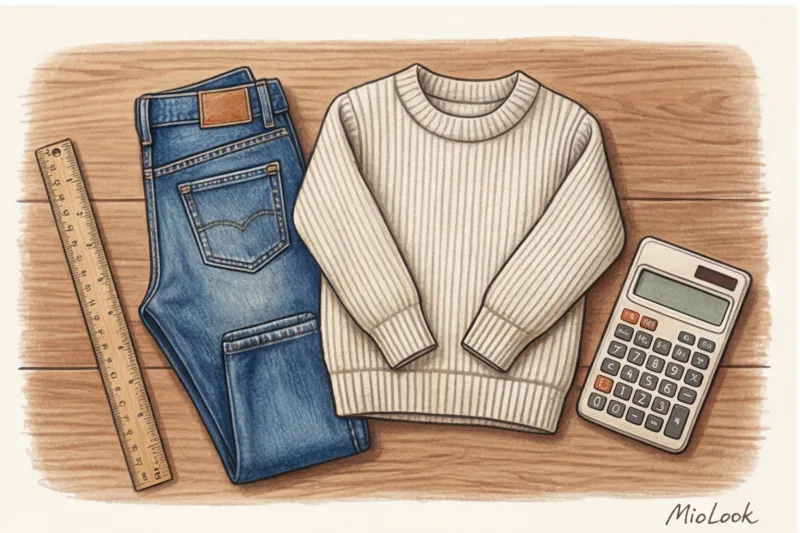
If you are looking for an answer to the question, How to save money on children's clothing The first step is to forget about buying dozens of cheap synthetic items "for one season." Over 12 years of working as a stylist, I've become convinced that a smart children's wardrobe isn't built on endless discounts, but on rigorous math and proper tailoring. We've covered the basics in more detail in our A complete guide to a child's capsule wardrobe: saving time and money Today, we'll go further and explore less obvious techniques: from the cost-per-wear (CPW) formula to historical tricks that work better than any sales.
The Mathematics of Children's Wardrobes: Why Cheaper Costs More
In the world of styling, we constantly use the Cost-Per-Wear (CPW) formula. To calculate it, you divide the cost of an item by the expected number of wears. Surprisingly, this calculation is even more critical for children's clothing than for adults.
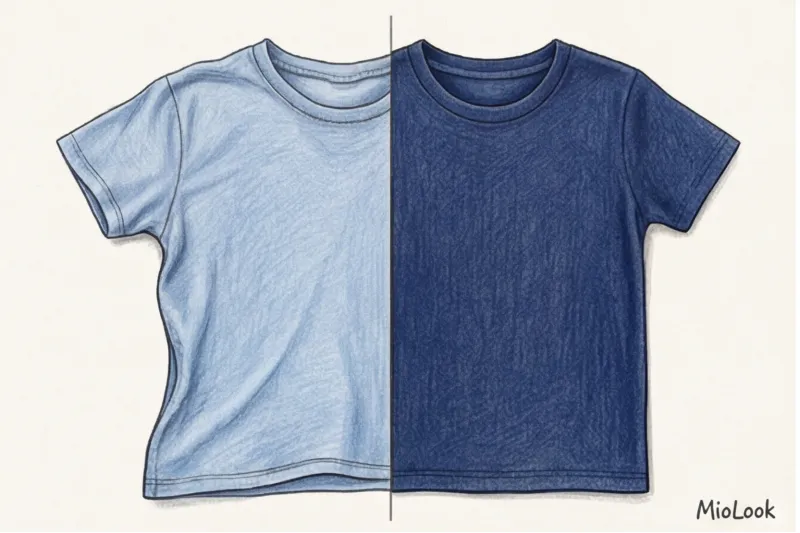
Let's do the math. You buy a budget cotton sweatshirt at the supermarket for €8. After the third wash, it's covered in pills, the seams are uneven, and the collar is stretched. Your child wears it five times. Your CPW is €1.60 per wear. Now, let's take a basic sweatshirt made of dense, long-staple cotton from a trusted brand for €35. Thanks to the right cut (which we'll discuss below), your child will wear it for two seasons, wearing it at least 80 times. The CPW is only €0.43. The quality item turns out to be four times cheaper.
According to McKinsey & Company's 2024 State of the Fashion Industry report, fast fashion items lose their shape 60% faster than clothes made from high-quality blended fabrics. Therefore, pay attention to the material even in the store. If you're choosing knitwear, it should be a dense fleece (such as 3-ply) with a small percentage of elastane (around 5%), which will prevent the knees and elbows from stretching.
"In the Victorian era, when fabrics cost a fortune, tailors always left generous seam allowances and deep pleats at the hems of children's clothes. As the child grew, the pleats were simply ripped out. We've forgotten this wisdom in the age of fast fashion, but it's the key to saving money," notes fashion historian Valerie Steele.
Your perfect look starts here
Join thousands of users who look flawless every day and save on purchases with MioLook.
Get access — €0.99 onceHow to save on children's clothing by buying "for growth"
"Buying for growth" is the most insidious phrase in the parenting lexicon. It usually ends with the child spending six months wearing a ridiculously large bag, getting tangled up in the pants, and by the time the garment finally fits, it's hopelessly worn out at the knees and elbows.
The secret isn't in going three sizes too big. The secret is in choosing styles , capable of adapting to growth.
A cut that grows with your child
There are patterns that are forgiving of size errors and look stylish even with slight disproportion:
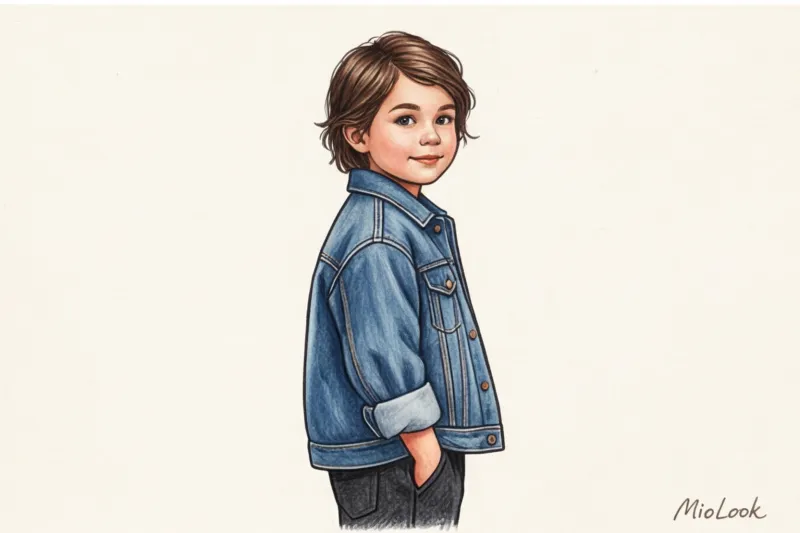
- Raglan sleeves: Unlike a classic set-in sleeve, a raglan sleeve doesn't have a rigid shoulder seam. This means the shoulder line won't droop comically when the garment is too big, or dig into the armpits as the child grows. This fit adds at least a year and a half to the garment's lifespan.
- Adjustable waist (perforated elastic): Trousers and jeans with internal button drawstrings are a brilliant invention. You buy trousers of the right length, cinch your waist, and as you grow older (and your chest expands), simply loosen one button at a time.
- Dropped shoulder (oversized): Modern fashion plays into our hands. Oversized sweatshirts with dropped shoulders are designed to be voluminous.
- A-line dresses: In the first year it was a knee-length dress, in the second year it was a mini dress, in the third year it was a great tunic under leggings.

What you absolutely must not take in excess
This is my favorite part because here we break the cardinal rule of thrifty parents: There are some things that are simply dangerous to buy for future use.
Firstly, shoes According to the American Academy of Pediatrics (2023), the maximum allowance in children's shoes should not exceed 1–1.5 cm. Shoes that are two sizes too big disrupt the biomechanics of their gait: children begin to scoop their feet, instinctively curling their toes to hold on to the shoe. This is a surefire way to develop arch problems.
Secondly, winter membrane jackets Physics is at work here. Membranes and modern insulation materials work by retaining the heat generated by the body. If a jacket is too big, a huge air gap forms between the child's body and the fabric. The body simply doesn't have enough energy to warm it. A "chimney effect" occurs—cold air circulates upward, and the child gets cold even in the most expensive Finnish parka.
Ready to tidy up your closet?
Try the MioLook plan for free—no commitments required. Digital inventory control will save you from impulse purchases.
Get access — €0.99 onceSale Strategy: Buying Summer Sleighs Wisely
Buying a winter jumpsuit in July with a 70% discount is a real treat. But how do you know the right size? According to the World Health Organization, children grow at a fairly steady rate from ages 4 to 10: an average of 5–7 cm per year.
Keep a simple note in your phone of your child's anthropometric measurements by month. If your son was 110 cm tall in January, by next December he'll be approximately 116–118 cm. Feel free to choose a size 122.
However, sales hide a key trap: the illusion of savings. We see a T-shirt on sale for €5 and buy it simply because it's cheap. Remember the golden rule of sales: buy only basics and outerwear No trends, no specific prints (today a child is a fan of Paw Patrol, but in a year he won’t even look at this sweatshirt).
The capsule as a tool: to avoid buying unnecessary things
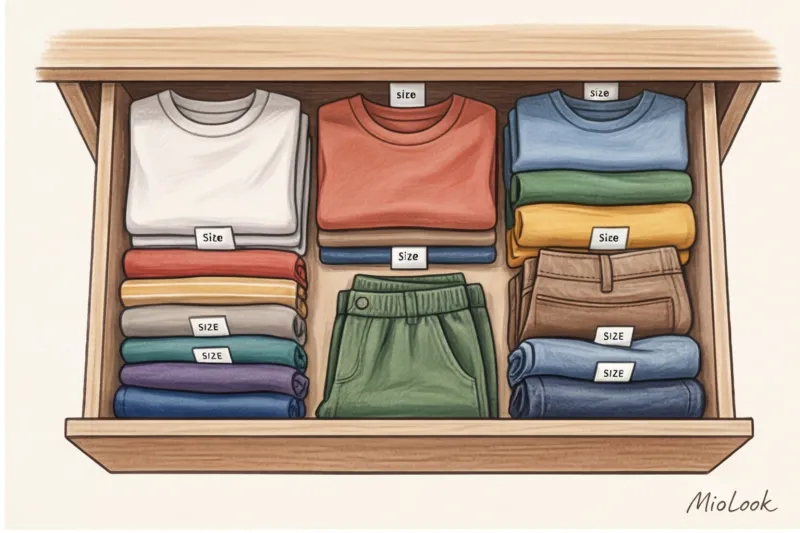
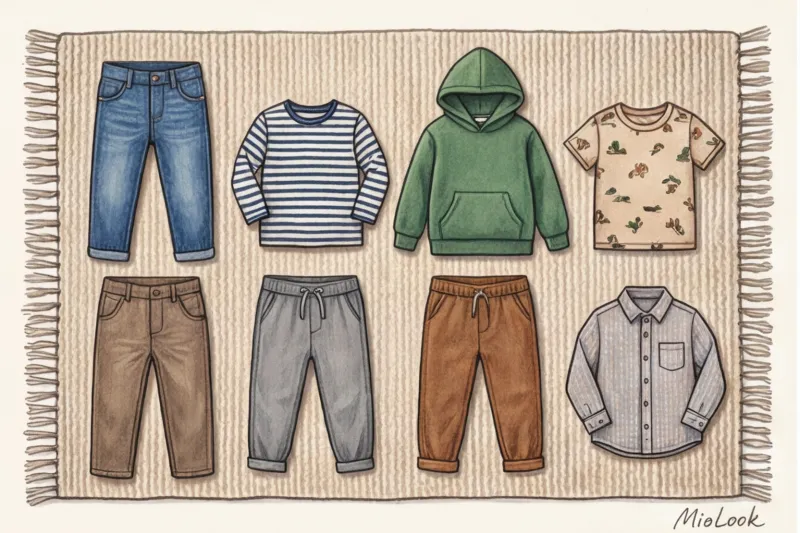
Did you know that a child only needs 12-15 pieces to create a complete wardrobe for the season? The capsule wardrobe concept isn't boring; it's practical. The formula is simple: 3-4 bottoms (jeans, joggers, chinos) + 7-8 tops + 2-3 layers (cardigans, hoodies). When paired correctly, these 12 pieces create over 30 different combinations.
That's why, before the start of each season, I ask my clients to conduct a digital inventory of their closets using an app. MioLook You simply upload a photo of your child's basic items. When you're in the store and see the perfect pair of corduroy pants on sale, you open the app and check to see if you have at least three tops that would go with them. If not, the pants stay in the store.
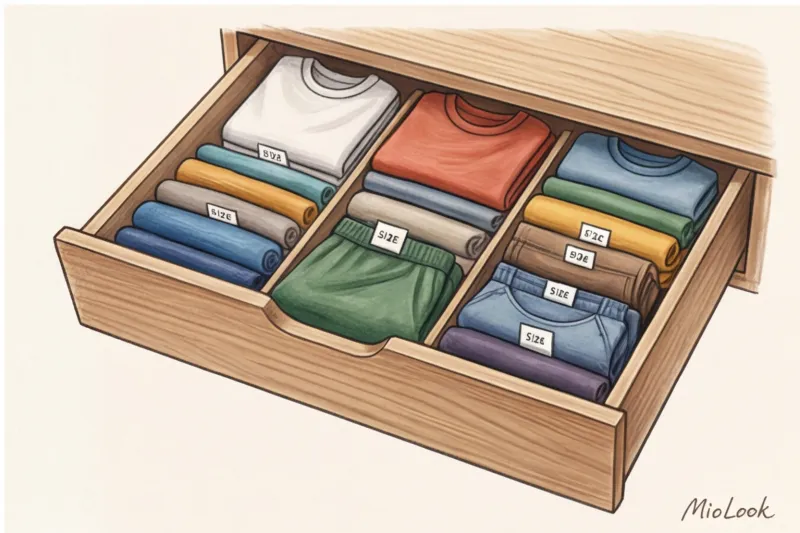
Speaking of colors, if you want your clothes to last longer, choose natural, slightly muted shades: khaki, mustard, terracotta, dusty blue, and marled gray. Even the slightest apple juice stain on crisp white or bright pink will ruin the look. Marled textures are a parent's best friend; they hide minor stains phenomenally well.
Investments and Expenses: Smart Budgeting
No stylist will tell you to buy ALL your clothes at a high price. A wardrobe is a business venture, and it requires its own capital investments and consumables. If we apply a budget matrix, the wardrobe is clearly divided into two categories.
What is safe to save on?
Don't spend a lot of money on something that is at high risk of spoilage.
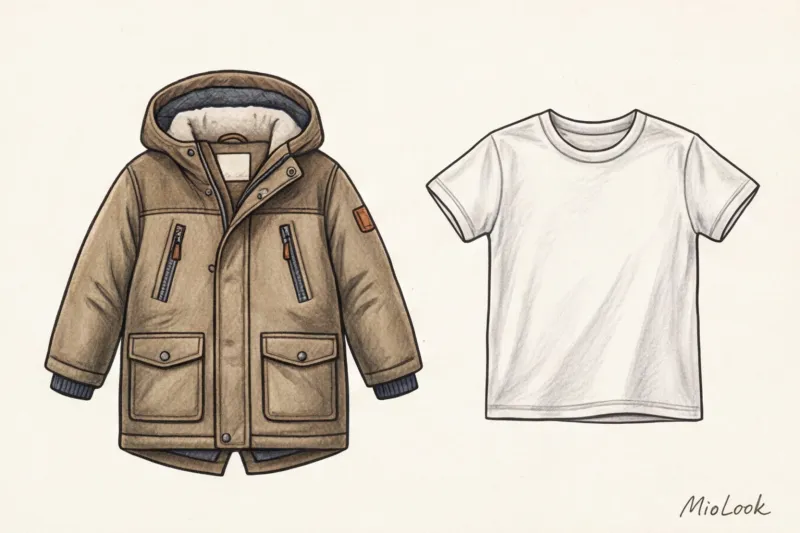
- Underwear and simple T-shirts: They wear out the fastest. Buy them in packs of 5-7 at mass-market stores (H&M, Uniqlo). The key is that they're 100% cotton.
- Dressy clothes: A sequined princess dress or a formal three-piece suit for a matinee will only be worn once, for two hours. This is a classic money-losing pittance. Rent such items or buy them on resale platforms (they're often sold with the tags still attached).
- Ultra-trends: Is your child asking for neon joggers like the blogger's? Buy the cheapest option. The trend will be dead in a month.
Where to invest money (ROI of a children's wardrobe)
These are the positions where quality directly impacts health, comfort and wallet (due to durability).
- Anatomical everyday shoes: This is where saving money comes at a cost. High-quality materials, proper arch support, and a flexible sole are critical.
- Outerwear: A good membrane (from 5000 to 10000 mm of water column) will protect against colds, can be easily wiped clean with a damp sponge, and will maintain a perfect appearance even for resale.
- Denim: Real thick jeans will withstand dozens of falls on the asphalt, while thin jeggings will tear in a week.
Try MioLook
A smart AI stylist will help you create a functional capsule wardrobe for the whole family and stop wasting money on individual items.
Get access — €0.99 onceSmart Parent Checklist: 5 Rules to Follow Before Going to the Store
We're used to thinking that saving money means finding the cheapest price. But in reality, those who save money are those who know how to plan. To summarize, I'd like to share a specific action plan that all my clients implement.
- Take inventory: Never go shopping without first cleaning out your closet. Take everything out, try on any questionable items, and set aside any that don't fit.
- Make a strict shopping list: Write it down specifically: "I need one gray cardigan, two pairs of thick pants." No "I'll look at something for the fall."
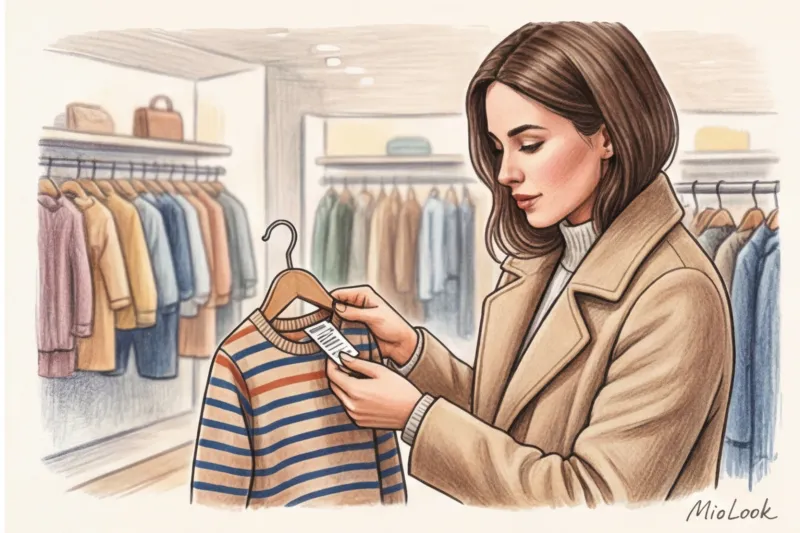
- Look at the tags: Turn a pretty blouse over and read the ingredients. If it's 80% acrylic, return it to the hanger; it'll be covered in pills by the end of the week, despite the beautiful color and the discount.
- The rule of three combinations: If you're holding an item in your hands, ask yourself: what three items from your closet (not from this store!) could your child wear this with? If you can't find the answer in 5 seconds, don't buy it.
- Layer your margin through the style: Look for raglans, elastic waistbands, and dropped shoulders, not just oversized ones.
Saving money on your child's wardrobe doesn't mean depriving them of style or comfort. It means stopping funding factories that produce disposable clothing. Rethink your approach to cut and composition, and you'll be surprised how much less often you'll need to update your child's wardrobe.