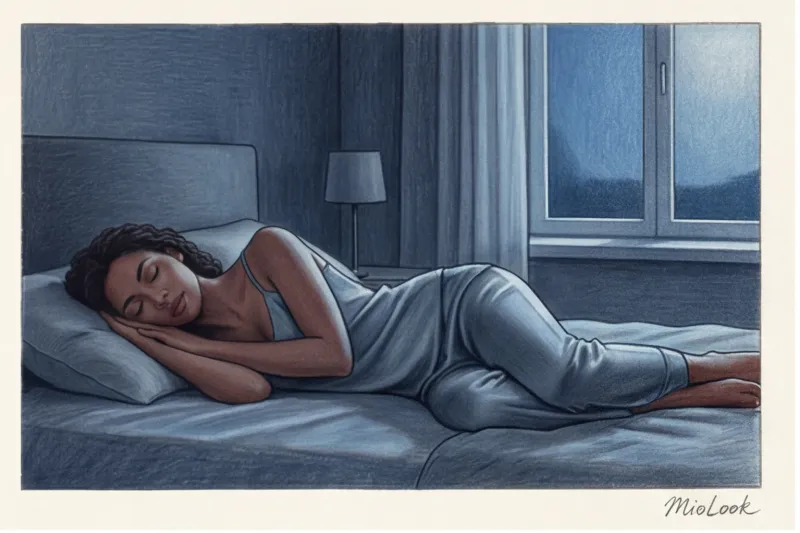
Микроклимат сна: почему так важно знать, как выбрать пижаму
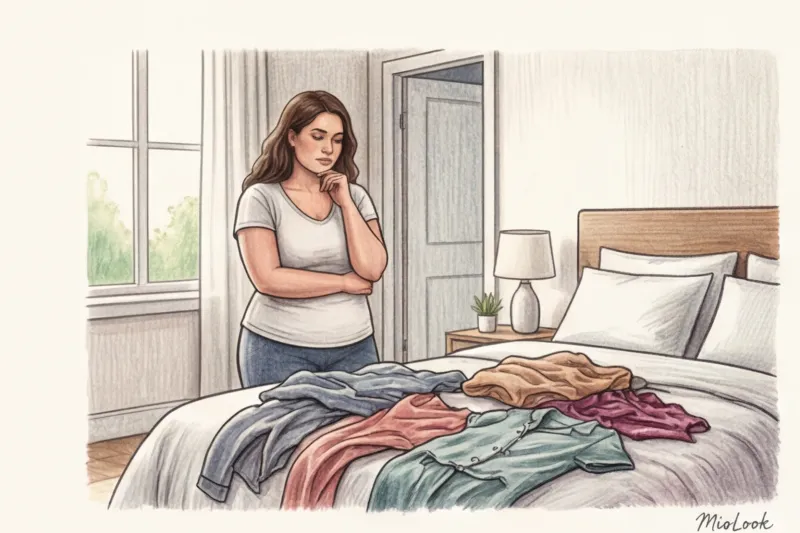
За 12 лет работы стилистом я регулярно наблюдаю одну и ту же картину. При разборе гардероба мы доходим до полки с домашней одеждой, и моя клиентка смущенно прячет выцветшую полиэстеровую футболку или старый трикотажный комплект в катышках. «В ней же меня никто не видит», — обычно звучит в качестве оправдания. Но главная проблема заключается не в том, кто вас видит. Проблема в том, что происходит с вашим телом в следующие 8 часов. То, как выбрать пижаму, влияет на ваше здоровье, качество восстановления и красоту кожи не меньше, чем состав ночного крема за 200 €.
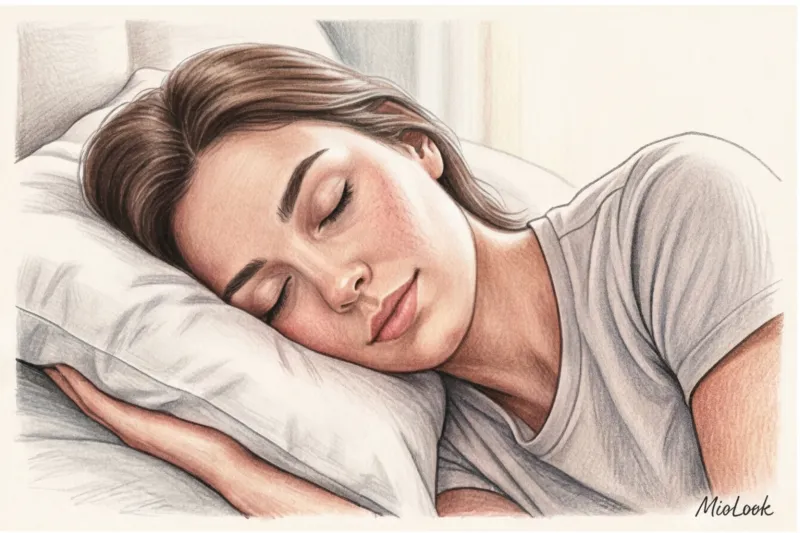
Давайте обратимся к физиологии. Задумывались ли вы, почему к вечеру нас начинает клонить в сон? По данным National Sleep Foundation, для запуска естественной выработки мелатонина температура нашего тела должна снизиться примерно на 1–1,5 °C. Этот процесс терморегуляции начинается ранним вечером и достигает своего минимума к 4–5 утра. Если вы надеваете плотную синтетическую сорочку, которая работает как термос, вы буквально блокируете этот базовый биологический механизм. Организм банально не может остыть, мозг не получает сигнал к переходу в глубокую фазу сна, и в результате вы просыпаетесь разбитой, даже проспав положенные восемь часов.
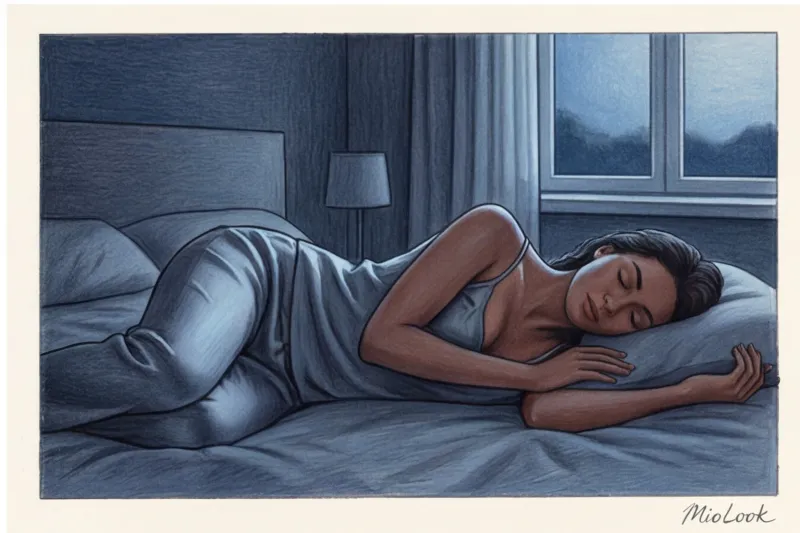
В текстилеведении и сомнологии существует ключевой термин — «микроклимат постели» (Bedding Microclimate). Это то крошечное, изолированное пространство между вашей кожей, пижамой и одеялом. Идеальный микроклимат для глубокого сна держится на трех китах: оптимальная температура (около 28–30 °C под одеялом), низкая влажность и постоянная циркуляция воздуха. Неправильно подобранная ткань мгновенно разрушает этот хрупкий баланс. Каждую ночь человек выделяет до стакана влаги — это абсолютно нормальный процесс. Но если волокна вашей пижамы не способны абсорбировать эту влагу и отводить ее наружу, влажность в микроклимате стремительно растет. Кожа перегревается, поры забиваются, появляется зуд или утренняя отечность.
На моей практике был очень показательный случай. Одна из моих клиенток жаловалась на тусклый цвет лица и хронические мелкие высыпания на зоне декольте и спине, несмотря на то, что инвестировала сотни евро в премиальный уход. Когда мы начали цифровизировать ее капсулы и загружать вещи в приложение MioLook, выяснилось, что она спит в красивых, но 100% синтетических комплектах, имитирующих шелк.
Как неправильная пижама блокирует работу дорогих ночных кремов и сывороток? Механизм предельно прост. Синтетика, не обладая гигроскопичностью, создает на коже непроницаемую пленку — тот самый парниковый эффект. Кожа перестает дышать и начинает активно вырабатывать себум (кожное сало), пытаясь защититься. Ваш дорогой крем с ретинолом, кислотами или пептидами смешивается с потом и себумом, оставаясь на поверхности ткани, а не проникая в глубокие слои эпидермиса. Более того, во влажной теплой среде активные компоненты крема могут окисляться, провоцируя раздражение. Вместо клеточной регенерации вы получаете идеальную среду для размножения бактерий.
Кстати, если вас часто волнует вопрос о том, что дешевит образ, помните: выцветшая, застиранная и синтетическая одежда для сна определенно возглавляет этот список. Элегантность начинается там, где вас никто не видит. Одежда для сна — это не просто эстетический каприз, это ваш ежедневный инструмент биохакинга.
Текстилеведение: лучшие и худшие ткани, когда вы решаете, какую выбрать пижаму
Когда я изучала технологии устойчивого производства тканей на специализированном курсе в Милане, наш преподаватель, текстильный инженер с тридцатилетним стажем, произнес фразу, которая полностью перевернула мое отношение к домашнему гардеробу: «Мы тратим тысячи евро на ортопедические матрасы и сыворотки с ретинолом, а затем сводим их эффект к нулю, заворачиваясь на восемь часов в пластиковый пакет». Понимание свойств волокон — это тот самый научный фундамент, без которого знания о том, как выбрать пижаму, остаются лишь набором разрозненных и часто бесполезных советов из глянца.
Чтобы собрать функциональный ночной гардероб, нам необходимо провести четкую границу между тремя категориями волокон: натуральными, искусственными и синтетическими. Именно здесь кроется самое большое потребительское заблуждение.
Мы справедливо демонизируем синтетику (полиэстер, нейлон, акрил) в контексте сна. Синтетические волокна производятся из нефтепродуктов. Они гидрофобны по своей природе — то есть отталкивают воду. Когда вы спите в полиэстеровой сорочке, ткань не впитывает выделяющийся пот, а запирает его между кожей и тканью. Возникает парниковый эффект: температура тела растет, вы начинаете потеть еще сильнее, микроклимат постели разрушается, а качество сна стремительно падает.
С натуральными тканями (хлопок, лен, шелк) все понятно — они выращиваются в природе, обладают отличной воздухопроницаемостью и считаются золотым стандартом. Но настоящая путаница возникает с искусственными волокнами (вискоза, модал, лиоцелл). Многие по ошибке приравнивают их к синтетике. На самом деле, искусственные волокна создаются человеком, но из абсолютно натурального сырья — древесной целлюлозы. С точки зрения физиологии сна, современные качественные искусственные ткани часто превосходят даже натуральный хлопок.
Идеальная ткань для сна обязана обладать двумя физическими свойствами одновременно: гидрофильностью (способностью быстро впитывать жидкую влагу с поверхности кожи) и гигроскопичностью (способностью поглощать молекулы водяного пара из воздуха и беспрепятственно отводить их наружу). Только этот тандем гарантирует, что вы не проснетесь среди ночи в липком холодном поту.
Шелк: инвестиция в гладкую кожу и волосы
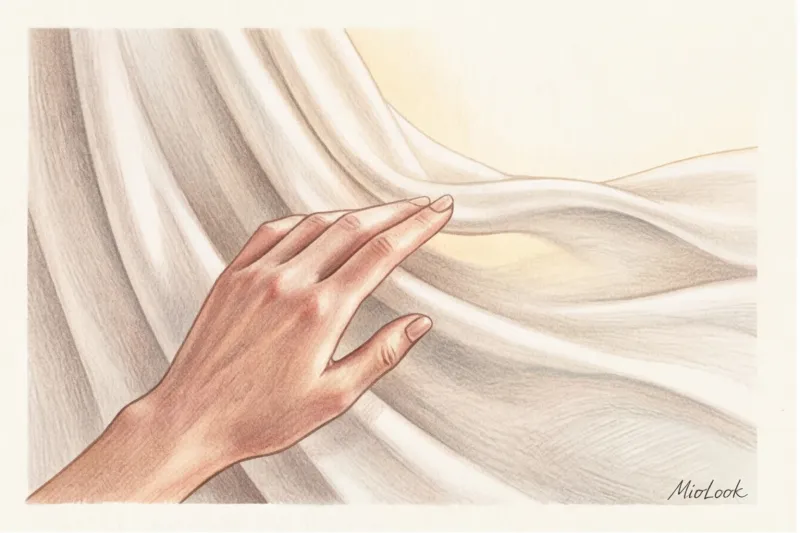
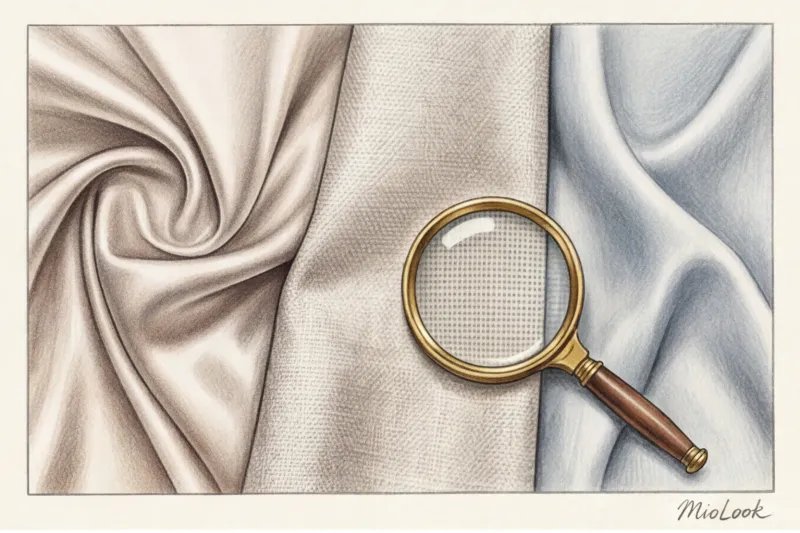
Натуральный шелк — это не просто маркер роскоши или элемент эстетики старых голливудских фильмов. С точки зрения биохимии, шелк представляет собой уникальный белковый коктейль. Волокно тутового шелкопряда состоит преимущественно из двух протеинов — фиброина и серицина, а также содержит 18 незаменимых аминокислот. Структура этих аминокислот поразительно схожа с натуральным увлажняющим фактором (NMF) человеческого эпидермиса.
Что это значит на практике? Хлопок, будучи суперабсорбентом, за ночь буквально вытягивает влагу из вашей кожи и волос, а заодно впитывает дорогие ночные кремы, которые вы нанесли перед сном. Шелк же работает по принципу сохранения: он поддерживает оптимальный уровень гидратации, предотвращая трансэпидермальную потерю влаги. Одна из моих клиенток, страдавшая от постоянных шелушений кожи на плечах и спине в зимний период, полностью решила эту проблему всего за месяц, просто сменив трикотажную хлопковую пижаму на качественную шелковую.
Однако не каждый шелк достоин стать вашей пижамой. В текстильной индустрии плотность и вес шелка измеряются в момми (momme, mm). Один момми равен примерно 4,3 грамма на квадратный метр ткани. Если вы видите в магазине полупрозрачную шелковую сорочку плотностью 12–14 момми, откажитесь от покупки. Такая ткань слишком деликатна: она начнет расползаться по швам уже после третьей стирки из-за естественного натяжения во время сна. Для пижам идеальным диапазоном считается 19–22 момми. Это оптимальный баланс: ткань уже достаточно прочная, чтобы выдерживать ежедневное трение об простыни, но еще не слишком тяжелая и жесткая (как шелк 30 момми, из которого шьют портьеры или плотные жакеты). Качественный комплект плотностью 19-22 момми обычно находится в ценовом диапазоне 150–300 €.
Еще один научно доказанный бонус шелка — предотвращение так называемых «морщин сна» (sleep wrinkles). По данным дерматологических исследований, биомеханический стресс и трение кожи о грубую ткань подушки или воротника пижамы в течение 8 часов приводят к заломам, которые с возрастом превращаются в перманентные морщины. Гладкая поверхность фиброина снижает коэффициент трения на 43% по сравнению с хлопком, позволяя коже буквально скользить по ткани.
Инновационные волокна: Тенсель (Lyocell), Модал и Бамбук
Если шелк для вас — это слишком деликатно в уходе или дорого, на сцену выходят целлюлозные волокна нового поколения. Это абсолютные фавориты современной индустрии одежды для сна (sleepwear) и домашней одежды (loungewear).
Главная звезда здесь — Тенсель (Tencel™). Это коммерческое название запатентованного волокна лиоцелл (Lyocell), которое производит австрийская компания Lenzing. Тенсель создают из древесной массы эвкалипта по экологичной технологии замкнутого цикла: 99% органического растворителя и воды используются повторно. Это делает лиоцелл одним из самых устойчивых и eco-friendly материалов на рынке.
Но почему он так хорош для пижамы? По данным независимых тестов текстильных лабораторий, тенсель превосходит хлопок в управлении влажностью. Гладкая структура его волокон содержит субмикроскопические каналы (нанофибриллы), которые впитывают влагу на 50% больше и быстрее, чем хлопок, и мгновенно выводят ее на поверхность для испарения. Ваша кожа остается абсолютно сухой даже жаркими летними ночами.
Кроме того, эта невероятная система отвода влаги обеспечивает лиоцеллу естественные антибактериальные свойства. Поскольку влага не задерживается на поверхности волокна, бактериям, вызывающим запах пота, попросту негде размножаться. И это достигается исключительно за счет физической структуры ткани, без использования агрессивных и потенциально токсичных химических пропиток (таких как наночастицы серебра или триклозан), которыми часто обрабатывают спортивную синтетику.
Модал (Modal) производится по схожей технологии, но из древесины бука. Он чуть менее прочный во влажном состоянии, чем тенсель, но невероятно мягкий. Часто бренды смешивают модал с небольшим процентом эластана для создания обволакивающих, струящихся комплектов, которые ощущаются на теле как вторая кожа.
Добавляя новые комплекты из инновационных тканей в свой профиль в приложении MioLook, я всегда рекомендую клиентам прописывать в тегах точный состав (например, «100% лиоцелл» или «модал 95%»). Это помогает алгоритмам умного гардероба анализировать износ вещей и предлагать ротацию так, чтобы вы не занашивали любимую, самую комфортную пижаму до дыр.
Доступ к MioLook за €0,99 — разовый платёж
Организуйте свой домашний гардероб и капсулу для сна с помощью AI-стилиста. Удобный учет вещей, статистика составов и планирование образов в один клик.
Открыть доступ — €0,99 разовоХлопок и лен: когда классика работает, а когда вредит
Мы привыкли считать 100% хлопок абсолютным идеалом чистоты и здоровья. На бирках базовых пижам он встречается чаще всего. Но в контексте физиологии сна хлопок имеет один существенный недостаток, о котором редко говорят открыто — это эффект холодного компресса.
Хлопок обладает превосходной гидрофильностью (он отлично впитывает пот), но при этом у него довольно посредственная гигроскопичность в условиях высокой влажности. Это значит, что если вы склонны к ночной потливости (гипергидроз), спите под слишком теплым пуховым одеялом или переживаете гормональные колебания, хлопковая пижама быстро впитает влагу, но не сможет быстро отдать ее в воздух. Ткань намокнет, прилипнет к телу, а когда ваша естественная температура тела под утро снизится, эта влажная материя превратится в ледяной компресс на коже. Результат — прерывистый сон и риск простуды.
Если вы всё же выбираете хлопок, критически важно обращать внимание на тип плетения нитей. В премиальном сегменте (от 80 € за комплект) чаще всего используются три фактуры:
- Перкаль (Percale): крестообразное полотняное плетение. Ткань получается матовой, хрустящей и очень «дышащей». Идеально для тех, кто любит ощущение накрахмаленного отельного белья и нуждается в легком охлаждающем эффекте.
- Сатин (Sateen): диагональное переплетение крученых нитей. Поверхность получается шелковистой и слегка блестящей. Сатиновая пижама драпируется лучше перкалевой, но из-за плотности плетения удерживает чуть больше тепла.
- Фланель (Flannel): хлопок с начесом. Ворсинки на поверхности ткани задерживают микропузырьки воздуха, создавая мощный теплоизолирующий слой. Это строгий зимний вариант для комнат, где температура опускается ниже 18 °C.
А вот лен — это ткань с совершенно иным характером. Главная суперсила льна заключается в его феноменальной теплопроводности. В отличие от хлопка, лен активно забирает тепло от тела и быстро рассеивает его в окружающую среду. По данным исследований микроклимата, температура между телом и льняной тканью в среднем на 3–4 °C ниже, чем под хлопком или вискозой.
Льняная пижама — это спасение для жарких летних ночей в климате без кондиционера. Да, лен мнется, его жесткость поначалу может удивлять (особенно если это недорогой вариант с толстыми нитями), но после каждой стирки пектины в волокнах разрушаются, и ткань становится всё более мягкой. Если вы ищете долговечную инвестицию на лето, ищите пижамы из умягченного (stone-washed) европейского льна — их стоимость обычно начинается от 120 €, но служить они будут десятилетиями.
Анатомия качественной сорочки: швы, крой и фурнитура
Вы можете инвестировать 200 € в роскошный шелковый комплект, но всего одна жесткая нейлоновая нить в боковом шве превратит вашу ночь в пытку. Ткань — это лишь половина успеха. Архитектура изделия решает, проснетесь ли вы отдохнувшей или с красными отпечатками складок на коже.
Когда вы ищете ответ на вопрос, как выбрать пижаму, которая станет по-настоящему «второй кожей», первым делом выворачивайте изделие наизнанку. Мы лежим в одной позе часами, и вес нашего тела непрерывно давит на текстиль. Стандартный выпуклый оверлочный шов, который отлично работает в дневной одежде, ночью действует как микро-терка. Именно поэтому в по-настоящему качественной одежде для сна применяется французский (бельевой) шов, где необработанный край спрятан внутрь, или эластичный плоский шов (flatlock), который вообще не имеет утолщений и сливается с полотном.
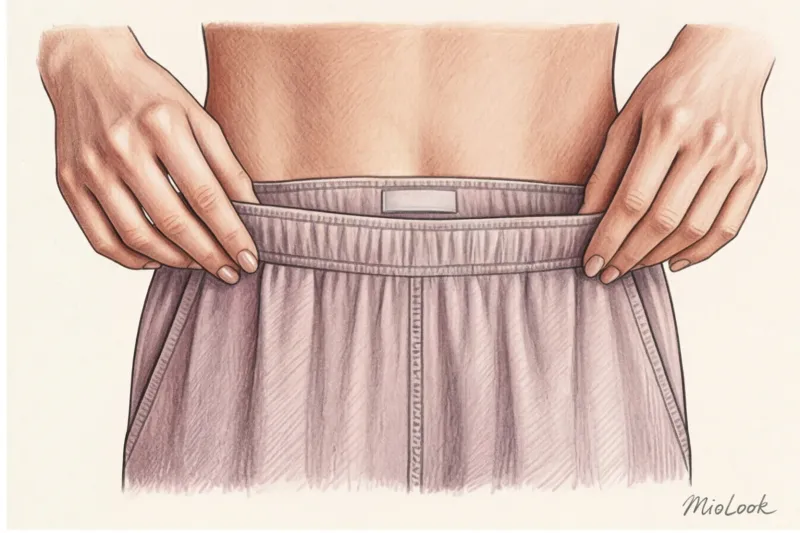
Отдельная категория риска — пояс. Ночью наша лимфатическая система активно работает, выводя накопившиеся токсины, и малейшее пережатие в области талии блокирует этот физиологический процесс. Тугие резинки вызывают локальное нарушение микроциркуляции и лимфотока. Одна из моих клиенток долгое время жаловалась на необъяснимую утреннюю отечность в области живота. Мы просто заменили ее брюки с жестким фабричным поясом на свободную модель с кулиской и мягкой закрытой резинкой — проблема ушла за неделю.
Теперь посмотрим на застежки. Я категорически против металлических кнопок в ночном гардеробе. Во-первых, металл обладает высокой теплопроводностью и моментально остывает, создавая неприятный холодок при смене позы. Во-вторых, если вы привыкли спать на животе, металлическая деталь будет болезненно впиваться в грудную клетку. Безопасная фурнитура — это тонкие пуговицы из натурального перламутра или очень мягкого, податливого пластика. Они слегка гнутся под давлением тела и не оставляют синяков.
Еще одна скрытая угроза кроется в пигментах. Во время сна поры расширяются, мы неизбежно потеем (даже если не замечаем этого), и влага становится идеальным проводником. Дешевые бренды часто используют агрессивные азокрасители (Azo-dyes) для получения глубокого черного или ярких неоновых оттенков. Под воздействием температуры тела эти вещества могут высвобождать ароматические амины. По данным Европейского химического агентства (ECHA) за 2023 год, регулярный контакт с такими соединениями напрямую связан с риском развития тяжелых контактных дерматитов.
Единственный надежный гарант того, что краситель не впитается в вашу кожу за 8 часов сна — это наличие международного сертификата OEKO-TEX® Standard 100 на ярлыке. Он подтверждает, что текстиль протестирован на отсутствие токсичных примесей.
Перед покупкой я всегда провожу тактильный «слепой тест», которому обучаю всех, с кем работаю. Вот мой профессиональный чек-лист для проверки сорочки:
- Тест сгиба локтя: выверните пижаму и проведите самым толстым швом по внутренней стороне локтя (там самая тонкая и чувствительная кожа). Если чувствуете хотя бы легкое царапанье — вещь не подходит.
- Тест натяжения: растяните резинку пояса до максимума. Если она сопротивляется жестко и с усилием, ночью она превратится в жгут.
- Тест фурнитуры: надавите ладонью на пуговицы с изнаночной стороны. Вы не должны чувствовать острых граней.
Когда вы находите бренды, проходящие эту строгую проверку, я советую сразу фиксировать их в своем профиле в приложении MioLook. Добавляя удачные комплекты в свой виртуальный гардероб, ставьте им тег «безопасный сон». Так, при планировании следующих покупок, вы не потратите время впустую и точно будете знать, каким маркам можно доверять свой отдых.
Как выбрать пижаму по физиологическим особенностям и типу фигуры
Психология стилистики учит нас важному правилу: здоровое принятие своего тела начинается с того, что касается вашей кожи, когда вас никто не видит. Долгое время общество диктовало привычку прятать фигуру дома в бесформенные, растянутые футболки. Но правильный крой одежды для сна — это не просто эстетика, это радикальный акт заботы о себе. Физиологически выверенный силуэт буквально снимает вечернее психологическое напряжение. Когда вы перестаете воевать с собственной одеждой, нервная система быстрее переходит в фазу отдыха. Поэтому давайте разберем, как выбрать пижаму, которая будет работать на вашу анатомию, а не против нее.
Первая и главная ловушка — тренд на экстремальный оверсайз. Согласно исследованиям биомеханики сна, взрослый человек меняет позу от 30 до 40 раз за ночь. Если вы спите в рубашке размера XXL при вашем родном M, излишки ткани образуют плотные складки. К трем часам ночи эти «волны» материала перекручиваются вокруг торса или бедер, создавая эффект жгута, который локально нарушает микроциркуляцию крови. Золотой стандарт геометрии ночного гардероба — это строгий баланс. Ищите припуск на свободу облегания в пределах 3–5 см. Этого объема достаточно для беспрепятственной циркуляции воздуха, но недостаточно для того, чтобы ткань начала жить собственной жизнью и душить вас во сне.
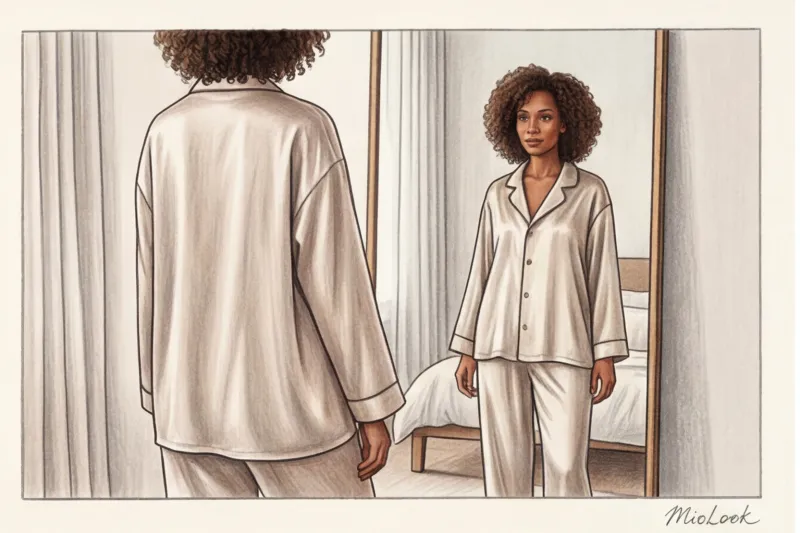
Ваша архитектура тела напрямую диктует конструкцию низа. Например, обладательницам объемных бедер (тип фигуры «груша») или тем, кто спит беспокойно, интуитивно кажутся комфортными ультраширокие брюки-палаццо. На практике же широкие штанины неизбежно задираются до колен при каждом перевороте, сбиваются в плотный ком и давят на подкожные вены. Гораздо более физиологичная альтернатива — свободные джоггеры с широкой, экстремально мягкой трикотажной манжетой на щиколотке. Они надежно фиксируют брючину, не сдавливая лимфатические сосуды.
Что делать, если ваше тело требует узкоспециализированного подхода? Вот три частых сценария из моей практики:
- Гипергидроз (ночная потливость): Здесь важен не только состав, но и способность кроя отводить тепло. Избегайте высоких воротников и плотно прилегающих рукавов. Глубокий V-образный вырез, спущенная линия плеча и расширенная пройма создают так называемый «эффект дымохода», через который избыточное тепло моментально покидает тело.
- Экзема и дерматиты: Главный враг реактивной кожи — трение. Я всегда рекомендую искать сорочки, скроенные по косой (bias cut). Такая вещь струится по изгибам фигуры, а не трется о воспаленные участки. Обычная сорочка за 50 € с правильным косым кроем сработает лучше, чем прямая модель с жесткой посадкой.
- Склонность к акне на теле: Минимизируйте количество конструктивных швов на спине и в зоне декольте. Чем монолитнее спинка изделия, тем меньше механических раздражителей провоцируют высыпания.
Оцифровывая домашние капсулы клиенток в приложении MioLook, я всегда советую оставлять текстовые пометки к вещам: например, «идеальные мягкие манжеты» или «слишком узкая пройма». Эта привычка помогает со временем вычислить ваш персональный эталонный крой и больше не совершать ошибок при покупке.
Доступ к MioLook за €0,99 — разовый платёж
Начните создавать идеальные образы с помощью искусственного интеллекта и организуйте свой домашний гардероб в один клик.
Открыть доступ — €0,99 разовоЭстетика vs Комфорт: где граница между домашней одеждой и пижамой
Работая с домашними капсульными гардеробами, я постоянно сталкиваюсь с одной опасной иллюзией: многие клиенты искренне верят, что уютный костюм для просмотра сериалов на диване автоматически становится хорошим решением для ночного отдыха. Это смешение категорий одежды для отдыха (loungewear) и одежды для сна (sleepwear) — главная причина утреннего дискомфорта.
Хотя масс-маркет часто продает их на одних и тех же рейлах, конструктивно это два совершенно разных мира. Loungewear проектируется для вертикального положения тела и активного бодрствования. В таких вещах есть глубокие карманы, спущенная линия плеча, плотные пояса и декоративные элементы. Sleepwear, напротив, создается с учетом биомеханики спящего человека: лекала рассчитываются на горизонтальное положение, минимизируется количество швов, а ткань кроится по косой для естественного растяжения без добавления синтетического эластана.
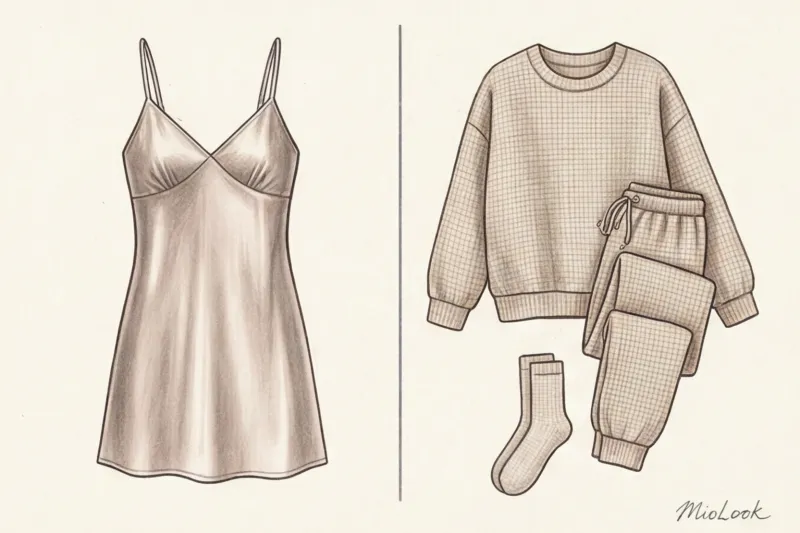
Показательный пример — попытка уснуть в любимых джоггерах из плотного футера. Почему это откровенно плохая идея? Во-первых, плотность такой ткани (обычно от 300 г/м²) неизбежно создает парниковый эффект под одеялом, блокируя естественное снижение температуры тела. Во-вторых, массивные боковые швы, наслоения ткани в районе карманов и тугие эластичные манжеты на щиколотках всю ночь давят на кожу. При длительном компрессионном воздействии это нарушает лимфоток и микроциркуляцию крови — отсюда утренняя отечность и следы от швов на теле.
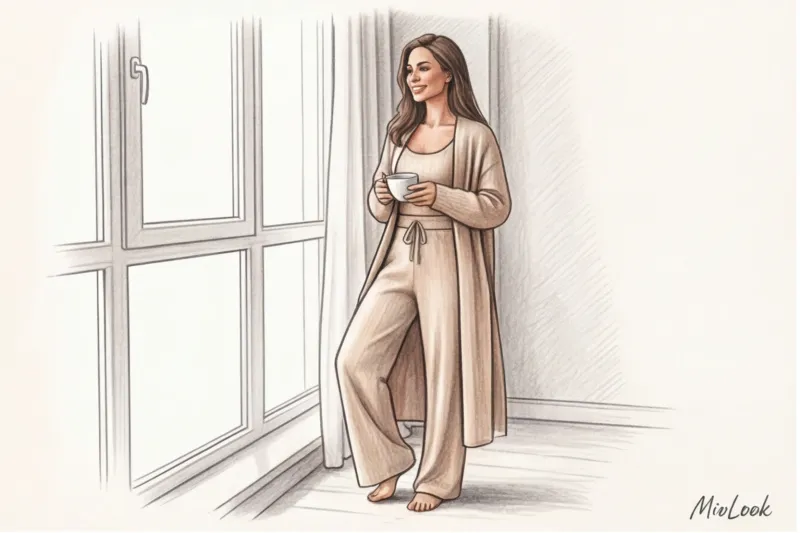
Как же собрать элегантный домашний образ, который не потребует полного переодевания перед сном? Мой любимый стилистический прием — умная многослойность. Стройте домашнюю капсулу вокруг правильной базы для сна.
Наденьте шелковую комбинацию или свободный комплект из тенселя (sleepwear), а поверх накиньте объемный кардиган, структурированное кимоно или плотный хлопковый халат (loungewear). Даже если это премиальный кашемировый свитер за 300 €, его задача — согревать вас вечером с книгой, а перед сном он должен остаться на кресле.
Чтобы не путаться в этих слоях и поддерживать порядок, я рекомендую физически и виртуально разделять эти категории. Создавая карточки вещей в приложении MioLook, используйте разные теги для домашней одежды и пижам. Четкая визуализация вашего ночного гардероба мгновенно покажет, хватает ли вам правильной базы, и избавит от соблазна лечь спать в худи просто потому, что вам было лень переодеваться.
Экологичность и уход: как продлить жизнь премиальной пижаме
По статистике Института ухода за текстилем (WFK), более 60% премиальных домашних вещей приходят в негодность не из-за физического износа, а в результате «химических ожогов» при неправильной стирке. Когда клиентки жалуются, что дорогая ночная сорочка за 150 € вдруг начала неприятно липнуть к телу и «парить», я первым делом спрашиваю, чем они ее стирают.
Реклама приучила нас щедро использовать ароматизированные ополаскиватели для мягкости белья. Однако с точки зрения текстильной химии это настоящая катастрофа для деликатных волокон. Кондиционеры работают за счет осаждения катионных ПАВ и тяжелых силиконов на поверхности ткани. Они буквально запечатывают микропоры шелка и лиоцелла плотной водонепроницаемой пленкой. В результате ткань навсегда теряет свою гидрофильность и воздухопроницаемость — те самые ключевые свойства, ради которых мы изначально тщательно изучали, как выбрать пижаму для здорового сна.
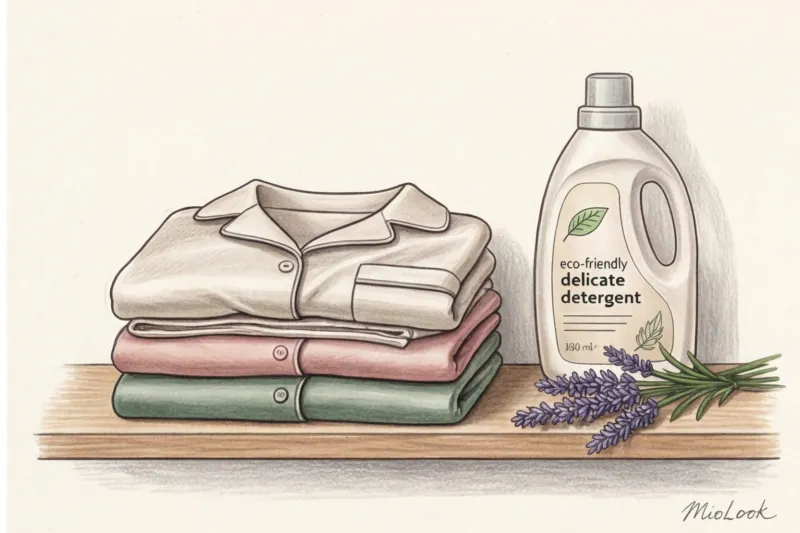
Второе строгое правило технологов касается энзимов (ферментов) в средствах для стирки. Если вы посмотрите на состав качественного современного порошка, то почти наверняка найдете там протеазу, амилазу и целлюлазу. Для вашей классической хлопковой пижамы энзимы — спасение: они бережно и эффективно расщепляют органические загрязнения (пот, кожный себум) даже при 30 °C. Но для натурального шелка энзимы категорически запрещены.
Дело в том, что шелк состоит из животного белка фиброина. Протеаза, главная задача которой — уничтожать белковые пятна, не видит разницы между каплей утреннего кофе с молоком и самой тканью. Она планомерно разъедает нити изнутри. Достаточно 5–7 стирок обычным энзимным гелем, чтобы плотный премиальный шелк начал расползаться по швам.
Грамотный уход напрямую связан с осознанным потреблением и снижением экологического следа. По данным глобального отчета Textile Exchange (2023), на выращивание и производство одного килограмма хлопка может уходить до 10 000 литров пресной воды. Если вы инвестируете в одну качественную пижаму из лиоцелла (производство которого требует в 20 раз меньше воды благодаря замкнутому циклу обработки) и правильно за ней ухаживаете — стираете жидкими pH-нейтральными средствами без силиконов — она прослужит вам не менее 3–4 лет. За это же время дешевый масс-маркет хлопок истончится, потеряет форму и потребует замены минимум трижды. Математика устойчивого гардероба предельно прозрачна: покупка одной долговечной вещи экономит планете тысячи литров воды.
Чтобы не держать в голове все химические нюансы и продлить жизнь премиальному текстилю, я советую фиксировать правила ухода сразу после покупки. Добавляя новые вещи в свой цифровой гардероб в MioLook, обязательно прописывайте в заметках: «стирать только спецсредством для шелка, без кондиционера». Это навсегда избавит вас от необходимости расшифровывать полустертые иероглифы на ярлычках перед каждой стиркой.
Ваш идеальный образ
начинается здесь
Присоединяйтесь к тысячам пользователей, которые каждый день выглядят безупречно с MioLook. Организуйте гардероб, составляйте капсулы и ухаживайте за вещами правильно.
Открыть доступ — €0,99 разовоКапсула для сна: собираем идеальный ночной гардероб
Математика рационального гардероба работает даже ночью. Одно из самых частых заблуждений в моей практике — купить одну дорогую вещь для сна и носить ее неделю подряд. Строгое правило гигиеничной ротации и осознанного потребления — это формула «трех комплектов».
Один комплект сейчас на вас, второй отправлен в стиральную машину, а третий «отдыхает» на полке. Зачем нужен этот отдых? Текстильные исследования показывают, что любому натуральному волокну — будь то шелковая нить, хлопок или тенсель — требуется от 24 до 48 часов, чтобы восстановить свою эластичность на молекулярном уровне и полностью избавиться от остаточной микро-влаги. Если игнорировать этот этап и носить вещь нон-стоп, ткань истончается и теряет форму на 40% быстрее.
Когда вы анализируете, как выбрать пижаму для круглогодичной базы, ориентируйтесь не на погоду за окном, а на стабильный температурный режим вашей спальни. Идеальная капсула для сна должна быть компактной, но взаимозаменяемой:
- Летний оптимум: Комплект из шорт и свободного топа на тонких бретелях. Лучший выбор здесь — тенсель или смягченный лен, которые моментально отводят тепло от тела.
- Зимняя база: Свободные брюки и рубашка с длинным рукавом. Советую избегать чистого хлопка; лучше найти фланель с добавлением модала — она согревает, но не создает парникового эффекта под одеялом.
- Демисезонная классика: Универсальная шелковая сорочка длины миди или костюм из бамбукового трикотажа с рукавом 3/4.
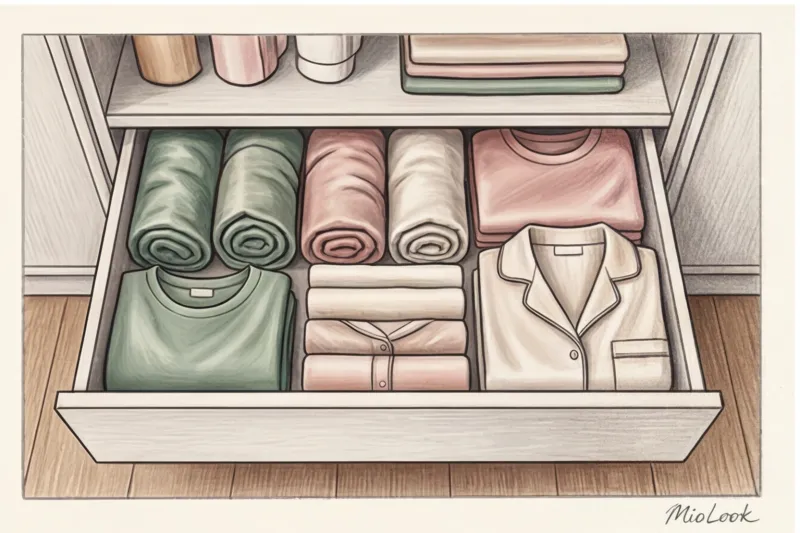
Стилистический лайфхак: собирайте сезонные вещи в единой цветовой гамме. Например, пудровые летние шорты будут отлично работать в паре с пыльно-розовой зимней рубашкой в нестабильные переходные периоды, когда ночью то жарко, то холодно.
Вместо того чтобы захламлять ящики комода растянутыми футболками, выделите бюджет в диапазоне 150–300 € на три действительно качественные позиции. А чтобы эта система работала без сбоев, ее нужно визуализировать. Я настаиваю, чтобы клиенты загружали свои спальные сеты в приложение MioLook, создав отдельный тег «Ночной гардероб».
Такой цифровой учет позволяет наглядно отслеживать износ вещей: показатель Cost Per Wear (стоимость одного надевания) для хороших пижам окупается быстрее всего в гардеробе. Кроме того, приложение помогает спланировать точечное обновление капсулы ровно до того момента, как ваша любимая сорочка окончательно потеряет свой лоск. Настоящее устойчивое потребление начинается с честной инвентаризации.
Резюме-чеклист: 5 шагов перед покупкой вашей идеальной пижамы
Вы стоите в примерочной или только что распаковали долгожданный онлайн-заказ. У вас есть ровно три минуты до того, как срезать бирки и безвозвратно принять вещь в свой гардероб. Как понять, станет ли эта сорочка вашим любимым спутником в царство Морфея, или превратится в ночное орудие пыток? Знать, как выбрать пижаму в теории — это половина дела. На практике вам нужен жесткий физический фильтр.
Мой авторский протокол проверки, который я прошу применять каждую клиентку после шопинга, отсеивает около 70% ассортимента даже в сегменте премиум. И это абсолютно нормально. Вот 5 шагов, которые уберегут вас от разочарований и пустой траты денег:
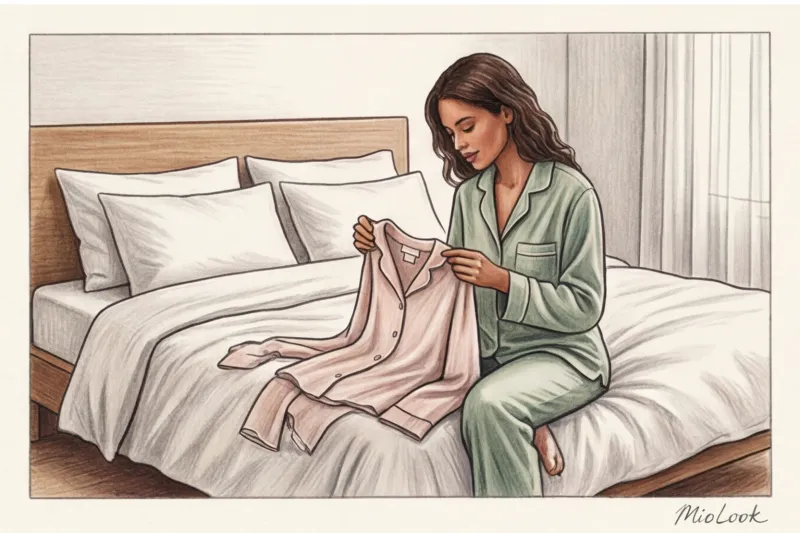
- Проверка состава (правило 80/20). Игнорируйте крупные маркетинговые надписи «Eco» или «Silky touch» на картонной этикетке. Ищите только вшитый ярлык в боковом шве. Ваш строгий минимум — 80% натуральных (шелк, хлопок, лен) или целлюлозных (тенсель, модал, купра) волокон. Почему допускаются 20% синтетики? Эластан в микродозах необходим для того, чтобы трикотаж не вытягивался на коленях, а полиамид повышает прочность тонких тканей. Но если полиэстера больше 20%, вещь неизбежно нарушит терморегуляцию. Возвращайте ее на полку.
- Оценка тактильности швов на сгибе локтя. Большинство покупателей проверяют мягкость изделия, просто проводя по нему ладонью. Это фатальная ошибка: кожа на наших руках слишком грубая для адекватной оценки. Выверните брюки наизнанку и с силой прижмите оверлочный шов к внутреннему сгибу локтя или к запястью. Кожа в этой зоне имеет толщину всего около 0,5 мм и реагирует так же чутко, как шея или внутренняя поверхность бедра. Если вы чувствуете малейшее покалывание от нейлоновой нити сейчас, за 8 часов непрерывного трения оно превратится в красное пятно.
- Проверка эластичности пояса («тест двух пальцев»). За ночь человек бессознательно меняет позу от 20 до 40 раз. В таких условиях жесткая резинка становится главным врагом вашей лимфатической системы. Растяните пояс руками: он должен быть широким (не менее 3–4 см) и возвращаться в исходную форму плавно, без резкого щелчка. Наденьте брюки: между животом и тканью должны свободно проходить два пальца. Если после пяти минут примерки на теле остается хотя бы бледный след — модель вам категорически не подходит, даже если ценник на ней 250 €.
- Гравитационная оценка (вес ткани). Качественный текстиль для отдыха обязан струиться. Возьмите рубашку за плечевые швы, встряхните и оцените ее вес. Слишком легкий, «бумажный» ситец будет сбиваться в жесткие жгуты под спиной при каждом повороте. Слишком тяжелый футер создаст ощущение мышечной скованности. Оптимальная ткань имеет достаточный собственный вес, чтобы ложиться мягкими фалдами и послушно следовать за движениями тела, не сопротивляясь им.
- Сверка с температурным режимом вашей спальни. Это самое частое слепое пятно при покупке. Если у вас стоят смарт-термостаты на +18 °C и вы спите под тяжелым пуховым одеялом, вам совершенно не нужна плотная фланелевая пижама — вы проснетесь в испарине. В таком случае идеальным выбором станет тонкий батист или шелк-атлас. Если же вы спите с открытым окном при +15 °C под легким хлопковым пледом — вас спасет только плотный трикотаж или микрофлис. Всегда калибруйте покупку не под сезон за окном, а под стабильный микроклимат вашей кровати.
Сон — это единственное время суток, когда ваша одежда не должна выполнять никаких социальных или репрезентативных функций. Ее единственная задача — безупречно служить вашему телу, оставаясь абсолютно незаметной.
Проведя ревизию домашнего гардероба по этому алгоритму, оставьте только то, что проходит тест на 10 из 10. А чтобы в будущем не совершать импульсивных покупок, я рекомендую оцифровать свою капсулу для сна в приложении MioLook. Так вы всегда будете точно знать, сколько идеальных комплектов у вас уже есть, и сможете вовремя планировать обновление ночного гардероба, инвестируя исключительно в вещи бескомпромиссного качества.
Главы гайда
Идеальная пижама для чувствительной кожи: как выбрать
Правильная одежда для сна — это базовая гигиена, а не роскошь. Узнайте, как гипоаллергенные ткани и бесшовные модели спасают от высыпаний и раздражений.
Как стирать шелковую пижаму: уход за деликатной тканью
Шелк требует особого отношения, ведь по структуре он похож на человеческий волос. Рассказываем, как ухаживать за премиальной домашней одеждой, чтобы она служила годами.
Как выбрать качественную пижаму: чек-лист перед покупкой
Мы часто инвестируем в деловой гардероб, но забываем про одежду для сна. Сохраните чек-лист, который поможет найти вашу идеальную пижаму.
Пижама для полных женщин: как выбрать одежду для сна
Забудьте о бесформенных ночнушках и старых футболках. Узнайте, как подобрать красивую и эргономичную одежду для сна, которая подарит вам настоящий комфорт.
Красивая ночная сорочка: как выбрать удобное белье для сна
Думаете, соблазнительное белье создано только для красоты, а спать лучше в старой футболке? Рассказываем, как выбрать роскошную сорочку, которая ощущается как вторая кожа.
Пижама из тенселя: почему она лучше хлопка?
Традиционный хлопок уступает место инновационным материалам. Узнайте, почему одежда для сна из тенселя и модала — лучшая инвестиция в ваш здоровый сон.
Как красивая одежда для сна влияет на самооценку
Готовы тратить тысячи на офисные луки, но спите в старой футболке? Узнайте, почему красивая пижама — главный индикатор истинной любви к себе.
Шелковая пижама: польза для красоты кожи и волос
Шелковая пижама — это не просто роскошный атрибут, а важная часть бьюти-рутины. Выясняем, как правильная ткань для сна продлевает молодость.
Домашняя одежда или пижама: как разделить гардероб
Эстетика круглосуточного ношения шелковых пижам — лишь иллюзия из соцсетей. Разбираемся, почему гардероб для сна и отдыха нужно строго разделять.
Теплая пижама на зиму: фланель, флис или футер?
Устали просыпаться в поту из-за слишком плотной пижамы? Разбираем, как работают фланель, флис и футер, чтобы ваш зимний сон был по-настоящему комфортным.
Пижама на лето: охлаждающие ткани для сна в жару
Привычный 100% хлопок — не всегда лучший выбор для душных ночей. Разбираем, из каких тканей шьется идеальная одежда для сна, которая реально охлаждает.
В чем полезнее спать женщине: пижама или без одежды?
Выбор одежды для сна влияет на здоровье и то, как вы выглядите утром. Разбираемся, что выбрать: пижаму, сорочку или сон без одежды.