The Anatomy of a Perfect Investment: What Makes Basic Bags Last?
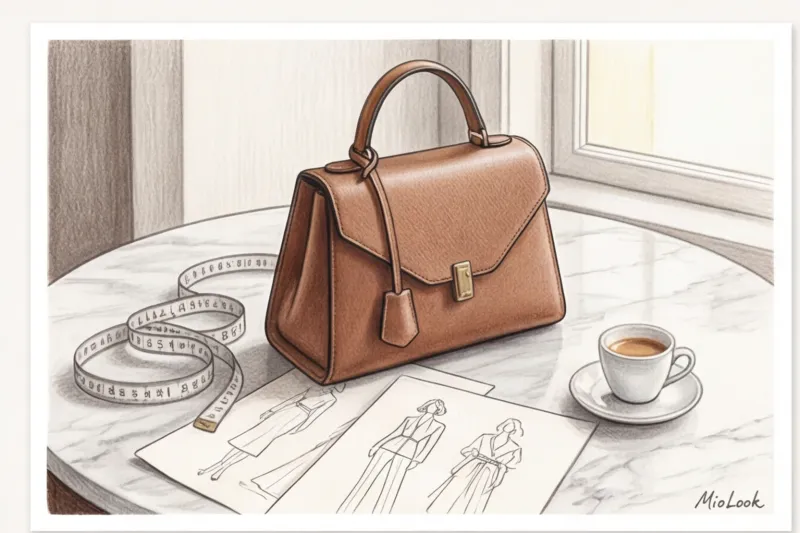
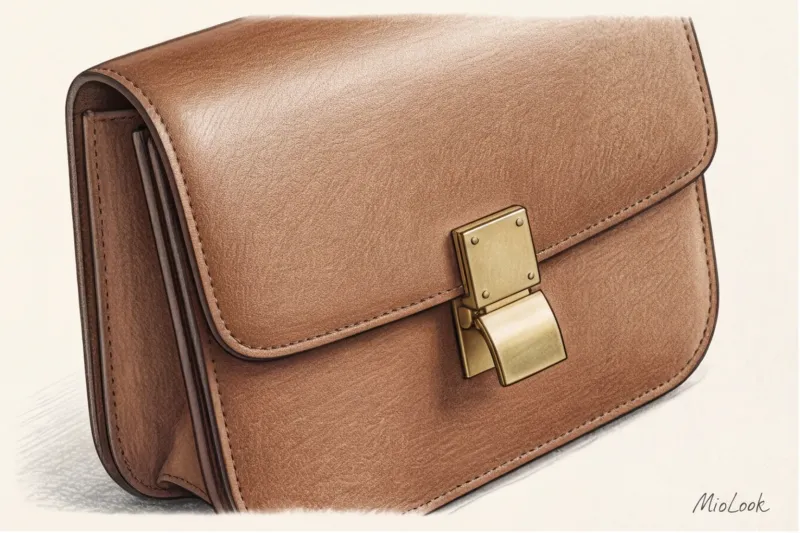
A few years ago, while putting together an investment wardrobe for a client, I found myself in a historic tannery in Florence. The master, Signor Alessandro, handed me a freshly finished travel bag. I closed my eyes and simply listened: the heavy, dull metallic click of the cast brass lock, the pleasant heaviness of the piece in my hands, and the subtle, noble aroma of vegetable tanning. That sound and that weight instantly distinguish a premium investment from a seasonal, one-off piece. It was then that I was finally convinced: the right ones basic bags It's more than just a utilitarian object where we stash our keys and phone. It's a complex architectural structure that brings the entire look together.
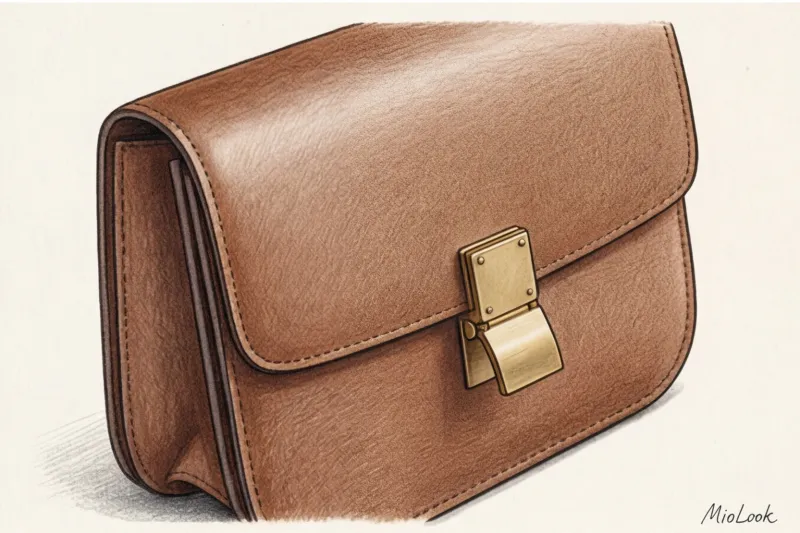
Let's be honest: the "Genuine Leather" label on a tag is one of the main marketing gimmicks of the mass market. In the professional tannery ranks, this is the lowest grade of raw material—split leather generously coated with polyurethane to create an artificial texture. Such a bag will be covered in creases within a season. Premium base leather is always made of Full-grain leather (grain leather). Natural pores are visible on it, and it ages beautifully, acquiring a noble patina rather than peeling off in patches.
Have you noticed how quickly the handles on inexpensive bags crack and crumble? It's all due to the edge finishing—the so-called edge paint In mass-market factories, the leather edge is simply sealed with a thick layer of cheap rubber sealant. In the luxury segment, the edge is sanded, and 5 to 7 ultra-thin layers of special paint are applied by hand, each layer baked and polished. This painstaking work ensures that your bag handles will remain flawless even after five years of daily wear.
Let's move on to the visual code. If you want an accessory to last for years, avoid flashy logos and recognizable monograms. True, quiet luxury whispers, not shouts. A prestigious piece is recognized by its impeccable geometry, quality stitching, and silhouette (think of iconic models from The Row or Valextra). A logo-free bag will never go out of style and won't betray the year it was purchased.
Another immutable rule of an investment bag is a rigid frame. Place your bag on a table. If it instantly collapses, turning into a shapeless sack, it's not a basic bag. Basic bags should hold their shape even when completely empty. Rigid geometry adds a sense of collectedness and status to any look, even the most relaxed one with jeans and a white T-shirt. Soft hobo bags have a place in a wardrobe, but they will never become its foundation. We discussed how to build the core of your looks in more detail in the article about capsule wardrobe and a guide to creating one.
Hardware and lining: hidden status markers
My clients are often surprised when, while shopping, the first thing I do is look inside the bag and check the zipper. Hardware is a litmus test for quality. Cheap zippers snag and scratch your hands, while premium brands use polished teeth (often from Riri or Lampo) that glide like butter. Pay attention to the strap's snap hooks: they should be solid, with a tight spring. And the metal feet on the bottom of the bag (the "dimples") aren't just decorative; they protect your investment from scratches when you set it down on the floor in a restaurant or office.
The lining is a story about self-respect. The brand is visible to others on the outside, but what's inside is felt only by you. Cheap, rustling polyester can ruin the impression of even the most expensive leather. The right basic bag will feature a lining of dense cotton (canvas), velvety microfiber, or genuine suede.
And finally, the most frequently asked question during my consultations: "Julia, how do I wear a bag with gold hardware if my favorite watch or rings are silver?"
Forget the 1990s rule that metals must strictly match. Today, pairing warm gold and cool silver in a single look is a sign of sophisticated, confident style. When in doubt, choose bags with champagne-colored or aged brass hardware—they act as the perfect bridge between any jewelry. And to see how a new bag with a gold buckle will fit into your wardrobe in advance, I recommend digitizing your belongings. Upload a photo of your potential purchase to MioLook app and create a couple of virtual collages with your favorite coat and watch—you'll immediately see how harmonious the look comes together.
The Biggest Myth: Why a Basic Black Bag Isn't Always the Best Choice
"I'll buy black, it goes with everything"—that's the phrase I hear from nine out of ten new clients during my first consultation. Over the years of working as a fashion consultant, I've come to a clear conclusion: blind faith in the versatility of black is the main reason why expensive pieces sometimes look flat and dull. Yes, the legendary black Chanel 2.55 or a strict business tote from Prada are undeniable classics. But when it comes to everyday essentials, black conceals a serious optical trap.
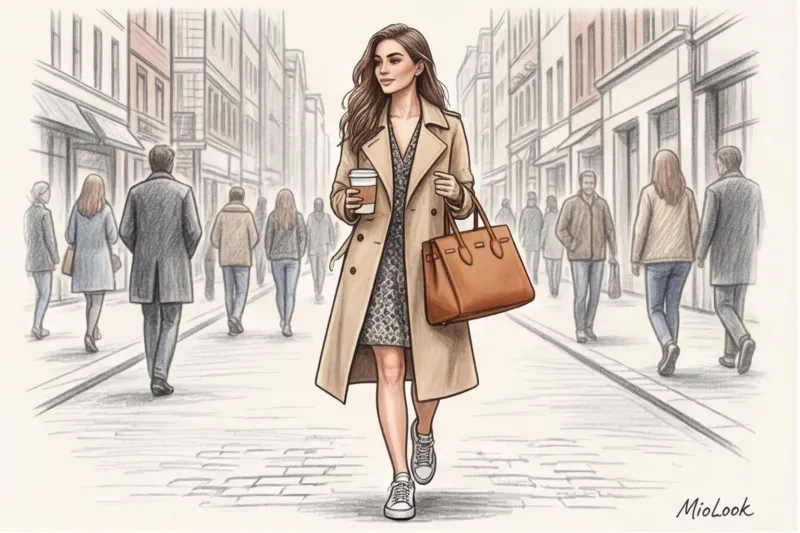
In styling and color, there's a concept called "visual weight." Black pigment is incredibly dense, completely absorbing light. Imagine your typical look for a warm fall or cool spring: a camel-colored trench coat, a light cashmere sweater, and classic dusty blue denim. If you add a chunky black bag to this ensemble, it will act as a black hole. It will visually "cut" the light and pastel palette, creating a harsh, unjustified contrast and drawing all the attention to itself. Instead of a cohesive, expensive silhouette, the viewer sees the bag as a separate entity, and you as a separate entity.
The color of a basic accessory shouldn't clash with your wardrobe. Its purpose is to serve as a soft link between the textures of your outerwear and shoes. Black accomplishes this flawlessly only in one case: if you're wearing a total monochrome or grunge look.
I had a revealing case in my practice. Last season, we conducted a wardrobe audit with Anna, a top manager at an international IT company. Her request was "high-status yet relaxed minimalism." Her capsule wardrobe was dominated by luxurious textures in shades of ecru, oatmeal, and light taupe. She also wore a stiff black Saffiano leather shopper bag, purchased for $2,800, every day. The bag was of excellent quality, but against the soft light cashmere, it looked like a heavy, foreign brick. As soon as we replaced it with a structured model in a complex taupe shade, the wardrobe instantly came together. The looks instantly acquired that signature "quiet luxury" aesthetic, and the contrast softened without any additional investment in clothing.
If not black, what should you invest in? I highly recommend building a base around so-called "new neutrals." They look much more sophisticated and refined:
- Burgundy (Bordeaux): An absolute favorite of recent seasons, it has proven its timeless appeal (remember the triumph of the deep red Rosso Ancora at Gucci). This shade works as a luxurious neutral: it pairs beautifully with gray mélange, navy, beige, and khaki.
- Taupe: The perfect balance between gray and brown, it's a true chameleon that adapts to the warmth of your look without ever looking harsh.
- Dark Chocolate: A softer, more sophisticated alternative to black for the winter capsule collection. Unlike black, deep brown doesn't create harsh shadows against light-colored pieces and looks stunning with suede.
- Deep Emerald: A hidden gem for an investment wardrobe. It looks perfect on smooth, polished leather (spazzolato) and adds just the right amount of color without being overly bright.
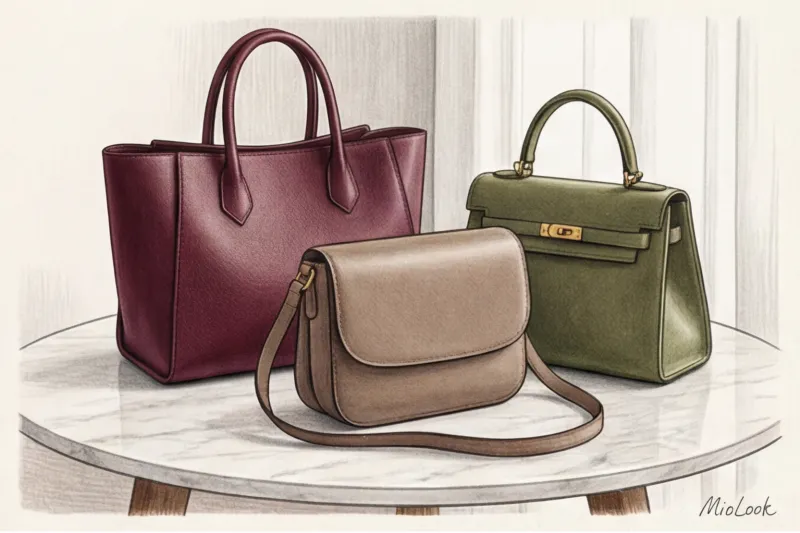
An interesting technological nuance that's rarely discussed: the process of tanning and dyeing natural leather (especially full-grain) in light or burgundy shades requires more careful selection of hides. Such pigments can't conceal minor surface imperfections as effectively as a dull black dye. When purchasing a premium bag in taupe or burgundy, you're more likely to receive premium leather.
How do you choose the perfect color from this alternative palette? The key lies in the dominant color scheme of your clothes. To accurately determine the "temperature" of your closet, I recommend loading your essential pieces into MioLook By analyzing your virtual shelf, you'll clearly see which shades are most abundant.
- If your closet is dominated by warm earth tones (caramel, terracotta, olive, warm beige) - make a long-term bet on dark chocolate or burgundy.
- If your base is built on cold palette (graphite, snow white, icy blue, pure blue) - your best investment will be taupe or deep emerald.
- If you prefer total looks in in light pastel colors — Choose a bag 2-3 shades darker than your main outfit (for example, dark taupe) to create a neat frame for your silhouette without overloading it.
Access to MioLook for €0.99 — one-time payment
A smart AI stylist will select the perfect look.
Get access — €0.99 onceCost-per-Wear Matrix: How to Justify the Cost of a Basic Bag
Have you ever noticed the financial paradox: we happily spend $150 on a new mass-market bag every six months, but buying a quality accessory for $900 seems like an unaffordable luxury? According to Business of Fashion (2023), women spend three times more on cheap, one-time accessories than they would if they had built a quality wardrobe core from the start. To eliminate this illusion of savings, I use a rigorous mathematical approach in my consulting practice.
We are talking about the index Cost-per-Wear (CPW) — the actual cost of one output. The formula is extremely simple: Price ÷ Number of Outputs = CPW This calculation helps you understand why premium basic bags are more affordable than an endless string of compromise purchases.
Cheap accessories carry colossal hidden costs. After just three or four months of active wear, irreversible processes begin: the design of the item collapses, the bag loses its shape, the rubber edge paint on the handles cracks, and the "gold" hardware oxidizes and develops a coppery undertone. But the biggest loss is the devaluation of your entire look. A shapeless polyurethane accessory instantly cheapens even a perfectly tailored trench coat or an expensive cashmere coat. You're systematically downgrading your style, at the expense of your money.
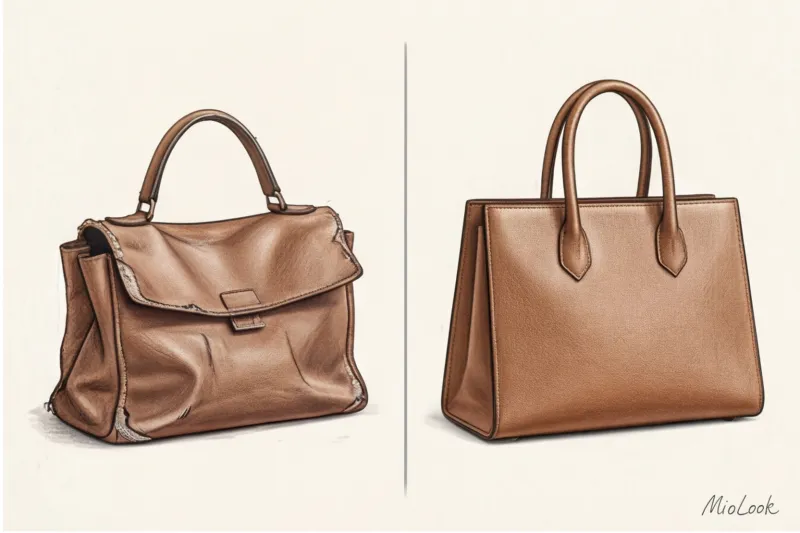
Let's look at the raw numbers and compare two consumption strategies over a five-year period:
| Parameter | Mass market (Fast Fashion) | Premium investment |
|---|---|---|
| Starting price | $150 (replacement every 6 months) | $900 |
| Service life | 6 months (about 100 outputs) | 5 years (about 1200 releases) |
| Total expenses for 5 years | $1500 (10 replacement bags) | $900 (1 bag that still looks good) |
| Cost-per-Wear (CPW) | $1.50 per exit | $0.75 per exit |
Beyond the obvious mathematical benefits, there's the often-overlooked concept of the secondary market. According to an analytical report The RealReal Luxury Resale Report 2024 High-quality, basic, rigid-framed bags from established premium brands (e.g., Celine, Loewe, Saint Laurent) reliably retain 60% to 80% of their original value. This means that even if you decide to change your wardrobe style in a few years, you can sell the bag on a resale platform and recoup a significant portion of your investment. Mass-market bags, on the other hand, have absolutely zero liquidity from the moment the receipt is scanned at the checkout.
To stop buying useless items, start tracking how often you actually use your clothes. I always recommend digitizing your looks and adding an accessory capsule to your wardrobe. MioLook smart wardrobe The app's statistics will clearly show you the truth: that "unaffordably expensive" bag is worn 200 days a year, fully paying for itself, while those impulse buys, cheap and cheap, gather dust on the top shelf, increasing their CPW with every day they're idle.
The Three Bag Formula: Essential Bags That Form the Core of Your Wardrobe
According to a large-scale consumer habits study conducted by Business of Fashion analysts in 2023, the average city dweller owns eleven bags, but uses only two of them 80% of the time. This classic example of the Pareto principle in wardrobe styling perfectly illustrates the paradox of choice: the more random items we own, the more difficult it is to create a cohesive look. That's why, in my styling practice, I've introduced a strict rule that initially provokes slight resistance from my clients, but eventually brings immense relief.
I never build a wardrobe of more than three bags at the start. We collect basic bags Based on the principle of strict functionality, we master this core, learn to integrate it into 100% of our looks, and only then, if the need arises, expand the collection. Of course, I'm honest with my clients and acknowledge the limitations of this method: if you're a professional tennis player or fly weekly on business trips, you'll inevitably need a fourth, highly specialized bag—a sports duffel or a well-designed carry-on. But for the daily routine of 95% of women, the "rule of three" covers absolutely all needs, eliminating morning stress.
Before we move on to specific styles, it's important to address a critically important and often overlooked aspect: scale and proportion. The size of your bag should be chosen not only based on the amount of items you plan to carry, but also strictly in line with your height and bone structure. The most common and visually damaging mistake I see on the street is petite women (under 160 cm) carrying oversized, shapeless tote bags. A huge bag next to a petite figure acts as an optical anchor: it pulls the silhouette down, visually shortens the legs, and adds a heavy gait. If you're petite, the width of your everyday bag should rarely exceed 32–35 cm. Leave oversized bags to tall women with prominent features, and opt for a well-defined, geometric shape.
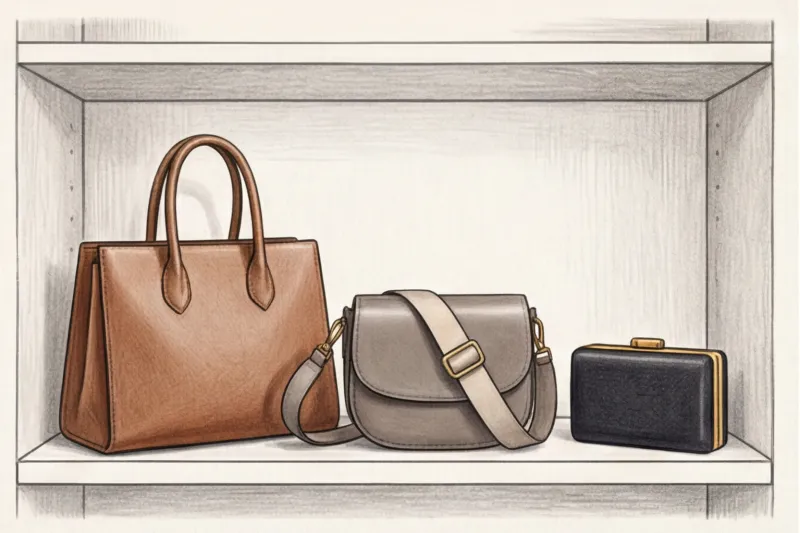
Structured Tote: An Anchor for the Workday
The first and most important investment is a business bag. It bears the brunt of the load, so its requirements are uncompromising. The ideal basic tote should accommodate A4 documents and a laptop (usually 13 or 14 inches), but not look like a shopping bag. The secret lies in the design: you need a rigid base (ideally protected by metal feet) and thick walls that maintain their shape even when the bag is completely empty.
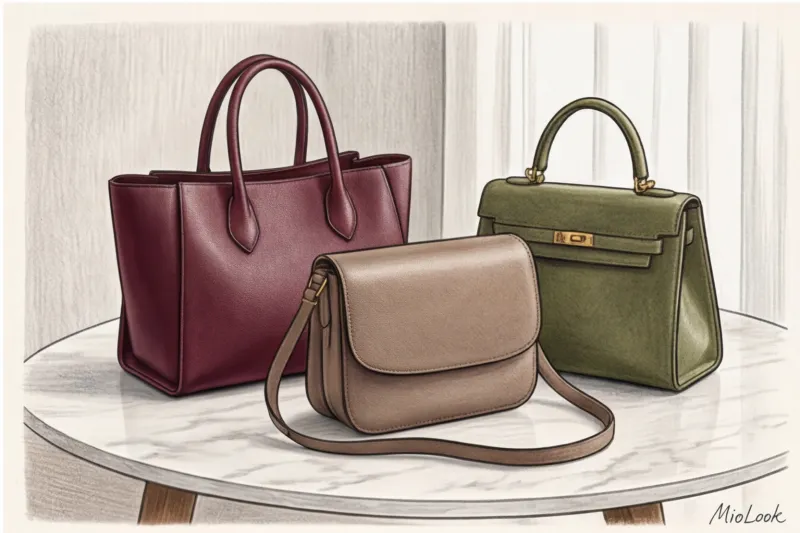
Many people make the mistake of buying open tote bags for work, like the classic Neverfull. This is a poor choice for an investment wardrobe: the lack of a closed top detracts from the look and compromises privacy. Choose models with a secure zipper or a wide, tight magnetic flap that conceals the contents from prying eyes.
A separate technical detail that I always check during fittings is handle drop (The height of the handles, the distance from the top of the bag to the highest point of the handle loop). The optimal length for all-season wear is 22–25 cm. Why is this so important? 15 cm handles fit perfectly over the shoulder over a silk blouse in July. But try wearing the same bag over a heavy wool coat or gabardine trench in November—it will get hopelessly stuck under your arm, creating unsightly creases in your outerwear and restricting your freedom of movement.
Crossbody or Saddlebag: Weekend Elegance
The second model in our formula is for the time when you're not tied to the office. This is a medium-sized bag (about 20-24 cm wide), the concept of which is built around the principle hands-free — hands-free for coffee, strolls in the park, shopping, or meeting friends. It should only hold the essentials: phone, cardholder, keys, lipstick, and sunglasses.
I highly recommend checking out the Saddlebag shape (crescent or saddle). Its smooth, rounded lines create a stunning contrast with the rigid geometry of the work tote, adding a relaxed feel without detracting from the polish. This shape historically evokes the aesthetics of equestrianism, always a hallmark of old-money style.
"Modern luxury is all about comfort. A bag shouldn't dictate how you move; it should adapt to your body's rhythm while remaining aesthetically pleasing."
A key element of the modern crossbody is the wide belt. Thin leather straps tend to dig painfully into the shoulder and often look stunted against the bulk of seasonal clothing. A wide belt (4 to 5 cm) is not only about orthopedic comfort and proper weight distribution. Today, it's a styling element in its own right. By swapping out a standard thin belt for a wide fabric or combination one, you instantly ground an overly romantic dress or add a touch of dynamism to a basic jeans and cashmere sweater combination.
Digitize your bag collection
Use the smart wardrobe feature to see in advance how your new tote or crossbody will pair with outerwear and shoes, avoiding impulse purchases.
Get access — €0.99 onceA rigid clutch or baguette: an evening and accent base
The third bag fulfills the need for evening wear and serves as that accent that elevates even the simplest everyday outfits to a new stylistic level. Here, I want to offer an important caveat: forget about soft, shapeless envelope clutches. In the modern style paradigm, they are hopelessly outdated and visually resemble a document folder you accidentally brought to a party.
A modern evening essential requires an architectural frame. This could be a rigid minaudière clutch, a box bag, or a structured smooth leather baguette (box calf) that holds up a perfect rectangle. A solid shape is subconsciously interpreted as an attribute of formality and high status.
This third bag is your key transformation tool. Imagine a typical situation: it's Tuesday, you're wearing a formal gray wool suit and a white shirt. At 6:00 PM, you need to leave for an exhibition opening or dinner. You simply leave your voluminous work tote in the trunk of your car or at the office, pull out a miniature dark chocolate baguette with delicate gold hardware, refresh your lip color—and your look instantly transforms from business-ready daytime to sophisticated eveningwear. That's the magic of a well-curated essential: you don't need a full closet, you need three right tools.
Basic accessories: belts, watches, and silk
Let's dispel the most persistent fashion stereotype, inherited from the protocol rules of the mid-20th century. Perfectly matching shoes, a basic bag, and a belt tone-on-tone is a rookie mistake that instantly makes an outfit look flat and boring. In professional circles, we call this the "trying too hard" effect. Instead of literally copying colors, I always recommend using a formula of "rhyming" textures and temperatures.
How does this work in practice? If you're holding a smooth, structured bag in a cool, dark chocolate shade, don't look for a matching belt. Accessorize it with a warm, cognac-colored, rough suede accessory and add shoes with a subtle tortoiseshell print. The common denominator here is an autumnal, natural palette, but it's the difference in textures and temperatures (warm with cool, smooth with matte) that creates that coveted depth of quiet luxury. To learn how to create such complex visual connections without lengthy mirror fittings, try organizing your accessory palette in MioLook app Digitizing your wardrobe is a great way to train your eye to spot unexpected color combinations.
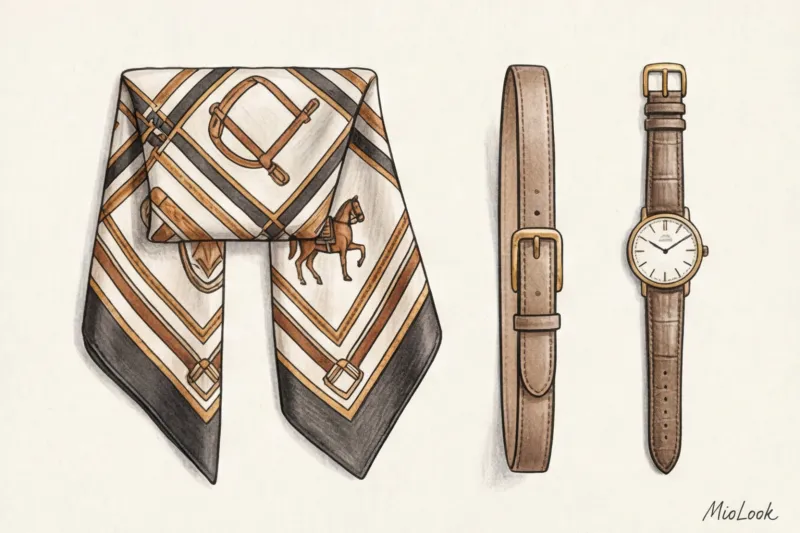
When it comes to belt geometry, the absolute gold standard for an investment wardrobe is a width of 2.5–3 centimeters. These aren't just numbers plucked from a designer's head. This size fits perfectly through the belt loops of classic pleated trousers, looks natural with heavy denim, and doesn't cut off the silhouette when worn over a loose blazer. Narrow, string-style belts often look short and distort where they're stretched, while chunky belts wider than 4 centimeters visually shorten the torso and lend a more formal look a boho feel.
The integration of watches into a business dress code requires special attention. According to an analytical report by the Swiss agency LuxeConsult (2024), despite the technological boom, classic analog watches remain the main non-verbal marker of authority in business negotiations. Smartwatches with silicone straps are a great tool for the gym, but in the office they often convey fidgetiness. A constantly lit screen with notifications subconsciously tells the interlocutor: "You are not my attention." An analog base with a strict geometric shape subtly conveys respect for tradition and time. Even a high-quality Swiss model in the entry-level premium segment, priced around $1,500–$3,000, pays for itself completely, as its cost-per-wear tends to zero due to decades of daily wear.
The final connecting element is a silk scarf. A classic square (90 x 90 cm) or a narrow, double-sided twill ribbon is the most versatile style tool. Its main purpose is to add a unique character to an overly formal or neutral background. By wrapping a silk ribbon around the handle of your basic tote bag, you accomplish two things at once. First, you add a dynamic pop of color. Second, you protect the light leather handles from darkening due to contact with oils and makeup—a purely practical trick that prolongs the life of accessories costing over $2,000. Moreover, a tightly folded diagonal square makes a great substitute for a leather belt in the belt loops of summer linen trousers or jeans, instantly transforming the look from office to relaxed cruise style.
Stylist Checklist: An Audit of Your Bag and Accessory Collection
Last week, we were doing a closet audit in Milan. My client was convinced she had "absolutely nothing to wear" with her new cashmere suit. After two hours of work, we found a forgotten caramel-colored leather saddle bag in the back of the closet that perfectly filled the need. To ensure your essential bags work for you and don't become dead capital, I insist on a seasonal audit. This isn't a simple purge, but a strategic inventory.
Step one: total expansion and technical inspection. Remove all bags, clutches, and belts from their dust bags. Lay them out on the bed in good daylight. First rule: turn everything inside out and shake it out. A lip gloss stain on the lining will ruin the premium feel faster than a scratch on the exterior. Now, conduct a thorough inspection of the hardware and leather. Check the smoothness of the zippers, inspect the corners for any peeling paint. Pay particular attention to the integrity of the finish. edge paint (The special rubber on the handles) is the first to crack. If the gold plating on the clasp has peeled off, revealing a cheap copper alloy, this item will deceitfully cheapen your entire look. Such a bag should either be taken to a spa restoration center or given up.
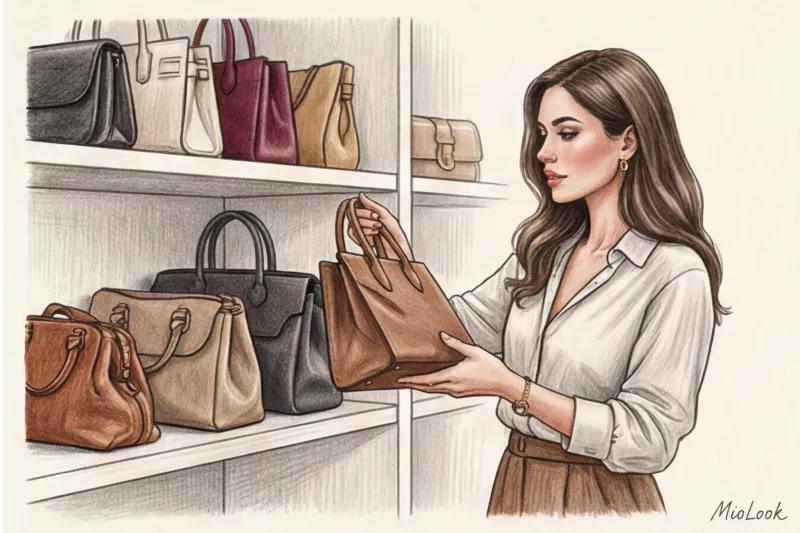
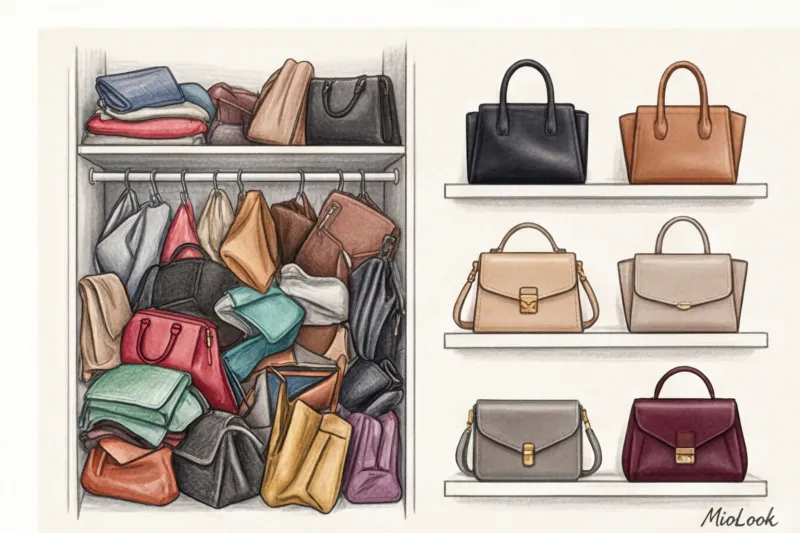
Step two: implement the “1 in, 1 out” rule. This is where the fundamental law of conscious consumption comes into play: one thing in, one thing out. An investment wardrobe is a breathing ecosystem, like a Swiss watch, not a warehouse for sentimental memories. My clients often hold on to worn-out bags simply because they once paid $400 for them. This is a classic sunk cost trap. How can you avoid turning your collection into a hoarding? If you're planning to buy a new structured tote for €800, you must make room for it. Ruthlessly part with styles that have lost their shape. Sell them on reputable resale platforms or recycle them. Strictly limiting shelf space is the best vaccine against impulse shopping.
Your ideal image begins Here
Join thousands of users who look flawless every day with MioLook. Digitize your collection and find the perfect combinations.
Get access — €0.99 onceStep three: identify gaps and tie capsules. Identifying gaps only happens after you've filtered out visual noise. Look at the remaining base: what's missing to tie together your core capsules? I recommend loading the remaining accessories into MioLook — this way, you'll clearly see your blind spots. For example, the algorithm might highlight an obvious imbalance: you have five excellent micro-evening bags, but for business flights you're forced to use a shapeless fabric tote bag. Or your fall capsule wardrobe is built on warm camel tones, while all your bags are exclusively graphic black with silver hardware. It's precisely these temperature and stylistic inconsistencies that ruin the integrity of your look.
By identifying these functional gaps, you create a clear, well-reasoned shopping list. Your next purchase should fulfill a specific mathematical need in your style, not just be a pretty item on display.
Caring for Leather Investments: How to Extend the Life of a Premium Base
Last month, a woman came to me in tears: she tried to remove a small stain from a new €2,800 smooth calfskin bag with a regular damp cloth. The result? The alcohol in the impregnation had eaten away the top coat in seconds, leaving a whitish matte stain that cannot be repaired without a complete repaint at a leather shop. Remember the cardinal rule of premium leather goods: never, under any circumstances, touch expensive accessories with alcohol wipes or antiseptics. Basic bags — this is your visual capital, and it requires competent, professional maintenance.
"Caring for premium leather requires no fuss or makeshift products. What's safe for your hands can be detrimental to fine leather"—this is the rule repeated like a mantra by the masters of the old Parisian ateliers.
Let's start with geometry. The architectural framework we discussed earlier inevitably collapses under the influence of gravity if the bag sits empty on a shelf. Proper storage requires internal padding. Use white acid-free tissue paper or special silk pads that fit the bag.
Never use old newspapers or magazines—the printing ink will inevitably bleed onto the inner lining, and the stiff paper will warp the delicate leather from the inside. Always place your bag in its original breathable cotton duster. Avoid plastic bags, as they can suffocate the material and cause mildew due to temperature fluctuations.
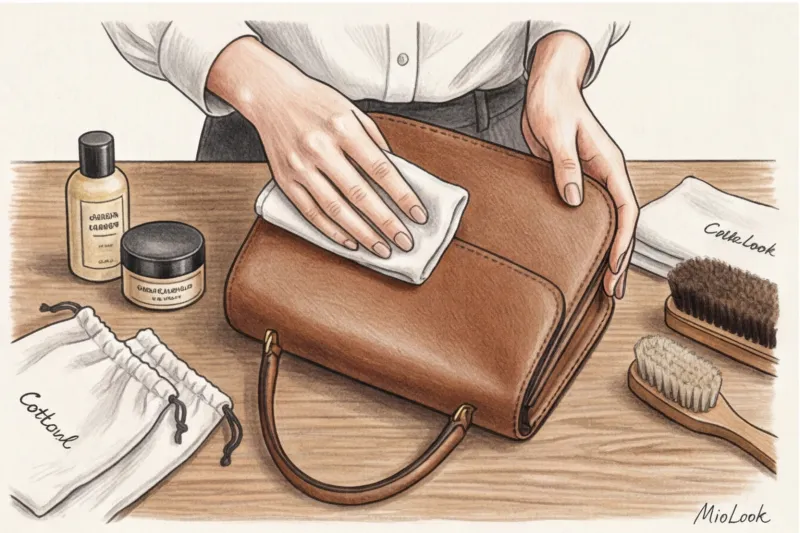
By the way, to remember what exactly is hiding in those identical white dust bags on the top shelves of the closet, I recommend my clients digitize their collection. By adding their accessories to MioLook smart wardrobe , you'll always have full visibility into your base's inventory and be able to create looks right on your smartphone without disturbing the perfect order on your shelves.
Moisturize and protect: a spa routine for your accessories
Natural leather is an organic material. Like your face, it needs regular moisturizing. If you live in a dry climate or frequently use air conditioners or heaters, the leather will begin to dry out, crack at the folds, and lose elasticity. Use a specialized lotion or balm for smooth leather (leather conditioner), strictly without silicones.
- For moderate climates: It is enough to have a spa treatment once every three to four months.
- For hot or frosty/dry climates: Moisturize the base every 6-8 weeks.
Apply the product with a soft flannel cloth using circular motions, let it soak in for 15 minutes and gently polish the surface.
A particular problem for owners of light-colored bases is dye transfer. Classic blue denim is the worst enemy of beige, off-white, and powder-colored crossbody bags. Rubbing against the jeans while walking will inevitably leave a bluish tint on the back of your bag. If you plan to wear new, unwashed denim, choose an accessory in dark shades. If this happens, don't try to remove the blue stain with micellar water—you'll only drive the pigment deeper into your pores. Consult a professional shoe and bag dry cleaner.
To protect against moisture and rain, use premium water-repellent nanosprays. A key rule for colorists: always test any new formula on a hidden area (like the bottom of your bag), as some chemical formulas can slightly darken the original leather tone.
Your next step
True elegance lies in the details and respect for things. Buying an expensive accessory is only half the battle; the other half is discipline in caring for it.
Here's your practice assignment for today: Set aside 15 minutes in the evening. Take out your favorite everyday bag and clear it of receipts, crumbs, and unnecessary items. Wipe it with a soft, dry cloth, apply a drop of leather moisturizer to the corners (they're the first to suffer from friction), and stuff it with some thick paper padding overnight. You'll be surprised how gratefully the item will respond to this care, returning it to its original shine. Invest not only money but also attention in your wardrobe—and it will truly become "eternal."
Guide Chapters
Essential Summer Bags: Stylist Tips
Find out why a black mass-market bag is the worst choice for hot weather. We'll explore the anatomy of summer bags and learn how to choose stylish and practical models.
The Perfect Bag for a Down Jacket: How to Choose the Right Winter Accessory
Slipping straps and frozen material are common problems with winter bags. Learn the stylist's secrets to finding the perfect accessory to complement your down jacket.
How to tie a scarf beautifully around your neck: 5 stylish ways
Silk scarves often gather dust in the closet for fear of looking outdated. We explore 5 ways to stylishly incorporate this accessory into modern looks.
A Virtual Bag Wardrobe: Digitizing Accessories with MioLook
Tired of grabbing the first bag you see every morning? Learn how to digitize your accessories in MioLook and make them complement your everyday style.
How to choose a bag that looks expensive: stylist tips
It's not the lack of a logo that betrays a cheap item, but the hardware and shape. A personal stylist explains how to find the perfect bag that looks luxurious.
Should you match your bag and shoes: style rules
The perfect tone-on-tone pairing of a bag and shoes is no longer in fashion. Let's explore modern style rules and learn how to combine accessories without compromising your look.
How to match a scarf to a coat: stylist tips
A scarf isn't just protection from the cold; it's an essential detail that can make or break an outfit. Learn how to choose the perfect accessory for your fall and winter coat.
Can you wear gold with silver? How to combine the metals
Perfectly coordinated jewelry sets can visually add age. We'll show you how to combine different metals in a modern and elegant way.
Basic Women's Belts: 3 Styles for a Stylish Look
Belts aren't just trouser fasteners; they're a powerful architectural tool for creating perfect proportions. We explore three styles that will transform your wardrobe.
Stylist Tips: How to Choose a Bag for Your Body Type
The wrong bag can add up to 5 kilograms to your appearance. A personal stylist explains how to avoid mistakes and choose the perfect accessory for your figure.
Cheat Sheet: How to Match Jewelry to Your Dress Neckline
80% of the person's attention is focused on your head. Learn how to pair necklaces and chains with any neckline to create a harmonious look.
Everyday Essential Jewelry: Putting Together a Capsule
The perfect jewelry collection is built not only on trends but also on the physics of materials. Learn how to assemble a stylish jewelry capsule that won't harm your skin.
A Basic Wardrobe of Bags: 5 Styles for Every Woman
Statistically, we only regularly wear two out of the 15 bags we buy. We'll show you how to put together a smart, five-bag essential that will cover all your needs.
How to Choose a Versatile Bag Color: 7 Best Shades
Why isn't a black bag always the best investment? We explore 7 sophisticated neutral shades that will add a truly stylish touch to your wardrobe.