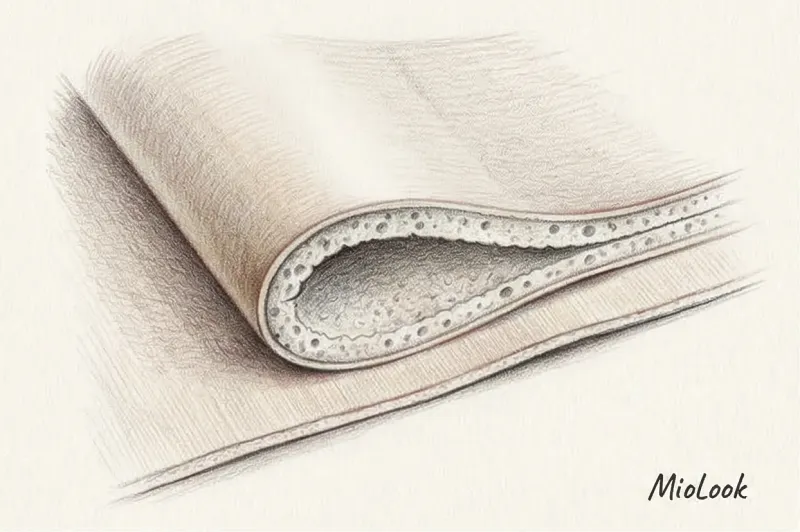
What is elastane?
Elastane (Spandex) — is a synthetic polyurethane fiber with exceptional elasticity and the ability to retain shape.
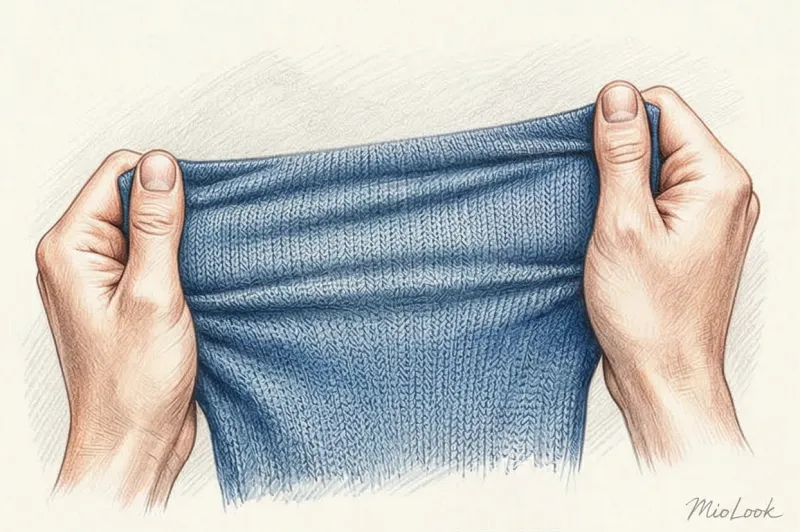
To answer a frequently asked question, what is elastane in the textile industry? It's a thread capable of stretching 500–800% of its original length and instantly returning to its original state without deformation. The fiber was invented in 1958 by chemist Joseph Shivers at DuPont, revolutionizing the production of comfortable, form-fitting clothing. In the United States, the material is primarily known as spandex, as well as by the patented trademark Lycra.
Distinctive features
The material is not used in its pure form (100%) in sewing. Elastane thread is always woven into other natural or synthetic fabrics: cotton, wool, silk, or viscose.
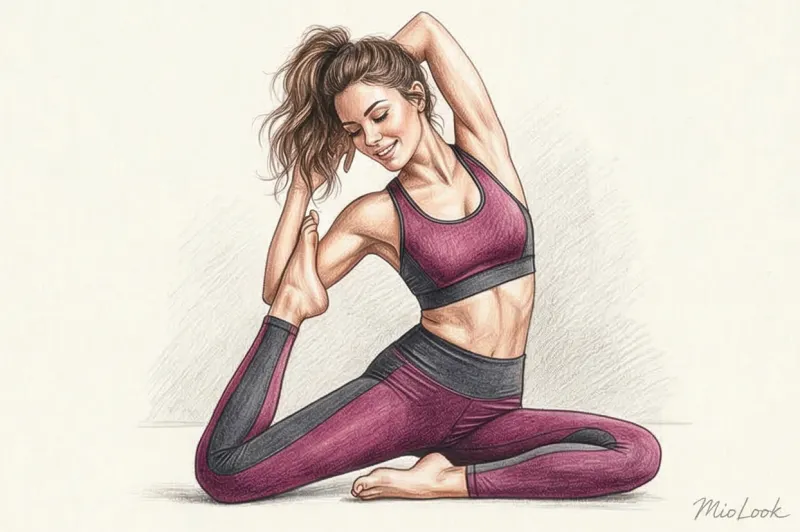
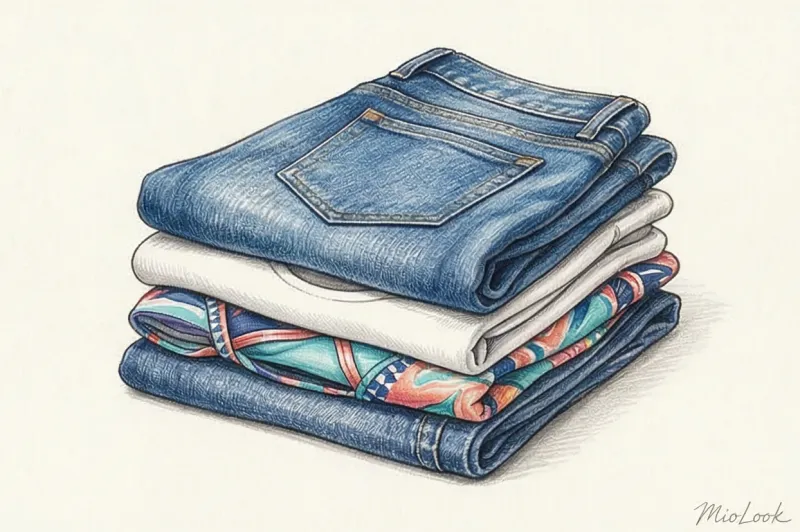
For everyday wear, such as classic jeans, shirts, and dresses, adding 2–5% elastane is sufficient. This volume ensures a comfortable fit and freedom of movement.
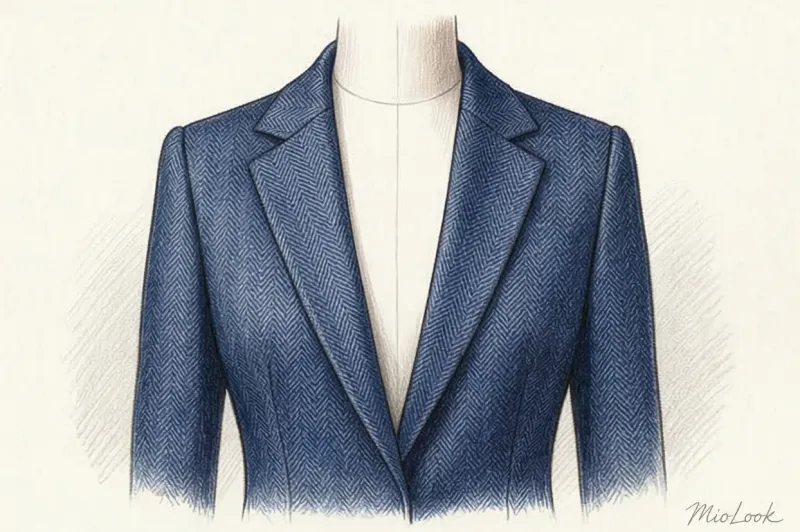
In specialized clothing—swimsuits, sportswear, and compression garments—the proportion of spandex increases to 15–30%. The fiber is lightweight, highly durable, and impervious to sweat and cosmetic oils. The presence of spandex also prevents excessive wrinkling of the base fabric.
How to care
Products containing elastane require special care instructions to ensure the material does not lose its elastic properties.
- Washing: A gentle cycle with water temperatures no higher than 30–40°C is required. Hot water and aggressive chlorine-based bleaches destroy the structure of polyurethane fibers.
- Drying: Machine drying and placing damp clothes on hot radiators are strictly prohibited. Clothes should be allowed to dry naturally, away from direct sunlight.
- Ironing: Fabrics containing spandex are virtually wrinkle-free. If necessary, iron them inside out at the lowest temperature setting, using the settings for silk or synthetics.