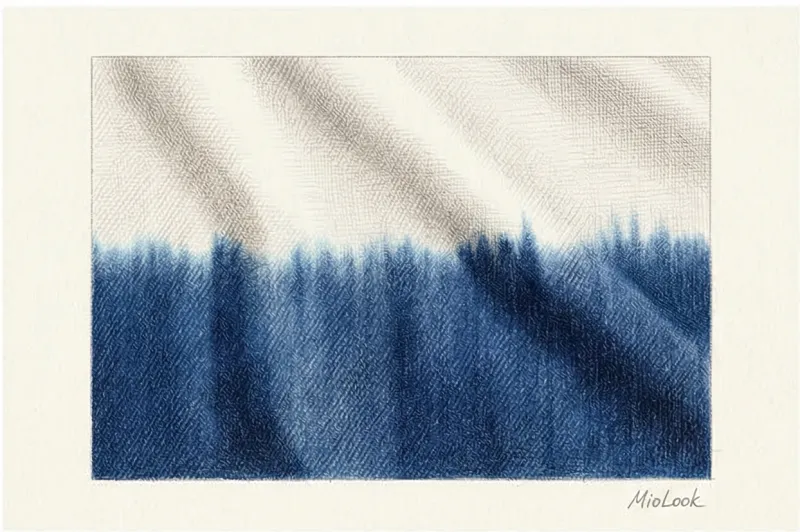
What is deep-dive?
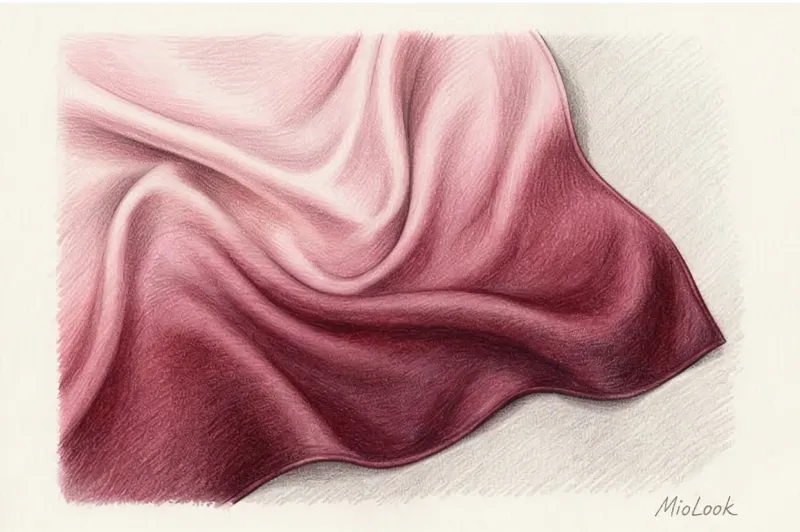
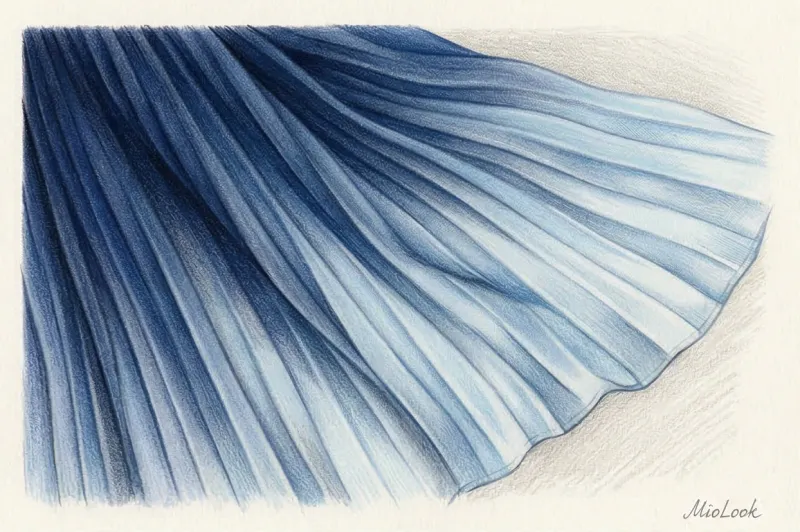
Dip-dive — is a fabric dyeing technique in which a finished product or piece of material is partially immersed in a container of dye. The term's name comes from the English verbs dip (to immerse, to dip) and dye (to paint).
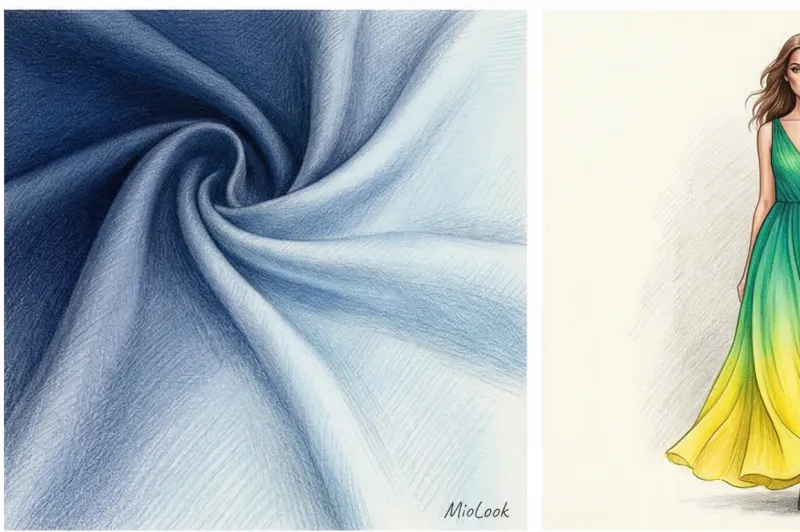
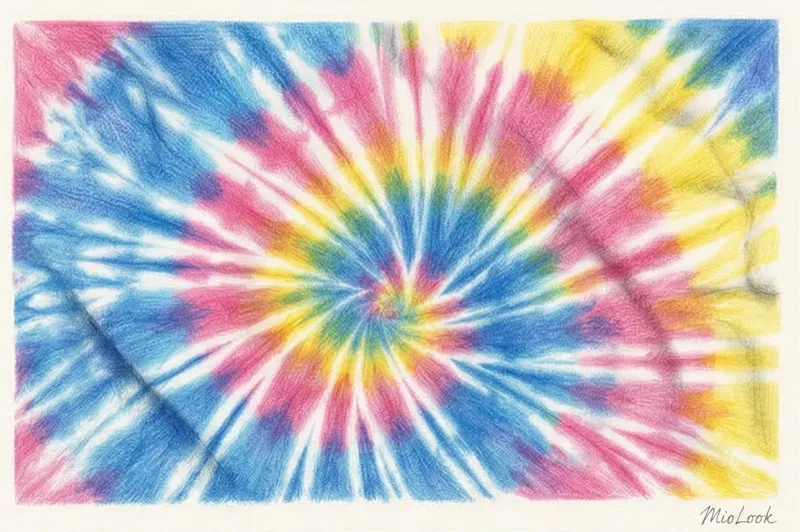
The main difference between this technique and tie-dye (a knotted dyeing technique with random streaks and spirals) is the strict horizontal geometry of the pattern. Unlike ombre, which creates a smooth and seamless transition of shades, deep-dye leaves a visible, rather sharp border between the colors. This creates the visual effect of a garment literally dipped in dye.
Distinctive features
The geometry of a deep-dye design is characterized by a distinct color transition line. It can be perfectly smooth or have slight streaks due to the natural capillary flow of paint through the fibers of the fabric.
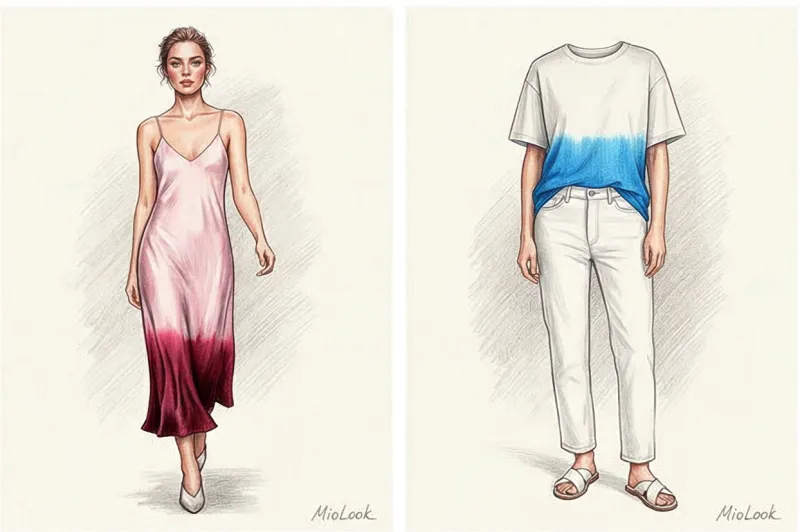
Most often, the pigment is applied to the lower portion of clothing. The color accent is placed on the hem of a dress or skirt, the bottom edge of a T-shirt, the ends of sleeves, or the bottom of pant legs. The classic dyeing technique involves high contrast. The base color of the fabric (often white or a shade of raw linen) is combined with a single rich pigment—indigo, black, emerald, or fuchsia.
The technique is used primarily on natural materials. Cotton, linen, silk, and denim absorb moisture better and ensure proper formation of the dye border, preventing the dye from spreading uncontrollably across the entire garment.
What to combine with
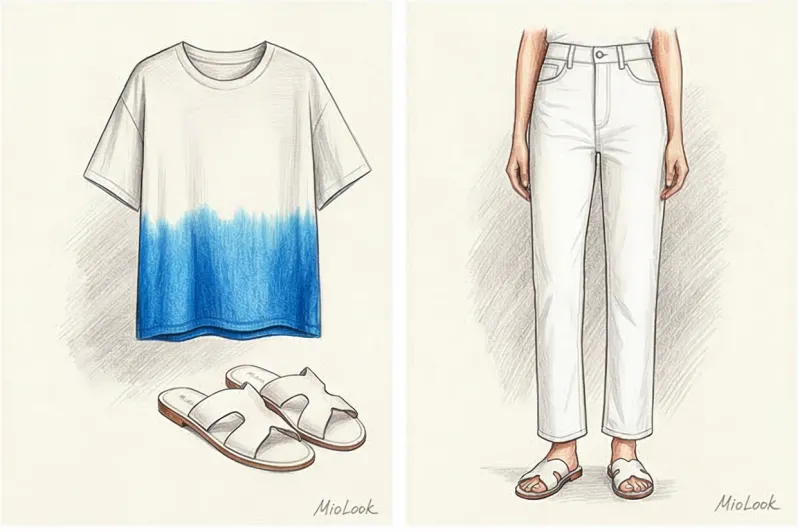
A deep-dye garment acts as a vibrant visual focal point of the look. To maintain stylistic balance, pair it with solid-color clothing in neutral shades. For example, a T-shirt with a contrasting blue trim is paired with white straight-leg jeans or chinos.
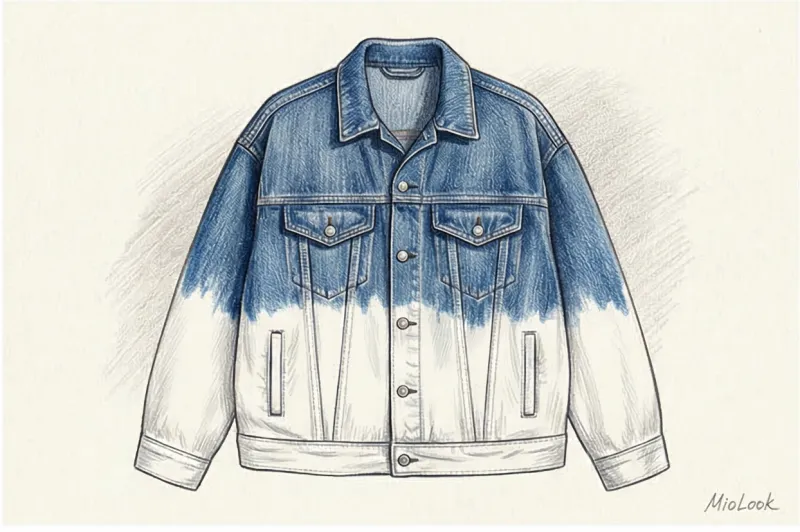
Cotton sweatshirts or denim jackets with a partially bleached effect (reverse deep-dye) are often featured in everyday wardrobes. These pieces are paired with basic denim, minimalist leather sneakers, and solid-color tops.
For evening looks, silk slip dresses with contrasting deep-dye hemlines are paired with simple sandals on thin straps. Jewelry is chosen in smooth metal pieces without stones to avoid distracting from the texture of the fabric. Accessories are kept as understated as possible: solid-color, rigid bags and unprinted shoes help avoid visual overload.