The Anatomy of the Perfect Capsule: Why Basic Hats and Scarves Are More Important Than a New Bag
Have you ever noticed where your interlocutor's gaze falls in the first three seconds of a conversation? Spoiler: it's not your €800 shoes and definitely not your new designer bag. Their attention is always focused on the portrait zone—the face, neck, and shoulders. That's why well-chosen basic headwear And scarves aren't just a utilitarian way to protect yourself from the elements, they're the most cost-effective item in your wardrobe.
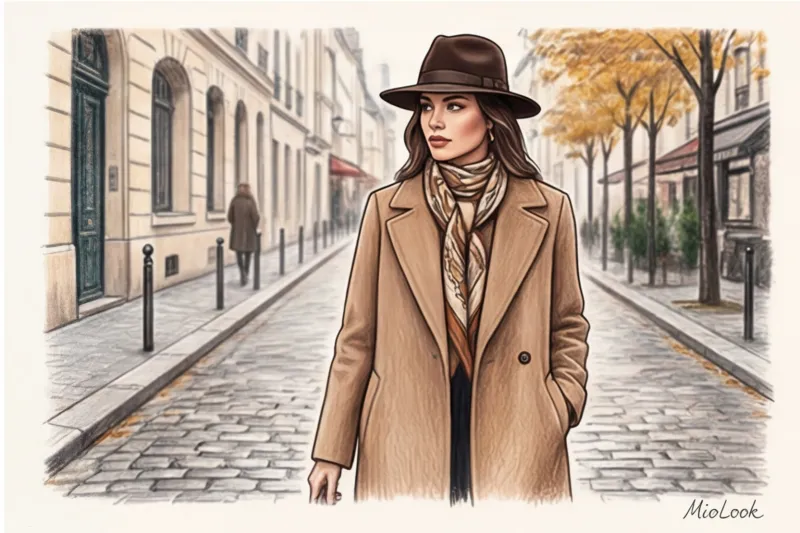
Working with top executives' wardrobes and building corporate image, I've developed a firm rule: investing in accessories close to the face yields the highest ROI for your personal style. You can be dressed in simple, mid-range knitwear, but adding the right texture to the portrait area instantly elevates the entire look to a premium level.
Here comes to the fore the concept of "quiet luxury" In today's dress code, status is conveyed not through flashy monograms on the chest, but through micro-details. The soft drape of a cashmere stole, the impeccable shape of a felt hat, or the elegant shimmer of matte silk—it's the texture of a scarf or hat that reveals your status more quickly and elegantly than any logo.
Let's apply some tough wardrobe math—the Cost-per-Wear formula. You buy a €20 synthetic scarf, which after three weeks becomes pilled and loses its shape. You wear it 15 times—the cost per wear is over €1. On the other hand, you invest in a voluminous, smooth-combed cashmere scarf for €250, which you wear for five seasons straight, at least 80 days a year. Its cost per wear is only €0.60. You're not saving money by buying cheap, flattering materials—you're literally overpaying for a ruined impression.
Moreover, basic headwear serves as a powerful attention-management tool. In a business setting, a properly tied bob (silk scarf) directs your partner's gaze to your eyes, keeping them focused on your arguments during difficult negotiations. In everyday life, a simple beanie or structured cap can save the day when your hair is poorly styled, shifting the focus from a tired face to a precise, geometric silhouette. You literally dictate where others look.
“A hat is not just an accessory, it is the architectural completion of the entire building” – this principle lies at the heart of high style.
Historical fact: When Christian Dior created his revolutionary silhouette New Look In 1947, he insisted that headwear was absolutely essential to complete the overall look. Without the right hat, his dresses, with their exaggeratedly narrow waists and full skirts, lost their proportions. The accessory acted as a visual counterweight, balancing the heavy volume of the hem. Today, the principles of silhouette construction remain unchanged: we continue to use basic accessories to create the ideal figure proportions.
Assembling such a functional capsule is a confident step towards timeless style To avoid impulse purchases, I always recommend that clients first analyze their outerwear. You can digitize your coats and jackets by uploading them to MioLook , and visually try on different scarves and hats on your phone before heading to the store. This not only saves money but also eliminates the hassle of choosing when getting ready in the morning.
The biggest myth of style: "Basic hats don't suit me."
If you've ever opened a glossy magazine from decades past, you'll likely remember those strict geometric tests: "Determine your face shape—oval, square, heart, or pear—and choose a hat strictly according to the chart." As a fashion journalist, I regularly communicate with professors at leading European design institutes, and today we agree: the classic theory of choosing accessories solely based on face shape is hopelessly outdated.
Why did this approach stop working? It's simple: we're not floating heads. Others perceive our silhouette as a whole, in 3D space, where the overall architecture of the body plays a key role. The main revelation I've come to over years of styling is that the problem is never your face shape. The real culprit of the "it doesn't suit me" effect is the wrong volume and a dissonance with the shoulder line.
This counterintuitive insight often surprises my clients: your face shape is completely secondary to your body proportions. Basic headwear should balance the entire silhouette, not simply serve as a frame for the portrait area.
One day, before Paris Fashion Week, a client of mine categorically declared that her round face meant she couldn't wear any hats. We stopped by the Maison Michel boutique, where I suggested she try on a simple fedora for €450. At first, she paired it with a slim, form-fitting jumper—and indeed, her head looked disproportionately large. But when she added a voluminous Balenciaga jacket with a prominent shoulder strap, the puzzle came together. Her face visually lengthened, and her look acquired that very Parisian, cinematic chic.
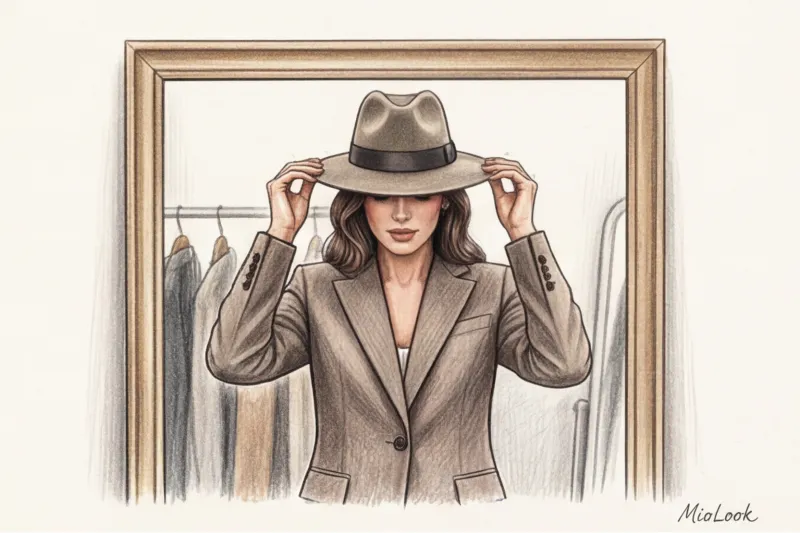
Shoulder girdle and neck length rule
To make accessories work for you, not against you, it's important to build the geometry of your look from the bottom up. The golden rule: the width of the hat brim should be proportionate to your shoulder girdle. If you have narrow, sloping shoulders, a huge hat will make you look like a mushroom. Conversely, if you're wearing a trendy oversized wool coat, a small, fitted hat will visually shrink your head to an unnatural size. Ideally, the brim shouldn't extend beyond the middle of your shoulder.
The neck deserves special attention. Remember the voluminous infinity scarves (snoods) that were so popular a few years ago? For women with short necks, this is the most dangerous item in their wardrobe. A massive knitted roll around the neck "eats" the entire neck, creating a visual block and making the figure appear heavy and squat. Instead, opt for a classic scarf: the two vertical lines of a loosely hanging scarf will instantly elongate the silhouette.
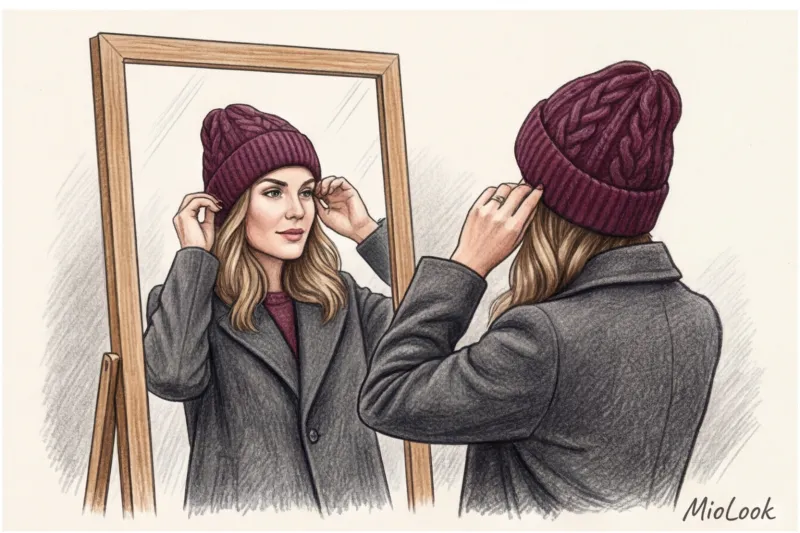
And finally, a practical guide I offer at every consultation. Many people hate basic beanies because they tend to pull them down low on their foreheads, like a swimming cap. To visually elongate your height, the right fit is essential. Pull the beanie back slightly, opening your hairline (or letting out your bangs), and let the crown stand out in a loose, structured taper. This micro-detail works as a brilliant optical illusion: it adds 3-5 centimeters to your height and makes your features appear more refined.
Access to MioLook for €0.99 — one-time payment
A smart AI stylist will select the perfect look based on your proportions.
Get access — €0.99 onceAutumn/Winter Essentials: Investing in Warmth and Impeccable Taste
While studying knitwear production processes at the oldest factories in Biella, Italy—the world's recognized wool capital—the chief technologist showed me two seemingly identical jumpers. One looked immaculate, the other was covered in unsightly pilling. "Both are 100% cashmere," he said. "But the first one will be worn by the buyer's grandchildren, while the second one will be thrown away in a month." This difference in quality, invisible to the untrained eye when purchasing, determines whether a garment will become a wardrobe staple or another disappointment.
Let's start with physiology. According to research on human thermoregulation, published in British Medical Journal (2023) In subzero temperatures, we lose up to 30% of our body heat through our exposed head and neck. This is due to the high concentration of blood vessels located close to the skin's surface in the portrait zone. Therefore, high-quality basic hats and scarves are not just an aesthetic whim, but a matter of your comfort. This is where natural merino wool comes into play. Unlike acrylic, which creates a "greenhouse" effect on the skin, causing you to sweat and then freeze, merino fibers have unique hygroscopic properties. They can absorb up to 30% of their own weight in moisture, remaining dry to the touch and maintaining an ideal microclimate.
But how do you read labels to avoid wasting your money? The key lies in the difference between carded ( woolen/carded ) and combed ( worsted ) cashmere or wool.
- Carded yarn It consists of short, loosely twisted fibers. In the store, such a scarf appears incredibly fluffy, soft, and voluminous—it's simply tempting to reach for it. But this is a trap. Because of its short length, the fibers quickly become unraveled, twisted, and the item instantly becomes covered in pilling. These items typically cost between €50 and €90.
- Worsted yarn The scarf undergoes a combing process. Only the longest fibers, which are tightly twisted, are used. The fabric is smoother, silkier, with a slight matte sheen and virtually no frizz. It may not seem as cloud-soft at first, but its texture develops after the first few washes and does not pill for years. An investment in such a scarf starts at €150–200, but the cost per wear approaches zero.
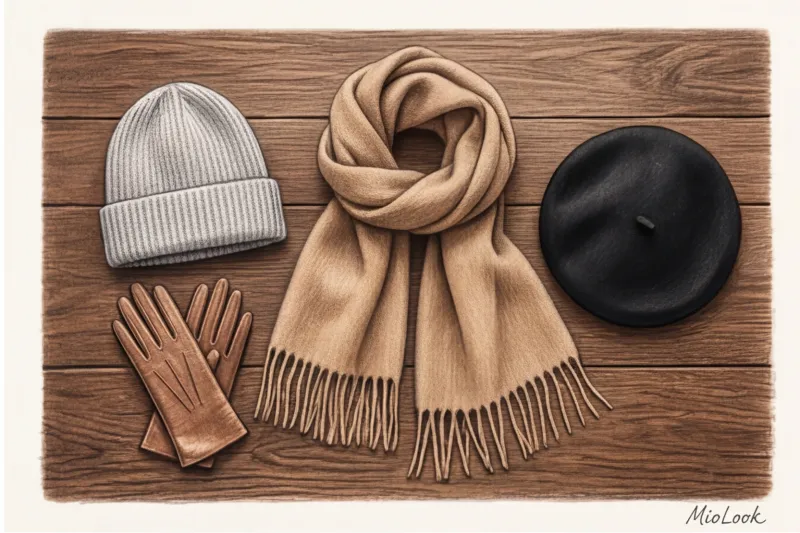
The Perfect Beanie: A Basic Hat for Every Day
Beanies are the ultimate in versatility, but finding the perfect pair can be more difficult than finding the perfect pair of jeans. Most women make the same mistake: buying thin, tight-fitting knit beanies. These swim-cap-like styles ruthlessly distort proportions: they visually reduce the cranial volume, making the jaw and cheeks appear wider, and the nose larger.
The right beanie acts as an architectural framework. Here are three criteria I use when choosing:
- Knitting density: The hat should hold its shape in your hands, not hang limply like a rag. Choose a thick elastic band (rib) with two or three threads (marked 2-ply or 3-ply on the label).
- Lapel width: The ideal flap is between 7 and 10 cm. This creates additional volume at the temples and visually balances the width of the face. The double flap also ensures that your ears are well protected from the wind.
- Crown shape: Avoid overly long crowns that stick out like gnomes (this trend remained in 2014). The crown should be gently rounded and rise above the head by a maximum of 3-4 cm, creating a proper vertical line.
Many are afraid to integrate a beanie into a business wardrobe (smart casual), considering it a purely sporty accessory. This is a misconception. Basic hats made of smooth, dense merino wool in elegant shades (camel, graphite, deep blue) perfectly tone down the pretentiousness of formal double-breasted coats and wool jackets. If you're unsure whether a voluminous beanie will go with your new coat, upload a photo of the items to MioLook The smart wardrobe feature will help you visualize this combination and assess the balance of volumes before leaving home.
Structured shapes: fedora, cap and beret
For those days when knitwear feels too relaxed, structured basic hats made of felt or thick wool come to the rescue. They instantly pull the look together and add a touch of polish.
A fedora with a moderate brim (6–8 cm) is a great companion to classic straight coats. The main rule: the brim shouldn't be wider than your shoulders. If you're petite, a wide brim will make you look like a mushroom, so opt for a trilby or cap.
"A beret can transform you into a style icon or a caricature of a tourist in a second. It's all about the fit," stylist Emmanuelle Alt noted at one of the shows.
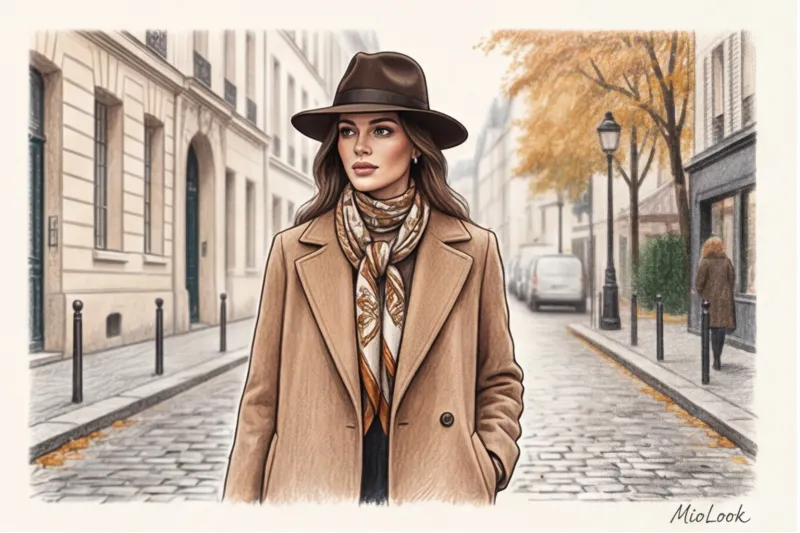
Parisian chic 2024 dictates its own rules for wearing a beret. Forget about pulling it deep over your forehead or placing it exactly in the center of your head, like a pancake. French women wear their berets like this: they should be made of a thick, shape-holding felt (no loose knits!). Pull it back slightly to expose your hairline in the front, and create a slight asymmetry to one side. Paired with a voluminous trench coat or a tailored menswear-inspired overcoat, it looks impeccably elegant.
Winter scarves: from a basic muffler to a stole
In the world of accessories, size really does matter. I often see women on the street wearing luxurious coats with a short, stubby scarf cinched around their necks. This instantly cheapens the entire look. The ideal dimensions for a basic winter scarf are at least 40 cm wide and 180–200 cm long. Only this volume allows for beautiful, textured draping.
When choosing a texture, you have to balance trends with essentials. Fluffy, voluminous alpaca and mohair scarves are currently at the peak of popularity. They look luxurious, but they have one significant drawback: the long pile mercilessly migrates onto dark cashmere coats. If you're looking for a 100% everyday staple, opt for smooth, dense wool. Save the fluffy textures for nylon down jackets—the pile doesn't stick to them, and the texture contrast works beautifully.
How do you tie such a voluminous scarf without looking too cramped? Here are three architectural techniques I use on shoots:
- Asymmetrical wrap (for a voluminous down jacket): Leave one end of the scarf long in front (to about mid-thigh), and drape the other end over the opposite shoulder. To keep the scarf from falling apart, discreetly pin the draped end to the shoulder seam of the down jacket. This creates a vertical line and elongates the silhouette, breaking up the bulk of the jacket.
- Loose Parisian Knot (for a formal coat): Fold the scarf in half, wrap it around your neck and thread the ends through the loop. Stylist's secret: Don't pull the knot too tight! Use your hands to smooth out the loop, creating airy volume at your collarbones. This softens the strict lines of the coat.
- Tie interception (for layered looks): Wrap the scarf once around your neck, bringing both ends to the front. Cross them over your chest (like the flaps of a robe) and tuck the ends under the lapels of your buttoned coat or secure them with a belt. This creates the illusion of a vest and provides excellent protection from the chilling wind.
Spring/Summer Capsule: Sun Protection as an Art
According to European dermatologists, 80% of photoaging of facial skin is due to regular exposure to UV rays in urban environments. However, for me, as a stylist, these medical statistics became the starting point for a completely different insight. Sun protection is the perfect excuse to elevate your summer wardrobe from boring utility to high aesthetics. basic headwear have long ceased to be an exclusively beach attribute: today they form the architecture of relaxed urban chic.
The secret to transitioning from a resort wardrobe to a city one lies in choosing the right textures. In warm weather, three summer staples come to the fore: high-density cotton, stretchy raffia, and the legendary toquilla. While working at the Première Vision textile fair in Paris, I studied the phenomenon of the latter in detail. Toquilla is the same palm straw from which authentic Panama hats are woven. The historical paradox lies in the fact that authentic Panama hats (the status accessory worn by Winston Churchill and Paul Newman) were never made in Panama. Their homeland is Ecuador, specifically the city of Montecristi. The process of handcrafting a single hat can take up to six months, which is why prices for authentic Ecuadorian Panamas start at €500 and climb to several thousand. In the world of "quiet luxury," the density and evenness of the toquilla weave speaks volumes of the owner's status more eloquently than any gold logo.
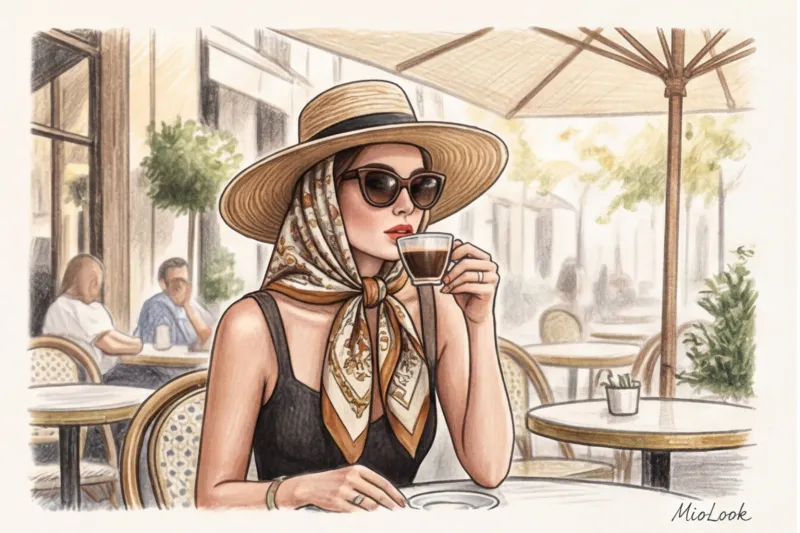
Boater hats, fedoras, and basic baseball caps
If a toquilla bucket hat is a premium investment, then a basic baseball cap is a canvas accessible to everyone. In the context of modern style, the baseball cap has undergone an incredible evolution: from sports merch, it has become a key element of the "quiet luxury" (old money) style. The formula for the ideal basic cap is simple: deep, complex shades (navy, olive, taupe, dark chocolate), a complete absence of flashy logos, and the right geometric shape.
Correct bend of the visor — this is what distinguishes an elegant accessory from a teenage one. The visor shouldn't be completely flat (as in 2000s rap culture) or extremely curved. A slight, natural curve visually narrows the face and accentuates the cheekbones. To integrate a baseball cap into a mature wardrobe, use contrast: wear it not with a tracksuit, but with a tailored double-breasted jacket made of fine wool, a loose trench coat, or a silk slip dress.
When it comes to straw hats—whether a stiff boater with a straight crown or a classic fedora—my clients' main concern is deformation. How do you choose a hat that won't turn into a shapeless pancake after the occasional summer rain? Avoid hats labeled "paper straw," which are often found in mass-market stores for €15-€20. Look for hats made of natural raffia or straw with a high-quality grosgrain ribbon sewn into the interior. In the €80+ price range, manufacturers often weave the finest nylon monofilament into the brim edges—this is what allows the accessory to spring back and instantly regain its original shape when slightly wet.
Silk scarves (carves): a timeless investment
It's impossible to talk about a summer capsule collection without mentioning silk. In 1937, the French house of Hermès released its first printed scarf, forever changing the rules of the accessories game. They established the gold standard—a 90x90 centimeter square. This strict mathematical proportion was developed through experimentation: this size provides enough volume for draping without adding unnecessary weight to the shoulders.
Over the years of styling, I've developed a simple rule: a quality bob pays for itself faster than any basic shirt because it does the work of ten. I regularly show my clients at least 10 ways to style this accessory:
- On the neck: classic French knot for an elegant accent;
- On the bag: wrapped around the handle of a formal tote bag (protects your hands from sweat and refreshes the design);
- As a top: folded diagonally and tied at the back (perfect for a waterfront dinner);
- In the hairstyle: braided into a loose braid or tied over a low ponytail;
- Instead of a belt: threaded through the belt loops of linen palazzo trousers;
- On the head (Grace Kelly style): protects hair from drying out in the sun;
- Bandana style: a reference to 60s aesthetics;
- On the wrist: instead of a massive bracelet;
- Hat decoration: tied around the crown of a straw fedora to instantly change its color;
- Ascot: hidden under the collar of an unbuttoned man's shirt.
Silk scarves play a special role in office wardrobes. When the temperature outside approaches 30 degrees, heavy jackets become a torture. Natural silk has unique temperature-regulating properties: it feels pleasantly cool on the skin. Throwing a bright silk scarf over a simple sleeveless top or a basic cotton dress instantly elevates the formality of your look. This saves the business dress code in the heat, maintaining your comfort and professional status.
By the way, if you are unsure how exactly to fit a vibrant scarf print or a strict baseball cap into your current capsule, I recommend digitizing your items through MioLook app Its smart algorithms will help you visualize dozens of unexpected accessory combinations with your summer jackets and dresses before you even step in front of the mirror.
Access to MioLook for €0.99 — one-time payment
Start creating perfect looks with the help of artificial intelligence and assemble your flawless capsule of accessories.
Get access — €0.99 onceCombination Rules: How to Avoid the "Grandma's Set" Effect
The ready-made "hat, scarf, and gloves all made from the same yarn" set is perhaps the most successful, yet insidious, retail ploy. Walk into any department store and you'll see rows of identical trios. But as a practicing stylist, I'm forced to be categorical: a total match of color and texture instantly cheapens the look, robbing it of its vibrancy. Even a premium cashmere set for €300 presented like this will look flat, as if it were bought in a hurry, and will visually add years to your age.
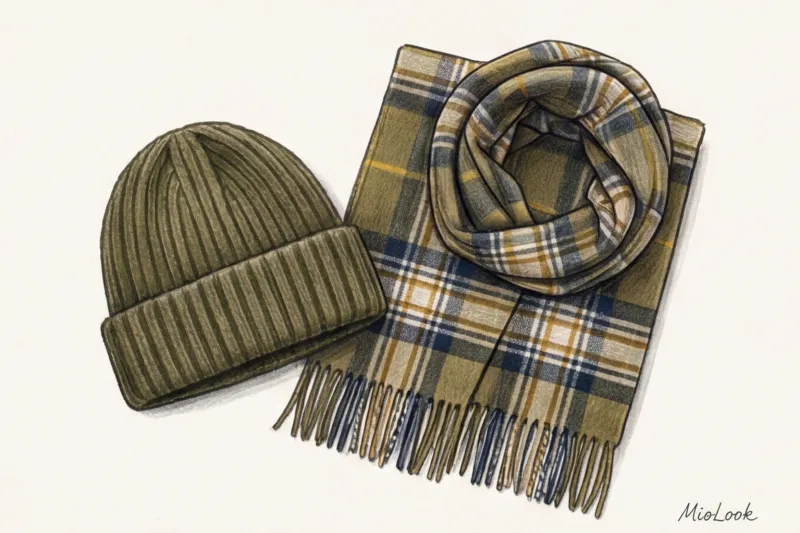
To avoid this stylistic trap, I use cross-texturing rule Basic headwear and neck accessories should collide, but also agree. The secret is simple: combine smooth with fluffy, and matte with shiny. For example, a structured wool fedora or a thick felt cap will pair beautifully with a voluminous scarf made of shaggy alpaca or mohair. A thick beanie made of smooth merino wool looks stunning in contrast with a silk bob tied at the neck. The contrasting surfaces create a complex interplay of light and shadow.
When it comes to color, forget the tone-on-tone principle. This is where Itten's color wheel comes into play. Instead of directly copying shades, draw on your natural color type and assemble a palette based on the principle of analogous or complementary harmony. It's important to remember the golden rule of portraiture: the accessory closest to your face should perfectly match your skin tone. If you have a warm undertone, let soft terracotta or peach complement your face, while cool accents can be brought down to your chest with a contrasting print on a scarf.
I often use a professional coloristics technique during shoots—the "color echo" rule in portraits. The idea is that the accessory near the face should complement the coat's dominant color, not the obvious, subtle hue of the coat.
This "echo" can be duplicated by a splash of colored thread in a tweed jacket, the color of your cornea, or even the shade of your favorite lipstick. If you've chosen a deep chocolate scarf, let your hat echo the caramel highlights in your hair, not the color of the scarf itself.
Putting together such complex combinations in your head can be difficult, especially when you need to consider both texture and color temperature. To avoid making a mistake when buying outerwear, try uploading photos of your current outerwear to MioLook smart wardrobe function The platform allows you to visually try on different accessory combinations right on your smartphone screen and find that perfect "color echo" before even going to the store.
Checklist: Building a Personal Accessories Capsule from Scratch
According to McKinsey's 2024 Consumer Habits Report, up to 45% of fall accessory purchases are made impulsively, right at the checkout. Retailers intentionally display brightly colored hats and gloves in the waiting area. The result of such spontaneous decisions is a drawer full of incompatible items. Let's approach this task with a cool head and assemble a functional base that will enhance your image.
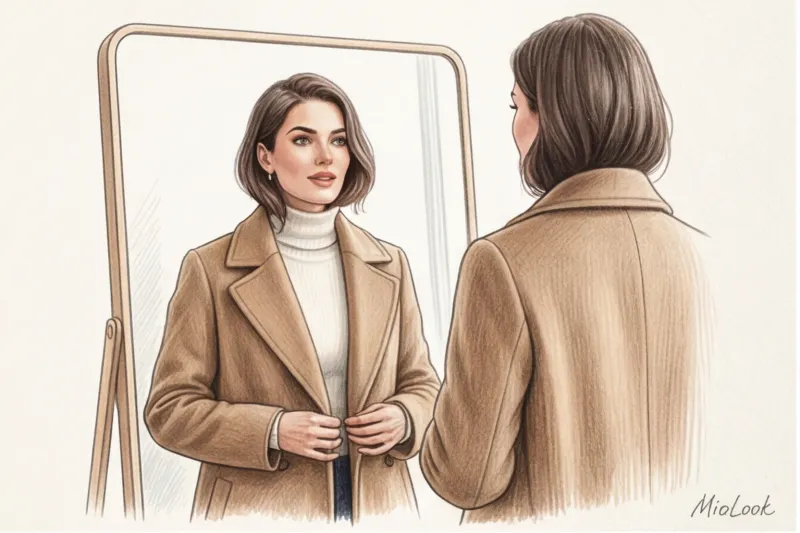
The main rule of smart shopping that I ask you to strictly adhere to: The purchasing algorithm always proceeds from the analysis of outerwear to the selection of accessories, and not vice versa If you first buy a luxurious, voluminous stole and then try to squeeze it into the narrow English collar of a classic trench coat, you'll end up with a "neckless wrestler" effect. First, consider the lapel geometry and shoulder seam width of your current coats and jackets. A cocoon coat with a dropped shoulder requires a smooth, flowing scarf, while a crisp, chunky knit can be confidently chosen for a tailored silhouette with a defined shoulder.
Minimum set "3+3"
You don't need dozens of seasonal items. The perfect formula that covers the needs of any climate and dress code consists of just six elements:
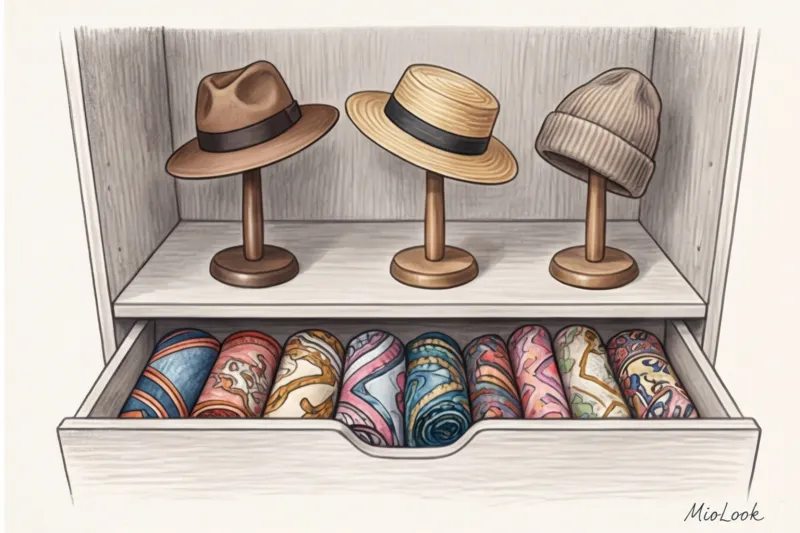
- Headwear (3 pcs.): One quality cashmere beanie in a smooth knit (for cold weather and casual outfits), one structured piece (a fedora or heavy cap for coats and jackets), and one summer essential (a minimalist baseball cap or a logo-free raffia bucket hat).
- Scarves (3 pcs.): a voluminous winter stole made of blended wool or 100% merino (at least 40x180 cm), a thin demi-season scarf (a blend of silk and cashmere is ideal), and a classic silk square (90x90 cm).
Where to look for quality: budget allocation
Now the most important question: where to go to acquire these positions? Spreading the budget won't work here; focus is needed.
IN mass market (COS, Arket, or Massimo Dutti) consider basic merino beanies and thick cotton baseball caps. These will cost between €30 and €60. These are practical items that simply need to hold their shape well.
IN middle segment I send clients to buy investment-grade cashmere. Brands like Johnstons of Elgin or Acne Studios offer scarves that won't pill after two weeks of heavy wear. Aim for the €150–€280 range. Yes, it's more expensive than mass-market items, but the cost per wear (CPPW) ends up being a pittance.
But for silk bobs and hard felt hats, I always advise hunting for vintage platforms (For example, Vestiaire Collective). A genuine vintage Borsalino hat or Hermès scarf will cost the same €150–€250, but their quality will be orders of magnitude higher than modern production.
To visually check how the chosen hat or stole will fit into your current wardrobe before payment, upload a photo of the potential purchase in MioLook and create a virtual try-on with your favorite coat. This saves you from 90% of mistaken purchases.
Your ideal image
it begins Here
Join thousands of users who look flawless every day with MioLook.
Get access — €0.99 onceCare and Storage: Extending the Life of Cashmere and Silk
“The most expensive thing is the one you have to buy twice because it’s not properly cared for,” the chief technologist of a Parisian atelier that restores premium fabrics once told me. According to statistics from specialized dry cleaners, over 70% of cashmere accessories deteriorate not from daily wear, but from temperature shock when trying to refresh them at home. The main mistake when washing wool is the temperature difference. Carded cashmere and merino fibers instantly shrink and become matted when you wash basic hats in warm water and rinse them in cold. Experts insist: the water temperature should be exactly the same throughout the entire process (around 20-25 degrees Celsius), and items should only be wrung out by patting them through a thick terry towel, strictly avoiding wringing.
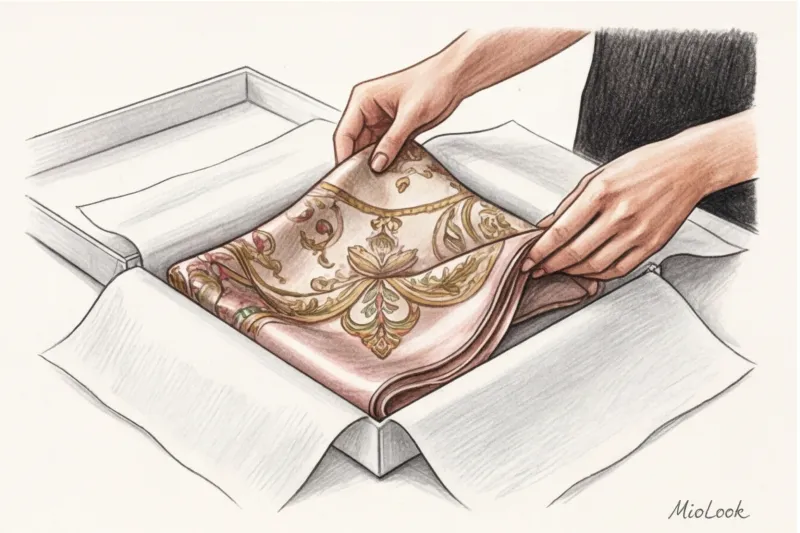
Regarding structured shapes, clients often ask me: are special hat blanks and round boxes a necessity or an aristocratic indulgence? The answer lies in geometry. If your felt fedora or boater costs €150 or more, storing it on a flat shelf without support will ruin its precise silhouette within one season. Exposure to the natural humidity of the room causes the brim to sag and the crown to become misshapen. A cardboard box protects the material from dust, which permanently embeds itself in the felt, and a wooden insert (a blank) prevents the hat from shrinking. It's simple math: investing in the right €20 box saves a premium accessory from irreversible shape loss.
Finally, the invisible enemy of any winter capsule is clothes moth. Restorers emphasize a counterintuitive fact: insects are attracted not by the wool itself, but by microparticles of epidermis, sweat, and perfume on it. Therefore, the golden rule is never to put scarves away for summer storage without first washing them. Modern eco-friendly protection methods have long since abandoned toxic mothballs. Today, professionals use cedar blocks (they need to be lightly sanded each season to refresh the essential oils) or lavender sachets. For absolute reliability, basic hats should be packed in thick, breathable cotton cases with pheromone traps inside—they interrupt the moth reproduction cycle without chemically damaging the fibers. And to avoid searching through every attic for the right stole in the fall, I recommend immediately recording what and where you've stored using the virtual wardrobe function in MioLook app.
Conclusion: Accessories as your style signature
Analyzing archives of street style shoots from major fashion weeks, I often pay attention to how professional industry insiders construct their looks. Editors, buyers, and stylists rarely wear complex cuts in everyday life. Their secret lies in the concept. "visual anchor" In the portrait zone. Basic hats and scarves aren't just utilitarian protection from the elements; they're the finishing touch to your personal brand. People around you may forget the cut of your classic trench coat, but they'll subconsciously remember the textured fedora, the perfect curve of your baseball cap, or the intricate shade of your stole.
In my experience, many women avoid bold accessories for fear of looking "overdressed" or unnatural. But I understand this barrier perfectly—it's always scary to step outside the usual uniform. My main style advice today is a call to experiment. Start small; you don't need to immediately invest €300 in avant-garde hats with exaggerated brims. Add just one 90x90 cm silk scarf or a perfectly smooth merino beanie to your tried-and-true look.
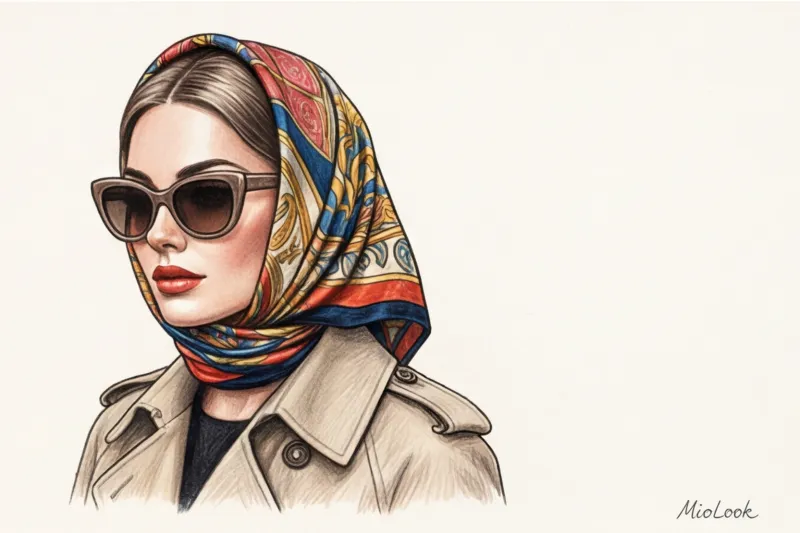
Try this simple trick: wear your regular office jacket, but instead of a typical top or basic turtleneck, add a silk bob tied in a casual French knot at the neck. Or pair a thick beanie in a rich, dark chocolate hue with a monochrome, light-toned outfit featuring a beige coat. These micro-changes require minimal investment (a high-quality wool beanie can be found for €50–€80), but they instantly elevate the outfit to a whole new level of visual sophistication and status.
Of course, the most common pitfall when shopping for accessories is a lack of context. You see a gorgeous, voluminous, shaggy alpaca scarf in a boutique; it looks luxurious on the mannequin, but when you get home, you discover its loose geometry clashes disastrously with the narrow, stiff lapels of your favorite jacket. To avoid such mishaps and create "dead weight" on the shelves, I categorically insist on the rule of pre-assembly. You need to visualize how scarves and hats will pair with your current outerwear before you even check out.
This is exactly the kind of task this app is for. MioLook It's becoming an indispensable tool. By digitizing your coat and jacket database, you can create virtual mood boards right in the store's fitting room. Hold a new cap to your face, take a photo, and in a few seconds, see on your smartphone screen how this texture compares to the very same gray coat waiting for you at home. This gives you back control over your wardrobe: you begin to see an objective picture and move from impulse purchases to strategic investment in your style.
Style isn't an innate gift reserved for a select few. It's a practical skill in managing attention and proportion. A well-chosen capsule of basic accessories gives you a rare privilege: the ability to look different every day without blowing your budget on seasonal items. Allow yourself this stylistic freedom, start with one perfect detail, and you'll be surprised how much it changes not only your reflection in the mirror but also your inner confidence.
Guide Chapters
What to wear with a bonnet and balaclava: stylist tips
Is your hat ruining your hairstyle and throwing off the proportions of your look? Learn how to wear a hood and balaclava stylishly to stay warm and look flawless.
Essential Summer Headwear: How to Choose a Hat and Panama Hat
Debunking beach hat stereotypes: how to choose high-quality headwear for urban looks. Stylists' tips for choosing the perfect Panama hat and durable straw hat.
How to Pair a Hat and Scarf: Key Style Rules
Matching a hat and scarf is a major mistake that can make even the most expensive coat look cheap. We'll share the modern rules for elegantly pairing accessories.
How to Wear a Beret: Stylish Looks Without the Retro Touch
The beret is a magnificent architectural accessory. We'll show you how to strip away the theatricality and seamlessly integrate it into your modern wardrobe.
How to Wear a Silk Scarf: Stylish Basic Ideas
A silk scarf is a stylish accessory that can add visual value to an outfit in 30 seconds. Learn how to easily incorporate it into your wardrobe.
How to Maintain Volume Under a Hat: Stylist Tips
Perfect winter hair is achievable! We'll break down common mistakes and share secrets to help your hair stay voluminous even under a hat.
How to choose a hat color based on your color type: tips
Does your face look tired even after a long night's sleep? Discover the colorists' secret: how the right shade of winter accessories can visually refresh your look.
A baseball cap with a coat: how to wear it sportily chic
Is a formal coat making your look too heavy? Discover how a minimalist baseball cap can create a stylish contrast with a touch of high-end sporty chic.
How to choose a hat for your face shape: stylist tips
The old rules for choosing hats no longer apply. Learn from a practicing stylist how to find the perfect hat for your appearance.
How to Tie a Scarf on a Coat: 10 Ways
An improper knot can make even the most expensive coat look cheaper. Let's explore 10 trendy ways to tie a scarf with a touch of Italian casualness.
What to wear with a beanie in fall and winter: stylist tips
We're exploring how to choose and style a basic beanie hat. Advice from a personal stylist on creating harmonious fall and winter looks.
Basic Winter Wardrobe: Accessories for a Capsule
How can you stop buying unnecessary hats and put together the perfect winter capsule wardrobe? A stylist explains how many accessories you really need for stylish looks.