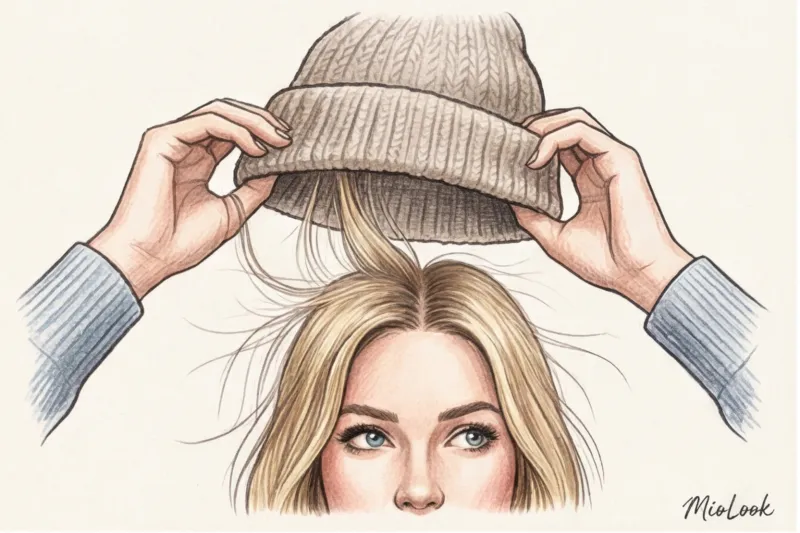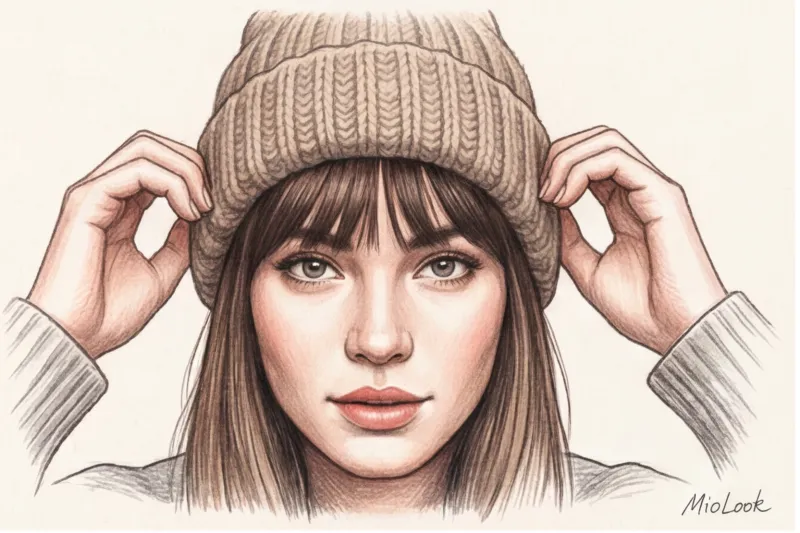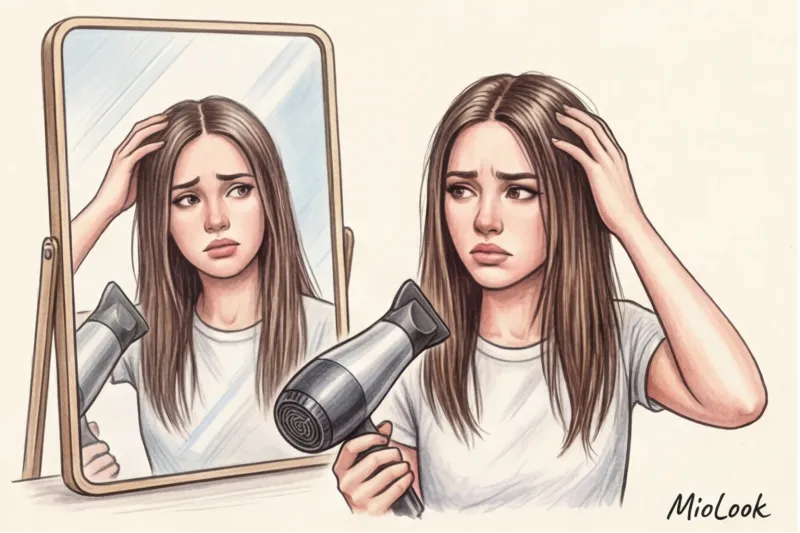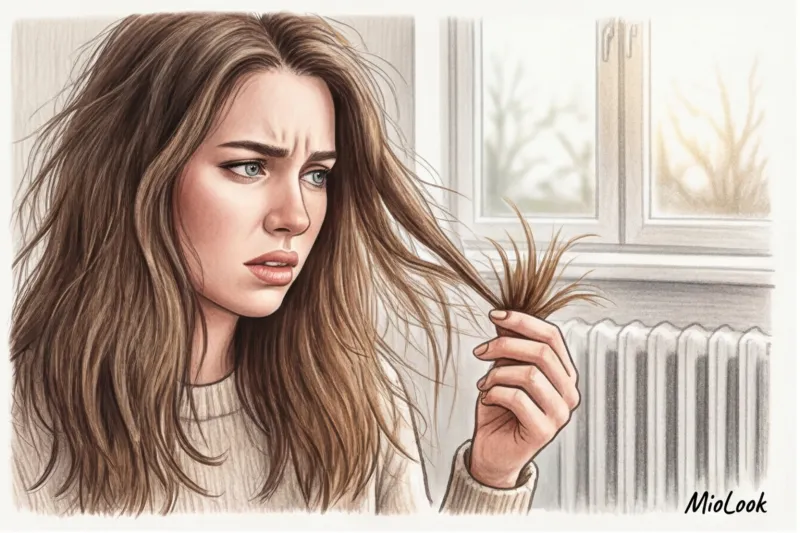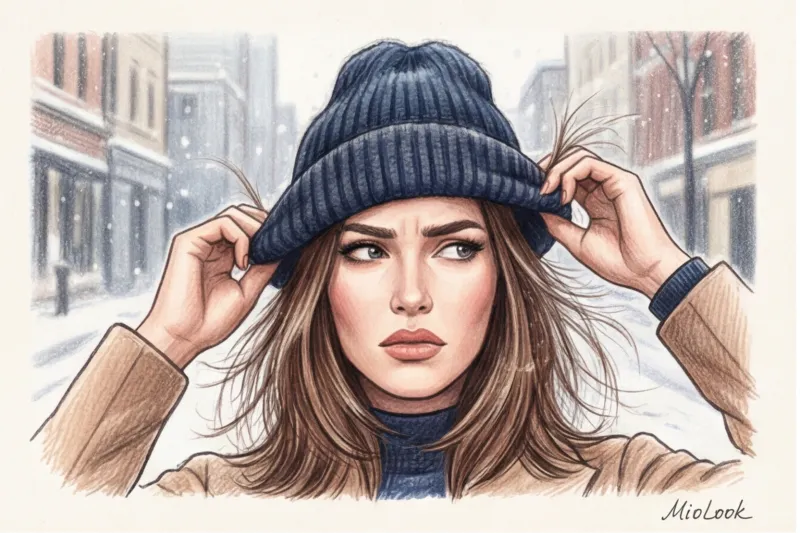
A perfectly typical winter scene: you step into the elevator at your office building, take off your hat, look in the mirror, and sigh softly. Just an hour ago, your hair was perfectly voluminous, but now it's stuck tightly to your scalp, staticky, and looks like it hasn't been washed in three days. Sound familiar?
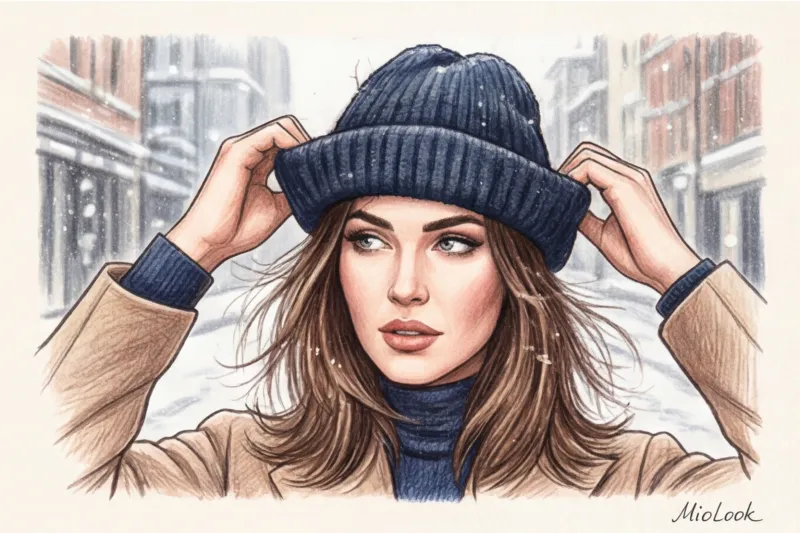
One of my clients, a top manager at a large IT company, admitted to me that in the winter she was consistently 15 minutes late for morning meetings. This time was spent fixing her hair in the ladies' room. The problem was solved not by buying expensive hairspray, but by replacing her acrylic beanie with a loose cashmere hood.
As a practicing stylist, I constantly encounter women trying to solve the problem of flat hair with cosmetics alone. But the truth is, maintaining volume under a hat is a combination of trichology, styling, and smart wardrobe choices. We've covered the architecture of a winter wardrobe in more detail in our comprehensive guide: Basic hats and scarves: a stylish capsule collection , and today we will analyze the physics of the installation itself.
Why We Lose Volume: Tissue Physics and the Greenhouse Effect
The biggest enemy of your hairstyle isn't the hat itself, but the material it's made of. When we put on a mass-market hat made of 100% acrylic or polyester, we're literally putting a plastic bag on our head.
According to the International Association of Trichologists (2023), disrupted thermoregulation under synthetic fabrics increases scalp temperature. In response, the sebaceous glands go into overdrive, increasing sebum production by 30%. Moisture and oil instantly dissolve any root volume, no matter how stubborn it may appear at home.
Moreover, coarse synthetic fibers create tremendous mechanical friction. They lift the hair cuticle scales, causing that annoying static.
"Premium natural formulas work differently. High-quality merino wool or cashmere can absorb up to 30% of their own weight in moisture, leaving the scalp completely dry and maintaining the right microclimate." This is a basic rule for an investment wardrobe that saves not only your look but also your hair.
Headwear Architecture: How to Choose a Hat That Won't Ruin Your Hairstyle
The second rule after composition is fit. The hat shouldn't cling to your head like a rubber swimming cap. You need some air space.
A life hack from stylistic practice: If you're looking for a classic beanie, don't hesitate to head to the men's department. Men's styles (especially from brands like COS, Massimo Dutti, or Uniqlo) often have a more formal, slightly looser fit that doesn't squeeze the crown.
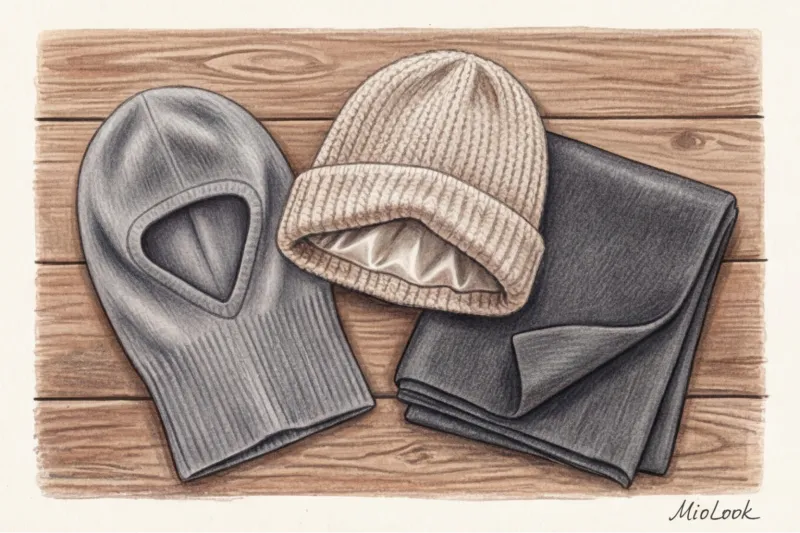
But the real hidden luxury is hats with a silk lining. The smooth texture of silk reduces the cuticle friction coefficient to virtually zero. Hair glides over it without getting caught.
Let's calculate the cost-per-wear formula. You can buy five acrylic hats for €15 each, which will require you to wash your hair every day, wasting expensive shampoos and time. Or you can invest €100-150 in a voluminous combed cashmere beanie with a silk lining that will last you five seasons and save hundreds of hairstyles. The math is clear.
Access to MioLook for €0.99 — one-time payment
A smart AI stylist will select the perfect winter look based on your facial features and proportions.
Get access — €0.99 onceHow to Maintain Volume Under a Hat: Preparing for the Drying Stage
No styling product will work if the foundation is broken. And the foundation of winter styling is the rule of 100% dry hair.
Over 14 years of working in the hair industry, I've noticed a common mistake: morning preparations are rushed, the woman dries her hair, thinks it's dry, puts on a hat, and runs to the subway. But at the roots (especially at the back), about 5% moisture remains. Under the hat, this slightly damp hair dries completely, taking on the shape of a tightly pressed helmet. It's impossible to fix this without washing your hair.
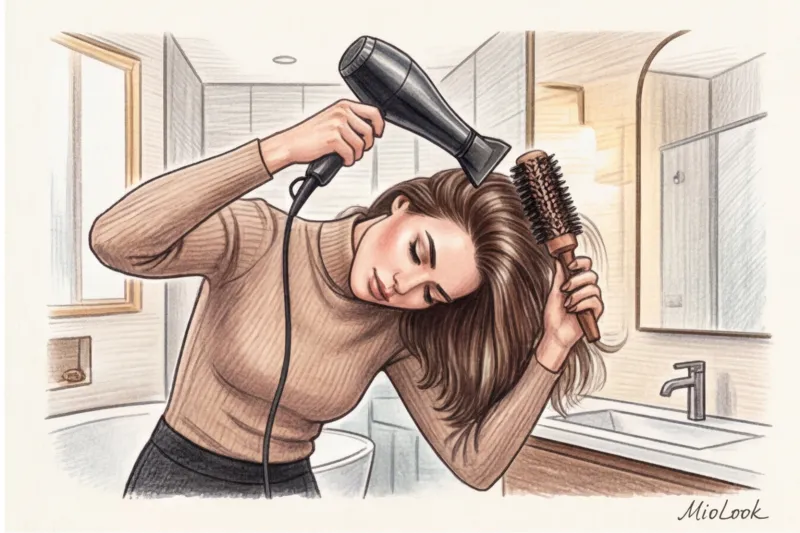
- Dry upside down: Flip your hair forward and blow-dry the roots with warm air, moving them in the opposite direction of natural hair growth.
- Use brushing: Pull strands upward at the roots using a round brush with natural bristles. This will create a "spring" that will help restore the shape.
- Avoid heavy textures: In winter, apply thick nourishing masks and oils strictly from the mid-lengths. Leave the roots light.
The Biggest Winter Styling Myth: Why Strong Hold Hairspray Is Your Enemy
Perhaps the most harmful beauty advice still floating around the internet is: "Generously spray your roots with extra-strong hold hairspray to prevent them from getting crushed by a hat." It's a disaster.
The mechanics of the error are simple: hairspray glues the hairs together, creating a rigid, immobile framework. When you put on a hat, this framework simply breaks under the weight of the fabric, creating hard creases. You take off the hat and try to fluff your hair with your hands, but the "concrete" structure has already been destroyed—you get the effect of dirty, stiff strands.
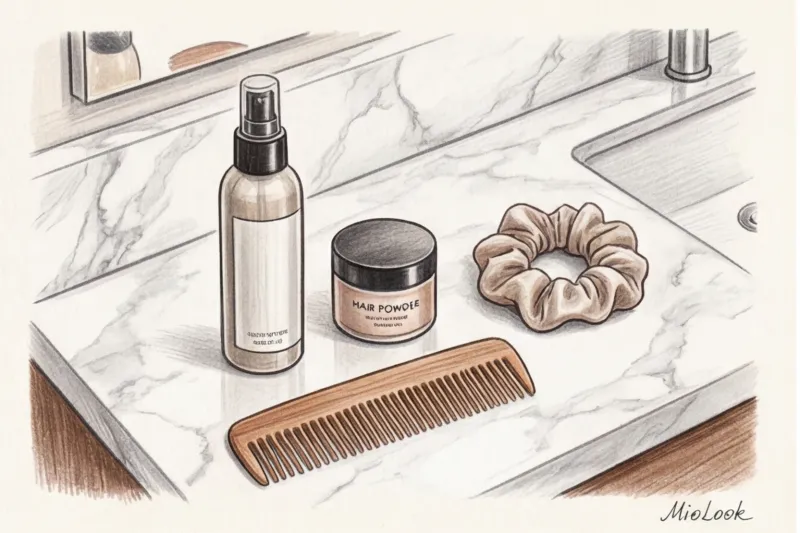
As legendary hairstylist Guido Palau points out, modern styling should be built on flexible textures. We need memory styling—products that allow hair to be flattened and then, when fluffed with your fingers, return to its original volume.
Top 3 Invisible Winter Styling Helpers
- Dry shampoo BEFORE going out: Apply a micro-dose to completely clean, freshly dried roots. It will act as an absorbent and preventative barrier against sebum if it gets hot under your hat.
- Volumizing powder: Apply it to the partings. It makes the hair slightly rough at the roots, allowing them to rest on each other.
- Thermal protection seal: Sprays that visually thicken each hair during blow-drying, making the hair mass more elastic.
The Parting Trick and Other Hat-Wearing Tricks
This is the most free, elegant, and effective life hack of all. It saves millions of women from slicked-back roots.
Here's the mechanics: before putting on a hat, part your hair deeply to the side—the side you don't usually wear. Put the hat on. Yes, your hair will be flattened under the hat. But when you get to the office, take off the hat and part your hair back to your usual side, and the roots will lift up. Volume is guaranteed because the hair was pressed in a different direction.
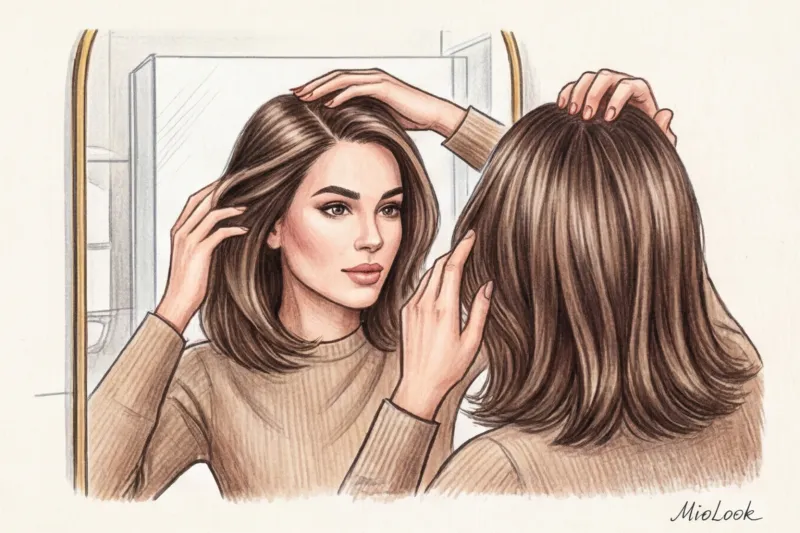
How to move the cap correctly: Never pull it back from your forehead, pulling your hair toward the back of your head. Put the hat on straight from the top down, then push it back slightly, freeing your hairline and bangs. This minimizes friction.
For vintage-chic fans, here's another trick: tie a smooth silk scarf around your head (like they wore in the '60s) and then wear a wool hat over it. When indoors, remove the hat and scarf, and your hairstyle will remain glossy.
Your perfect look starts here
Join thousands of users who look flawless every day with the MioLook smart wardrobe.
Get access — €0.99 onceAlternatives to the classic beanie for a classy look
When it comes to creating an elegant business wardrobe, a classic knitted beanie isn't always the best choice for pairing with a formal wool coat. Fortunately, recent trends offer alternatives that are ideal for maintaining a stylish look.

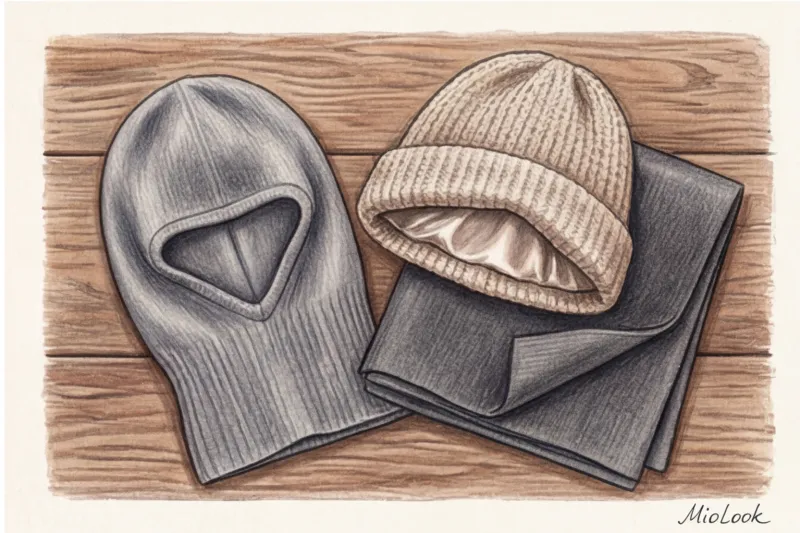
- Bonnet (balaclava): An absolute favorite among stylists, the bonnet covers the neck and ears tightly, but is loose at the crown and back, creating that all-important air gap.
- Voluminous felt berets: The dense felt holds the frame's shape perfectly. The beret is worn slightly back or to the side, so the front strands and crown are practically uncrushed.
- Cashmere stole: A scarf-hood thrown over the head in the spirit of Grace Kelly and elegantly wrapped around the neck looks incredibly prestigious and does not disturb the geometry of the hairstyle at all.
Checklist: First aid if your hairdo gets wrinkled
Even with the perfect hat, there are unexpected situations. You walk into the office, take off your hat, and the volume disappears. What do you do?
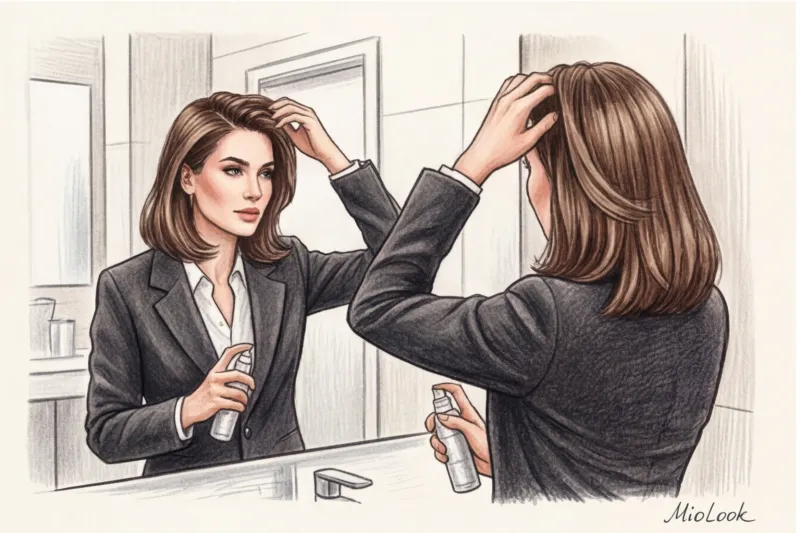
- No combs. A hard brush on flattened hair will only worsen static and make the roots even flatter.
- Warmth of hands. Go to the ladies' room, wash your hands with warm water, and dry them. Run your warm, dry fingers through your roots, tilt your head upside down, and massage your scalp thoroughly. The heat and friction will activate the styling powder or spray you applied this morning.
- Spray water. If you have a miniature hydrating spray (or just water) in your bag, spray it a couple of times on your fingers before massaging your roots—this will eliminate static.
When it does NOT work: Let's be honest, if you're caught in a sleet, your hat is soaked, and you're sweating on the subway, no amount of powder will bring your hair back to life. In the business world, the unspoken rule in such situations is: it's better to pull your hair back into a sleek low ponytail or bun (the sleek bun is currently trending) than to sit through a meeting with unkempt, unruly locks.
Your perfect winter hairstyle doesn't start with a can of hairspray in front of the mirror, but at the store checkout, when you're choosing the right texture and style of headwear. Invest in quality materials, dry your hair completely, and allow it to move freely—then winter will no longer be the season for ruined hairstyles.