Синдром "А раптом": чому ми переплачуємо за багаж і як додаток для планування гардеробу це змінює
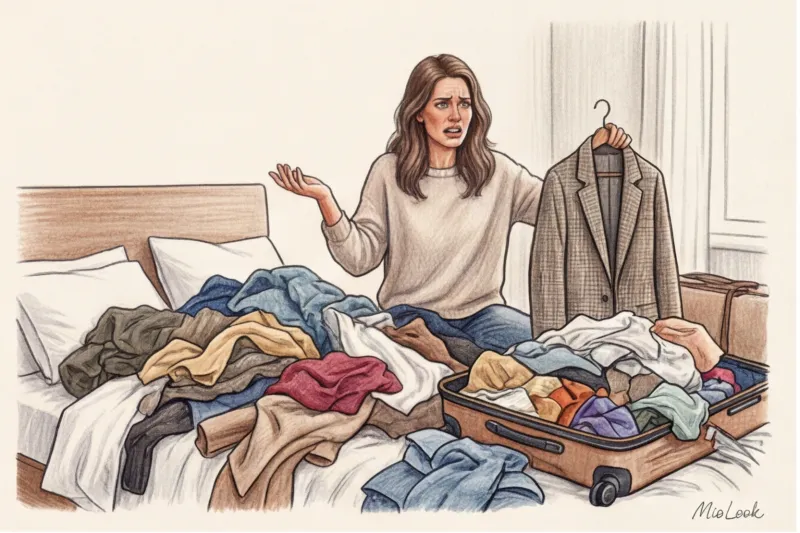
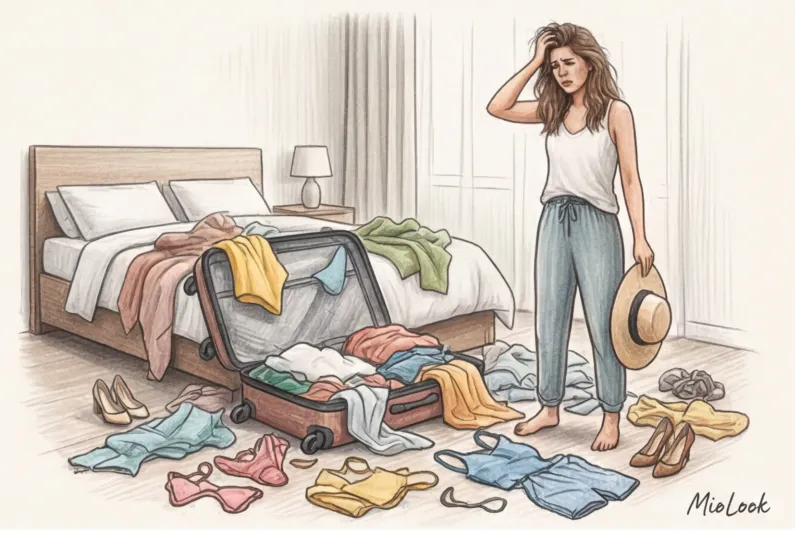
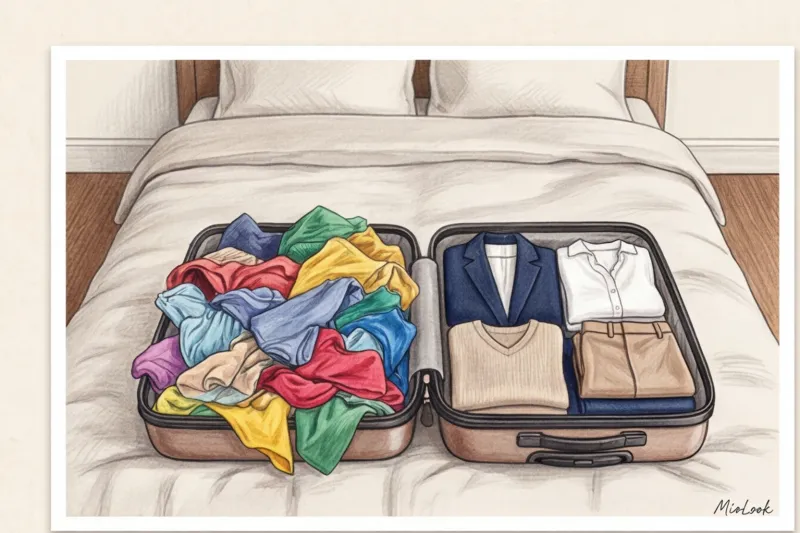
Знайома картина: до виїзду в аеропорт залишається кілька годин, а ви стоїте перед розкритою валізою, намагаючись впхнути туди третю пару джинсів і шовкову сукню-комбінацію, яку жодного разу не одягали за останній рік. "А раптом нас покличуть на закриту вечірку?" — шепоче внутрішній голос, хоча ви летить у дощову Європу на інтенсивну бізнес-конференцію. Я бачу цей патерн постійно. Але як тільки у вашому смартфоні з'являється додаток для планування гардеробу , хаотичні та нервові збори поступаються місцем холодній, але неймовірно стильній математиці.
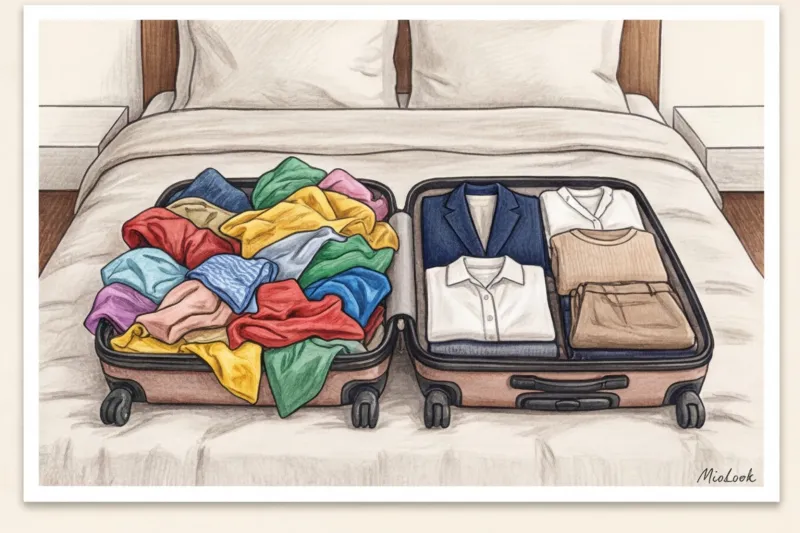
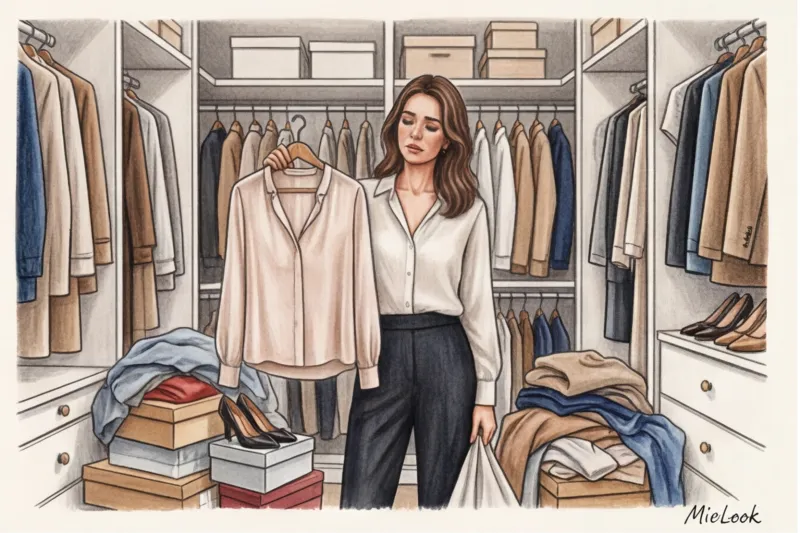
За 12 років роботи персональним стилістом я вивела чітку закономірність. Психологія зборів майже завжди базується на страху непередбачених ситуацій. Ми пакуємо не просто речі — ми беремо із собою «одяг для уявного життя». Нам щиро здається, що зміна географічної локації чарівним чином зробить нас світськими, спортивними чи романтичними. На моїй практиці одна з клієнток регулярно літала у триденні відрядження з валізою вагою 20 кг. Вона брала п'ять варіантів жакетів Massimo Dutti та три пари туфель на шпильці на три дні, доки ми не впровадили цифровий облік.
Статистика безжальна: за даними туристичних досліджень (2023 рік), більшість людей носить лише половину привезених у відпустку речей. Друга половина валізи просто мандрує за ваш рахунок.
І цей рахунок буває значним. Прихована вартість гардеробу «про всяк випадок» — це не тільки збиті плечі та фізична втома від необхідності тягнути непідйомний багаж вузькими сходами бутік-готелів. Це конкретні фінансові втрати. Сьогодні тарифи лоукостерів влаштовані в такий спосіб, що кожен зайвий кілограм відчутно б'є по бюджету. Додавання стандартного багажу в квиток обійдеться в діапазоні від 40 до 80 € в одну сторону. Чи замислювалися ви, що платите понад 100 € за поїздку просто за право прокатати туди-назад речі, які так і залишаться лежати на дні сумки?
Фундаментальна помилка, яка веде до переваги, — це підхід до зборів «за речами», а не «за образами». Ви кидаєте у сумку чудову базову спідницю, потім пару трендових футболок, потім об'ємний кардиган. Але на місці виявляється, що за пропорціями чи фактурами вони зовсім не монтуються. Саме тому візуалізація вирішує проблему переваги радикально. Коли ви починаєте аналізувати свій гардероб комплексно ви розумієте: потрібні не розрізнені красиві предмети, а злагоджені капсули, де кожен елемент працює на 100%.
У цьому процесі цифрова примірювальна виступає суворим, але справедливим суддею. Вона допомагає об'єктивно оцінити реальну потребу у кожній футболці чи светрі. Коли ви намагаєтеся додати до віртуального багажу п'ятий топ, інтелектуальна система MioLook наочно показує: до цього топу у вас просто немає відповідного низу для запланованих виходів. Екран смартфона позбавлений емоцій, він оперує фактами поєднання. Ви заздалегідь бачите, що будете носити, і позбавляєтеся тривоги. А якщо ви тільки плануєте розпочати цей шлях, загляньте в наш гід по підготовці шафи до оцифрування — це перший крок до подорожей без нічого.
Математика валізи: переносимо формулу ідеальної капсули у смартфон
А ви колись рахували ККД свого багажу? Залиште сентиментальність будинку — збирання валізи не терпить емоцій, вона потребує жорсткої математики. Коли ми відмовляємося від хаотичного закидання речей і переходимо до цифрових алгоритмів, вага багажу магічно зменшується вдвічі, а кількість образів зростає.
Перше і найжорстокіше правило моєї стилістичної практики: кожна річ має працювати мінімум у трьох образах. Єдиним винятком із цього закону є вечірня сукня або специфічне вбрання для конкретного івенту (наприклад, весілля друзів). Решта має бути многозадачным.
Подивимося на принципи поєднання на прикладі зрозумілих європейських брендів. Візьмемо базові прямі штани із Zara (близько 40 €) та якісний джемпер із мериносової вовни від &Other Stories (в діапазоні 75–90 €). Тільки ці дві речі при грамотній зміні аксесуарів створюють чотири абсолютно різні образи:
- Повсякденний для довгих прогулянок: штани+джемпер+білі кеди+шкіряний рюкзак.
- Smart casual для музею або обіду: джемпер, одягнений поверх білої сорочки (випускаємо комір та манжети) + ті ж штани + лофери.
- Вечірній вихід: штани+джемпер на голе тіло з акцентним кольє+ботильйони або туфлі+клатч.
- Аеропортний шик: штани + базова футболка, а джемпер недбало накинуть на плечі та зав'язаний вузлом.
Секрет такої варіативності у палітрі. Теорія кольору у подорожі диктує жорсткі рамки: вибір однієї базової палітри для всієї капсули. Ідеальна та перевірена сотнями перельотів формула – це мікс бежевого та глибокого темно-синього (navy) як полотно, плюс акцентний бордовий колір. Якщо весь одяг у валізі підкоряється цій тріаді, ви можете одягатися у темряві, і речі все одно складуть гармонійний комплект.
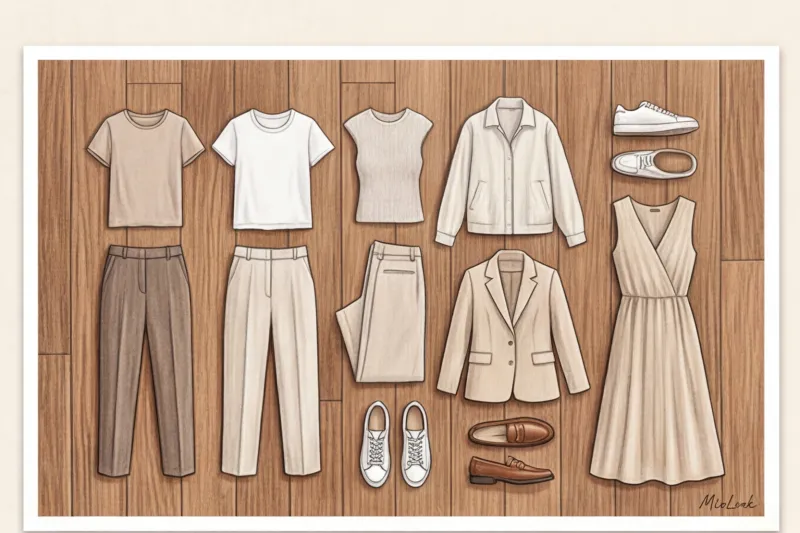
Для структурування обсягів завжди використовую адаптацію знаменитого правила 5-4-3-2-1. В оригіналі це означає: 5 верхів, 4 низи, 3 пари взуття, 2 верхні одягу/шари, 1 сукня або набір аксесуарів. Але ми живемо у гнучкому світі, тому формулу потрібно масштабувати:
- Для довгих поїздок (10-14 днів): Використовуємо класичну пропорцію 5-4-3-2-1 без змін. 15 елементів легко комбінуються в 30+ образів, особливо, якщо ви заплануєте одне прання в готелі.
- Для коротких поїздок (weekend-trip на 2-3 дні): Ріжемо формулу навпіл і отримуємо 3-2-2-1-1 (три верхи, два низи, дві пари взуття, один теплий шар, одна акцентна прикраса). Це ідеальний розмір для ручної поклажі.
Доступ до MioLook за €0,99 — разовий платіж
Розумний AI-стиліст підбере ідеальний образ
Відкрити доступ — €0,99 разовоКрос-поєднання: тестування гардеробу до поїздки
Головна помилка перед відпусткою — купувати яскраву «річ настрою», не перевіривши її на сумісність. Як зрозуміти, чи потоваришує новий шовковий топ зі складним принтом за 60 € із уже запакованими льняними спідницями, не дістаючи їх із шафи і не влаштовуючи примірювальну катастрофу на ліжку?
Саме тут додаток для планування гардеробу перетворюється із забавної іграшки на фінансовий інструмент. Ви просто завантажуєте фото нового топа на віртуальне полотно і намагаєтеся скласти з ним хоча б три цибулі з тих речей, що вже внесені до вашого цифрового багажу. Чи не складається? Отже, топ залишається у магазині.
Дослідження Інституту кольору PANTONE (2022) показало, що візуалізація гардеробу на екрані знижує ймовірність покупок імпульсів на 43%. Мозок швидше розпізнає стилістичний дисонанс, коли бачить речі у вигляді площинних колажів.
На основі цієї крос-поєднання ми розраховуємо «індекс корисності» кожної речі для конкретної подорожі. Формула проста: ділимо обсяг місця у валізі на кількість образів, у яких річ бере участь. Якщо об'ємний светр великої в'язки потрібен вам лише для однієї фотосесії в горах — індекс корисності прагне до нуля. А ось тонкий кашеміровий кардиган, який працює і як топ, і як середній шар під тренч, і як накидка на вечірню сукню отримує максимальний бал.
Мікро-рада: перед тим як застебнути валізу, відкрийте свою програму. Якщо ви бачите річ, яка не прив'язана до жодного конкретного дня і до жодної цибулі — безжально повертайте її на вішалку.
Календар MioLook: покроковий алгоритм планування образів на кожен день
Архітектори ніколи не починають будівництво без детального поверхового плану, але чомусь свою валізу більшість жінок збирає, як гру в тетріс із заплющеними очима. За даними аналітичного агентства WGSN (звіт за початок 2024 року), ми привозимо назад незайманими до 40% речей просто тому, що не продумали їхнє застосування в реальних умовах. Щоб розірвати це хибне коло, я пропоную повністю змінити механіку: перейти до жорсткого хронологічного планування.
Основа цього методу - синхронізація з погодою та розкладом. Відкриваючи вбудований календар у нашому коханому програмі для планування гардеробу MioLook , Ви перестаєте мислити хаотичними категоріями в дусі «треба взяти цей красивий светр». Ви починаєте мислити конкретними сценаріями життя. Вам потрібен образ для сніданку у готелі у вівторок, комфортний багатошаровий сет для денної прогулянки музеями (де температура може змінюватись) та елегантне вбрання для вечірнього театру у п'ятницю.
Закріплення образів за конкретними датами у додатку дозволяє створити наочний таймлайн подорожі. Ви візуально оцінюєте кожен свій день із ранку до вечора. Цей крок миттєво підсвічує стилістичні прогалини: наприклад, на екрані смартфона ви відразу побачите, якщо напланували п'ять ошатних блуз для вечерь, але забули додати до них теплий кардиган або тренч для прохолодних нічних повернень до готелю.
Коли сітка розкладу готова, ми приступаємо до збирання самих комплектів. І тут набирає чинності мій улюблений професійний метод — алгоритм «Знизу догори». Більшість дівчат починає будувати цибулю з «верху» — гарної шовкової сорочки чи нового жакета, а потім судорожно намагається підібрати до них взуття. У мандрівці це фатальна помилка. Чому планування образу для поїздки завжди починається із взуття? Відповідь проста: саме взуття диктує вашу мобільність та самопочуття.
Ви не зможете пройти 15 кілометрів римською бруківкою в ефектних, але жорстких ботильйонах, навіть якщо вони ідеально підходять до вашого пальта. Тому ми завжди обираємо фундамент першим. Наприклад, беремо зручні шкіряні лофери Massimo Dutti (відмінна базова інвестиція в діапазоні 100-130 €) або м'які кеди. І тільки коли взуття затверджене, ми нашаровуємо інше: підбираємо штани правильної довжини, щоб вони не волочилися по землі у поєднанні з плоским ходом, потім топ і верхній шар.
Моє найжорсткіше правило як стиліста, яке я транслюю всім клієнткам на персональних розбірках: «Якщо образ не зібраний у календарі повністю (включаючи взуття, сумку та верхній одяг) — ця річ залишається вдома». Жодних компромісів у стилі «на місці розберуся» або «може стати в нагоді».
Наступний важливий прийом, який ми відпрацьовуємо у календарі, – це дублювання бази. Грамотний відпускний гардероб повинен працювати як швейцарський годинник: мінімум деталей, максимум функціональності. Нам потрібно використовувати ті самі речі кілька разів, змінюючи тільки їх подачу за допомогою аксесуарів. Подивимося на практиці: як використовувати одні й ті самі джинси у понеділок та четвер, змінюючи лише стилізацію?
Візьмемо класичні прямі джинси Other Stories (близько 80 €). У додатку ви ставите їх на понеділок: у поєднанні з базовою білою футболкою, кросівками та об'ємним шопером це ідеальна цибуля для довгої екскурсії. А потім ви дублюєте ці джинси на вечір четверга. Але цього разу в календарі до них додається шовковий топ стилю білизни, акцентні сережки-люстри і компактна кросс-боді сумка на ланцюжку. Базова річ залишається незмінною, але за рахунок зміни «обважування» градус ошатності злітає від нуля до ста. Це заощаджує щонайменше один повноцінний комплект у вашому багажі.
Створення «ягідних» луків для головних подій
У будь-якій поїздці, будь то динамічний вікенд у європейській столиці або серйозне відрядження, завжди є точки максимальної напруги. Це події, на яких ви повинні виглядати та відчувати себе на 100% бездоганно. Саме з таких точок потрібно розпочинати заповнення цифрового розкладу.
Створення «ягідних» луків передбачає попереднє виділення ключових заходів поїздки. Це може бути відповідальна бізнес-зустріч із партнерами, ювілей близької людини у ресторані або статусна екскурсія з професійним фотографом. Помилка багатьох — купувати та везти під кожну таку подію абсолютно новий, незалежний комплект одягу, який одягнуть рівно один раз.
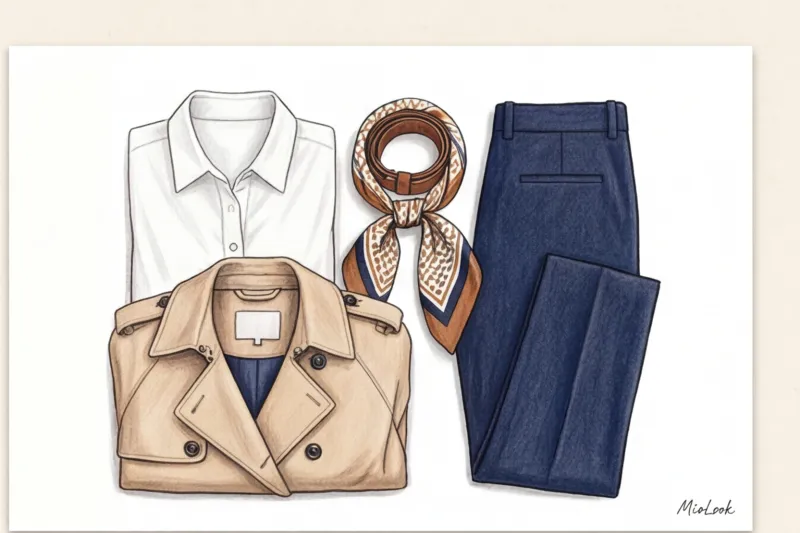
Натомість я пропоную розумніший підхід: підбір бази навколо однієї сильної акцентної речі. Виберіть свій «якір». Допустимо, це структурований жакет Zara насиченого ягідного або смарагдового відтінку (в межах 60-70 €). Він стає стилеутворюючим центром вашої валізи.
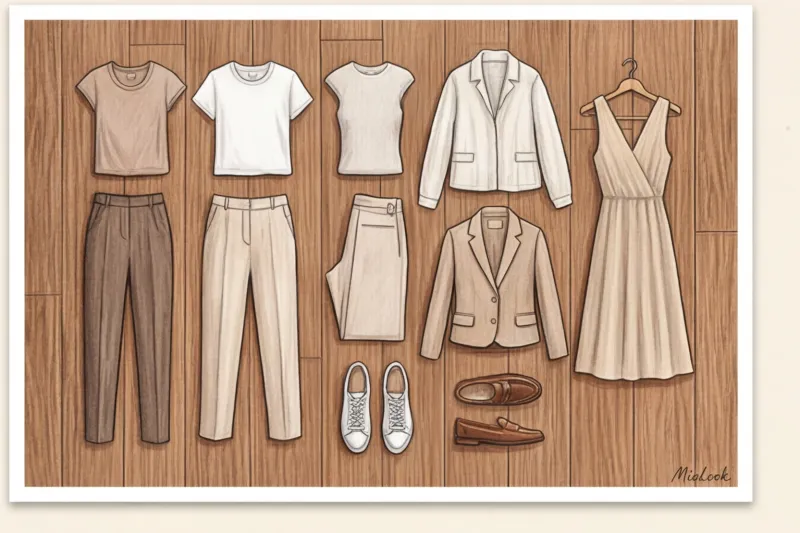
На бізнес-зустріч ви надягаєте його поверх строгої білої сорочки в чоловічому стилі з широкими класичними брюками. На урочистий ювілей цей жакет накидається на плечі поверх лаконічної чорної сукні-комбінації з віскози (плюс трохи червоної помади). На екскурсію він розкішно спрацює з тими самими базовими джинсами і бавовняною тільником, створюючи розслаблений образ у стилі паризького шику.
Секрет цього прийому у особливостях людського сприйняття. Наше око чіпляється за яскраві домінуючі деталі, ігноруючи нейтральні фонові елементи. Навколишні запам'ятають ваш приголомшливий кольоровий жакет, але ніхто не зверне уваги на те, що під ним одягнені ті самі базові речі. Планування таких якірних образів дозволяє вам виглядати щодня по-новому, зберігаючи при цьому вагу багажу у жорстких рамках правил авіакомпаній.
Відрядження vs Відпустка: налаштовуємо програму для планування гардеробу під різні завдання
Чи помічали ви, що наш мозок по-різному оцінює ризики залежно від мети поїздки? Збираючись на довгоочікуваний відпочинок, ми схильні до романтизації та надмірності, а перед робочою поїздкою часто впадаємо в ступор через страх виглядати недоречно. Якісне додаток для планування гардеробу здатне віртуозно закрити обидві ці потреби, але алгоритми роботи з діловою та курортною капсулою на екрані смартфона кардинально відрізнятимуться.
Згідно з опитуванням авторитетного видання Business Travel News (2023), близько 60% жінок-керівників називають вибір одягу та страх «пом'ятого вигляду» одним з головних стрес-факторів перед будь-яким відрядженням.
Специфіка бізнес-трипу - це тотальна мінімізація стресу та безкомпромісний тайм-менеджмент. У вас банально немає права витрачати 40 хвилин на виснажливу боротьбу з готельною праскою перед ранковою презентацією. Саме тому льон, який такий чудовий для променаду набережною, абсолютно жахливий у відрядженні. Якщо ви присядете в таксі в лляному костюмі, на момент зустрічі з клієнтом ваші штани неминуче покриються сіткою неакуратних складок.
Для вирішення робочих завдань я настійно рекомендую інвестувати в тканини, які практично не мнуться: суміш тонкої вовни з шовком і щільний структурований трикотаж. Шерсть чудово тримає задану форму і витягує силует, а шовкова нитка дає благородний лиск і запобігає появі заломів на згинах. У моїй персональній практиці ідеальна база для частих відряджень забезпечує шведський бренд COS. Їхні архітектурні жакети та прямі штани без стрілок (у середньому ціновому сегменті 80–150 €) зберігають свій первісний вигляд навіть після шести годин у тісному кріслі економ-класу.
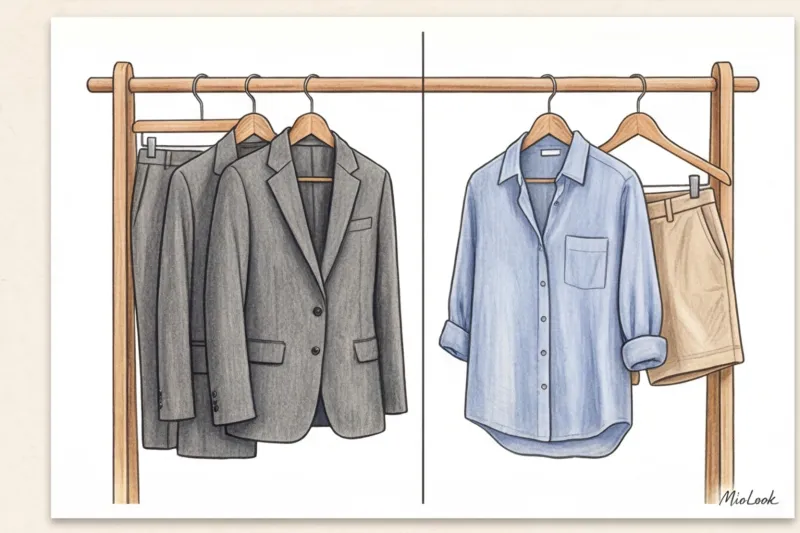
Другий головний біль ділових поїздок - суворий облік дрес-коду при мінімально допустимій вазі ручної поклажі. Часто розклад вимагає плавного переходу від формальних денних переговорів до вечірньої неофіційної вечері з потенційними партнерами. Повертатися в номер просто немає часу, тому трансформація денного ділового образу у вечірній має відбуватися за три хвилини у вбиральні ресторану виключно за допомогою аксесуарів. Працюючи в MioLook , я завжди раджу дублювати один і той же базовий костюм на різні тайм-слоти: для денного ми додаємо класичні лофери і місткий шкіряний тоут, а для вечірнього - акцентна шовкова хустка на шию, масивні сережки-хупи та міняємо об'ємну сумку на мінімалістичний клатч.
Доступ до MioLook за €0,99 — разовий платіж
Почніть створювати ідеальні образи за допомогою штучного інтелекту
Відкрити доступ — €0,99 разовоКурортна капсула, навпаки, розслаблює нашу стилістичну пильність. Найпоширеніша помилка, яку я регулярно бачу на екранах смартфонів своїх клієнток перед вильотом на море, - це підступна небезпека набрати 10 літніх сарафанів. На перший погляд здається, що це найпрактичніше рішення: надягнув одну річ і образ готовий. Але математика розумного стилю невблаганна. Десять суконь — це десять образів, які займуть половину вашої валізи і позбавлять вас простору для візуального маневру.
Щоб грамотно збалансувати низи та верхи для пляжного відпочинку, використовуйте жорстке правило окремого гардеробу. У візуальній сітці програми відразу видно структурний перекіс. Якщо ви візьмете 3 правильних «низу» (шорти-бермуди з щільної бавовни, вільні лляні штани палаццо, шовкову спідницю-міді на запах) і 5 різних «верхів» (кроп-топи, базові майки в рубчик, асиметричні легкі блузи), ви отримаєте 1 місця. І ось тут лляна тканина нарешті стає вашим головним стилістичним козирем — на спекотному південному сонці її природна пом'ята фактура читається як розслаблений європейський шик, додаючи образу динаміки.
Взуття та аксесуари: як не обтяжити багаж, зберігаючи статус
Спостерігаючи за пасажирами в бізнес-лаунжах, я давно вивела для себе чітке правило: ваш клас видають не величезні логотипи на худорлявість, а стан вашого взуття та якість ременя. Статусність у поїздці будується на продуманих деталях, а чи не кількості валіз.
Найважча та проблемна частина багажу – це взуття. Тут рекомендую діяти безкомпромісно: для поїздки будь-якої тривалості вам потрібно рівно три пари. Перша пара - у дорогу. Це ваше найзручніше, розношене взуття (наприклад, шкіряні лофери або анатомічні кросівки), в якому ви легко подолаєте кілометрові термінали. Друга пара - повсякденна альтернатива. Якщо основне взуття промокло під дощем або натерло ногу, у вас обов'язково має бути зміна для довгих піших прогулянок. І третя пара - на вихід. Витончені слінгбеки, лаконічні ботильйони чи класичні човники, які миттєво збирають вечірній образ. Повірте моєму досвіду аналізу відпускних капсул: четверта і п'ята пара зазвичай так і залишаються лежати на дні сумки, займаючи дорогоцінний обсяг.
Як грамотно розподілити цю вагу? Відкриваючи додаток для планування гардеробу , я завжди починаю збирати капсулу зі створення образу "в літак". Головний принцип логістики: найоб'ємніші та найважчі речі ми надягаємо на себе. Масивні черевики, вовняне пальто або щільний кардиган великої в'язки (вагою до 1.5 кг) не повинні з'їдати габарити ручної поклажі. У додатку цю цибулю можна закріпити за першим і останнім днем поїздки, щоб система автоматично відняла ці речі з віртуальної валізи.
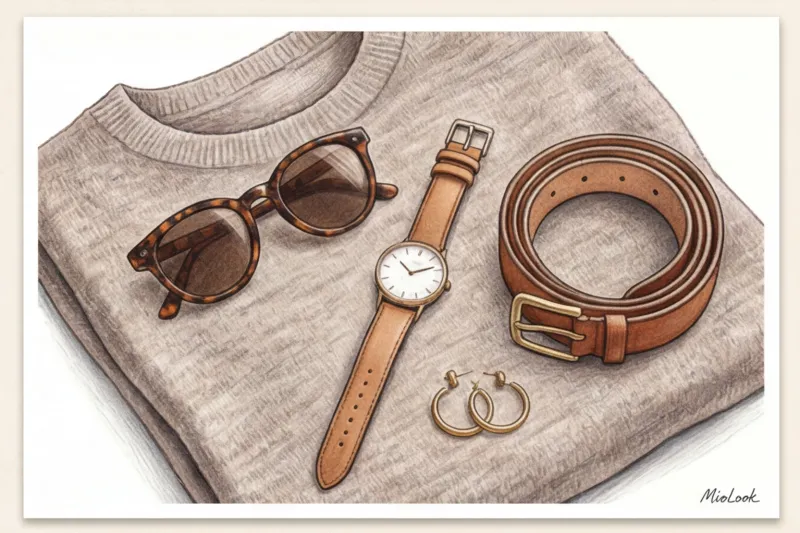
Тепер про магію трансформації. Більшість жінок у спробах урізноманітнити гардероб кидають у валізу п'ять додаткових блуз. Але справжні стилістичні трансформатори це аксесуари. Якісний шкіряний ремінь (відмінні базові варіанти можна знайти в сегменті Massimo Dutti або Other Stories від 50 до 120 €), вінтажна шовкова хустка та лаконічна біжутерія займають мінімум місця, але змінюють тональність комплекту на 180 градусів.
Вдень ви гуляєте в білій базовій футболці та джинсах, а ввечері, додавши до цієї ж бази масивні сережки-кільця, статусний годинник на металевому браслеті, акцентний ремінь і ту саму третю пару взуття, вирушаєте до ресторану. Завантаживши свої аксесуари в MioLook, ви можете наочно протестувати, як одна шовкова хустка каре працює в ролі ременя, прикраси на сумку або топа під жакет. Хороші сонцезахисні окуляри правильної геометрії та ідеально доглянуте взуття створять ту саму естетику quiet luxury, яка виглядає доречно та дорого у будь-якій точці світу, не вимагаючи переваги на стійці реєстрації.
Чек-лист: збираємо ідеальну валізу з MioLook за 30 хвилин
За статистикою сервісів продуктивності за 2023 рік, жінки витрачають на збори багажу в середньому близько двох з половиною годин, причому 80% цього часу йде на сумніви та хаотичні примірки. Найвиснажливіша частина підготовки до поїздки — це не укладання речей у валізу, а процес прийняття стилістичних рішень. Щоб виключити когнітивне навантаження та заощадити час, я розробила жорсткий алгоритм. Одна з моїх клієнток, топ-менеджер з Берліна, завдяки цій схемі скоротила збори з трьох болісних годинників до 25 хвилин.
Отже, відкриваємо додаток для планування гардеробу , Засікаємо півгодини і діємо строго за планом.
- Крок 1: Додати вступні (дати, погода, формат подорожі). Перш ніж дивитись на одяг, оцифруйте реальність. Внесіть у додаток точну кількість днів, перевірте прогноз погоди (обов'язково враховуйте перепад між денною та вечірньою температурою) та позначте формат: чи чекають на вас довгі піші прогулянки бруківкою чи статусні гастрономічні вечері.
- Крок 2: Створити мудборд із 10-15 базових речей у додатку. Не намагайтеся осягнути неосяжне. Зайдіть у віртуальну примірювальну та відберіть лімітовану капсулу. Ідеальна формула для стандартного тижня: 3 низи, 4-5 верхів (наприклад, щільна бавовняна сорочка H&M Premium, пара базових топів, кардиган), 2 сукні та 2 пари взуття. Якщо ви берете структурний жакет Zara за 60€ або вовняні штани COS за 99€, переконайтеся, що вони збираються в комплекти з іншими позиціями прямо на екрані.
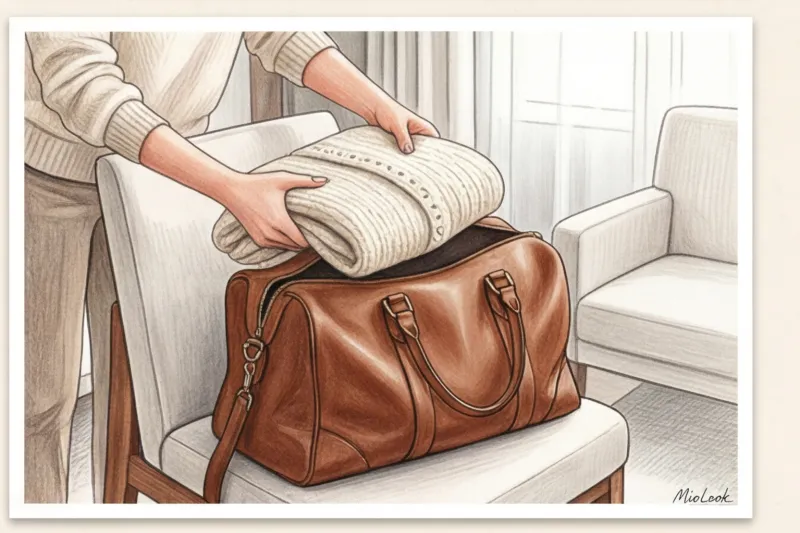
- Крок 3: Розкидати готові образи днями у календарі. Тепер починається чиста математика. Зберіть із відібраних 15 речей повноцінні комплекти та прив'яжіть їх до конкретних дат подорожі. У вас не повинно залишитися «сиротливих» блуз, які ви плануєте надіти «можливо, якщо буде настрій».
Ваш ідеальний образ
починається тут
Приєднуйтесь до тисяч користувачів, які щодня виглядають бездоганно з MioLook.
Відкрити доступ — €0,99 разово- Крок 4: Фізичний збір – дістаємо з шафи лише те, що є на екрані. Це найважливіший психологічний етап, який називаю «правилом цифрових кордонів». Покладіть смартфон із відкритим планом перед собою. Витягайте з вішалок виключно ті позиції, які затверджені у вашому мудборді. Жодних імпульсивних рішень у дусі «кину ще ось цю шовкову спідницю Massimo Dutti, вона ж легка». Ця легка спідниця вимагатиме інше взуття, безшовну білизну та спеціальний топ. Якщо речі немає в додатку, вона залишається на штанзі.
- Крок 5: Перевірка за чек-листом «одяг у дорогу». Відділіть найоб'ємніший і найважчий комплект - у ньому ви поїдете або полетите. Зазвичай це джинси, щільне худі, масивні кросівки та верхній одяг. Переконайтеся, що ця цибуля теж зафіксована у календарі як «транзитна», щоб не запакувати випадково потрібний ремінь углиб валізи.
Діючи за цим чек-листом, ви позбавляєте себе можливості зробити помилку і повністю виключаєте ризик переваги на стійці реєстрації.
Підсумки: подорожуйте без нічого і з упевненістю у своєму стилі
Уявіть свій ідеальний ранок у відпустці чи відрядженні. Ви прокидаєтеся в гарному готелі, спускаєтеся на сніданок, а в голові немає жодної тривожної думки про те, як скомбінувати ту складну асиметричну спідницю з Other Stories з об'ємним светром. Ви просто відкриваєте смартфон, дивіться на заздалегідь зібраний колаж і одягаєте готовий комплект. Жодної паніки, ніяких розкиданих по всьому ліжку речей.
Багато жінок на моїх консультаціях помилково вважають, що тотальний контроль валізи вбиває спонтанність. Я завжди відповідаю: планування — це не обмеження, а абсолютна свобода від ранкових думок «мені нема чого надіти» в чужому місті.. Коли ми збирали мою клієнтку Анну на романтичний вікенд до озера Комо, вона дуже чинила опір складання жорсткого розкладу. Вона боялася стати «людиною у футлярі». Але коли на місці їй не довелося витрачати дорогоцінний ранковий годинник на примірки перед дзеркалом, вона написала мені захоплене повідомлення: «Катажина, це перша відпустка, де я просто пила просік на терасі, замість того, щоб психовати через м'яті сорочки, які ні з чим не поєднуються».
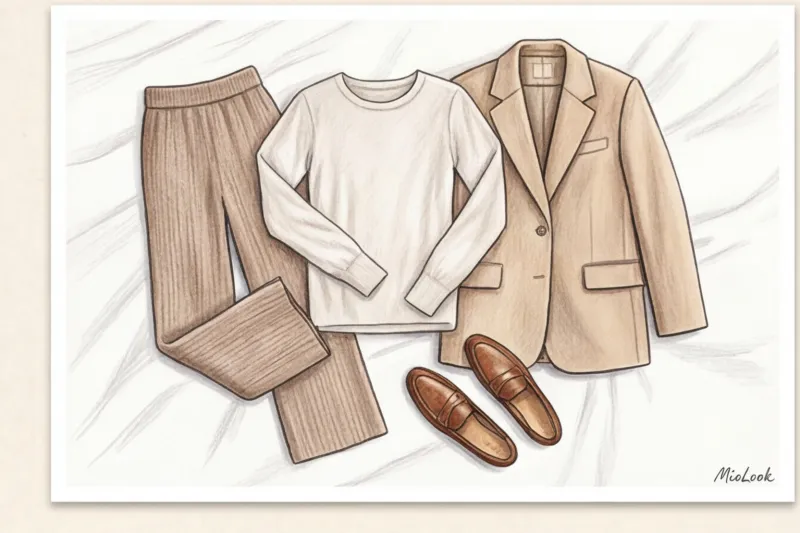
Інвестиція часу до подорожі окупається феноменально. Ті 30–40 хвилин, які ви проведете з чашкою кави, збираючи віртуальні луки на дивані, конвертуються безпосередньо в три відчутні бонуси:
- Легкість багажу та економія. Ви більше не переплачуєте авіакомпаніям по 50-90 € за незаплановану перевагу на стійці реєстрації.
- Збереження речей. У напівпорожній валізі тканини менше мнуться, а значить, вам не доведеться судомно шукати праску перед важливою вечерею.
- Естетика вражень. Погодьтеся, стильними фотографіями з подорожей хочеться ділитися. Коли ваша капсула продумана колористично, весь фотоархів виглядає як цілісна fashion-зйомка для глянсового журналу, а не випадковий набір кадрів.
«Справжня елегантність полягає у простоті та порядку. Метушність у зборах неминуче транслюється у метушливість самого образу. Позбудьтеся зайвого, і ви знайдете свій справжній стиль».
Звичайно, я як практик чудово розумію, що ідеальних планів не існує. Завжди є ризик пролити еспресо на білу сорочку Zara або потрапити під раптову паризьку зливу. Це нормально. Але коли 90% вашого багажу - це єдина екосистема, де все поєднується з усім, замінити зіпсований топ на запасний базовий лонгслів - справа однієї хвилини. А 10% форс-мажорів, що залишилися, — це просто відмінний привід купити вінтажну шовкову хустку або автентичний джемпер у місцевому бутику.
Впровадження нових звичок потребує невеликого тренування. Не потрібно відразу намагатися зібрати капсулу для тритижневого турне Азією. Почніть із малого.
Я кидаю вам стильний виклик: використовуйте сучасне додаток для планування гардеробу MioLook, щоб підготуватись не до відпустки, а до найближчих стандартних вихідних. Прямо сьогодні відкрийте вбудований календар і зробіть три прості кроки:
- Відцифруйте лише 5–7 улюблених речей (наприклад, прямі джинси, базову футболку, улюблений жакет, кеди та акцентну сумку).
- Сформуйте з них два кардинально різні образи: один для розслабленого бранча в суботу, другий — для недільної прогулянки чи походу в кіно.
- Закріпіть їх за конкретними датами у програмі.
Гарантую, що цієї суботи ви прокинетеся з зовсім іншим, легким настроєм. Подорожуйте без нічого, зберігайте порядок у думках і валізах, і пам'ятайте: головний секрет бездоганного стилю - це впевненість, яку дарує хороша підготовка.
Глави гайда
Що взяти у відпустку взимку: стильна капсула
Забудьте про товсті светри та перевагу багажу. Дізнайтеся, як зібрати легку, стильну та теплу капсулу для зимової подорожі за допомогою багатошаровості.
Гардероб на вихідні: смарт-капсула за місто
Збираєтеся за місто, але боїтеся взяти зайве? Розповідаємо, як зібрати компактну та елегантну смарт-капсулу для ідеального відпочинку без стресу.
Ідеальна капсула в ручну поклажу: секрети стиліста
Забудьте про перевагу багажу та зайві речі. Дізнайтеся авторську формулу стиліста, яка допоможе зібрати ідеальний гардероб для будь-якої поїздки без нічого.
Як підібрати образ на захід без стресу та поспіху
Збираєтесь на вечірку, а одягти нічого? Розповідаємо, як спланувати ідеальний образ заздалегідь та назавжди забути про стрес перед виходом.
Як не брати зайві речі у відпустку: метод планування
Втомилися привозити з поїздки жодного разу не одягнений одяг? Персональний стиліст ділиться секретами візуального планування ідеальної відпускної капсули.
Що взяти у відрядження жінці: капсула на 3-5 днів
Як зібрати стильний гардероб для робочої поїздки та уникнути переваги? Розкриваємо секретну формулу ділової капсули на 3-5 днів.
Капсула у відпустку на морі: як зібрати валізу без зайвого
Секрети ідеального пляжного гардеробу від стиліста із 14-річним досвідом. Дізнайтеся, як зібрати стильну капсулу для відпочинку та не платити за перевагу багажу.
Як планувати гардероб на тиждень: заощаджуємо час вранці
Щоранку починаєте з думки «Мені нема чого надіти»? Розповідаємо, як правильно скласти образи на робочий тиждень і назавжди позбутися ранкового хаосу.
Навіщо потрібен календар образів: психологія та звички
Оцифрування шафи – це не просто органайзер, а потужний психологічний інструмент. Дізнайтеся, як планувальник позбавляє хаосу в гардеробі.