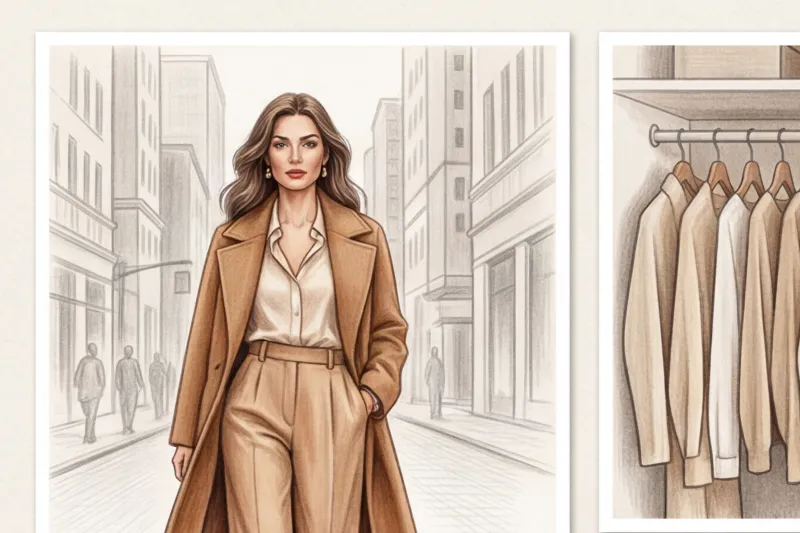
Что такое истинный монохромный гардероб: эстетика против скуки
На моей практике почти каждая третья клиентка, решившаяся собрать монохромный гардероб, совершает одну и ту же ошибку. Она покупает брючный костюм, водолазку и пальто тон-в-тон, надевает всё это разом и... с ужасом понимает, что выглядит как большое цветовое пятно. Или, что еще хуже, как сотрудник курьерской службы в униформе. Почему так происходит? Потому что истинная эстетика кроется не в слепом копировании одного Pantone-кода, а в тонкой, почти ювелирной работе с полутонами.
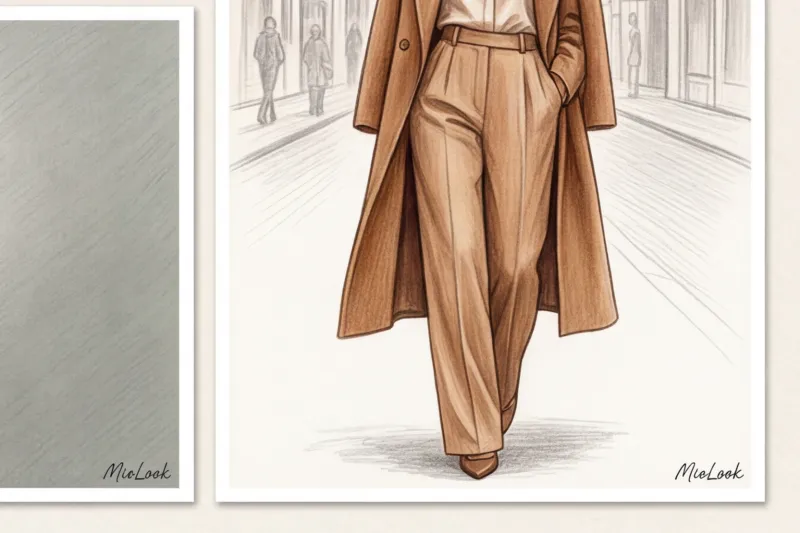
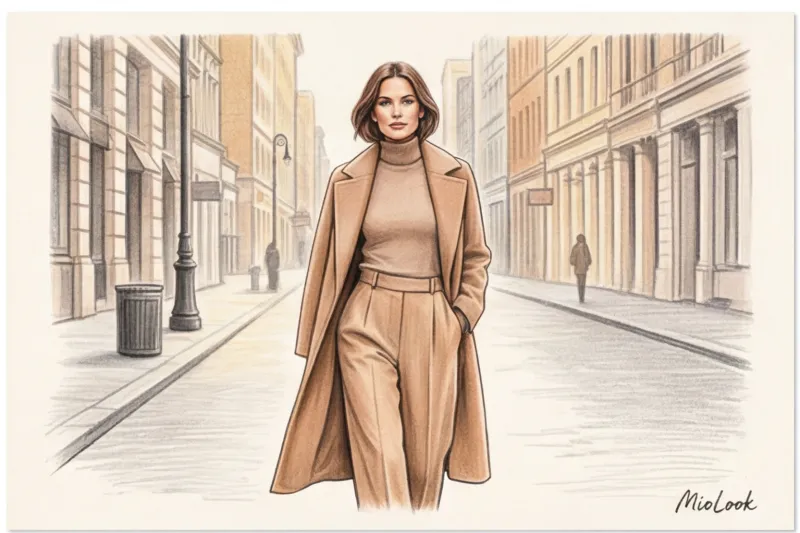
Настоящий монохром — это изысканная растяжка оттенков в рамках одного цветового сектора, своеобразный температурный градиент. Вы не одеваетесь в один цвет с ног до головы. Вы берете за основу, например, глубокий карамельный, добавляете к нему оттенок топленого молока, немного песочного и завершаете акцентом цвета горького шоколада. Именно эта игра полутонов создает оптическую глубину и заставляет образ выглядеть дорого.
«В философии итальянского люкса есть негласное правило: чем проще цвет, тем идеальнее должен быть крой. В монохроме одежда не может спрятаться за пестрым принтом — каждая вытачка, каждый шов становятся архитектурными доминантами вашего образа».
Когда мастера haute couture создают однотонные коллекции, они знают, что отсутствие рисунка моментально оголяет любую неточность лекал. Никаких кривых строчек или плохой посадки быть не может. Правильные пропорции здесь играют первостепенную роль (если вы хотите углубиться в тему архитектуры образа, советую изучить классические силуэты в одежде и фасоны для любой фигуры).
Эта концепция имеет богатый исторический контекст. Фундамент такого подхода заложила еще Коко Шанель. Когда она вводила в моду свои легендарные тотально-черные и бежевые ансамбли, она бросала вызов перегруженной декором моде своего времени, доказав, что монохром — это не отсутствие фантазии, а высшее проявление элегантности. Эстафету гениально перенял Джорджио Армани в 1980-х. Пока весь мир сходил с ума по неоновому диско и агрессивному колор-блокингу, он одел элиту в мягкий, струящийся монохром оттенка «greige» (уникальная смесь серого и бежевого). Армани навсегда сделал однотонные образы синонимом власти и уверенности, которая не нуждается в крике.
Сегодня монохромный подход стал главным маркером эстетики stealth wealth (тихой роскоши) и премиум-сегмента. Собрать безупречный образ в оттенках экрю или кэмел — это сложная задача, требующая высокой насмотренности. Кроме того, светлый монохром транслирует определенный образ жизни: передвижение на автомобиле, бережное отношение к вещам, регулярная химчистка. Когда я вижу женщину в идеально подобранном бежевом ансамбле, я понимаю: её базовое шерстяное пальто может стоить 250 €, а может и 3500 €, но именно грамотная градиентная сборка заставляет весь комплект выглядеть на миллион.
Это осознанный выбор тех, кто уже перерос логоманию и быструю смену микро-тенденций, что отлично вписывается в концепцию медленной моды. Чтобы не ошибиться с подбором правильного оттенка в магазине, мои клиентки часто используют функцию визуализации в приложении MioLook — она помогает заранее увидеть, как новая вещь впишется в цветовую растяжку вашей капсулы, избавляя от импульсивных покупок.
Инвестиции в статус: почему монохромная капсула окупается
А вы когда-нибудь задумывались, почему полный шкаф ярких, разноцветных вещей в итоге обходится вам дороже, чем лаконичная премиальная капсула в единой гамме? Главное правило investment dressing (инвестиционного гардероба), которое я транслирую своим клиенткам, заключается в строгом расчете Cost-per-wear (стоимости за выход). И именно здесь монохром демонстрирует свою абсолютную финансовую эффективность.
Возьмем классический пример из моей консалтинговой практики. Допустим, вы приобретаете безупречный бежевый тренч из плотного хлопкового габардина за 1200 €. На первый взгляд, сумма кажется внушительной. Однако благодаря нейтральному монохромному оттенку он не конфликтует ни с одной другой вещью в вашем гардеробе. В условиях европейского или умеренного климата вы спокойно носите его около 150 дней в году. Путем нехитрой математики получаем: за один сезон стоимость выхода составляет всего 8 €. На второй год этот показатель падает до 4 €, а на третий — до 2,6 €. А теперь сравните это с ультрамодным жакетом со сложным цветочным принтом за 200 €, который вы наденете ровно три раза, потому что он слишком запоминающийся. Его реальная цена для вас составит почти 67 € за выход.
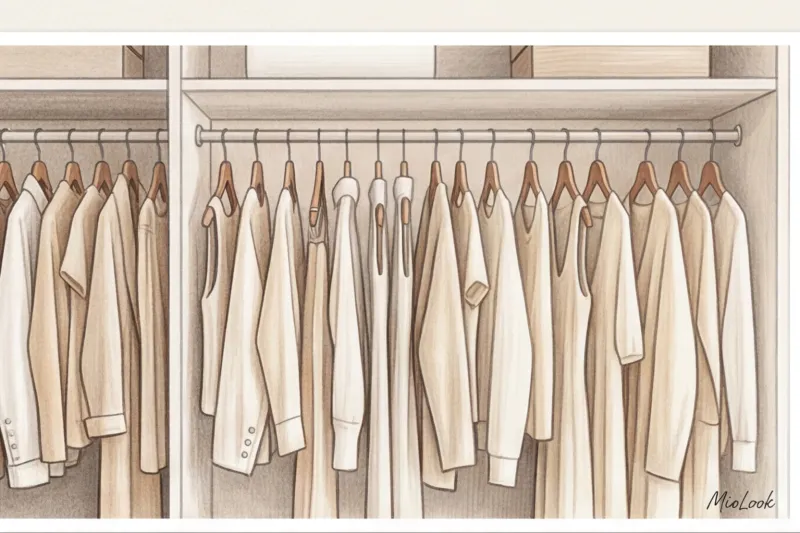
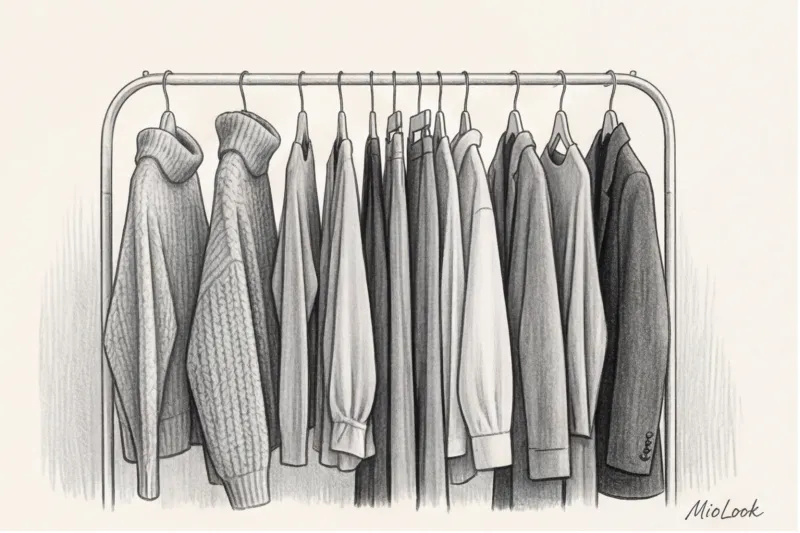
Вторая причина, по которой статусные однотонные вещи окупаются быстрее, кроется в максимальной комбинаторике. Десять вещей в одном цветовом спектре (например, в оттенках экрю, кэмел или классического Navy) всегда дадут больше функциональных комплектов, чем тридцать разрозненных. Если у вас есть 5 «низов» и 5 «верхов» сложной пестрой палитры, из-за конфликта температур и принтов вы соберете от силы 7–8 удачных образов. Те же 10 вещей в родственных оттенках смешиваются с закрытыми глазами, образуя минимум 25 идеальных луков, а с учетом многослойности — более сорока.
За 12 лет работы стилистом я собрала четкую статистику: переход на монохромную базу экономит моим клиенткам в среднем 15–20 минут каждое утро. Состояние «полный шкаф, а надеть нечего» исчезает навсегда. Чтобы визуализировать эти комбинации и не держать их в голове, я советую загрузить свои базовые вещи в умный гардероб MioLook — это позволяет планировать образы буквально за пару кликов.
Доступ к MioLook за €0,99 — разовый платёж
Умный AI-стилист подберёт идеальный образ
Открыть доступ — €0,99 разовоНо инвестиции возвращаются не только сэкономленным временем и деньгами. Самый ценный дивиденд монохромного гардероба — это психология восприятия. В стайлинге существует понятие «эффект колонны» (column effect). Когда вы выстраиваете непрерывную вертикаль одного цвета — надевая, скажем, брюки-палаццо и кашемировую водолазку в тон — вы визуально вытягиваете силуэт. Отсутствие контрастных горизонтальных линий, которые разбивают фигуру на блоки, делает вас стройнее, выше и грациознее.
Такая цветовая дисциплина транслирует окружающим спокойную уверенность и статусность, известную как stealth wealth (тихая роскошь). Вы не пытаетесь привлечь к себе внимание неоновыми вспышками или крупными логотипами. Вы позволяете говорить благородной фактуре ткани и архитектурному крою. Вертикаль одного цвета воспринимается нашим мозгом как символ стабильности и авторитета, поэтому монохром остается главным оружием элегантных женщин на решающих переговорах.
Главный секрет стилиста: игра фактур вместо игры цвета
В Институте цвета Pantone есть важный постулат: цвет — это не просто пигмент, это физика отражения света от поверхности. Задумывались ли вы, почему идеально совпадающие по оттенку брюки и топ из одинаковой гладкой вискозы редко выглядят как Haute Couture? Потому что абсолютное совпадение ткани и цвета лишает силуэт архитектуры. Без светотеневой игры образ становится плоским, и вы получаете эффект униформы — словно на вас медицинский костюм или корпоративная спецодежда.
Разница между премиальным монохромом и скучной однотонностью кроется в инсайдерском понимании свойств волокон. Дешевый полиэстер — злейший враг однотонного гардероба. Независимо от цены (даже в сегменте добротного масс-маркета за 50–70 €) синтетическая нить преломляет свет резко, создавая жесткий, почти пластиковый блик. Это мгновенно удешевляет весь комплект, делая его визуально «плотным» и недышащим.
Натуральный шелк плотности шармез, напротив, дает деликатное, текучее свечение. А качественная мериносовая шерсть или альпака работают как естественные поглотители света, уводя цвет в благородную, бархатистую глубину. Дизайнеры брендов уровня The Row или Loro Piana строят свои монохромные коллекции именно на этом: они не ищут новые оттенки бежевого или серого, они ищут новые способы заставить свет отражаться от ткани.
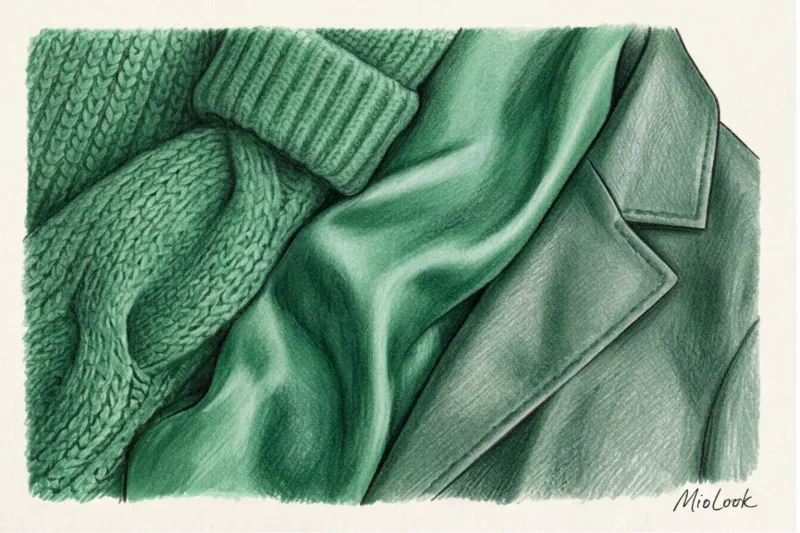
Чтобы избежать эффекта «плоского пятна», в стайлинге применяется строгое «Правило трех фактур». В рамках одного цвета в ансамбле всегда должны встречаться три поверхности: матовая, глянцевая и рельефная. Только тогда глазу будет за что зацепиться.
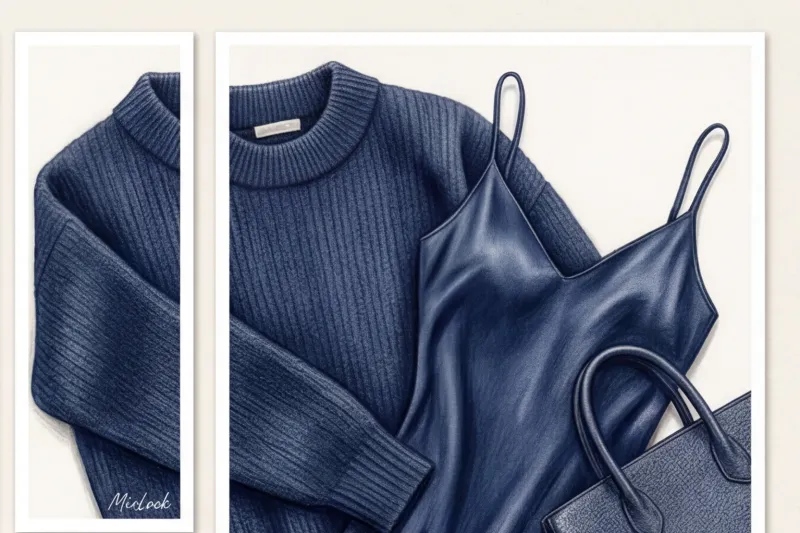
Формулы сочетания материалов для дорогого образа
Чтобы вам не приходилось каждое утро ломать голову перед шкафом, комбинируя вещи вслепую, я разработала три безотказные формулы. Загрузив свою базу в умный гардероб MioLook, вы можете отмечать фактуру каждой вещи тегами — это позволит алгоритму моментально собирать для вас многомерные комплекты из того, что уже есть в наличии.
Вот как работают классические формулы на практике:
- Шелк + Кашемир + Кожа. Это абсолютная классика «тихой роскоши». Представьте: струящаяся шелковая юбка-слип (глянцевая база), объемный свитер из чистого кашемира (рельеф и пушок) и матовые кожаные сапоги-трубы. Разность преломления света делает один и тот же кремовый или шоколадный оттенок потрясающе сложным. Кашемир смягчает холодный блеск шелка, а жесткая форма обуви заземляет образ.
- Плотная костюмная шерсть + Тонкий хлопок + Замша. Безупречный выбор для бизнес-среды, где чрезмерный блеск неуместен. Гладкая, почти сухая поверхность шерстяного пиджака великолепно контрастирует с хрустящим тонким поплином рубашки. Завершающим штрихом становятся замшевые лоферы или замшевый шопер. Замша работает как светопоглощающая губка — она всегда кажется на полтона темнее и глубже основной ткани, создавая нужный градиент без фактической смены цвета.
- Твид + Шифон + Гладкая кожа. Формула, построенная на радикальном контрасте фактурных весов. Тяжелый твидовый жакет, где переплетение нитей само по себе создает микро-тень, требует чего-то невесомого в качестве базы — например, полупрозрачной шифоновой блузы. Кожаные брюки или архитектурная сумка из жесткой телячьей кожи «собирают» этот контраст, добавляя образу современной динамики.
Маленький лайфхак от стилистов: всегда располагайте самую фактурную или блестящую вещь там, куда хотите привлечь внимание. Если ваша цель — подчеркнуть портретную зону, наденьте шелковую блузу под глухой матовый жакет. Если хотите визуально скрыть объем бедер, выбирайте для брюк или юбки сухую шерсть, которая не дает бликов, расширяющих силуэт, а глянец оставьте для обуви.
Секрет по-настоящему дорогого монохрома заключается в умении заставить взгляд зрителя путешествовать. Когда глаз плавно переходит от сияющего шелка к пушистому кашемиру, а затем скользит по гладкой коже — такой образ хочется рассматривать бесконечно.
Как выбрать «свой» базовый цвет для монохромного гардероба
Исследование аналитического агентства WGSN (2024) показало интересную статистику: 68% женщин отказываются от идеи создать монохромный гардероб именно на этапе выбора цвета. Они либо боятся превратиться в «белое пятно», либо по инерции скатываются в безопасный, но откровенно скучный темный. Как стилист, работающий с инвестиционным гардеробом, я всегда говорю: базовый оттенок вашей капсулы — это фундамент дома. Если ошибиться с грунтом, самые дорогие итальянские ткани не спасут архитектуру образа.
В основе профессионального подбора оттенков лежит система 12 цветотипов внешности. Я не призываю вас фанатично прикладывать к лицу тестовые платки, но базовую математику колористики понимать необходимо. Цвет одежды — это физическое явление, отраженный свет, который падает на ваше лицо. И ключевую роль здесь играет температура и чистота пигмента.
«Неправильно подобранный подтон способен визуально прибавить вам пять лет возраста и создать иллюзию хронического недосыпа, даже если на вас кашемир высшей пробы».
Несколько лет назад ко мне обратилась топ-менеджер европейской корпорации с запросом на монохромный гардероб в сером цвете. Бюджет был внушительным, и мы подобрали великолепные вещи: от пальто Loro Piana до тончайших шелковых топов. Однако на примерке произошло непредвиденное. Клиентка посмотрела в зеркало и расстроилась — она выглядела изможденной. Проблема крылась не в усталости. Женщина обладала теплым колоритом («Мягкая Осень»), а весь закупленный серый монохром имел холодный, стальной синеватый подтон. Этот цвет буквально вытягивал жизнь из лица, подчеркивая малейшие тени под глазами. Стоило нам заменить этот «стальной» оттенок на теплый серо-бежевый (грейдж), как кожа мгновенно подсветилась, а образ приобрел ту самую лощеную дороговизну.
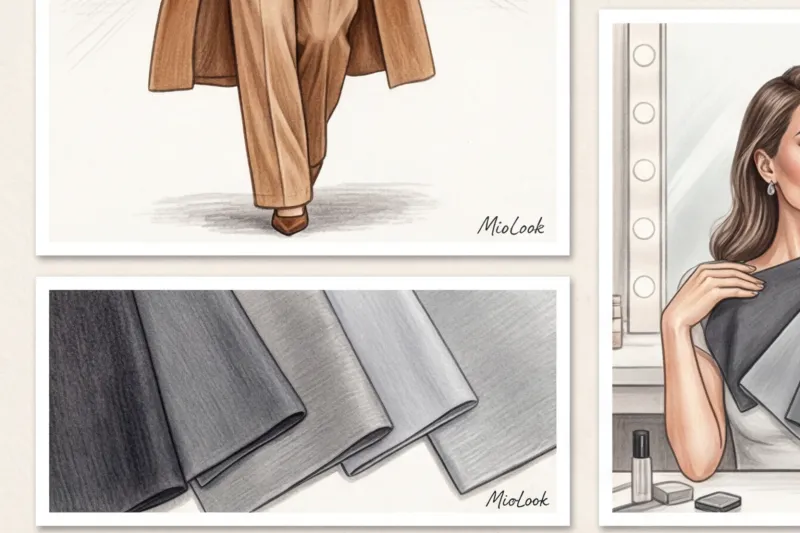
Помимо природного колорита, жесткой фильтрации требует и оценка вашего образа жизни: это вечный компромисс между маркими светлыми и практичными темными тонами. Роскошный оттенок сливочного масла или кипенно-белый монохром выглядит ослепительно, но требует передвижения на личном автомобиле и идеальной городской инфраструктуры. Если ваш график подразумевает частые командировки, поездки в метро и прогулки по слякотным улицам, инвестиции в светлую базу обернутся астрономическими счетами за химчистку (которая в Европе начинается в среднем от 40 € за одно классическое пальто). В этом случае логичнее строить базу вокруг глубоких, утилитарных оттенков, добавляя светлые элементы только в портретную зону.
Чтобы не гадать, какой цвет действительно приживется в вашей рутине, я настоятельно советую провести аудит с помощью MioLook. Оцифровав свои самые любимые и носибельные вещи, вы сразу увидите честную цветовую статистику. Если 80% вашей базы темная, резкий переход в бежевый монохром потребует полной замены гардероба, а не точечных инвестиций.
Доступ к MioLook за €0,99 — разовый платёж
Начните создавать идеальные образы с помощью искусственного интеллекта и соберите свою безупречную монохромную капсулу без стилистических ошибок.
Открыть доступ — €0,99 разовоМиф о черном: почему Total Black — самый сложный вариант
Существует опасное стилистическое заблуждение: «если не знаешь, что надеть — надевай черное». Как эксперт по премиум-сегменту, я готова с этим поспорить. Total Black — это высший пилотаж, требующий безупречного вкуса, маниакального внимания к деталям и солидного бюджета.
Главный контрарианский инсайт, о котором молчит масс-маркет: черный цвет выцветает неравномерно и на солнце всегда выдает свою изнанку. Разные волокна по-разному впитывают и удерживают краситель. Проведите эксперимент: разложите на ярком солнечном свету несколько своих черных вещей. Вы с ужасом обнаружите конфликт подтонов. Хлопковая рубашка будет уходить в дешевый ржаво-коричневый, вискозные брюки дадут грязную зелень, а шерстяной жакет начнет отливать синевой. Вместо дорогой монохромной вертикали вы получите неопрятную мешанину застиранных оттенков.
Кроме того, требования к уходу за черными вещами премиум-класса колоссальны. Любая пылинка, светлая ворсинка или микроскопический катышек на черном фоне кричат о себе. Чтобы черная капсула (скажем, базовый сет стоимостью от 1500 €) сохраняла статусность, вам потребуются специальные жидкие средства с энзимами для сохранения темного пигмента, регулярное использование отпаривателя и бесконечные липкие ролики в каждой сумке. Если вы не готовы к такому уровню ежедневного обслуживания вещей, от идеи черного монохрома лучше отказаться.
Альтернативы: эстетика Old Money и бизнес-цвета
Если не черный, то что выбрать в качестве фундамента? Давайте обратимся к палитрам, которые исторически ассоциируются с привилегированными закрытыми клубами и высокими кабинетами.
- Кэмел, экрю и карамель. Это абсолютная ДНК люксового гардероба и эстетики Old Money. Эти оттенки обладают удивительным свойством: они выглядят благородно даже в тканях среднего ценового сегмента. Монохромный образ в оттенках верблюжьей шерсти транслирует спокойствие, мягкость и статус. Это идеальный холст для интеграции массивных золотых украшений или акцентных кожаных ремней шоколадного цвета.
- Глубокий синий (Navy). Кристиан Диор однажды отметил, что темно-синий имеет те же свойства, что и черный, но лишен его агрессии. Для делового гардероба нет ничего лучше. По данным исследований в области психологии цвета, именно Navy вызывает максимальное доверие на переговорах. Он выглядит менее строгим и траурным, чем Total Black, но при этом держит профессиональную дистанцию. Брючный костюм из тонкой мериносовой шерсти цвета ночного неба — это ультимативная униформа для женщин-руководителей.
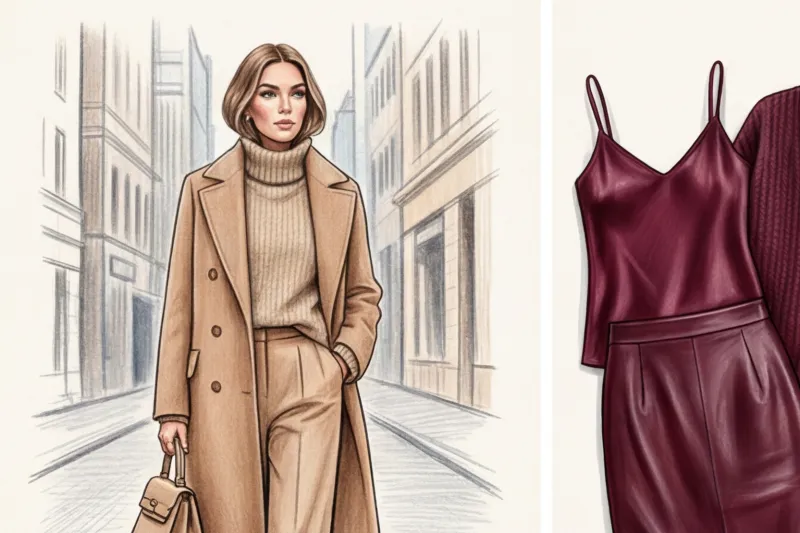
- Бордо и изумруд. Если ваша сфера — это креативные индустрии, галерейный бизнес или вы подбираете капсулу исключительно для статусных вечерних выходов, обратите внимание на глубокие ювелирные тона. Винный монохромный образ выглядит невероятно кинематографично. Однако помните: эти цвета очень требовательны к фактуре. Им нужна безукоризненная гладкость — струящийся атласный шелк, полированная кожа или плотный матовый бархат, чтобы полностью раскрыть глубину и богатство пигмента.
Пошаговая инструкция: собираем стильную капсулу в одном оттенке
В кулуарах миланских ателье часто повторяют фразу: «Стиль — это математика, притворяющаяся искусством». Многие ошибочно полагают, что собрать монохромную капсулу — значит просто скупить в магазине пять-шесть вещей, на бирках которых указан один и тот же цвет. Это прямой путь к тому, чтобы ваш гардероб выглядел как униформа обслуживающего персонала. В монохроме нет принтов и контрастных блоков, за которыми можно спрятать огрехи посадки, поэтому на первый план выходит чистая геометрия.
На личных консультациях я использую строгий профессиональный алгоритм формирования гардероба. Он базируется на архитектурном подходе: мы строим образ от тяжелого фундамента к легким деталям, шаг за шагом.
Этап 1: Выбор «якорной» вещи
Любая премиальная капсула нуждается в центре гравитации. Обычно это верхняя одежда или дорогой, идеально скроенный костюм. Именно эта вещь занимает до 70% визуального пространства вашего образа и задает главный тон, температуру и статус всему гардеробу.
Мое главное правило: не экономьте на «якоре». Структурированное пальто прямого кроя из шерсти с добавлением кашемира (в диапазоне 800–1500 €) или безупречный жакет окупят себя многократно. Выбирайте для этой базы самый глубокий, насыщенный и благородный оттенок вашей палитры. Важно, чтобы ткань хорошо держала форму — четкая линия плеча и плотный лацкан мгновенно собирают фигуру, делая ее визуально более подтянутой.
Этап 2: Подбор низов с архитектурным кроем
Брюки и юбки — это несущие стены вашего силуэта. Как я уже упоминала, в однотонном образе любой дефект лекала становится очевидным при первом же шаге. Дешевые брюки выдают себя в движении: они образуют заломы в паховой зоне и теряют стрелку.
Ищите вещи с подчеркнуто архитектурным кроем. Если это брюки — пусть это будут широкие палаццо с высокой посадкой и правильными глубокими защипами. Если юбка — то структурированная юбка-миди из плотного тяжелого крепа или качественной смесовой шерсти (достойные варианты редко стоят дешевле 150–300 €). Безупречная посадка на талии и бедрах критически важна, ведь именно от нее зависит, насколько дорого будет смотреться весь монохромный ансамбль.
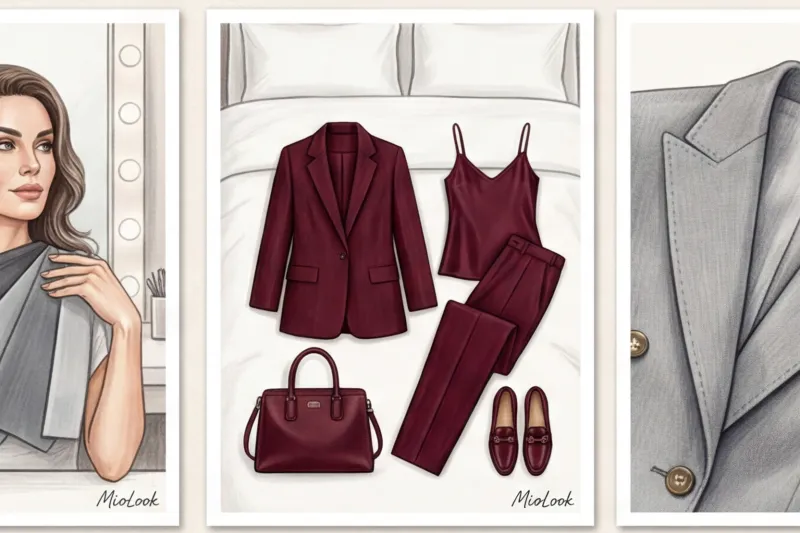
Этап 3: Добавление «воздуха»
Монохром требует внутренней динамики. Если весь образ, от пальто до водолазки, будет абсолютно одинакового уровня цветовой насыщенности, вы превратитесь в плоское цветовое пятно. Нам необходимо добавить «воздух».
Для этого мы используем топы, шелковые блузы, тонкий кашемировый трикотаж и базовые футболки в более светлых, разбеленных или приглушенных оттенках выбранного цвета. Именно здесь мы создаем красивую растяжку цвета (градиент). Например, если ваш якорь — глубокий винный или шоколадный, то блуза может быть оттенка пыльной розы или кофе с молоком.
Светлые оттенки, расположенные портретной зоне у лица, работают как природный косметический хайлайтер: они мягко подсвечивают кожу, сглаживают тени и стирают следы усталости.
Если вы сомневаетесь, как новый топ впишется в уже собранную базу, я настоятельно рекомендую использовать функцию «умный гардероб» в MioLook. Вы можете сфотографировать потенциальную покупку прямо в примерочной, и алгоритм моментально покажет, образует ли она гармоничный градиент с вашими брюками и пальто, которые уже висят в вашем виртуальном шкафу. Это страхует от импульсивных трат.
Этап 4: Интеграция правильной обуви
Это завершающий штрих, на котором рушатся многие старания. Самая частая ошибка — надеть к бежевому или бордовому монохрому черную контрастную обувь. Она безжалостно «разрезает» ногу на линии щиколотки и ломает пропорции.
В монохромной капсуле обувь должна работать на вас. Золотое правило стайлинга гласит: подбирайте обувь строго в тон низу (брюкам или колготкам, если вы в юбке). Это создает непрерывную визуальную вертикаль, которая феноменально удлиняет ноги и вытягивает общий рост. Если найти идеальное цветовое совпадение в гладкой коже не удается, выбирайте замшу. Ее матовая, бархатистая текстура мягче поглощает свет и легко прощает легкие расхождения в полутонах между тканью брюк и обувью.
Критичные ошибки, которые мгновенно удешевляют монохром
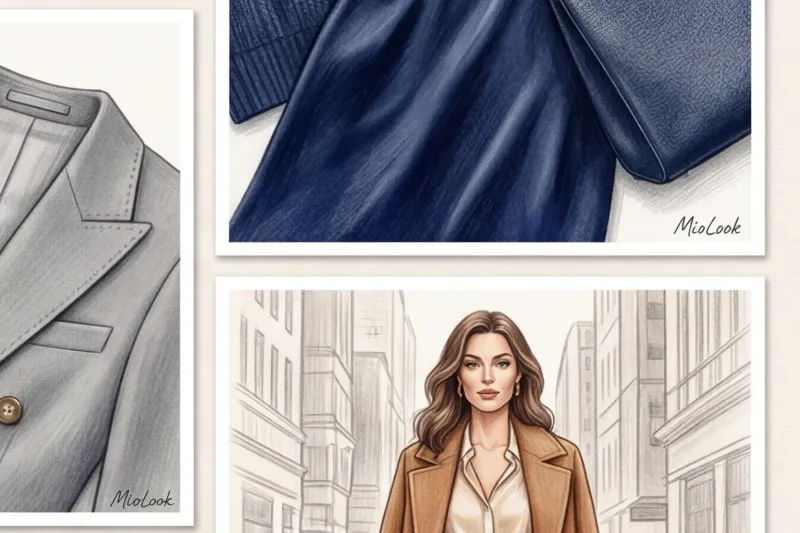
Апрель 2022 года. Моя клиентка, финансовый директор крупной IT-компании, готовилась к решающей презентации перед инвесторами. Мы собрали безупречный стальной монохром на базе качественной костюмной шерсти. Но за час до выхода случился форс-мажор: пролитый эспрессо заставил ее в панике заменить дизайнерский жакет на запасной из масс-маркета, купленный когда-то за 60 €. Лекала сидели терпимо, но образ рассыпался на глазах. Почему? Подвели пластиковые пуговицы с дешевым перламутровым отблеском и чересчур блестящая, заедающая молния на карманах. На фоне минималистичного силуэта эта дешевая фурнитура сработала как неоновая вывеска, уничтожив весь статус наряда.
Монохром — это оптическая лупа. Когда взгляд не отвлекается на принты и цветовые контрасты, любая недоработка кроя или фурнитуры выходит на первый план. Разберем три фатальные ошибки, которые я регулярно встречаю при стилистическом аудите.
Температурный диссонанс
Самая неочевидная, но коварная ловушка — смешивание теплых и холодных оттенков одного цвета. Представьте: вы надеваете брюки элегантного серо-бежевого (taupe) оттенка и добавляете к ним свитер теплого, желтовато-бежевого (camel) цвета. Вместо благородного градиента получается эффект «грязной» вещи. Холодный подтон на фоне теплого всегда кажется застиранным и тусклым. Правило непреклонно: растяжка цвета внутри монохрома должна происходить строго в одной температурной шкале.
Чтобы избежать этой ошибки при шопинге, я настоятельно советую оцифровать свои базовые вещи. Загрузив фото брюк при дневном свете в MioLook, вы сможете прямо в магазине виртуально приложить к ним новый свитер. На экране телефона конфликт желтого и серого подтонов становится очевидным за секунду, уберегая вас от покупки, которая осядет мертвым грузом в шкафу.
Ваш идеальный образ начинается здесь
Присоединяйтесь к тысячам пользователей, которые каждый день выглядят безупречно с MioLook.
Открыть доступ — €0,99 разовоПредательство деталей
Как доказывает история моей клиентки, дешевая фурнитура на фоне минималистичного кроя — это стилистический приговор. Пластиковые пуговицы, плохо имитирующие рог, тонкие блестящие молнии или хлипкие пряжки мгновенно выдают жесткую экономию производителя. Если вы покупаете базовый жакет в сегменте до 150 €, первое, что стоит сделать — отнести его в ателье и заменить заводские пуговицы на натуральные роговые, качественные металлические или обтянутые тканью. Эта микро-инвестиция стоимостью всего в 15–20 € поднимет визуальную цену вещи в несколько раз.
Следы времени и неправильный уход
В пестром платье в мелкий цветочек можно легко скрыть затяжку или легкую потертость. В монохроме — никогда. Исследование Института ухода за текстилем (TCI, 2023) подтверждает: на однотонных поверхностях человеческий глаз замечает дефекты текстуры на 40% быстрее, чем на принтованных тканях.
Неправильный уход разрушает саму суть эстетики stealth wealth. Катышки (пиллинг) на кашемировом пуловере, выцветшие полосы на локтях хлопковой рубашки или потерявший форму воротник в однотонном комплекте бросаются в глаза беспощадно. Монохром не терпит усталости материалов. Как только вещь начинает терять первозданную гладкость или плотность фактуры — ее пора безжалостно списывать, иначе она визуально удешевит даже самые дорогие элементы вашего образа.
Статусные аксессуары: когда монохрому нужен контраст
Секрет лучших образов миланского стритстайла кроется в одном стилистическом парадоксе: безупречный монохром никогда не бывает абсолютно однотонным. Если вы оденетесь в единый цвет с головы до ног, не расставив визуальных «якорей», глаз зрителя просто заскользит по фигуре, не найдя за что зацепиться. Именно здесь на сцену выходят статусные аксессуары, создающие тот самый необходимый микро-контраст, который отделяет плоский образ от глубокого и продуманного.
Начнем с фурнитуры сумок и ремней, которая в однотонном комплекте берет на себя роль встроенных ювелирных украшений. Золото (теплый подтон) делает образ более мягким и статусным, тогда как серебро или платина добавляют строгой, почти архитектурной графичности. Если вы стремитесь к эстетике минимализма, обратите внимание на эмалевые вставки в тон или матовую фурнитуру. Во время недавнего визита на частную кожевенную мануфактуру в Тоскане я наблюдала, как мастера вручную полируют латунные пряжки. Ремень из плотной кожи с такой деталью, даже если он стоит базовые 150 €, способен моментально структурировать мягкий кашемировый костюм и повысить визуальную стоимость всего ансамбля.
Частый вопрос на моих консультациях: должна ли обувь строго совпадать по цвету с сумкой? Современный стилистический этикет дает однозначный ответ — нет. Правило идеального совпадения («matchy-matchy») осталось в 1950-х годах. Сегодня оно выглядит нарочито и лишает образ непринужденности. Гораздо элегантнее работает градиентная растяжка. Например, если ваша база выполнена в оттенке экрю, сумка может быть цвета глубокой карамели, а лоферы — оттенка горького шоколада. Обувь логичнее подбирать в тон брюкам или юбке, чтобы сохранить непрерывную вертикаль и удлинить ноги, а сумке позволить стать тем самым контрастным пятном. Бордовый тоут идеальной формы на фоне темно-синего шерстяного костюма — это классика делового шика.
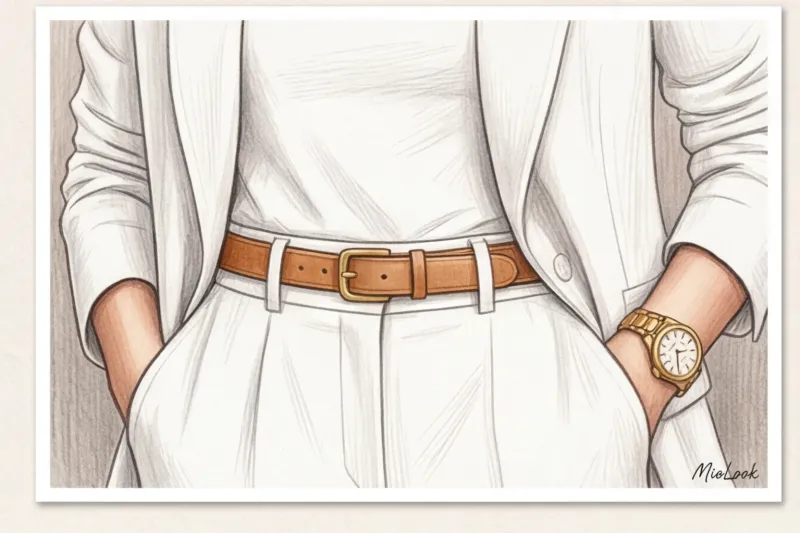
Истинным центром гравитации в монохромном гардеробе становятся швейцарские часы. В отсутствие пестрых принтов классический циферблат — будь то строгая геометрия Cartier Tank или сложная механика Jaeger-LeCoultre Reverso — перетягивает на себя максимум внимания. Часовое искусство здесь выступает не утилитарной деталью, а транслятором вашего вкуса. Кожаный ремешок часов должен перекликаться с текстурой вашей сумки (гладкая телячья кожа или фактурный аллигатор), объединяя микро-элементы в единую концепцию.
Ювелирные украшения в монохроме также требуют строгой дисциплины. Гладкое золото отражает свет иначе, чем матовая шерсть или хлопок, создавая динамику на микроуровне. Откажитесь от массивных гарнитуров в пользу одного-двух акцентов: жесткого браслета, лаконичных пусет или винтажного перстня. Они подсвечивают лицо и запястья, не перебивая благородство основного цвета.
Чтобы найти идеальный баланс и не превратить элегантный акцент в стилистический шум, я рекомендую оцифровать свою коллекцию деталей. Загрузив сумки, ремни и украшения в MioLook, вы сможете собирать готовые образы как конструктор и заранее оценивать, гармонирует ли холодный блеск металлической пряжки с теплым подтоном вашего любимого костюма. Этот простой шаг бережет утреннее время и спасает от досадных стилистических промахов.
Чек-лист: 10 вещей для идеальной монохромной капсулы (Пример в оттенке Camel)
На своих закрытых воркшопах по investment dressing я всегда завершаю теоретическую часть одним жестким практическим заданием. Я прошу участниц отложить блокноты и составить реальную капсулу ровно из десяти предметов. Почему именно десять? Законы комбинаторики неумолимы: грамотная «десятка» вещей, объединенных одним цветом и стилем, дает от 30 до 40 уникальных образов. Давайте разберем эталонный чек-лист на примере самого благородного оттенка базового гардероба — Camel.
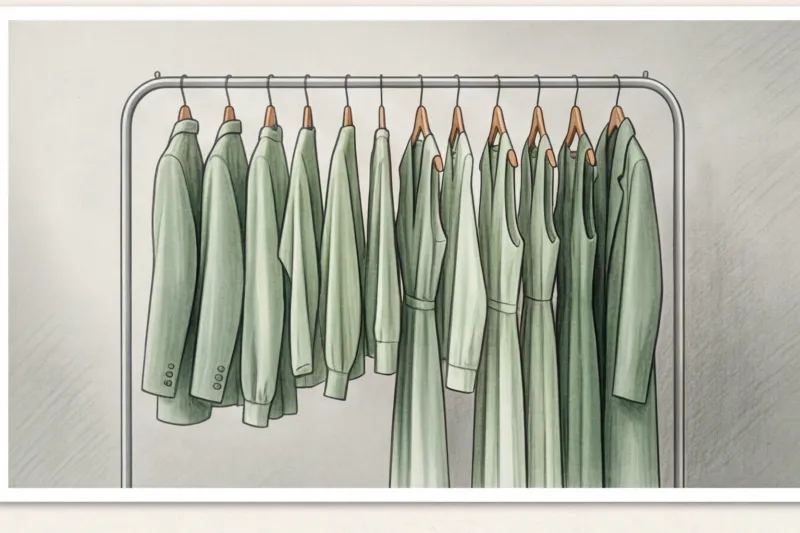
Чтобы капсула работала как швейцарские часы, каждый предмет должен иметь правильный силуэт и фактуру. Вот мой проверенный список:
- Структурированное пальто из смеси шерсти и кашемира. Это ваш инвестиционный фундамент, альфа и омега монохромной капсулы. Забудьте про бесформенные халаты — выбирайте в меру жесткое плечо, классический английский воротник и длину миди. Качественное двубортное пальто (в ценовом сегменте от 800 до 1500 €) задаст статусный тон всему образу. Эффект дороговизны здесь достигается за счет идеальной геометрии лекал.
- Жакет прямого мужского кроя. Однобортный или двубортный блейзер, который сидит так, словно вы одолжили его в мужском отделе, но тонко адаптированный под женскую анатомию. Вспомните знаковые силуэты брендов вроде The Row — такой крой моментально собирает расслабленный шелк или трикотаж в строгий, дисциплинированный ансамбль.
- Брюки-палаццо с высокой посадкой. В монохромном образе именно брюки создают ту самую эффектную «колонну», визуально удлиняющую ноги. Выбирайте плотную костюмную шерсть кручения Super 100s или 120s. Она безупречно держит заутюженную стрелку и практически не деформируется в зоне коленей в течение активного дня.
- Шелковая блуза в оттенке шампанского или светлого песка. Это воздух и свет вашей капсулы. Натуральный шелк малбери (Mulberry) будет работать как деликатный природный хайлайтер для лица. Важно брать оттенок на один-два тона светлее брюк и жакета, чтобы освежить портретную зону.
- Кашемировый свитер фактурной вязки. Здесь вступает в игру тактильный контраст. Гладкий базовый трикотаж скучно сольется с пальто, а крупная «косичка», рельефный рубчик или патентная резинка создадут необходимую визуальную глубину. Идеальная плотность для премиум-свитера — от 2 до 4 нитей (ply).
- Базовые футболки. Обязательно две-три футболки из плотного египетского хлопка с легким сатиновым финишем в оттенках экрю и классического бежа. Они гениально снижают градус пафоса строгой костюмной группы для дневных выходов.
- Юбка-миди. Я рекомендую струящуюся шелковую slip-skirt (юбку-комбинацию) скроенную по косой, либо структурированную юбку-трапецию из плотной шерсти — выбор зависит от архитектуры вашей фигуры.
- Лоферы. Замшевые или из матовой кожи строго в тон брюкам. Это позволяет не «резать» силуэт в зоне щиколотки и сохранить целостность вытянутой вертикали.
- Структурированная сумка-тоут. Четкая геометрическая форма без логотипов-крикунов и излишнего блеска фурнитуры. Качественная минималистичная сумка в оттенке темной карамели (ориентировочно за 400–600 €) прослужит вам десятилетия.
- Акцентный ремень. Изделие средней ширины (около 3-4 см), с лаконичной латунной или обтянутой кожей пряжкой. Незаменим для маркировки талии при создании многослойных силуэтов, например, поверх объемного свитера или жакета.
Мое честное предупреждение: не пытайтесь купить весь этот список за один уикенд. Идеальный монохром — как коллекция хорошего вина, он собирается постепенно. Поиск точных совпадений подтона (чтобы теплый Camel не спорил с прохладным серо-бежевым) требует насмотренности и времени.
Чтобы случайно не купить «вещь-одиночку», которая не бьется с остальной базой, я настоятельно рекомендую оцифровать свою коллекцию. Добавьте уже купленные предметы в умный гардероб MioLook. Стоя в примерочной бутика, вы сможете сфотографировать потенциальную обновку и сразу посмотреть на экране смартфона, насколько гармонично она встраивается в вашу виртуальную капсулу.
Монохромный гардероб — это не стилистические ограничения, а ваша абсолютная свобода. Имея под рукой эти 10 вещей, вы навсегда избавитесь от проблемы «нечего надеть». Выбирайте безупречный крой, инвестируйте в бескомпромиссное качество тканей и позвольте магии единого цвета работать на ваш статус каждый день.
Готовы начать?
Попробуйте бесплатный план — без обязательств. Оцифруйте свой гардероб и начните собирать идеальные монохромные образы уже сегодня.
Открыть доступ — €0,99 разовоГлавы гайда
Пастельный монохром в одежде: как создать статусный образ
Светлые оттенки — это не про инфантильность, а про уверенность и статус. Рассказываем, как правильно сочетать пастельные тона со строгими силуэтами.
Стильный тотал деним образ: как носить джинсовый монохром
Главная ошибка джинсового монохрома — подбирать вещи тон в тон. Узнайте, как играть на контрастах фактур и создавать статусные образы из денима.
Стильный яркий монохром: образ в формате total look
Боитесь носить сочные цвета и по привычке прячетесь за черным? Узнайте, как правильно составлять total look в ярких оттенках, чтобы выглядеть стройно и эффектно.
Аксессуары для монохромного образа: тон или контраст?
Обувь и сумка определяют до 80% визуальной стоимости вашего наряда. Разбираем три главные стратегии подбора деталей для безупречного тотал-лука.
Зимний монохромный образ: секреты стильных сочетаний
Почему точное совпадение оттенков убивает стиль? Разбираем главные правила создания эстетичных многослойных образов в единой палитре.
Как составить монохромный образ онлайн из своих вещей
Узнайте, почему мы не замечаем готовые комплекты в шкафу и как машинное зрение помогает создавать статусные total-look образы без новых покупок.
Монохромные образы для полных женщин: стройнят ли они?
Черный цвет далеко не всегда стройнит. Узнайте, как физика тканей и правильный монохром помогают визуально скорректировать фигуру на два размера.
Как собрать дорогой тотал вайт лук: секреты
Белый цвет коварен и не прощает ошибок с кроем или температурой. Разбираем физику белого, чтобы ваш монохромный образ всегда выглядел безупречно.
Серый монохромный гардероб: как создать дорогой образ
Узнайте, как правильно сочетать фактуры и оттенки серого, чтобы выглядеть статусно и дорого. Разбираем секреты стиля «тихая роскошь».
Бежевый монохром в одежде: как стильно носить нюд
Бежевый цвет обманчив: он может сделать образ невероятно дорогим или превратить в бледное пятно. Узнайте, как правильно сочетать нюдовые оттенки и фактуры.
Сочетание фактур в одежде: секреты монохромного образа
Монохромный лук выглядит как бесформенное пятно? Узнайте секретное оружие стилистов, которое сделает ваш образ по-настоящему статусным.
Как носить тотал блэк стильно и не выглядеть мрачно
Советы персонального стилиста по созданию образов в черном цвете. Узнайте секреты выбора фактур и кроя, чтобы выглядеть эффектно.