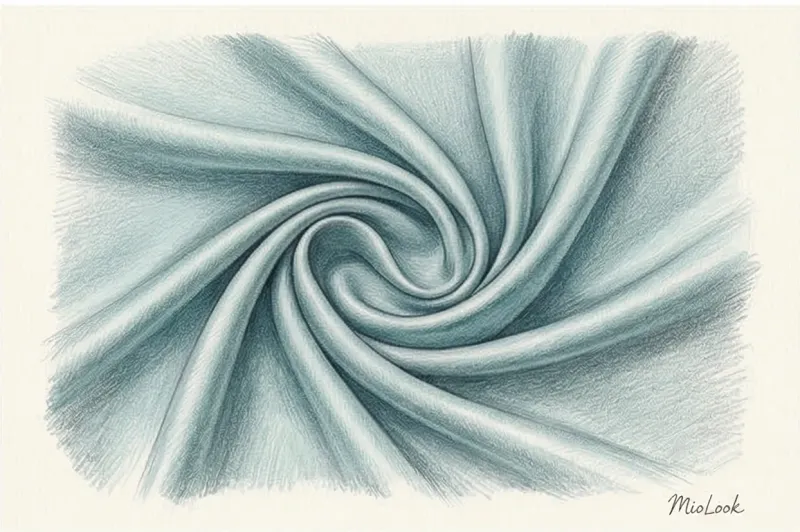
What is Tencel (Lyocell)?
Tencel Tencel is the patented trade name for lyocell, a premium synthetic fiber derived from the natural cellulose of Australian eucalyptus trees. To understand Tencel, it's important to understand its hybrid nature: the material combines the comfort and breathability of natural fibers with the wear resistance of synthetic ones.
The fiber is produced using an innovative closed-loop technology. The organic solvent used to soften the wood is 99% recycled, making the production process environmentally friendly.
The fabric was developed in the late 20th century as a more environmentally friendly and durable alternative to traditional viscose. Today, lyocell is used to make lingerie-style dresses, loose palazzo pants, and basic everyday shirts.
Distinctive features
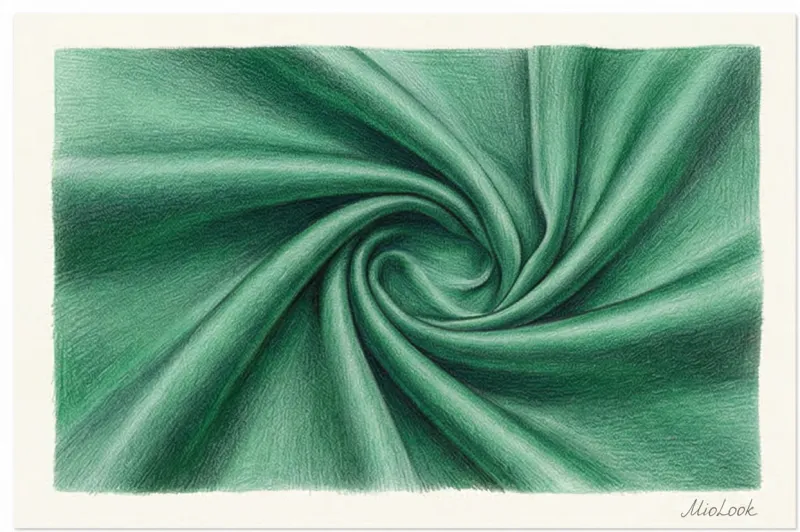
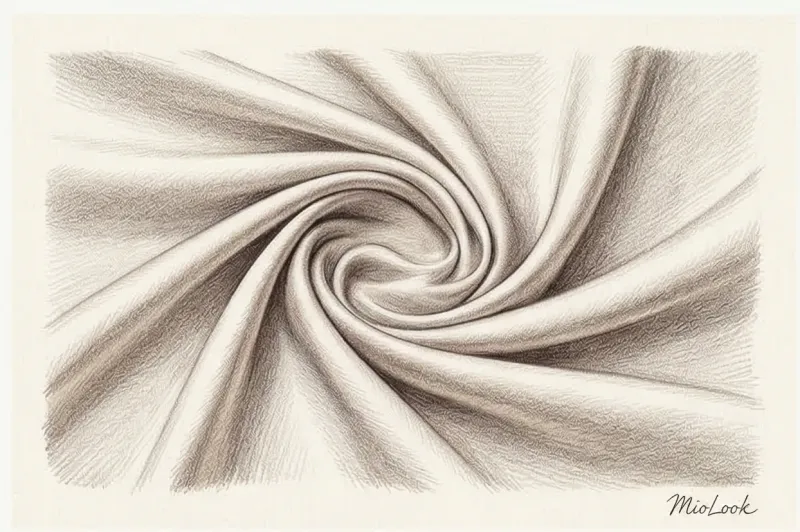
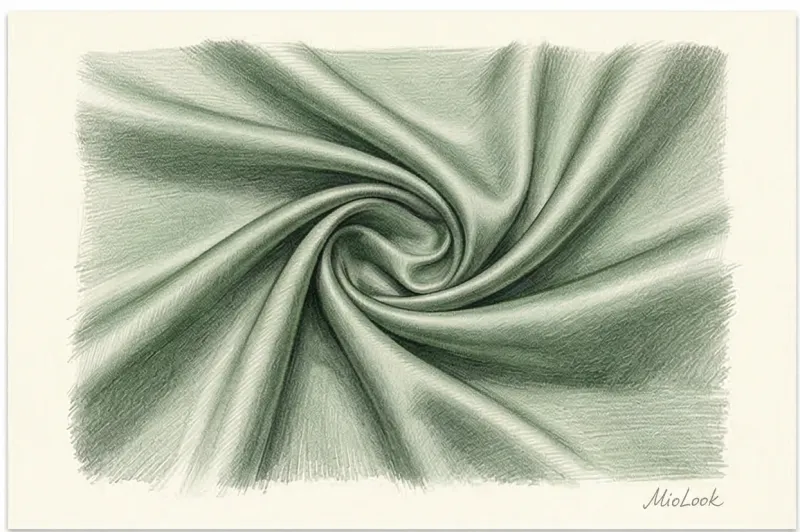
The material has a smooth, silky texture with a delicate matte sheen. It flows softly over the figure and creates a flexible drape, making it ideal for creating flowing silhouettes.
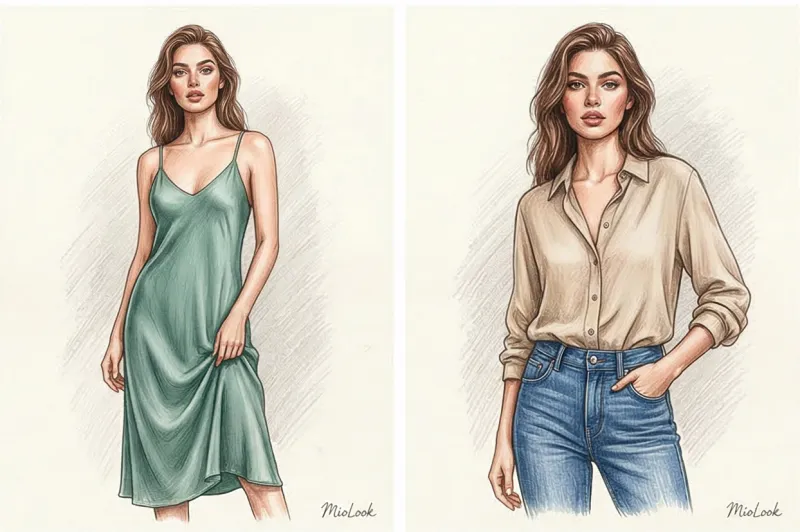
Lyocell is highly hygroscopic: the fiber absorbs moisture 50% more effectively than cotton. The fabric is highly breathable and creates a slight cooling effect, making it a popular choice for summer collections.
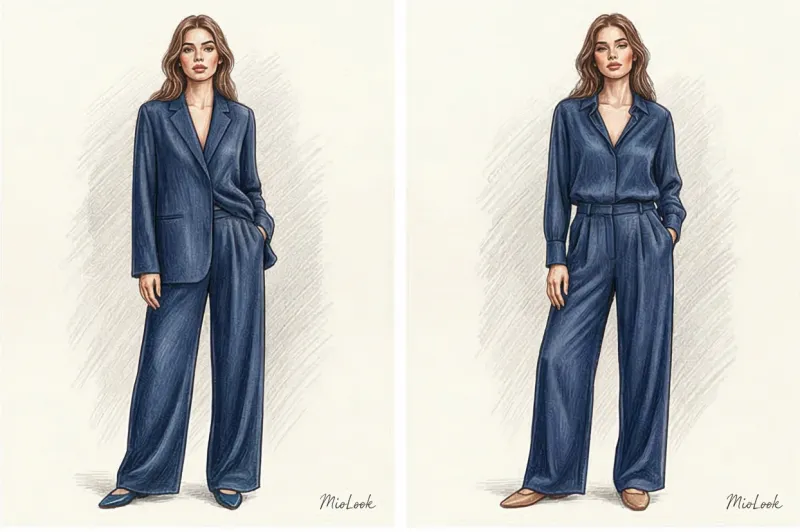
Unlike regular viscose, Tencel retains its strength when wet. The material is tear-resistant, virtually pilling-free, and wrinkles significantly less than linen or cotton, easily returning to its shape after a light steam.
Thanks to its eucalyptus base and the absence of toxic chemicals during processing, the fabric is hypoallergenic. It has natural antibacterial properties and is safe for those with sensitive skin.
How to care
To preserve the properties of lyocell, hand or delicate machine washing is recommended at a temperature no higher than 30°C. Liquid detergents should be used, strictly avoiding washing powders containing bleaches and harsh enzymes.
Spin items at the lowest spin speed (no more than 600). Dry Tencel items flat, away from direct sunlight and radiators to prevent shrinkage of the fibers and pigment fading.
Iron the fabric from the reverse side at the lowest temperature setting (silk or synthetic). Ironing is faster and safer while the material is still slightly damp.
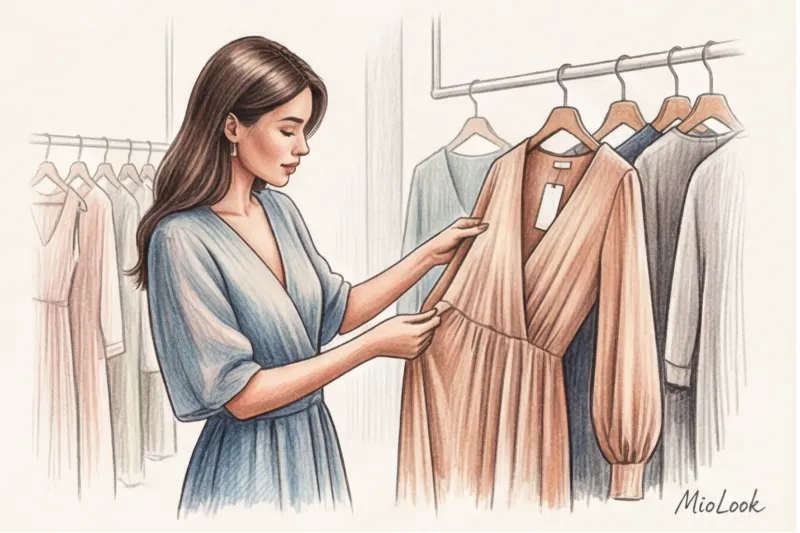
Lightweight blouses and dresses are recommended to be hung on soft hangers to prevent stretching of the shoulder seams. Heavy items, such as wide-leg pants or overalls, are best stored folded on a shelf to prevent deformation.