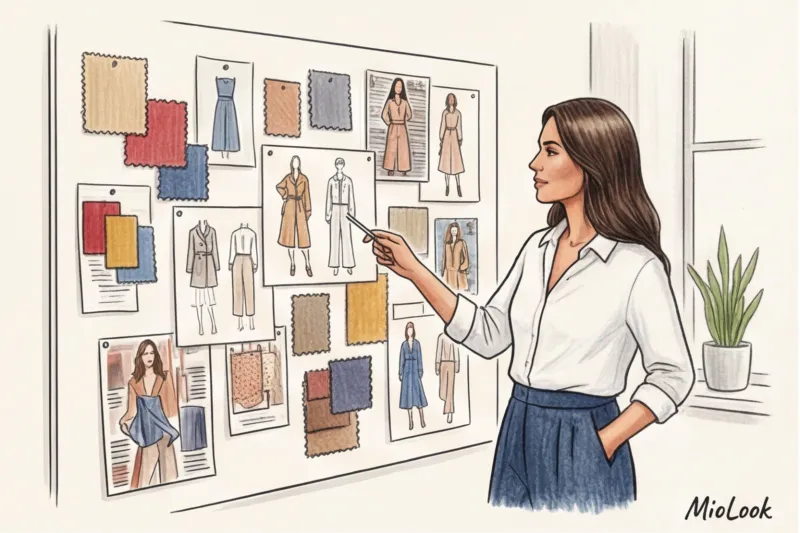
What are archetypes in style and why experts should forget about esotericism?
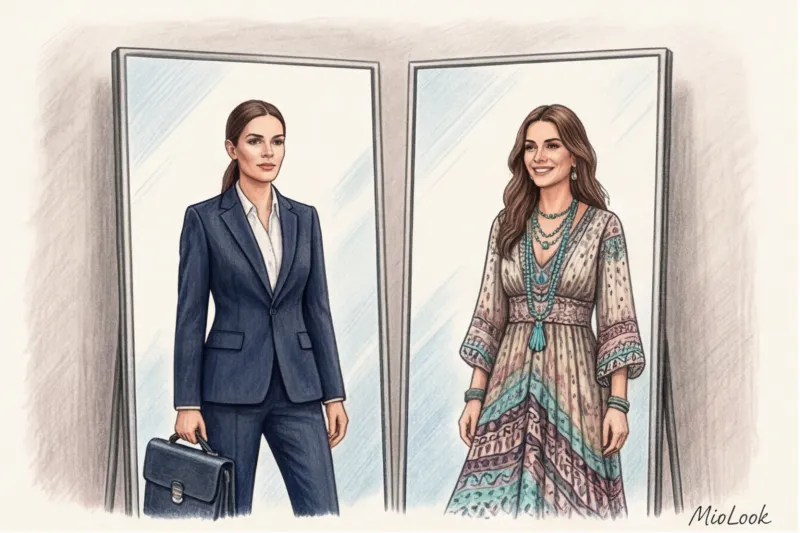
Over 12 years of practice, I've come up with a curious statistic: every week, at least one client comes to me for a wardrobe review with the results of a popular online quiz. She sits down and says, perplexed, "Katarzyna, the quiz showed that I'm a Magician with a touch of Rebel. But I'm a CFO. How should I dress for a board meeting now? Should I buy a robe and ripped jeans?" It's at this point that we begin to translate abstract psychology into the language of a practical wardrobe.
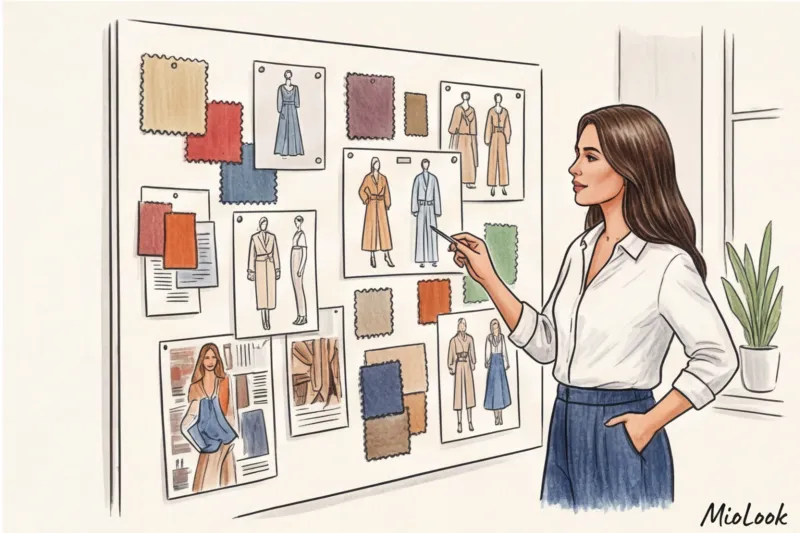
Let's get this straight right away: archetypes in style This isn't esotericism, a search for a magical destiny, or an astrological forecast. Initially, the system of 12 archetypes, based on the work of Carl Jung, was adapted by Carol Pearson solely for marketing purposes. Major brands have used it for decades: we subconsciously read Apple as a Creator, and Harley-Davidson as a Rebel. In recent years, this system has logically migrated to personal styling. If you're building a personal brand, you are also a product, and your clothes should convey a clear message. If you're just starting to build this foundation, I recommend studying our basic A guide to finding your clothing style.
For the brain of your client, partner, or employer, archetypes act as a visual shortcut. According to Princeton University research, it only takes a tenth of a second for a person to form an impression of a stranger based on their silhouette and clothing. When you use the right textures, colors, and cuts, you help your interlocutor's brain instantly place you into the right category: "one of the guys," "a tough boss," or "a creative innovator," without having to explain your qualifications in detail.
But wardrobe doesn't just appeal to the external audience. In 2012, Northwestern University researchers H. Adam and A. Galinsky introduced the term "fashionista" into psychology. Enclothed Cognition (embodied cognition). Their famous experiment revealed that people wearing a white coat, which they were told was a "doctor's coat," performed twice as well on concentration tests as those who were told it was an "artist's coat." Clothing literally primes your nervous system for expertise. Putting on the Ruler's impeccably tailored double-breasted jacket physically straightens your back and makes you think more strategically.
The main mistake I regularly see among newbie experts is trying to stick to a pure mono-archetype. Trust me: 100% embodying a single role in real life always looks like an entertainer's costume at a children's matinee. If you're a Ruler, dressed head to toe in a rigid, molded cut, velvet, and heavy gold, you convey not status but theatrical arrogance. If you're a Guardian and wear only soft, shapeless knitwear in pastel shades, in tough negotiations you might be perceived as someone incapable of defending a budget.
The secret lies in utility. We take only the archetypal markers—a deep color, a specific fabric texture, or a cut detail—and carefully integrate them into a modern base. To prevent this process from devolving into chaos and buying random items, I always advise my clients to first conduct an audit of what's already on the hangers. Upload your items to MioLook The app will help you visually assess which stylistic messages are currently dominant in your wardrobe and create new look formulas without purchasing theatrical props.
Archetypes of Authority and Structure: Ruler, Sage, Magician
When a multi-million dollar deal, legal defense, or the strategic development of a client's business is at stake, your clothes must speak before you even open your mouth. At such moments, style archetypes that convey distance and authority come into play. The Ruler, the Sage, and the Magician are a fundamental group of archetypes that convey high status, outstanding intellect, and the capacity for profound transformation.
Whether you're a top manager, a corporate lawyer, a financial advisor, or a business coach, this visual triad will help you position yourself correctly. Clients come to you not for a friendly hug, but for solutions to complex problems, protection, and expertise. And your wardrobe should promise them absolute reliability.
"Your appearance is a visual contract with the client. If you promise stability but show up to a meeting in a shapeless cardigan, trust is destroyed at a subconscious level."
As a practicing stylist, I often encounter requests for a "status wardrobe without a stratospheric budget." And herein lies the key: you don't need to buy Loro Piana or The Row to look impressive. When organizing my clients' wardrobes, I regularly use collections from Massimo Dutti And COS as the perfect base for this group of archetypes. The architectural cut of COS works phenomenally for the Sage and the Magician, and Massimo Dutti's premium wool and silk blend lines flawlessly meet the needs of the Ruler.
The Ruler: Status markers without logos
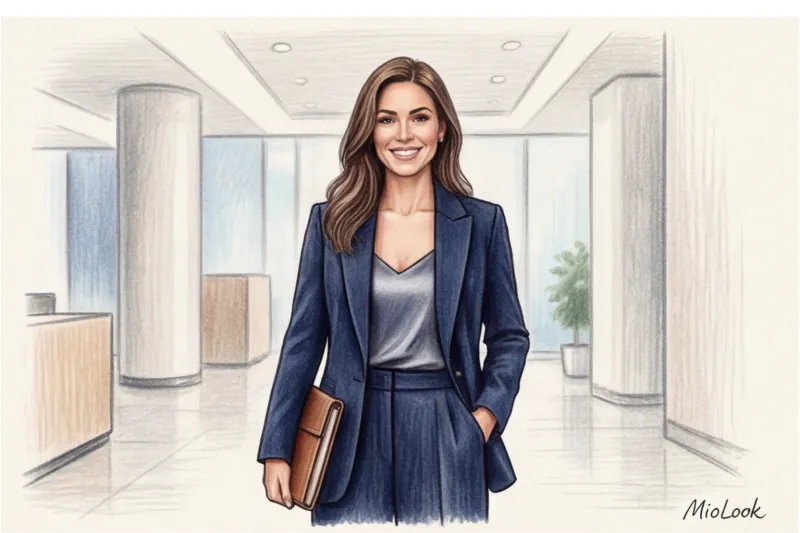
The Ruler's key message is total control, unwavering stability, and elitism. It's an aesthetic of "quiet luxury," where status is conveyed not by flashy logos, but by the quality of fabrics and impeccable fit. The Ruler doesn't fuss, doesn't try to please, and knows his own worth.
One of my clients, a partner at a law firm, couldn't understand for a long time why opponents often tried to pressure her during difficult negotiations. We conducted an audit and removed soft, loose knitwear and shapeless hobo bags from her wardrobe. They were replaced by jackets with pronounced shoulder lines and bags with strict geometric shapes. The difference in the dynamics of meetings became noticeable within the first week—the rigid attire literally forces others to keep their distance.
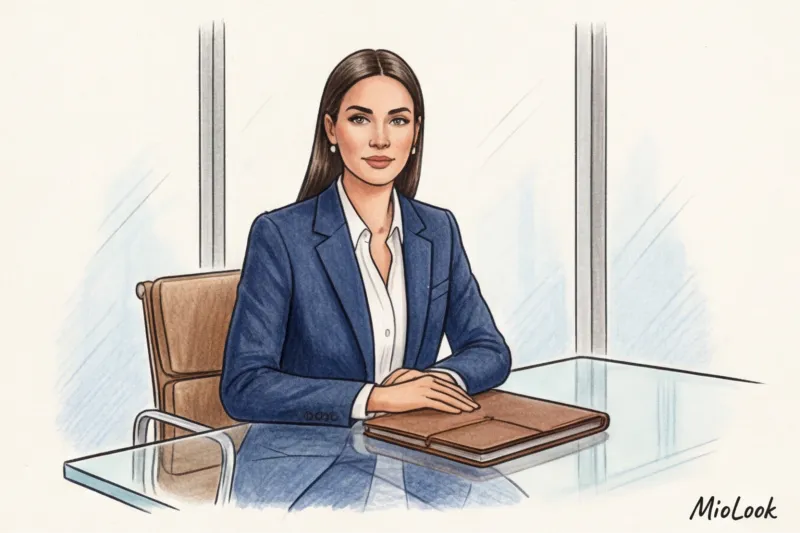
- Textures and cut: An exceptionally rigid shape that won't wrinkle from the first touch. Made from dense suiting wool (look for Super 100s or higher), natural dense silk, and smooth leather. The fit should be perfect, as if it were tailored.
- Colors: Total monochrome works best. Choose deep navy, rich burgundy, refined emerald, and classic camel.
- How to implement it tomorrow: Invest in a perfectly tailored double-breasted jacket. Add a structured bag with a rigid bottom (it conveys your ability to "hold boundaries") and a simple, classic watch with a leather or metal strap.
The Sage: Intelligent Minimalism
If the Ruler controls processes, the Sage controls meanings. The key messages of this archetype are objectivity, deep knowledge, and the search for truth. The Sage's attire never distracts from the main focus—his thoughts and words.
Research in the field of psychology of perception (in particular, work on the phenomenon Enclothed Cognition ) reveal an interesting pattern: a minimalist cut without unnecessary details makes the other person focus more on the content of your speech. The sage avoids fuss in the form of ruffles, complex embellishments, or bold prints. His style is asceticism taken to the extreme.
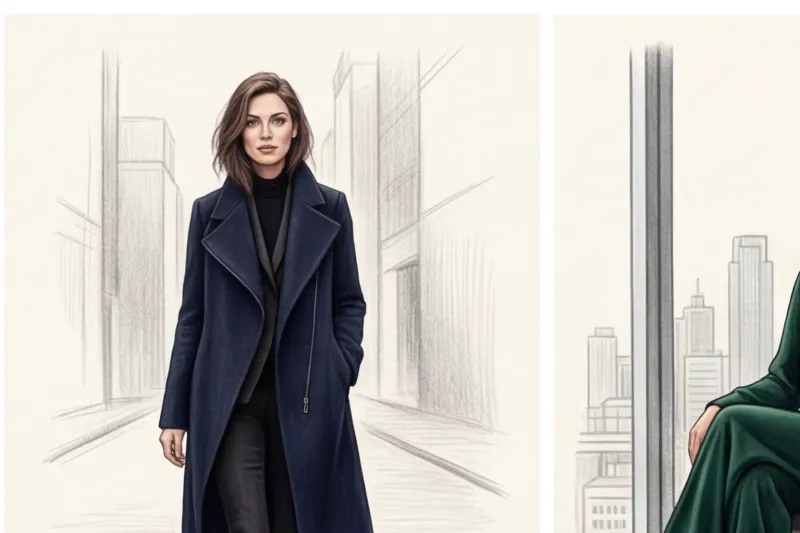
- Textures and cut: Simplicity and straight lines. The most important marker of the Sage is a closed collarbone. An open neckline subconsciously shortens the distance, while a closed collar creates an invisible barrier, leaving only your intellect in focus.
- Colors: Achromats (black, white, shades of gray), dusty blue, cool beige. The color palette should not be irritating to the eye.
- How to implement it tomorrow: Invest in quality basics: fine merino turtlenecks and wide-legged palazzo pants with pleats. For the finishing touch, pair them with high-quality horn-rimmed glasses—a classic and timeless marker of the intellectual elite.
The Magician: Transformation and Hidden Power
The Magician is the most complex, attractive, and at the same time, insidious archetype for the business environment. Their key messages are: vision of the hidden, the ability to effect profound change, and insight. The Magician is needed where standard logical models (the Sage) or directive management (the Ruler) no longer work. This is the archetype of anti-crisis strategists, powerful psychotherapists, and visionaries.
But I must warn you here. In my practice, I've had clients, inspired by the Magician archetype, take it too literally. Remember: an abundance of velvet, jingling bracelets, and robes will make you look like a fortune teller in an esoteric salon rather than an expert visionary. In a business environment, the Magician must be strictly measured and grounded.
- Textures and cut: Asymmetry and layering. The magician works with contrasts: flowing, flowing fabrics (silk, chiffon) paired with dense, heavy ones (leather, wool). This symbolizes the ability to see a situation from different perspectives.
- Colors: Mystical violet, deep black, indigo, silver and the color of the night sky.
- How to implement it tomorrow: Wear long, intricately cut cardigans over tailored trousers. Choose blouses with complex, unconventional draping. Accessorizing options include statement pendants on long chains or rings in unusual, bionic shapes.
Access to MioLook for €0.99 — one-time payment
A smart AI stylist will analyze your appearance, help you identify your dominant archetype, and select the perfect look from your own pieces.
Get access — €0.99 onceTrust and Empathy Archetypes: Caregiver, Nice Guy, Innocent
A year ago, Anna, a brilliant clinical psychologist with a busy schedule but one specific problem, came to see me: her first-time clients often left after the first session. The feedback was alarmingly uniform—people complained of a "coldness" and an inability to relax. When we opened her closet, I saw the perfect wardrobe for an investment banker or corporate executive: rigid shoulders, thick wool suits, contrasting combinations of black and crisp white, peak lapels. It was a pure, uncompromising archetype of the Ruler.
For a specialist whose primary goal is to create a safe space, this is a visual failure. Clients, coming in with their vulnerability, unconsciously perceived distance, rigid hierarchy, and judgment. We radically reduced the "Ruler" tone by shifting Anna's wardrobe toward soft textures and warm tones. The result? The attrition of new clients dropped threefold within the first month.
This case perfectly illustrates how the Trust and Empathy archetypes work. Their main function is reduce distance and communicate safety If the Ruler or the Magician builds a pedestal, then this trio of archetypes sits on the same sofa with the client. Visually, they say, "I understand you, it's safe here, we're equals."
According to research in the field of perception psychology (in particular, the work of Professor Karen Pine on the influence of clothing on cognitive processes), soft textures and warm colors reduce cortisol levels not only in the wearer but also in the interlocutor.
That's why this group of archetypes is an absolute must-have for those who work with people in helping or communication professions. Who are they primarily suited for? psychologists, HR specialists, pediatricians, community managers, and educational course curators and all the experts whose monetization directly depends on the level of audience trust.
The Caregiver: Cozy Expertise
The key message of this archetype is care, unconditional support, and reliability. The Guardian doesn't overwhelm with authority; they envelop with calm. In wardrobe, this is achieved by completely abandoning aggressive lines and rigid cuts in favor of a more kinesthetic approach.
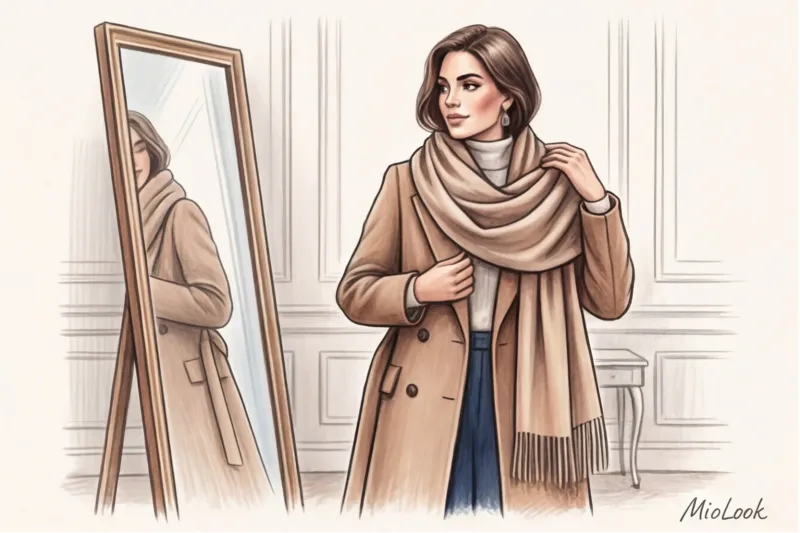
Textures and cut: Here, tactilely pleasing materials reign supreme. Soft lines, premium cashmere, loose tweed, supple suede, and dense yet flowing knits. The silhouette should be semi-fitted—not shapeless oversize, but also not restrictive. The shoulders are always padded.
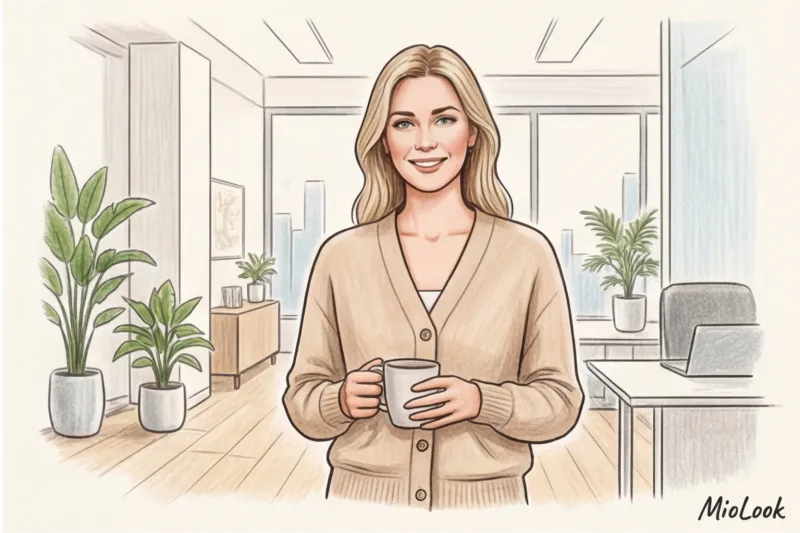
Colors: Complex, warm, "edible" shades. Camel, dark chocolate, cinnamon, milk, caramel, muted olive. Pure black is contraindicated for the Guardian—it's too categorical.
How to implement:
- Swap your stiff jacket for a chunky knit cardigan (Falconeri or Massimo Dutti always have great basic options).
- Use high-quality knitted suits made of merino or cashmere blend.
- Instead of formal pumps, choose soft suede loafers or ankle boots with a stable, low heel.
Stylist's advice: To prevent the Guardian from turning into a "grandmother by the fireplace," pay attention to the quality of the knitwear. Pilling or out-of-place elbows instantly ruin the professional look, leaving only a sloppy appearance.
The Regular Guy: Accessibility and Openness
While the Guardian conveys maternal care, the Nice Guy says, "I'm one of us, we're of the same blood." This is the archetype of horizontal connections, pragmatism, and absolute equality. It's indispensable for IT recruiters, agile team leaders, and bloggers building their brands on maximum audience proximity.
Textures and cut: The main rule is utility. Denim, matte cotton, corduroy, flannel. The fit should be loose, but not baggy. Clothes shouldn't look like you spent three hours getting ready. Easy, thoughtful casualness is the foundation of this style.
Colors: Basic, non-marking, natural. Various shades of blue (from indigo to washed blue), khaki, grey melange, and mustard. Of the prints, classic plaid works best—historically associated with the working class and simplicity.
How to implement:
- Perfectly fitting, premium straight-cut jeans without unnecessary embellishments (check out models from Levi's or Arket).
- Chambray or heavy cotton shirts worn over a basic white tee.
- Simple white sneakers (like Veja or classic basic models) that should always be spotlessly clean.
To masterfully manage this archetype and avoid slipping into outright carelessness (the “IT guy from the 2000s” syndrome), I strongly recommend digitizing your basic things in MioLook The app will help you create a capsule wardrobe so that relaxed jeans are always paired with a more put-together piece—for example, a high-quality leather belt or a structured crossbody bag.
The Innocent: Sincerity and Perfectionism
Don't let the name fool you. In the context of the expert style, "Innocent" isn't about infantilism or childishness. It's about absolute ethics, transparent processes, high ideals, and perfectionism. It's a visual "blank slate." This archetype works brilliantly for doctors (especially pediatricians and cosmetologists), eco-brand founders, and auditors.
Textures and cut: Fabrics should be smooth, shapely, but not stiff. Crisp cotton, thick silk, poplin. The cut leans toward classic with a slight retro touch: neat turn-down collars, A-line silhouettes, and midi lengths. No asymmetry, ripped edges, or complex deconstruction—everything should be clear and correct.
Colors: A bright, clean palette. Crisp white (the archetype's primary marker), pastels, soft blue, dusty rose, and light gray. These colors are subconsciously associated with sterility, honesty, and a lack of ulterior motives.
How to implement:
- A perfectly ironed white shirt (the basic COS lines are unrivaled here – they hold their shape and look expensive).
- Laconic midi dresses with a clear silhouette and covered shoulders.
- Delicate, traditional jewelry—for example, a strand of small pearls or stud earrings, a thin watch on a leather strap.
An important detail: the Innocent One does not tolerate sloppiness. While a Nice Guy can afford a wrinkled linen shirt, for the Innocent One, a wrinkled collar or a stain on the sleeve is the ruin of the entire legend of impeccability and transparency.
Archetypes of Innovation and Creativity: Creator, Seeker, Jester
There's an unspoken rule in the creative industries: if you sell unconventional ideas, your appearance should be the first visual proof of your professional aptitude. This group of archetypes is designed for those whose main assets are unconventional thinking, freedom from dogma, and the ability to see the future before others. Who are they a perfect fit for? Designers of all disciplines, IT specialists, creative directors, and marketers.
Last season, a lead designer at a major IT product startup approached me for a consultation. His problem was this: "I show up to pitch investors wearing regular jeans and a basic hoodie. As a result, they see me as a run-of-the-mill performer, not a visionary who has designed the architecture of their future flagship product." We didn't dress him in a tailored suit—it would have looked unnatural for the IT industry and undermined his identity. Instead, we turned to the tools of the creative archetype group, incorporating complex cuts and high-tech fabrics into his wardrobe.
Important disclaimer: These archetypes are categorically inappropriate for a strict, conservative dress code. If you work in banking compliance or the public sector, incorporate their elements exclusively into casual Fridays or save them for the weekend. But if your goal is to demonstrate mental flexibility, let's look at how to do it effectively.
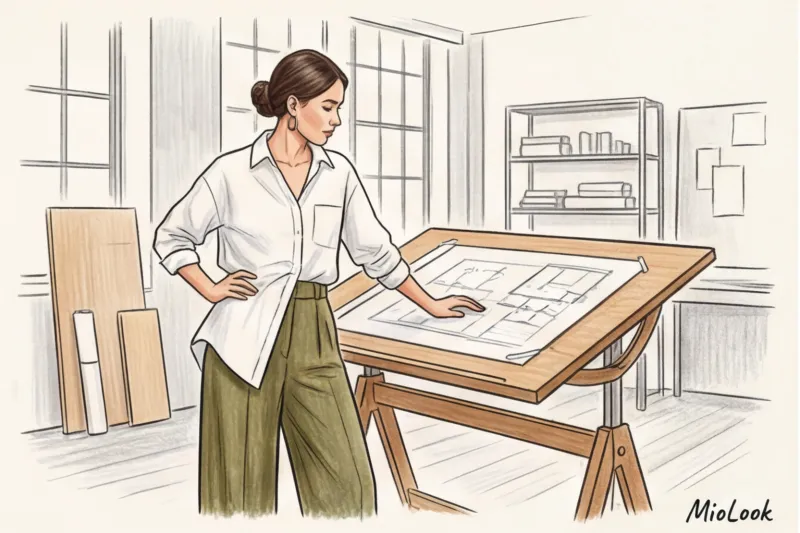
The Creator: Design as a message
The Creator's key message is uniqueness, uncompromising aesthetics, and innovation. You don't just get dressed in the morning; you assemble a visual composition where every detail matters. The Creator demonstrates to clients and partners: "I know how to create harmony out of chaos; I have impeccable taste."
Textures and cuts play a primary role here, as form is what distinguishes the Creator from other archetypes. The Creator avoids banal solutions. If it's a shirt, it should have an architectural cut, exaggerated cuffs, deconstruction, or unusual proportions. A mix of prints is welcome; on someone else, it would look like a mistake, but here, it looks like art. Colors are built on complex, unconventional color combinations (for example, mustard with dusty purple) and thoughtful color blocking.
How to implement: Start small to avoid overloading the look. Asymmetrical skirts (think Issey Miyake's iconic pleated skirts with their uneven edges), designer shoes with sculpted heels, or vintage brooches are a great place to start. The Creator won't wear a brooch on a jacket lapel, but rather pin it to an asymmetrical pleat at the waist or the collar of a turtleneck.
"A creative wardrobe is when you want to examine a piece up close. It's the triumph of complex form over boring utility. You become a walking mood board of your expertise," I often repeat in my lectures on visual branding.
To find the right silhouettes in this style, I almost always send clients to & Other Stories This brand has a genius for asymmetrical designs: their midi dresses with unexpected draping and thick cotton blouses with unconventional sleeve cuts are perfect for creating a Creator-inspired look without resorting to theatrics.
The Explorer: Dynamics and Practicality
The Explorer embodies a constant search for new solutions, independence, and broad-mindedness. It's the ideal choice for digital nomads, IT project managers, researchers, and anyone who is constantly on the move, physically or intellectually. According to the analytical agency WGSN (2024), the macrotrend for "utilitarian urban uniform" (gorpcore) has grown by 42% over the past two years, driven by demand for the Explorer archetype in today's business environment.
The Seeker's textures and cuts are focused on function, yet look luxurious. It features layering, the use of modern, high-tech fabrics (matte nylon, ripstop, membrane, and heavy Tencel), and elements of a reimagined safari style. The colors draw on a natural palette: earthy tones, terracotta, deep olive, ochre, wet stone, and faded khaki.
How to implement: The core of the Seeker's wardrobe is pieces that are comfortable enough to move between continents or offices without losing a presentable appearance. These include voluminous yet shapely trench coats, Chelsea boots with chunky yet lightweight soles, and roomy shopper bags made of thick canvas or thick matte leather.
If & Other Stories — this is paradise for the Creator, then for the aesthetics of the Seeker I recommend going to Arket They make the best utilitarian essentials on the European mass market. Their overshirts made of heavy cotton twill, parkas with a well-thought-out pocket system, and trousers with a well-designed, non-baggy cut instantly create the image of a man who is in control and always ready for new challenges.
The problem with creative archetypes is that complex pieces often clash within a single closet. To avoid buying a fifth asymmetrical skirt or jacket with pockets that no top matches, I strongly recommend digitizing your purchases. Upload your new items to MioLook — the app's artificial intelligence will help you assemble wearable and balanced capsules for every day from complex designer or utilitarian items.
Access to MioLook for €0.99 — one-time payment
Start creating your perfect looks with artificial intelligence. A smart wardrobe that saves you time and money.
Get access — €0.99 onceThe Jester: Provocation and Breaking the Patterns
Don't let the name fool you. In the context of personal branding, the Jester is the most intellectual, subtle, and at the same time dangerous archetype. The Jester's core message is playfulness, an unconventional approach, joy, and the ability to approach complex problems with irony. In business, this archetype visually declares, "I'm so confident in my unshakable expertise and status that I can afford to break the rules."
Textures and cuts are based on eclecticism, the exaggeration of familiar forms, and irony in details. This is the concept of "ugly chic," brilliantly exploited by Miuccia Prada. The Jester's colors are bright, contrasting, sometimes even neon, accents that unexpectedly burst against a calm, conservative base.
How to implement: The Jester's main rule in business is microdosing. You shouldn't look like an entertainer at a children's party. Provocation should be strictly controlled. Use fun or surreal prints on the lining of a formal jacket (only visible when in motion). Wear statement socks with an ironic pattern under a perfect wool pantsuit. Choose unusual bags—remember the famous dove clutches from JW Anderson or bags that imitate supermarket bags.
If you're a creative director pitching a bold viral campaign to the board, a perfectly tailored double-breasted jacket (a nod to the Ruler) paired with an ironic T-shirt with a bold print will work better than any words. You're consciously breaking the mold. Before leaving the house, always check: if you remove this one ironic detail from your look, will the outfit still look stylish, expensive, and put together? If the answer is "yes," you've masterfully tamed the Jester archetype.
To avoid crossing the fine line between intellectual irony and bad taste, I recommend testing bold combinations in advance. MioLook virtual fitting room This will allow you to evaluate the balance of proportions and contrasts from the outside before you go out to your clients.
Archetypes of Energy and Achievement: Hero, Rebel, Aesthete (Lover)
In business, there inevitably come moments when soft diplomacy or detached analysis no longer work. When a breakthrough is needed, boundaries must be defended, or an audience must be captivated while competitors remain in the shadows, archetypes with a style that possesses maximum dynamism emerge. This group is focused on specific, measurable results, the destruction of the old order, and powerful personal charisma.
If your professional niche requires constantly overcoming crises, taking clients out of their comfort zone, or creating a premium visual experience, these archetypes will become your best tool. In my experience, this visual code works flawlessly for crisis managers, fitness coaches, beauty experts, and PR specialists. Here, clothing ceases to be just a backdrop—it becomes both your weapon and your magnet.
The Hero: Dynamic and purposeful
The Hero's key message is read in seconds: "I'll solve your problem. I'm safe, I'll take the heat." It's the absolute expression of will, protection, and a willingness to act. The hero doesn't doubt; he acts. Think of the strict, exaggeratedly clear silhouettes in Alexander McQueen's collections or the classic power dressing of the '80s—this is the pure energy of this archetype.
The Hero's textures must hold their shape. No looseness, thin knits, or cozy fleece. We use dense matte leather, stiff gabardine, high-tech fabrics, and military-inspired elements. The cut always features a clear, accentuated shoulder line—a subconscious marker of a person capable of handling any task. The color palette is built on maximum contrast and strength: dramatic red, charcoal black, steel gray, and pure white.
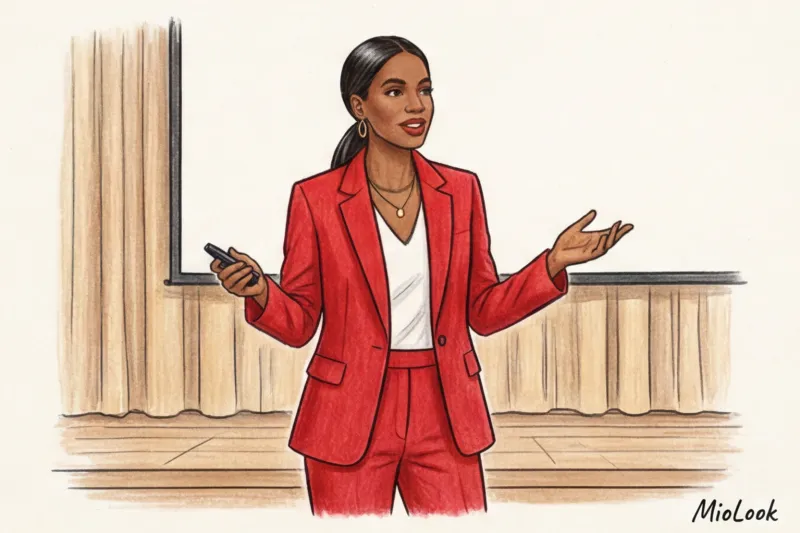
How can you incorporate this code into your everyday wardrobe without turning into a Lara Croft cosplayer? Start with a proven foundation:
- A leather biker jacket of the correct cut: Choose models made of thick leather, without excessive embellishments or unnecessary zippers. They should fit like a glove, creating a sleek silhouette.
- Trousers with creases: The ironed arrow is a downward vector, a symbol of grounding and stability.
- Pointed toe shoes: According to research in the field of shape psychology, sharp angles are subconsciously read by the brain as a marker of aggressive determination and speed.
Stylist's advice: If you're looking for the right architectural cut in the mass market, consider limited edition lines from Zara or Massimo Dutti—they often use patterns close to Hero's luxury standards.
The Rebel: Breaking stereotypes in a niche
If the Hero saves the existing system, the Rebel comes to destroy it. His key message is: revolution, a categorical rejection of outdated rules and absolute courage This is the ideal choice for experts whose USP (unique selling proposition) is built on provocation and differentiation from the "boring" competition. In the world of haute couture, Martin Margiela brilliantly embodied this archetype, making deconstruction the primary design tool.
Rebel textures are always a challenge to classicism and polish. They feature deconstruction (asymmetrical hems, inverted seams), ripped edges, rough, distressed leather, and an abundance of matte or distressed metal. The color palette gravitates toward a somber aesthetic: all-black, contrasting combinations, and deep, dark shades (graphite, wet asphalt, dirty burgundy).
"Being a rebel in business isn't about sloppiness. A ripped edge on cheap synthetics looks like a worn-out wardrobe. A ripped edge on thick Japanese cotton is like an intelligent design statement."
How to incorporate this style in a measured way? Use the principle of clashing contexts. Wear chunky boots with chunky soles with a classic pantsuit. Or wear T-shirts with bold, ironic slogans under a smart double-breasted jacket. One of my clients, a top crisis PR director, uses this technique brilliantly: during difficult negotiations, she wears an impeccable tuxedo with a ripped, asymmetrical tank top. This instantly shows her opponents that she knows the rules of the game, but isn't afraid to bend them for the sake of results.
To avoid going overboard with the "rebellion" and maintain a professional appearance, I strongly recommend collecting such images virtually. MioLook You can combine your basic, formal pieces with one or two bold pieces and evaluate the proportions from the outside before investing in a purchase.
The Lover: Charisma and attention to detail
The key message of this archetype is enjoyment of the process, absolute beauty and a deeply personal approach to the client An aesthete sells more than just a service; they sell a state of being, an emotion, and a premium experience.
Here lies the most dangerous trap for the expert, which I must warn you about. There is a subtle but critically important line between the Lover archetype in personal life and the Aesthete in business. The Lover, in its purest form, projects overt sexuality and seduction (deep cleavage, extreme miniskirts, tight-fitting clothing). In a business environment, this undermines credibility. Therefore, for work, we transform it into Aesthete — it’s about magnetism, kinesthetics, charisma and impeccable, expensive taste.
Estet's textures are always tactile, begging to be touched. They feature flowing, heavy silk, deep velvet, and delicate, high-quality lace. The cut emphasizes the waist (but without suffocating corsetry) and smooth, flowing lines that follow the contours of the body. The palette is dominated by luxurious, complex shades: wine (Marsala), powder, deep emerald, and ruby red. According to the Pantone Color Institute, deep red and wine tones subconsciously raise the viewer's pulse, creating a sense of emotional engagement.
How to incorporate this into a business wardrobe without losing professionalism?
- Silk blouses: Styles with a pussy-bow or voluminous sleeves work flawlessly under a structured jacket. Silk adds just the right amount of shine and softness to the face.
- Slip dresses: Wear them exclusively as a second layer (under a thick, long jacket or a voluminous, chunky knit cardigan). Playing with contrasting textures is the Aesthete's main secret.
- Elegant shoes: Shoes with heels (even if they are comfortable kitten heels 3-4 cm high) that reveal the ankle add the necessary amount of elegance to the look.
Remember: cheap polyester will kill the Aesthete archetype. If your budget is limited, it's better to invest in one perfect silk item than five synthetic imitations. Charisma doesn't tolerate counterfeits.
The 80/20 Formula: How to Mix Fashion Archetypes
The most common mistake I see when clients begin exploring style archetypes on their own is trying to completely immerse themselves in the chosen image. Remember the main rule: in its purest form, a mono-archetype looks like a theatrical costume or an entertainer's uniform. If you dress 100% like a Ruler, your colleagues will think you're playing the dictator. And a 100% Sage risks turning into a tired librarian, making doing business with someone boring.
That's why I use it in my consultations and wardrobe analyses. the original "base + accent" technique As soon as I explain this principle, my clients literally lose their tension and anxiety. They no longer have to force themselves and pretend to be someone else. The formula is: 80% of your image is basic archetype (who you really are, your psychological comfort), and the remaining 20% is broadcast archetype (what your business or career needs right now).
Let's look at some specific examples of successful mixes. Let's say your comfortable base is Sage You value closed collarbones, simplicity, and a neutral palette. But today, you need to sell your services at a high price and charm your client. We're mixing it up. Sage + Aesthete (Lover): We paired strict gray palazzo pants and a cashmere turtleneck from COS with smooth wine-colored leather ankle boots with a graceful heel and a silk scarf. The deep intellect remains, but sensual charisma has emerged.
Another classic scenario: a tough top manager ( To the ruler ) We need to hold an informal meeting with the creative team. A three-piece suit will create an unnecessary wall. Let's use a mix Ruler + Glorious Fellow We keep the structured dark jacket (a marker of control and status), but pair it with premium, straight-cut, unworn denim and immaculate white sneakers. The distance is reduced, but the authority remains.
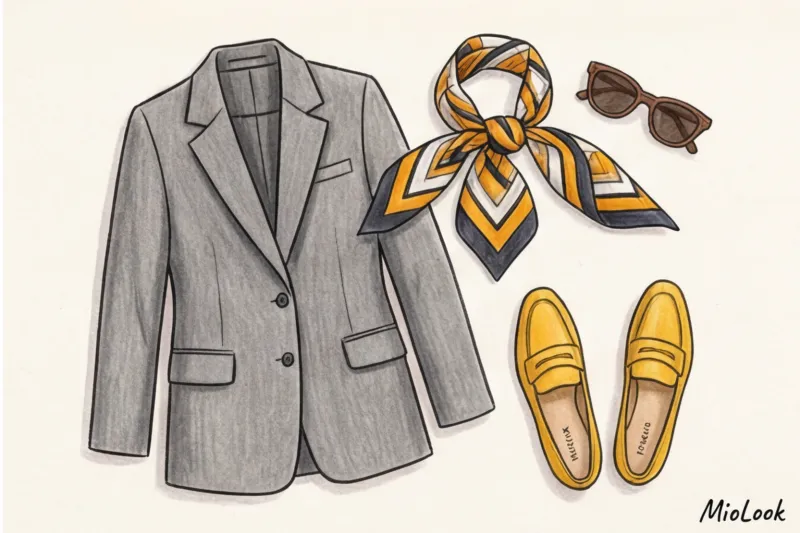
It's in this 20% that accessories play their key role—they act as the perfect toggle switch for shifting meanings. Chunky horn-rimmed glasses will instantly add a touch of the Sage to any relaxed look. A rigid geometric tote bag will channel the Ruler, even if you're wearing a basic trench coat. And ironic printed socks or a statement asymmetrical brooch will tone down any overly pretentious look, adding a touch of the Jester or the Creator.
To avoid getting confused about the proportions and buying too much, I highly recommend assembling these mixes virtually. In the app MioLook It's very convenient to tag items by their mood: you simply take a ready-made capsule, where 80% of the items are from your comfort base, and add one or two details from the desired archetype. This ratio works flawlessly.
Your perfect look starts here
Join thousands of users who look flawless every day with MioLook. Manage your wardrobe smartly.
Get access — €0.99 onceChecklist: How to Incorporate Archetypes into Your Wardrobe Tomorrow
Theory without practice is just a pretty concept. For style archetypes to work for your bank account and professional reputation, you need to translate them into the language of specific textures and silhouettes. I offer a pragmatic algorithm that my clients usually complete in a single weekend. No complicated mood boards or mandatory stylist supervision.
Step 1: Identify 3 adjectives of your personal brand
Forget about clothes for a minute. Take a piece of paper and write down three words that you want clients to think of after their first meeting with you. "Reliable, structured, esteemed"? Or perhaps "creative, empathetic, innovative"?
According to Professor Jennifer Aaker's classic study on brand personality metrics (1997), it is this basic trinity of characteristics that generates the lion's share of visual trust. Be brutally honest: don't write who you are. do you want to seem , capture who you are at your best professional level.
Step 2: Find intersections with 1-2 archetypes
Now compare your three adjectives with the descriptions of the groups we discussed above. If your words are "control, status, scale," your vector clearly points to a Ruler with a touch of Sage. If "care, comfort, security," you're a pure Guardian. Choose one leading archetype (your base) and one additional one (emphasis and detail).
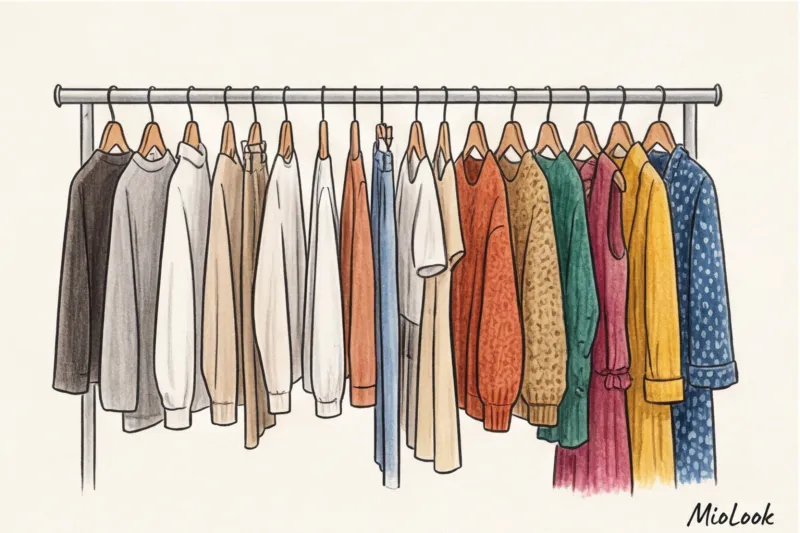
Step 3: Conduct an audit of your current wardrobe for compliance
Open your closet and take out the 10 items you wear to work most often. Ask each one a stern question: "Are you working for or against my three adjectives?" A shapeless, pilling cardigan instantly kills a Ruler, while a too-stiff, buttoned-up jacket prevents a Nice Guy from building trust.
To avoid creating chaos on your bed, I highly recommend digitizing this work capsule in MioLook The app will clearly display the color palette and dominant silhouettes, and you'll immediately see what's missing to create the desired impression.
Step 4: Make a shopping list (add 2-3 items of the desired archetype)
The most destructive mistake at this stage is to throw out everything old and impulsively buy things "to match the archetype." To start, you only need 2-3 strong visual markers.
For example, if you're embracing the Explorer, invest in a pair of sturdy Chelsea boots and a chunky suede shopper (excellent and durable basic options regularly appear at Massimo Dutti or COS). If you're going for the Esthetic, simply add a deep wine-colored silk blouse to your usual tailored suit. These small investments will instantly change the tone of your look without requiring a huge budget.
Common Mistakes When Choosing a Personal Brand Archetype
Do you know the main danger of working with visual psychology? We often confuse personal branding with drama. According to the Fashion Psychology Institute, the human brain detects dissonance between a person's appearance and their actual behavior in just 0.1 seconds. You can spend thousands of euros on a new wardrobe, but if it doesn't feel right to you, clients and partners will instinctively sense the falseness.
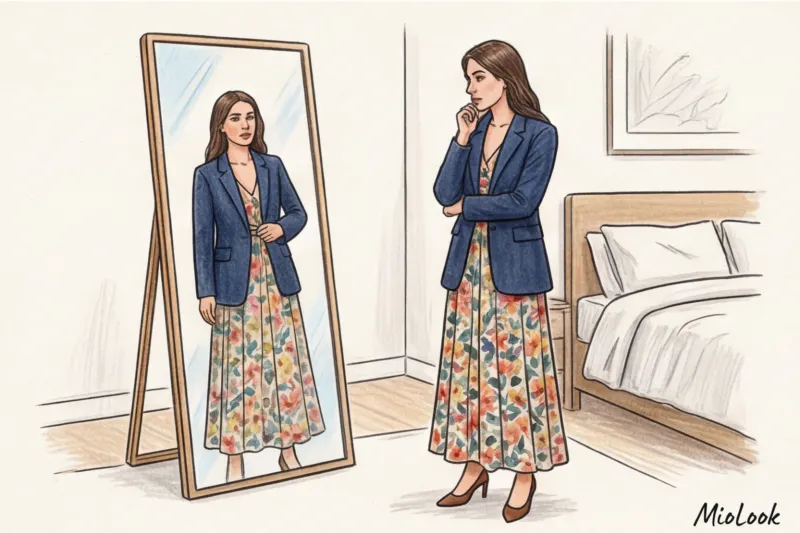
When integrating style archetypes into their work wardrobes, experts regularly make the same mistakes. Let's explore four fatal mistakes that undermine the credibility of your expertise and find out how to avoid them.
1. Reading too literally (animator syndrome)
The quickest way to ruin your authority is to resort to overt cosplay. A ruler doesn't need a gold crown, monograms, and brocade to demonstrate power. A magician doesn't need a velvet robe and a moonstone pendant. Literalism looks cheap. If you want to channel the magician archetype, use complex, deconstructed tailoring (think Rick Owens or even asymmetrical tops from Zara's premium line), not a fortune teller costume. Today, a ruler's authority is conveyed through the impeccable fit of a Loro Piana or Massimo Dutti jacket and expensive hardware, not through logos emblazoned across the chest.
2. Choosing an archetype that conflicts with your niche
Your style should solve your client's problem, not just entertain you. Imagine a corporate M&A lawyer who has decided that his leading archetype is the Jester. He shows up to sign a multi-million dollar contract wearing a Mickey Mouse tie and neon socks. Will it elicit a smile? Maybe. Will the client trust him with their assets? Never. In conservative niches (law, finance, medicine), the archetypes of Structure or Trust should always remain basic. Creativity can be added only in microdoses—for example, through the unusual texture of a watch strap.
3. Ignoring your physics for the sake of “conforming” to an image
This is a pain point I encounter in every other consultation. A woman with soft, rounded features (a "Light Summer" complexion, a body type with pronounced curves) tries to squeeze herself into the hard, angular leather coat of the Hero archetype because she "needs to sell mentorship." The result? The clothes exist separately, the face exists separately. Never compromise your nature. Ignoring your body type and complexion for the sake of a trend is a crime against your own investment in your wardrobe. Any archetype can be adapted: the Hero can be expressed not through rough black leather, but through thick, shapely cotton in a deep sapphire shade.
4. Blindly copying someone else's style without adaptation
Buying a black turtleneck like Steve Jobs (the Sage/Creator) or wearing chunky black glasses like Anna Wintour (the Ruler) doesn't mean you've adopted their genius. Copying someone else's style without considering your own context, lifestyle, and temperament always looks like a bad parody. You must understand. mechanics why this thing works for another person and find your own equivalent.
"Style should serve you, not you serve style. As soon as you start to feel constrained in a new role, your personal brand begins to crumble."
To avoid these pitfalls, I encourage objectivity. Our brains often play tricks on us when we look in the mirror. That's why it's so important to photograph your looks and compile them digitally. Upload your current outfits to MioLook Look at yourself from a distance, as if you were a stranger in your social media feed. Ask yourself one question: "Would I buy a service from this specialist?" The app will help you see the true picture of your wardrobe and selectively purchase only those items that will enhance your professional message without turning you into someone else.
Incorporating archetypes isn't a one-time wardrobe overhaul, but a fine-tuning of your visual voice. Start small. Your practical assignment for tomorrow: don't change your entire look. Choose your usual basic work outfit and add just the right amount. one A detail that conveys the archetype you're looking for. Observe how your self-perception and your colleagues' reactions change. True expertise doesn't shout about itself—it speaks quietly, but in a way that everyone listens.
Guide Chapters
The Hero Archetype in Clothes: Strength and Minimalism
A modern business hero isn't about camouflage, but about perfect, tailored tailoring. We explore how to project strength and confidence through a woman's wardrobe.
The Explorer Archetype: Safari and Premium Boho Clothing
How to integrate a free-spirited style into a strict dress code? We're breaking down stereotypes and translating the Seeker aesthetic into the language of a premium wardrobe.
The Nice Guy Archetype: Secrets of Casual Clothing
Casual isn't just jeans and a hoodie. Learn how to choose the right clothes for the "Nice Guy" archetype to look stylish, not sloppy.
The Guardian Archetype in Clothing: Status, Softness, and Comfort
Forget shapeless cardigans. Learn how to transform the Guardian archetype's style into a quietly luxurious aesthetic that inspires absolute confidence.
The Child Archetype: A Clothing Style for Lightness and Romance
How can you soften an overly strict image and start making people feel more at ease? We'll explore how to properly incorporate the Innocent archetype into your wardrobe without being childish.
The Jester Archetype: Clothing Style, Eclecticism, and Clever Irony
A cheap joke in clothing is vulgarity, while an expensive one is high art. We'll explore how to add intellectual irony and "subversive luxury" to your wardrobe.
Makeup by Archetype: How to Manage Impressions
Makeup is more than just cosmetics; it's a powerful visual marketing tool. Learn how to choose beauty looks that suit your needs using archetype theory.
How to Identify Your Style Archetype: A Guide
Popular online archetype tests are often out of touch with reality. Learn how to find your true style type using the "reverse engineering" method.
Personal Brand Archetypes: Expert Clothing and Style
How does clothing influence perceptions of your expertise and income? We explore real-life examples of how to consciously manage impressions using archetypes.
The Ruler Archetype in Clothing: How to Show Status
You only have 7 seconds to impress as a leader. Learn how to convey scale and confidence with your wardrobe.
The Aesthete Archetype: Sensuality and Elegance
Debunking stereotypes about the Aesthete (Lover) archetype. Learn how to create a magnetic wardrobe with refined textures and comfort.
How to choose a style based on archetype: MioLook neural network
Abstract psychology often collides with the reality of dress codes. Discover how artificial intelligence helps translate your archetype into the language of a stylish and wearable wardrobe.
The Creator Archetype in Clothing: How to Express Creativity
How to look creative yet appropriate even in a formal office? We explore how to use the Creator's style to manage impressions and express your ideas.
The Sage Archetype: Dress Style and Quiet Luxury
Debunking the myth of the "boring librarian." Discover how the Sage aesthetic intertwines with quiet luxury to create a wardrobe of status and intellectual distinction.
Combining Archetypes in Style: How to Create a Harmonious Look
How can you combine a strict office dress code with your inner desire for beauty? We'll explore a real-life example of how to skillfully combine different archetypes in a single look.
The Magician Archetype in Clothing: Intellectual Minimalism
The true Mage archetype isn't velvet robes, but intellectual minimalism and perfect tailoring. Learn how to translate this aesthetic into a luxurious wardrobe.
Accessories by Archetype: Bags, Shoes, and Jewelry
Style isn't magic, it's visual communication. Learn how to use bags, shoes, and jewelry to adapt your basic wardrobe to any occasion.
Rebel archetype: clothing style and modern grunge
True rebellion in fashion isn't about ripped jeans from the mass market, but about conscious choice and intelligent grunge. We'll explore how to use the Rebel style to create lasting impressions.