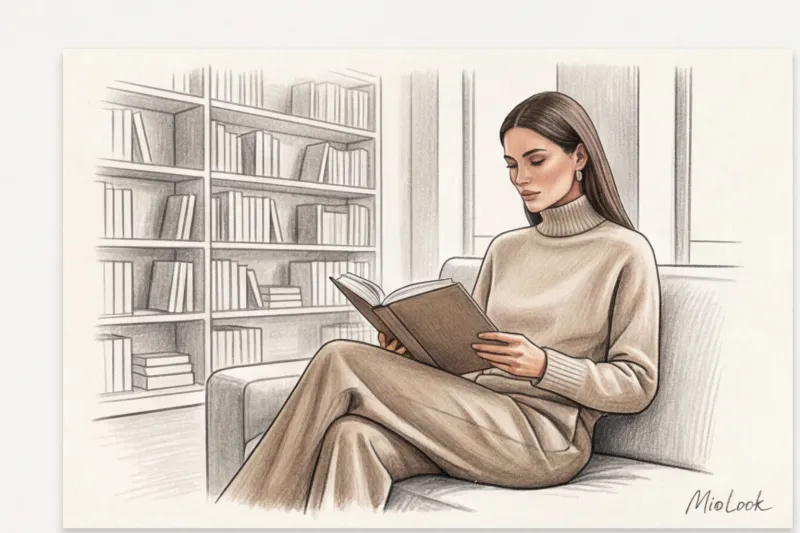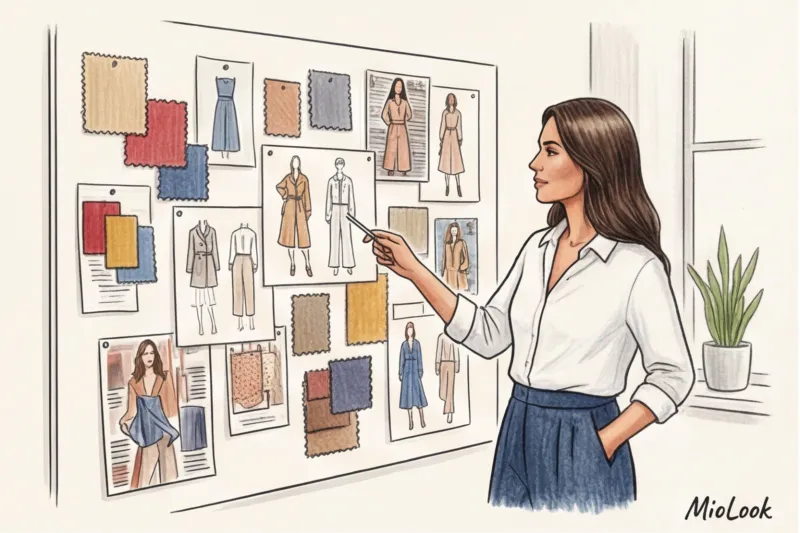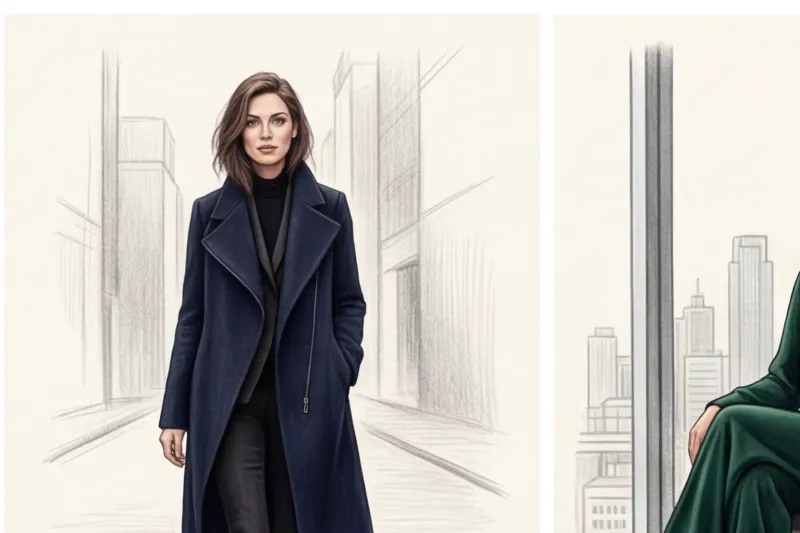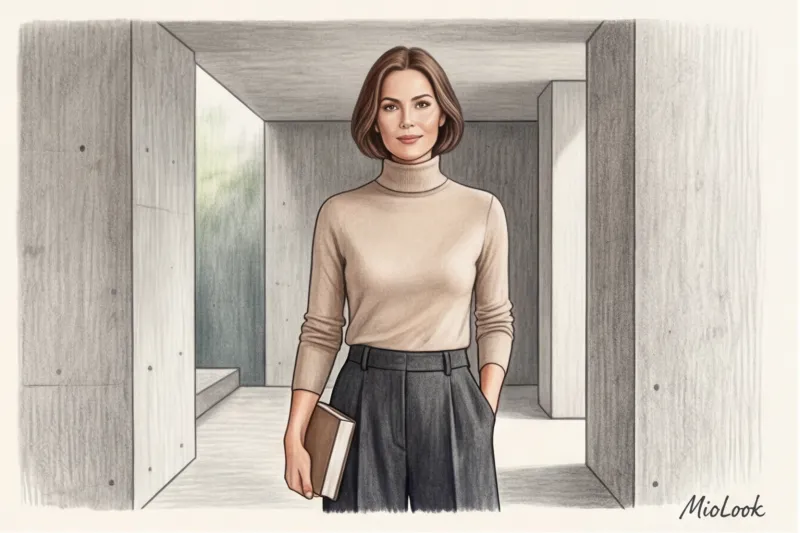
Do you know what stereotype in my profession irritates me the most? When female analysts, top managers, or IT directors come to me, they often say right away: "Isabella, I want to look smart, but not like a boring librarian in gray." For some reason, it's generally accepted that archetype sage clothing style — it's a complete rejection of fashion, the notorious Steve Jobs syndrome, and washed-out turtlenecks. In fact, it's quite the opposite.
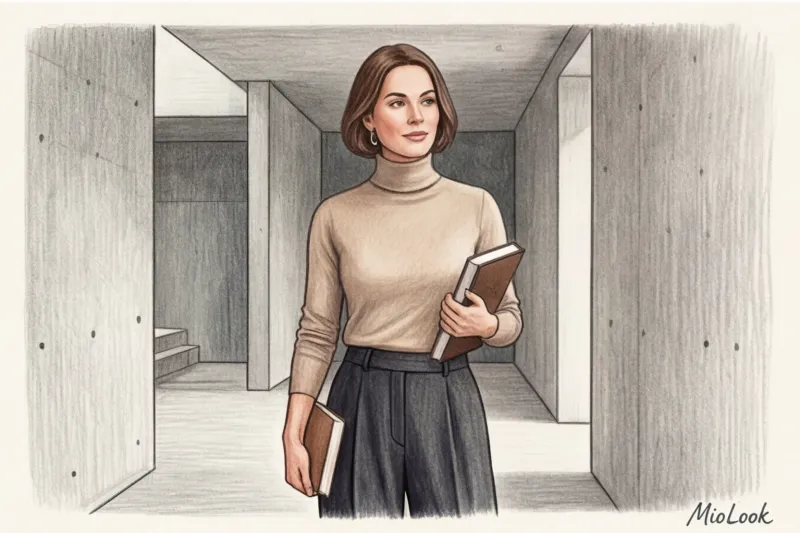
Over 12 years of working as a personal stylist, I've become convinced: the Sage cares about clothing more than other archetypes. Their focus is simply shifted from flashy logos and fleeting trends to engineering, the tactility of fabrics, and ethical production. Today, the Sage aesthetic is closely intertwined with the concept of "quiet luxury," making this style the most prestigious and intellectual approach to wardrobe. We discussed in more detail how different types help build a personal brand in our a complete guide to archetypes in style and expertise , but now I want to analyze the anatomy of an intellectual wardrobe.
What does the Sage archetype convey through clothing style?
For a Sage, clothing isn't a way to draw attention to their body. It's an interface for their intellect. The main purpose of such a wardrobe is to eliminate visual noise so that the other person can focus on your thoughts, words, and ideas.
This is where science comes into play. In 2012, Northwestern University researchers (H. Adam and A. Galinsky) coined the term enclothed cognition ("clothed cognition"). Their experiments proved that clothing directly influences our cognitive processes. Laconic, structured clothing literally enhances the concentration and analytical abilities of those who wear it.
I've seen this work in practice. One of my clients, a corporate lawyer named Elena, complained that clients often interrupted her during consultations and violated her personal boundaries. We removed the colorful, ruffled silk blouses from her wardrobe and replaced them with monochrome, heavy cotton shirts with complex, architectural cuts. A month later, she wrote to me: "Isabella, it's magic. I speak in the same tone, but they listen to me in absolute silence." The Sage's minimalism is perceived by others as unquestionable expertise, reliability, and high status.
The Psychology of Color: A Palette of Intellectual Elegance
The sage avoids neon and open spectral colors (bright red, fuchsia, lemon). Why? Because they tire the eye and draw attention to themselves. The intellectual palette is built on deep, complex shades that invite close-up viewing.
- Base: graphite, deep navy (dark blue), camel, chocolate, ecru (the color of unbleached silk).
- Accents: sage, muted burgundy, sea green.
The Sage's best trick is monochrome. By consolidating your look in a single color (for example, shades of gray or beige), you create a continuous vertical line. This elongates the silhouette and, most importantly, directs the other person's gaze directly to your face.
Your perfect look starts here
Join thousands of users who look flawless every day with MioLook.
Get access — €0.99 onceWardrobe Anatomy: 5 Key Style Rules for the Sage Archetype
According to the Business of Fashion 2024 report, the investment wardrobe trend is only gaining momentum. And Sage is the leading ambassador of this approach. Here are five unbreakable rules on which this style is built.
Rule 1: Invest in invoices. Visually identical acrylic and 100% merino wool turtlenecks convey completely different statuses. A wise man chooses natural materials: Mongolian cashmere, dense silk, cotton with a minimum weight of 180 g/m², and high-tech wool. This is a matter not only of aesthetics but also of thermoregulation—you should be able to think comfortably.
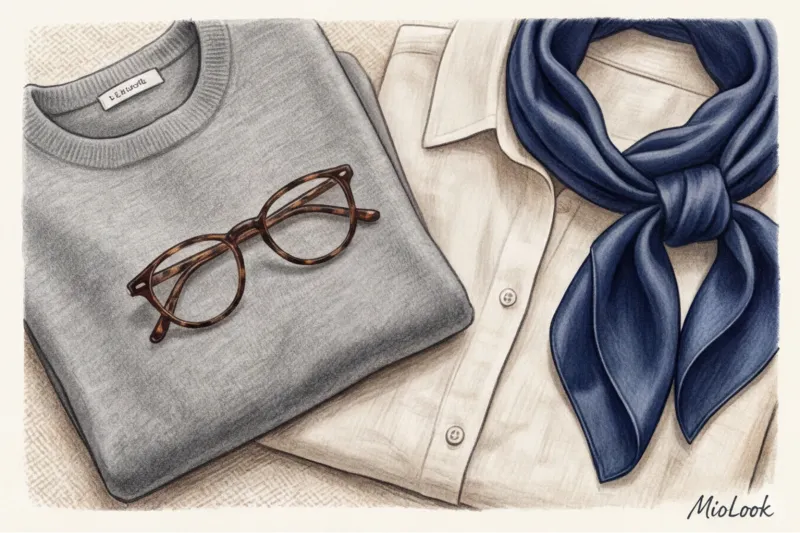
Rule 2: Architectural but relaxed cut. Clothing should not restrict movement. Physical freedom equals mental freedom. We choose semi-fitted or oversized silhouettes that maintain shape but leave space between the fabric and the body.
Rule 3: No logo. No visible brand logos or complex embellishments. A wise man doesn't need to prove his worth with a slogan on the chest. Quality is demonstrated by perfect seams and fit.
Rule 4: Layering. A complex look is a sign of complex thinking. A thin turtleneck under a loose shirt, topped with a voluminous jacket, looks both intellectual and modern.
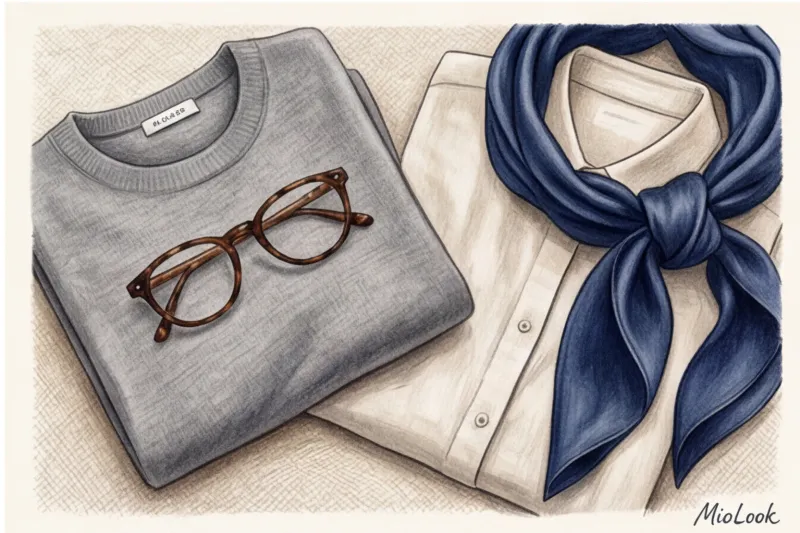
Rule 5: Functionality. If an item has a pocket, it should be able to hold a phone or notepad. If it has buttons, they should be unbuttoned. Imitation is not a characteristic of the Sage.
My favorite formula for important meetings: Structured jacket + smooth wool turtleneck + wide-leg palazzo trousers with creases + leather loafers = instant status and all-day comfort.
See it in action: one blazer, styled five ways
Everything I described above — the palette, the layers, the occasions — done automatically. On the left is an ordinary phone snapshot of a wool blazer lying on an unmade bed. On the right is the styling board MioLook generated from that single photo, in about a minute.
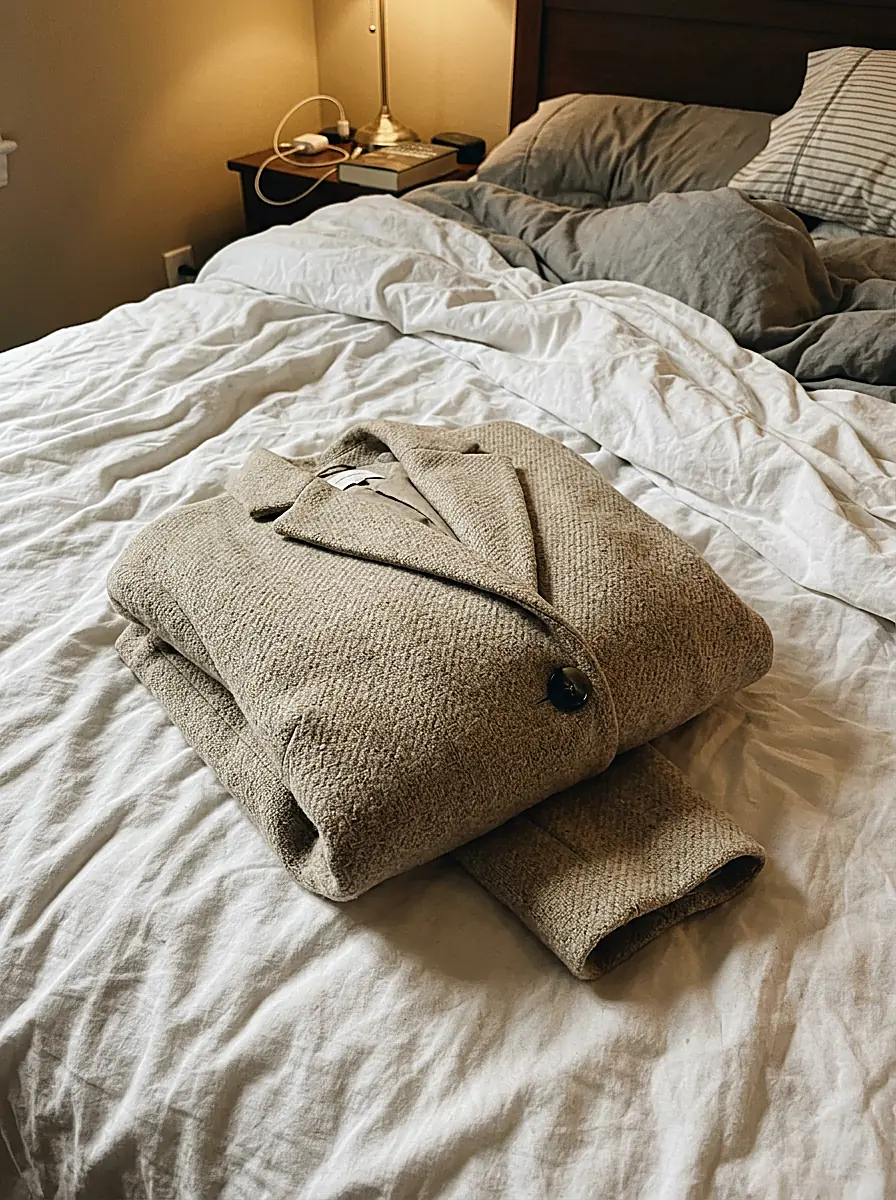
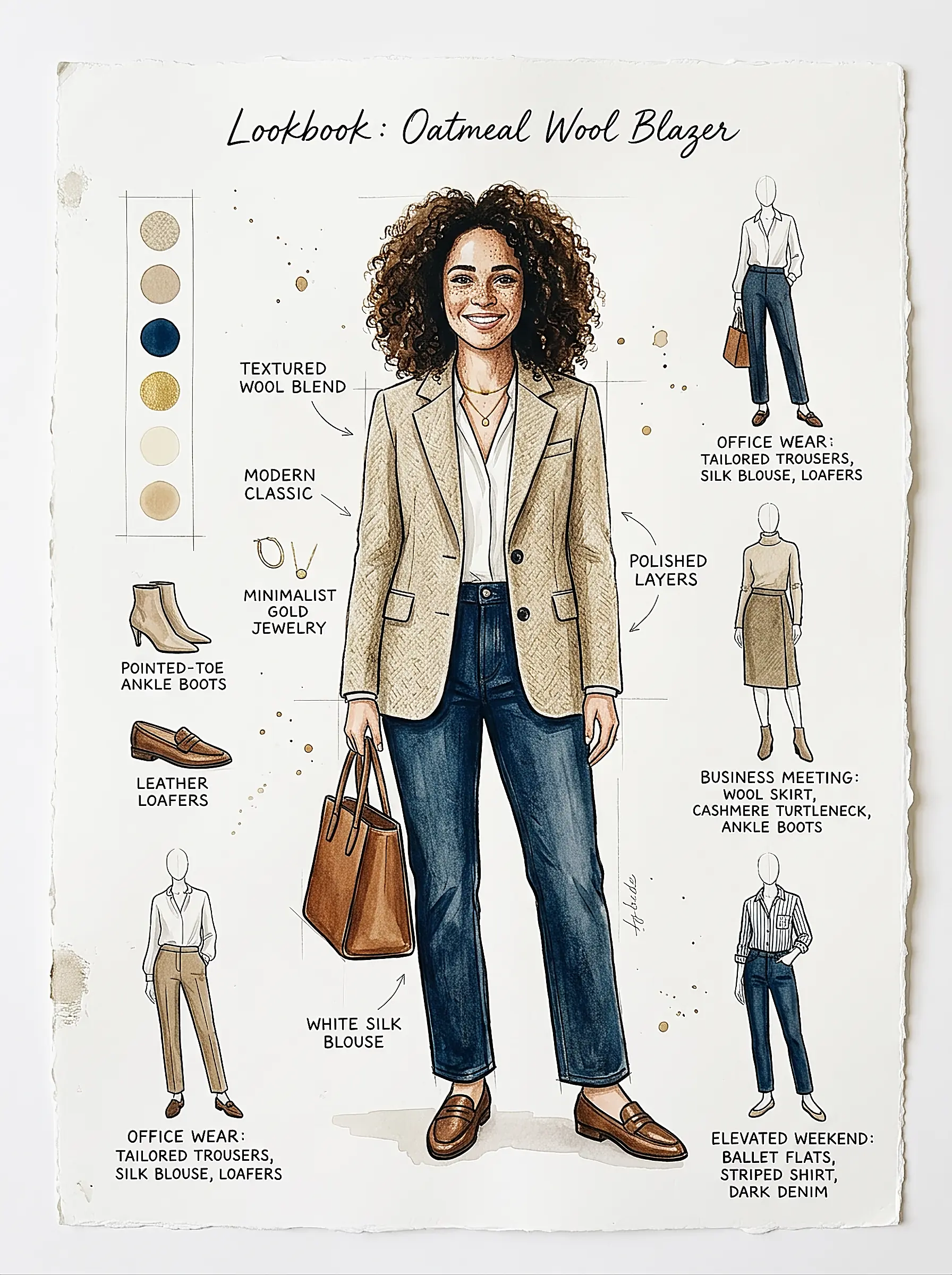
This is a real result, not a mock-up — open the full lookbook.
Build a lookbook for your own item — €0.99 onceThe Librarian Mistake: How to Wear the Sage Archetype Without Looking Boring
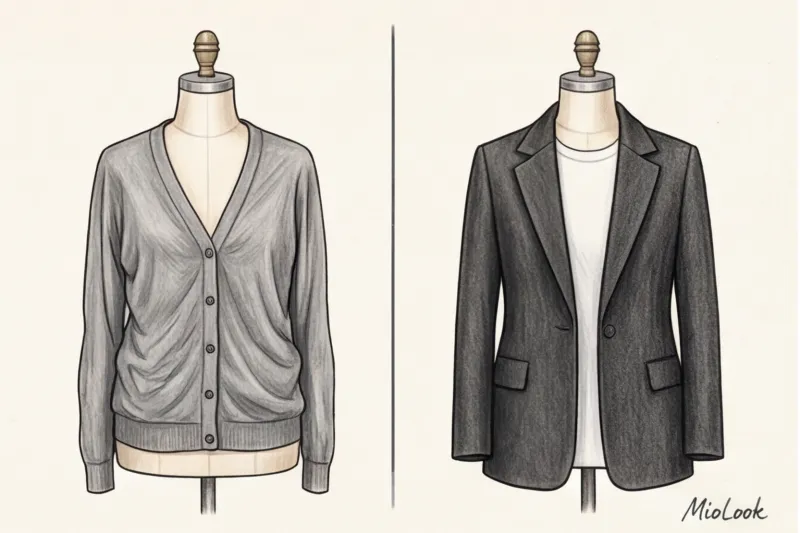
Herein lies the main pitfall. Many confuse minimalism with casualness. Let's clarify one counterintuitive insight: a washed-out, pilling cardigan is not a Sage. It's the archetype of the Orphan or the Regular Guy. A true Sage respects himself and values things that last and look impeccable.
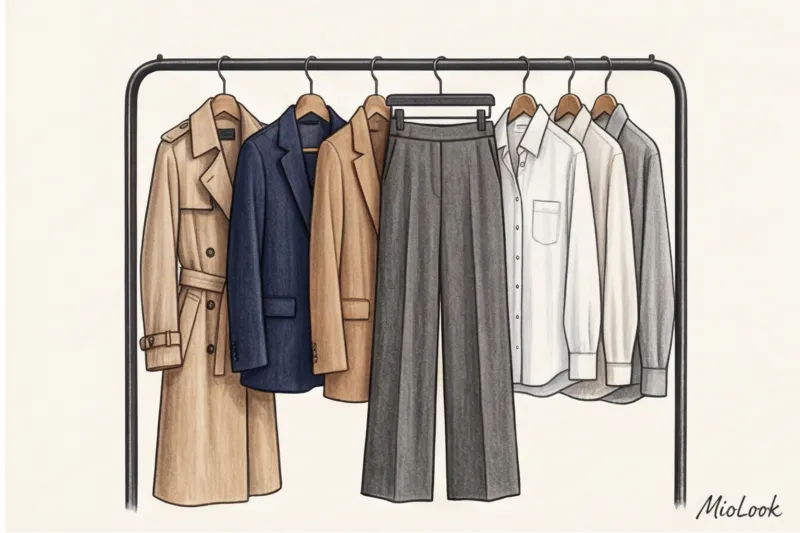
How to avoid the mothball effect? The secret is in modern proportions. A cropped, fitted jacket that hits mid-thigh will make you look like a tired office worker from 2007. The same jacket, but cut straight, with defined shoulders and a length just below the buttocks, will transform you into an icon of "quiet luxury."
And here I must mention important limitation The Sage style absolutely WON'T work if you neglect grooming. This archetype has few distracting details, so clear, glowing skin, a neat, modern haircut, and manicured nails become your primary accessories. For the Sage, a perfect bob or sleek low bun is more important than bright lipstick.
Access to MioLook for €0.99 — one-time payment
A smart AI stylist will choose the perfect look for you.
Get access — €0.99 onceAssembling a capsule: The Sage archetype's clothing style in a business environment
The Sage's wardrobe is like a construction kit, where every piece fits together perfectly. We use the 80/20 rule: 80% high-quality basics and 20% functional accessories.
Basic tops:
A white or light blue men's-cut shirt (without darts), thin cashmere or wool-silk blend jumpers, smooth turtlenecks in basic shades.
Bottom:
Wide palazzo pants with pleats (they create a beautiful dynamic when walking), midi skirts of A-line or straight cut made of thick fabric that does not wrinkle after an hour of sitting at the computer.
Outerwear:
Classic double-breasted midaxi length (below mid-calf) trench coat made of camel wool.
By the way, it is for such laconic capsules that I always recommend using the "smart wardrobe" feature in the MioLook app You digitize your essentials once, and the AI algorithm shows you dozens of mix-and-match combinations, saving you time in the morning getting ready.
Status accessories: functionality above all else
A Sage's shoes must be comfortable—the fit is everything. Choose oxfords, brogues, minimalist loafers, or ankle boots with a sturdy brick heel.
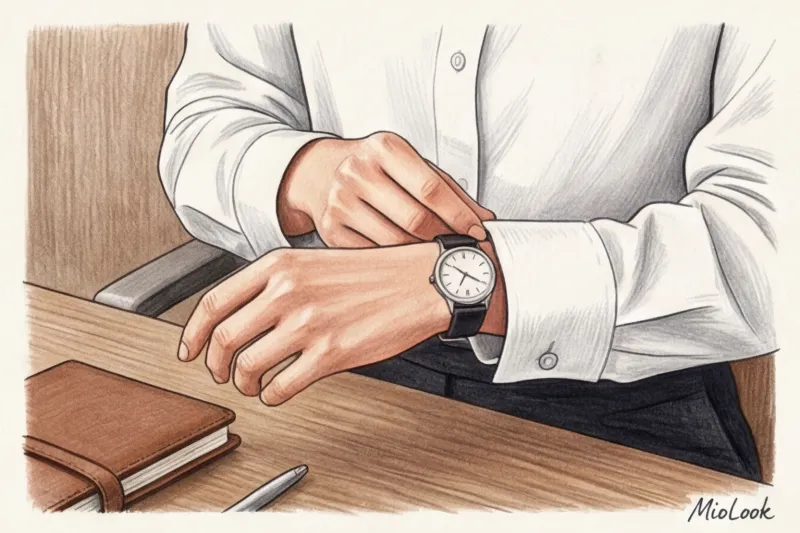
Bags should maintain a rigid shape and accommodate a laptop or A4 documents. Leather totes or modern briefcases without unnecessary fittings are ideal choices. Jewelry? Geometric shapes and metal. A simple watch with a clean dial, stud earrings, and a couple of thin rings.
Sage + Other Archetypes: Stylish Combinations for Experts
Pure archetypes are rare in life. In my practice, I use the professional 70/30 rule: 70% of the base is your leading archetype (the Sage), and 30% of the details are secondary archetypes that help you solve specific career challenges.
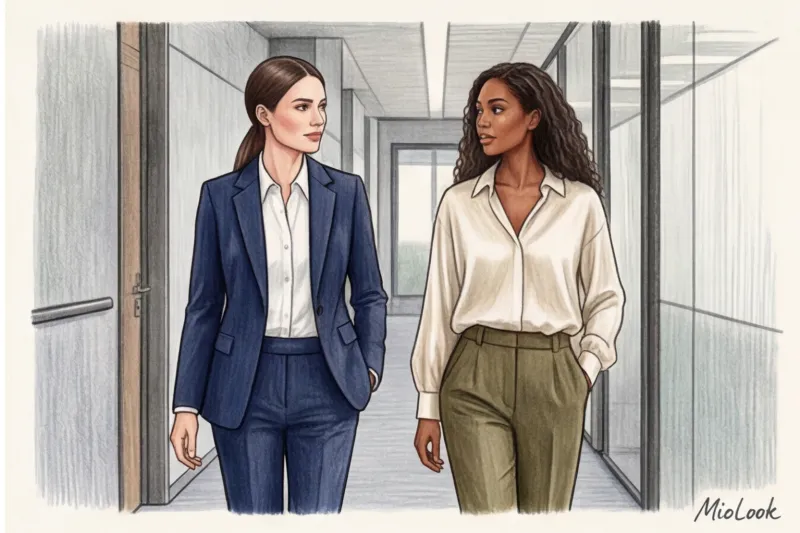
- Sage + Ruler (for top managers and CEOs):
Add more strength to the shoulders and enhance the contrast of the look (for example, a crisp white shirt with a navy suit). Enhance the look with an expensive watch and a perfect fit. - Sage + Creator (for creative directors, architects, designers):
We introduce asymmetry, an unusual cut (for example, a wrap shirt) and add one complex accent color - mustard, terracotta or emerald.
Checklist: How to Incorporate Sage Style into Your Wardrobe
If you want to project expertise, don't throw out everything tomorrow and run to the store. Start small. Here's a step-by-step plan you can apply right this evening in front of the mirror:
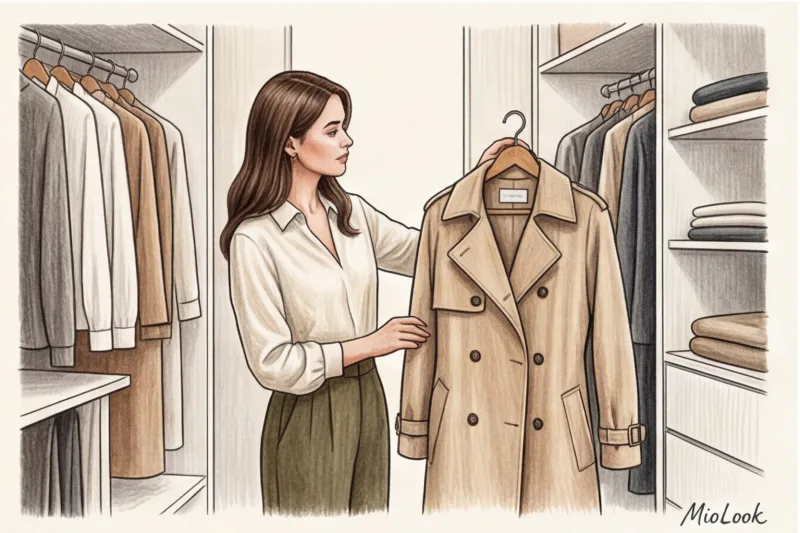
- Conduct a rigorous audit. Remove from sight (at least for a while) items made of overt synthetic materials, clothes with large rhinestones, inscriptions and childish prints.
- Define your neutral palette. Consider your color type. If you have a cool, contrasting complexion, your base colors will be graphite, icy gray, and navy blue. If you have a warm complexion, consider shades of camel, chocolate, and olive.
- Calculate Cost-per-wear (cost per outlet). A cheap, trendy $30 sweater that will lose its shape after three washes costs $10 per wear. A high-quality $200 cashmere jumper that you'll wear 100 times over three years costs $2 per wear. A wise man knows how to count his money.
- Buy your first "investment" item. Whether it's a perfectly structured, heavy wool jacket or a luxurious, basic turtleneck, you'll immediately feel the difference in your posture.
Stylist's Resume: Clothes as an Investment in Your Intelligence
The Sage's style is a marathon, not a sprint. You won't achieve it in a single shopping trip. It's built over years, bit by bit, but lasts for decades. It's a rejection of fast fashion in favor of pieces that have real value.
Before your next important meeting, interview, or public speech, look in the mirror. Ask yourself one question: "Does this outfit reflect the scale of my thoughts?" Let your wardrobe speak volumes about your utmost professionalism even before you utter your first word.