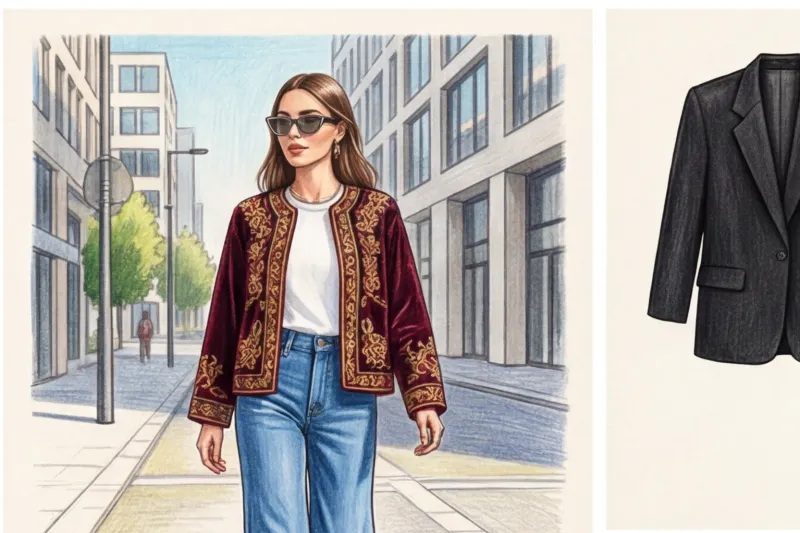
I tracked the cost-per-wear (CPR) of my wardrobe using a digital app for two years and discovered a startling figure. My vintage wool jacket from the '90s was worn four times more often and held its shape better than its modern, high-end counterpart. The secret is simple: a dramatic difference in the twist and density of the fabric. However, the main question I hear from my clients is different: How to style vintage clothing to look like a fashion influencer and not like a visitor from the past?
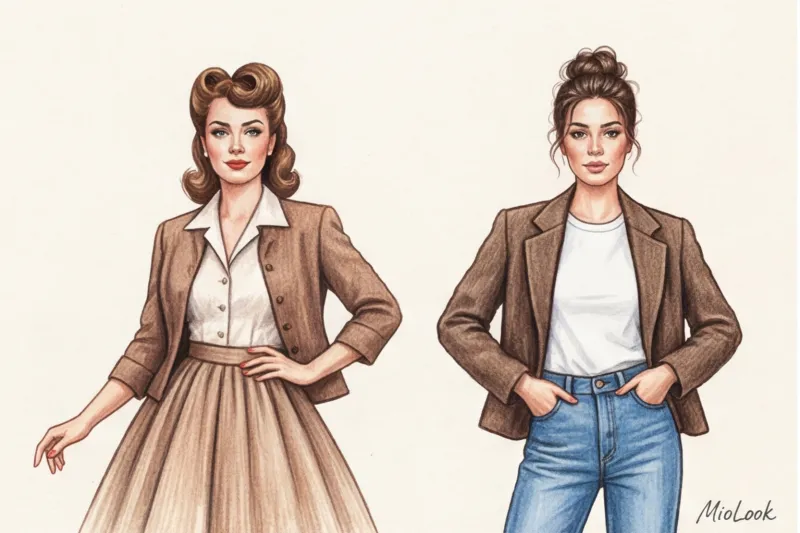
We're used to thinking that old clothes automatically add age. But the problem isn't the clothes themselves, but the "math" of the look. If you simply wear a retro dress, you're creating a historical reconstruction. We've covered more about how to find pieces with the right potential and a modern cut in our The Complete Guide: How to Shop Second-Hand and Find True Gems In this article, I'll show you how to apply digital planning and the rule of contrast to make vintage work as a status accent.
Image Architecture: Why Vintage Often Looks Old-Fashioned
The difference between "archive chic" and "mothballs" is always a matter of context. In its studies of suit construction, the Fashion Institute of Technology (FIT) emphasizes that fit standards and basic silhouettes have completely changed over the past 30 years. What was considered a basic fit in 1985 today is perceived by the naked eye as out of proportion.
According to a McKinsey report (2024) on circular fashion, the share of synthetic fibers in mass-produced clothing has nearly tripled since the late 1990s. Vintage wool often has a weight of 300 g/m², while modern mass-market wool offers 150-180 g/m² at best. This is precisely why vintage is worth rescuing: fabrics of this quality are currently only available in the luxury segment. But for this luxurious fabric to truly shine, it must be framed in a contemporary architectural framework.
The "Total Immersion" Trap
The most common mistake beginners make is dressing head to toe in pieces from the same era. A polka-dot dress from the 1950s, Mary Janes, and a clasp bag create the effect of a theatrical costume. Your brain interprets this ensemble not as style, but as an entertainer's uniform at a retro party. To break this association, the item must be ruthlessly removed from its historical context.
Access to MioLook for €0.99 — one-time payment
A smart AI stylist will select the perfect look.
Get access — €0.99 onceThe Golden Ratio: How to Style Vintage Clothing Using the 80/20 Formula
Over 12 years of working as a stylist, I've developed a formula that never fails. I've tested it on dozens of clients with different body types, and the result is always the same—the look looks expensive and edgy. It's the 80/20 rule: your outfit should consist of 80% modern, structured basics and only 20% vintage accents.
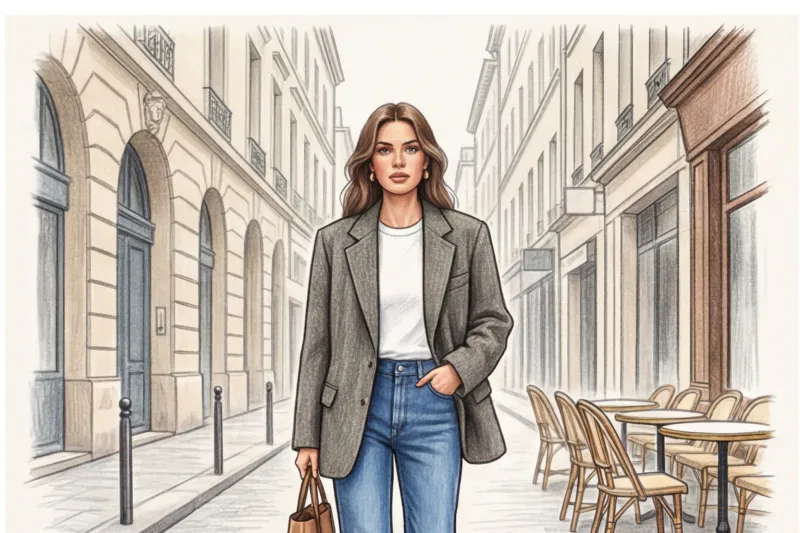
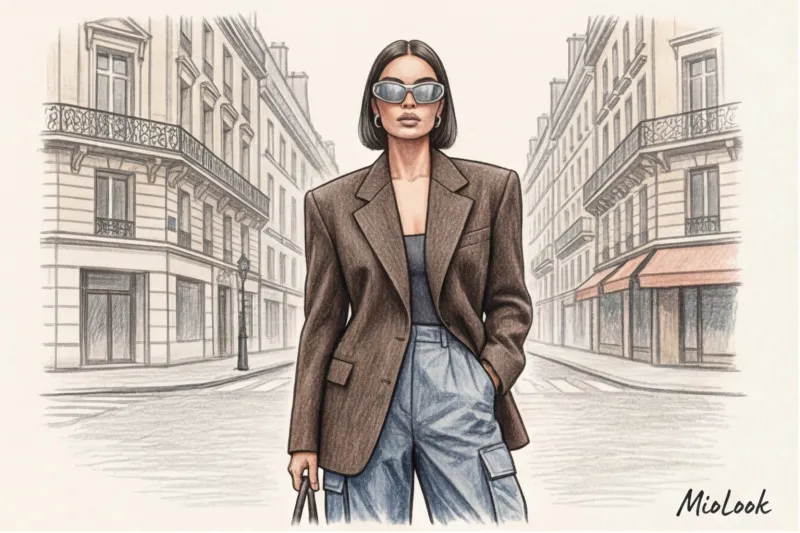
Contemporary minimalism acts as a mat for a complex painting. Take a basic white T-shirt made of thick cotton, straight-leg modern jeans, and trendy urban sneakers. This completely neutral, faceless base is the perfect backdrop for a sophisticated vintage jacket with pronounced shoulders. The jacket ceases to be an "old thing" and becomes a conscious statement.
Playing with contrasts: juxtaposing textures and eras
Herein lies my main counterintuitive piece of advice, which often causes debate with tailors. A common recommendation is: "Be sure to tailor vintage pieces to your figure, take them in, and modernize the cut." I'm categorically against it. Altering the original proportions of a garment (for example, narrowing the armholes or ripping out the shoulder pads from an '80s jacket) ruins its design. The garment begins to look like a cheap, ill-fitting modern mass-market item.
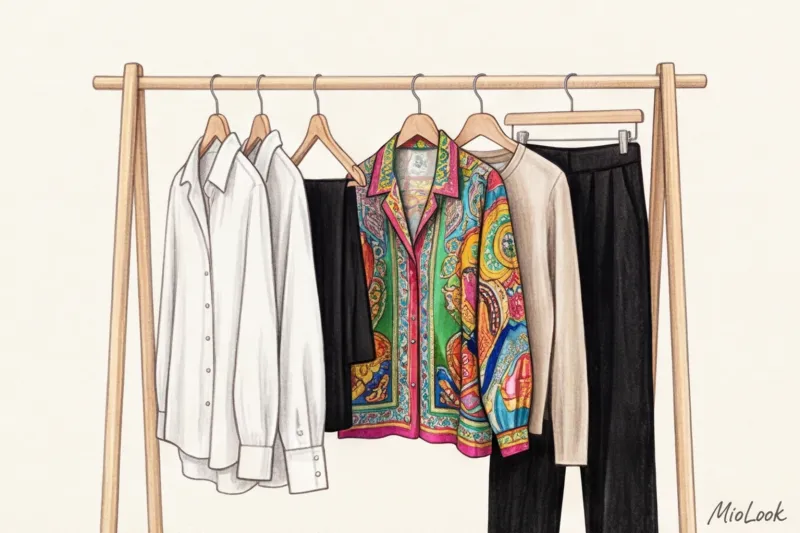
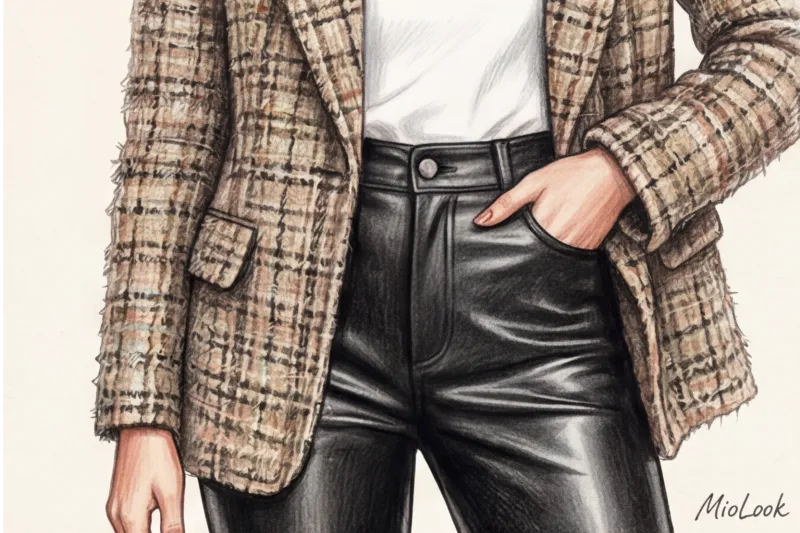
The secret isn't in altering. Keep the original, oversized fit, but wear a modern, fitted micro-top underneath. Mix textures: heavy vintage tweed is perfectly neutralized by modern, smooth faux leather. And the delicate, flowing silk of a '70s blouse requires a pair of rough, modern denim rather than classic trousers. I wrote about other stereotypes that prevent us from dressing stylishly in my article about outdated style rules.
Integrating vintage into business dress code
Last year, a top manager at an IT company approached me with a request to incorporate her collection of vintage YSL blazers into her formal corporate wardrobe. To shed the "party committee worker" image, we replaced classic pencil skirts with wide, pleated palazzo pants and added chunky, modern shoes. A vintage silk blouse with an ascot bow fits perfectly in the office when paired with a complex, asymmetrical skirt. This creates a classy accent without breaking corporate rules.
Your perfect look starts here
Join thousands of users who look flawless every day with MioLook.
Get access — €0.99 onceBeauty Contrast: The Main Secret of Stylists That They Keep Quiet
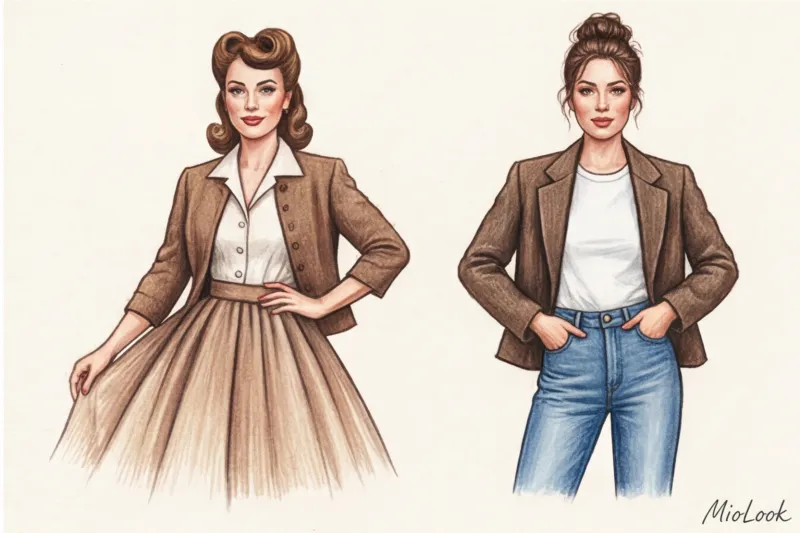
I've witnessed the magic of beauty contrast at many fashion shoots. Clothing is only 50% of the success. If you wear a 1950s midi dress, classic waves, and thick red lipstick, you're committing fashion suicide. It's a surefire way to look older.
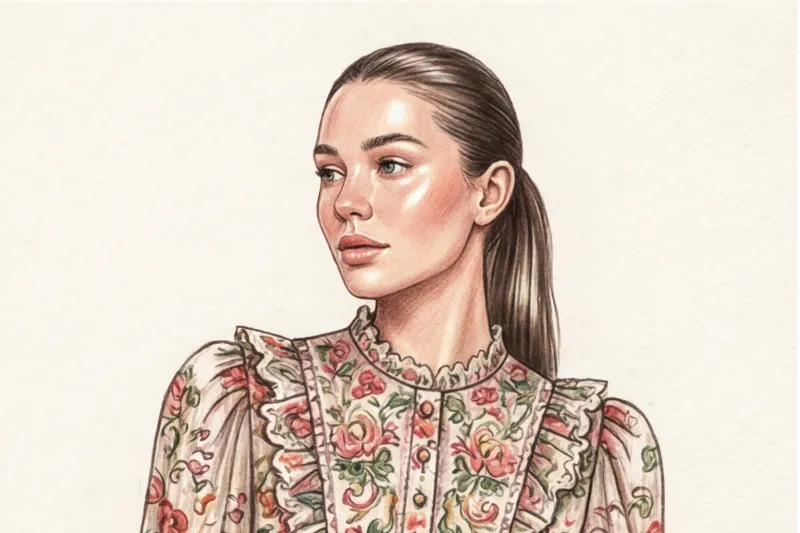
The modern influencer formula is different. The same vintage dress calls for a deliberately casual, low bun, "no-makeup makeup" (glowing skin, slicked-back eyebrows, clear lip balm), and short, unadorned nails. A modern, clean face and hair aesthetic is the anchor that anchors the vintage look in 2024. Your face should convey the relaxed vibe of the current decade.
Digitizing the Past: A Smart Approach to a Vintage Wardrobe
Impulse purchases at thrift stores are the main reason for closet clutter. You buy an incredibly beautiful angora cardigan, bring it home, and realize it looks ridiculous with your skinny jeans. As a digital-first stylist, I always insist on pre-planning.
Before buying a vintage item, you should clearly envision at least three modern pieces from your closet that you'll wear it with. This is where technology comes in. You can use the virtual fitting room feature in MioLook To create a look right in the store by uploading a photo of your find to your digital database. Wardrobe analytics will also help you understand whether you're actually wearing your "gems" or if they're just taking up space.
Top 5 Vintage Pieces That Are Easy for a Beginner to Integrate
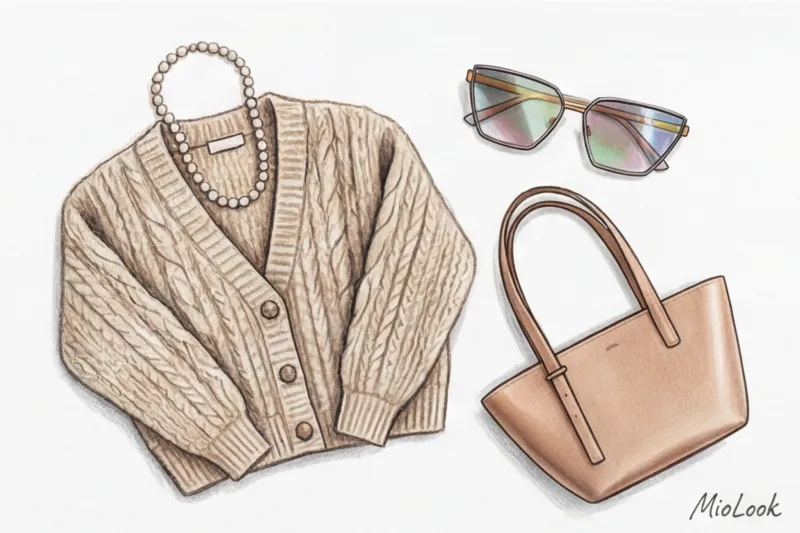
If you're just starting out, avoid buying complicated dresses or shoes. Here are five foolproof investments that will instantly elevate your style:
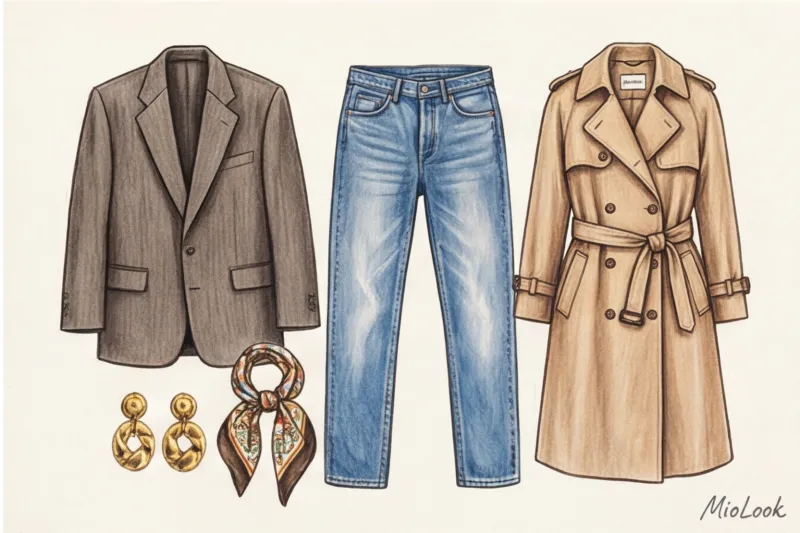
- Men's jackets from the 80s and 90s. Structured, exaggerated shoulders are once again dominating the runways. Look for 100% wool with a high-quality viscose lining (not polyester).
- Heavy jewelry. Large clip-on earrings, intricately woven chains, and brooches. The hardware of past decades (especially brass) doesn't tarnish as quickly as modern, budget-friendly metals.
- Silk square scarves. The perfect way to add a print to a minimalist look is to tie it to the handle of a modern, rigid bag.
- High quality trench coats. Gabardine, the material used for raincoats 30 years ago, is practically indestructible. Pay attention to the condition of the horn buttons and buckles.
- Vintage denim. The legendary Levi's 501s from the '90s are made from 100% cotton with no added elastane. They hold their shape phenomenally and contour to your figure. (By the way, for more information on choosing the right pants, read our article about denim anti-trends ).
When choosing, always check the fittings: YKK zippers made of metal, not plastic, even seams, and the absence of permanent stains on the collar are the main indicators of quality.
Checklist: Auditing Your Vintage Look Before You Go Out
To be 100% confident in your look, do a quick audit in front of the mirror. This checklist has saved my clients from fashion disasters before important events (even if it's interview ).
- Balance of volumes: If you're wearing a voluminous vintage top, the bottoms should be simple and put together. And vice versa.
- Smell test: The distinctive smell of "grandma's trunk" will ruin any look, even the most brilliant one. Ozonation or professional dry cleaning are essential before the first wear.
- Modern frame: Your shoes, bag, and sunglasses should be current season. This is non-negotiable.
- Age test: Take a full look at yourself. If your outfit makes you look 10 years older, ditch the vintage. If you're unsure, check our list. clothes that make a woman look older.
Important limitation: This approach doesn't work with all items. For example, thin, flimsy knitwear from the early 2000s almost always looks simply worn out, not conceptual. Leave it in the past. You can learn more about such items in the review. anti-trend sweaters.
Conclusion: Vintage as a Marker of Intelligent Style
The ability to skillfully wear pieces with a history has become a sign of high visual intelligence. In the age of fast fashion, when trends change every two weeks and identical pieces fill the streets, vintage remains the only way to create a truly unique wardrobe.
This isn't just a nod to ecology or conscious consumption. It's an investment in quality cuts and materials that are no longer widely available. Stop fearing old pieces: digitize your wardrobe, embrace sturdy modern basics, and juxtapose textures. Your style is your personal curated statement, and vintage is the best color on this palette.