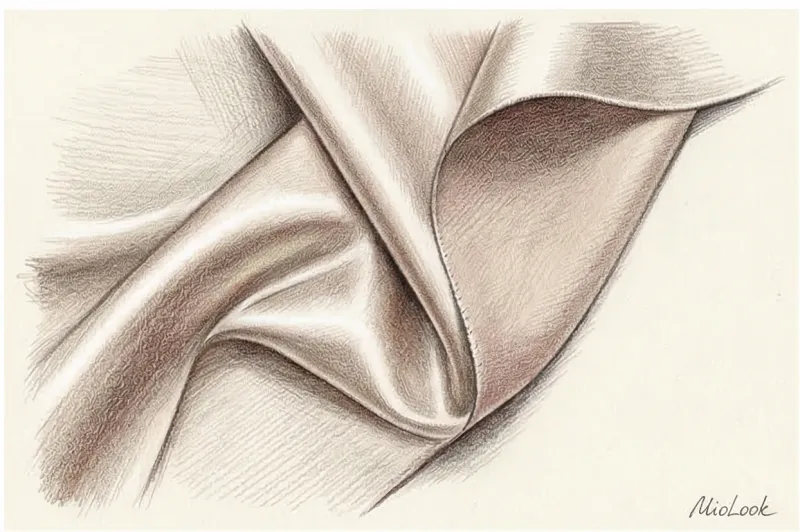
What is an atlas?
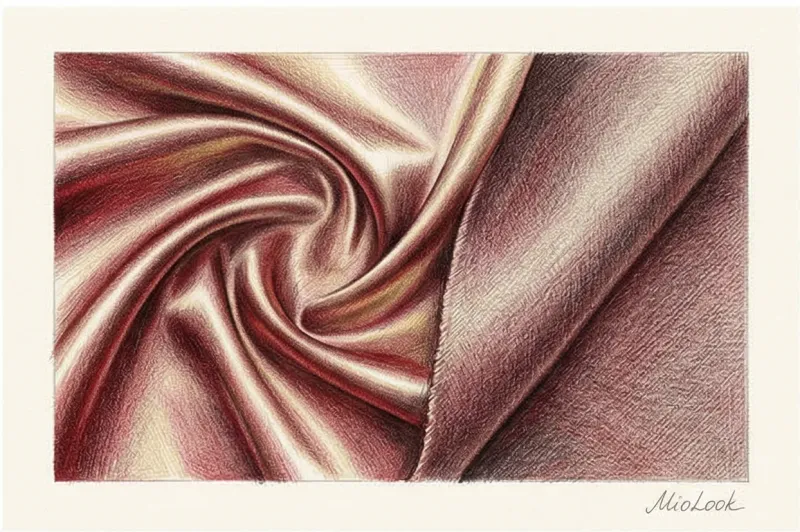
Atlas — is a dense fabric with a smooth, shiny front surface and a matte back, created through a special satin weave of threads.
The name comes from the Arabic word meaning "smooth." Historically, this material was made exclusively from natural silk and was intended for clothing of the privileged classes.
In modern fashion, satin is prized for its luxurious appearance, ability to form soft folds, and effective light reflection. It is traditionally used to make evening dresses, lingerie-style skirts, blouses, and is also used to trim the lapels of classic tuxedos.
Main types
The properties of the material directly depend on the composition of the fibers used in production.

- Silk satin: The classic and most expensive option, made from 100% silk. It boasts high breathability, hygroscopicity, and a flowing texture.
- Synthetic atlas: Made from polyester or acetate, it's more affordable and highly durable, but less breathable.
- Stretch satin: Contains elastane or lycra fibers, which gives the fabric stretch. It's ideal for creating form-fitting silhouettes, such as sheath dresses or corsets.
- Crepe satin: A double-sided, high-density fabric. The face has a distinctive glossy sheen, while the back has a fine-grained crepe texture.
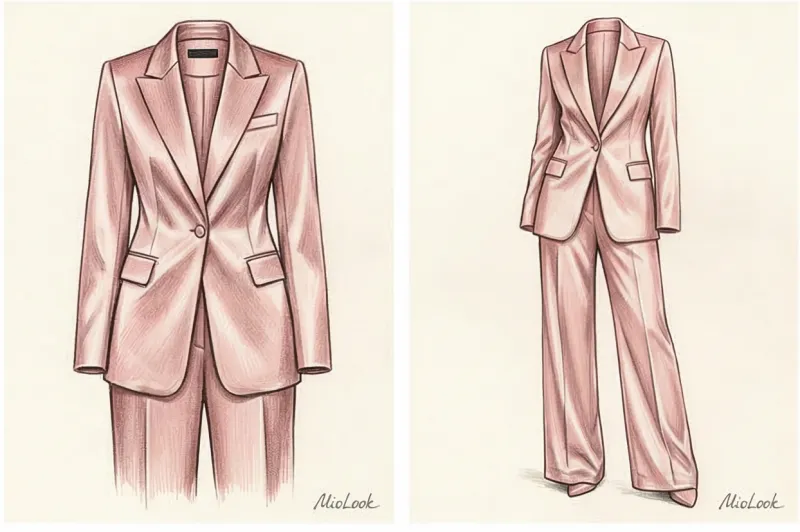
How to care
The smooth structure of the material requires delicate handling to avoid snagging and loss of its characteristic shine.
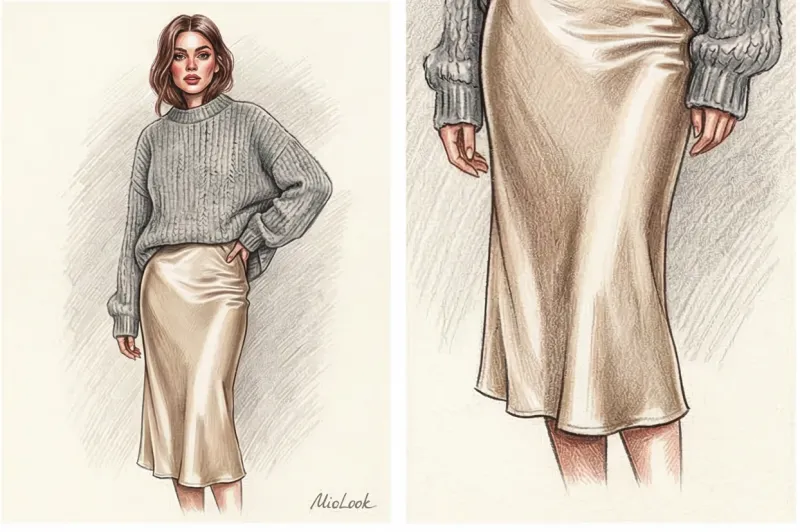
- Washing: Natural silk satin is recommended to be dry cleaned. When hand washing, use cool water (up to 30 degrees Celsius) and liquid detergent. Avoid rubbing or wringing the fabric.
- Ironing: Iron items only on the reverse (matte) side at the lowest temperature. Do not use steam, as water droplets will leave permanent marks on the shiny surface.
- Storage: It's best to store satin items on soft hangers or neatly rolled up. This helps prevent hard-to-remove creases from forming.