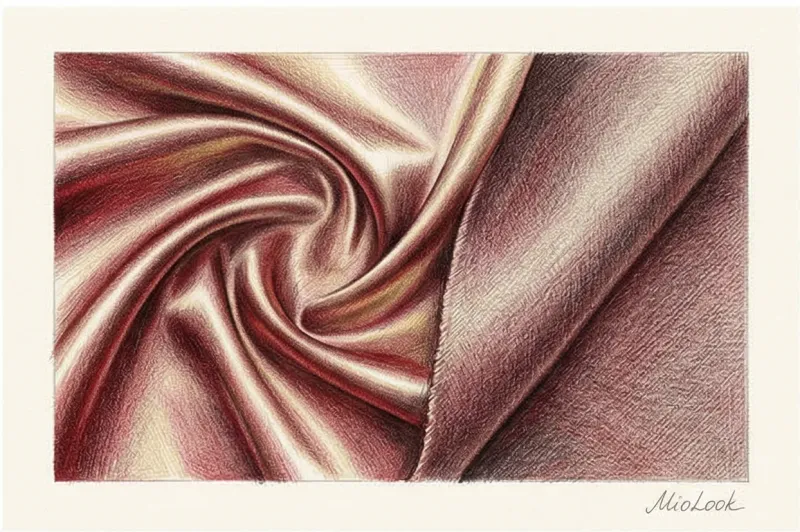
What is satin?
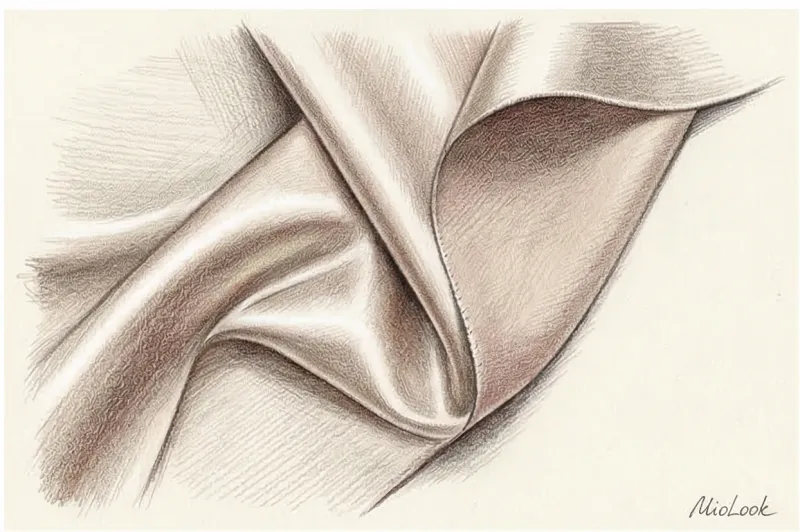
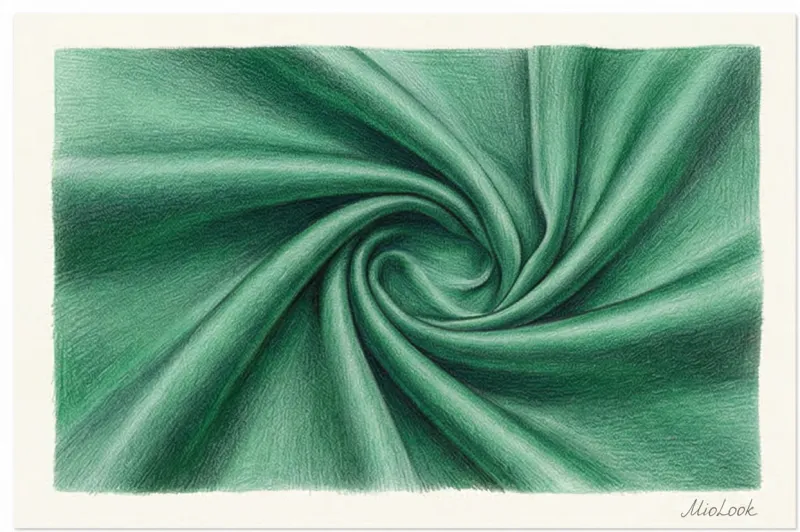
Satin A type of weave in which the face is dominated by elongated overlaps of the warp or weft threads. This structure gives the material its main visual characteristic: a smooth, glossy, and shiny face with a matte and slightly rough back.
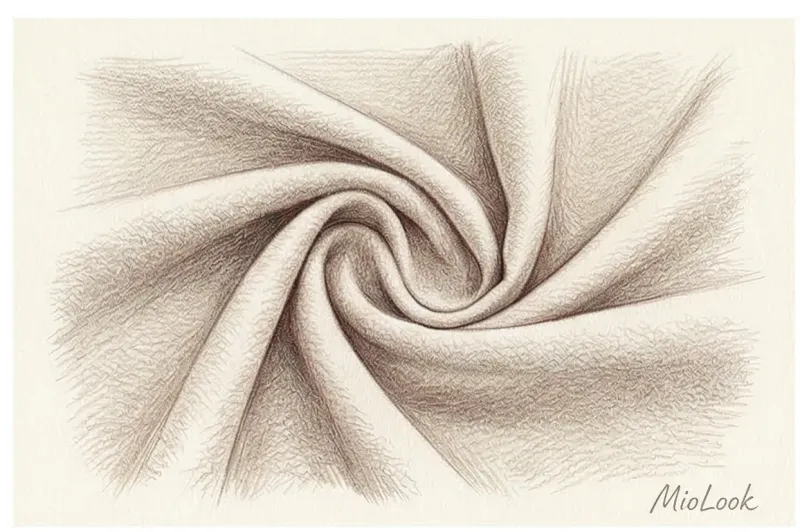
When answering the question of what satin is, it's important to note that it's not a specific type of raw material. Initially, the material was made exclusively from silk threads. Today, it's woven from cotton, polyester, viscose, or various blended fibers, preserving its characteristic luster.
Historically, the term derives from the Arabic name of the Chinese harbor of Quanzhou (Zaytun). It was from this port that the fabric was first exported to other countries.
Main types
Cotton satin, including premium Mako satin, is highly durable and absorbent. It has a subtle, elegant sheen and is often used for summer clothing and high-quality bedding.
Silk satin has the highest level of luster, flows beautifully, and creates soft folds. Traditionally, this variety is used to create evening gowns and premium lingerie.
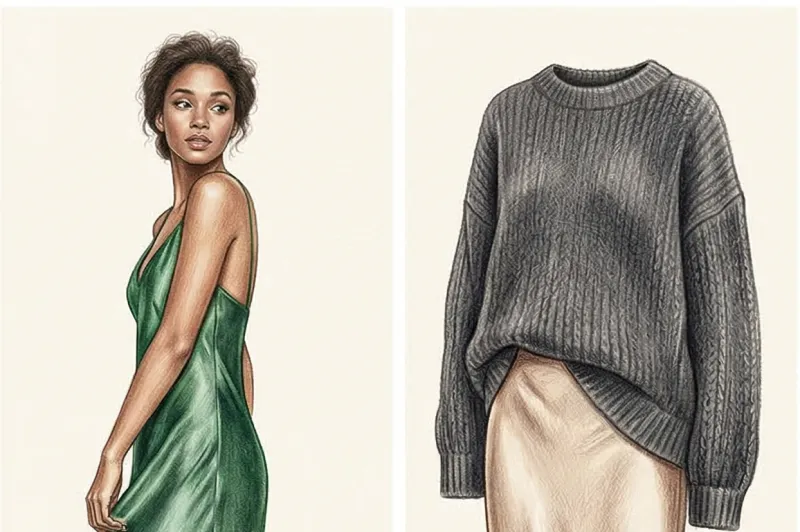
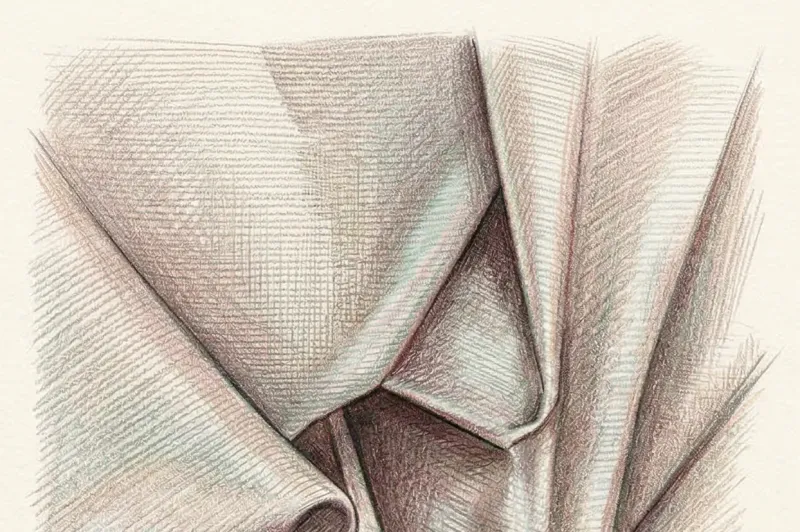
Crepe satin is a double-sided fabric. One side has a grainy crepe texture, while the other has a smooth satin finish, making it popular in the construction of elegant blouses and skirts.
Stretch satin contains elastane, which ensures a comfortable fit. This material is popular in the production of corsets, bodycon dresses, and tops.
How to use and care
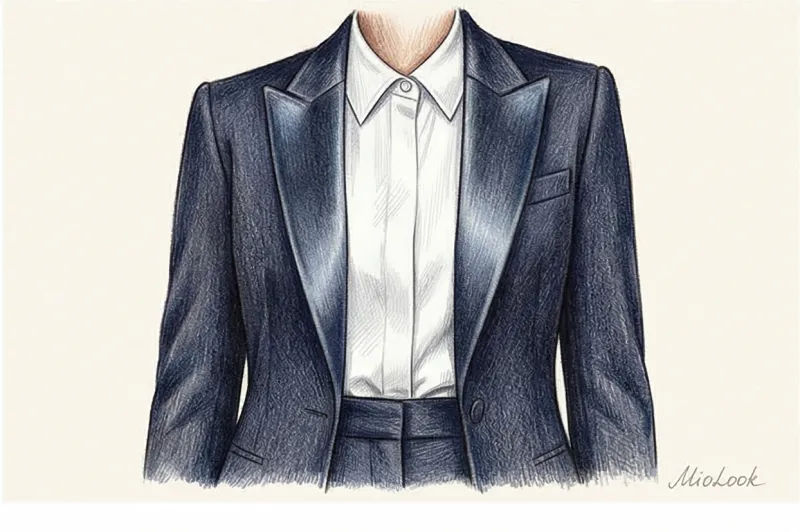
In women's wardrobes, satin is most often found in slip dresses, flowing midi skirts, and elegant blouses. The material also serves as a high-quality, durable lining for classic business suits.
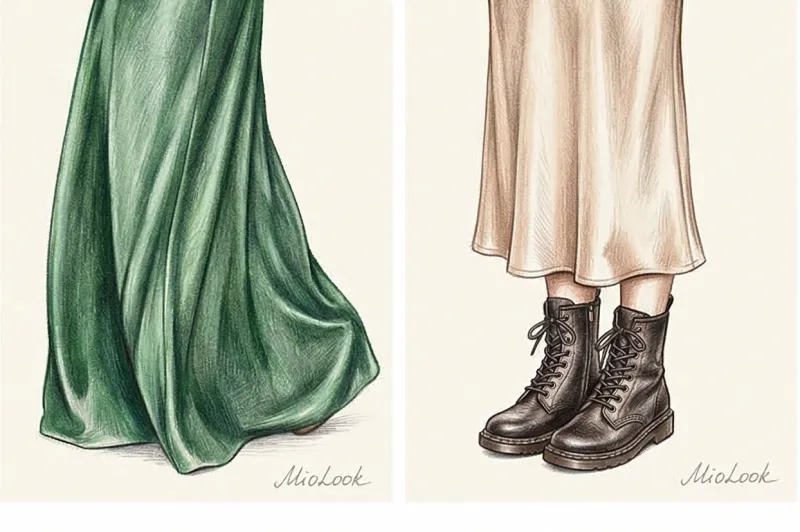
In styling, satin works best with contrasting textures. A glossy bias-cut skirt pairs harmoniously with voluminous, matte chunky-knit sweaters, heavy denim, or rough leather jackets.
Wash satin items on a delicate cycle at 30–40°C. Avoid using harsh bleaches or a hard machine spin to avoid micro-tears in the smooth fibers.
Satin should be ironed exclusively on the reverse, matte side. The temperature setting should be chosen strictly according to the thread composition (silk, cotton, or synthetic) to avoid leaving las—shiny, melted marks left by the iron—on the surface.