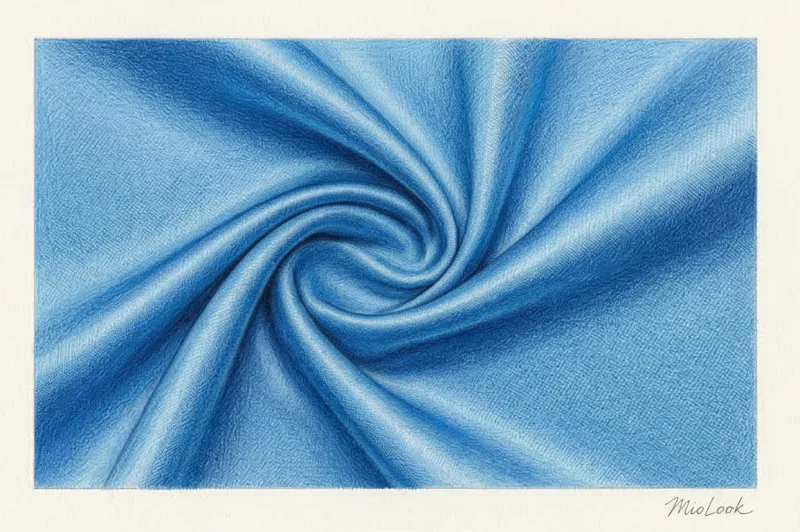
What is polyester?
Polyester — is a synthetic fabric made from polyester fibers (polyethylene terephthalate, or PET), which are obtained by refining petroleum products. The material was invented in the 1940s as a durable, wear-resistant, and inexpensive alternative to natural fabrics.
In modern clothing production, polyester is used both in its pure form and in blended fabrics—for example, with cotton, wool, or viscose. This increases the durability of the finished product and reduces production costs. Thanks to modern fiber processing technologies, this synthetic material can visually and tactilely imitate silk, chiffon, satin, or fine wool.
Distinctive features
The main feature of polyester is its high dimensional stability. The fabric is virtually wrinkle-resistant, doesn't stretch at the elbows and knees, and holds tight folds perfectly.
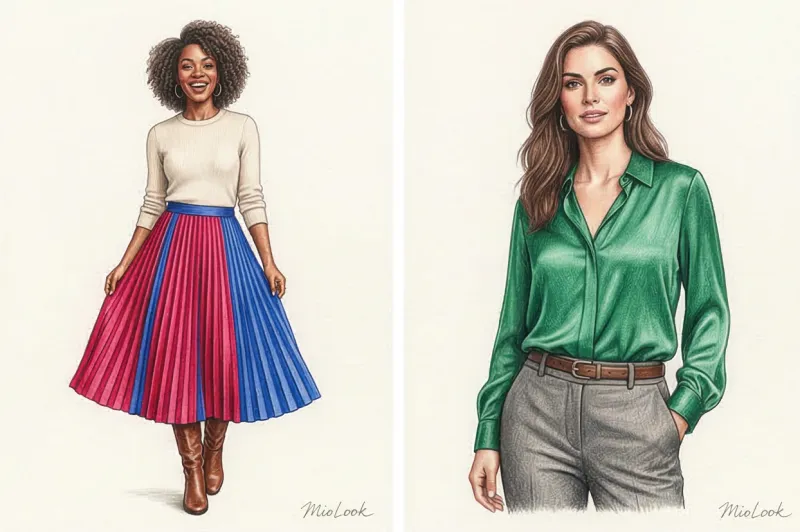
The material is wear-resistant and durable: it resists abrasion, does not fade under UV rays, and retains dye well. Due to its low hygroscopicity, polyester absorbs moisture poorly and dries quickly. This makes it an ideal choice for sportswear and jackets, but it reduces breathability in everyday garments.
If the yarn is of poor quality or improperly cared for, the material is prone to static buildup. Pilling (clumping) may also form on the surface in areas of constant friction.
How to care
Polyester clothing should be machine washed at 30-40°C. Higher temperatures can deform the synthetic fiber and cause creases to set, making them difficult to remove.
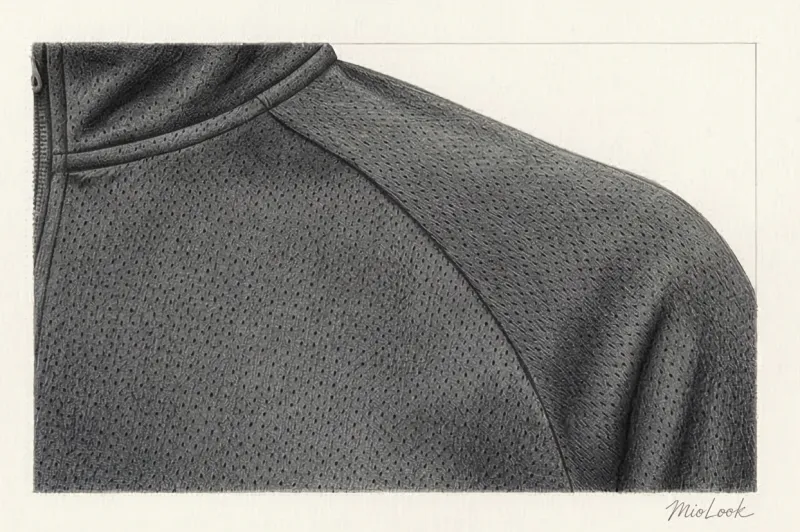
To neutralize static electricity, it is recommended to use fabric softeners during washing or anti-static sprays during wear. It is important to avoid harsh chlorine-based bleaches, as they destroy the structure of the polyester thread.
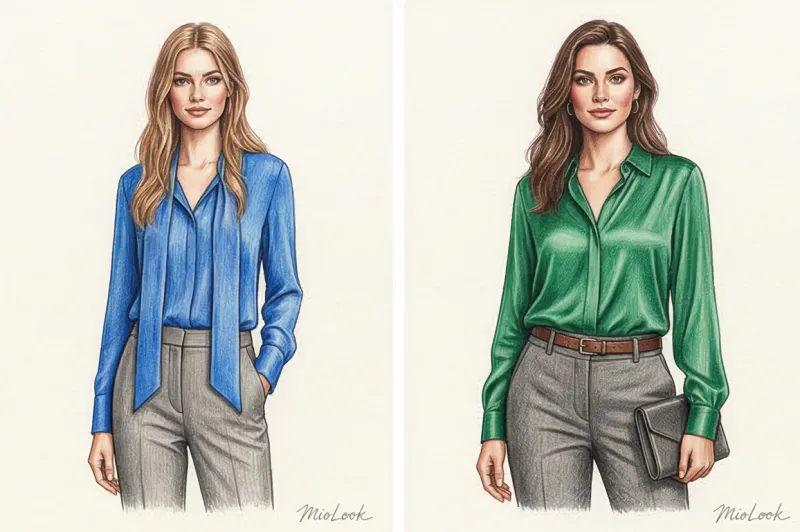
Polyester should be ironed at the lowest temperature (synthetic or silk setting) only on the reverse side. A vertical steamer is the safest and most effective way to remove wrinkles from this fabric.