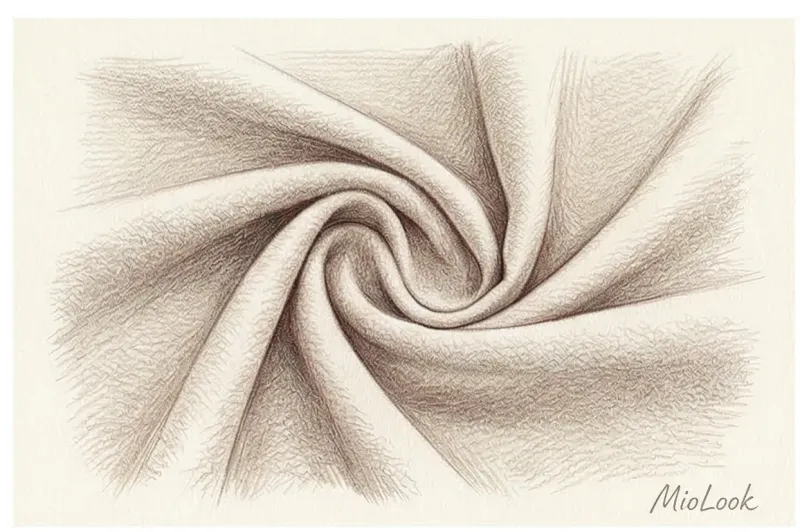
What is crepe fabric?
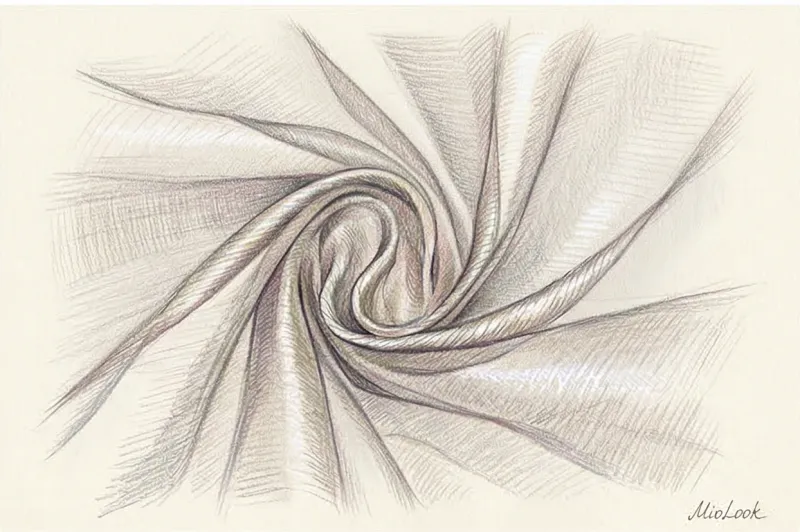
Crepe — is a group of fabrics with a characteristic rough, grainy or finely patterned surface.
The texture is achieved through a strong (crepe) twist of the threads or a special crepe weave in which the warp and weft threads cross repeatedly.
Historically, this material was made exclusively from natural silk. In modern textile production, wool, cotton, viscose, and synthetic fibers, primarily polyester, are also used. The material's key properties are high elasticity and drape. Crepe fabric is virtually wrinkle-free and has a refined matte finish.
Main types
Depending on the composition and density, there are several main types of crepe.
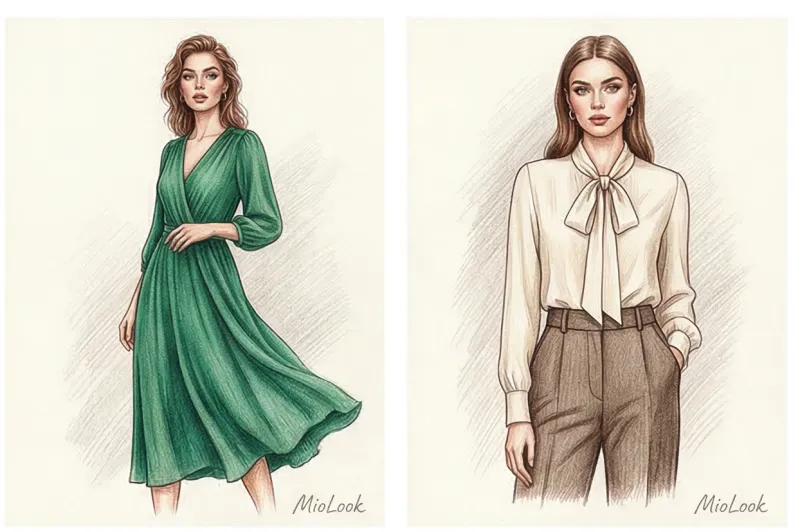
- Crepe de Chine — a lightweight silk or semi-silk fabric with a moderate sheen. Used for sewing flowing dresses, blouses, and scarves.
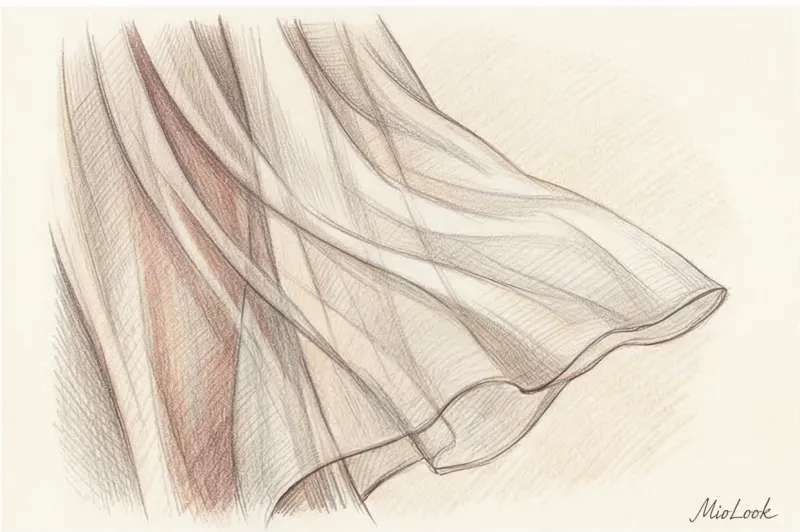
- Crepe Georgette — a translucent, thin, and matte material with a pronounced grain. Widely sought after in evening and wedding fashion.
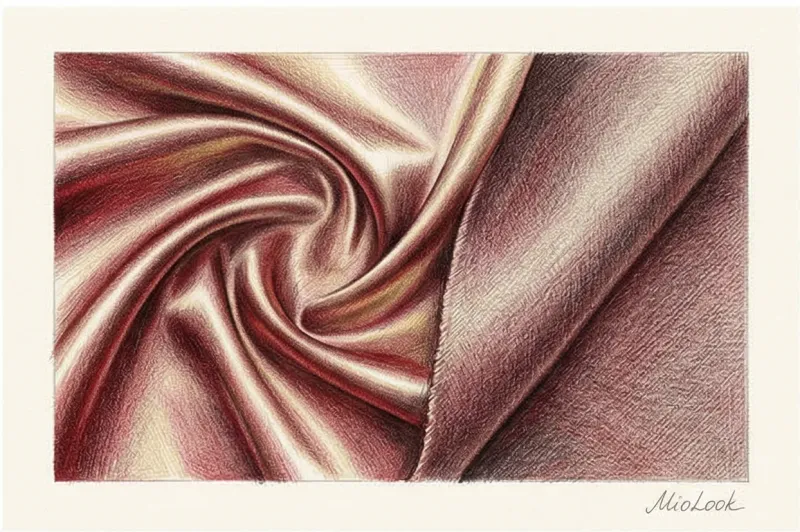
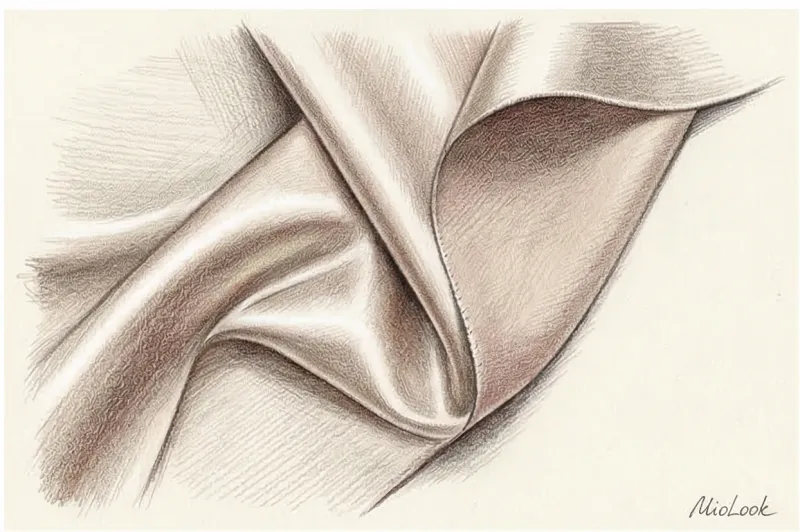
- Crepe Satin — a double-sided fabric. Its front side is smooth and shiny, like satin, while the back has a matte, rough texture.
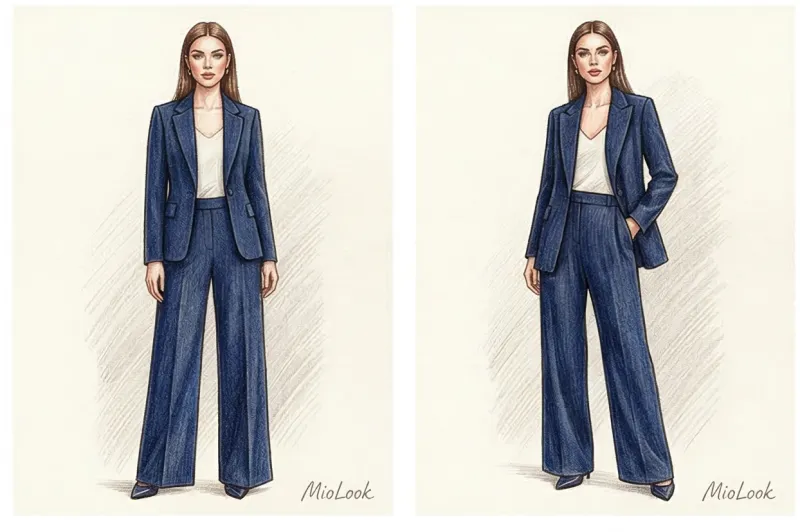
- Suit crepe — a dense fabric that holds its shape well. It often contains elastane and is used to create structured jackets, tailored skirts, and classic trousers.
How to use and care
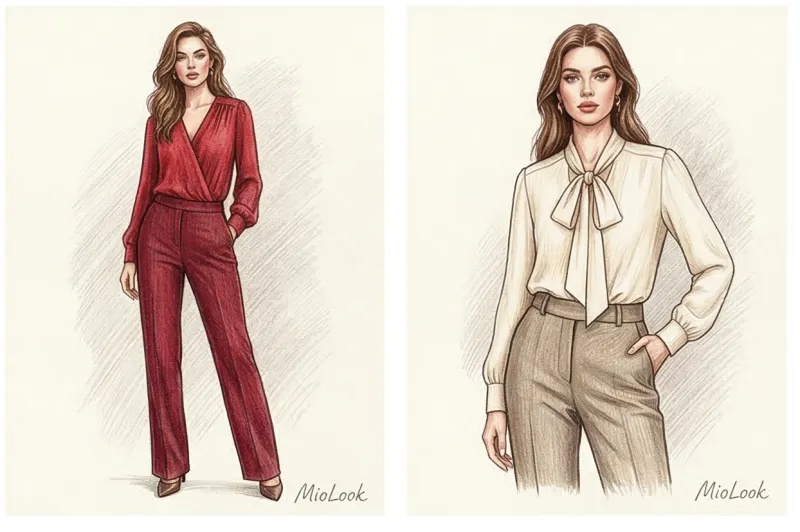
Thanks to its high pliability, crepe fabric is ideal for complex cuts. It's used to create wide palazzo pants, dresses with soft, asymmetrical drapes, and relaxed business suits.
Care instructions depend directly on the fiber composition. Natural silk and wool crepe require professional dry cleaning. Synthetic and viscose options can be delicately hand washed in cool water at a temperature not exceeding 30 degrees Celsius.
When wet, the material may shrink significantly. Crepe items should not be wrung out or machine dried.
Iron garments only from the reverse side when slightly damp. A vertical steamer is also suitable for ironing, as it allows you to smooth out creases without flattening the textured grain of the fibers.